The Artisanal Pasta Bronze Die from Apulia refers to a traditional method used in the region of Apulia (Puglia) in southern Italy to make pasta. This technique involves shaping the pasta through bronze dies — molds that give the pasta its unique texture and appearance.
Here’s a more detailed description of this technique:
Material - Bronze Dies: Bronze is used instead of modern, non-stick materials like Teflon because it creates a rougher texture on the pasta. This texture helps sauces cling better to the pasta, providing a more flavorful eating experience. The bronze also has a slightly porous surface, which adds to the authenticity of the pasta by mimicking the traditional handmade quality.
Handcrafted and Traditional Process: The pasta made with bronze dies is typically produced in small batches, with the dough being kneaded and extruded through these dies. It’s often made with semolina flour and water, a staple in Apulian cuisine. The process involves slow extrusion to maintain the integrity of the dough.
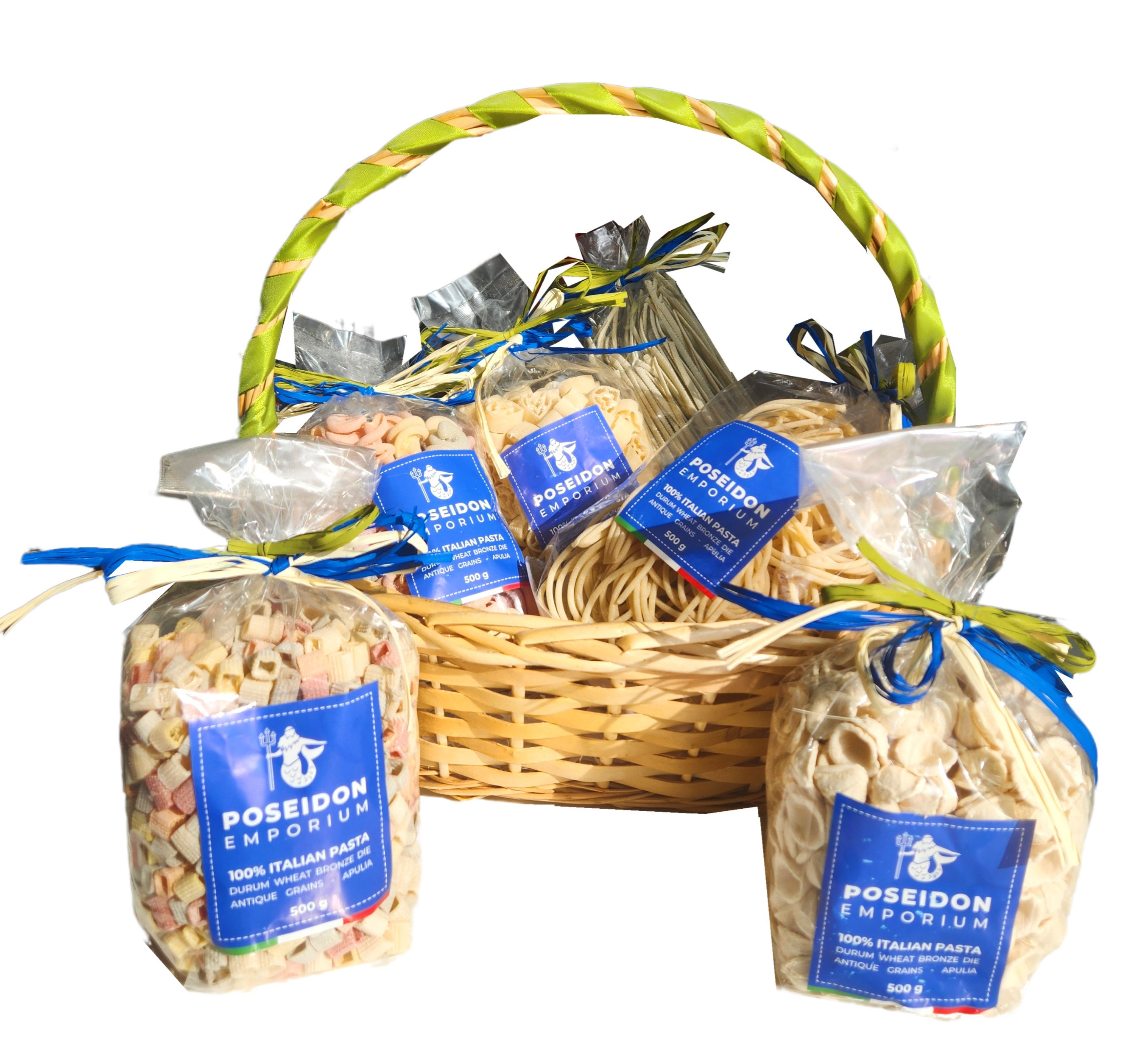
Textures and Shapes: Because the bronze dies leave a rougher surface, the pasta often has a rustic, slightly uneven appearance. Some of the most popular pasta shapes created using this method include orecchiette (the iconic "little ears" shape), troccoli, cavatelli, and cavatellini. Each shape is designed to hold and pair well with various sauces typical of the Apulian region.
Regional Heritage: Apulia is known for its rich food heritage, and pasta plays a central role in its cuisine. By using bronze dies, pasta makers are preserving techniques passed down through generations. This traditional method adds an element of craftsmanship, which many artisanal pasta lovers appreciate for its authenticity and commitment to quality.
In essence, the Artisanal Pasta Bronze Die from Apulia reflects both a deep respect for heritage and a focus on texture, offering a unique pasta experience that's both flavorful and full of character.