Bakeware cake pan: How to Choose, Use, and Care for Perfect Cakes
A truly great bakeware cake pan is one of the most fundamental tools in your kitchen. It's the secret weapon that turns simple ingredients into a beautiful cake with an even crumb and that perfect golden-brown crust. Think of it less as just a container and more as your baking partner—it has a huge impact on your final creation, helping make every bake a masterpiece.
Why Your Bakeware Cake Pan Matters
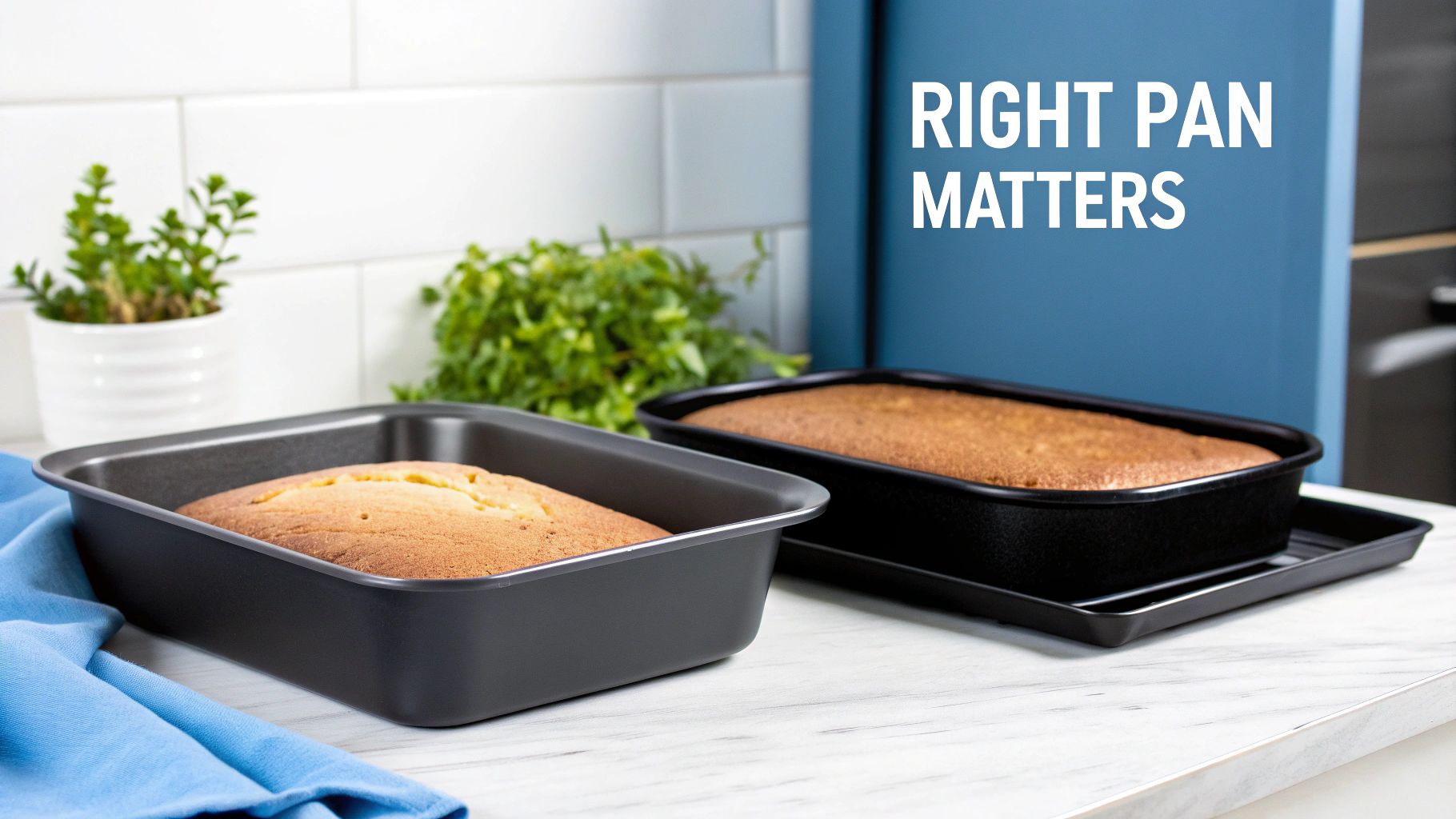
Welcome to the wonderful world of baking! So much of what makes an unforgettable cake comes down to the pan you use. It's really the canvas for your edible art. The right pan ensures your cake bakes evenly all the way through, pops out cleanly without sticking, and holds its shape perfectly. It sets the stage for a stunning result, every single time.
When you pair a top-notch cake pan with beautiful ingredients, like the ones from IFM Gourmet Food Store here in Dubai, you take your baking from a hobby to a real craft. The quality of your tools and ingredients go hand-in-hand, allowing all those wonderful flavours to shine. This guide will walk you through everything you need to know.
The Foundation of Flawless Baking
Choosing the right pan is absolutely critical to getting the result you're hoping for. Here’s why it deserves a bit of thought:
Even Heat Distribution: A good pan gets rid of hotspots. That means the centre of your cake will be perfectly cooked without the edges getting dry or, even worse, burnt.
Perfect Browning: The material your pan is made from is what creates that beautiful, evenly browned crust we all love.
Structural Integrity: Whether you're aiming for a classic round layer cake or an intricate bundt, the pan is what gives your cake its final, impressive shape.
Here in the UAE, we're seeing a real love for premium, artisanal-quality baking. The bakery market is actually set to hit US$966.7 million by 2027, and a lot of that is driven by our growing taste for gourmet treats. It shows just how important it is to use professional-grade bakeware at home, especially when you're working with premium Italian ingredients like those from IFM Gourmet to recreate that special bakery magic.
If you're building your kitchen toolkit from scratch, our comprehensive article on choosing your perfect baking ware set is a fantastic place to start. It’s packed with great advice for putting together a collection that will serve you well for years.
Understanding How Pan Materials Change Your Cake
Ever wonder why the same cake recipe can turn out differently in different pans? It’s not just you. Choosing a bakeware cake pan is about more than just its shape—the material it’s made from is a secret ingredient that dramatically impacts your final bake.
Think of each material as having its own personality in the oven. Some heat up in a flash, while others take their time. This difference in how they conduct and hold heat changes everything, from the evenness of the bake to the colour and texture of your cake’s crust. Getting this right is the key to going from a good baker to a great one.
Let’s break down the most common materials and see what they bring to the table.
Aluminium: The Speedy Conductor
There’s a reason aluminium pans are in almost every baker’s kitchen: they are fantastic heat conductors. Imagine it as the sports car of bakeware; it gets up to temperature fast and cools down just as quickly. This means your cake gets a rapid, even blast of heat, which is exactly what you want for a beautiful, light golden-brown finish.
Its nimble performance makes it incredibly versatile, especially for cakes that need a delicate, tender crumb.
Best For: Light sponge cakes, classic layer cakes, and airy angel food cakes.
Key Advantage: Its amazing heat conductivity prevents those dreaded "hot spots," so your cake bakes evenly all the way through.
Consideration: Look for anodized aluminium. It's a fantastic upgrade that's more durable, scratch-resistant, and won't react with acidic ingredients like lemon.
Carbon Steel: The Durable Workhorse
If aluminium is the zippy sports car, carbon steel is the tough, reliable truck. This material is incredibly durable and built to handle high temperatures without warping. It takes a little longer to heat up, but once it’s hot, it stays hot. This excellent heat retention is what gives you fantastic browning and those wonderfully crisp edges everyone loves.
This makes it the go-to choice for bakes that benefit from a strong, well-defined crust. To dig deeper into how materials work their magic, you can explore the secrets of pan materials like aluminum for baking and see how these ideas apply to other recipes. Many carbon steel pans also come with a non-stick coating, making cleanup a breeze.
Silicone: The Flexible Innovator
Baking with silicone is a totally different experience. Because it’s so flexible, it doesn’t conduct heat like metal does; it’s more of an insulator. This means cakes baked in silicone pans won’t brown as much or develop that crisp crust you get from metal.
But its superpower is the incredibly easy release. You can literally peel the pan away from the cake—no sticking, no fuss.
Because silicone insulates, you might need to adjust your baking times. A great tip is to always place your silicone pan on a sturdy metal baking sheet. This gives it stability and helps the heat circulate more evenly underneath.
Ceramic: The Classic Slow Baker
Beautiful and functional, ceramic bakeware is the slow-cooker of the baking world. It heats up gently and holds that warmth for a long, long time. This slow-and-steady approach is perfect for delicate bakes that can easily overcook or curdle, like rich cheesecakes and creamy custards. The result? A perfectly soft, evenly cooked interior.
Since ceramic is a slower conductor, it creates very little browning on the sides and bottom of your bake, which is exactly what you want when a pale, tender crust is the goal.
To make picking the right pan a little easier, here’s a quick-reference chart comparing the most common materials and what they do best.
Bakeware Cake Pan Material Comparison
Material | Heat Conductivity | Best For | Key Feature |
|---|---|---|---|
Aluminium | High & Even | Sponges, layer cakes, angel food | Heats and cools quickly, prevents hot spots |
Carbon Steel | Moderate & Retentive | Bundt cakes, muffins, brownies | Creates crisp edges and deep browning |
Silicone | Low (Insulator) | Intricate-shaped cakes, muffins, freezing | Ultimate non-stick and flexible release |
Ceramic | Low & Retentive | Cheesecakes, custards, bread pudding | Gentle, even heating for delicate bakes |
Each material has its own strengths, and having a few different types in your collection will set you up for success with any recipe that comes your way.
Matching Pan Size and Shape to Your Recipe
Getting the size and shape of your bakeware cake pan right is just as important as measuring your flour and sugar. Think about it: if you pour your carefully mixed batter into a pan that’s too big, it will spread out thin, baking into a sad, dry disk. On the flip side, a pan that’s too small is an absolute recipe for disaster—hello, overflowing batter and a smoky oven.
It’s not just about neatness, either. The pan’s volume directly shapes your cake’s final texture. A deeper pool of batter in a smaller pan needs more time to cook through, which can leave you with a dense, gummy centre and over-browned edges. Nailing the right size is your first step to a perfect bake, every single time.
The Most Common Pan Shapes and Their Uses
Most recipes are designed with a specific pan shape in mind to get a certain look and feel. While you can find pans in every novelty shape imaginable, your kitchen will be well-served with these trusty standards:
Round Pans: The absolute classic for layer cakes. You’ll find that 8-inch and 9-inch round pans are the go-to for everything from birthday cakes to elegant wedding tortes.
Square and Rectangular Pans: These are your workhorses for brownies, blondies, and fuss-free sheet cakes. An 8-inch square pan is one of the most versatile tools you can own.
Loaf Pans: Essential for those dense, comforting bakes like a classic pound cake, banana bread, or any other quick bread. The narrow shape is key to making sure these heavy batters cook evenly all the way through.
Bundt Pans: More than just a pretty face! The decorative flutes and central tube (or chimney) aren't just for show; they help conduct heat right into the centre of the cake. This is perfect for dense batters, ensuring a uniform bake and a beautifully sculpted finish.
Springform Pans: Absolutely non-negotiable for delicate desserts like cheesecakes, mousse cakes, or tortes. The clever removable sides mean you can release the cake without flipping it over, keeping its fragile structure perfectly intact.
This visual guide breaks down how different pan materials work with heat, which is just as important as the pan's size and shape.
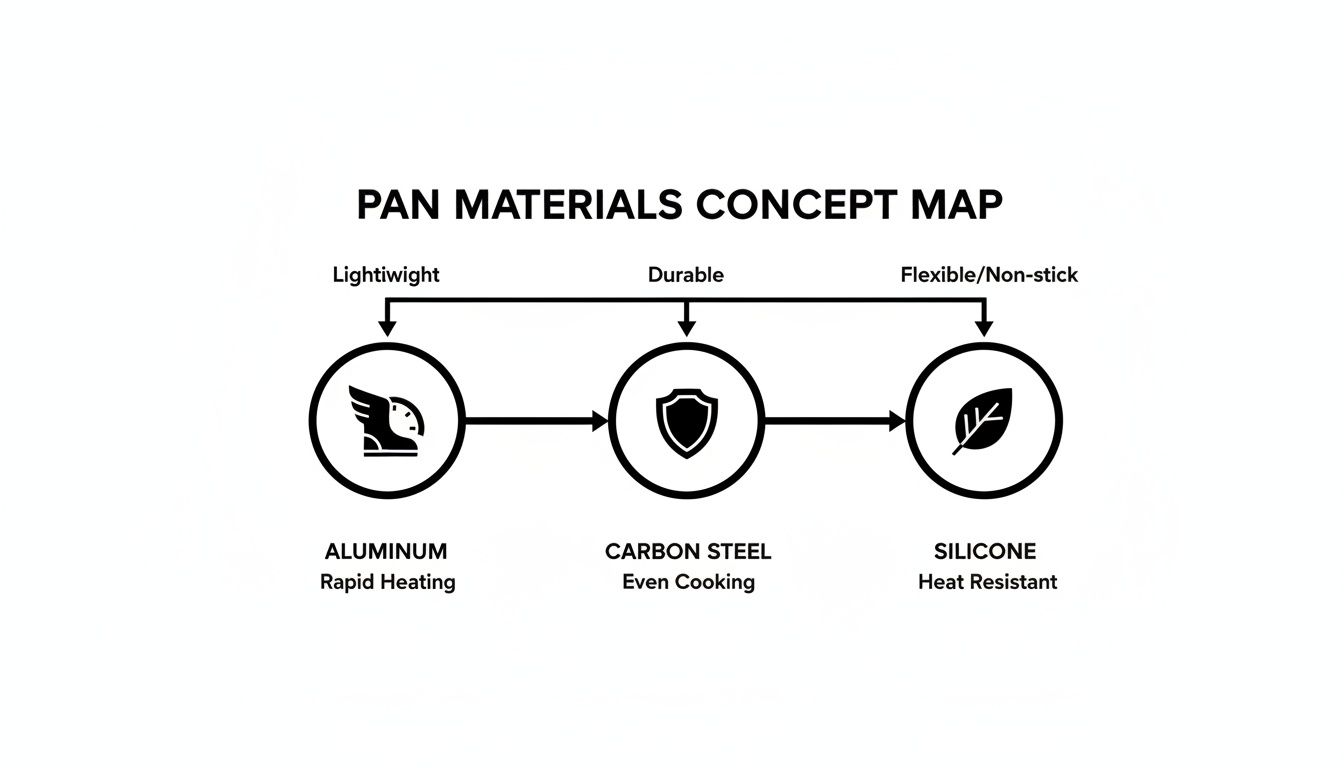
As you can see, every material has its own personality, from aluminium's even heating to carbon steel's sturdiness, and that choice will definitely leave its mark on your final cake.
Converting Between Pan Sizes
So, what do you do when a recipe calls for a pan you don’t have in your cupboard? It all comes down to matching the volume. It’s easy to think a 9-inch round pan is just a tiny bit bigger than an 8-inch one, but that small difference in diameter means the 9-inch pan actually holds about 25% more batter.
A great rule of thumb to remember is that an 8-inch square pan and a 9-inch round pan hold almost the exact same amount of batter. You can usually swap one for the other without tweaking your recipe at all.
When you do have to adapt, a golden rule is to never fill your pan more than two-thirds full. This leaves enough headroom for the cake to rise without spilling over. If you find yourself with a little extra batter, just pour it into a couple of cupcake liners—a well-deserved treat for the baker!
For a little creative inspiration, take a look at these gorgeous honey cornflake cakes from IFM Gourmet Dubai. They're a perfect example of how simple ingredients can be transformed into something truly special.
How Today's Baking Trends Shape Your Bakeware Choices
Baking today, especially in a vibrant food hub like Dubai, is all about embracing modern tastes and healthier ways of eating. You might be surprised to learn how much your choice of a bakeware cake pan connects to these trends. The right pan isn't just a tool; it's a partner in creating contemporary treats that are both delicious and mindful.
This shift towards wellness is completely changing how we approach baking at home. For example, high-quality non-stick and silicone pans are fantastic for lower-fat recipes. They need less oil or butter to prevent sticking, which helps cut down the overall fat without losing that clean, easy release we all look for. This simple swap really lets the pure flavours of premium ingredients, like those from IFM Gourmet, shine through.
Baking for the Modern Palate
The move towards healthier eating often means we're using alternative ingredients that act a bit differently in the oven. Think about denser whole-grain flours, or natural sweeteners like honey and maple syrup that caramelise much faster. Your bakeware choice is key to managing these new baking challenges.
A pan with excellent heat control, like anodized aluminium, can stop the bottoms of cakes made with natural sugars from burning. On the other hand, the gentle, even heat from a ceramic pan can be just what you need for delicate custards or cheesecakes made with dairy alternatives, giving you that perfectly smooth, creamy texture.
When you select the right pan for the job, you're aligning your kitchen with a modern, artisanal philosophy. It's all about using smart equipment to support cleaner ingredients and achieve sophisticated results. This approach turns every cake into a thoughtful creation that tastes incredible and feels good to share.
This health-conscious mindset is making a real impact locally. As home chefs and IFM Gourmet Food Store customers in Dubai seek out bakeware for creative, lower-sugar Italian cakes, it's clear the UAE's embrace of mindful baking is reshaping how we use our pans. The UAE Ministry of Health and Prevention's National Health Survey found that 47% of people are actively trying to cut their sugar intake, which directly fuels the demand for functional, less-sweet cakes. This trend is part of a bigger picture: the Emirates' frozen and retail bakery market is valued at a massive AED 3.2 billion (USD 871 million), and it's been boosted by a 22% jump in licensed food facilities since 2020. You can learn more about the evolving UAE bakery market here.
Versatility for a Busy Lifestyle
Of course, modern baking isn't just about what's healthy; it's also about convenience. For those with busy lifestyles in a place like Dubai, kitchen tools need to be versatile and efficient.
Think about these everyday scenarios:
Multi-Purpose Pans: That simple loaf pan isn't only for banana bread. Use it for a small batch of savoury bread to go with an IFM Gourmet olive oil, or even to set a no-bake frozen dessert.
Easy Cleanup: Non-stick and silicone pans are famous for their quick and easy cleanup, saving you precious time and effort.
Freezer-to-Oven Convenience: Many high-quality pans can go straight from the freezer to the oven, which is a lifesaver for prepping treats ahead of time.
At the end of the day, your bakeware is a direct reflection of your baking style. By choosing pans that support healthier ingredients and fit a modern, fast-paced life, you're setting up your kitchen to succeed in today's culinary world.
Essential Care for Long-Lasting Bakeware
Think of a high-quality bakeware cake pan as more than just another kitchen tool. It's a real investment in your future baking adventures. To protect that investment, you need to go beyond a quick rinse under the tap. Proper care, specifically tailored to your pan's material, is what guarantees it will perform beautifully for years to come.
Ditching the one-size-fits-all cleaning approach is the secret to extending your bakeware's life. Every material plays by its own rules. What works wonders for a tough carbon steel pan could easily spell disaster for a delicate non-stick surface, so getting to know the differences is essential.
Caring for Non-Stick Surfaces
The golden rule with non-stick pans? Be gentle. That fantastic coating that lets your cakes slide right out is also their biggest vulnerability.
Always, always avoid metal utensils. Stick to silicone, nylon, or wooden tools to prevent scratches that will ruin the non-stick magic. In the same spirit, stay away from abrasive scouring pads or harsh chemical cleaners. A soft sponge with a bit of mild soap and warm water is all you’ll ever need to get it perfectly clean.
Seasoning Carbon Steel Pans
Carbon steel is a baker's best friend—it's incredibly durable and actually improves with age, but it does need a little TLC when you first bring it home. This process is called seasoning, and it's how you create a natural, rust-proof non-stick layer by baking oil onto the surface.
First Use: Before you do anything else, give your new pan a good wash with warm, soapy water and dry it completely.
Applying Oil: Grab a neutral oil like grapeseed or vegetable oil and lightly coat the entire inside of the pan.
Baking: Pop the pan upside down in a hot oven (around 200°C) for about an hour. The heat works to polymerise the oil, bonding it directly to the metal.
Every time you bake, this natural patina builds up, creating a slick, reliable surface that gives any synthetic coating a run for its money.
Maintaining Silicone Bakeware
Silicone is a dream to work with—it's flexible, and cleaning is usually a breeze. However, it can sometimes get a sticky residue or pick up stains from vibrant bakes. The best way to prevent this is to wash your silicone pans in warm, soapy water soon after they've cooled down.
If you're dealing with a stubborn, greasy film, here’s a neat little trick: bake the empty pan at a moderate temperature (around 180°C) for about 10 minutes. This helps draw the oils out of the silicone's pores, making them much easier to wash away.
By following these simple techniques, you'll make sure your favourite bakeware cake pan remains a trusted partner for all your kitchen creations.
Creating the Perfect Gourmet Gift with IFM
There’s something truly special about sharing what you bake. A high-quality bakeware cake pan can be much more than a kitchen tool—it can be the heart of an elegant and thoughtful gift, an invitation to create something delicious.
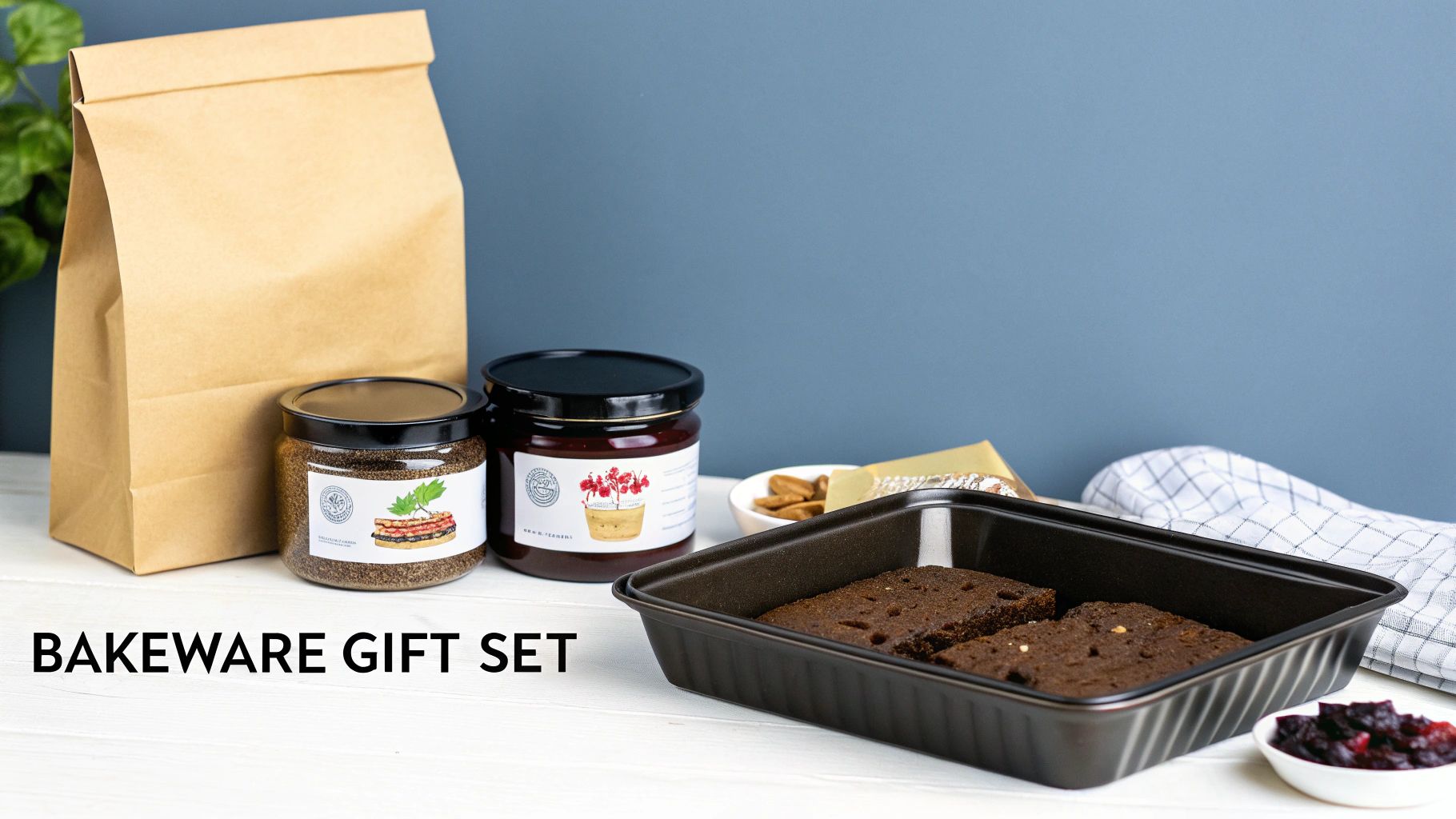
When you pair a beautiful pan with artisanal ingredients, you’re not just giving an object; you're curating a gourmet hamper that speaks volumes. It’s a way to elevate a simple gift into a shared culinary experience, perfect for friends, family, or even clients.
Curating a Luxurious Baking Hamper
The real art of a great gift hamper is in combining items that tell a story together. IFM Gourmet Dubai is the luxury online gourmet arm of IFM Investments LLC, a culinary-focused company based in the UAE. As part of the broader Italian Food Masters group, their store offers an impressive lineup of artisanal delicacies, including sweets, savories, fine chocolates, premium teas, cakes, and beautifully curated gift hampers—all perfect partners for a new cake pan.
Picture this: a classic 9-inch round pan bundled with a bag of IFM’s premium Italian flour. Add a bar of fine dark chocolate for melting into a rich ganache, and finish with a jar of exquisite fruit preserves for a delicious cake filling. This collection inspires a baking project right out of the box. You can explore all the possibilities at the IFM Gourmet store online.
A perfectly curated gift hamper does more than just provide items; it offers an experience. Combining a durable bakeware cake pan with artisanal ingredients turns a simple gift into a memorable journey of flavour and creativity.
Themed Gifts for Every Occasion
In Dubai, generous gifting is woven into the culture. A baking-themed hamper is a wonderful way to create a personal and luxurious gesture for any celebration.
You can tailor the contents to fit the occasion perfectly.
For Ramadan: Imagine a beautiful pan paired with ingredients for a traditional date and walnut cake. Include premium dates, fine nuts, and a bottle of fragrant orange blossom water from the IFM collection.
For Christmas: Create a festive package with a Bundt pan, warm spices like cinnamon and nutmeg, candied fruits, and perhaps a small bottle of high-quality vanilla extract.
This thoughtful approach transforms a functional bakeware cake pan into an unforgettable gift that truly reflects culinary elegance and the joy of sharing.
Common Bakeware Questions Answered
Even the most seasoned bakers get stumped by their equipment now and then. A bakeware cake pan isn't just a container; its colour, condition, and size all play a role in the final bake. Let's clear up a few common questions so you can get a perfect result every time.
Can I Use a Dark and a Light Pan Interchangeably?
You can, but you'll need to make a couple of small tweaks. Think of it like this: a dark pan absorbs and conducts heat much faster than a shiny, light-coloured one, almost like wearing a dark shirt on a sunny day. This means you'll get faster browning and much crispier edges.
If your recipe calls for a light pan but you've only got a dark one on hand, just lower your oven temperature by about 10-15°C. It's also a good idea to start checking for doneness a few minutes earlier than the recipe suggests to make sure your cake doesn't over-bake.
Why Do Cakes Stick to My Non-Stick Pan?
Ah, the classic mystery of the sticking non-stick pan! It usually comes down to a couple of things. Over time, that non-stick coating can simply wear down, especially if it's been scrubbed a bit too enthusiastically with abrasive sponges.
Another common culprit is simply skipping the greasing and flouring step. I know it seems redundant, but think of it as cheap insurance for a perfect release. Finally, super sugary batters or those with sticky additions like honey are just naturally more prone to sticking, so always prep your pan exactly as the recipe directs.
What Is the Most Versatile Pan for a Beginner?
If you're just starting your baking adventure, you can't go wrong with a 9-inch (23 cm) round aluminium cake pan. It's the little black dress of the bakeware world.
Aluminium is fantastic because it distributes heat incredibly evenly, which is a lifesaver when you're still getting the hang of things. This size is also the standard for a huge range of recipes, from simple sponges to elaborate celebration cakes. It lets you try your hand at almost anything without needing to buy a whole cupboard full of specialty pans right away.
Discover the finest artisanal ingredients to pair with your bakeware at IFM Gourmet Food Store. Explore our collection of authentic Italian delicacies to elevate your next baking creation. Visit us at https://www.ifmgourmet.com.


Comments