Discover Classic Italian Sweets: A Journey Through Authentic Flavours

Italian cuisine is renowned worldwide, and its desserts hold a special place in the hearts of food lovers. From rich, creamy treats to light, airy cakes, classic Italian sweets offer a delightful experience that reflects the country's rich history and regional diversity. This article explores some of the most beloved traditional Italian desserts, their origins, and how you can enjoy them today.
Exploring Classic Italian Sweets: A Taste of Tradition
Italian desserts are as varied as the regions they come from. Each area boasts its own specialties, often influenced by local ingredients and historical events. Some of the most iconic classic Italian sweets include tiramisu, cannoli, panna cotta, and gelato. These desserts are not only delicious but also tell stories of Italian culture and craftsmanship.
Tiramisu: Originating from the Veneto region, tiramisu is a layered dessert made with coffee-soaked ladyfingers, mascarpone cheese, cocoa powder, and sometimes a hint of liqueur. Its name means "pick me up," reflecting the energising effect of coffee and cocoa.
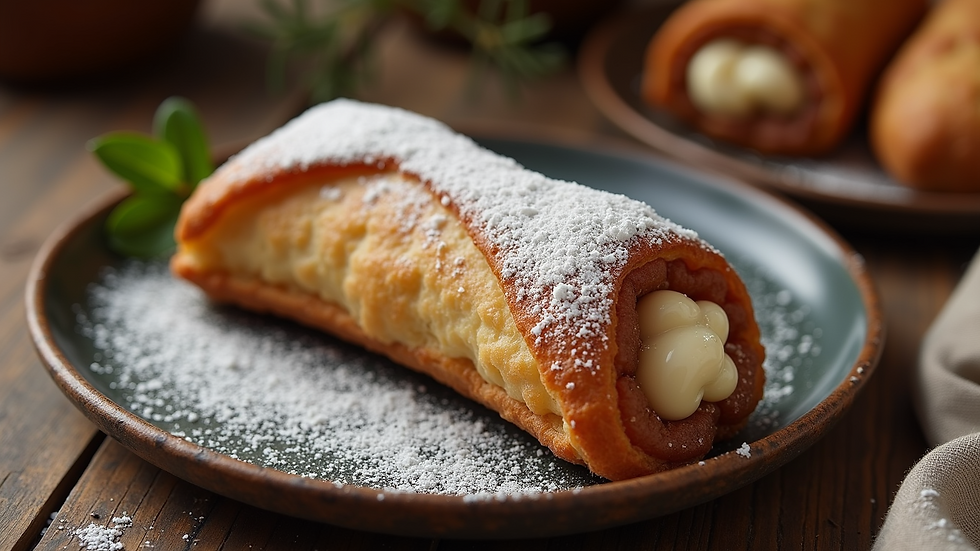
Cannoli: Hailing from Sicily, cannoli are tube-shaped shells of fried pastry dough filled with sweetened ricotta cheese, often mixed with chocolate chips or candied fruit.
Panna Cotta: This creamy, gelatin-based dessert from Piedmont is simple yet elegant. It is typically served with berry coulis or caramel sauce.
Gelato: Italy’s famous ice cream, gelato is denser and richer than regular ice cream, made with more milk and less cream, and churned at a slower speed.
These desserts are perfect for any occasion, whether a casual family dinner or a festive celebration.

Regional Variations of Classic Italian Sweets
Italy’s diverse geography and history have given rise to a wide range of regional desserts. Each region offers unique flavours and ingredients that make their sweets stand out.
Northern Italy: Known for rich, creamy desserts like zabaglione and panettone. Panettone, a sweet bread loaf with candied fruits and raisins, is especially popular during Christmas.
Central Italy: Famous for ricotta-based desserts such as cassata and crostata. Cassata is a Sicilian cake layered with ricotta, sponge cake, and candied fruit.
Southern Italy: Home to bold, sweet treats like sfogliatella and pastiera. Sfogliatella is a shell-shaped pastry filled with ricotta and citrus zest, while pastiera is a wheat and ricotta pie traditionally made at Easter.
Understanding these regional differences can enhance your appreciation of Italian desserts and inspire you to try new recipes or visit specific areas to taste authentic versions.
What is the oldest Italian dessert?
Tracing the oldest Italian dessert leads us back to ancient times when simple ingredients like honey, nuts, and fruits were combined to create sweet treats. One of the oldest known desserts is Panforte, a dense, spicy fruitcake from Siena, Tuscany. Panforte dates back to the Middle Ages and was originally made as a nutritious and long-lasting food for travellers and pilgrims.
Panforte is made with honey, sugar, nuts, dried fruits, and a blend of spices such as cinnamon, cloves, and nutmeg. Its rich flavour and chewy texture have made it a beloved dessert for centuries, especially during the Christmas season.
Another contender is Torrone, a nougat made with honey, sugar, egg whites, and toasted almonds or other nuts. Torrone has ancient origins, with recipes dating back to Roman times, and remains a festive favourite across Italy.
These desserts highlight the long-standing tradition of Italian sweet-making and the use of natural, wholesome ingredients.
How to Enjoy Traditional Italian Desserts at Home
Bringing the taste of Italy into your kitchen is easier than you might think. Many classic Italian sweets require simple ingredients and straightforward techniques. Here are some tips to help you enjoy authentic flavours at home:
Use quality ingredients: Fresh eggs, real mascarpone, good-quality chocolate, and fresh fruits make a big difference.
Follow traditional recipes: Authentic recipes preserve the original taste and texture. For example, tiramisu should be made with espresso, not instant coffee.
Experiment with regional variations: Try making panettone during the holidays or panna cotta with seasonal berries.
Pair desserts with Italian beverages: Enjoy your sweets with espresso, Vin Santo, or a glass of Moscato d’Asti for a complete experience.
Presentation matters: Serve desserts in elegant dishes or glasses to enhance the dining experience.
For those interested in exploring more about Italian cakes, including panettone and pandoro, check out this detailed guide on traditional italian desserts.
Celebrating Italian Desserts Beyond Borders
Italian desserts have gained international popularity, inspiring chefs and home cooks worldwide. Many Italian restaurants outside Italy offer these classic sweets, often with their own twist. However, the best way to truly appreciate these desserts is to experience them in their place of origin.
Visiting Italy during festive seasons like Christmas or Easter provides a unique opportunity to taste seasonal specialties such as panettone, pandoro, and pastiera. Local markets and bakeries showcase a variety of sweets that reflect centuries of culinary tradition.
Moreover, Italian desserts are perfect for sharing with friends and family, making any gathering more special. Whether you are hosting a dinner party or simply indulging in a sweet treat, these desserts bring warmth and joy.
Exploring classic Italian sweets opens a window into Italy’s rich culinary heritage. From the ancient Panforte to the creamy tiramisu, each dessert tells a story of tradition, culture, and passion for food. Whether you enjoy them at home or on a trip to Italy, these authentic flavours are sure to delight your palate and inspire your love for Italian cuisine.


Comments