How to Make Tomato Sauce: Complete Step-by-Step Recipe

You open the fridge, spot a bag of pasta, and realise the sauce situation is weak. That's exactly when a proper tomato sauce earns its place. The good news is that how to make tomato sauce at home is less about culinary theatrics and more about a few disciplined choices, the right pot, and ingredients that deserve the heat.
In Dubai, that matters even more. Imported Italian staples have become part of everyday cooking, and the difference between a flat sauce and a memorable one usually comes down to tomatoes, olive oil, salt, and patience. The tradition behind tomato sauce is old and specific, not generic pantry food, and that history still matters when you're choosing what to buy and how to cook it. The earliest widely cited written tomato-sauce recipe appears in Antonio Latini's 1692 cookbook Lo Scalco alla Moderna, where he roasted about a half-dozen tomatoes and combined them with onion, chili, thyme, salt, oil, and vinegar for a sauce served with boiled meat, then Francesco Leonardi's 1790 L'Apicio moderno is cited as the first Italian cookbook to pair tomato sauce with pasta, marking the shift to the pasta staple people now expect in Italian kitchens. For Dubai cooks who care about authenticity, that timeline is a practical reminder that technique and ingredient quality are the whole game.

A good sauce is also a forgiving one. If you start with sound tomatoes and manage heat properly, you can make something that tastes layered, not loud. That's why many home cooks in the UAE keep a few premium Italian basics on hand, because the sauce is only as good as the pantry behind it. You'll also see a clear pattern in serious ingredient shops, including IFM Gourmet Dubai, the luxury online gourmet arm of IFM Investments LLC in the UAE, which carries artisanal delicacies and curated gourmet items that fit this style of cooking. One especially useful internal reference for pasta pairing is the product image at Pasta IFM Gourmet Dubai, because the sauce and the pasta should feel designed for each other, not randomly assembled.
Why Making Tomato Sauce From Scratch Changes Everything
A jar sauce can get dinner on the table, but it rarely gives you control. When you cook tomato sauce yourself, you choose the acidity, the thickness, the aroma, and the finish. That matters in a Dubai kitchen where dinner plans can change fast, and you still want the result to taste intentional rather than rushed.
The advantage is not just flavour, it's control over reduction and seasoning. Tomatoes need heat to soften, concentration to deepen, and a little restraint so they don't turn flat or scorched. That logic is not new. The old tomato-sauce tradition already showed this, first as a roasted tomato condiment in 1692 and later as a pasta sauce by 1790, which tells you that tomato sauce developed as a technique, not just a mix of ingredients. For an Italian-style kitchen, that history gives weight to the idea that you should cook with purpose, especially if you're buying ingredients like San Marzano tomatoes, olive oil, and balsamic vinegar for a sauce that needs to taste clean and balanced.
A sauce earns trust through repetition
Once you make it a few times, the process becomes second nature. You stop guessing, and start reading the sauce by sight and smell. The onions should soften without browning too hard, the tomatoes should reduce, and the final texture should coat the spoon instead of slipping off it.
Practical rule: if the sauce tastes thin, don't reach for more ingredients first, keep cooking it down gently until the body improves.
For home cooks, that's where scratch cooking beats shortcuts. You're not chasing novelty, you're building a reliable base for pasta, baked dishes, and even meal prep. If you want to compare the kitchen tools that make this kind of work easier, a practical guide like compare kitchen knives for Kiwi cooks helps frame why clean prep matters before the pan ever goes on the heat.
The biggest mindset shift is simple. Homemade tomato sauce is not about doing everything from scratch for its own sake. It's about knowing that a few deliberate moves, done well, will outclass a sauce that was never given enough care in the first place.

Choosing the Right Ingredients for Authentic Flavor
Tomatoes decide the direction of the sauce before you even pick up a spoon. In practice, the strongest option is San Marzano tomatoes, because they give you a sauce that tends to read as sweeter and more velvety, with less aggressive acidity than many ordinary canned tomatoes. If you can't get them, good canned whole peeled tomatoes are still a dependable choice, and they're often more consistent than fresh tomatoes outside peak season.
San Marzano versus fresh tomatoes
Fresh tomatoes can make a lovely sauce in the right month, especially if they're ripe and fragrant. The trade-off is that they usually need more cooking to reach the same depth that canned tomatoes deliver more predictably. That's useful in the UAE, where heat and seasonality make tomato quality uneven across the year. Canned whole peeled tomatoes give you a steadier starting point, while fresh fruit demands more attention and longer reduction.
Your fat matters too. Use extra virgin olive oil, not a neutral oil that disappears into the background. The point of the oil is to carry aroma and support the sauce, not to make it taste blank. A small onion or shallot, fresh garlic, coarse sea salt, and torn basil round out the base. Basil works better torn by hand than chopped finely, because you keep more of its fresh character intact.
A small amount of sugar can help if the sauce leans too sharp, but it should stay in the background. The goal is not sweetness, it's balance. The same goes for balsamic vinegar, which can add lift if used carefully, not as a way to hide weak tomatoes.
Ingredient rule: buy fewer things, but buy them well. A strong tomato, proper olive oil, and clean salt will do more for your sauce than a crowded spice drawer.
For ingredient sourcing in Dubai, IFM Gourmet Food Store is one practical place to look when you want authentic Italian pantry items, including San Marzano tomatoes, olive oils, and traditional seasonings that fit this style of sauce. The store's wider range of gourmet Italian goods makes it easier to keep the same standard across pasta nights, gift hampers, and bigger family meals.

Preparing Your Tomatoes and Aromatics
The best sauce starts before the pan heats up. If you skip proper prep, you usually pay for it later with uneven texture, burnt garlic, or a sauce that never quite comes together. The most useful habit is to have every ingredient ready before you start cooking, because tomato sauce moves quickly once the aromatics hit the oil.
Blanch, shock, peel
Score a shallow X on the bottom of each tomato. Drop them into boiling water for about 30 seconds, then move them straight into ice water so the cooking stops immediately. The skins should loosen and slip off cleanly, and if they resist, give them another short dip rather than overcooking them. This method is efficient because it softens the skins without collapsing the fruit. The technique matches the practical baseline of blanching tomatoes for about 30 seconds and then simmering the finished sauce for roughly 30 minutes to 1 hour so the flavours meld and the excess liquid reduces, as noted in a traditional cooking source for tomato sauce.
After peeling, chop the tomatoes roughly and keep the juices that collect on the board or in the bowl. That liquid carries flavour, and throwing it away makes the sauce thinner for no reason. For the aromatics, dice the onion or shallot finely, then lightly crush the garlic cloves. Crushing is safer than mincing here because tiny garlic pieces burn fast in olive oil.
Keep the aromatics separate until the tomatoes are ready. That sounds minor, but it's the difference between a calm process and a pan of bitter garlic while you're still peeling tomatoes. Good sauce is partly about timing, but mostly about removing avoidable mistakes before they happen.
If you feel rushed, prep the tomatoes first and the aromatics second. Garlic burns faster than most people expect, especially in a hot kitchen.
The point of this stage is not finesse for its own sake. It's to create a clean starting line so the cooking phase can do its job. Once the tomatoes are peeled and the aromatics are ready, the rest is much easier to control.
Four Proven Methods for Making Tomato Sauce
There isn't one correct way to cook tomato sauce. The method you choose should match your schedule, your ingredients, and the final texture you want. Some sauces need long, quiet cooking. Others are meant to stay bright and fast.
Choosing the method that fits the meal
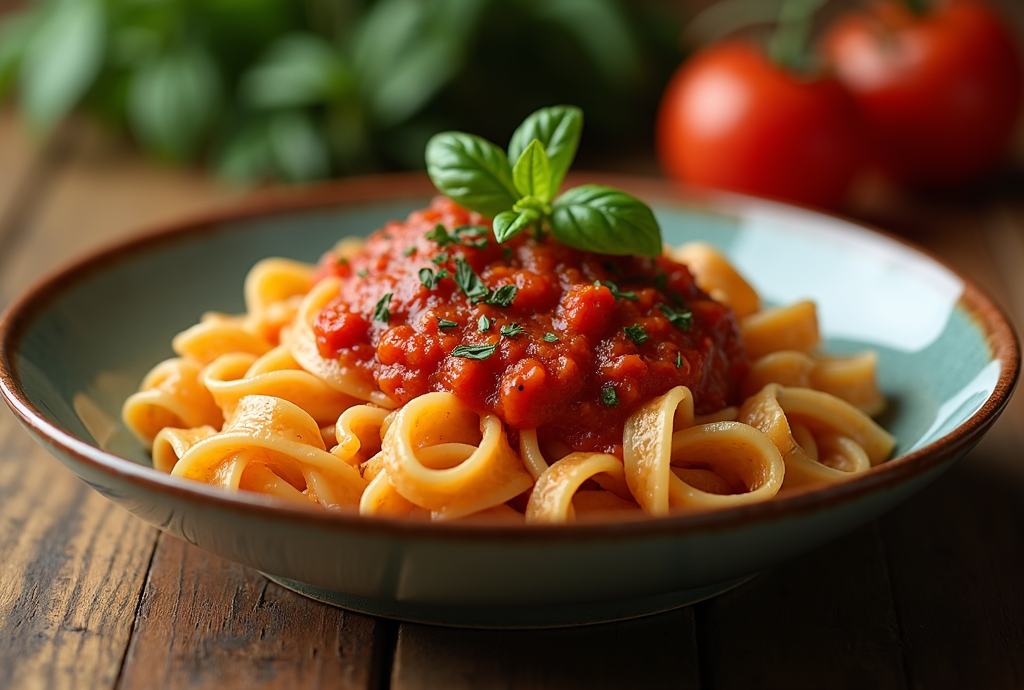
A classic Neapolitan-style sauce starts with garlic gently softened in olive oil, then peeled chopped tomatoes and a bay leaf. It's uncovered, low heat, and patient cooking for a rich result. The sauce becomes deeper and more integrated, which suits a dinner where the sauce is the centre of the plate.
A quick marinara is the weeknight answer. Olive oil, crushed tomatoes, fresh basil, and a short simmer give you a clean sauce with less waiting and a fresher edge. It's useful when the pasta is already boiling and you want dinner to stay moving.
The roasted tomato method changes the game by using the oven instead of the stove. Halved tomatoes with olive oil, garlic, and herbs roast until caramelised, then get blended into a sweet, concentrated sauce. It's a good choice when you want depth without standing over the pot.

A passata-based sauce uses smooth tomato passata and starts with onion, carrot, and celery cooked in olive oil. It creates a silkier finish and works well for dishes where the sauce should feel refined rather than rustic. For a different visual reference while planning meals, Pizza IFM Gourmet Dubai is a useful internal look at how sauce style often connects to the rest of an Italian menu.
Method | Best for | Texture | Trade-off |
|---|---|---|---|
Classic Neapolitan | Slow meals, traditional pasta | Thick and deep | Takes the most time |
Quick marinara | Weeknights | Bright and lighter | Less concentration |
Roasted tomato | Rich flavour with little active work | Sweet and intense | Needs oven time |
Passata-based | Smooth sauces and delicate dishes | Silky and even | Less rustic character |

Controlling Heat, Timing, and Texture
This is where tomato sauce either settles into itself or falls apart. Heat that's too high makes the sauce stick, scorch, or split in texture. Heat that's too low can leave it watery and underdeveloped. The answer is a gentle simmer in a heavy pot, uncovered, with regular attention.
Read the sauce, not just the clock
A controlled workflow usually starts with the brief blanch-and-peel stage, then moves to a low simmer once the tomatoes and aromatics are in the pot. Multiple recipes converge on 60 to 150 minutes for a thick, cohesive sauce when the goal is richer concentration, while quicker sauces can finish in 20 to 30 minutes if you want a lighter result. Stir every 15 to 20 minutes so the bottom doesn't catch, and mash occasionally if you want a smoother finish. These are useful reference points, but the texture matters more than the timer.
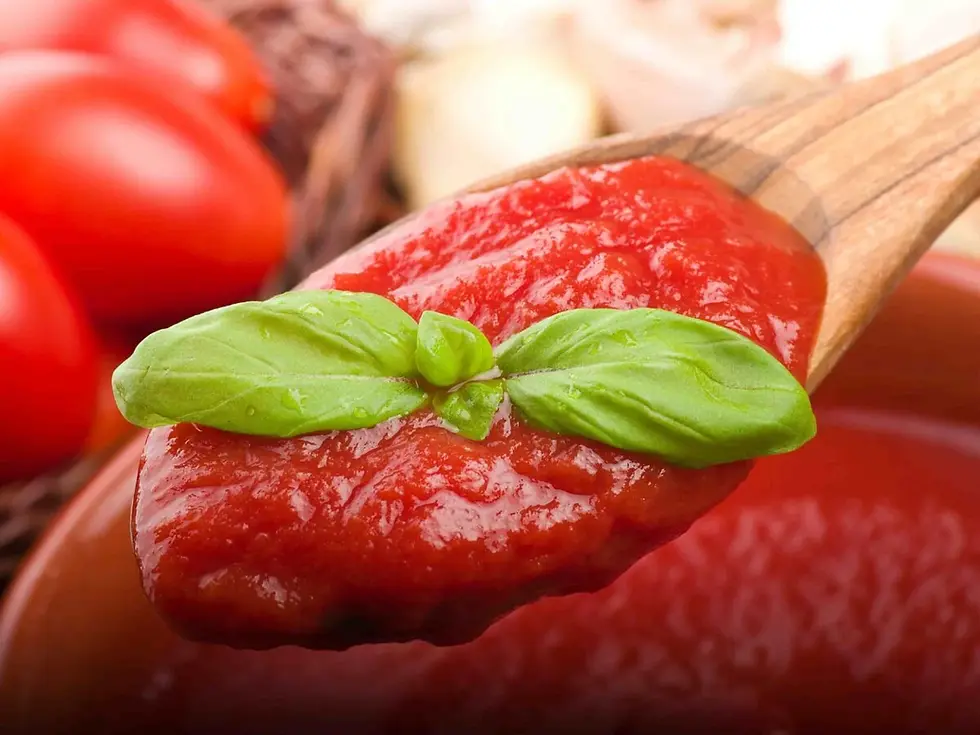
Cook until the sauce stops looking watery and starts coating the spoon with a thicker body.
That texture checkpoint is more reliable than forcing a fixed schedule. The sauce should look reduced, not boiled into submission. If you cook it too aggressively after blanching, the tomatoes can lose structure and the result turns thin or broken instead of dense.
Basil also belongs at the end. Add it late, or the fresh aroma gets muted and the flavour turns dull. The same goes for finishing fat. A tablespoon of butter or a generous drizzle of quality extra virgin olive oil rounds off the edges and gives the sauce a smoother finish.

A heavy-bottomed pot is worth using because it spreads heat more evenly. Thin pans punish inattention. If you've ever had a sauce scorch in one spot while looking fine from above, you already know why. Texture is earned through reduction, observation, and restraint, not by turning the heat up and hoping for the best.
Storing and Preserving Tomato Sauce in the UAE Climate
Hot weather changes the way home cooks should think about sauce. In the UAE, the practical issue isn't just flavour, it's how fast the food cools and how safely it returns to the fridge or freezer. That matters when you're cooking for family meals, hosting, or batch-prepping during Ramadan.
Cool it fast, portion it cleanly
Move the sauce out of the hot pot quickly. A shallow container helps it cool faster than a deep one, and an ice bath around the pot can speed things up before you transfer it to storage. That lower-risk handling matters because the longer food sits warm, the more awkward storage becomes in a Gulf kitchen.
For make-ahead cooking, portion the sauce into ice cube trays or small single-use packs, freeze them, then transfer the frozen portions to airtight bags. That keeps you from thawing more than you need and helps preserve texture. Glass jars are a better fit than plastic for repeated hot-weather use because they don't absorb odours and are easier to keep neutral over time.
Properly stored, homemade tomato sauce keeps in the refrigerator for up to five days and in the freezer for up to three months. Those are practical windows for most home kitchens, especially if you're building meals in advance rather than cooking from scratch every night.
Storage rule: cool it first, seal it second, freeze it in portions if you want less waste and better reheating.
The best habit is to think in small batches. A large pot of sauce looks efficient, but single-use packs are often smarter in a hot climate because they reheat more cleanly and reduce repeated warming. That's the kind of detail that turns a good sauce habit into a dependable one.
Common Mistakes and How to Fix Them
Even experienced cooks run into trouble with tomato sauce, usually for the same few reasons. The good news is that most problems are fixable, and the fixes are usually simpler than the mistake itself. Once you know what to look for, the pot becomes much less intimidating.
The usual problems and the real fixes
If the sauce is too thin, keep it uncovered over low heat and stir more often until the liquid reduces. Don't rush it with high heat, because that usually creates the wrong texture rather than a better one. A broken or watery sauce is often the result of pushing the tomatoes too hard after blanching.
If it tastes too acidic, add a small pinch of sugar or a little butter. The goal is to soften the sharpness, not to make the sauce sweet. If bitterness shows up, the garlic or onion likely burned at the start, which means the heat was too high before the tomatoes went in.
Salt changes the sauce at different stages. Early salt helps draw out moisture and concentrate flavour, while final salt fine-tunes the taste at the end. Fresh basil should go in right at the end too, because adding it early dulls the herbal lift and leaves you with a cooked-green flavour that feels flat.
A raw peeled potato can absorb some excess salt if you over-season by mistake, but it's a rescue move, not a habit.
The bigger lesson is that tomato sauce rewards calm correction. If one batch misses the mark, the next one usually improves fast once you adjust the heat and timing. That's why making sauce repeatedly is useful, you learn the exact point where your kitchen and your ingredients settle into balance.

If you want the right ingredients for a more authentic sauce, IFM Gourmet Food Store carries Italian pantry staples that fit this style of cooking, including San Marzano tomatoes, olive oils, and seasonings used in home pasta sauces. Visit IFM Gourmet Food Store to stock your kitchen with the basics that make tomato sauce easier, cleaner, and more dependable in a Dubai home.


Comments