
Search Results
Search this site
1608 results found with an empty search


Blog Posts (462)
- Small Bottled Water in UAE: Buyer’s Guide
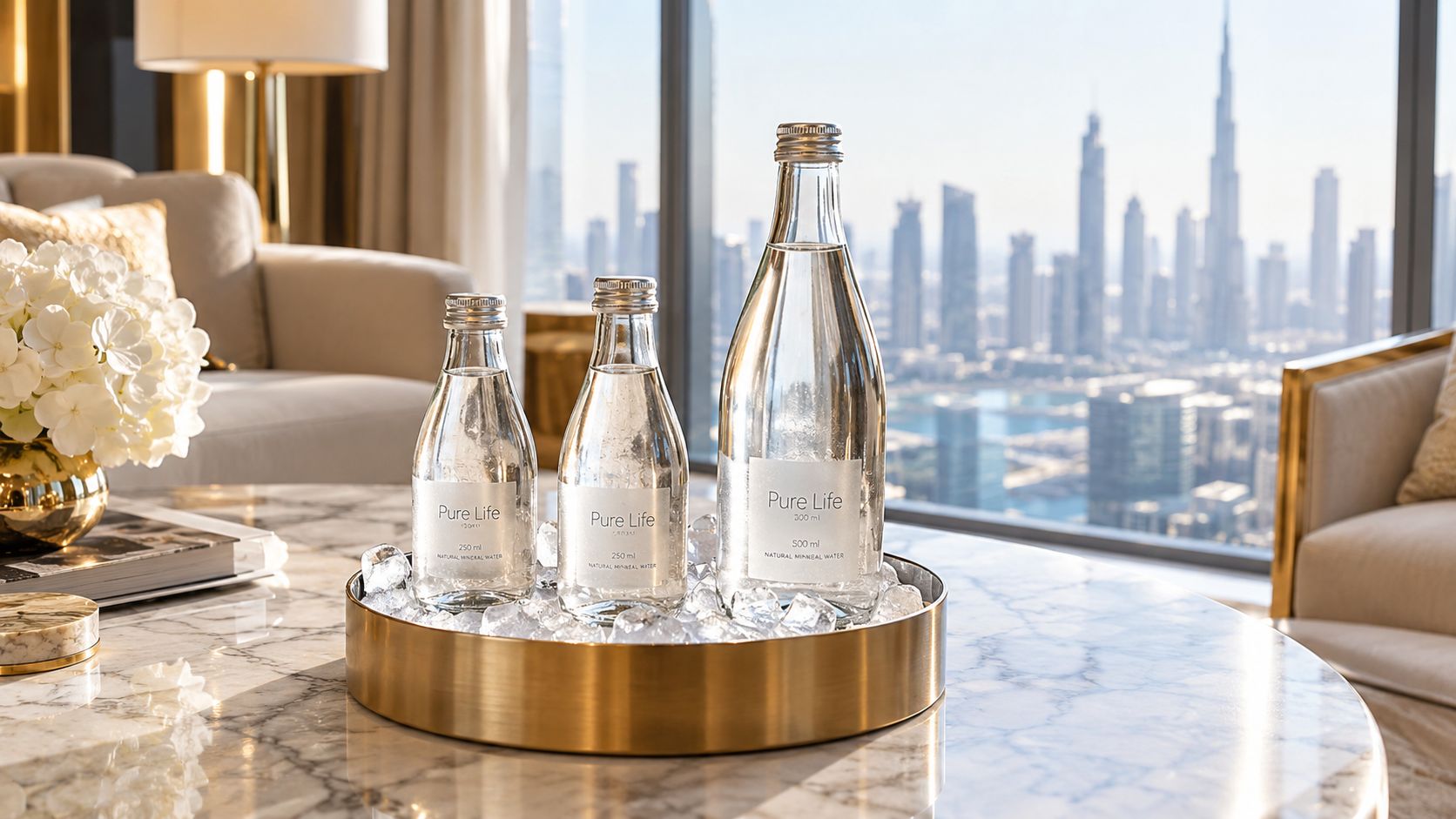
A guest arrives at a Dubai hotel after a long flight. In the suite, the room is beautifully prepared, the welcome hamper is carefully arranged, and a compact bottle of water sits beside the coffee service. If the bottle looks out of place, feels warm, or has a label that clashes with the room, the detail is noticed even if nobody mentions it. That's the operational reality of small bottled water. It's a hydration product, but it's also part of room presentation, table service, event logistics, guest comfort, and brand perception. The right format supports a smooth service. The wrong one creates waste, awkward handling, and a quality signal that doesn't match the rest of the experience. The Importance of Choosing the Right Water An executive dinner in a Dubai private dining room places clear demands on the water service. With aligned glassware and restrained table styling, a 330 mL glass bottle can sit neatly beside each place setting. A larger plastic bottle may disrupt the table's proportions and make the service feel more casual than the occasion requires. For procurement managers, the bottle is part of the operating specification. Select the format according to where it will be served, how long it may remain in use, and how staff will replenish it. In a 40-room boutique hotel, replacing 500 mL PET bottles with 330 mL glass bottles at place settings reduced unfinished water by about 30% and cut tray spills during room service, while the property maintained par levels at 1.5 bottles per occupied room per day. The result depends on the service model, but the example shows why bottle size should be tested through operations rather than chosen from a catalogue alone. The service decision behind the bottle Assess small bottled water as part of the complete guest experience and supply process. A room-service bottle must fit securely on a tray, tolerate delivery through the property, and sit appropriately beside other amenities. An event bottle requires dependable case handling, fast replenishment, and packaging that suits the event identity. Use these questions before approving a SKU: Guest context: Is it intended for a suite, meeting room, restaurant table, spa, minibar, or outdoor event? Service duration: Will the guest drink it immediately, or could it remain in the room for several hours? Presentation: Does the bottle suit the property's colours, glassware, and table setting? Waste control: Is the serving size appropriate, or will much of the water remain unopened or unfinished? Supply reliability: Can the distributor maintain consistent stock, delivery timing, and replacement support? Compare packaged bottles with filtered water and refill stations where the operating model supports reusable vessels. Offices, gyms, and public areas may suit that approach. Single-serve bottles remain practical where hygiene, portability, guest expectations, or service speed carry greater weight. For a broader comparison of packaged and filtered water economics, buyers can review this guide to the cheapest drinking water option in Melbourne. UAE conditions differ, but the purchasing discipline is transferable: compare the full operating cost and guest experience, not the bottle price alone. Practical rule: If the bottle does not improve service, presentation, or guest convenience, reassess the SKU. The UAE packaged-water market is large enough to justify close procurement control. One market estimate values it at about USD 1.5 billion, with Dubai and Abu Dhabi serving as dominant consumption centres because of population density, tourism, and infrastructure intensity, according to UAE packaged water market analysis. For high-end UAE properties, small-format water is therefore a recurring guest-facing supply, not a minor purchasing detail. Understanding Water Types and Sources For a hotel procurement manager, “water” is not one product. Source, carbonation, mineral profile, packaging, and service context all affect how a bottle performs at the table. Identify the water type before comparing bottle design or price. A premium presentation cannot compensate for a profile that does not suit the guest experience. Still water for broad daily use Still water is non-carbonated and usually offers the most neutral drinking experience. It may be purified, filtered, spring-sourced, or mineral water without carbonation. “Still” describes the absence of bubbles, not a single source category. Still water suits bedrooms, conferences, gyms, transport, and general guest hydration. It pairs with coffee, tea, breakfast, and most food styles because it does not add acidity or carbonation to the palate. For UAE properties, it is generally the practical core format for routine service, where predictable taste and broad guest acceptance matter more than a distinctive profile. Sparkling water for dining and ceremony Sparkling water is carbonated, either naturally or through added carbonation. Its lively texture and sharper taste make it appropriate for formal meals, rich dishes, aperitif-style occasions, and selected welcome services. Use it as a deliberate choice rather than a universal replacement for still water. Carbonation may be inconvenient in a guest room, beside a laptop, or during a fast-paced meeting. It works better in restaurants, minibar upgrades, welcome trays, and curated gift hampers where the presentation and drinking occasion justify the choice. For imported Italian formats, buyers can compare the presentation of Lurisia Water with other premium options. Assess more than the label and bottle shape. Closure performance, glass weight, case configuration, breakage risk, and delivery conditions must fit the operation. Spring water and mineral water Spring water comes from a natural underground source and is collected at the spring or through a borehole accessing that source. Its character may be crisp and clean, but taste depends on the source and on the treatment permitted for the product. Mineral water also comes from an underground source, but its identity is more closely connected to a stable mineral composition. Spring water makes a stronger statement about origin, while mineral water communicates more about naturally occurring minerals. The categories may overlap in everyday consumer language, so procurement teams should verify the label, source description, and technical documentation. A distinctive mineral profile can suit a chef-led restaurant or tasting menu, where the beverage programme supports a more noticeable palate. A neutral still water is more flexible for high-volume guest service. For buyers comparing oxygenated options in the local market, Oxy Plus Water Dubai provides context on format and positioning. Taste is only one procurement filter. Confirm source consistency, import paperwork, packaging integrity, storage requirements, replacement availability, and delivery reliability. These details affect service continuity as directly as the water itself. Analysts estimate UAE bottled-water consumption at roughly 260 litres per person annually, according to UAE bottled water market research. The level of everyday use increases the operational value of consistent supply and repeatable quality. A distinctive water may suit a premium restaurant, while guests generally expect the same hotel to provide dependable quality across repeated stays. Selecting the Perfect Bottle Size At a 120-guest corporate lunch, limited table space changes the right bottle choice. A 330 mL glass bottle at each place setting can feel premium without leaving the waste associated with a larger serving. The most useful formats for UAE hospitality buyers are 250 mL, 330 mL, and 500 mL, each suited to a different service condition. A 250 mL bottle works well for children's amenities, airline-style service, short meetings, and controlled tastings. Its small footprint makes placement simple and limits unfinished volume. Some adults may find it insufficient during a longer meeting or a warm outdoor event, so portion size should match expected drinking time. A 330 mL bottle usually offers the strongest balance for premium individual service. It fits a place setting, minibar, dessert or coffee service, and gift selection without taking over the available space. A 500 mL bottle provides more comfortable hydration for guest rooms, transport, pool areas, and extended sessions. It also needs more storage room and leaves more unfinished water when guests want only a small serving. The UAE market supports this distinction. The 331 to 500 mL segment held 40.18% of market share in 2025, according to Dubai premium water packaging analysis. Sub-330 mL formats, including 250 mL and 200 mL packs, held a stable 8% to 10% share for uses such as children's lunchboxes and airline service, according to the same analysis. Bottle size Strongest use cases Main operational advantage Watch-out 250 mL Children's amenities, airline-style service, short meetings, tasting settings Small footprint and controlled portion May feel insufficient for adults over a long service 330 mL Restaurant settings, minibars, corporate gifts, room service Balance of elegance, portability, and volume Requires replenishment if guests consume several bottles 500 mL Guest rooms, pool areas, transport, outdoor events More practical hydration per bottle Greater risk of unfinished water and larger storage footprint Use the service channel to set the final specification. In fine dining, the bottle should support the table setting without overwhelming it. Regional packaging guidance identifies 750 mL as the dominant table-service format in GCC fine dining, while 330 mL and 250 mL formats suit individual settings, room service, and amenity programmes. Smaller bottles are particularly practical when each guest receives a personal serving or when the table already carries several beverages. Meeting rooms require a check of duration, seating density, and access to refills. A 330 mL bottle fits more easily beside a notepad and laptop. A 500 mL bottle is better for a longer session or a venue where staff cannot replenish promptly. For minibars, 330 mL maintains a refined appearance while preserving shelf capacity. Poolside service generally benefits from 500 mL, provided staff keep stock chilled and remove unfinished bottles promptly. Place the proposed bottle on the actual tray, table, minibar shelf, or amenity box before approving the case pack. Catalogue images cannot show whether the neck, diameter, or height interferes with service. A mixed hydration system may suit a large hotel better than one universal format. Individual bottles can serve suites and formal events, while a floor standing water cooler can serve staff areas or back offices. This separates guest-facing presentation from back-of-house hydration and prevents one bottle size from carrying incompatible operational demands. Decoding Labels and Quality Standards A polished bottle can still create compliance problems. Before approving a SKU, the label and supplier file should show the water's origin, classification, treatment, traceability, and eligibility for consistent supply in the UAE. Begin with the source statement. Confirm that the wording is clear and consistent across the bottle, technical sheet, and purchasing documents. For imported products, discrepancies in the source description can delay approval or raise questions during a regulatory review. Review the water classification and mineral information against the intended service. A distinctive mineral profile may suit a restaurant programme or a specific food pairing. A hotel selecting neutral water for daily guest use may need a milder profile that works across different preferences and menus. A UAE-focused label review checklist Source and classification: Confirm the declared category and ensure it matches the technical sheet and supplier documentation. Mineral profile: Check the listed composition when mineral character is part of the product's positioning or menu presentation. Treatment details: Record whether the water has been filtered, purified, carbonated, or otherwise processed. Conformity documentation: Request the supplier's current ESMA conformity certificate and verify that it relates to the exact SKU, size, and packaging format under review. Packaging information: Confirm bottle material, closure type, case configuration, and recycling instructions before setting storage and receiving procedures. Traceability: Ensure the commercial paperwork identifies the importer or responsible supplier and supports batch or lot tracking. Language and legibility: Confirm bilingual Arabic/English labeling, batch/lot code, expiry date, and importer details are printed legibly and match the technical sheet. Photograph the approved label for the receiving file. UAE oversight of bottled-water products has tightened, so compliance belongs in the buying decision from the start. Request the conformity certificate and Arabic/English label proof before approving the SKU. Treat these documents as part of product selection, not paperwork to collect after the order is placed. Verify before approving Ask for the product specification, source documentation, conformity information, approved label artwork, and delivery conditions. Confirm that the same SKU will arrive consistently, particularly when the bottle, glass colour, cap, or label forms part of a guest-facing standard. Receiving staff should compare incoming cases with the approved reference. Inspect seals, cartons, glass, odour, expiry details, batch codes, and label language. Record damaged cases and isolate any shipment that does not match the approved sample. Keep a reference unit or clear label photograph in the purchasing file. It gives the receiving team a practical way to identify substitutions before they reach a room, table, minibar, or event. Quality control starts at receiving. A compliant product can still fail operationally if damaged cases, warm stock, or unapproved substitutions reach the guest. Sustainability and Storage Best Practices A hotel may need chilled water beside a pool, a sealed bottle in a minibar, and a formal glass presentation at dinner on the same day. Sustainability decisions should therefore follow the service point. Use refill systems where guests can access them comfortably, and specify small bottles for occasions requiring portability, hygiene, controlled portions, or a defined presentation standard. Dubai's packaging direction makes material selection an operational issue. Guidance is pushing producers towards 25% recycled content from 2026, while market reporting says a 250 mL bottle made from 100% rPET launched for the UAE in January 2025. Lightweight bottle designs have already reduced plastic per litre by 22% in the region, as described in UAE bottled water market reporting. Procurement should assess the complete service cycle: bottle format, material, delivery distance, storage requirements, breakage exposure, recycling route, and guest expectation. The lowest-impact choice is the one that works reliably without creating avoidable waste through damage, over-chilling, or unused stock. Choose materials with a use case in mind Glass supports a premium presentation in restaurants, suites, and gifting, but it increases case weight, handling effort, and breakage risk. rPET and other recyclable plastic formats may suit transport, poolside service, conferences, and high-volume replenishment better. Compare the full route from receiving dock to guest table before approving the material. Dubai Can's progress shows the direction of travel. The initiative reportedly eliminated the equivalent of more than 30 million 500 mL bottles in its first three years, while Dubai's final single-use plastic phase took effect on 1 January 2026, according to UAE premium bottled water market reporting. Operators should document why a disposable format is needed and avoid it where a refill system provides the same service standard. Store water as a food-service product Store glass SKUs below 25°C on pallets 15 cm off the floor. Segregate still and sparkling water in colour-coded bins, and set par levels at three days of chilled stock plus seven days of ambient stock. This arrangement protects packaging, reduces unnecessary refrigeration, and gives the team a clear replenishment routine. Keep the storage area clean, dry, organised, and separate from chemicals, odours, direct sunlight, and heat. Use a simple handling procedure: Rotate by arrival date: Move earlier deliveries forward and issue them first. Protect packaging: Keep cartons away from damp surfaces, impact points, and unstable stacks. Inspect before service: Remove bottles with broken seals, damaged caps, cracked glass, or compromised labels. Chill according to demand: Refrigerate stock for confirmed service windows instead of cooling every case. Separate formats: Identify still, sparkling, glass, and plastic SKUs clearly to prevent service errors. A smaller bottle can match the portion to a short meeting, gift presentation, children's service, or minibar visit. It can also create unnecessary waste when staff open one for every minor interaction despite having a suitable refill point or larger shared vessel. Review the service design, not only the packaging specification. Ask suppliers for packaging composition, recycling guidance, delivery conditions, and a process for damaged or excess stock. Agree who records breakage, who removes unusable cases, and how usable stock is redistributed before expiry. Very small bottles still have a place. UAE retail listings include formats down to 140 mL and 200 mL. They suit portion control, gifting, children's service, and tightly managed hospitality moments. They are less suitable where a refill system can provide the same convenience without disposable packaging. Why Buy from IFM Gourmet Dubai A hotel may need small bottled water for a suite, a minibar, a boardroom, or a corporate gift. The procurement decision therefore includes presentation, pack format, and coordination with the wider guest experience, not only the water itself. IFM Gourmet Dubai is the luxury online gourmet arm of IFM Investments LLC, offering curated hampers and gourmet ingredients to private clients, hospitality partners, and corporate gifting programmes, as described by IFM Investments LLC. Its range includes artisanal sweets, savouries, fine chocolates, premium teas, cakes, and gift hampers. That wider selection helps buyers place water within a complete culinary presentation instead of ordering it as an isolated commodity. A practical fit for premium service IFM Gourmet Dubai serves private clients, hospitality partners, and corporate gifting programmes across the UAE, according to the company's corporate information. This positioning suits buyers who need water for an Italian dining concept, luxury hamper, room amenity, or formal event. It also gives procurement teams one supplier relationship for selected food gifts and supporting beverage details. The store's water range includes Lurisia spring water in glass bottles, with 330 mL, 500 mL, and 750 mL formats available through its product offering. Lurisia Stille natural mineral spring water is listed in 330 mL glass bottles in a pack of 20. Lurisia Bolle sparkling mineral spring water is also listed in 330 mL glass bottles in a pack of 20, based on the store's supplied product information. Before approving a recurring order, confirm current stock, delivery conditions, pack configuration, and the intended service setting. Those checks determine whether a format works for room placement, table service, gifting, or event distribution. IFM Gourmet Food Store offers Italian gourmet ingredients, artisanal delicacies, spring water, curated hampers, and custom corporate and event services across Dubai and the UAE. Visit IFM Gourmet Food Store to review small bottled water options for hotel amenities, fine dining, premium gifting, and organised hospitality service.
- زيت الزيتون البكر
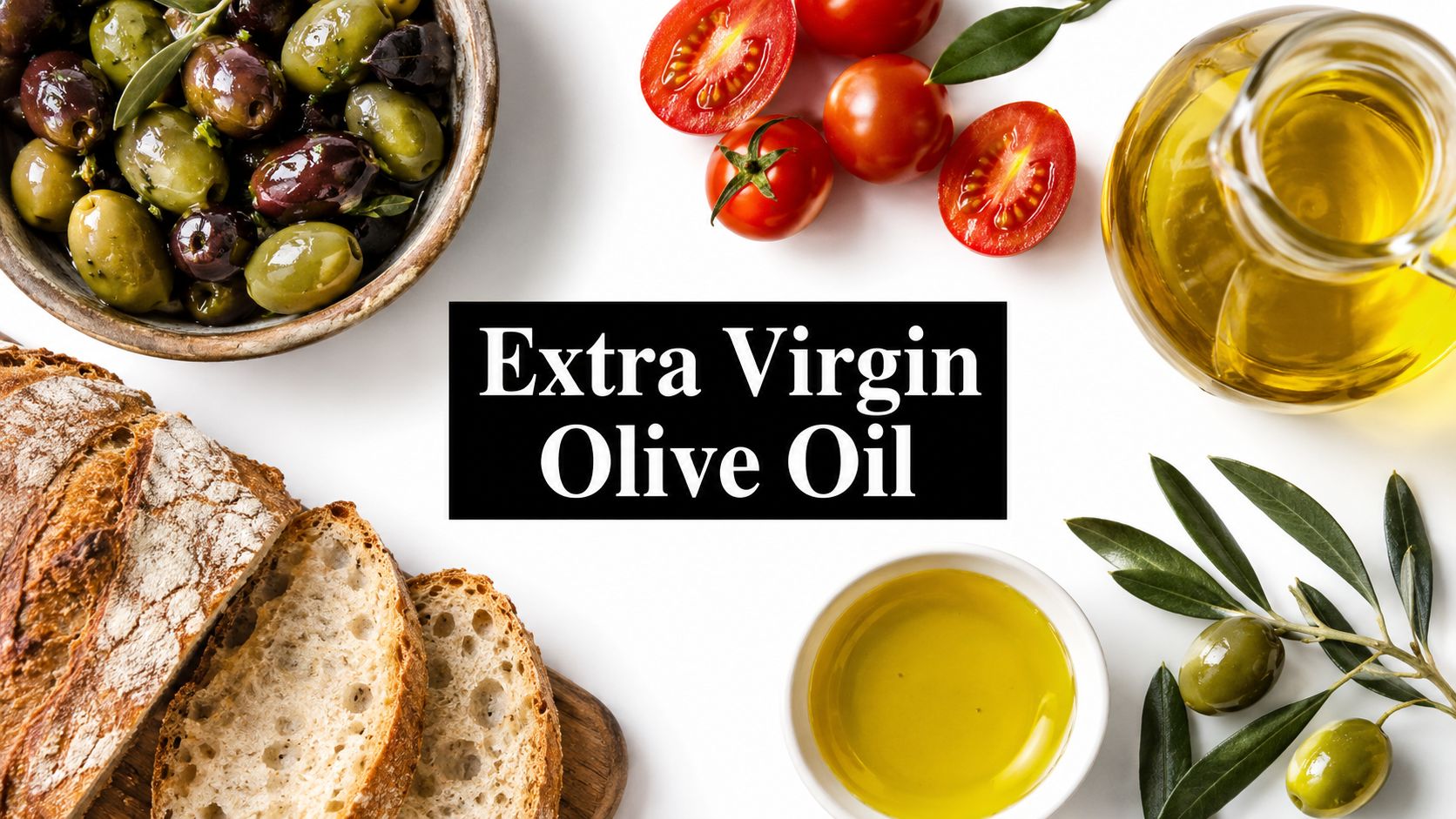
You're at a Dubai dinner table with friends, warm sourdough in the centre, roasted tomatoes still glossy from the oven, and a bowl of labneh waiting for its finishing touch. The host pauses, pours a green-gold stream of زيت الزيتون البكر over the tomatoes, and suddenly the dish tastes brighter, fruitier and more complete. The oil isn't just adding richness. It's adding aroma, bitterness, pepper and the character of the olive itself. That's the part many shoppers miss. Extra virgin olive oil is an unrefined juice from the olive fruit, and the right bottle can transform simple food before nutrition even enters the conversation. Yet UAE heat, bright shelves, uncertain harvest dates and confusing label language can make choosing and storing it surprisingly technical. This guide will take you from olive to bottle, then from bottle to plate. You'll learn how international grading rules work, how to taste oil at home, which packaging suits UAE conditions, when a premium bottle earns its price, and how a Dubai gourmet shop can help you choose oils for everyday cooking or a carefully assembled gift hamper. A First Drizzle That Changes Dinner The host reaches for the oil again, this time over torn bread. One guest notices a grassy aroma. Another feels a gentle peppery catch at the back of the throat. Someone else asks whether the green colour proves that the oil is better. It doesn't. Colour can be influenced by the olives and by presentation, but it isn't a reliable quality test. The useful clues are in the smell, taste, freshness and label, not in how dramatically the oil glows under the dining-room lights. Extra virgin olive oil starts as the liquid fat naturally held inside olives. Producers harvest the fruit, clean it, crush it and separate the oil using mechanical methods. Unlike refined oils, a good extra virgin bottle keeps the olive's natural aromas and flavours, from fresh grass and green tomato to ripe fruit, almond and artichoke. The first-bottle rule: Buy extra virgin olive oil for flavour, then protect that flavour from heat, light and air. For a Dubai pantry, that protection matters. The UAE relies heavily on international supply, with an estimated 95 to 99% of virgin olive oil supply coming from imports, because domestic olive cultivation is commercially negligible under local climatic conditions. In 2023, the UAE imported $36.886 million of virgin olive oil and fractions, totalling 9.387 million kilograms, according to UAE virgin olive oil market data. International sourcing gives shoppers access to Spanish, Italian, Greek, Turkish and Tunisian oils, but it also makes freshness, transport and storage especially important. A premium bottle belongs on warm tomatoes, labneh, eggs, grilled fish or good bread where its personality can speak clearly. You can also pair the meal with the IFM Gourmet Dubai pizza selection, using the oil as a finishing touch rather than hiding it in a heavy sauce. What Extra Virgin Olive Oil Actually Is Think of extra virgin olive oil as a chain of decisions. Every step, from the condition of the olive to the way the finished bottle is tested, affects what reaches your kitchen. From healthy fruit to fresh oil The process begins with healthy olives harvested at a suitable stage of ripeness. Producers clean the fruit and crush it quickly, often within hours, because delays can allow unwanted fermentation and dull the final aroma. The resulting paste is mixed gently, then the oil is separated from the water and solids. The phrase cold pressed refers to extraction without added heat above about 27°C. The purpose is simple. Excessive heat can make extraction easier, but it can also flatten delicate aromas and reduce the lively character shoppers expect from a fresh oil. Extra virgin oil is obtained solely through mechanical means, without chemical refining or blending with lower-grade oil. The tests behind the words A bottle marketed in the UAE as extra virgin, or زيت الزيتون البكر, is expected to meet internationally aligned quality thresholds. The oil must have free acidity of no more than 0.8 grams per 100 grams, a peroxide value of no more than 20 meq O₂ per kilogram, and sensory results showing zero defects alongside positive fruitiness, as outlined in UAE extra virgin olive oil quality guidance. Acidity alone doesn't make an oil extra virgin. Peroxide value gives another indication of oxidation, while sensory assessment reveals whether the oil smells and tastes clean. A laboratory result and a tasting panel therefore work together. Here's how the main grades differ: Extra virgin: Mechanically extracted, unrefined, free of sensory defects and within the strictest quality thresholds. Virgin: Also mechanically extracted, but it can have more sensory faults or higher acidity than extra virgin. Refined olive oil: Treated to remove strong flavours and defects, then often blended with virgin oil for character. Pomace oil: Extracted from the remaining olive material after the first oil separation and processed before sale. A mild, neutral bottle isn't automatically fake, but it may belong to a different grade. If you want the fruitiness, bitterness and pepperiness of the olive, the label needs to say extra virgin, not merely “olive oil”, “pure” or “light”. How to Taste and Judge Quality at Home You don't need professional tasting equipment to learn whether a bottle is lively or tired. A small dark glass, a quiet kitchen counter and a few minutes are enough. Smell before you taste Pour roughly a tablespoon into the glass. A dark glass helps prevent the colour from influencing your judgement. Cup your palm around the outside and warm the oil gently, then swirl it and bring it to your nose. Fresh extra virgin olive oil may suggest: Fresh-cut grass, green leaves or tomato vine. Green apple, almond or artichoke. Ripe banana, soft fruit or a round, sweet olive aroma. The aroma doesn't need to match a fixed list. What matters is that it smells clean, recognisably fruity and alive. Mustiness, vinegar, wet cardboard, wax, crayons or rancid nuts are warning signs. Those smells point to poor handling, oxidation or a production defect. Taste for balance Take a small sip and move the oil across your tongue. Notice fruitiness first, then bitterness along the sides of the tongue and pungency as warmth at the back of the throat. That peppery sensation is often associated with oleocanthal, one of the naturally occurring phenolic compounds in olive oil. A well-made oil can be bitter and peppery without being faulty. Those sensations may signal a younger, greener style. A delicate oil may taste softer, rounder and more buttery. Neither style is automatically superior. The question is whether the flavour suits your food. Use this quick home checklist: Clean aroma: No damp, vinegary, waxy or rancid smell. Fruit character: Some fresh fruit or green plant note is present. Pleasant bitterness: Bitter does not mean spoiled. Balanced pungency: Peppery warmth should feel lively, not harsh. Fresh finish: The flavour should remain distinct rather than collapsing into stale fat. Current-harvest oil should taste vibrant, but a harvest date needs to be interpreted alongside storage and packaging. An older oil kept in a cool, dark place may outperform a newer oil that has spent months in heat and bright light. Reading the Label Like a Pro in the UAE A label should answer four practical questions: What is the grade? When was it harvested? Where did it come from? How was it protected? If it answers only one of those questions, keep looking. Start with freshness A best-before date tells you when the producer expects the product to remain suitable under stated conditions. A harvest or crush date tells you something more useful about the age of the olive fruit. Oils are typically best used within 12 to 18 months of harvest, according to regional guidance on extra virgin olive oil brands and storage in the UAE. The label may use terms such as harvest date, crop year, production date or crush date. A clearly stated recent harvest is more informative than vague wording. If no harvest date appears, use the packaging and retailer's stock practices as additional clues. Decode origin and packaging Single-origin, estate and named regional claims help you understand provenance. PDO and PGI designations can indicate that the oil is connected to a protected geographical system, while a named olive variety, such as Picual, Coratina or Koroneiki, gives you a clue about likely flavour style. Choose dark glass, tin or another opaque format where possible. Clear bottles displayed under bright supermarket lighting offer less protection from light. In the UAE, that matters because high ambient temperatures and light exposure can accelerate oxidation and sensory decline. Certification marks can support a buying decision, but they don't replace the core checks. IOC references, USDA Organic, EU Organic and Kosher certification address different aspects of standards, production or suitability. Read them as supporting information, not as a substitute for grade, date, origin and proper packaging. “Cold pressed”, “cold extracted”, “unfiltered” and “first pressed” can be meaningful, but context matters. Extra virgin is the formal grade. “Unfiltered” may preserve a more rustic appearance and flavour, but it can also leave particles that require careful storage. A premium claim should still be supported by a clean sensory profile and traceable information. UAE pricing varies widely. Current retail listings show mainstream bottles around AED 37 to AED 67 for 500ml to 1L, while premium and organic options reach roughly AED 122 to AED 207 for 500ml, as shown in UAE olive oil retail listings. Match the bottle to the use. You don't need a luxury monovarietal oil for every baking tray, but you should invest more when the oil is the main flavour on the plate. Why It Belongs in a Healthy UAE Kitchen Extra virgin olive oil fits naturally into the foods many UAE households already enjoy. A spoonful over chopped tomatoes, grilled fish, hummus or a salad can add aroma and richness without requiring a complicated recipe. Its place in a balanced diet comes from how it functions as a source of monounsaturated fat, particularly oleic acid, while retaining naturally occurring plant compounds. Polyphenols such as oleocanthal and hydroxytyrosol are often discussed for their antioxidant and anti-inflammatory properties. Those terms describe biological activity, not a promise to cure disease. Extra virgin olive oil is a useful food, not a medical treatment, and overall eating patterns matter more than any single ingredient. Build meals around the oil A Mediterranean-style pattern works well with UAE staples and lifestyle preferences. Think lighter lunches, grilled proteins, leafy salads, beans, lentils, whole grains, yoghurt, mezze and vegetables. Olive oil can replace butter or ghee in selected dishes, but the best choice depends on the recipe and the flavour you want. Use a measured pour rather than treating a bottle as an unlimited dressing. A teaspoon over a salad and a controlled drizzle over labneh can deliver the flavour you want while keeping the dish balanced. For dipping, serve a small amount in a shallow plate and add herbs, chilli or a little citrus. Understand heat without fear Extra virgin olive oil is suitable for many everyday cooking tasks, including sautéing, roasting and moderate pan cooking. Heat changes aroma, so a delicate oil may lose its most interesting notes during a long, hot cook. That doesn't make it useless. It means you should choose a less expensive, balanced bottle for the pan and reserve the most expressive bottle for finishing. Avoid letting any oil smoke heavily. Smoking indicates that the pan and oil have become excessively hot, and it can damage flavour. For very high-heat techniques, compare the behaviour of different cooking fats and oils using this practical smoke point comparison for oils, then choose the method that suits the food rather than chasing a single “healthiest” option. Cooking, Finishing, and Pairing With Food The most expensive oil isn't automatically the best cooking oil. Its value depends on whether the dish gives its flavour room to appear. A peppery single-origin oil deserves raw or gently warmed food. Pour it over hummus, labneh, tomato salad, fresh sourdough or seafood carpaccio just before serving. A medium, rounded extra virgin oil works well in vinaigrettes, marinades and dipping sauces. Everyday extra virgin oil is practical for sautéing vegetables, grilling meat and baking, where heat and other ingredients soften subtle distinctions. Stock by purpose A Dubai pantry can work efficiently with two or three bottles. Keep one expressive finishing oil, one balanced everyday extra virgin oil and, if you cook often, one larger format for regular use. This approach prevents you from wasting a delicate bottle in a long cook while still giving simple meals a luxurious final touch. Technique Best Grade UAE Price Band (AED) Finishing bread, labneh and salads Premium single-origin extra virgin AED 122 to AED 207 for 500ml Vinaigrettes and marinades Mid-tier extra virgin AED 37 to AED 67 for 500ml to 1L Sautéing vegetables and grilling Everyday extra virgin or a mild blend AED 37 to AED 67 for 500ml to 1L Baking and general cooking Everyday extra virgin or olive oil blend AED 37 to AED 67 for 500ml to 1L The price bands reflect current UAE retail listings, where premium and organic bottles cost substantially more than mainstream options. A recent UAE retail summary also places premium olive oil at about AED 85 per litre, compared with AED 32 per litre for canola oil, so the premium is most defensible when the oil is used where you can taste it. Pair the flavour, not just the country Try chilli and extra virgin olive oil over breakfast eggs, a strong oil with grilled lamb, and a softer oil over white fish. A green Spanish Picual can stand up to beans and roasted vegetables. Italian Coratina suits bold salads and bitter greens, while Greek Koroneiki can work beautifully with bread, mild cheese and delicate seafood. For dessert, drizzle a restrained amount over vanilla ice cream with sea salt. The contrast works because the oil adds fruitiness and a gentle savoury edge without turning the dish into a savoury course. For a pasta night, use oil during cooking only when the recipe calls for it, then finish aglio e olio with a fresh drizzle. You can also pair a plate of pasta with the IFM Gourmet Dubai pasta range and let the final oil carry the aroma. Storage and Shelf Life in a Hot Climate Olive oil has three main enemies: oxygen, light and warmth. UAE conditions make all three easier to encounter, especially when a bottle sits beside a cooker, in a sunny kitchen or on a decorative counter. Heat can speed oxidation, while light damages the compounds responsible for freshness and aroma. Create a simple home routine Keep unopened bottles in a cool, dark cupboard away from the oven, hob and window. Tin and dark glass are preferable to clear glass, but neither package can protect oil indefinitely if the cupboard itself becomes hot. Store the bottle upright, with the cap firmly closed. Once opened, reduce the amount of air in the bottle whenever possible. Buy a size your household can use while the aroma is still lively, rather than choosing a very large bottle only because the unit price looks attractive. If you use a table decanter, refill it with a small amount and keep the main bottle sealed in the cupboard. Practical rule: Decant only what you expect to use within two or three weeks, and keep the reserve bottle closed and dark. Never leave an attractive bottle beside a sunny brunch spread for the entire day. Pour what guests need, then return the rest to storage. The same applies to restaurant tables and gift displays. A sealed tin, opaque gift box and short display window protect the product better than an open bottle sitting under bright lights. Know when to replace it Start with the harvest date and then monitor the oil itself. Pour a little into a glass and check for fresh fruit, grass or pepper. If the aroma has become waxy, stale, crayon-like or rancid, the oil has lost its best character and should no longer be used as a finishing ingredient. Unfiltered oils may need extra care because natural particles remain in the bottle. Follow the producer's storage guidance, keep the cap clean and avoid leaving sediment in a warm decanter. Freshness isn't just a warehouse concern. It continues to depend on how you handle the bottle after bringing it home. Buying Smart and Gifting Well in Dubai A good Dubai buying decision starts with the use, not the label's most luxurious word. For a bottle that will sit on the table beside bread and mezze, choose a recent harvest, traceable origin, protected packaging and a flavour profile you enjoy. For cooking, prioritise freshness and value over ornate presentation. Use this shopping checklist Check the harvest date: Aim for oil harvested within 12 to 18 months, following regional guidance on freshness and traceability. Confirm the grade: Look for extra virgin rather than pure, light or an unspecified olive oil. Choose protective packaging: Dark glass or tin is a safer choice than clear glass exposed to bright shelves. Look for traceability: A named country, estate or olive variety gives you more information than a generic front label. Consider laboratory details: If acidity and peroxide information is available, use it alongside sensory and origin information rather than treating acidity alone as proof of quality. Buy for the dish: Reserve high-character oils for finishing, and choose balanced everyday bottles for sautéing and baking. A mature UAE market rewards this kind of attention. The country recorded the Gulf's highest per-capita olive oil consumption in a 2024 GCC market overview, at 667 kilograms per 1,000 persons, ahead of Saudi Arabia at 519 kilograms per 1,000 and Kuwait at 380 kilograms per 1,000, according to GCC olive oil market data. For shoppers, that means authenticity, grade and provenance deserve as much attention as price. Turn a bottle into a thoughtful gift A Spanish Picual creates a lively tasting bottle for hearty bread, grilled meats and roasted vegetables. An Italian Coratina suits bitter leaves, legumes and assertive salads. A Greek Koroneiki can offer a more delicate route for fresh fish, mild cheese and simple desserts. For a tasting flight, choose monovarietal extra virgin oils so the recipient can compare olive varieties. A single-estate bottle works well for a host gift. For corporate occasions, Eid, Ramadan, Christmas or other celebrations, a curated gourmet hamper can combine olive oil with balsamic vinegar, pasta, chocolates or other pantry treats. IFM Gourmet Dubai is the luxury online gourmet arm of IFM Investments LLC, a Dubai-based UAE company founded in 2011 and part of the wider Italian Food Masters group. Its range includes artisanal sweets, savouries, fine chocolates, premium teas, cakes and curated gift hampers, making it a relevant option when you want to pair a bottle with a broader gourmet presentation. Choose a fresh, traceable extra virgin olive oil in protective packaging, then explore the wider selection at IFM Gourmet Food Store. The store offers premium olive oils, Italian gourmet ingredients, artisanal delicacies and curated hampers for Dubai home cooks, hosts, corporate gifting and celebrations across the UAE.
- Gift basket of Italian foods and coffee with ribbons on a wooden table in a warm kitchen, with visible product labels.
As the seasons change and the autumn breeze settles in, there’s no better time to slow down, gather with loved ones, and indulge in warm, comforting culinary experiences. At IFM Gourmet Dubai, we believe every season deserves its own feast. To celebrate the arrival of fall, we’ve crafted a signature collection designed to bring the true heart, rich colors, and comforting tastes of the Italian harvest straight to your table. Introducing our featured seasonal creation: The Autumn Italian Gift Basket – Amber. Autumn Gift Hamper at IFM Gourmet Dubai The Essence of Autumn in One Woven Basket Carefully curated by our culinary experts, the Amber gift basket is a celebration of warmth and craftsmanship. From rich savory classics to sweet artisanal treats, each item inside reflects the vibrant spirit of an Italian autumn harvest. What’s Inside the Amber Basket? Brezzo Risotto alla Zucca: Creamy, velvety pumpkin risotto—a timeless Italian autumn tradition in every bite. IFM Gourmet Espresso Coffee Beans: Deep, aromatic espresso beans to power your cozy fall mornings. Artisanal Italian Chocolates & Confections: A handpicked assortment of fine chocolates, traditional sweets, and crispy treats perfect for pairing with coffee or dessert wines. Specialty Condiments & Infused Oils: Gourmet pantry essentials crafted to bring depth and color to your seasonal cooking. Autumnal Presentation: Presented in a hand-woven basket accented with fiery orange ribbons and decorative mini pumpkins, making it an ideal gift for hosts, colleagues, or family. Why Choose IFM Gourmet Dubai? Whether you're hosting an intimate dinner party, looking for a thoughtful corporate gift, or simply treating yourself to authentic European delicacies, IFM Gourmet is your destination in Dubai for premium imported foods. Every product in our seasonal baskets is selected for its authenticity, quality, and passion for great food. Ready to Taste the Season? Bring the warmth and flavors of Italy into your home this fall. 📍 Visit Us: Stop by IFM Gourmet Store in Dubai to explore our full seasonal selection. 🛒 Order Online: Order your Autumn Amber Basket directly through our website or contact our team for custom gifting options. How do you like to celebrate the harvest season? Share your favorite autumn food pairings with us in the comments below!

Other Pages (11)
- Discover the finest Italian foods online at IFM Gourmet Dubai. Shop premium pasta, sauces, sweets & gifts — delivered across Dubai and the UAE.
Shop premium Italian gourmet food online at IFM Gourmet Store Dubai. Discover authentic Italian olive oils, pasta, truffle specialties, chocolates, teas, gourmet hampers, and fine delicacies with fast delivery across the UAE. Premier Italian Gourmet Food Store in Dubai & UAE Authentic Italian Pantry Essentials & Fine Foods Discover authentic Italian Pasta, Extra Virgin Olive Oil, Balsamic Vinegar, Coffee & Luxury Gift Hampers delivered across the UAE. PANETTONE & PANDORO CHOCOLATES & NOUGATS SPRING WATER GELATO - ICE CREAM BATTERED SNACKS COFFEE CEREALS & MUESLI GIFT HAMPERS BALSAMIC VINEGAR OLIVE OILS SALT & PEPPERS HOT SAUCES SAN MARZANO TOMATOE PIZZA MARGHERITA ARTISAN FLOURS EDIBLE GOLD & SILVER HONEY KIDS FOOD PARTIES CANDIES TRUFFLE IFM Gourmet Store in Dubai UAE Discover artisanal Italian pasta, rich sauces, condiments, decadent panettone, chocolates, nougats, sweets, and many other luxurious delicacies. Elevate your culinary experience with our handpicked selection of premium ingredients and gourmet products crafted for every discerning palate.
- IFM Gourmet Customer Support | Contact Us | Store LocationWelcome to IFM Gourmet Customer Support! Get in touch with us for any assistance regarding our gourmet food products. Visit our store or contact us today.
Welcome to IFM Gourmet Customer Support! Get in touch with us for any assistance regarding our gourmet food products. Visit our store or contact us today. Customer Support IFM Gourmet Online Specialty Food Store is committed to providing exceptional customer support. We strive to assist you with any inquiries or concerns you may have regarding our products and services. Contact Us Have a question in mind? Feel free to reach out to us by filling out the form below, and our team will promptly respond to your query. Last Name First Name Email Phone Leave us a message... Submit Thank You for Contacting Us! Chat with Us Need immediate assistance? You can chat with our dedicated support team and get real-time help with your concerns. Start Chat Location Our Store Location Explore our conveniently located stores to experience the finest range of internationally imported quality food products. Store Location Dubai Investments Park 2 Street 45, Community 597 - 212, EBC Warehouse 2 Dubai, UAE +971 4 882 9791
- Shipping & Returns | IFM Gourmet Store Dubai UAE
IFM Gourmet delivers your gourmet products to your doorstep. Once the order is accepted and preparation is finalized our operation team shall contact you to inform you about the expected date and time for the scheduled delivery. We do not ship overseas to the United Arab Emirates. Shipping & Returns Shipping Policy Subject to the terms and conditions herein, Company shall endeavor to deliver Product with-in stipulated delivery time slot as selected by the User provided on the Website, subject to successful realization of payment made against the said Order and availability of the Product(s). Goods may be signed for at the delivery address by you, or by your nominated representative who must be aged 18 or above. If nobody can receive the delivery then we will leave the goods outside your front door. We will not take responsibility for any missing products in these circumstances and for any deterioration of chilled/frozen products In the event of a late delivery under no circumstances will the Company be liable for refund or discount. All deliveries are subject to a minimum order requirement of AED 300/- to includes free delivery anywhere within Dubai city area. For orders in all Dubai, purchases value of less than AED 300/- goods shall be subject to a delivery fee of AED 35/-. Express delivery in Dubai within the same day or between 4 to 8 working hours will be subject to a delivery fee of AED 50/-. All deliveries in within the cities of Sharjah, Ajman, Ras Al Khaimah, Fujeirah, Umm Al Quwain, Al Ain and Abu Dhabi are subject to a minimum order requirement of AED 500/- to include free delivery; for purchases value of less than AED 500/- goods shall be subject to a delivery fee of AED 55/-. All deliveries fees in all other locations outside the boundaries of the cities in the United Arab Emirates including remote areas shall be subject to separate evaluation based on purchased food items and distance from the main city of reference. Company reserves the right to reject the order due to delivery location. Delivery Fees may be subject to change time to time. Return & Exchange Policy There are no refunds or exchanges on any food items. All sale items are final sale. Full returns/exchanges will be honoured if the product is unused and in its original packaging with all accessories. Refunds and exchanges must be within 30 days of purchase. Company will also pay the return shipping costs if the return is a result of Company’s error (User received an incorrect or defective item, etc.) For items that have arrived broken, a detailed photo documentation of the damages must be sent by email to info@italianfoodmasters.com along with User order number within 24 hours of receipt. User should expect to receive refund once Company has received and verified the returned Order. No exchanges will be issued or accepted over 30 days of purchase. Gift Cards and E-Gift Certificates are not redeemable for cash. Lost or stolen gift cards cannot be re-issued. The Company cannot be held responsible for any product damage/spoilage if the user fails to adhere to best practices, standards &/or product’s use and storing instructions.


