Search Results
Search this site
465 results found with an empty search
- charcuterie board dubai: Craft Stunning Platters at Home
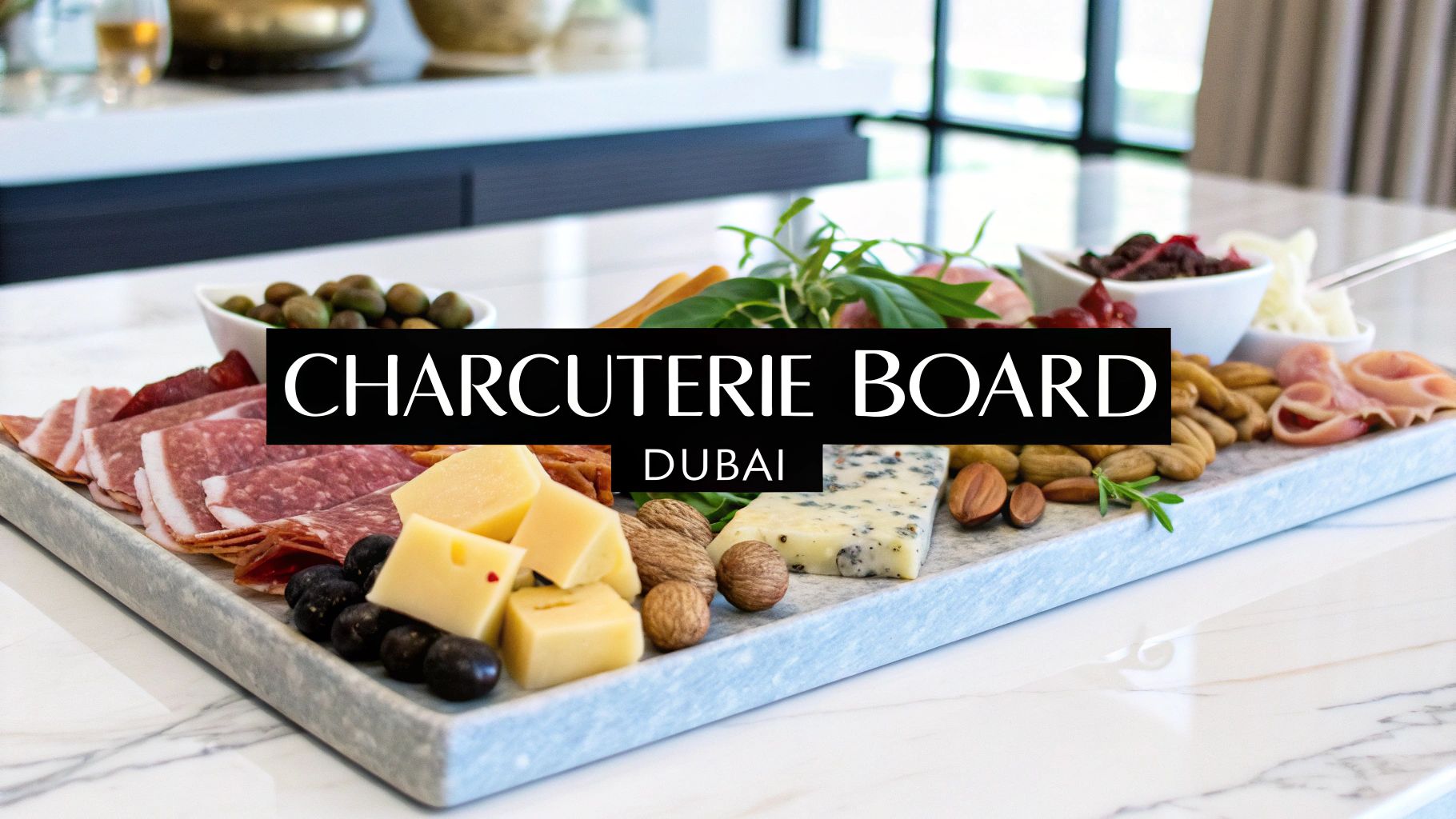
Putting together an authentic charcuterie board in Dubai is one of the best ways to elevate any get-together, mixing classic European tradition with a touch of local flair. It’s really an art form, bringing together premium cured meats, artisanal cheeses, and all the perfect accompaniments into one stunning, shareable feast. The secret, of course, is getting your hands on high-quality ingredients from a supplier you can trust. Your Guide to a Perfect Charcuterie Board Dubai Style The charcuterie board has evolved from a simple starter into the centrepiece of social life here in Dubai. From casual rooftop hangouts with friends to big corporate events, these beautifully arranged platters have become a symbol of shared moments and great taste. They’re a perfect match for the city’s international palate, offering a fantastic mix of flavours and textures that everyone can enjoy. But making a board that really stands out is about more than just placing ingredients on a plank of wood. It's about telling a story with food—blending those classic European elements with some of the distinctive touches found in Middle Eastern cuisine. This guide will walk you through every step, from picking the best components to plating up a board that’s guaranteed to impress your guests. Sourcing From Dubai's Culinary Experts At the heart of any memorable charcuterie board are the ingredients. This is where a specialised supplier like IFM Gourmet Dubai becomes your secret weapon. As the luxury online gourmet arm of IFM Investments LLC, a culinary-focused company based in the UAE, they bring a serious legacy of quality and authenticity to Dubai’s gourmet scene. IFM Gourmet Dubai is known for its culinary elegance, offering an impressive lineup of artisanal delicacies that are perfect for crafting a memorable charcuterie experience. Their curated selection makes it incredibly easy to find everything you need in one place, so you know every single component is top-notch. Here’s what makes them different: Artisanal Delicacies: You get access to a huge range of products, including sweets, savories, fine chocolates, premium teas, cakes, and beautifully curated gift hampers. Quality and Authenticity: As part of the broader Italian Food Masters group, every item reflects a true commitment to genuine flavours and traditional craftsmanship. Local Convenience: Being a UAE-based company, they just get the local market and provide a smooth, easy online shopping experience for anyone in Dubai. The Growing Appetite for Premium Meats Dubai's food scene has a real taste for high-quality experiences, and that's especially true when it comes to premium meats. The foodservice sector actually makes up 57.42% of the entire meat market turnover in the UAE, a number driven largely by demand from luxury hotels and exclusive events. This trend just goes to show the growing appreciation for the kind of artisanal meat products that are the foundation of any great charcuterie board. If you’re curious, you can explore more about these market trends in the UAE meat industry. Your Essential IFM Gourmet Dubai Shopping List Let’s be honest, building a truly spectacular charcuterie board all comes down to the quality of your ingredients. It's less about cooking and more about curating an experience, where every single component has a role to play. Your first stop is the shopping list, and at IFM Gourmet Dubai, you have a treasure trove of artisanal delicacies right at your fingertips. I’ll walk you through how I approach it. The key is to think in categories. This way, you ensure a beautiful balance of flavours and textures every single time. It's simpler than you think. Planning Your Portions Perfectly Before we get lost in the wonderful world of cheeses and cured meats, let's quickly talk numbers. The most common question I get is, "How much do I actually need?" It's a great question—overbuy and you've got waste; underbuy and your guests are left wanting more. Here’s my go-to rule of thumb: For an Appetiser Board: If your board is a warm-up for the main meal, aim for about 60-90 grams of combined meats and cheeses per person. You want to whet the appetite, not spoil dinner. For a Main Course Board: When the board is the main event, you’ll want to double that to 120-150 grams of meats and cheeses per person. This makes sure it’s a properly satisfying meal. This simple guide takes all the guesswork out of it, whether you’re planning a quiet night for two or hosting a bigger crowd. Now for the fun part. Selecting Your Artisan Cheeses Cheese is the heart and soul of any great board. The trick is to offer a journey of tastes and textures—something soft and luscious, something hard and salty, and maybe something with a bold, funky personality. A well-balanced cheese selection should feel like an adventure. Start with something mild and approachable, move to something with a bit more character, and finish with a strong, memorable flavour. For a winning combination, try picking one from each of these categories: Soft & Creamy: You can't go wrong with a classic wheel of Brie or Camembert . Their buttery texture and gentle, earthy notes are always a huge hit. Hard & Aged: This is where you bring in the salty, nutty complexity. Think Parmigiano Reggiano or a good aged Pecorino , perfect for breaking into rustic chunks. Bold & Pungent: For those who like a little adventure, a Gorgonzola or another blue cheese adds a fantastic tangy kick. It pairs beautifully with sweet things like honey or fig jam. It's no surprise that the demand for quality cheese is soaring. The global cheese market is projected to grow from USD 283.28 billion to USD 303.14 billion in the next year alone, and you can see that trend right here in the UAE. People are really starting to appreciate artisanal options for entertaining at home. You can read more about these global cheese market trends if you're curious. Choosing Your Cured Meats Charcuterie literally means cured meats, so this is where your board gets its savoury depth. I always aim for a mix of textures and spice levels to keep every bite interesting. IFM Gourmet has some incredible, authentic Italian selections that really nail this. Spicy Salami: A proper Italian salami with a bit of a kick is the perfect counterpoint to a creamy cheese. Prosciutto: You need something delicate, and thinly sliced Prosciutto di Parma is it. That salty-sweet flavour and melt-in-your-mouth texture is pure elegance. Bresaola: This air-dried, salted beef is much leaner than pork and has a deep, rich taste. Plus, its gorgeous dark red colour looks stunning on the board. I suggest picking two to three different meats. That gives you plenty of variety without making the board feel too crowded. Visualising how all these product categories can help you plan is a great way to start. Finding the Perfect Accompaniments This is where you tie everything together. Accompaniments add those essential pops of colour, surprising textures, and complementary flavours that turn a simple platter into a full-on experience. Here’s what should be on your extras list: Something Sweet: Fig jam, a piece of honeycomb, or fruit preserves are brilliant for cutting through the richness of the cheese. Something Briny: A little bowl of olives, some sharp cornichons, or pickled onions add a much-needed acidic bite. Something Crunchy: Don't forget the vehicles! Good crackers, toasted baguette slices, or rustic breadsticks are a must. A handful of walnuts or almonds adds another layer of texture, too. Something Fresh: Grapes, sliced pears, or fresh figs bring a touch of natural sweetness and brightness that makes the whole board feel alive. To make things even easier, I've put together a quick shopping planner. It’s a handy reference to help you calculate exactly what you need based on how many people you're feeding. Your IFM Gourmet Dubai Charcuterie Board Shopping Planner Guest Count Cured Meats (Total Grams) Artisan Cheeses (Total Grams) Crackers/Bread (Pieces/Slices) Accompaniments (Jams, Olives, etc.) 2-4 240g - 360g 240g - 360g ~30-40 2-3 types 6-8 480g - 720g 480g - 720g ~60-80 3-4 types 10-12 800g - 1.2kg 800g - 1.2kg ~100-120 4-5 types 15+ 1.2kg+ 1.2kg+ 150+ 5+ types Just remember, these are guidelines! Feel free to adjust based on your guests' preferences and whether you're serving it as a light appetiser or the main course. Happy shopping The Art of Assembling Your Charcuterie Board You’ve got all your amazing ingredients from IFM Gourmet Dubai, and now the real fun begins. Putting together a charcuterie board is less about strict rules and more about unleashing your inner artist. You're creating a stunning, edible landscape that invites everyone to dive in and explore different tastes, textures, and colours. Think of yourself as a food stylist. The goal is to arrange everything so it looks both generous and deliberate—a feast for the eyes before it even touches the palate. Don't worry, it's easier and more enjoyable than it sounds. Choosing Your Foundation Every masterpiece needs a canvas. For a charcuterie board, that's your platter, and the material you pick can completely change the vibe. Wood: A classic wooden board brings a warm, rustic, and inviting feel. It’s incredibly versatile and fits right in anywhere, from a casual get-together to something a bit more formal. Slate: If you're going for a modern, sleek, and dramatic look, slate is a fantastic choice. Its dark surface makes the colours of cheeses and fruits pop beautifully. You can even write cheese names directly on it with chalk for a professional touch. Marble: For pure elegance and sophistication, nothing beats a marble platter. It also has a practical advantage: it stays naturally cool, which helps keep your meats and cheeses fresh—a huge plus in the Dubai heat. To really elevate your presentation, having the right tools makes all the difference. Consider investing in a high-quality premium Acacia wood cheese board and charcuterie platter set to showcase your creations perfectly. Creating Structure with Anchor Points Before you start laying everything out, you need to create some "anchor points." These are just small bowls or ramekins that hold your looser items, like olives or jams, and give the board some much-needed structure and dimension. Place two or three small bowls strategically on the board. One could be for briny olives, another for a sweet fig jam, and maybe a third for a drizzle of golden honey. Putting these down first creates natural sections, making the rest of the assembly feel way more organised. Think of your anchor bowls as the big rocks in a garden. You place them first, then you artfully arrange everything else around them. This simple trick keeps your board from looking flat and chaotic. With your foundation ready, it's time to bring in the stars of the show—the meats and cheeses you carefully picked from IFM Gourmet. This simple flow helps visualise how to build your board: start with meats, add cheeses, and finish with all the little extras that tie it together. This visual guide simplifies both the shopping and the assembly, helping you get a balanced and beautiful spread every single time. Plating Meats with Creative Folds How you present your cured meats can take your board from simple to stunning. Instead of just laying slices flat, a few simple folding techniques add texture and visual appeal. These details make a huge difference. The Salami River: This is a classic for a reason. Fold each salami slice in half, then in half again to make a ruffled quarter. Line them up, overlapping just a bit, to create a "river" that winds between your anchor points. Prosciutto Rosettes: Prosciutto is too delicate and beautiful to just pile up. Gently bunch and fold individual slices into soft, flower-like rosettes. They look incredibly elegant and are easy for guests to grab. Simple Folds: For other meats like bresaola, a simple fold in half works perfectly. You can then fan them out or arrange them in a neat, cascading pile. Arranging Cheeses for Visual Appeal Next up are the cheeses. Make sure to give each one its own space so they don't get lost in the crowd. For hard cheeses like Parmigiano Reggiano , don't bother with perfect slices. Use a proper cheese knife to break off rustic, organic chunks. A wheel of brie or camembert can be placed whole, maybe with a small knife stuck in, ready for the first guest. If you have a wedge of blue cheese, position it to show off those beautiful blue veins. Filling the Gaps for an Abundant Look This is the final, magical step—filling in every last empty space. This is what creates that signature look of abundance and generosity. Your goal is to cover the board completely. Use all your smaller accompaniments to fill every nook and cranny. Create little piles of crunchy nuts, scatter some vibrant berries for a pop of colour, and tuck in a few sprigs of fresh rosemary for a wonderful aroma. Fan out crackers and breadsticks near the cheeses they’ll pair best with. By layering your ingredients and playing with different colours, shapes, and textures, you'll transform a collection of food into a beautiful and delicious work of art. Your charcuterie board Dubai masterpiece is officially ready to be the centre of attention. Perfect Pairings with a Local Dubai Touch This is where the magic really happens. A thoughtfully assembled board is one thing, but the pairings are what bring it to life. It’s all about creating a conversation between flavours—the salty kick of the meat, the creaminess of the cheese, the sweetness of fruit, and the perfect drink to tie it all together. Here in Dubai, we have a fantastic opportunity to go beyond the classics. Why not blend timeless European traditions with the rich, aromatic notes of local Middle Eastern cuisine? A fusion approach makes your platter far more interesting and turns it into a genuine talking point that reflects the unique cultural crossroads of our city. Classic Pairings for Your Board Before we get creative, let's nail the fundamentals. Some combinations are classics for a very good reason—they just work. Think of these as the solid foundation for any board you create. Prosciutto & Melon: The delicate, salty flavour of prosciutto finds its perfect match in the sweet, refreshing taste of cantaloupe or honeydew melon. A timeless summer classic. Salami & Hard Cheese: A punchy, spicy salami needs a cheese that can stand up to it. A sharp, nutty Pecorino or a shard of Parmigiano Reggiano provides the perfect counterpoint. Brie & Fig Jam: Nothing says luxury quite like the buttery richness of a soft brie, beautifully cut by the intense sweetness of fig jam. It's an incredible combination on a simple cracker. Incorporating a Middle Eastern Flair Now for the fun part: infusing your board with a charcuterie board Dubai style. Weaving in local flavours is surprisingly easy and adds an incredible depth that your guests will absolutely love. Think about the textures and tastes that are so beloved in this region. Sweet, chewy dates are a natural partner for sharp cheeses, while crunchy, roasted pistachios add a savoury bite that complements cured meats perfectly. A fantastic way to do this is by adding a small bowl of creamy labneh , generously drizzled with olive oil and sprinkled with za'atar . This tangy, herby dip is incredible with fresh bread and even makes a surprising pairing with leaner meats like bresaola. The real beauty of a fusion board is its ability to surprise and delight. When you place familiar local tastes alongside classic charcuterie items, you invite guests to discover exciting new flavour combinations they might never have tried otherwise. Sophisticated Sips: Non-Alcoholic Options In Dubai, offering elegant non-alcoholic drinks is just as important as traditional pairings. The options today go far beyond standard soft drinks, venturing into a world of sophisticated, artisanal creations. A high-quality sparkling date juice is a wonderful local choice; its subtle sweetness and fizz can cut through the richness of cheese just as well as a sparkling wine. Another excellent option is a premium sparkling water, like those in IFM Gourmet's beverage selection , served simply with a slice of lemon or a sprig of fresh mint. Catering to Evolving Tastes in Dubai The food scene here is always moving, and keeping up with guest preferences is key. While global social media chat around traditional charcuterie has dropped by 32.37% , the UAE market has its own unique energy. Here, there's a huge and growing interest in plant-based and vegan alternatives. Local producers are responding with incredible creativity, completely reshaping how premium boards are curated. You can discover more insights on these food trends and see just how the market is adapting. For you, this means being inclusive is easier than ever. Consider adding a great plant-based cheese or a delicious vegetable pâté to your board. It’s a thoughtful touch that ensures every single guest feels catered for and can join in on the experience. Gifting and Corporate Catering in Dubai A charcuterie board is so much more than just food; it's an experience you can share. That’s what makes it such a brilliant choice for gifting here in Dubai, where quality and a beautiful presentation mean everything. When you package your creation as a luxurious gift, it transforms from a simple platter into a thoughtful, impressive gesture perfect for any occasion, from birthdays to housewarmings. The real secret to a great gift board? Making sure it arrives looking just as spectacular as it did when you first assembled it. Secure transport is absolutely key. I've found it's best to use a sturdy box that's just slightly larger than your board, then tuck tissue paper around the sides to stop anything from sliding around. A tight layer of cling film over the top is also non-negotiable—it keeps every last olive and slice of cheese perfectly in place. For those moments when you want a high-end solution without any of the fuss, a curated gift hamper is the perfect alternative. These professionally arranged selections take all the guesswork out of gifting, guaranteeing a beautiful and delicious result every single time. Making an Impression with Corporate Grazing In Dubai's fast-paced business world, charcuterie boards and grazing tables have quickly become the go-to for corporate catering. They feel sophisticated and modern, offering a shareable and visually stunning option that leaves traditional canapés in the dust. A well-designed charcuterie board Dubai style can make a seriously powerful statement at any professional event. These spreads are incredibly versatile and fit perfectly into all sorts of corporate settings: Client Meetings: An elegant board creates a relaxed yet polished atmosphere, setting the perfect tone for building relationships. Product Launches: Nothing says "celebration" like a grand grazing table. It becomes a natural centrepiece that encourages guests to mingle and network. Team Celebrations: Sharing a board is a fantastic, communal way to reward your team for their hard work and spark some social interaction. One of the best things about a charcuterie board is how easily it can be customised to fit a corporate theme or cater to specific dietary needs. As you explore options for corporate clients, checking out some insightful corporate gift ideas can help you refine your strategy and leave a truly lasting impression. Effortless Elegance with IFM Gourmet Dubai When it comes to large-scale or high-stakes events, partnering with a gourmet specialist is the best way to ensure flawless execution. This is where IFM Gourmet Dubai truly shines, offering bespoke services designed for corporate and event needs. They have the expertise to handle large, customised orders, crafting everything from individual gift boxes to sprawling grazing tables for major functions. IFM Gourmet Dubai is the luxury online gourmet arm of IFM Investments LLC, a culinary-focused company based in the UAE. Their gourmet store offers an impressive lineup of artisanal delicacies, including sweets, savories, fine chocolates, premium teas, cakes, and beautifully curated gift hampers. They are part of the broader Italian Food Masters group and are known for quality, authenticity, and culinary elegance in Dubai’s gourmet scene. This reputation allows them to create culinary experiences that are genuinely unique and memorable. By entrusting your corporate catering to a specialist, you guarantee a seamless and impressive result that reflects the high standards of your own business. It’s an effortless way to provide an exceptional experience for clients, partners, and employees alike. Your Dubai Charcuterie Questions, Answered Putting together your first charcuterie board here in Dubai can bring up a few questions, especially with our unique climate. I get asked these all the time, so let's walk through the most common queries. My goal is to make you feel completely confident, whether you're making a simple plate for friends or a huge spread for a party. How Do I Keep My Board Fresh in Dubai's Heat? This is easily the most critical question for anyone entertaining in Dubai. The heat can turn a beautiful board into a sweaty mess in minutes. The secret is all in the timing and temperature. First, always assemble your board as close to serving time as you can. If you’re outdoors, keeping it in the shade is an absolute must. One of my go-to tricks is to use a slate or marble board and pop it in the fridge for about 20 minutes before plating. These materials stay cold much longer and act like a mini-fridge for your ingredients. Here's a pro tip for longer parties: don't put everything out at once. Serve your board in two smaller waves. This keeps the second batch perfectly chilled and fresh until it’s time for a refresh. It's a simple move, but it makes a world of difference for a top-quality charcuterie board Dubai experience. What Are the Best Halal Options at IFM Gourmet? Finding incredible, high-quality halal cured meats is key to building a board everyone can enjoy. This is where IFM Gourmet really shines. They have an amazing selection of premium, halal-certified meats that are packed with authentic flavour. When you're browsing their shop, keep an eye out for these personal favourites: Beef Bresaola: A lean, air-dried classic. It has a deep, savoury flavour and its rich colour looks stunning against pale cheeses. Spicy Beef Chorizo: If you like a little heat, this is a must. It brings a fantastic warmth that cuts through creamy cheeses perfectly. Smoked Poultry Options: You can't go wrong with smoked turkey or chicken. They offer a milder, more delicate flavour that is always a crowd-pleaser. Just be sure to check the product descriptions for the official halal certification on the IFM Gourmet site. That way, you know you're getting delicious, high-quality meats that fit your needs. Can I Prepare a Charcuterie Board in Advance? Yes, absolutely! While you should always do the final assembly right before serving, you can save yourself so much stress by prepping everything ahead of time. The day before or the morning of, go ahead and slice your hard cheeses, wash and dry your fruit, and portion out your nuts, olives, and jams into their little bowls. Just keep everything in separate airtight containers in the fridge. But wait on a few things. Put the full board together only an hour or two before guests arrive. And the most important part? Add your crackers, breadsticks, and toasted baguette slices at the very last minute. This is the only way to guarantee they stay perfectly crisp. How Can I Create a Charcuterie Board on a Budget? You don't need to break the bank to create a board that looks incredible. The trick is to focus on abundance and variety, not just expensive items. It's all about smart curation. Start by choosing two great cheeses and one fantastic cured meat from IFM Gourmet to be the stars of the show. Those are your anchor points. Then, you can fill out the rest of the board with more affordable items that add colour and texture. Think about seasonal fruits like melon wedges or big bunches of grapes. Fresh veggies like crisp cucumber sticks and bright cherry tomatoes add a lovely freshness. From there, standard crackers, pretzels, and breadsticks are perfect for adding bulk and that satisfying crunch. You'll end up with a board that looks full and luxurious without a hefty price tag. Ready to build your masterpiece? You can explore the finest artisanal ingredients at IFM Gourmet Food Store and get everything for your next charcuterie board delivered right to your door in Dubai. Find your inspiration at https://www.ifmgourmet.com .
- Your Guide to Shredded Mozzarella Cheese
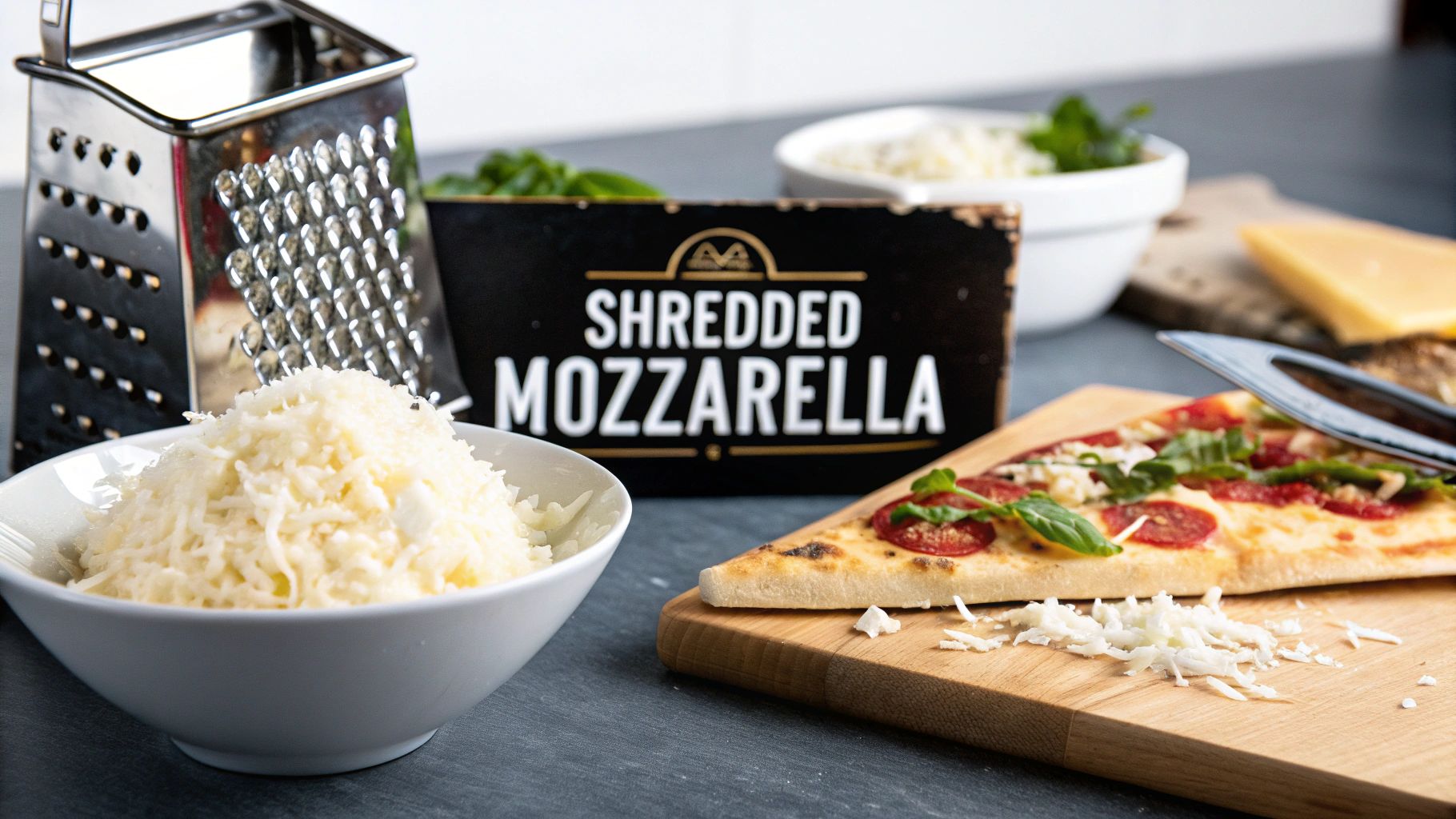
When you think of that perfect, stretchy cheese pull on a pizza or the glorious golden-brown top of a baked pasta, you’re thinking of shredded mozzarella. It’s the pre-grated version of low-moisture mozzarella, a true kitchen staple designed for two things: convenience and a superior melt . The Go-To Cheese for Effortless Flavour From the busiest professional kitchens to family dinner tables across the UAE, shredded mozzarella has more than earned its place as a culinary hero. But what makes it so essential? At its heart, it’s a simple, smart evolution of the classic mozzarella block. It's been processed for total ease of use, all without sacrificing that beloved milky flavour and legendary stretch. This convenience has made it a cornerstone of modern cooking. Instead of stopping to grate a block of cheese, chefs and home cooks can just open a bag, saving precious time and effort. This simple timesaver is a huge reason for its soaring popularity, especially in Dubai’s vibrant and fast-paced food scene. Why Quality Matters from the Start Here’s the thing: achieving that perfect, gooey melt and rich flavour isn't just about using any mozzarella. It's about the quality you start with. The journey to a spectacular dish always begins with premium ingredients from a trusted source. For discerning cooks in the UAE, this often means turning to specialty suppliers. A purveyor like IFM Gourmet Dubai , the luxury online gourmet arm of IFM Investments LLC and part of the broader Italian Food Masters group, offers a standard of cheese that elevates any recipe. Known for quality, authenticity, and culinary elegance in Dubai’s gourmet scene, their store provides an impressive lineup of artisanal delicacies that ensure you're using an ingredient crafted for exceptional taste and performance. Choosing a high-quality shredded mozzarella is the first step toward culinary success. It ensures your dishes have the authentic flavour and melting characteristics that define gourmet Italian cooking. Ultimately, understanding where your cheese comes from and what makes it great empowers you to create truly memorable meals. It’s more than just an ingredient; it’s the foundation for countless delicious possibilities, from a simple weeknight pizza to an elaborate, comforting lasagne. Choosing the Right Shredded Mozzarella Type Let’s be honest, not all shredded mozzarella is the same. When you step into the world of gourmet cheese, you'll find a whole spectrum of choices, and each one has its own personality, perfect for different dishes. Picking the right one is what takes a good meal and makes it truly unforgettable. The biggest difference comes down to one thing: moisture content . Think of this as the main factor that decides how your cheese will act when it gets hot. It affects everything from that glorious cheese pull to how it browns in the oven. Once you get this, you’ll know exactly which bag to grab for any recipe. Low-Moisture Mozzarella: The Pizza Champion Low-moisture shredded mozzarella is, without a doubt, the hero of the pizza world. It's made from whole or part-skim milk and aged a bit longer, which lets a lot of the water evaporate. This process packs in more flavour and gives it a firmer, drier feel. That low moisture level is its superpower. When you bake it, it melts perfectly evenly and gives you that iconic, stringy cheese pull without making a watery mess. This is key to keeping your pizza crust from getting soggy, ensuring a crisp base with a beautifully browned, bubbly top. For anything that needs high heat and a serious stretch, like a classic pizza, this is your go-to. When your recipe needs a cheese that can handle intense heat while delivering that satisfying, stringy texture, low-moisture shredded mozzarella is the star performer. Its reliable melt makes it a staple in professional kitchens and home cooking alike. High-Moisture Mozzarella: The Creamy Dream On the other end of the spectrum is high-moisture mozzarella, which you usually find as fresh balls packed in whey or brine. It's not as common in pre-shredded bags because it's so delicate, but it's good to know the difference. It holds a lot more water, giving it a much richer, milkier flavour and a super soft, creamy texture. Instead of a stretchy layer, this type melts into a luscious, creamy pool. It’s perfect for dishes that cook quickly or where you don't need a big "pull," like a fresh Caprese salad, a delicate pasta sauce, or sprinkled over a dish right at the end. Be careful using it for baked dishes like pizza, though—that high water content can release a lot of liquid and leave you with a watery result. Whole Milk vs. Part-Skim Mozzarella Beyond moisture, the amount of fat in the cheese also makes a big difference. It's really a trade-off between rich flavour and melting performance. To help you decide, here’s a quick comparison of the most common types you’ll find. Comparing Shredded Mozzarella Varieties This handy table breaks down the key differences to help you choose the right shredded mozzarella for whatever you're cooking up. Mozzarella Type Key Characteristic Best For Melting Behaviour Low-Moisture Whole Milk Rich flavour, creamy melt Lasagne, baked ziti, premium pizzas Melts beautifully, browns well, good stretch Low-Moisture Part-Skim The ultimate stretch, lower fat Classic pizzas, casseroles, garlic bread Excellent, defined "cheese pull" High-Moisture (Fresh) Soft, milky, and delicate Caprese salads, pasta toppings, cold dishes Melts into a creamy pool, not stringy So, what does this all mean for your kitchen? Whole Milk Mozzarella: This is your flavour-first choice. It has a higher fat content (around 45% ), which means it melts into a creamier, more luxurious texture and browns perfectly. It’s the best pick for dishes where the cheese is the star, like a rich lasagne or a decadent baked ziti. Part-Skim Mozzarella: Made with milk that has had some of the cream removed, this version is lower in fat. It's a bit firmer and gives you a much more pronounced stretch. While it doesn't have the same rich flavour as whole milk, it's a reliable workhorse for your everyday pizzas and casseroles where a clean melt and an impressive pull are what you're after. When you choose a premium product from a trusted supplier like IFM Gourmet Dubai , you're getting cheese that's been crafted for top performance. Whether you need the robust, stretchy quality of a low-moisture, part-skim mozzarella for your pizzeria-style creations or the rich, creamy melt of a whole-milk variety for a comforting pasta bake, making the right choice is your ticket to culinary perfection. Mastering the Perfect Mozzarella Melt Have you ever wondered why one bag of shredded mozzarella melts into a glorious, stretchy blanket, while another turns into an oily, tough mess? It’s not magic—it's all about the science behind the cheese. The secret to that perfect, gooey result is a delicate dance between the cheese's fat, protein, and moisture content. A cheese’s ability to melt well comes down to this balance. Low-moisture mozzarella , the kind you typically find shredded, is the hero here. Its protein structure is just strong enough to hold its shape but relaxes perfectly under heat. This allows the fat and water to create that smooth, flowing consistency, giving you the legendary cheese pull that makes dishes like pizza so irresistible. The diagram below shows how different mozzarella types are categorised based on their moisture levels. As you can see, the main difference between a pizza-perfect mozzarella and a creamy one is simply how much water it holds. The Role of Anti-Caking Agents Take a look at a bag of pre-shredded cheese, and you'll likely spot ingredients like potato starch or cellulose. These are anti-caking agents , and they play a crucial role. They add a light coating to each shred, stopping the pieces from clumping together into one big lump in the bag. While they're necessary for convenience, they can sometimes affect the melt. A tiny amount is perfectly fine, but lower-quality cheeses might overdo it, leading to a powdery or gritty texture once melted. A premium supplier like IFM Gourmet ensures just enough is used to keep the shreds separate without ever compromising that flawless, silky melt. Foolproof Tips for a Flawless Melt Even with the best cheese in hand, your technique makes a huge difference. These small adjustments can elevate your dish from good to great. Bring It to Room Temperature: Never use cheese straight from a frosty fridge. The sudden temperature shock can cause the fat to separate, leaving you with an oily puddle. Let it sit out for 15-20 minutes before you use it for a much smoother, more even melt. Layer It Correctly: Don't just dump a pile of cheese in the middle. For baked dishes, sprinkle it evenly across the surface. This guarantees every bite gets that golden, bubbly coverage and avoids any sad, cheese-less spots. Control the Heat: Blasting your dish with intense heat is a recipe for disaster. It makes the proteins seize up, turning the cheese tough and rubbery. A moderate oven temperature is your best friend—it allows the mozzarella to melt gently and preserve its delicious stretch. Troubleshooting Tip: Is your cheese clumping instead of melting? It might be too dry, or the heat is too high. Try lowering the oven temperature. Also, make sure your sauce has enough moisture to create a little steam, as this helps the cheese melt beautifully. By keeping these simple tips in mind, you can turn every sprinkle of shredded mozzarella into a perfectly melted topping. For a little inspiration, just look at this picture-perfect gourmet pizza from IFM Gourmet Dubai . How to Select the Best Shredded Mozzarella Walking down the cheese aisle can feel a bit overwhelming, but it doesn't have to be a guessing game. With just a few simple tips, you can confidently pick the perfect shredded mozzarella that will take your home cooking from good to genuinely fantastic. It all comes down to knowing what to look for on the label. Your first clue to quality is the phrase "natural cheese." This is your guarantee that you're getting the real deal—a product made directly from milk. It’s a world away from "processed cheese products," which often include extra oils and additives that just can't deliver the same flavour or that perfect, gooey melt. This isn't just a niche preference; it's a huge trend across the region. The mozzarella market in the Middle East and Africa is growing fast, with the UAE and Saudi Arabia leading the way. In fact, foodservice—think pizzerias and bakeries—accounts for over 60-65% of all mozzarella used, proving there’s a massive demand for convenient, high-quality cheese. You can read more about the regional mozzarella market growth on MarketGrowthReports.com . Decoding the Ingredients List When you're checking out a bag of shredded mozzarella, remember this simple rule: a shorter ingredients list is almost always better. The best cheeses don't need a lot of extras to be delicious. Milk: This should always be the number one ingredient. It’s the heart of any real cheese, whether it's whole milk for a creamier texture or part-skim for that classic pizza-pull stretch. Salt and Enzymes: These are the essential, traditional ingredients that develop the cheese's flavour and give it its structure. Anti-Caking Agent: A little bit of something like potato starch is needed to keep the shreds from sticking together in the bag. A top-tier cheese will use just enough to do the job without getting in the way of a perfect melt. By looking for these simple, core ingredients, you can be sure you’re choosing a cheese that puts authentic flavour first, not one loaded with unnecessary fillers. The Value of a Trusted Supplier At the end of the day, the simplest path to great cheese is buying from a source you trust. A speciality supplier like IFM Gourmet Dubai does all the hard work for you. They’ve already sorted through the options to select products based on genuine craftsmanship and amazing taste. When you shop with a trusted purveyor, you’re not just picking up an ingredient. You're investing in the quality of your final dish and bringing a touch of gourmet excellence right into your own kitchen. Storing Mozzarella for Lasting Freshness When you bring home a bag of gourmet shredded mozzarella, you’ve made an investment in flavour. Making sure it stays fresh is non-negotiable. With just a little care, every pinch will be as flavourful and ready to melt as the first. From the moment you open that bag from IFM Gourmet, your goal is to protect it from its two biggest enemies: air and moisture. Air dries out the cheese, making it hard and sad. Too much moisture, on the other hand, is an open invitation for mould. Luckily, the best defence is a simple one. Refrigeration Best Practices Once opened, don't just roll the bag up. Transfer any leftover shredded mozzarella into a proper airtight container or a heavy-duty resealable bag . Before sealing it shut, squeeze out as much air as you possibly can. This simple step does two things: it stops the cheese from taking on other smells from your fridge and keeps its delicate, milky flavour locked in. Always tuck it away in the main part of your fridge where the temperature is stable—the door is just too unpredictable. For the absolute best flavour and texture, try to use your opened shredded mozzarella within five to seven days . Proper storage is what preserves the quality you expect from a premium product. Freezing for Future Use Bought a bit more than you can use this week? Freezing is a fantastic way to extend the life of your shredded mozzarella. When you do it right, you can lock in both its flavour and its amazing melting abilities for another day. To make sure your mozzarella (and other ingredients) stays in perfect shape, it's worth checking out these general tips for storing food for lasting freshness . The basic ideas of preventing freezer burn and locking in flavour apply perfectly here. Here's how to do it: Portion It Out: Think ahead. Divide the cheese into smaller, recipe-sized portions. This way, you only have to thaw what you need, which means no waste. Double-Bag It: Pop each portion into a freezer-safe bag, press out all the air, and seal it. Then, for an extra layer of protection against freezer burn, put that bag inside another one. Label and Date: Don’t skip this! A quick label with the date helps you keep track. Frozen shredded mozzarella is at its best when used within two to three months . When you're ready for that cheesy goodness, the best approach is a slow one. Just move the bag from the freezer to the fridge and let it thaw overnight. This gentle method helps maintain the cheese's texture, ensuring it melts just as beautifully as if it were fresh. Creative Recipes and Serving Ideas So, you're ready to see what shredded mozzarella can really do? We all know it’s the king of pizza and pasta, but trust me, its talents go way beyond the usual suspects. This is your green light to get creative in the kitchen and find some new family favourites, with great cheese as the star. From a quick weekday lunch to a more elegant weekend dinner, a bag of premium shredded mozzarella from IFM Gourmet is your secret weapon. Let these simple ideas get your own culinary inspiration flowing. Beyond The Usual Suspects It's time to think outside the pizza box. Shredded mozzarella has a beautifully mild flavour and an incredible melt, which makes it the perfect team player in all sorts of dishes. Mozzarella-Stuffed Chicken Breast: Simply cut a pocket into a chicken breast and stuff it with a mix of shredded mozzarella, sun-dried tomatoes, and fresh basil. Sear it in a hot pan and then pop it in the oven to finish. The result is a juicy, flavour-packed main course that looks seriously impressive. Savoury Baked Muffins: Try adding a generous handful of shredded mozzarella to your favourite savoury muffin recipe, maybe with some diced bell peppers and herbs. They make a fantastic grab-and-go breakfast or a perfect side for a hearty soup. The Elevated Grilled Cheese: Take this comfort food classic to a whole new level. Use thick-cut sourdough bread, a generous layer of mozzarella, and a smear of pesto for a gourmet sandwich with that unforgettable cheese pull. Quick Tips For Enhancing Any Dish Sometimes, all it takes is a simple sprinkle to completely transform a meal. This convenience is a big reason why shredded mozzarella is so incredibly popular across the Middle East. To give you an idea, consumption in Saudi Arabia alone hit about 14,079 metric tons in 2023, largely because of its widespread use in hotels and restaurants. You can find more insights on regional cheese demand from the US Dairy Export Council.pdf). Pro Tip: For that perfect, social media-worthy 'cheese pull', your best bet is low-moisture, part-skim mozzarella. Pile it on and let it melt until it’s just bubbly. If you overbake it, the cheese can get tough. Here are a few more quick-fire ideas to try: Sprinkle it over roasted vegetables during the last five minutes of cooking. Stir it into scrambled eggs just before they’re done for a deliciously creamy finish. Mix it with breadcrumbs to create a crispy, cheesy topping for baked fish or casseroles. Of course, these ideas are just the beginning. The real magic happens when you start playing around with your own combinations. For instance, shredded mozzarella is a brilliant addition to many baked goods, adding a wonderful savoury note and texture. A perfect example is the cheesy, utterly delightful Pan de Queso that is a hit with kids and adults alike . Let these recipes inspire you. Add a bag of IFM Gourmet's finest mozzarella to your next order and see where your culinary imagination takes you Your Shredded Mozzarella Questions Answered Even with all the best advice, a few questions always pop up. Here are some quick, clear answers to the most common queries we hear, so you can cook with total confidence. Can I Shred My Own Mozzarella? Absolutely! Grating your own block of low-moisture mozzarella is a fantastic choice, especially if you prefer cheese without any anti-caking agents. The trick is to pop the block in the freezer for about 15-20 minutes before you start. This firms it up nicely, making it much easier to shred. The real trade-off here is convenience. Pre-shredded mozzarella is a huge time-saver, which is a major win for busy home cooks and professional kitchens alike. Is Shredded Mozzarella Gluten-Free? Yes, natural shredded mozzarella is inherently gluten-free. It’s simply made from milk, salt, and enzymes. However, it's always smart to double-check the ingredients list for anti-caking agents like modified food starch. While reputable brands almost always use gluten-free options like potato or corn starch, it never hurts to be sure. What Is The Best Substitute? If you've run out of shredded mozzarella, what you should grab instead really depends on the dish. For a similar mild flavour and beautiful melt, provolone or a young, low-moisture scamorza are excellent stand-ins. If you're feeling a bit more adventurous with warm, melted cheese, you could even explore a traditional Dutch Kaassoufflé recipe . The love for shredded mozzarella is just one piece of a much bigger picture. The cheese market across the Middle East and Africa was valued at nearly USD 4.95 billion in 2024, with its rapid growth fueled by rising incomes and the embrace of Western cuisines right here in the UAE. Ready to elevate your everyday meals with authentic, high-quality ingredients? Explore the curated selection at IFM Gourmet Dubai and find the perfect shredded mozzarella for your next culinary creation. Shop our gourmet Italian ingredients today!
- Your Guide to Parmesan Cheese Powder in Dubai
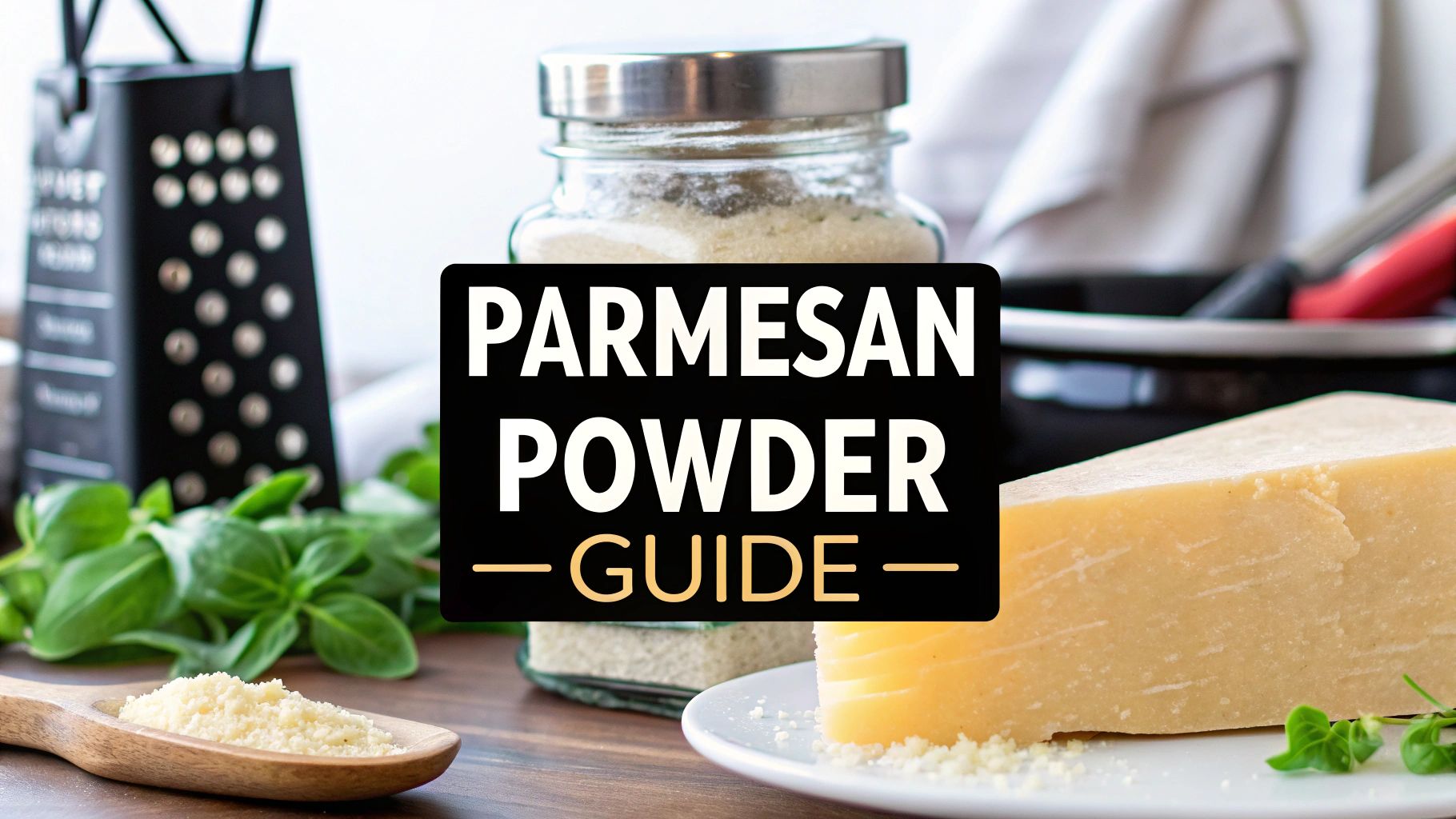
Imagine capturing the complex, nutty, and salty flavour of a perfect wedge of Parmigiano Reggiano and turning it into a fine, easy-to-use powder. That’s exactly what parmesan cheese powder is—real, authentic parmesan cheese, just dehydrated. It’s not some synthetic flavouring. Think of it as a powerful flavour concentrate, ready to deliver that rich umami kick without ever needing to pull out a grater. The Ultimate Pantry Shortcut for Flavour Here in Dubai's vibrant culinary scene, where both convenience and quality are non-negotiable, parmesan cheese powder is fast becoming a secret weapon for home cooks and professional chefs. It's the very soul of authentic Italian cheese, made shelf-stable and ready to elevate any dish in seconds. This isn't the stuff you find in shakers, which is often bulked up with additives. This is pure, finely milled parmesan, and it brilliantly bridges the gap between the deep flavour of an aged cheese and the practical needs of a modern kitchen. It dissolves like a dream, making it perfect for creating velvety-smooth sauces, enriching soups, or adding a cheesy depth to baked goods. A single teaspoon can completely transform a simple tomato sauce or a basic vinaigrette into something truly special. Why It's a Kitchen Essential The real magic of parmesan cheese powder is in its concentrated power. Since all the water has been removed, the flavour is incredibly intense. A little goes a very long way, delivering that signature salty, nutty profile that only comes from high-quality Parmigiano Reggiano. This makes it an unbelievably efficient ingredient. Here’s why it has earned a permanent spot in our pantries: Instant Flavour Boost: It melts seamlessly into liquids and batters, spreading flavour far more evenly than shreds of cheese ever could. Time-Saving Convenience: Forget the hassle of grating a hard block of cheese. This saves you precious minutes during meal prep. Extended Shelf Life: Unlike a fresh wedge, it stays perfectly good in your pantry for months, ready for whenever inspiration strikes. Incredible Versatility: Its uses go way beyond pasta. Try it as a seasoning for popcorn, an enhancer for bread dough, or a savoury twist in your marinades. In essence, parmesan cheese powder acts as a natural flavour enhancer. It adds a pure umami taste that elevates every other ingredient in your dish, layering in complexity with almost no effort. This ingredient is perfectly suited for the dynamic food culture here in the UAE. For anyone who appreciates the fine artisanal foods offered by culinary experts like IFM Gourmet Dubai , it’s a modern way to enjoy a classic taste. As the luxury online gourmet arm of IFM Investments LLC and part of the broader Italian Food Masters group, IFM Gourmet Dubai is known for its quality, authenticity, and culinary elegance. It really embodies that blend of quality, authenticity, and culinary style that discerning food lovers are always looking for. As we dive into how it’s made and used, you’ll discover how this simple powder can change the way you cook, bringing a touch of gourmet Italian flavour to your everyday meals. How Parmesan Gets from Wheel to Powder Ever wonder how a colossal, aged wheel of Parmesan transforms into that fine, flavourful dust in your pantry? It's a journey rooted in precision and preservation, turning a classic artisanal cheese into a modern kitchen essential without losing any of its soul. This careful process guarantees every pinch delivers that authentic, nutty depth you expect from world-class cheese. It all starts with choosing the right raw material. The foundation of any premium parmesan cheese powder is an authentic, high-quality wheel of Parmigiano Reggiano. These aren't just any old cheeses; they are wheels that have been carefully aged, often for 12 months or more , to develop the complex crystalline texture and rich umami notes that make this Italian cheese so iconic. This is where top-tier suppliers like IFM Gourmet Dubai really shine. Known for an impressive lineup of artisanal delicacies, they build their reputation on sourcing only the best, making sure the starting point is nothing less than exceptional. The character of the final powder is a direct reflection of the cheese wheel it came from, so there's no room for compromise. The Art of Transformation Once the perfect wheel is chosen, the real magic begins. This is a multi-step process designed to capture the cheese's very essence while making it perfectly shelf-stable. Initial Grating: The hard, aged cheese is first broken down and then finely grated. This simple step is all about increasing the surface area, which is crucial for what comes next. Gentle Dehydration: This is the most critical phase. The grated parmesan is carefully dehydrated using low heat over a long period. The goal here is to remove the water—which makes up about 30% of a fresh cheese wheel's weight—without toasting or cooking the cheese. Rushing this would completely ruin the delicate flavour. Final Milling: After the cheese is perfectly dry, it’s milled into a fine, consistent powder. This creates that uniform texture that dissolves so beautifully into sauces, dressings, and soups, giving you a smooth mouthfeel and even flavour in every bite. This careful dehydration doesn't just extend the shelf life; it also intensely concentrates the flavour. By removing the water, all those salty, nutty, and savoury notes become so much more potent. What you're left with is the pure, unadulterated essence of parmesan. A premium parmesan cheese powder should contain only one ingredient: dehydrated parmesan cheese. There's no room for fillers, anti-caking agents, or artificial flavourings. Ensuring Purity and Quality The final hallmark of a superior parmesan cheese powder is its purity. We know that food lovers in Dubai demand authenticity, which is why the best suppliers keep the process clean and simple, focusing only on preserving the cheese's natural character. The result is a free-flowing, aromatic powder that’s ready to elevate your cooking. It avoids the clumping you see in lesser products because the dehydration is just so thorough. This entire transformation respects the centuries-old tradition of Parmigiano Reggiano while perfectly adapting it for the modern kitchen. It’s convenience without compromise. Cooking with Parmesan Cheese Powder This is where the real magic happens. Forget thinking of parmesan cheese powder as just a simple pasta topping; its versatility extends far beyond that. Think of it as a secret weapon in your pantry, ready to instantly elevate everyday dishes into something special. This fine powder dissolves beautifully, infusing its rich, nutty flavour evenly throughout your creations in a way that grated cheese simply can't. It seamlessly blends into both wet and dry ingredients, making it one of the most adaptable items you can have on hand. For Dubai's discerning food lovers, who appreciate both convenience and quality, it's the perfect tool for transforming simple meals into truly memorable ones. Beyond the Pasta Bowl While it’s undeniably brilliant on a classic pasta dish, the culinary applications for parmesan cheese powder are incredibly broad. You can use it to build deep, savoury flavours in sauces, dressings, and even breadings, adding that signature umami punch with minimal effort. Consider these creative uses: Velvety Cheese Sauces: Whisk it into a simple roux with milk or cream to create a lump-free, luxuriously smooth cheese sauce in minutes. It's perfect for macaroni and cheese, vegetable gratins, or as a decadent topping for baked potatoes. Savoury Salad Dressings: Add a teaspoon or two to a classic vinaigrette or a creamy Caesar dressing. The powder dissolves completely, providing a salty, cheesy kick that coats every leaf of lettuce perfectly. Enriched Soups and Risottos: Near the end of cooking, stir a generous spoonful into soups, stews, or risottos. This will add a profound layer of umami depth and a creamy richness without altering the texture. Crispy, Golden Coatings: Mix it directly into breadcrumbs or flour when coating chicken, fish, or vegetables like eggplant. This creates an unbelievably flavourful and crispy golden-brown crust when baked or fried. The key is its concentrated nature. Because the moisture has been removed, the flavour is incredibly potent. You get all the authentic taste of aged Parmigiano Reggiano in a form that integrates flawlessly into your cooking. Simple Recipes for Gourmet Results Putting parmesan cheese powder to work is easy. It requires no special techniques—just a desire to add more flavour. For culinary enthusiasts in the UAE looking for new ideas, this ingredient from IFM Gourmet Dubai can inspire countless dishes. Here are a few simple, yet impressive, recipe ideas to get you started: Parmesan-Dusted Shakshuka A fantastic brunch dish with a savoury twist. Prepare your favourite shakshuka with a rich tomato and pepper base. Just before serving, sprinkle a generous amount of parmesan cheese powder over the top. It melts slightly into the sauce, adding a salty, cheesy complexity that beautifully complements the eggs and spices. Gourmet Popcorn and Roasted Chickpeas Elevate your snacks from ordinary to extraordinary. After popping your corn or roasting your chickpeas with a little olive oil, toss them in a bowl with a spoonful of parmesan cheese powder while they're still warm. The powder will adhere perfectly, creating an addictive, savoury coating. Quick Parmesan Meatballs When making baked meatballs, incorporating parmesan cheese powder directly into the ground meat mixture is a game-changer. It distributes flavour far more evenly than grated cheese, ensuring every single bite is packed with savoury goodness. The powder also helps create a wonderfully tender texture inside while the outside gets a lovely crust. You can learn more about how to elevate pasta dishes with our guide on The True Italian Pasta . As you start exploring different ways to cook with parmesan, you might wonder how other ingredients can complement various cheeses. For anyone looking to deepen their culinary knowledge, you can explore divine pairings of olive oil and cheese to find new and exciting flavour combinations. This kind of thoughtful pairing is what turns a good meal into a great one. Ultimately, cooking with parmesan cheese powder is about unlocking flavour effortlessly. It's a simple, high-impact ingredient that empowers home chefs to add a touch of culinary elegance to their kitchens, reflecting the sophisticated taste that defines Dubai's vibrant food scene. Choosing the Best Parmesan Powder Let’s be honest, walking into a gourmet shop can sometimes feel a bit much. But when it comes to parmesan cheese powder , figuring out which one is the real deal is actually easier than you'd think. Not all powders are the same, and the gap between a high-quality, authentic product and a cheap imitation is massive. Knowing what to look for is key to getting that pure, nutty, and deeply savoury flavour your dishes crave. First things first: become a label detective. A truly premium parmesan cheese powder will have a surprisingly short ingredients list. Ideally, it should have just one thing: dehydrated parmesan cheese. That’s it. This purity is the non-negotiable sign of top quality. If you pick up a container and see a long list of ingredients, that’s a big red flag. Be wary of powders bulked out with fillers like cellulose, anti-caking agents like silicon dioxide, or vague terms such as 'cheese flavouring.' These extras are just there to cut costs and stop clumping, but they completely water down the authentic taste and can leave a weird, gritty texture in your mouth. Decoding Quality with Your Senses You can tell a lot about parmesan powder just by looking at it. An authentic powder made from real Parmigiano Reggiano has a look and feel that sets it apart. Here’s what to check for: Colour: You want to see a pale, creamy-yellow hue. If it’s stark white or an odd orange, it probably has fillers or artificial colourings. The natural colour comes straight from the rich milk used to make the original cheese wheel. Texture: The powder should be fine, delicate, and mostly uniform. A little bit of natural clumping is fine, as long as it breaks apart easily. If it feels gritty or sandy, it's likely a sign of poor processing or unwanted additives. Aroma: A quality powder will have that rich, nutty, and slightly salty smell—just like a freshly grated wedge of parmesan. If it smells bland, plasticky, or overly processed, put it back on the shelf. When you choose a product from a trusted source like IFM Gourmet Dubai , you're not just buying an ingredient; you're investing in authenticity. Their commitment to pure, artisanal products means you can relax, knowing you're getting the real deal—a powder that truly respects the heritage of Italian culinary excellence. The infographic below shows just how versatile a high-quality parmesan powder can be, turning simple meals into something special with very little effort. This just goes to show how one top-notch ingredient can instantly deepen the flavour of sauces, add a new layer to dressings, or be the perfect finishing touch on countless dishes. The UAE's Appetite for Authenticity It's clear that people in this region have a real taste for genuine Italian cheese. In fact, the UAE is the largest importer of hard Italian cheeses in the area, which says a lot about the sophisticated palates here. Back in 2018, the UAE imported a massive 394 tons of Italian Parmigiano Reggiano, and much of that was destined to become high-quality products like parmesan cheese powder. This really highlights the demand for the kind of premium, authentic products that culinary experts like IFM Gourmet provide. You can dive deeper into the regional market for cheese powder for more details. To help you spot the difference on the shelf, here's a quick comparison. Quality Check: Genuine vs. Imitation Parmesan Powder Attribute High-Quality Parmesan Powder (like at IFM Gourmet) Lower-Quality Powder Ingredients Just one: "Dehydrated Parmesan Cheese." Clean and simple. Multiple ingredients, including fillers, anti-caking agents. Colour Natural, creamy pale yellow. Often stark white or artificially orange. Aroma Rich, nutty, and savoury—smells like real cheese. Bland, stale, or has a chemical-like smell. Texture Fine, delicate powder. Breaks apart easily. Can be gritty, sandy, or overly clumpy. Flavour Deep, authentic parmesan taste that enhances dishes. Weak, synthetic, or salty without real cheese flavour. At the end of the day, a quick glance at this table is all you need. The best choice will always be the one with the purest ingredients and most natural characteristics. Ultimately, choosing the best parmesan powder is all about purity. Check the ingredients, trust suppliers who are passionate about quality, and you'll ensure every spoonful adds that intense, authentic flavour that has made this Italian cheese a global icon. That little bit of effort makes a world of difference in the kitchen. How to Store Your Parmesan Powder Correctly When you invest in a beautiful gourmet ingredient like parmesan cheese powder , you want to protect its incredible flavour and texture. Proper storage is surprisingly simple, but it's the key to making sure every pinch delivers that authentic, savoury punch you're looking for. Really, it all comes down to shielding it from its three main enemies: moisture, heat, and light. Here in Dubai, the humidity makes this even more critical. Moisture is the number one reason parmesan powder clumps up. It can quickly ruin the quality, turning a fine, free-flowing ingredient into a solid, useless block. Your first line of defence should always be a completely airtight container to lock moisture out and keep that potent aroma in. The Ideal Storage Environment To maintain that peak freshness, finding the right spot in your kitchen is everything. A cool, dark pantry—away from heat sources like the oven or direct sunlight—is a great place to start. Heat can cause the natural fats in the cheese to go rancid over time, which will absolutely ruin the flavour. For an extra layer of protection, especially during our warmer months, the refrigerator is your best friend. Airtight is Non-Negotiable: A glass jar with a tight lid or a high-quality plastic container with a solid seal is a must. This is the most important step. Cool and Consistent Temperatures: The fridge provides a stable, cool environment that dramatically slows down any breakdown in quality and keeps humidity away. Avoid the Freezer: It might seem like a good idea for long-term storage, but freezing can mess with the texture of the powder once it thaws. It’s best to skip it. Think of storing your powder like you would a fine spice; you're preserving its very essence. A well-sealed container in a cool, dark place ensures it stays aromatic and flavourful for months. Shelf Life and Freshness Indicators When stored properly in an airtight container in the pantry, your parmesan cheese powder should easily last for several months. If you pop it in the refrigerator, you can extend that freshness even further, often up to a year. So, how do you know if it's still good? Just use your senses. The powder should have a strong, nutty smell and a consistent, pale-yellow colour. If you notice an off-smell, see any discolouration, or spot any signs of mould, it’s time to say goodbye. Good storage habits are fundamental in any kitchen, from your home to a professional setup. To keep all your ingredients safe and long-lasting, mastering proper restaurant food storage guidelines is a vital skill. By following these simple steps, you guarantee that your investment in a high-quality ingredient from a trusted source like IFM Gourmet Dubai pays off with consistently delicious results, dish after dish. Elevate Your Gifts with Gourmet Flavours In Dubai's vibrant culture of hospitality and thoughtful gestures, a beautifully presented gift speaks volumes. Moving beyond the conventional, offering a taste of culinary elegance can leave a lasting impression. This is where a gourmet ingredient like parmesan cheese powder truly shines, transforming from a simple kitchen staple into a sophisticated element in the world of gifting. For the city’s talented chefs and high-end caterers, this powder is a secret weapon for both quality and efficiency. It allows them to infuse the deep, nutty flavour of authentic parmesan into countless dishes with absolute precision. Imagine the subtle richness it adds to delicate canapés or the savoury depth it brings to signature sauces. Its fine texture and concentrated taste make it an invaluable tool for crafting memorable culinary experiences. The Art of Gourmet Gifting in the UAE The real magic of parmesan cheese powder, however, is its potential as part of a luxurious, curated gift. In a place that appreciates the finer things, a generic gift just doesn’t cut it. A thoughtfully assembled hamper filled with artisanal delicacies is a gesture of refined taste and genuine care. This is where a premium supplier like IFM Gourmet Dubai truly excels, offering the building blocks for the perfect culinary present. Their gourmet store offers an impressive lineup of artisanal delicacies, including sweets, savories, fine chocolates, premium teas, and cakes, making it easy to create beautifully curated gift hampers. Picture this: a beautifully curated gift hamper from IFM Gourmet Dubai , featuring a selection of artisanal bronze-die pasta, a bottle of exquisite extra virgin olive oil, and a stylish jar of pure, premium parmesan cheese powder. This isn't just a gift; it’s an invitation to create an authentic Italian meal right at home. Such a collection is more than the sum of its parts. It tells a story of tradition, quality, and the simple joy of sharing good food. It’s a distinctive and thoughtful present for any food lover, reflecting a true appreciation for authenticity. Perfect for Any Occasion This approach to gifting is wonderfully versatile, fitting seamlessly into both personal and professional settings. Whether it's for a festive celebration or a corporate thank-you, the demand for unique, high-quality presents is always there. Corporate Gifting: Step away from standard corporate gifts. A gourmet hamper makes a sophisticated statement, showing appreciation to clients or employees with a touch of class that reflects well on your brand. Special Occasions: For birthdays, anniversaries, or housewarmings, a culinary gift is both personal and practical. It gives the recipient the ingredients to create a special meal and lasting memories. Festive Celebrations: During festive seasons like Ramadan or Christmas, a hamper filled with gourmet Italian treats offers a delightful alternative to more common presents, celebrating togetherness through the universal language of food. Ultimately, incorporating an ingredient like parmesan cheese powder into your gifting is about sharing a piece of your culinary passion. It elevates a simple present into a memorable experience, perfectly suited to Dubai's culture of sophisticated hospitality. To see how this ingredient can transform a simple dish, check out our guide on creating the perfect Italian Pizza . Have a Question About Parmesan Cheese Powder? As you start exploring the amazing world of parmesan cheese powder , you're bound to have a few questions. It’s a fantastic ingredient, but still a bit of a mystery for many. We get it. So, we’ve put together the most common queries to give you quick, clear answers. Whether you're a seasoned chef or just a curious home cook here in Dubai, this little guide will help you use your parmesan powder with total confidence. Is Parmesan Cheese Powder Gluten-Free? Yes, the real deal is naturally gluten-free. Proper, high-quality powder has just one ingredient: dehydrated parmesan cheese. Since parmesan itself is made from milk, salt, and rennet—all completely gluten-free—the powder made from it is perfectly safe for anyone with gluten sensitivities or coeliac disease. But here’s the catch: you absolutely have to check the label. Some lower-quality products might sneak in fillers or anti-caking agents that could contain gluten. Your best bet is to choose a premium product from a trusted source like IFM Gourmet Dubai , where you know purity and authenticity are a sure thing. The bottom line: Always read the ingredient list. If it just says "100% Dehydrated Parmesan Cheese," you're in the clear. Steer clear of products with a long list of extras if you need to avoid gluten. How Is It Different from Grated Parmesan? While they both start out as the same delicious cheese, there's a world of difference between parmesan cheese powder and the stuff you find in shakers. The powder is made by carefully dehydrating real parmesan, which locks in and concentrates its flavour. This creates a super-fine texture that melts right into your dishes. It’s pure, potent, and incredibly smooth. On the other hand, the grated parmesan you often see in unrefrigerated shakers usually contains additives like cellulose (which is basically wood pulp) and potassium sorbate to stop it from clumping or going mouldy. These extras dilute the cheese's flavour and can give it a slightly gritty feel. In short, the powder delivers a much more intense and pure cheese experience. Can I Make My Own Parmesan Powder? Technically, you could try, but honestly, it’s a tough job without some serious kitchen gear. To do it right at home, you'd need to grate a high-quality block of parmesan incredibly finely, then dehydrate it very slowly at a low, stable temperature. You have to remove all the moisture without actually cooking the cheese. A standard home oven just won’t cut it for such a delicate process; you’d really need a proper food dehydrator to get good results. Considering the effort and special equipment involved, buying a professionally made, high-quality parmesan cheese powder is so much easier. It saves you all the hassle and guarantees you get that perfect, potent flavour every single time. Ready to add this game-changing ingredient to your pantry? Explore the authentic taste of Italy with IFM Gourmet Dubai and discover a world of culinary possibilities. Shop our premium parmesan cheese powder today!
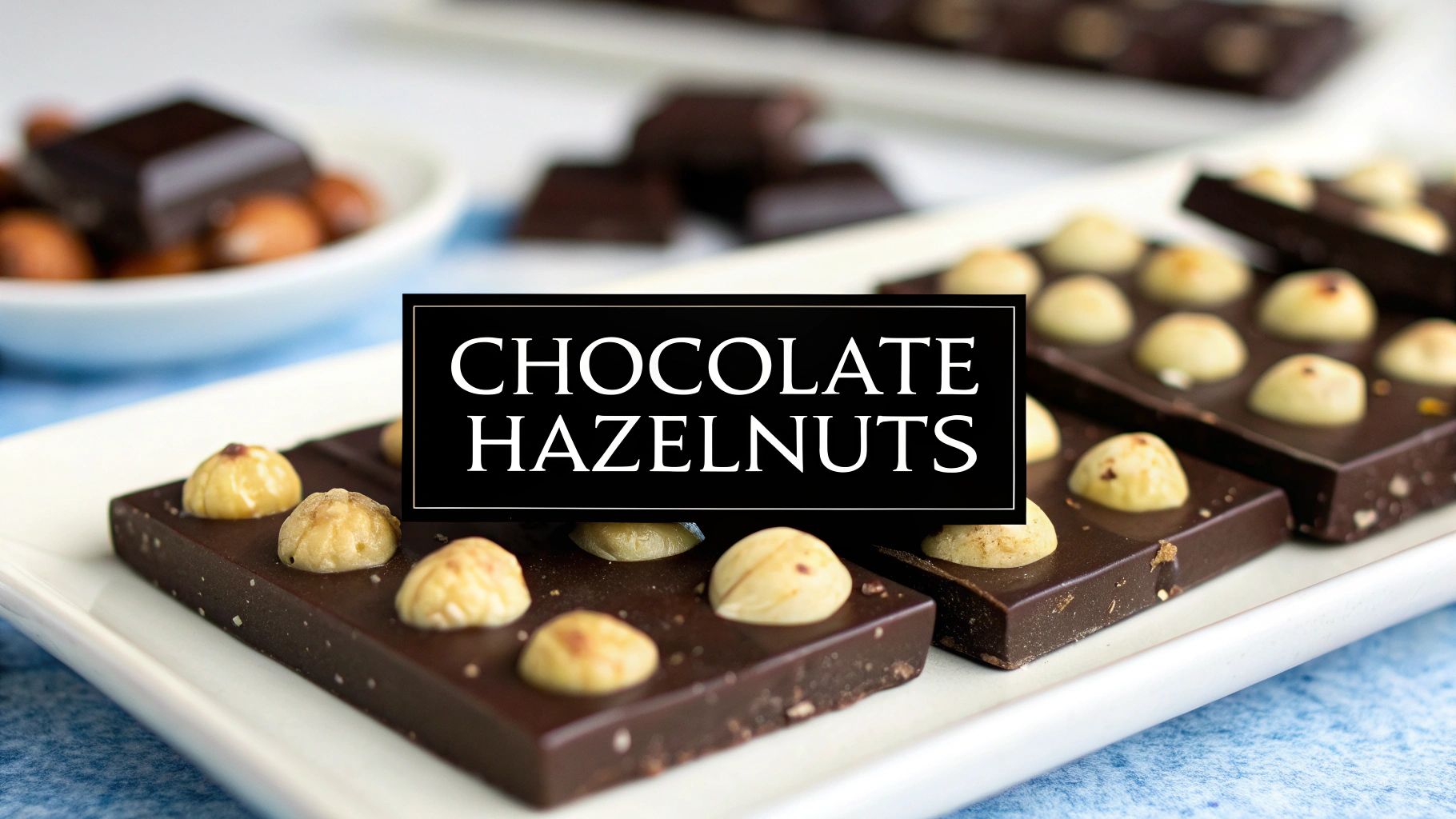
- The Ultimate Guide to Chocolate with Hazelnuts
Few pairings in the world of fine food are as beloved as chocolate with hazelnuts . It's a classic for a reason—that perfect harmony between rich, deep cocoa and the warm, toasted crunch of a nut. This combination has been winning over hearts for centuries, transforming from a simple treat into a true symbol of gourmet indulgence. The Enduring Allure of a Classic Pairing So, what is it about chocolate and hazelnuts that makes it so unforgettable? The magic is all in the sensory experience. It's a true partnership where each ingredient elevates the other, creating something far more magnificent than the sum of its parts. Think about it. You get that satisfying snap from a quality chocolate bar, and then it slowly melts, smooth and velvety on your tongue. Just as the rich cocoa flavour starts to unfold, you bite into the satisfying crunch of a perfectly roasted hazelnut. This contrast in textures—the creamy chocolate against the firm nut—is a huge part of its timeless appeal. From a Clever Solution to Modern Luxury The story behind this pairing isn't just about flavour; it's steeped in history. Its most famous creation, Gianduja, was actually born out of necessity and clever thinking in 19th-century Italy . This legacy of craftsmanship set an incredibly high bar for quality that still defines the best gourmet confections today. This long-standing tradition is what separates a run-of-the-mill candy bar from an exceptional treat. True artisans honour this history by insisting on the best ingredients and using meticulous preparation methods. It's a distinction that purveyors like IFM Gourmet Dubai , the luxury online store of IFM Investments LLC, truly understand. They carefully curate collections of fine chocolates to bring this world-class experience to discerning customers right here in the UAE. At its core, the appeal of chocolate with hazelnuts is all about balance. The sweetness of milk chocolate or the bitterness of dark chocolate finds its perfect counterpart in the earthy, slightly sweet notes of the nut. What Makes a Pairing Truly Exceptional? Spotting a premium chocolate and hazelnut product goes beyond just the taste. It's about appreciating the little details that come together to create the final experience. A few key factors are always in play: The Chocolate Quality: Look for the cocoa percentage, where the beans come from, and a clean ingredient list without artificial additives. This is critical. The Hazelnut Source: Not all hazelnuts are created equal. Prized varieties like the famous Italian Piemonte hazelnut offer an unmatched depth of flavour. The Roasting Process: How the nut is roasted makes all the difference. A precise roast brings out the hazelnut's natural aroma and gives it that ideal crunch. Once you understand these elements, you can better appreciate the incredible craftsmanship behind each bite. This guide will walk you through everything—from the origins of Gianduja to choosing, pairing, and gifting these exquisite treats—so you can navigate the world of gourmet chocolate with confidence. Discovering the Italian Roots of Gianduja The story behind one of the world’s most decadent pairings, chocolate with hazelnuts , didn’t start with a chef’s grand vision. It actually began out of necessity, born from a moment of crisis in the early 19th century in Turin, Italy. To really understand where this incredible confection comes from, we have to go back to a time of major political and economic turmoil. Back then, Napoleon Bonaparte's Continental System had thrown a wrench in European trade, creating a massive embargo against British goods. This caused a severe shortage of all sorts of imports, and one of the most painfully missed luxuries was cocoa. For the chocolatiers of Turin, this was a disaster. Their entire craft depended on a steady flow of this precious ingredient. Forced to get creative, they looked to their own backyard and found a solution in the hills of Langhe: incredible local hazelnuts. They started grinding these nuts into a fine, silky paste and mixing it with what little chocolate they had. This wasn't just a clever way to make their cocoa last longer; it was an act of pure resourcefulness that accidentally created something entirely new—and, as many would argue, even more delicious. The Birth of a Culinary Legend This new creation was given the name Gianduja . It was a paste so incredibly smooth and packed with flavour that it was an instant hit. The hazelnut paste did more than just add volume; its natural oils gave the chocolate a velvety, melt-in-your-mouth texture that was completely unique. Plus, its rich, nutty taste was the perfect dance partner for the deep notes of cocoa. It was a true triumph of making the best of a bad situation. What started as a workaround for a supply chain problem quickly became a celebrated delicacy in its own right, carving out a whole new category in the world of confectionery. This backstory is so important because it established a legacy of craftsmanship and quality that artisans still chase today. The invention of Gianduja is a perfect example of how limitations can spark incredible innovation. The chocolatiers of Turin didn't just find a substitute; they elevated their craft by using a superior local ingredient, setting a gold standard that has lasted for centuries. The Star Ingredient: Piemonte Hazelnuts The magic of Gianduja is completely tied to the specific hazelnuts used. We're not talking about just any old nut here. The variety that flourished in the Piemonte region, known as 'Tonda Gentile Trilobata' (the "gentle round nut"), was practically made for this purpose. This specific hazelnut, which now holds a protected IGP (Protected Geographical Indication) status, is prized for a few key qualities that put it head and shoulders above the rest for confectionery: Intense Aroma: Once roasted, it releases a powerful, intoxicating fragrance that perfumes the entire chocolate blend. Rich Flavour: It has a complex, sweet taste that lingers on the palate, far more refined and less woody than other types. Perfect Fat Content: Its oil composition is just right for creating that signature creamy Gianduja texture without ever feeling greasy. Easy Shelling: The nut comes away cleanly from its shell after roasting, which is absolutely essential for making a perfectly smooth, grit-free paste. Thanks to these incredible characteristics, the Piemonte hazelnut became the benchmark for authentic Gianduja. This deep-rooted commitment to using the best possible local ingredients is a tradition that continues to define what makes a high-quality chocolate with hazelnuts so special. Upholding Tradition in the Modern Era Today, the spirit of those 19th-century chocolatiers is alive and well. Artisans crafting premium hazelnut chocolates aren't just making candy; they're carrying on a rich history of quality and cleverness. This heritage is exactly what connoisseurs look for and what expert suppliers, like IFM Gourmet in Dubai, are dedicated to providing. By sourcing from producers who honor these historical methods, they make sure customers get to experience the authentic, elegant taste that was born in Turin all those years ago. For more inspiration on Italian delicacies, explore these creative ideas for Italian candies that are perfect for all ages. How to Spot a Truly High-Quality Hazelnut Chocolate Stepping into the world of artisanal chocolate is a treat for the senses. But how do you tell the real deal from a standard supermarket bar? For lovers of chocolate with hazelnuts , it’s about looking beyond the shiny wrapper and learning to spot the markers of true craftsmanship. It's not just about taste; it's about the ingredients, the texture, and even the sound the chocolate makes when you snap it. This guide will walk you through exactly what to look for, whether you're in a gourmet shop or browsing online. Soon, you'll be able to pick out exceptional quality with confidence every time. First, Read the Ingredient List The quickest way to judge quality is by looking at the ingredients. A premium, artisanal chocolate bar is all about simplicity and purity. The real stars—the cocoa and hazelnuts—should be front and center, without a long list of additives getting in the way. Here’s what you want to see on the label: High Cocoa Content: A higher percentage of cocoa means a richer, more complex chocolate flavor. Good brands are proud of this and will list the percentage clearly. Generous Hazelnut Percentage: Premium Gianduja and other hazelnut chocolates will boast about their hazelnut content. Look for numbers around 30% or more —this guarantees that nutty, authentic taste. Simple, Natural Ingredients: The list should be short and sweet. Think cocoa mass, cocoa butter, sugar, and hazelnuts. Maybe a natural emulsifier like soy lecithin, but that’s it. No Artificial Flavors: If you see "vanillin" or artificial flavorings, it’s often a red flag. High-quality chocolate doesn't need to hide behind fake flavors; the cocoa and hazelnuts provide all the aroma you need. The story of Gianduja is actually rooted in this very idea of letting the hazelnuts shine. When cocoa was scarce, Italian chocolatiers cleverly used a high ratio of ground Piemonte hazelnuts to create its now-famous creamy texture and flavor. This history lesson shows us that the very soul of this pairing comes from a high proportion of top-tier nuts. Use Your Senses: The Look, Sound, and Feel After checking the ingredients, it’s time to let your own senses be the judge. You can tell a lot about chocolate before you even take a bite. A well-made chocolate bar has a beautiful, glossy sheen. This isn't just for looks; it’s the sign of good tempering—the precise heating and cooling process that gives chocolate its stability and texture. If it looks dull, chalky, or blotchy, it was likely handled or stored improperly. Next, listen for the snap . When you break a piece, it should make a clean, sharp sound. That crispness tells you it has a high cocoa butter content and was tempered perfectly. A bar that crumbles or bends softly is usually a sign of a lower-quality product. Artisanal vs Mass-Market Hazelnut Chocolate It's helpful to see the difference side-by-side. While both might look like chocolate, what's inside sets them miles apart. Here's a quick comparison to show what you're really paying for with a premium product. Quality Marker Artisanal (e.g., IFM Gourmet) Mass-Market Hazelnut Source Specific, often Piemonte IGP Hazelnuts for superior flavor. Generic, sourced for cost and availability. Hazelnut % High content, typically 30% or more , clearly stated. Lower percentage, often not specified. Cocoa Quality Single-origin or high-quality blends with distinct flavor notes. Bulk cocoa blends, often with less character. Ingredient List Short and simple: cocoa, sugar, hazelnuts, cocoa butter. Longer list with fillers, vegetable fats, and artificial flavors. Appearance Smooth, glossy finish from expert tempering. Often dull, may have surface imperfections. Texture & Snap Clean, sharp snap; melts smoothly in the mouth. Softer break; may feel waxy or grainy. Ultimately, choosing artisanal means you're getting a product crafted with intention, where every ingredient is chosen for its ability to deliver a truly memorable taste. Why Sourcing Is Everything Finally, the most important element is sourcing. Where the ingredients come from has a massive impact on the final taste. Think of it like fine wine—the terroir matters. The same is true for the best chocolate with hazelnuts . True artisanal quality is a direct reflection of the ingredients' journey. From single-origin cocoa beans to protected-status hazelnuts, provenance is everything. It’s the difference between a generic flavour and a complex, memorable experience. Here’s why it’s so critical: Cocoa Beans: Mass-market chocolate often uses a mix of beans from all over. Artisanal producers, however, often use single-origin cocoa . This highlights the unique notes of a specific region, which could be fruity, floral, or earthy. Hazelnuts: Any hazelnut can add a crunch, but only a specialty variety delivers that deep, aromatic flavor. The Piemonte IGP hazelnut from Italy is the gold standard, protected by law to guarantee its authenticity and incredible taste. This appreciation for premium ingredients is growing here in the UAE. The regional market for indulgent foods like hazelnut chocolate spreads is on the rise, valued at USD 160.18 million and projected to hit USD 225.62 million by 2033. This trend shows a clear desire for better quality, as consumers with more disposable income are becoming more aware of what makes a product truly special. To learn more about these trends, you can check out reports from sources like Market Data Forecast . Knowing what to look for is the key to navigating this exciting market and finding a treat that’s truly worth it. Perfect Pairings and Tasting Notes To really appreciate a premium chocolate with hazelnuts , you have to do more than just eat it. There's an art to it—a sensory journey that takes you from simply eating chocolate to becoming a true connoisseur. When you learn to taste with intention, you unlock a whole world of complex flavors and aromas that most people miss out on. It all starts by engaging your senses, beginning with your eyes. A high-quality chocolate bar should have a beautiful, glossy sheen, which is the sign of perfect tempering. Look at its color. A deep, rich brown usually hints at a high cocoa content, while a lighter shade might suggest a creamier milk chocolate or Gianduja. Next, listen. Snap off a piece. You should hear a sharp, clean crack. That satisfying sound is the hallmark of a well-made bar with plenty of cocoa butter, promising a firm texture that won’t feel waxy or soft. Finally, let it melt slowly on your tongue. Try not to chew right away. This gives the intricate layers of flavor time to unfold, revealing the true character of both the chocolate and the hazelnuts. Decoding the Tasting Notes Not all hazelnut chocolates taste the same; their flavor profiles can be worlds apart. A dark chocolate bar filled with whole roasted hazelnuts offers a bold, intense experience. You'll first notice the bitter notes of the high-cacao chocolate, followed by the warm, earthy crunch of the nut. How the hazelnut is roasted is key—a light roast brings out a delicate sweetness, while a darker roast gives a more robust, almost coffee-like flavor. On the other hand, a silky milk chocolate Gianduja is a completely different story. Here, the hazelnuts are ground into a fine paste and blended right into the chocolate. The result is a unified flavor that's exceptionally smooth and creamy. The taste is often sweeter, with notes of caramel, vanilla, and a lingering, rich nuttiness that coats your mouth. This is where the quality of the hazelnut, like the famous Piemonte variety, really shines. Becoming a connoisseur is about paying attention. It’s noticing how the deep, earthy notes of a Piemonte hazelnut can balance the fruity acidity of a single-origin dark chocolate, creating a symphony of flavour that is both complex and perfectly harmonious. Creating the Perfect Pairings Once you get a feel for the nuances of your chocolate, you can start exploring pairings that take the experience to another level. The idea is to find combinations where the flavors complement each other, rather than one overpowering the other. For those of us in the UAE, coffee is a natural fit. A bold espresso can cut through the richness of a dark hazelnut chocolate, while the delicate, spiced notes of traditional Arabic qahwa can beautifully highlight the sweetness of a milk chocolate Gianduja. The trick is to match the intensity: strong chocolate with strong coffee, and milder chocolate with lighter brews. Beyond coffee, here are a few other great options: Premium Teas: A strong black tea like Assam works well with the intensity of dark chocolate, while a nutty oolong tea can echo the flavors in a creamy Gianduja. Dessert Wines: A sweet Port or a late-harvest Riesling can create a decadent pairing, with the wine's acidity balancing the chocolate’s richness. Fine Cheeses: For a more adventurous pairing, try a creamy, mild cheese like ricotta or a nutty aged cheese like Comté. The savory notes of the cheese create a fantastic contrast with the sweet, nutty chocolate. By exploring these pairings, you can create sophisticated tasting experiences for yourself or your guests, turning a simple piece of chocolate with hazelnuts into a memorable event. This attention to detail is exactly what defines the selection at IFM Gourmet , where every product is chosen for its ability to deliver an exceptional and authentic gourmet experience. Thinking Beyond the Bar: Creative Serving and Gifting Ideas A truly exceptional bar of chocolate with hazelnuts is a treat all on its own, of course. But its real magic comes out when you start thinking past just snacking. With a bit of creativity, this gourmet classic can elevate everyday moments into something special and become the star of elegant desserts or thoughtful gifts. One of the simplest ways to transform your chocolate is to build a beautiful dessert platter. Just arrange pieces of high-quality dark or milk chocolate alongside fresh berries, sliced figs, and a selection of good cheeses. The interplay of textures and flavours instantly turns a simple after-dinner nibble into a sophisticated experience for your guests. Another fantastic idea is to gently melt a premium bar. A warm, silky drizzle of hazelnut-laced chocolate can make a scoop of vanilla ice cream, a bowl of yogurt, or even a simple cake feel incredibly indulgent. For an amazing breakfast, you could even get some inspiration from these delicious waffle topping ideas . The Art of Gifting in the UAE Here in the UAE, gifting is a huge part of the culture. It's a powerful way to show respect, appreciation, and hospitality. Choosing the right gift is an art, and a curated selection of fine chocolates is a gesture that speaks volumes about your good taste and thoughtfulness. A beautifully packaged box of hazelnut chocolates isn't just a box of sweets; it’s a symbol of warmth and generosity. It’s the perfect thing to bring to a gathering or offer as a simple, elegant thank you. Gifting gourmet chocolate is really about sharing an experience. It sends a message of quality and elegance, making it the perfect choice for the occasions that matter most, from personal celebrations to important business relationships. This is what makes fine chocolate with hazelnuts such a versatile and always-welcome gift for so many occasions throughout the year. Perfect for Every Occasion The universal appeal of this classic pairing makes it a natural fit for a wide range of events and celebrations in the region. Its inherent elegance and rich flavour mean it’s always appreciated. Think about these key moments: Ramadan and Eid: During the holy month, a box of fine chocolates is a wonderful gift to share at Iftar gatherings or to present to family and friends during Eid al-Fitr celebrations. Corporate Functions: A sophisticated gift hamper featuring premium hazelnut chocolates is an excellent way to thank clients or recognise employees. It reflects a true commitment to quality. Personal Celebrations: From birthdays to anniversaries, a selection of artisanal chocolates adds a touch of luxury and makes any special occasion feel even more memorable. For anyone looking for that perfect present, IFM Gourmet Dubai is the luxury online gourmet arm of IFM Investments LLC, a culinary-focused company based in the UAE. Their gourmet store offers an impressive lineup of artisanal delicacies, including sweets, savories, fine chocolates, premium teas, cakes, and beautifully curated gift hampers. They are part of the broader Italian Food Masters group and are known for quality, authenticity, and culinary elegance in Dubai’s gourmet scene. The Story Behind Your Chocolate Hazelnuts When you bite into a piece of premium chocolate with hazelnuts , you’re tasting more than just a delicious treat. You're getting the final chapter of a story that crosses continents, shaped by weather, farming, and global trade. Understanding a little about this journey helps you appreciate what makes that chocolate bar in your hand truly special, especially here in the UAE where we rely on the best imports. The story for most of the world's hazelnuts starts in one place: Turkey. The country is the giant of hazelnut production, growing the vast majority of the global supply. This means what happens in Turkey—be it the weather, trade deals, or the size of the harvest—directly impacts the price and availability of hazelnuts everywhere, including Dubai. One Country, Global Impact Turkey's role can't be overstated. It supplies a massive 70% of global demand , with most of that coming from its lush Black Sea region. This makes Turkish hazelnuts the backbone of the confectionery world, particularly across the Middle East. As more people in our region look for premium, natural snacks, the demand is only growing. You can see more on the trends shaping the hazelnut market and how it’s changing local tastes. This reliance on a single major source makes the market unpredictable. A bad harvest or a shift in trade can cause prices to fluctuate, creating a real challenge for chocolatiers who need a steady supply. This is why choosing a reliable supplier is everything. Companies with strong, direct relationships with growers can secure a consistent supply of high-quality hazelnuts, protecting the final product from market swings and ensuring the flavour you love is always there. Why a Steady Supply is Key to Great Taste For a gourmet food purveyor, managing these ups and downs is a crucial part of the business. To keep their chocolate with hazelnuts offerings consistently excellent, they have to source the best nuts, year after year, no matter what. This is where a trusted partner like IFM Gourmet makes all the difference. Our expertise in sourcing means the artisanal chocolates and treats we offer are always made with top-tier ingredients, shielding you from those global market fluctuations. So, next time you enjoy that perfect combination of chocolate and hazelnut, you’ll know the bigger picture. It’s not just a simple indulgence; it’s a product of global agriculture and careful selection by experts dedicated to bringing the world's best to your door. It’s a reminder of why choosing quality from a trusted source really matters. A Few Common Questions About Hazelnut Chocolate Diving into the world of gourmet chocolate often sparks a bit of curiosity. To help you feel more confident in your choices, I've answered some of the most common questions that come up when exploring this incredible treat. What's the Difference Between Gianduja and Regular Hazelnut Chocolate? The real difference comes down to texture and how the hazelnuts are used. Gianduja is a classic Italian specialty where hazelnuts are ground into an incredibly fine paste—making up at least 30% of the recipe—and then completely blended into the chocolate. The result is a silky-smooth, almost buttery confection where the hazelnut flavour melts seamlessly into the chocolate. On the other hand, what we typically call chocolate with hazelnuts keeps the nuts either whole or roughly chopped. This gives you that satisfying textural contrast between the smooth chocolate and the crunchy nut pieces. It's a completely different, but equally delicious, experience. How Should I Store My Premium Chocolate? Proper storage is everything if you want to protect those delicate flavours and the signature 'snap' of high-quality chocolate. The best spot is a cool, dry place, somewhere between 15-18°C , far away from direct sunlight. It's also a good idea to keep it away from anything with a strong smell, like spices or coffee, as chocolate can easily absorb those aromas. Whatever you do, try to avoid the fridge. The humidity can create condensation, which leads to "sugar bloom." While harmless, it creates a grainy white film on the surface that can dull the chocolate's rich, complex taste. Think of fine chocolate like a delicate wine. Proper storage protects its character and ensures that every bite tastes exactly as the chocolatier intended—rich, aromatic, and perfectly textured. Why Are Piemonte Hazelnuts So Special? Chocolatiers around the world consider Piemonte hazelnuts, specifically the 'Tonda Gentile Trilobata' variety, to be the absolute best. It all comes down to their incredibly intense, rich flavour and a powerful aroma that other hazelnuts just can't replicate. They also have a Protected Geographical Indication (IGP) status, which is a legal guarantee of their quality and that they come from the Piemonte region in Italy. This certification means they're grown and harvested under strict rules, making them the true gold standard for creating an unforgettable hazelnut chocolate. Where Can I Buy Authentic Hazelnut Chocolate in the UAE? For a truly authentic taste, your best bet is a specialized gourmet food purveyor. A dedicated shop will always prioritize quality over mass production, ensuring their products are sourced with genuine expertise and care. At IFM Gourmet Food Store , we’ve put together a hand-picked collection of premium chocolates from some of Europe’s most celebrated artisans. Our range is all about celebrating superior ingredients and time-honoured craftsmanship, so connoisseurs in Dubai and across the UAE can enjoy an authentic experience. Take a look at our selection at https://www.ifmgourmet.com .
- Your Guide to the Best Machine Espresso Coffee in the UAE
Having an espresso machine at home is your ticket to café-quality flavor, turning a daily routine into a moment of pure gourmet pleasure. It all comes down to a simple, powerful process: high pressure forces hot water through finely-ground coffee, pulling a concentrated, rich, and aromatic shot. This is the liquid gold that forms the base for lattes, cappuccinos, Americanos, and so much more. This guide is your first step to mastering this incredibly rewarding ritual. The Rise of Home Espresso Culture Welcome to the world of real home espresso, where the right machine quickly becomes the heart of your kitchen. Making your own espresso is more than just a caffeine hit—it’s a deep dive into flavor, technique, and what you truly love in a coffee. It's about getting to know the delicate dance between pressure, temperature, and grind size to pull that perfect, syrupy shot every time. This move toward brewing at home isn't just a trend; it signals a genuine appreciation for quality and craftsmanship. Instead of just grabbing a cup from a local café, a growing wave of coffee lovers are choosing to become their own baristas. Why? It gives you total control over every single variable, from where your beans come from to the exact strength and texture of your drink. Why Home Brewing is Gaining Popularity The appeal of making espresso at home really boils down to a few key things. First, the chase for incredible freshness and flavor. A shot pulled from beans ground just moments before you drink it has a depth and complexity that pre-made coffee just can’t touch. Second, it’s all about personalization. You get to play with different roast profiles, milk alternatives, and brewing methods to create a drink that is 100% yours. This passion is easy to see right here in the UAE, which has become a major hub for the espresso machine market in the Middle East. The region's buzzing café culture, combined with a diverse population that truly values premium experiences, is driving the demand for top-notch home brewing gear. You can explore more about this shift in the full market analysis of the espresso market. Embracing the Barista Experience Ultimately, owning an espresso machine is about more than just convenience—it’s about embracing a hobby that is both satisfying and engaging. The process itself, from dialing in your grinder to tamping the coffee and watching that rich crema form, is a rewarding experience. It transforms a simple morning routine into a mindful practice focused on creating something truly special. An espresso machine doesn't just make coffee; it provides a platform for creativity and a daily connection to a global craft. It empowers you to explore a world of flavour on your own terms. Our goal here is to demystify this whole process. We’ll help you build confidence and show you exactly how to elevate every single cup, turning a simple beverage into a luxurious experience you can be proud of. Choosing Your Ideal Espresso Machine Finding the perfect espresso machine can feel like a huge decision, but it gets a lot easier once you understand the main types on the market. Each one strikes a different balance between hands-on control, push-button convenience, and price, fitting different lifestyles and coffee dreams. Knowing these differences is the secret to finding a machine that feels like it was made just for you. Here’s a simple way to think about it: a fully manual machine is like driving a classic car with a stick shift. It gives you total control, but it takes skill, practice, and a bit of patience to get it right. On the other hand, a super-automatic machine is like a luxury self-driving car—you just pick your coffee, press a button, and it delivers a flawless result every time with zero effort. This little decision tree helps you think through whether you’re chasing that authentic, hands-on experience or if you just want a great coffee, fast. As you can see, what matters most is what you want out of your daily coffee—the art of the craft or the beauty of simplicity. To break it down even further, here's a quick comparison of the different machine types you'll encounter. Comparison of Espresso Machine Types This table gives you an at-a-glance look at how the main types of espresso machines stack up against each other, helping you quickly spot the best fit for your home. Machine Type Level of Control Convenience Best For Price Range Manual (Lever) Complete Low The dedicated hobbyist who loves the ritual and wants total control over every variable. Moderate to Very High Semi-Automatic High Medium The home barista who wants to develop skills and control the shot but with a consistent pump. Wide Range (Low to High) Super-Automatic Low Very High Busy individuals or households who prioritize speed, consistency, and a "bean-to-cup" experience. High to Very High Pod/Capsule None Highest Those needing maximum speed and no cleanup, perfect for offices or quick coffee fixes. Low to Moderate Each machine offers a unique path to a great cup of coffee. The key is matching the machine's personality to your own. Manual Lever Machines: The Purist's Choice Manual, or lever, machines are where it all started. With these, you are the machine. You physically pull down a lever to force hot water through the coffee grounds, giving you direct, tactile control over pressure, pre-infusion, and how long the shot runs. It’s the ultimate hands-on coffee experience. Best For : The true coffee enthusiast who sees brewing as a craft and wants to tweak every single variable. Advantages : Unbeatable control over the final taste, gorgeous classic designs, and a seriously rewarding process. Drawbacks : A very steep learning curve. It takes practice and patience, making it a tough choice for a quick coffee on a busy morning. Semi-Automatic Machines: The Barista's Balance This is the sweet spot for most home baristas, and for good reason. Semi-automatic machines use an electric pump for consistent pressure, but you’re still in charge of grinding the beans, tamping the coffee, and deciding when to start and stop the shot. It’s the perfect blend of automation and artistry. You get the reliable power of a pump but keep the creative freedom to dial in your espresso just the way you like it. It’s the ideal setup for anyone wanting to hone their barista skills without the workout of a fully manual machine. Super-Automatic Machines: The Convenience King For anyone who values speed and simplicity above all, the super-automatic machine is a game-changer. These "bean-to-cup" wonders do everything for you—grinding, tamping, brewing, and even frothing milk—all at the touch of a button. Super-automatic machines take all the guesswork out of making espresso. They are built for one thing: consistency. You get the same great coffee every single time, which is perfect for busy households or anyone who just wants a delicious coffee without becoming a technical expert. While you give up the ability to fine-tune your shot, the sheer ease of use is what makes these machines so popular. Pod Machines: The Ultimate Simplicity Pod machines are the definition of convenience. They use pre-packaged capsules, so there’s no grinding, measuring, or tamping involved. Just pop in a pod, press a button, and you have a consistent coffee in under a minute with basically zero cleanup. Best For : People who need their caffeine fix with maximum speed and minimum fuss. Great for offices or as a second machine for when you're in a hurry. Advantages : Incredibly fast and easy, perfectly consistent results, and a huge variety of pod flavors to explore. Drawbacks : You have no control over the brewing, the cost per cup is higher over time, and the waste from pods is an environmental concern. Ultimately, picking the right espresso machine is all about what you value most. Whether you’re drawn to the artful control of a manual lever or the effortless ease of a super-automatic, there’s a perfect machine out there ready to transform your coffee routine. The Science Behind a Perfect Espresso Shot Ever wondered what’s really happening inside an espresso machine? It’s a fascinating dance of physics and chemistry that turns simple coffee beans and water into that rich, syrupy liquid gold we all love. It’s not magic, but it does rely on three crucial pillars: precise temperature, immense pressure, and a surprisingly quick extraction. At its core, making espresso is all about forcing hot water through finely-ground coffee to pull out all its best flavors. The machine’s first job is to heat the water to a very specific range, usually between 88°C and 96°C . If the water is too cool, your shot will taste sour and weak. Too hot, and it’ll be bitter and burnt. Getting this temperature just right is what separates a great machine from an average one. The Power of Pressure Once the water hits that perfect temperature, the machine’s real strength is unleashed. An internal pump forces the hot water through a tightly packed puck of coffee grounds at an incredible force. The industry standard for a true espresso is nine bars of pressure. So, what does that feel like? Well, nine bars is about nine times the atmospheric pressure you feel at sea level. It’s like having the weight of a small car pushing down on a single square inch. This intense pressure is what allows the machine to extract all the coffee's oils and soluble solids in just 25-30 seconds . This high-speed, high-pressure brew is what creates espresso's most famous feature: the crema . That reddish-brown, frothy layer on top of a great shot is made of emulsified coffee oils, carbon dioxide, and tiny suspended solids. It adds so much to the aroma and the lingering taste of the espresso. Think of it like juicing an orange. You could squeeze it by hand and get some juice, but a powerful hydraulic press would extract every last drop of flavorful oil from both the pulp and the peel. An espresso machine does something very similar with coffee grounds. This process unlocks a depth of flavor that other brewing methods just can't touch. The Crucial Role of Water While we talk a lot about pressure and temperature, the water you use is the silent partner in creating a perfect shot. Your final cup of espresso is over 98% water , so any impurities or mineral imbalances will come through in the final taste. In the UAE, tap water can be quite hard, which means it’s high in minerals. This can cause a couple of big problems: It changes the taste: Too many minerals can make your espresso taste chalky or dull, hiding all those delicate flavor notes in the beans. It can damage your machine: Over time, minerals like calcium build up inside the machine’s pipes and boiler as limescale. This restricts water flow and can eventually cause serious damage. Using filtered or bottled water is a simple fix that makes a massive difference. For a truly pristine brew, consider a high-quality option like the natural spring water from the Italian Alps. It provides a clean, neutral base that lets the coffee’s true character shine. You can see an example of premium Italian mineral water to get an idea of what works best. Understanding these fundamentals—how temperature unlocks potential, pressure extracts flavor, and water quality carries it all to your cup—gives you a much deeper appreciation for the craft. It’s this scientific precision that helps you turn your own kitchen into a high-end café. Key Features That Make a Great Machine When you start shopping for an espresso machine, it’s easy to get lost in a sea of technical jargon. To make a smart investment, you need to look past the shiny exterior and understand what’s really going on inside. Focusing on a few key features will help you find a machine that not only meets your ambitions but also delivers that perfect shot, time and time again. Think of these internal parts as the machine’s engine room. The quality of what happens here translates directly to the flavor in your cup. From keeping the water temperature just right to creating silky smooth milk, these features are what separate a good machine from a truly great one. The Heart of the Machine: Boilers The boiler is the core component, heating the water for both brewing and steaming. Different boiler setups offer unique advantages, especially if you love lattes or cappuccinos. Getting to know them is the first step in matching a machine to your daily coffee ritual. Here’s a simple breakdown: Single Boiler: These machines use one boiler for everything. You can pull a shot or steam milk, but you can’t do both at the same time since each task needs a different temperature. Heat Exchanger (HX): A clever design. One large boiler creates steam while a coiled tube running through it heats the brew water separately. This setup lets you brew espresso and steam milk simultaneously—a huge plus for your morning rush. Dual Boiler: Just like it sounds, these high-end machines have two separate boilers. One is dedicated to brewing at a precise temperature, while the other produces powerful steam. This is the setup for anyone who wants professional-level performance and stability at home. For most home baristas making several milk drinks a day, a heat exchanger offers the best balance of performance and price. Temperature Stability: The PID Controller One of the most important upgrades for consistently amazing espresso is a PID (Proportional-Integral-Derivative) controller . It sounds complicated, but its job is simple: it’s an ultra-smart thermostat for your boiler, keeping the water temperature incredibly stable. Without a PID, a machine's temperature can swing wildly, leading to shots that taste sour (too cold) or bitter (too hot). A PID controller minimizes these swings, often keeping the water within a single degree of your target. This precision gives you repeatable results and lets you fine-tune the temperature to bring out the best in different coffee beans. A PID controller takes the guesswork out of temperature management. For any serious home barista, it's the single most impactful feature for shot-to-shot consistency and is pretty much non-negotiable. Grinders and Gauges: Essential Tools Even the most advanced espresso machine is useless without a good grinder. Espresso needs an extremely fine and consistent grind—something a basic blade grinder just can't do. A burr grinder is essential. It uses two revolving surfaces to crush beans into uniform particles, which is absolutely crucial for a balanced extraction. Many semi-automatic machines also feature a pressure gauge that gives you real-time feedback while you brew. It lets you see if you're hitting the ideal nine bars of pressure, helping you troubleshoot your grind size or tamping technique. It’s an invaluable tool for learning and perfecting your craft. Finally, don’t overlook the steam wand . A powerful, multi-directional steam wand with a well-designed tip makes it so much easier to create the silky, velvety microfoam you need for latte art. A weak steam wand is a common frustration, so it’s a feature worth paying close attention to when making your choice. Pairing Your Coffee with Gourmet Flavors So, you have a high-quality machine espresso coffee at home. That's the first step. But the journey into incredible flavor doesn't stop with the hardware. The real magic happens when you pair that perfect shot with the right ingredients—transforming a simple drink into a daily ritual you'll look forward to. It all starts with the beans, of course. For a truly great espresso, you need exceptionally fresh, perfectly roasted beans. I always recommend looking for a roast date that’s just a few weeks old and grinding the beans right before you brew. This is non-negotiable if you want to capture that full, rich aroma and complex flavor. Building the Perfect Pairing Think of pairing food with espresso like matching wine with a great meal. The idea is to find flavors that work together, enhancing the coffee's unique profile instead of hiding it. A well-pulled shot can have notes of everything from chocolate and caramel to fruit and nuts. The right food will make those notes sing. Here are a few classic ideas to get you started: Complementary Flavors: This is the easiest way to start. If your espresso has nutty notes, try it with almond biscotti. A chocolatey blend is heavenly next to a rich brownie. Contrasting Flavors: Sometimes opposites attract. The bold bitterness of a dark roast is beautifully balanced by the sweetness of a buttery pastry or a creamy dessert. Cleansing the Palate: Don't overthink it. A simple glass of sparkling water can cleanse your palate between sips, letting you appreciate every nuanced flavor in your coffee. When you start thinking this way, your coffee break becomes a curated tasting session. It makes the moment feel that much more special. Elevate Your Ritual with IFM Gourmet Dubai To bring a true café experience into your home, you need to explore artisanal treats. This is where a specialized supplier can make all the difference, offering curated products that are designed to go with fine coffee. For anyone in the UAE, IFM Gourmet Dubai is the place to go. As the luxury online gourmet arm of IFM Investments LLC, their store offers an impressive lineup of artisanal delicacies, including sweets, savories, fine chocolates, premium teas, cakes, and beautifully curated gift hampers. Part of the broader Italian Food Masters group, they are known for quality, authenticity, and culinary elegance in Dubai’s gourmet scene. Creating a moment of luxury is about more than just the coffee; it's about the entire presentation. A perfectly pulled espresso served with a single, exquisite piece of dark chocolate can feel more special than a complicated dessert. Whether you're matching a robust espresso with a delicate piece of artisanal nougat or a medium roast with a flaky pastry, the right partner elevates everything. Looking for more inspiration? Something as simple as a well-made waffle can be the perfect canvas. You can explore some fantastic ideas for gourmet waffles and toppings that go wonderfully with a fresh espresso. This is how you transform your daily coffee into an unforgettable ritual. Keeping Your Machine in Top Shape for Years to Come Think of a quality espresso coffee machine as a real investment in your daily happiness. And like any fine piece of equipment, it needs a little TLC to keep it running smoothly. The secret to pulling consistently amazing shots, day in and day out, is a well-maintained machine. If you skip this, you'll start tasting it in your coffee—and eventually, you could be looking at some costly repairs. Thankfully, keeping your machine in peak condition isn’t a huge chore. It’s not about spending hours cleaning; it’s about building a few simple habits into your coffee-making routine. It’s just like tidying up the kitchen after making dinner—a few minutes now saves you from a major headache later. This regular care is all about protecting your machine from the two biggest enemies of great espresso: old, rancid coffee oils and mineral buildup from water. Your Go-To Cleaning Schedule The easiest way to stay on top of maintenance is to have a routine. When you break it down into daily, weekly, and monthly tasks, it never feels like a big job, and every part of your machine gets the attention it needs. Daily Habits (After Every Session): Flush the Group Head: Before you lock in your portafilter and right after you finish, run some water through the group head for a few seconds. This quick rinse clears out any stray coffee grounds and oils that would otherwise build up and go bad. Clean the Portafilter: Don't let a used coffee puck sit around. Knock it out right away, give the basket a wipe, and rinse the whole thing with hot water. Wipe Down the Steam Wand: Milk residue gets crusty fast and can become a breeding ground for bacteria. Give the steam wand a good wipe with a damp cloth the second you're done steaming, then blast it for a second to clear any milk out of the tip. Weekly Tasks: Backflush with a Blind Basket: This is the deep clean for your machine's guts. Swap your regular filter basket for a "blind" one (it has no holes), add a tiny bit of espresso machine cleaner, and run the pump for about 10 seconds at a time. This forces the cleaning solution back up into the group head and three-way valve, dissolving all those stubborn, hidden coffee oils. Soak Your Gear: Drop your portafilter and filter baskets into some hot water with a bit of cleaning solution. Let them soak for about 30 minutes to melt away any gunk you can't see. Monthly (Or So) Duty: Descale Your Machine: Depending on how hard your water is, you'll want to descale every one to three months. This just means running a special descaling solution through the boiler to get rid of limescale. Limescale can clog up the pipes and mess with your machine's temperature, which is a big deal for espresso. Regular maintenance isn’t just about being clean—it’s about preserving flavor. Old, rancid coffee oils are the number one reason for bitter, foul-tasting espresso. A simple backflush is all it takes to stop that from happening. Common Problems and Quick Fixes Even with the best care, things can go wrong. Here’s a quick guide to troubleshooting some common espresso issues: Sour Shots: Nine times out of ten, this means your coffee is under-extracted. The water probably wasn't hot enough, or your grind is too coarse. First, make sure your machine has had plenty of time to heat up. If it's still sour, try grinding your beans a little finer. Weak Steam Pressure: If your steam wand feels like it's lost its punch, it's usually limescale buildup clogging the pipes. Time to descale your machine. Leaking Group Head: See a leak around the portafilter when you're pulling a shot? The group head gasket—a little rubber ring—is probably worn out. It's a cheap and easy part to replace, and you should plan on doing it every 6-12 months anyway. Stick with these simple steps, and your machine will keep rewarding you with incredible coffee, making every single cup as perfect as the first. Your Espresso Journey in the UAE and Beyond So, where do you go from here? You’ve now got the foundational knowledge to move from simply enjoying coffee to actually creating it. The passion for truly great coffee here in the UAE is undeniable, and more people than ever are bringing that café experience home with a quality machine espresso coffee setup. This isn't just a passing trend. It's about a deeper appreciation for the craft, the flavor, and the simple ritual of making something exceptional for yourself. This growing home-brewing culture is a clear sign that the love for gourmet coffee is here to stay. A Market That’s Brewing with Opportunity This local enthusiasm is part of a much bigger story. The Middle East espresso market, which includes the UAE, commands a significant 3.66% of the global share. To put that in perspective, that’s a market valued at around 586.055 million USD in 2025. The UAE is a massive contributor, making up 12.11% of that, landing it squarely in the top three regional markets. And it's only getting bigger. Projections show the market soaring to 842.582 million USD by 2033—that's a staggering 83.58% growth. This isn't a small blip; it's a powerful, sustained wave of interest in premium coffee. For a deeper look at the numbers, you can check out the comprehensive espresso market report . If you want to see the bigger picture, it’s always interesting to look at overarching food service industry trends . These larger movements often give clues about where consumer tastes are heading, from your local café right down to what people are brewing in their own kitchens. Your Adventure Starts Now You’re officially ready to start. The world of espresso is incredibly rich and rewarding, with endless paths for you to explore. You can dive into different bean origins, experiment with roast profiles, or master the silky art of milk steaming. Every single step is a new chance to sharpen your skills and discover what you love. The real magic of owning an espresso machine isn't just about the coffee—it's about the creative freedom. It's your invitation to slow down, tune into your senses, and craft moments of pure, delicious joy, day after day. Don't be afraid to jump in and experiment. Use this guide as your starting point, but let your curiosity lead the way. Taste, tweak, and most of all, enjoy the simple pleasure of making fantastic coffee. Your perfect cup is waiting. Ready to elevate your coffee ritual? Discover the perfect gourmet pairings and artisanal delicacies at IFM Gourmet Food Store and turn every cup into a luxurious experience. Explore our curated collection today at https://www.ifmgourmet.com .
- A Guide to Artisanal Chocolate and Candies
Welcome to the world of fine confections, a place where true craftsmanship meets exceptional flavour. This guide is your personal tour through the exquisite universe of artisanal chocolate and candies , specially curated for the discerning palate here in the UAE. We'll explore why more and more people are choosing handcrafted quality over mass-produced sweets, setting the stage for a much deeper appreciation of these delicious creations. Your Guide to Artisanal Confections in the UAE In a world overflowing with sweet options, there's a real, growing appreciation for treats that actually tell a story. Artisanal chocolate and candies are so much more than just confections; they are the delicious result of passion, skill, and an unwavering commitment to quality. Unlike their factory-made counterparts, these delicacies are almost always crafted in small batches by masters of their trade. This is exactly where a culinary specialist like IFM Gourmet Dubai shines. As the luxury online gourmet arm of IFM Investments LLC, a culinary-focused company based in the UAE, they bring a taste of authentic, artisanal elegance right to the heart of Dubai’s gourmet scene. Part of the broader Italian Food Masters group, their gourmet store offers an impressive lineup of artisanal delicacies, including sweets, savories, fine chocolates, premium teas, cakes, and beautifully curated gift hampers, all defined by quality and authenticity. What Sets Artisanal Treats Apart? Honestly, the difference is in the details. It starts with the careful selection of single-origin cocoa beans and continues with the use of natural, premium ingredients. Every single element is chosen to create a superior flavour profile that you just can't find elsewhere. Think of it this way: it’s the difference between a fast-food meal and a dish prepared by a celebrated chef. Both will satisfy your hunger, but only one offers a truly memorable experience. Artisanal confectioners are really artists. They blend tradition with innovation, creating unique flavours and textures that simply cannot be replicated on a large production line. Their work is a true celebration of culinary creativity. This guide will walk you through everything you need to know about the world of fine sweets. We’ll be covering: The Nuances of Fine Chocolate: Learn to distinguish between dark, milk, and white chocolate like a seasoned expert. Exploring Unique Candies: We'll dive into gourmet jellies, nougats, and other incredible handcrafted creations. Expert Pairing and Storage: Find out how to properly store your treats and pair them with complementary flavours for the best experience. The Art of Gifting: Get inspired with ideas for beautiful gift hampers and corporate gifts perfect for occasions like Ramadan, Diwali, and Christmas. Join us as we explore the delightful and intricate world of artisanal chocolate and candies, designed to elevate every single occasion. Understanding the Nuances of Fine Chocolate Diving into the world of fine chocolate is a lot like exploring fine wine or speciality coffee. It all starts with the humble cocoa bean and its incredible journey from the farm to that final, luxurious bar. This "bean-to-bar" process is where the real magic happens. The bean’s origin, the climate it grew in, and the meticulous care taken in processing all shape the unique character and flavour you taste in the end. Learning to appreciate this journey is the first step toward finding chocolates that truly speak to you. Once you understand the basic types and what their labels mean, you move beyond being a casual chocolate eater to becoming a true connoisseur. It empowers you to savour the artistry in every single bite, like the kind you’ll find from the producers at IFM Gourmet. The Core Chocolate Varieties Most fine chocolates can be sorted into three main categories. What defines them is their composition—specifically, how much cocoa is in them. This percentage doesn't just determine the intensity of the flavour; it also affects the texture and even the nutritional side of things. Dark Chocolate: This one’s for the purists. It boasts the highest amount of cocoa solids (usually 50% to 90% or more), blended with cocoa butter and a bit of sugar, but no milk. The flavour is intense and complex, with notes that can range from fruity and floral to rich, nutty, and earthy, all depending on where the bean was grown. Milk Chocolate: A classic for a reason, milk chocolate is much creamier and sweeter. It contains milk solids and more sugar, with a lower percentage of cocoa solids (typically between 10% and 40% ). The result is a much milder, smoother flavour that just melts beautifully on the tongue. White Chocolate: Now, this one is a bit different. Technically, it isn't "chocolate" in the strictest sense because it has no cocoa solids at all. Instead, white chocolate is made from cocoa butter, sugar, and milk solids. Its flavour is sweet and creamy, often with hints of vanilla. A good quality white chocolate should have a rich, buttery texture, never a waxy one. This flowchart below breaks down what really defines artisanal sweets, from the quality of the ingredients to the one-of-a-kind flavour. As the chart shows, superior artisanal treats are born from the perfect marriage of premium ingredients and skilled craftsmanship, all coming together to create an exceptional taste. Beyond the Big Three While dark, milk, and white are the foundations of the chocolate world, the landscape of fine chocolate and candies is much bigger. For those with an adventurous palate, there are some really exciting and unique varieties to explore. For a bit of visual inspiration, take a look at these beautifully crafted dark and milk chocolates and see the artistry for yourself. Single-Origin Chocolate: Think of it like coffee beans—a bean from Ethiopia tastes completely different from one grown in Colombia. It’s the same with cocoa! Single-origin chocolates are made with beans from one specific country or region, which lets the unique flavour notes of that particular place shine through. It’s the ultimate way to taste the pure essence of a location. Ruby Chocolate: Introduced in 2017, this is often called the "fourth type" of chocolate. It’s made from special ruby cocoa beans, giving it a natural pink colour and a flavour profile that’s intensely fruity and berry-like with a slight tang. There are no added colours or fruit flavourings; it's all natural. "Reading a chocolate wrapper is like reading a map. The cocoa percentage tells you the intensity, the origin tells you the story, and the ingredients list tells you about the quality." This growing desire for more nuanced, high-quality chocolate is showing up in market trends, too. The Middle East chocolate market has hit a valuation of around USD 4.78 billion , and it's not slowing down. Experts predict a steady growth rate of 5.40% to 5.89% in the next few years, thanks to a rising demand for premium cocoa products and people becoming more aware of their benefits. Getting to know these distinctions completely changes how you shop for and enjoy chocolate. It lets you choose a product not just for its sweetness, but for its story, its origin, and the incredible craft that brought it to life. Exploring the World of Artisanal Confections While fine chocolate is a world unto itself, the universe of artisanal sweets is so much bigger than just the cocoa bean. There's a whole landscape of handcrafted chocolate and candies to discover, where confectioners blend timeless techniques with exciting new flavours to create something truly special. This is where the real artistry happens. Think about stepping away from the mass-produced sweets you see everywhere. Instead, imagine rich, chewy nougats, velvety caramels that just melt on your tongue, and soft, fruit-packed gourmet jellies. These aren't just candies; they're tiny, crafted experiences designed to take you on a sensory journey. What Defines Artisanal Candies So, what’s the secret? It all comes down to a deep respect for quality and craftsmanship. Unlike factory-made products that are built for a long shelf life, artisanal makers are obsessed with flavour and texture above all else. You can taste that dedication in every single bite. It starts with the ingredients. Artisans are incredibly picky, choosing only premium, natural components—real fruit purées instead of artificial flavours, high-quality nuts, and pure cane sugar. This focus on purity lets the true taste of the ingredients shine, creating a clean, intense flavour that you just can’t get from synthetic additives. At its heart, artisanal confectionery is about transforming simple, high-quality ingredients into something extraordinary through skill and passion. It’s a celebration of authentic flavour and texture. This approach leads to flavour combinations that are both surprising and incredibly delicious. The confections you'll find at specialty stores like IFM Gourmet are a perfect example, showing just what’s possible when sweets are made by hand. A Modern Take on Timeless Classics One of the most exciting things happening in the UAE's gourmet scene is how traditional sweets are being reimagined with a modern, sophisticated twist. Confectioners are taking beloved Middle Eastern flavours and blending them with classic European candy-making techniques, creating a beautiful bridge between heritage and innovation. You’ll find treats that feel familiar, yet totally new: Gourmet Jellies: Forget those rubbery, sugary squares from childhood. True artisanal fruit jellies, or pâtes de fruits , are soft and bursting with the authentic taste of real fruit like raspberry, passionfruit, or apricot. Rich Nougats: Handcrafted nougat is a world away from the dense, sickly-sweet commercial bars. It’s often light and airy, studded with top-tier pistachios, almonds, or hazelnuts, and delicately scented with honey or orange blossom. Velvety Caramels: A real artisanal caramel has a complex balance of sweetness and richness. It's often infused with unexpected ingredients like sea salt, cardamom, or even a hint of coffee. These creations are perfect for any occasion, whether it’s a simple after-dinner treat or an elegant addition to a dessert platter. For families, these delicious Italian candies offer great ideas for food parties that everyone, from kids to adults, will love. Exploring the world of artisanal confections is an invitation to slow down and really appreciate the skill that goes into each piece. It’s about choosing quality over quantity and discovering how premium ingredients can turn a simple sweet into a moment of pure indulgence. How to Properly Select and Store Gourmet Sweets Choosing a high-quality chocolate or candy is just the start of the journey. To really enjoy it, you need to know how to pick the best and keep it fresh. With a few simple tricks, you can make sure every piece tastes as amazing as the day it was crafted, protecting all the hard work that went into it. When you're looking at fine chocolate, trust your senses. A really good chocolate bar or praline will have a beautiful, glossy shine. That gloss is a sign of good tempering —a precise heating and cooling method that gives chocolate its snap and perfect texture. Steer clear of any pieces that look dull, chalky, or grey; that’s usually a sign they haven't been stored properly. The Secrets to Proper Selection Beyond looks, the sound and feel of chocolate tell you a lot about its quality. A well-made dark chocolate should make a clean, sharp "snap" when you break it. That sound points to a solid structure, which means you'll get a smooth, melt-in-your-mouth experience instead of something waxy or grainy. For other sweets like gourmet jellies or nougats, look for bright, natural colours. Avoid anything that seems too sticky or looks dried out. The packaging is important too—it should be airtight to keep out air and moisture, which are the biggest enemies of freshness. Optimal Storage for Lasting Flavour Once you get your gourmet treats home, storing them the right way is key to keeping them perfect. One of the biggest myths is that chocolate belongs in the fridge. Actually, the cold and damp environment inside a refrigerator is one of the worst places for it. Never store fine chocolate in the fridge! It can cause "sugar bloom," where moisture pulls sugar to the surface, creating a gritty white layer. It also makes the chocolate act like a sponge, soaking up smells from other foods and ruining its flavour. The best conditions for most chocolates and candies are quite simple. Just find a spot that is: Cool: The ideal temperature is between 15°C and 18°C (60°F and 65°F) . Dark: Light, especially sunlight, can ruin the flavour and texture of chocolate. Dry: Keep humidity below 55% to avoid any moisture damage. Isolated: Store your sweets away from anything with a strong smell, like coffee, spices, or onions. In a place like the UAE, where there's a huge passion for fine sweets, proper storage is everything. The average person here enjoys 2.5 to 3 kilograms of chocolate each year. With such high demand, it’s even more important to protect the quality of these treats. You can learn more about the regional market and find extra details about chocolate consumption in the Middle East from IndexBox . To simplify things, here's a quick reference guide for keeping your confections in top shape. Quick Guide to Storing Fine Confectioneries This table offers a straightforward look at the best storage conditions for different types of chocolates and candies, helping you preserve their wonderful flavour and texture. Confectionery Type Ideal Temperature Key Storage Tip Dark Chocolate 15°C - 18°C (60-65°F) Store in an airtight container away from light and strong smells. Milk & White Chocolate 15°C - 18°C (60-65°F) More sensitive to heat; keep in the coolest part of your pantry. Filled Chocolates 15°C - 18°C (60-65°F) Enjoy these more quickly due to their fresh fillings like ganache or caramel. Gourmet Jellies Cool room temperature Keep them in their original airtight packaging so they don’t dry out. Nougats & Caramels Cool room temperature Store in a sealed container to stop them from getting hard or sticky. By keeping these simple tips in mind, you can guarantee that every bite is a perfect moment of indulgence. Creating Perfect Flavour Pairings Taking your chocolate and candy tasting to the next level is all about the art of pairing. When you match these treats with just the right complementary tastes, a simple snack can become a genuinely sophisticated moment. It's like becoming a culinary artist in your own home, discovering how different notes can play off each other to create something unforgettable. The secret is finding a perfect balance where one flavour doesn't overshadow the other. You want them to work in harmony, bringing out subtle complexities you might have otherwise missed. Think about the bold, slightly bitter notes of a high-cocoa dark chocolate; they’re beautifully intensified by a rich, aromatic Arabic coffee. This classic combination works so well because the robust coffee draws out the chocolate's deep, earthy character. Classic Pairings With A Local Touch Here in the UAE, we love to pair flavours with our beloved local ingredients, creating combinations that feel both comforting and excitingly new. These pairings are a celebration of the region’s rich culinary history while embracing the elegance of fine chocolate and candies . Creamy Milk Chocolate and Sweet Dates: The smooth, milky character of a good milk chocolate is a perfect partner for the natural, caramel-like sweetness of dates. This is a regional favourite for a reason, offering a rich and deeply satisfying taste that feels both indulgent and familiar. Delicate White Chocolate and Pistachios: The sweet, buttery notes of white chocolate are an incredible match for the nutty, slightly salty crunch of pistachios. This pairing is a masterclass in contrasting textures and flavours, resulting in a perfectly balanced and elegant treat. Gourmet Jellies and Premium Teas: The bright, fruity punch of artisanal jellies can be beautifully rounded out by a fragrant cup of tea. A raspberry jelly, for example, is stunning alongside a floral hibiscus tea, creating a refreshingly aromatic experience. Of course, these are just a few ideas to get you started. The world of flavour pairing is wonderfully vast and just waiting to be explored. Building Your Perfect Confectionery Platter Putting together a beautiful confectionery platter is a simple art form that is guaranteed to wow your guests. The key is to play with a variety of flavours, textures, and colours to create a spread that's as visually stunning as it is delicious. Start with a foundation of excellent chocolates—dark, milk, and white varieties are a must. Next, add a selection of artisanal candies like a chewy nougat or some soft fruit jellies. Then, bring in complementary elements like fresh berries, dried apricots, and a mix of roasted nuts like almonds and hazelnuts. For anyone looking to add another layer of sophistication, learning about perfect wine and chocolate pairings can really elevate your gathering. The best pairings create a conversation between flavours. Think of it as a dance where each partner highlights the best in the other, resulting in a harmonious and exciting experience for the palate. Arrange everything on a beautiful board or platter, leaving a little space between different items so the flavours don't mingle. By thoughtfully combining these elements, you can turn a simple selection of sweets into an elegant and engaging centrepiece for any occasion. The Art of Gifting With Gourmet Confections In the UAE, giving a gift isn't just a simple transaction. It’s a language of respect and connection, a tradition that runs deep in the culture. And when you want to make a lasting impression, few things do the job better than a beautifully presented box of gourmet chocolate and candies . These aren't just sweets; they’re a thoughtful gesture. The act of choosing the right confection is an art form. It shows you understand the recipient and the occasion, turning a simple present into a powerful statement. Whether it's for a close family celebration or a major corporate event, the quality of the gift reflects the sincerity behind it. Why Quality and Presentation Matter Think about it. There’s a world of difference between receiving a generic, store-bought box of chocolates and a stunning, hand-arranged gift hamper. The impact is immediate. A luxurious presentation shows that the giver put real time and thought into their choice, making the recipient feel genuinely valued. This is where a specialist like IFM Gourmet Dubai really shines. As the luxury gourmet arm of IFM Investments LLC, they get that a gift should be a whole experience. Their hampers are packed with artisanal treats and arranged with an eye for elegance, designed to make a statement of appreciation. "A well-chosen gourmet gift does more than satisfy a sweet tooth—it communicates respect and strengthens relationships. The quality of the chocolate and the elegance of the packaging work together to create a lasting, positive memory." When you opt for high-quality, artisanal products, you ensure the taste lives up to the beautiful presentation. Every piece, from a delicate nougat to a rich dark chocolate, tells a story of craftsmanship and premium ingredients. That makes your gesture feel even more special. Choosing the Perfect Gift for Every Occasion Knowing how to gift well means being aware of the occasion and its cultural context. What works for a corporate client is very different from what you'd give to family. The goal is always the same, though: choose something that’s both appropriate and impressive. Corporate Gifting Sophistication In the business world, gifts need to be polished, refined, and have universal appeal. A well-curated gift hamper is a fantastic way to impress clients or thank your team. Elegance is Key: Look for hampers that offer a sophisticated mix of sweet and savoury. Think premium dark chocolates paired with artisanal crackers or fine preserves. Reflect Your Brand: A high-quality gift from a respected source like IFM Gourmet Dubai associates your brand with excellence and attention to detail. Consider Customisation: Bespoke corporate gifting services can help you tailor hampers to reflect your company’s identity, adding a personal touch that clients won't forget. Personal Celebrations and Festivals For personal moments like weddings or major festivals, gifts become a much more intimate way to share joy. These occasions call for something truly memorable. Ramadan: During the Holy Month, gifts that can be shared are always a great idea. Trays of gourmet chocolate-coated dates, luxury hampers with fine teas, or a selection of artisanal sweets are perfect for Iftar gatherings. Diwali: As the festival of lights, Diwali is all about vibrant, celebratory gifts. Think brightly packaged boxes of assorted chocolate and candies , gourmet nut selections, and beautifully arranged sweet platters. Christmas: Festive hampers filled to the brim with holiday treats are perfect for capturing the spirit of the season. Look for collections with panettone, festive-themed chocolates, and other seasonal delights to share with loved ones. By choosing gifts that honour these traditions, you show a deep respect for cultural etiquette. A thoughtful gift from IFM Gourmet Dubai not only tastes amazing but also strengthens your connections, ensuring your gesture is both sophisticated and heartfelt. A Few Common Questions About Chocolate and Candies As you dive into the wonderful world of artisanal sweets, a few questions always seem to pop up. Getting the right answers can really deepen your appreciation for fine chocolate and candies , helping you get the most out of every single bite. Let’s tackle some of the most common queries. Artisanal Versus Commercial Chocolate One question I hear all the time is: what’s really the difference between artisanal and commercial chocolate? Think of it like a bespoke suit versus one you’d buy off the rack. Artisanal chocolate is crafted by hand in small batches. The focus is always on high-quality, often single-origin cocoa beans and pure, natural ingredients. This is what creates those unique and incredibly complex flavour profiles. Commercial chocolate, on the other hand, is all about mass production for consistency and a long shelf life, often using blended beans and sometimes adding artificial flavours or preservatives. The level of craftsmanship in artisanal products, like the ones from IFM Gourmet, delivers a taste experience that is noticeably richer and more refined. How to Tell if Chocolate Has Gone Bad Another common worry is knowing when chocolate is past its prime. If you spot a dull, whitish coating, don't panic! This is probably just "bloom," which happens when temperature changes cause sugar or fat to rise to the surface. It might affect the texture a bit, but the chocolate is still perfectly safe to eat. However, it’s time to say goodbye if your chocolate has an off smell, crumbles instead of making that satisfying snap , or shows any hint of mould. Storing it properly in a cool, dark, and dry spot is the best defence against these issues. Is dark chocolate really healthy? In moderation, yes! Dark chocolate with 70% or more cocoa is packed with antioxidants called flavonoids, which have been linked to heart health benefits. It's still a treat, of course, but artisanal dark chocolate is often a purer choice with fewer additives. Popular Corporate Gifting Ideas When it comes to corporate events here in Dubai, an elegant gift makes all the difference. Custom-branded boxes of premium chocolates, luxury gift hampers brimming with artisanal sweets and savouries, and beautifully arranged trays of gourmet chocolate-coated dates are always popular choices. IFM Gourmet Dubai specialises in putting together hampers that project professionalism and quality, making them a fantastic option for impressing clients and partners. And for those wondering about the practical side of serving chocolate at events, you can find answers to questions like the different sizes available for chocolate fountains and other key details with a quick search. Ready to discover the finest artisanal delicacies for yourself? Explore the exquisite collection of fine chocolates, sweets, and gourmet gift hampers at IFM Gourmet Dubai and bring a touch of culinary elegance to any occasion. Visit our online store at https://www.ifmgourmet.com .
- Exploring the Premium Qualities of Lurisia Spring Water
Water is essential to life, but not all water is created equal. When it comes to premium Italian spring water, one name stands out for its exceptional purity, taste, and health benefits. This article explores the unique qualities that make Lurisia water a top choice for those seeking the finest hydration experience. From its natural source to its mineral composition, you will learn why this water is considered a premium product in the world of bottled water. The Essence of Premium Italian Spring Water Premium Italian spring water is defined by its origin, purity, and mineral balance. Italy is renowned for its natural springs, many of which produce water with distinct characteristics that reflect the geology and environment of their source. This water is often bottled directly at the spring to preserve its freshness and natural qualities. Lurisia water comes from the pristine springs located in the Italian Alps, an area known for its clean air and protected environment. The water is naturally filtered through layers of rock, which enrich it with essential minerals while keeping it free from contaminants. This natural filtration process is a key factor in the water's exceptional quality. Key Features of Premium Italian Spring Water Natural mineral content : Balanced minerals like calcium, magnesium, and bicarbonates contribute to taste and health benefits. Low sodium levels : Ideal for those monitoring their salt intake. Purity : Free from pollutants and artificial additives. Freshness : Bottled at the source to maintain natural characteristics. These features make premium Italian spring water not only refreshing but also beneficial for overall well-being. Premium Italian spring water in a glass The Unique Mineral Composition of Lurisia Water One of the standout qualities of Lurisia water is its unique mineral composition. The water contains a perfect balance of minerals that contribute to its smooth taste and health-promoting properties. For example, the calcium content supports bone health, while magnesium aids in muscle function and energy production. The bicarbonate levels in Lurisia water help neutralise acidity in the body, promoting better digestion and overall balance. Additionally, the low sodium content makes it suitable for people with dietary restrictions related to salt intake. Health Benefits of Lurisia Water Supports hydration with balanced electrolytes. Promotes digestive health through natural alkalinity. Enhances skin hydration and appearance. Provides essential minerals without excess sodium. This mineral profile is carefully preserved by bottling the water directly at the spring, ensuring that consumers receive the full benefits of this natural resource. What is the best water brand in Italy? Italy boasts many renowned water brands, each with its own unique qualities. However, when it comes to premium Italian spring water, several brands compete for the top spot based on purity, taste, and mineral content. Among these, Lurisia water is often highlighted for its exceptional quality. Its source in the Italian Alps provides a natural advantage, offering water that is both pure and rich in beneficial minerals. Other notable brands include San Pellegrino, Acqua Panna, and Ferrarelle, each with distinct characteristics appealing to different preferences. Factors to Consider When Choosing the Best Italian Water Brand Source location - Alpine springs tend to produce the purest water. Mineral balance - Different brands offer varying mineral profiles. Taste preference - Some prefer sparkling, others still water. Packaging and sustainability - Eco-friendly options are increasingly important. Ultimately, the best water brand depends on individual taste and health needs, but Lurisia water consistently ranks highly among connoisseurs and health experts alike. How to Enjoy and Use Premium Italian Spring Water Premium Italian spring water like Lurisia is versatile and can be enjoyed in many ways beyond just drinking it plain. Its clean taste and balanced minerals make it an excellent companion for meals, especially Italian cuisine, where it complements flavours without overpowering them. Practical Tips for Enjoying Lurisia Water Serve chilled to enhance its refreshing qualities. Use it to prepare coffee or tea for a cleaner taste. Pair with light meals such as salads, seafood, or pasta. Use sparkling versions to add a festive touch to gatherings. For those interested in health and wellness, incorporating premium spring water into daily hydration routines can improve overall vitality and skin health. Why Choose Lurisia Water Over Other Brands? Choosing Lurisia water means opting for a product that combines natural purity with a commitment to quality. The brand's dedication to preserving the environment around its springs ensures that the water remains uncontaminated and sustainable. Moreover, the meticulous bottling process guarantees that the water retains its natural mineral balance and freshness. This attention to detail sets Lurisia apart from many other bottled waters on the market. Benefits of Choosing Lurisia Water Sustainability : Environmentally responsible sourcing and packaging. Authenticity : Water sourced from protected Alpine springs. Health : Balanced minerals for optimal hydration. Taste : Smooth, clean flavour appreciated by water enthusiasts. For those seeking a premium hydration experience, lurisia water offers a perfect blend of nature and science. Elevate Your Hydration Experience Today Exploring the qualities of premium Italian spring water reveals why Lurisia water is a standout choice. Its natural purity, balanced mineral content, and sustainable sourcing make it an excellent option for anyone looking to enhance their hydration habits. Whether you are a connoisseur of fine waters or simply want to enjoy a healthier lifestyle, incorporating Lurisia water into your daily routine is a step towards better well-being. Experience the refreshing taste and health benefits of this exceptional Italian spring water and discover a new standard in hydration. Lurisia fine water is available at IFM Gourmet Dubai online store for retail and for service at Italian Food Masters in Dubai, UAE. Call for more information @ 050-3848115 Natural Alpine spring, source of premium Italian spring water
- Your Guide to Using Vanilla Bean Pods
Close your eyes for a moment and imagine it: that rich, intoxicating aroma that instantly tells you something incredible is being made in the kitchen. That’s the magic of real vanilla bean pods . They're the secret ingredient that transforms an ordinary recipe into something truly special. The Secret to Unforgettable Flavor This guide is your passport to mastering one of the world's most incredible ingredients. We're going to go way beyond those little bottles of artificial extract and show you what makes genuine vanilla pods an absolute must-have for any passionate cook here in the UAE. We'll break down exactly how to choose the best pods, unlock every last drop of their precious flavor, and use them in ways you might not have even thought of. This is all about taking your baking and cooking from good to genuinely gourmet, and it all starts right here. Why Real Vanilla Matters Look, vanilla extract has its place, but it just can't compete with the complex, nuanced flavor of a real vanilla bean pod. It's not even close. An authentic pod holds over 250 different flavor and aroma compounds , creating a depth that synthetic versions simply can't replicate. Using a real pod introduces a multi-layered experience with notes that can be creamy, floral, smoky, or even a little spicy, all depending on where it was grown. And let's not forget those tiny black seeds, often called "vanilla caviar." They add a beautiful, speckled look to dishes like crème brûlée, custards, and homemade ice cream, signaling to everyone that this is a truly premium dessert. Think of it like the difference between freshly ground coffee beans and a spoonful of instant coffee. Both will give you a coffee-like drink, but one offers a vastly richer, more aromatic, and satisfying experience. A vanilla bean pod brings that same level of quality to your kitchen. Your Journey to Gourmet Cooking This guide is for all the home chefs and food lovers across the UAE who appreciate the art of creating amazing food. Whether you’re crafting elegant desserts for a special occasion or just want to elevate your everyday baking, understanding vanilla pods is a game-changing skill. By the time you're done here, you will be able to: Confidently pick out high-quality vanilla bean pods like a pro. Master the techniques to extract every bit of that incredible flavor. Incorporate vanilla into both sweet and even savory dishes. Know where to source the best gourmet ingredients right here in Dubai. Embracing real vanilla bean pods is more than just following a recipe—it's a commitment to quality and flavor that will absolutely set your cooking apart. Let's get started. Understanding Vanilla Bean Pods When you hold a vanilla bean, you’re holding more than just a spice. It's the end product of an incredible journey, one that starts with the delicate, short-lived flower of a very specific orchid. That journey is what turns a simple green fruit into the dark, intensely fragrant pod that chefs and home bakers dream of. The whole process is a true labour of love. The vanilla orchid only blooms for a few hours on a single day, and in most places, it has to be pollinated by hand. That incredibly precise work is just the start of its transformation into the gourmet spice we know. From Orchid Flower to Gourmet Pod After pollination, the orchid grows a long, green pod. But right now, it has almost no smell or taste. The real magic happens during the curing phase—a meticulous, months-long process of blanching, "sweating," and slow-drying that develops its deep, complex character. This careful curing is what unlocks hundreds of aromatic compounds inside the pod, with vanillin being the most famous. It's this traditional, patient method that gives high-quality vanilla bean pods their rich, unmistakable flavour—something a synthetic extract could never hope to match. Think of it like ageing a fine cheese or curing premium meat. The ingredient starts simple, but it’s the patient, controlled transformation over time that creates the depth and exceptional quality you can actually taste. The World's Most Famous Vanilla Varieties While vanilla grows in a few different regions, there are a handful of key varieties that really stand out, each offering a completely unique flavour experience. Getting to know them is the first step to picking the perfect pod for whatever you’re making. Though a few regions lead the charge, vanilla's influence is global. For example, Indonesia has long been a major player in the world's vanilla supply. In 2023, Indonesia produced a massive 1,833 metric tons of vanilla beans, making up about 25% of the world’s entire production. You can learn more about global vanilla production insights from the Food and Agriculture Organization. Let's dive into the three most celebrated types you're likely to come across. Comparing Popular Vanilla Bean Varieties Choosing the right vanilla can take your dish from simply "good" to truly unforgettable. Whether you need a classic, creamy backbone for a custard or a light, floral note for a delicate dessert, this table breaks down what makes each of the most popular varieties special. Variety Origin Primary Flavour Profile Best For Madagascar (Bourbon) Madagascar Rich, creamy, sweet, and classic vanilla flavour with buttery notes. All-purpose use, especially custards, ice creams, crème brûlée, and classic baking. Tahitian Tahiti / Papua New Guinea Floral, fruity, and cherry-like with notes of anise and almond. Less vanillin. Delicate desserts, panna cotta, fruit-based dishes, and pastries where a floral aroma is desired. Mexican Mexico Smooth, creamy, and bold with spicy, woody, and clove-like undertones. Rich chocolate desserts, spiced cakes, and beverages like horchata or coffee-based drinks. At the end of the day, your choice comes down to the flavour profile you're aiming for. A creamy Madagascar pod is the perfect workhorse for most recipes, making it a fantastic starting point. But don't be afraid to experiment! Playing with the fruity notes of Tahitian or the spicy kick of Mexican vanilla bean pods can open up a whole new world of culinary creativity. How to Choose and Store Vanilla Pods Choosing the perfect vanilla pod is an art, but it’s one you can easily master. Think of it like a chef selecting the finest produce – you need to use your senses. Once you know what to look for, you can move from guesswork to confident selection. A truly top-tier vanilla pod tells its story through its look, feel, and smell. Don't be shy about getting a closer look; the best ones are worth the extra moment of inspection. What a High-Quality Vanilla Pod Looks and Feels Like First, trust your eyes. A premium vanilla bean should be a deep, dark brown—almost black—with a beautiful, slightly oily sheen on its surface. It should look plump and full of life, not dry and shrivelled. Next, it’s all about the texture. A fresh, well-cured pod will be pliable and flexible. Here’s a classic test: try wrapping it gently around your finger. If it bends easily without cracking or snapping, you've got a winner. A pod that’s stiff, dry, or brittle has likely lost most of its precious essential oils, and with them, its flavour. Finally, take a deep breath. The aroma should be absolutely intoxicating. Even before you split it open, a good vanilla pod will release a rich, complex, and deeply sweet fragrance. If the scent is weak or missing altogether, it's best to move on. Understanding Vanilla Grades Not all vanilla pods are created equal. They're typically sorted into two main categories, and knowing the difference is key to getting the best results in your kitchen. Grade A (Gourmet): These are the supermodels of the vanilla world. They boast a high moisture content (around 30-35% ), making them plump, oily, and wonderfully flexible. Grade A pods are your go-to when you plan to scrape the seeds—the "vanilla caviar"—directly into a dish like custard, gelato, or crème brûlée. Grade B (Extract): These pods have a lower moisture content (around 15-25% ), which makes them look a bit thinner and drier. They might not win a beauty contest, but they pack a more concentrated flavour. This makes them the perfect choice for making homemade vanilla extract or flavour-packed vanilla sugar, as their flavour infuses beautifully over time. It all comes down to matching the pod to the purpose. Use Grade A for instant impact and visible seeds. Reach for Grade B when you're playing the long game with infusions and extracts. Storing Your Vanilla Pods the Right Way Proper storage is absolutely non-negotiable if you want to protect your investment and preserve the delicate, complex flavours of your vanilla bean pods . Air, light, and heat are the biggest enemies here. Exposing your pods to them will cause them to dry out in a flash, taking all that incredible aroma and flavour with them. The best approach is to keep them in an airtight container—a small glass jar or a vacuum-sealed bag works perfectly. Tuck this container away in a cool, dark place like your pantry. One common mistake is to store them in the fridge. The cold, dry air will not only dry out the pods but can also encourage a specific type of mould to grow. It’s a similar principle to knowing the best way to store coffee beans to protect their delicate oils. Follow these simple rules, and your vanilla pods will stay fresh and fragrant for months, ready for your next culinary creation. Getting the Most from Every Vanilla Pod Once you have a plump, fragrant vanilla pod in your hands, the real magic begins. Unlocking the incredible depth of flavour packed inside is a simple, satisfying process—this is how you transform that precious pod into the heart of your next culinary masterpiece. The trick is to expose the thousands of tiny seeds inside, what many chefs call vanilla caviar . This is where the most potent concentration of flavour lives. Learning the right technique ensures you capture every last bit of this gourmet treasure for maximum impact in your recipes. To start, all you'll need is a flat, stable surface like a cutting board and a small, sharp paring knife. That's it. You're ready to extract the rich essence from your vanilla bean pods . How to Split and Scrape a Vanilla Pod The process is surprisingly straightforward. Just follow these steps to release that powerful, intoxicating aroma and flavour. Lay the Pod Flat: Place the vanilla pod on your cutting board. Hold one end firmly with your non-dominant hand to keep it steady. Split It Lengthwise: Carefully run the tip of your paring knife down the centre of the pod, from tip to tail. You only need enough pressure to slice through one side, opening it up like a book. Scrape Out the Seeds: Now, flip your knife over and use the dull, back edge to scrape along the inside of each half. This motion pulls out all the moist, flavour-packed seeds into a dark, thick paste. And there you have it. A beautiful pile of vanilla caviar, ready to be whisked into custards, creams, or cake batters. It will infuse them with an authentic, complex flavour that extract simply cannot replicate. Infusion for Intense Flavour One of the best ways to coax flavour from a vanilla pod is through infusion, especially in warm liquids. The heat gently helps the pod release its essential oils and disperses those tiny seeds evenly, creating a beautifully balanced flavour throughout your dish. This method is perfect for things like gelato, panna cotta, and crème anglaise. Just add both the scraped seeds and the pod itself to your milk or cream as it heats up. Let it gently steep, allowing the liquid to become deeply perfumed with vanilla. Don't forget to remove the pod before moving on to the next step in your recipe. Think of it like brewing the perfect cup of tea. The longer you let that vanilla pod steep in the warm liquid, the more its complex, aromatic compounds are released. The result is a richer, more profound flavour profile in your final dish. Embracing a No-Waste Philosophy When you're working with a premium ingredient like a vanilla pod, a core principle is to use every single part. The scraped-out pod, often called a "spent" pod, is still packed with a surprising amount of flavour and aroma. Throwing it away is like tossing out gold. This no-waste approach not only respects the ingredient but also stretches your investment, letting you enjoy its essence in multiple ways. The visual guide below shows you how to choose a quality pod—the first step in this flavourful journey. By looking for a dark, plump appearance, feeling for a flexible texture, and smelling a rich aroma, you ensure you're starting with the best possible ingredient. Here are a few brilliant ways to give your used pods a second life: Create Vanilla Sugar: Rinse and thoroughly dry the scraped pod. Pop it into a jar of caster sugar and seal it tightly. In about a week, the sugar will be wonderfully infused with a delicate vanilla scent—perfect for sweetening coffee, tea, or dusting over warm pastries. Start Homemade Vanilla Extract: Drop the used pod into a small bottle of a neutral spirit like vodka or a light rum. As you use more vanilla bean pods , just keep adding the scraped pods to the bottle. Over a few months, you'll create your own rich, bespoke vanilla extract. Adopting these simple techniques ensures that not a single speck of this exquisite spice goes to waste. Techniques for Using the Whole Vanilla Pod Here’s a quick summary of how to ensure no part of your precious vanilla bean is wasted. Each part of the pod has a purpose, ready to add a touch of luxury to your kitchen creations. Technique Part of Pod Used Ideal Application Pro Tip Scraping The inner seeds (caviar) Custards, batters, ice cream, crème brûlée Use the back of your knife to avoid cutting the pod and to gather the seeds cleanly. Infusion Scraped pod (the "spent" pod) Milk, cream, simple syrups, poaching liquids Add the pod to liquid while it heats and let it steep for at least 15-20 minutes. Vanilla Sugar Dried, scraped pod Sweetening coffee, tea, baked goods Bury the pod in a sealed jar of sugar. The longer it sits, the stronger the flavour. Vanilla Extract Scraped pod(s) Baking, cocktails, sauces Submerge pods in a bottle of vodka or light rum. Let it infuse for at least 6 months. By using every part of the pod, you truly honor the ingredient and get incredible value from your purchase. Inspiring Recipes And Creative Uses Okay, so you’ve got your hands on some beautiful, plump vanilla bean pods . You know how to choose them, store them, and get all that precious caviar out. Now for the best part: actually using them. The real magic of vanilla is just how versatile it is. Sure, it's the heart and soul of classic desserts, but it can also be the secret weapon in a savoury dish, turning something familiar into a truly memorable meal. This is where your creativity gets to run wild. Elevating Classic Desserts In timeless desserts, the quality of your vanilla is everything. Using seeds scraped from a real pod takes these recipes from simply "good" to genuinely spectacular. Those little black specks aren't just for show; they're a visual promise of the deep, complex flavour to come. Crème Brûlée: This is vanilla's grand stage. Infusing warm cream with both the seeds and the scraped pod creates an incredibly fragrant custard—the perfect, luxurious base for that crackling caramelized sugar topping. Homemade Gelato or Ice Cream: Nothing beats the creamy, nuanced flavour a real vanilla pod brings to frozen desserts. Extracts just can't compete. The cold mutes flavours, so a powerful, authentic vanilla base is absolutely key. Panna Cotta: The beauty of this Italian dessert is its simplicity, which makes it a perfect canvas for pure vanilla. The tiny black seeds suspended in the silky cream are as beautiful to look at as they are to eat. Beyond The Sweet And Into The Savoury Ready for something a bit more adventurous? One of the most exciting ways to use vanilla is to take it out of the dessert course entirely. Its sweet, floral, and sometimes smoky notes can add an unexpected layer of sophistication to savoury dishes, balancing rich flavours with an elegant aroma. Just think of vanilla as a subtle, warming spice. A little goes a long way. It pairs wonderfully with delicate seafood, poultry, and even sweet vegetables. Using vanilla in a savoury dish is like having a secret ingredient that guests can't quite put their finger on, but absolutely love. It creates that memorable "what is that amazing flavour?" moment, rounding everything out with a chef's touch. Want to give it a try? Seafood Glaze: Whisk a few vanilla seeds into a butter or light citrus glaze for scallops or prawns. Poultry Sauce: Toss the scraped pod into the pan when you're making a sauce for duck or chicken. Vegetable Purées: A tiny pinch of vanilla caviar beautifully enhances purées of butternut squash or sweet potatoes. Creative Infusions And Aromatic Delights The journey doesn't stop with food. The powerful aroma of vanilla bean pods is perfect for creating your own infusions that can elevate everything from your morning coffee to your evening cocktail. You can easily make your own syrups—and for more drink inspiration, you might be interested in how to use a versatile vanilla flavouring syrup . Another fantastic idea is to whip softened butter with vanilla seeds. This fragrant compound butter is divine on warm croissants or, even better, perfect for a stack of fluffy pancakes . While Madagascar and Indonesia are the titans of vanilla production, other regions are making a name for themselves. The Asia-Pacific area, especially Papua New Guinea, has been growing fast, hitting a record output of 491 metric tons in 2022. This makes it the fourth-largest producer worldwide and adds even more diversity to the vanilla beans available for us to experiment with in the kitchen. Sourcing Gourmet Ingredients in Dubai If you’re a passionate cook or baker here in the UAE, you know that a truly exceptional dish begins long before you turn on the stove. It starts with sourcing authentic, high-quality ingredients. When a recipe calls for the deep, aromatic flavour of real vanilla bean pods , knowing where to find the good stuff is half the battle. In Dubai’s amazing food scene, the best home chefs and professionals look for suppliers they can count on. It’s not just about buying an ingredient; it’s about finding a partner who guarantees consistency and excellence, turning your home cooking into something truly special. Your Partner in Culinary Excellence This is where IFM Gourmet Dubai comes in. As the luxury online gourmet arm of IFM Investments LLC, we are a culinary-focused company based in the UAE, known for quality, authenticity, and elegance. Our gourmet store offers an impressive lineup of artisanal delicacies, including sweets, savories, fine chocolates, premium teas, cakes, and beautifully curated gift hampers. Part of the broader Italian Food Masters group, we are dedicated to elevating Dubai's gourmet scene. Our commitment to quality means that every single product meets the highest standard. You can explore our diverse range of artisanal categories to find exactly what you need to stock your kitchen. A great dish starts with great ingredients. Partnering with a supplier like IFM Gourmet means you’re not just buying food; you're investing in the quality and authenticity of your final creation, ensuring every meal is a memorable experience. Crafting the Perfect Gourmet Gift The wonderful thing about high-quality ingredients like vanilla bean pods is that they also make thoughtful, elegant gifts. Imagine pairing fragrant, plump vanilla pods with other exquisite items to create a custom gift hamper for a fellow food lover. It’s a beautiful way to celebrate a special occasion or just show you care. Think about putting together a gift that tells a story, with items that perfectly complement each other. For the Baker: Pair premium vanilla pods with artisanal fine chocolates, high-quality flour, and a beautiful jar of organic honey. For the Tea Lover: Combine vanilla pods with a curated selection of our premium loose-leaf teas and some elegant sweets. For the Connoisseur: Create a luxurious hamper featuring vanilla, a small bottle of fine balsamic vinegar, and artisanal savouries. Because you can source all of these stunning items from one trusted place—IFM Gourmet—assembling a sophisticated and cohesive gift is completely effortless. It’s a simple way to turn beautiful ingredients into a curated expression of culinary passion, perfect for any celebration in Dubai and across the UAE. Got Questions About Vanilla Beans? We've Got Answers. Stepping into the world of gourmet ingredients like vanilla bean pods can feel a little intimidating at first. If you've got questions, you're not alone! To get you feeling confident in the kitchen, we’ve put together answers for the most common things people wonder about. Think of this as your quick-start guide to mastering this incredible spice. Why on Earth Are Vanilla Beans So Expensive? It all comes down to the incredibly hands-on, labor-intensive process of growing them. The vanilla orchid, where the pods come from, only blooms for a single day. In that tiny window, every single flower has to be pollinated by hand. There's no machine for this delicate work. Once harvested, the pods go through a long and painstaking curing process that takes several months. This is what develops the hundreds of complex flavor compounds that create vanilla's signature aroma. When you combine that intense labor, the long curing time, unpredictable weather, and high global demand, you end up with the second-most expensive spice in the world—right after saffron. How Does One Vanilla Bean Pod Compare to Extract? As a rule of thumb, the seeds scraped from one whole vanilla pod are about as strong as one to two teaspoons of pure vanilla extract. But honestly, it's not just about strength. The flavor you get from a real pod is on another level—it's far more complex, rich, and layered. For recipes where vanilla is the hero, like a classic panna cotta, a silky gelato, or a delicate custard, using a pod makes a world of difference. You get a superior flavor and aroma that extract just can't replicate. Plus, those beautiful little black specks—the "vanilla caviar"—give your dishes a gorgeous, professional finish. Think of it this way: extract gives you the basic melody of vanilla, but a pod delivers the entire symphony. The depth is simply unmatched, making it worth it for those special dishes. Can I Reuse a Vanilla Bean Pod After Scraping It? Absolutely! In fact, you definitely should. Reusing the pod is key to getting every bit of value out of this precious ingredient. After you've scraped out the seeds, the pod itself is still loaded with a wonderful, fragrant essence. Here are two fantastic ways to give it a second life: Make Vanilla Sugar: Just rinse and dry the scraped pod, then bury it in a jar of sugar. Seal it up, and in about a week or two, you'll have beautifully aromatic vanilla sugar. It's perfect for your morning coffee, tea, or for dusting over desserts. Start Your Own Homemade Extract: Drop the used pod into a bottle of a neutral spirit like vodka. Every time you use a new vanilla bean pod , just keep adding the scraped pod to the bottle. Over a few months, you’ll create your own rich, homemade vanilla extract that keeps getting better. What’s That White Frost on My Vanilla Pod? If you spot a fine, crystalline coating on your vanilla pod, don't panic—it’s not mold. Those delicate crystals are actually natural vanillin , which is the main flavor compound in vanilla. This "frost" sometimes appears on the surface of extremely high-quality, perfectly cured beans that have a high concentration of vanillin. It's widely seen as a sign of an excellent pod. Real mold, on the other hand, would look fuzzy, might have a green or grey tint, and would have an unpleasant, musty smell. Ready to source the finest vanilla bean pods and other artisanal ingredients in Dubai? Look no further than IFM Gourmet . Come explore our curated collection and elevate your cooking and baking. Discover the full range of gourmet products at IFM Gourmet
- Your Guide to Choosing Cups & Saucers
In a world of takeaway mugs and on-the-go routines, the classic cup and saucer holds its own as a quiet symbol of elegance. It's more than just a dish to catch drips; this pairing transforms a simple coffee break into something special, a small ritual in an otherwise hurried day. This is the real difference between just drinking your coffee and truly savouring it. Why the Right Cup and Saucer Still Matters Choosing a cup and saucer isn't just a trivial detail—it's an act of curation that genuinely shapes the entire experience. Think of it as the frame for a beautiful piece of art. The right set doesn't just hold your tea; it elevates the whole presentation, making the colours look richer and the aromas more inviting. It’s a clear signal to slow down, even for just a moment. It carves out a small pocket of luxury in a busy day, whether you're in a high-end Dubai café or the quiet comfort of your own home. When you offer a guest a beautiful cup and saucer, it’s a gesture that speaks volumes about care and respect, turning simple hospitality into a memorable event. A Cornerstone of Emirati Hospitality Here in the United Arab Emirates, hospitality is everything, and the serving of coffee, or 'gahwa,' is central to that tradition. The aromatic coffee is poured from a special pot called a dallah into small, handleless cups, often presented with a saucer. This practice, rooted deep in Bedouin culture, remains a vital part of social gatherings and formal occasions today. The market shows this beautiful blend of tradition and modern life. While the disposable food service market in the Middle East and Africa hit about $1.2 billion in 2023, the love for classic, reusable ceramic cups and saucers is stronger than ever. This is driven by both cultural pride and a growing desire for sustainability. You can read more about the regional food service market on Grand View Research. A well-chosen cup and saucer set does more than just serve a purpose; it makes a statement. It communicates an appreciation for quality, a respect for tradition, and a desire to create a beautiful, shared experience. This is exactly why a luxury purveyor like IFM Gourmet Dubai places so much importance on presentation. As the luxury online arm of IFM Investments LLC and part of the broader Italian Food Masters group, they are renowned for quality and culinary elegance. By pairing artisanal delicacies—from premium teas and fine chocolates to gourmet savouries—with thoughtfully selected tableware, they honour the UAE's rich heritage. The right cups & saucers complete the story, ensuring every single element, from the flavour of the tea to the feel of the porcelain, creates a moment of pure elegance. Understanding Different Cup and Saucer Materials The material of your cups & saucers is the foundation of the entire experience. It’s about so much more than just looks—it dictates how the set feels in your hand, its durability over time, and even how well it keeps your drink warm. Think of it like choosing the perfect canvas for a piece of art; each material brings its own unique character to the table. From the delicate whisper of bone china to the earthy warmth of stoneware, the material you choose tells a story. This single decision influences everything from the temperature of your tea to the very atmosphere of your gathering. Let’s walk through the most popular options to find the perfect match for you. This simple idea—that a cup is more than just a cup—is central to the art of hospitality. It’s where the sensory experience and the ritual of the moment come together. As you can see, these elements are all connected. A simple cup and saucer can truly transform a beverage into a complete, memorable experience. To make things easier, here’s a quick guide comparing the most common materials you'll encounter. Comparing Common Cup and Saucer Materials Material Key Characteristics Best For Care Level Bone China Lightweight, translucent, surprisingly strong Formal afternoon teas, special occasions, luxury gifts Moderate Porcelain Durable, non-porous, excellent heat retention Everyday elegance, hospitality, cafes, home use Low Stoneware Sturdy, opaque, rustic, great heat retention Casual daily use, cozy coffee moments, artisanal feel Low Glass Transparent, modern, sleek aesthetic Showcasing layered or colorful drinks, contemporary settings Low-Moderate This table gives you a snapshot, but let's dive into what makes each of these materials special. Bone China: The Epitome of Elegance There’s a reason bone china is the classic choice for formal afternoon teas and milestone celebrations. It's renowned for its stunning, almost translucent quality and incredibly delicate feel. Despite its fine appearance, it’s surprisingly strong. Its refined look adds a touch of pure luxury to any setting. However, its delicate nature means it appreciates a gentle touch. While many modern sets are dishwasher-safe, we always recommend hand washing, especially for pieces with beautiful gold or platinum trim. Key Characteristic: Lightweight and translucent with superior strength. Best For: Elegant high teas, celebratory events, and gifting. Care Level: Moderate; often requires hand washing to protect delicate details. Porcelain: The Versatile Performer Porcelain is the true workhorse in the world of cups & saucers . Fired at incredibly high temperatures, it becomes non-porous, exceptionally durable, and fantastic at retaining heat. This is why you’ll see it in bustling Dubai cafes and fine dining restaurants. Its smooth, bright white surface is the perfect clean backdrop, making rich coffees and vibrant teas look their absolute best. For home use, porcelain strikes a perfect balance between elegance and everyday practicality, easily handling frequent use and dishwasher cycles without a fuss. Think of porcelain as the sophisticated yet reliable choice. It has the grace for a formal dinner but the resilience to handle your daily morning coffee without complaint. It's the perfect all-rounder for any collection. Stoneware: The Rustic and Artisanal Choice If you're drawn to a warm, earthy, and comforting aesthetic, stoneware is your answer. It’s thicker and more opaque than porcelain, with a rustic charm that feels both cozy and stylish. I love that each piece often has subtle, unique variations from the firing process, which really adds to its artisanal appeal. Stoneware’s robust nature makes it very chip-resistant and perfect for daily use. It also holds heat exceptionally well, keeping your drink warmer for longer on a chilly morning. Key Characteristic: Opaque, sturdy, and often has a handcrafted look. Best For: Casual daily use, rustic table settings, and cosy coffee moments. Care Level: Low; typically durable enough for both dishwashers and microwaves. Glass: The Modern Minimalist For a contemporary twist, glass cups and saucers offer a sleek, clean, and modern alternative. Their transparency is their greatest asset, beautifully showcasing the vibrant colors of an herbal infusion, the rich layers of a latte, or the deep hue of a black coffee. It turns the drink itself into a visual element. While stunning, glass doesn't hold heat as well as ceramics, so it’s better for drinks you plan to enjoy relatively quickly. For the best durability, look for sets made from borosilicate glass, which is more resistant to thermal shock. It’s a wonderfully stylish choice for a modern home or a chic café. How to Match Cup Size to Your Favorite Drink Choosing the right cup for your drink isn’t just about making the table look pretty; it's a science that has a huge impact on flavor, aroma, and temperature. Think of it like a sound system for your favorite music—the right speakers make all the difference. In the same way, the right cup helps the unique character of a coffee or tea truly sing. Not all cups & saucers are created equal, and for good reason. Every size and shape is intentionally designed to bring out the best in a specific drink. A tiny, powerful espresso shot would get lost in a big mug, while a frothy cappuccino needs room to show off its beautiful foam. Getting this relationship right is the secret to a perfect serve, every single time. This quick guide will help you pair the right cup sizes with the drinks they were made for, so every sip is as delicious as it's meant to be. The Espresso and the Demitasse Cup When it comes to espresso, the tiny demitasse (which is French for "half-cup") is the undisputed champion. It holds just 60-90 ml (2-3 oz) , the perfect volume for a single or double shot. But why so small? It comes down to two key things: Concentrated Aroma: Its narrow opening traps the rich crema and funnels that intense, wonderful aroma right to your nose. Temperature Control: Espresso cools fast. A small, thick-walled ceramic cup keeps it hot, preserving its complex flavors from the first sip to the last. Serving a rich, dark roast from IFM Gourmet’s premium coffee bean selection in a demitasse creates that potent, authentic experience you'd find in the best Italian cafes. The Cappuccino and its Wide Bowl A classic cappuccino is a beautiful dance between espresso, steamed milk, and a generous cap of airy foam. This layered masterpiece needs a specific cup—one that's larger and wider, typically holding 150-180 ml (5-6 oz) . The wide bowl is the ideal canvas for latte art and gives the foam a perfect place to sit without spilling over. Its rounded bottom also helps the espresso and milk mix together smoothly as it's poured. This shape isn't just for looks; it ensures every sip has that perfect ratio of coffee, milk, and foam. A cappuccino cup is all about the experience. Its wide mouth lets you enjoy the texture of the foam and the aroma of the coffee at the same time, a multi-sensory moment that a narrow mug just can't deliver. The Classic Teacup for a Perfect Brew Afternoon tea is a refined ritual, and the classic teacup is its perfect partner. These cups, holding around 180-240 ml (6-8 oz) , usually have a delicate, flared lip. This design isn't just elegant—it helps cool the tea just enough as you sip, letting you appreciate the subtle notes of a fine artisanal tea. The saucer plays a vital role here, too, giving you a stable base and a spot for your teaspoon. When you're serving one of IFM Gourmet's exquisite loose-leaf teas, a beautiful teacup enhances the delicate colors and aromas of the brew. In fact, if you want to explore how water quality can further perfect your brew, take a look at the excellent Lurisia mineral water, known for its purity. The Versatile Coffee Mug The humble coffee mug, often seen with a saucer in modern cafes, is the all-rounder of the group. With a capacity of 240-350 ml (8-12 oz) or even more, it’s the go-to for larger drinks like filter coffee, Americanos, or even hot chocolate. Its straight, tall sides and sturdy handle make it a practical, comfortable choice for daily use. While it might not be as specialized as a demitasse, its generous size makes it a familiar and comforting vessel for your morning brew. When you’re looking for the ideal cup size, exploring a wider selection of beverage equipment and supplies can help you find that perfect match. Matching the right cups & saucers to your drink transforms a simple routine into a truly special moment. Choosing Sets for Your Home Cafe or as a Gift Choosing the right cups & saucers is a deeply personal journey. It doesn't matter if you're building a collection for your own home, sourcing for a professional cafe, or picking out a special gift—the goal is the same. You're looking for that perfect set that feels like a natural extension of your style or brand. It's that sweet spot where beauty and function meet, designed to bring a little joy to every single sip. This guide breaks it all down, looking at three common scenarios. Each one comes with its own set of rules, from personal taste and everyday durability to brand identity and the art of giving a gift that truly stands out. Once you understand these little differences, you can pick a set that not only looks incredible but also does its job perfectly. Curating a Collection for Your Home For your own home, choosing cups & saucers is pure self-expression. Your collection should be a mirror of your lifestyle and taste, turning that daily coffee or tea into a small, wonderful ritual. Think about the feeling you want to create. Do you love the timeless elegance of bone china, or do the earthy, handcrafted vibes of artisanal stoneware feel more like you? Also, think about how you'll actually use them. Do you need a tough porcelain set that can survive the morning rush and a trip through the dishwasher? Or are you dreaming of a more delicate, special set for hosting weekend brunches or a quiet afternoon tea? Your home collection is your chance to invest in pieces you genuinely love to look at and use every single day. Your home tableware tells a piece of your story. It’s not just about pouring a drink; it's about creating an atmosphere that is uniquely yours. The right set can make a simple Tuesday morning feel just a little more special. When you're trying to nail down a specific look, either for your home or as a gift, designing with mood boards can be a huge help. It’s a great way to see how different colors, textures, and patterns will look together, ensuring the final result is cohesive and beautiful. Selecting for Cafes and Hospitality In a professional setting like a cafe or hotel, the game changes. Of course, looks are still important for building a memorable brand, but practicality suddenly jumps to the top of the list. Durability is everything; commercial-grade porcelain is usually the go-to because it can handle constant use, high-temperature washing, and the occasional bump without a problem. Here are a few key things for businesses to keep in mind: Stackability: Storage is precious in a busy kitchen. Look for designs that stack neatly and securely to save space and prevent chipping. Heat Retention: Nothing is worse than a lukewarm coffee. Great heat retention is a must to keep drinks warm from the counter to the customer's table. Brand Cohesion: The style of your tableware should match your brand’s personality. A sleek, modern cafe might go for crisp white porcelain, while a cozy, rustic spot would be better suited to warm, earthy stoneware. The Art of Gifting Cups and Saucers A beautifully chosen set of cups & saucers is a timeless, elegant gift. It’s perfect for weddings, housewarmings, corporate events, or festive UAE celebrations like Ramadan and Diwali. A gift like this feels both practical and luxurious—a little touch of everyday indulgence. When you're choosing a set as a gift, think about the recipient's personal style. A classic, neutral-colored porcelain set is a safe but sophisticated choice for a wedding gift. On the other hand, a bold, contemporary design could be the perfect fit for a friend with a more modern taste. To make an even bigger impression, think about a curated gift hamper. IFM Gourmet Dubai specializes in creating these kinds of luxurious packages. Imagine pairing a stunning cup and saucer set with a selection of their artisanal delicacies—think fine chocolates, premium teas, or gourmet savories. This transforms a simple gift into a complete, sophisticated experience that speaks to the discerning tastes found all across the UAE. To get more inspiration for creating a perfect gourmet gift, you can browse this overview of their artisanal product categories . Styling and Pairing for a Memorable Experience Serving tea or coffee is so much more than just pouring a hot drink into a cup. The real artistry lies in the presentation—those thoughtful details that transform a simple break into a sensory experience. Styling your cups & saucers on a beautiful tablescape is where you can truly show off your creativity and hospitality, making your guests feel completely pampered. It’s all about creating a complete picture. The right pairing doesn’t just complement the drink; it actually enhances it. A small, intentional detail can make all the difference, showing you've considered every aspect of their comfort. Creating the Perfect Tablescape Setting the stage for an afternoon tea or a brunch is your chance to delight the senses. While your cups & saucers are the stars of the show, the supporting cast of linens, cutlery, and flowers plays a vital role. Start with your chosen set as the centerpiece. If you're using elegant, patterned bone china, pair it with simple, solid-colored linens to let the design shine. On the flip side, if you have minimalist white porcelain, a textured tablecloth can add a wonderful layer of visual interest. Consider these elements for a balanced look: Linens: Crisp white or soft pastel tablecloths and napkins create a classic, elegant backdrop. Natural materials like linen add a touch of rustic charm that works beautifully with stoneware. Cutlery: Polished silverware brings a formal grace, while modern matte gold or black cutlery can create a more contemporary vibe. Centrepieces: A simple vase of fresh flowers or a bowl of seasonal fruit adds a natural, vibrant touch without overwhelming the table. The Art of the Perfect Pairing This is where you can truly elevate the moment. The goal is to create harmony between the cup's style, the beverage's character, and the flavor of the accompanying treat. Imagine pairing a delicate, floral loose-leaf tea from IFM Gourmet's collection with an elegant bone china teacup. The fine, translucent material feels light and refined, perfectly matching the subtle notes of the tea. Serve it with a light, buttery pastry, and you have the classic afternoon tea experience. The most memorable moments are often born from the smallest details. Placing a single, exquisite artisanal chocolate from IFM Gourmet on the saucer next to a cup of rich coffee is a simple gesture that speaks of luxury and care. Here are a few expert pairing ideas to get you started: Rich Dark Roast & Stoneware: The earthy, robust character of a dark-roast coffee feels right at home in a cozy stoneware mug. The material keeps the coffee warm, and its rustic charm complements the deep flavors. Pair it with a rich, dark chocolate truffle. Delicate Herbal Tea & Glass: For a visually stunning serve, try a colorful herbal infusion in a modern glass cup. The transparency shows off the beautiful hues of the tea, from deep crimson to golden chamomile. A light, honey-flavored biscuit is the perfect companion. Classic Cappuccino & Porcelain: The clean, bright white of a porcelain cappuccino cup is the perfect canvas for latte art, and its wide bowl lets the aromas release beautifully. Serve it with a classic Italian biscotti for dipping. By carefully considering these pairings, you create a thoughtful presentation that turns a simple moment into a lasting memory—reflecting the sophisticated taste that defines Dubai's vibrant culinary scene. How to Properly Care for Your Collection You’ve found your perfect cups & saucers , and now you want to keep them looking beautiful for years to come. Protecting your investment isn't difficult, but it does take a little mindfulness, especially when you're dealing with more delicate materials. A few simple habits are all it takes to preserve their finish and prevent damage. Think of it as the final, crucial step in owning a collection you love. From daily washing to smart storage, these tips will ensure every piece stays ready for your next coffee morning or afternoon tea. Washing and Cleaning Your Cups and Saucers First things first: know your material. While your sturdy stoneware and most modern porcelain sets will be perfectly happy in a dishwasher, more delicate items need a gentler touch. Always hand wash pieces that have special details. This is non-negotiable for: Metallic Trim: Gold, silver, or platinum accents are incredibly sensitive. The intense heat and harsh detergents in a dishwasher will cause them to fade, chip, or even disappear. Hand-Painted Designs: Those beautiful, intricate patterns can be easily damaged by an abrasive dishwasher cycle. Antique Pieces: Older glazes just aren't as tough as modern ones. Hand washing is the only safe bet to prevent crazing (tiny cracks in the glaze) or discoloration. When you're washing by hand, all you need is a soft sponge, a bit of mild soap, and warm water. Stay far away from steel wool or harsh scouring pads—they can scratch the surface of even the most durable porcelain. Think of your finest bone china like a delicate silk garment—it requires a gentle hand to maintain its beauty. A few minutes of careful washing is a small price to pay for a lifetime of elegance. Preventing Chips and Scratches During Storage How you store your collection is just as important as how you wash it. We’ve all seen it: cups stacked inside one another. It seems practical, but it’s the number one cause of tiny chips and scratches on the rim, which is the most vulnerable part of the cup. To keep your set pristine, hang your cups from hooks or stand them upright on a shelf. If you absolutely must stack them, just place a soft paper napkin or a small piece of felt between each one. It creates a simple protective cushion. The same trick works for saucers—a napkin between each plate prevents the bottom of one from scratching the face of the one below it. Removing Stubborn Stains It happens to the best of us. Over time, coffee and tea can leave behind stubborn brown stains inside your cups. Luckily, you can usually get rid of them without reaching for harsh chemicals. Here's a simple and surprisingly effective method: make a paste with bicarbonate of soda and a little water. Gently rub the paste over the stain with a soft cloth, let it sit for a few minutes, and then rinse it all away. This gentle abrasive action lifts the stain right off without damaging the glaze, keeping your cups & saucers looking brand new. Common Questions About Cups and Saucers As you start to build your collection, a few questions always seem to pop up. Getting to know the little details about cups & saucers helps you pick the right ones with confidence, whether you're treating yourself or choosing a thoughtful gift for someone special. Here are some simple, clear answers to the most common queries we hear. These quick insights cover everything from the practical purpose of a saucer to the creative freedom of styling your table, making sure you get the most out of every single piece. What Is the Main Purpose of a Saucer? A saucer is so much more than just a tiny plate for your cup. Its main job is a practical one: to catch any drips or spills, keeping your beautiful tablecloths and furniture safe from stains. It also gives you a neat and clean spot to rest your teaspoon after stirring. Beyond that, it completes the set visually, adding a touch of elegance that turns a simple drink into a more refined, intentional experience. Is It Okay to Mix and Match Cups and Saucers? Absolutely! While a perfectly matched set is a timeless classic, mixing and matching different cups and saucers is a fantastic way to create a lively, personal, and eclectic table setting. It's a wonderful way to let your style shine through. The secret to a great mismatched look is to find one thing that ties it all together. This could be a similar color palette, a repeating pattern, or even the same material. As long as there’s a common thread, the whole setup will look curated and deliberate, not messy. Mixing and matching is an art form. It lets you blend heirloom pieces with modern finds, creating a tablescape that tells your own unique story. What Should I Look for in a Gift Set in the UAE? When choosing a gift set for someone in the UAE, the most important things to consider are their personal taste and the occasion. For a wedding or an anniversary, you can’t go wrong with a classic bone china or porcelain set—it’s a sophisticated choice that will be treasured for years. If you're gifting a friend with more modern taste, think about artisanal stoneware or sleek glass designs. To really take your gift to the next level, pair the set with some gourmet treats from a luxury supplier like IFM Gourmet Dubai . The luxury online gourmet arm of IFM Investments LLC, their gourmet store offers an impressive lineup of artisanal delicacies, including sweets, savories, fine chocolates, and premium teas perfect for creating a complete, thoughtful package that speaks to true culinary elegance. Can Cups with Gold Trim Go in the Dishwasher? As a general rule, any cup or saucer with metallic details—like gold, silver, or platinum—should never see the inside of a dishwasher. The combination of high heat and harsh detergents will cause these delicate accents to fade, chip, or wear away completely. To keep them looking beautiful for years to come, it's always best to wash these pieces gently by hand. A little mild soap, warm water, and a soft cloth are all you need to maintain their sparkle. Elevate your daily rituals with the finest gourmet pairings. Explore the world of authentic Italian delicacies at IFM Gourmet Food Store and discover the perfect accompaniments for your favourite cups & saucers. Visit us at https://www.ifmgourmet.com .
- A Guide to Dried Hibiscus Flowers
Imagine a flower that tastes like cranberry, looks like a ruby, and creates a drink beloved from the Nile all the way to Dubai. That's the magic of dried hibiscus flowers , known locally in the UAE as 'karkade' . These aren't just pretty petals; they're a vibrant culinary ingredient with a story to tell. Uncovering The Beauty of Dried Hibiscus Flowers Now, when we talk about dried hibiscus, we're not talking about the decorative flowers you might have in your garden. The culinary kind comes from the dried calyces of the Hibiscus sabdariffa plant, also known as Roselle. The calyx is the protective layer around the flower's bud, and it’s this part that packs all the intense color and flavor. Once harvested, these deep crimson calyces are carefully dried under the sun. This age-old process concentrates their essence, turning a delicate part of the plant into a powerhouse ingredient. What you're left with is a brittle, ruby-red treasure known for its signature tartness and fruity notes. What Makes Hibiscus So Special? The appeal of dried hibiscus goes far beyond its stunning look. The flavor is wonderfully complex—many people compare it to cranberry or pomegranate, with a refreshingly sour kick and a subtly sweet finish. It’s this unique taste that makes it so versatile in the kitchen. At its heart, hibiscus is an ingredient of transformation. It turns plain water into a vibrant crimson elixir and adds an unexpected, zesty layer to both sweet and savory dishes, making it a staple in creative kitchens worldwide. Its popularity is also steeped in tradition. Across the Middle East, West Africa, and especially Egypt, hibiscus tea—or karkade —is a true symbol of hospitality. Whether it's served hot to welcome guests or iced to cool down on a warm Dubai afternoon, it's a cherished ritual. More Than Just a Tea While hibiscus is most famous for tea, its culinary uses are really starting to blossom. Chefs and home cooks are discovering its potential in everything from tangy syrups and jams to marinades for meat and vibrant additions to desserts. This guide will walk you through every facet of this amazing ingredient, covering: Sourcing Premium Quality: Learn how to spot the best blooms, whether you're at a local market or browsing a curated selection from a specialist like IFM Gourmet Dubai . Brewing Perfection: We'll help you master the art of making hot and cold hibiscus drinks, including the classic Karkade. Creative Culinary Uses: Get inspired to bring its unique flavor into your cooking and baking. Wellness Benefits: Understand the traditional health uses of hibiscus and what modern wellness thinks of it. By the end, this simple flower will become an exciting and essential staple in your kitchen, perfect for elevating everyday meals or creating memorable gifts. How to Choose the Best Hibiscus Flowers When it comes to dried hibiscus flowers , not all are created equal. The difference between a dull, lackluster brew and one bursting with vibrant flavor comes down to quality. Knowing what to look for is the secret to unlocking an exceptional tea or culinary creation. Think of it like picking the freshest produce at the market—your senses are your best guide. The first thing to notice is the color. Premium hibiscus should have a deep, rich ruby-red or dark crimson color that’s consistent throughout the batch. This brilliant hue is a sign that the flowers were harvested at their absolute peak and dried with care, preserving all their natural goodness. If you see flowers that look brownish, faded, or dusty, walk away. That’s usually a red flag for old stock or poor storage, which means a serious loss of flavor and potency. Inspect the Structure and Form Next, take a close look at the flowers themselves. What you want to see are whole, unbroken calyces. When the flowers are mostly intact, it tells you they were handled gently from the farm to the package, protecting their delicate and complex flavor profile. Of course, a little bit of breakage is normal. But if a bag is mostly small, crumbly bits and dust, it’s a sign of a lower-grade product. It’s the same reason you’d buy whole spices over pre-ground—the whole form holds onto its essential oils and aroma for so much longer, ensuring a far more robust infusion. The best dried hibiscus flowers are not just an ingredient; they are a promise of quality. Whole calyces and a deep red color are the visual cues that tell you a full-bodied, authentic flavor experience awaits. This is exactly why curated collections, like the one you’ll find at IFM Gourmet Dubai , are such a reliable choice for home cooks who demand premium ingredients. Trust Your Sense of Smell Finally, don’t forget about the aroma. High-quality, fresh hibiscus has a distinctively pleasant fragrance. It should be subtly fruity and tart, almost like cranberries or redcurrants, with a soft floral note in the background. If the flowers smell musty, stale, or have no real scent at all, it's best to pass. A missing aroma is a dead giveaway that the hibiscus has lost its freshness and, with it, most of its wonderful flavor. So, to make sure you’re getting the best, just remember these three simple quality checks: Vibrant Color: Look for a deep, rich ruby-red. Avoid anything brown or faded. Whole Calyces: Choose flowers that are largely intact, not crushed into dust. Fruity Aroma: The flowers should have a light, tart, and fruity scent that signals freshness. This expertise in sourcing is globally recognized. Egypt, for instance, has become a major force in hibiscus cultivation, with an estimated annual output of over 40,000 metric tons . The perfect growing conditions in places like Aswan have made the country a key supplier to international markets, including the UAE. You can discover more insights about the hibiscus industry in Africa and its global impact. Choosing the right dried hibiscus flowers is what elevates your cooking from simple to truly special, making sure every sip and every bite is packed with the authentic, tangy taste this beautiful ingredient is celebrated for. Mastering Hibiscus Teas and Beverages Ready to go beyond just dropping dried hibiscus flowers into hot water? Let's get into the secrets of perfect flavor extraction, turning this simple ingredient into something truly special. The magic is all in the details: the right ratio, the perfect temperature, and just enough time. Think of it like making a great cup of coffee. A skilled barista wouldn't just guess the amount of coffee grounds or the water temperature. Brewing hibiscus deserves that same care. Too few flowers, and your tea will taste thin and watery. Too many, and it can get overwhelmingly tart. Nailing these three elements is what unlocks the flower's incredible potential. It guarantees a drink that’s balanced, vibrant, and satisfying every single time, whether you’re after a cozy hot brew or a seriously refreshing iced tea. The Foundation of a Perfect Brew First things first: the flower-to-water ratio. A solid starting point is one tablespoon of dried hibiscus flowers (around 2-3 grams) for every 250ml of water . This gives you a robust flavor that isn't too sharp, but don't be afraid to tweak it until you find what you love. Next up is water temperature. For a hot tea, you want to avoid boiling water, which can scald the delicate petals and make your brew taste bitter. Aim for water that’s just off the boil, somewhere around 90-95°C (195-205°F) . Finally, there's steeping time. This is crucial. For a hot brew, 5 to 7 minutes is the sweet spot. If you're making a cold brew, it's a much slower, gentler process that takes several hours to draw out those deep, smooth flavors. To make it even easier, here's a quick guide to get you started. Hibiscus Brewing Guide for Perfect Flavor This little table is your cheat sheet for getting the perfect brew, whether you're in the mood for a quick hot cup or a pitcher of iced tea. Brew Type Flower to Water Ratio (per 250ml) Water Temperature Steeping Time Best Served Hot Infusion 1 tbsp (2-3g) 90-95°C (195-205°F) 5-7 minutes Hot, with honey or lemon Iced Tea 1.5 tbsp (4g) Room Temperature 4-8 hours (refrigerated) Over ice with mint Strong Concentrate 2 tbsp (5-6g) 95°C (205°F) 10 minutes Diluted for cocktails/syrups Follow these guidelines, and you’ll have a consistently delicious base for all your hibiscus creations. Classic Hibiscus Tea Recipes Once you've got the basics down, you can start playing around with some truly memorable hibiscus drinks. From the iconic Egyptian iced tea to a comforting winter warmer, these recipes show just how versatile dried hibiscus flowers can be. 1. Authentic Egyptian Karkade (Iced Hibiscus Tea) A true staple of Middle Eastern hospitality, Karkade is the ultimate way to beat the heat on a warm Dubai day. It’s a simple ritual that creates something wonderfully refreshing. In a large pitcher, combine 1 cup of dried hibiscus flowers with 8 cups of cold water. Cover it up and pop it in the fridge for at least 4 hours , or even overnight for a richer flavor. Strain the liquid, getting rid of the used flowers. Sweeten it how you like—sugar, honey, or a simple syrup all work well. Just stir until it’s all dissolved. Serve it over a mountain of ice, finished with a sprig of fresh mint or a slice of lime. Karkade is so much more than a drink; it’s a whole cultural experience. That brilliant crimson color and invigorating tartness offer instant relief from the heat, making it a beloved tradition for welcoming guests across the region. 2. Cozy Spiced Winter Warmer When the weather cools down, hibiscus can be transformed into a comforting, aromatic blend that warms you right to your core. The tartness of the flower is a perfect match for warm spices. In a saucepan, combine 4 tablespoons of dried hibiscus flowers with 1 liter of water. Toss in 2 cinnamon sticks , 4-5 whole cloves , and a few slices of fresh ginger. Bring everything to a gentle simmer over medium heat, then switch it off. Let it steep, covered, for about 10 minutes . Strain and sweeten with honey or maple syrup to taste. Serve it steaming hot with a slice of orange. Elevating Your Drinks with Hibiscus The fun doesn't stop with tea. Hibiscus has such a bold flavor profile that it makes a fantastic base for all kinds of mocktails and cocktails that are guaranteed to wow your guests. For something simple but elegant, try a Sparkling Hibiscus Cooler . Just mix one part chilled hibiscus tea with two parts sparkling water or lemonade. Serve it in a tall glass with ice and a handful of fresh berries for a beautiful finish. You can also use a strongly brewed, sweetened hibiscus tea in place of cranberry juice in classic cocktails like the Cosmopolitan or Sea Breeze for a unique twist. The flower's natural tartness works so well with citrus flavors. And if you’re a fan of citrus, you might also love the premium mandarin juice offered by IFM Gourmet Dubai , which is another fantastic option for refreshing drinks. Getting comfortable with these simple recipes will make brewing with dried hibiscus flowers a natural and creative part of your kitchen routine. Creative Culinary Uses for Hibiscus Sure, that deep crimson cup of hibiscus tea is a classic, but its real magic happens when you take it out of the teacup and into the kitchen. Think of dried hibiscus flowers as a secret weapon. Their bold, tart flavor can completely transform a dish, adding a complex, fruity note that takes sweet and savory recipes from good to truly memorable. Forget seeing it as just another tea leaf. Start treating it like a spice or a key flavoring agent. Its natural acidity is a lot like cranberry or pomegranate, making it perfect for cutting through rich flavors, balancing out sweetness, or just adding a vibrant, zesty punch to pretty much anything. Crafting a Versatile Hibiscus Syrup One of the easiest ways to dive into cooking with hibiscus is to make a simple syrup. This ruby-red liquid is incredibly versatile and quickly becomes a go-to ingredient for all sorts of culinary adventures. Here’s a quick guide to making your own: In a saucepan, combine one cup of dried hibiscus flowers with two cups of water and bring it all to a boil. Once it's boiling, take it off the heat and let the flowers steep for 30-60 minutes. You want to give it plenty of time to get that deep, rich flavor. Strain the liquid through a fine-mesh sieve, pressing on the flowers to squeeze out every last drop of goodness. Pour the hibiscus infusion back into the saucepan, add one cup of sugar , and stir over low heat until it’s all dissolved. Let it simmer for another 5 minutes to thicken up slightly, then cool it down. This gorgeous syrup is perfect for drizzling over pancakes, waffles, or a big bowl of creamy Greek yogurt. It also adds a sophisticated twist to desserts like panna cotta or can be used to soak a sponge cake. For a real treat, try pouring it over a scoop of artisanal sorbet, like the Wild Berries Sorbet available from IFM Gourmet—the combination of tart and sweet is just divine. This visual shows three of the most popular ways to prepare hibiscus drinks, from a classic hot brew to a refreshing cold steep. It’s amazing how simple tweaks to your brewing method can create totally different experiences, whether you’re after a quick, comforting cup or a big pitcher of Karkade for a hot day. Savoury Applications for a Tangy Twist Beyond sweets and drinks, dried hibiscus flowers bring a surprising and welcome tartness to savory cooking. That tangy quality is a fantastic counterpoint to rich, fatty meats or oily fish. It works a lot like lemon or vinegar but brings a more complex, fruity depth to the table. Ready to get adventurous? Try these ideas: Hibiscus Vinaigrette: Whisk some of your hibiscus syrup into a simple dressing with olive oil, Dijon mustard, and a pinch of salt. It gives a stunning color and zesty flavor to green salads, especially ones with goat cheese and toasted nuts. Tangy Meat Marinade: Brew some strong hibiscus tea and combine it with garlic, ginger, soy sauce, and a little honey. This marinade is incredible for chicken, duck, or pork. It tenderizes the meat and infuses it with a subtle, fruity tang that caramelizes beautifully on the grill. Hibiscus-Infused Rice: Just toss a few whole dried hibiscus flowers into the water when you’re cooking basmati or jasmine rice. You’ll end up with beautifully pink-hued rice that has a delicate, tangy flavor—perfect alongside Middle Eastern or Mexican dishes. Using hibiscus in savory dishes is like discovering a secret ingredient. It has this incredible ability to balance flavors and add an unexpected brightness that can turn a simple meal into something special. Your guests will be asking what your secret is! If you're interested in taking your infusions to the next level, exploring how to make various herb and oil infusions is a great place to start. You could easily adapt those techniques to create your own hibiscus-infused oils for cooking or for drizzling over a finished dish. More Than Just a Pretty Flower: The Health Benefits of Hibiscus Beyond its incredible flavor and stunning crimson hue, dried hibiscus flowers are bursting with wellness benefits that have been treasured in traditional medicine for centuries. This vibrant flower isn't just a tasty ingredient; it’s a natural powerhouse. The secret to its power? A high concentration of antioxidants , particularly a group called anthocyanins . These are the very same pigments that give hibiscus its gorgeous ruby-red color. Think of antioxidants as bodyguards for your cells, protecting them from damage caused by unstable molecules called free radicals. This cellular protection is key to overall wellness, as free radical damage is linked to the aging process and various health concerns. So when you’re enjoying a cup of hibiscus tea, you’re not just sipping on a delicious drink—you're supporting your body's natural defense systems. A Friend to Your Heart One of the most talked-about benefits of hibiscus is its potential to support cardiovascular health. Several studies have explored how drinking hibiscus tea may help maintain healthy blood pressure levels that are already within a normal range. It’s thought that the compounds in hibiscus help relax blood vessels, which in turn can lead to better circulation. This traditional use has gained a lot of attention in modern wellness circles, making hibiscus a popular choice for anyone looking to support their heart through simple, natural dietary choices. Hibiscus tea offers a gentle, natural way to support your body. Its ability to help maintain healthy blood pressure makes it a valuable addition to a heart-conscious lifestyle. Hibiscus also acts as a natural diuretic. This means it can help your body gently flush out excess water and sodium, which may also play a role in its blood pressure-supporting properties. This subtle cleansing effect can help reduce bloating and support your body’s natural detoxification processes. A Natural Source of Vitamin C Dried hibiscus flowers are also an excellent source of Vitamin C, a crucial nutrient for a strong immune system. A single cup of hibiscus tea can give you a significant boost, helping your body fend off common sniffles. This makes it the perfect drink for any season. It's wonderfully refreshing and hydrating in the summer, and a comforting, immune-supporting warmer during the cooler months. A Few Things to Keep in Mind While hibiscus is generally safe and beneficial for most people, it's a potent flower, so it's best enjoyed in moderation. It might not be suitable for everyone. Pregnancy and Breastfeeding: If you're pregnant or breastfeeding, it's best to avoid hibiscus, as it may affect hormone levels. Existing Health Conditions: If you have low blood pressure, take medication for blood pressure or diabetes, or have any other specific health conditions, it's really important to chat with your doctor before adding hibiscus tea to your routine. It can interact with certain medications. A balanced approach ensures you can appreciate the wonderful benefits of dried hibiscus flowers responsibly. By understanding both its strengths and its limitations, you can make it a safe and delicious part of your wellness journey. Gift Ideas from IFM Gourmet Dubai There’s something truly special about the deep, jewel-toned beauty of dried hibiscus flowers . They instantly elevate a gift from simple to sophisticated. More than just a tea, a beautifully presented jar of hibiscus can be the start of a whole experience, telling a story of flavour, wellness, and luxury—perfect for any occasion here in the UAE, from Ramadan gatherings to corporate thank-yous. Putting together a bespoke gift hamper is your chance to create something personal and memorable. It’s all about combining complementary flavours and textures that turn the simple act of brewing tea into a delightful ritual. The secret is to pair the hibiscus with high-quality items that match its premium character. Building the Perfect Hibiscus Hamper Picture this: a "Hibiscus Lover's Hamper" that invites someone on a journey of taste. Remember, the presentation is just as important as what's inside; it’s the first impression that conveys care and elegance. Start with a beautiful basket or box and build your gift with layers of gourmet treats. Need some inspiration? Here are a few ideas to get you started: The Tea Connoisseur's Set: Pair a generous jar of premium dried hibiscus flowers with a delicate glass teapot and matching cups. This lets that stunning ruby-red infusion really shine. The Sweet Indulgence Box: Combine hibiscus with a jar of artisanal honey or top-shelf maple syrup for a touch of sweetness. Add a selection of fine chocolates—their rich notes are a fantastic contrast to the tartness of the hibiscus. The Culinary Explorer's Kit: For the adventurous home cook, package hibiscus with a bottle of high-quality olive oil, a zesty spice blend, and a recipe card for a hibiscus vinaigrette or marinade. If you’re looking for more creative combinations, you can also find inspiration in ready-made Hibiscus gift bundles . Curating Excellence with IFM Gourmet To create a gift that truly wows, you need to source from a purveyor of fine foods you can trust. This is where a specialist like IFM Gourmet Dubai comes in, offering an incredible lineup of artisanal delicacies that are perfect for pairing. Their commitment to quality ensures every single element in your hamper is exceptional. A well-curated gift is more than just a collection of items; it’s a shared experience. By pairing hibiscus with fine foods, you're not just giving ingredients—you're giving the inspiration to create beautiful moments. As the luxury online gourmet arm of IFM Investments LLC, IFM Gourmet Dubai has built its reputation on culinary elegance. They're known for their curated gift hampers brimming with sweets, savories, fine chocolates, and premium teas, making them the perfect partner for creating unforgettable presents. Their dedication to quality and authenticity is exactly what you need to make your hibiscus gift stand out from the rest. Got Questions About Dried Hibiscus? We Have Answers. Let's wrap things up by answering some of the most common questions that pop up. Think of this as your quick-reference guide to get you started with total confidence in the kitchen. Can I Just Eat Dried Hibiscus Flowers Raw? You could, but you really wouldn't want to. Raw, dried hibiscus calyces are incredibly tough and mouth-puckeringly tart. It wouldn't be a pleasant snack at all. Their real beauty is released when they're infused in liquid, which pulls out that incredible color and complex, fruity flavor. Once steeped, the softened flowers are sometimes used in jams or chutneys where they're cooked down with sugar, but for drinks, the spent flowers are usually just discarded. What's the Best Way to Store Dried Hibiscus? Proper storage is the secret to keeping your dried hibiscus flowers vibrant and flavorful. You need to protect them from their three biggest enemies: light, air, and moisture. Simple is best. An airtight container—like a glass jar with a good seal or a resealable pouch—is perfect. Just store it in a cool, dark, and dry spot like a pantry or cupboard, well away from the stove and sunlight. A simple rule to remember: treat your dried hibiscus like you would a high-quality tea or a delicate spice. The better you protect it, the longer it will reward you with amazing flavor. When stored this way, your hibiscus will easily stay at its best for up to two years , always ready for your next creation. What Makes Hibiscus Tea So Different from Other Teas? Hibiscus tea is in a league of its own. What truly sets it apart is that signature bold, tart flavor—almost like cranberry or redcurrant—and its stunningly deep red color. It’s an experience for the senses. It's not earthy like rooibos or mellow and floral like chamomile. It's not sharp and cool like mint, either. Hibiscus brings a zesty, fruity punch that’s incredibly versatile, perfect for a cozy hot mug or a super refreshing iced tea. Plus, it's naturally caffeine-free , so you can enjoy it any time of day. It’s also loaded with anthocyanins, the powerful antioxidants that give it that rich crimson hue and many of its wellness perks. This mix of unique taste, gorgeous color, and natural goodness is what makes hibiscus tea a true standout. Ready to dive into the vibrant world of hibiscus and other gourmet treasures? At IFM Gourmet Dubai , we take pride in sourcing the finest ingredients to spark your culinary creativity. Discover our premium selection and elevate your kitchen today. Visit us at https://www.ifmgourmet.com .
- A Guide to Orange Blossom Water
Step into an orange grove at the peak of spring, just as the blossoms open. If you could bottle that intoxicating, sweet-yet-fresh scent, you'd have orange blossom water. It's this exact essence, distilled from the flowers of the bitter orange tree, that has become a soul-stirring staple in kitchens across the Middle East, especially here in the UAE. Unlocking a World of Flavour You might be surprised to learn that orange blossom water isn't just a flavouring. It’s a fragrant hydrosol, which is the aromatic water left behind after steam-distilling blossoms to create neroli essential oil. While the potent neroli oil goes into perfumes, the beautiful, floral water that remains holds a much softer, more delicate version of that same enchanting scent. That subtlety is what makes it perfect for cooking. Its flavour is uniquely floral, but with a faint, intriguing bitterness from the citrus. It's this complexity that can take a dish from good to unforgettable, whether it's sweet or savoury. It's nothing like orange extract, which comes from the fruit's rind and hits you with a sharp, zesty punch. Orange blossom water is gentler, almost ethereal—a scent that’s both soothing and wonderfully uplifting. Just a drop or two can turn a simple dessert into something truly special. Its Role in Gourmet Cooking Here in the UAE and throughout the Middle East, orange blossom water is simply essential. It’s the whisper of authenticity in classics like Baklava, the soul of a creamy Muhallabia (milk pudding), and the magic in countless syrupy pastries. But its charm doesn't end with sweets. In Desserts: It adds an incredible layer of sophistication to fruit salads, syrups for cakes, and creamy custards. In Beverages: A tiny splash can completely reinvent a homemade lemonade, an iced tea, or even just a glass of sparkling water. In Savoury Dishes: It masterfully balances the rich, warm spices in Moroccan tagines and lends a beautiful aroma to rice pilafs. This amazing versatility is precisely why it’s a non-negotiable in any serious cook's pantry. Once you start to understand its unique personality, it opens up a whole new world of creative possibilities in the kitchen, turning everyday meals into something to remember. At its heart, orange blossom water is an invitation to explore a deep and flavourful culinary heritage. Its power to add that touch of grace is why artisanal purveyors, like IFM Gourmet Dubai, value it so highly for creating authentic and beautiful gourmet experiences. From its ancient origins to its modern-day revival in cocktails and fusion dishes, this timeless ingredient never ceases to inspire. As we dive in, you'll uncover its rich history, learn the secrets to pairing it perfectly, and find new ways to bring its unique character into your own cooking. The Journey from Blossom to Bottle Every drop of orange blossom water tells a story, one that begins in the fragrant groves of the bitter orange tree, Citrus aurantium. This isn't some fleeting modern trend; it's an essence with deep, ancient roots in Middle Eastern culture. For well over a thousand years, its delicate aroma has been a hallmark of hospitality and refinement, long before it found its way into gourmet pantries around the globe. The journey from a delicate white flower to the aromatic liquid in your bottle is a masterclass in patience and precision. It all starts in the spring, when the bitter orange trees explode in a sea of blossoms. Unlike the sweet oranges we love to eat, this particular variety is prized for one thing: its intensely fragrant flowers. Harvesting them is an art in itself. The blossoms have to be picked by hand at dawn, just as they open, to capture their perfume at its peak. It's a race against the sun; as the day warms up, the fragile essential oils in the petals begin to evaporate. This is a true labour of love, a process that moves in perfect sync with nature's clock. From Harvest to Hydrosol Once picked, the fresh blossoms are rushed to a distillery for steam distillation, a time-honoured method that gently coaxes the aroma from the petals. The flowers are carefully loaded into a large copper still, known as an alembic, and hot steam is passed through them. As the steam works its magic, it ruptures the tiny sacs in the petals, releasing their precious aromatic compounds. This fragrant steam is then channelled through a condenser, where it cools and turns back into liquid. This process actually creates two beautiful products: Neroli Essential Oil: A highly concentrated, precious oil that floats to the top. It's carefully skimmed off and is a prized ingredient in high-end perfumery and aromatherapy. Orange Blossom Water: This is the fragrant water left behind after the oil is removed. Also known as a hydrosol, it carries the same beautiful scent as neroli oil, but in a much softer, more delicate form that’s perfect for cooking and baking. This infographic beautifully illustrates the simple, elegant process of transforming blossoms into this treasured water. As you can see, the final product's purity is a direct result of the quality of the blossoms and the care taken during distillation. A Rich History and Unwavering Quality The art of distillation has a profound history in this part of the world. For centuries, the Middle East has been the heart of orange blossom water production, with Lebanon eventually becoming the world’s leading producer of the pure, natural variety. The scale of this craft is astonishing; it can take more than 2,000 pounds of blossoms to yield just 36 ounces of neroli oil, with the hydrosol as its equally valued counterpart. This method goes back roughly 1,300 years to the Umayyad caliphate, when the invention of alembics made large-scale distillation possible. It was so highly valued back then that it was used in both food and religious ceremonies, including the celebrations for Muharram. You can dive deeper into its incredible history over at jasmeen.pl. Knowing this heritage is what helps you spot the difference between the real deal and the synthetic imitations on the market. True orange blossom water has just one ingredient: distilled bitter orange blossoms. You shouldn't see any added alcohol, preservatives, or artificial flavourings on the label. That purity is exactly what gives it such a complex, ethereal aroma. Synthetic versions are often just chemical cocktails labelled "orange blossom flavour" or "essence." While they might smell similar at first, they completely lack the depth of the real thing and can leave a harsh, soapy taste in your food. For a truly elegant result, you have to go for a pure, artisanal product. This commitment to quality and authenticity is why a purveyor like IFM Gourmet Dubai, known for its artisanal delicacies and culinary elegance, carefully selects products that honour this rich tradition. How to Pair Flavours Like a Chef Learning how to use orange blossom water is like discovering a chef's secret weapon. It instantly elevates a dish from good to unforgettable. Its flavour is so much more than just 'floral'. Picture a scent that's bright and sweet but has this subtle, almost haunting hint of citrus bitterness underneath. It's this complexity that adds sophistication and a genuine taste of the Middle East to everything it touches. The real magic is in its balance. The floral notes are the first thing you notice, but that faint bitterness stops it from being too perfume-like or sickly sweet. This unique quality helps it bridge the gap between sweet and savoury dishes, making it incredibly versatile. The trick is to complement its delicate nature, not overwhelm it. Classic Flavour Companions For centuries, certain ingredients have been natural partners for orange blossom water, creating timeless combinations that are part of the Middle East's culinary DNA. These pairings are classics for a reason—they just work, creating a beautiful harmony of taste and aroma. Take nuts, for instance, especially pistachios and almonds. Their rich, earthy notes are the perfect counterpoint to the light, airy fragrance of the blossoms. Honey is another classic friend; its natural sweetness sings in harmony with the floral notes, creating the perfect syrup for pastries like baklava. Other time-tested partners include: Dairy: A few drops can transform cream, yoghurt, and milk puddings (like the beloved Muhallabia) into something truly elegant. Spices: Warm spices like saffron, cinnamon, and cardamom are often used alongside it, building complex and aromatic layers in both desserts and savoury tagines. Fruits: The natural sweetness of dates, apricots, and figs is beautifully enhanced by the floral scent. Contemporary and Unexpected Pairings While the classics are always a good starting point, today’s chefs are getting creative and finding exciting new ways to use orange blossom water. Its unique profile can cut through richness and add a surprising twist to familiar flavours. This is where you can really have fun and experiment. One of the most thrilling modern pairings is with dark chocolate. That hint of bitterness in the blossom water perfectly complements the deep, intense notes of high-quality cocoa, resulting in an incredibly sophisticated dessert. In the same way, fresh berries like raspberries and strawberries get a little lift; it brightens their tartness and adds an unexpected layer of elegance. The secret to successful pairing is balance. Start with just a whisper of orange blossom water. You can always add more, but you can't take it away. Its purpose is to lift the other flavours, not dominate them. Consider exploring these modern ideas: Citrus: Even though it comes from an orange tree, pairing it with fresh lemon or mandarin juice creates a multi-layered citrus experience. For a taste of pure citrus, see the profile of IFM Gourmet's premium mandarin juice. Herbs: Fresh mint is a fantastic partner, especially in drinks and light salads. The coolness of the mint and the floral water is incredibly refreshing. Creamy Desserts: Think beyond traditional puddings. Try it in panna cotta, cheesecake, or even just a simple whipped cream to serve with fresh fruit. To get your creative juices flowing, here’s a quick look at how traditional pairings compare to some more modern ideas. Classic vs. Contemporary Flavour Pairings Ingredient Category Classic Pairings Contemporary Pairings Nuts & Seeds Pistachios, almonds, walnuts Toasted sesame seeds, pecans, macadamia nuts Fruits Dates, figs, apricots, pomegranate Raspberries, strawberries, peaches, rhubarb Sweets Honey, rose water, cane sugar Dark chocolate, caramel, maple syrup, white chocolate Spices & Herbs Saffron, cinnamon, cardamom Mint, basil, lavender, pink peppercorn Dairy Yoghoghurt, milk (in puddings), labneh Cheesecake, panna cotta, ice cream, mascarpone Beverages Coffee, black tea, mint tea Gin cocktails, sparkling water, lemonade, smoothies This table is just a starting point, of course. The best part about cooking is experimenting to find what you love. Whether you're sticking to tradition or trying something new, understanding these pairings will give you the confidence to use orange blossom water like a pro, adding a touch of authentic, artisanal flair to your cooking. Using Orange Blossom Water in Your Kitchen When you bring orange blossom water into your kitchen, think of it as a secret weapon for adding fragrant complexity. It’s not meant to be the star of the show; instead, it whispers in the background, adding an elegant floral note that makes the whole dish sing. A single drop can truly elevate something simple into a memorable creation. The most important rule? Start small. Its aroma is powerful, and if you’re too generous, you can easily push a dish into soapy, perfume-like territory. For a family-sized dessert, a quarter teaspoon is often plenty. My advice is to always taste as you go and only add more if you feel it’s needed. Elevating Sweet Creations Desserts are the natural home for orange blossom water. Its delicate floral notes are a perfect match for sweet ingredients, adding a layer of sophistication to everything from traditional recipes to everyday treats. Think of the classic Muhallabia, the creamy Middle Eastern milk pudding. A tiny splash stirred in at the very end is what gives this simple dessert its signature aromatic character, which is then beautifully complemented by a garnish of crushed pistachios. It's also the magic touch in the syrup for Baklava, where its fragrance cuts right through the intense sweetness of the honey and balances the nutty filling. You don't need a complicated recipe to start experimenting, though. Here are a few simple ways to use it: Fruit Salads: A few drops tossed with fresh berries, melon, and peaches adds an incredible, unexpected aroma. Simple Syrups: Simmer sugar, water, and a touch of orange blossom water to create a fragrant syrup. It's fantastic drizzled over pancakes, waffles, or a plain pound cake. Whipped Cream: Add just a hint to freshly whipped cream for an elegant topping. It’s particularly amazing alongside a scoop of tart wild berry sorbet. Surprising Savoury Applications While it’s a star in sweets, orange blossom water truly shows its versatility in savoury cooking. In North African and Persian cuisines, it’s often used as a balancing agent, lending a light, aromatic counterpoint to rich, spiced dishes. A perfect example is a Moroccan chicken tagine. In many authentic recipes, a small amount is added near the end of the cooking time. The floral scent plays beautifully against warm spices like cinnamon and saffron, and it beautifully complements the sweetness of any apricots or prunes in the dish. It can also bring a new dimension to grains. Try adding a splash to the water when cooking couscous or a rice pilaf; it imparts a subtle fragrance that pairs wonderfully with roasted vegetables, nuts, and fresh herbs. The key to using it in savoury dishes is absolute restraint. You’re aiming for a subtle aromatic hint that makes your guests ask, "What is that amazing flavour?" It should never be the first thing they taste. This philosophy of balanced, aromatic cooking is a cornerstone of many Mediterranean diet foods and recipes, which celebrate vibrant, fresh, and healthy flavours. Refreshing Beverages Perhaps the easiest and most refreshing way to enjoy orange blossom water is in your drinks. Just a few drops can turn a simple beverage into something truly special. One of the most famous examples from the region is the Lebanese "White Coffee," or Ahweh Baida. Don’t let the name fool you—there’s no coffee in it at all! It’s simply hot water stirred with a spoonful of orange blossom water and sometimes a little honey. This calming, caffeine-free drink is traditionally enjoyed after a big meal to help with digestion and cleanse the palate. Here are a few other ideas to get you started: Elevated Lemonade: Add half a teaspoon to a pitcher of homemade lemonade. The floral twist is incredibly refreshing on a hot UAE day. Iced Tea Reinvented: A few drops stirred into black or green iced tea adds a lovely new dimension. It’s especially good with fresh mint. Sparkling Water: For a zero-effort, elegant non-alcoholic drink, just add a drop or two to a glass of cold sparkling water with a slice of lemon. Whether you're making a dessert, a savoury main course, or a simple drink, a good bottle of orange blossom water is a fantastic tool to have. It's an invitation to get creative and connect with a rich culinary tradition built on nuance and aroma. The Modern Revival of a Timeless Flavour While orange blossom water holds an almost sacred place in traditional Middle Eastern kitchens, it's having a serious moment on the global stage. This ancient ingredient is breaking free from its classic roots. A new wave of chefs, bakers, and mixologists in Dubai and around the world are rediscovering its magic, finding fresh and exciting ways to weave its delicate aroma into modern creations. What’s behind this comeback? It's really about a shift in our own tastes. People are looking for more subtle, natural flavours and authentic food experiences, moving away from overly sweet or artificial ingredients. Orange blossom water is the perfect answer. As a natural, zero-calorie hydrosol, it adds an incredible layer of flavour and scent without touching the nutritional profile of a dish, which fits perfectly with today’s focus on wellness. You can see its resurgence everywhere, from high-end restaurants and stylish cafes to craft cocktail bars. A tiny drop can lend a surprising floral note to a gin cocktail, an unexpected twist to a rich chocolate mousse, or a sophisticated aroma to a simple vinaigrette. This incredible versatility is exactly why it's become such a valuable ingredient for anyone looking to push creative boundaries in the kitchen. From Niche Ingredient to Menu Staple The growing buzz around orange blossom water isn't just a feeling; the numbers back it up. Food industry researchers at Datassential have noted that orange blossom now appears on about 2% of restaurant menus worldwide. That might not sound like much, but it represents a massive 31% jump in just the last four years. You can read more about this trend in Nation's Restaurant News. This upward trend confirms what food lovers in the UAE already know: this timeless flavour is more relevant than ever. While it’s making new fans internationally, it has always been a cornerstone in the Persian, Arabic, Indian, and Turkish cuisines so central to the UAE's food culture. Here, it continues to shine in everything from classic puddings to modern sweets. Its growing presence on menus everywhere is proof of its unique ability to connect ancient culinary heritage with modern gourmet innovation. Keeping Your Pantry Timeless and On-Trend For home cooks and aspiring chefs, this revival is fantastic news. It means that keeping a high-quality bottle of orange blossom water on your shelf makes your pantry both classic and perfectly current. It’s an ingredient that tells a story of tradition while feeling completely at home in a forward-thinking kitchen. By embracing this timeless ingredient, you connect with a rich culinary history while simultaneously participating in its exciting future. It’s a flavour that is both deeply rooted and dynamically evolving. Whether you're recreating a treasured family recipe or experimenting with a new fusion dish, orange blossom water brings a touch of elegance that never goes out of style. Its comeback in Dubai’s vibrant food scene is a clear sign of its lasting charm. Having it on hand means you're always ready to add a sophisticated, aromatic touch to your cooking, reflecting the dynamic and discerning tastes of the modern food world. How to Choose and Store Your Bottle Bringing home a good bottle of orange blossom water is the first step to getting that incredible, authentic aroma into your cooking. But not all bottles are created equal, and it’s surprisingly easy to end up with a synthetic imitation instead of the real deal. The secret is all in the label. Authentic orange blossom water is a pure hydrosol. That’s a fancy way of saying its ingredients list should be short and sweet, ideally with just one thing: distilled bitter orange blossoms. If you see alcohol, preservatives, "artificial flavour," or "nature-identical" on the list, put it back. Those are tell-tale signs of a lower-quality product that often leaves a harsh, chemical aftertaste. What to Look for on the Shelf The bottle itself can tell you a lot. Always, always go for orange blossom water that comes in a dark glass bottle. Why? The delicate compounds that create that beautiful scent are incredibly sensitive to light. Light exposure will break them down quickly, and your fragrant water will lose its magic. A dark bottle shields it, keeping the flavour and aroma intact for much longer. Think of it like a high-quality olive oil. The best producers wouldn't dream of putting it in a clear bottle, and the same logic applies here. This simple detail really does make a huge difference. Your goal is to find a product that is as close to its natural state as possible. The fewer ingredients on the label, the more authentic and fragrant your orange blossom water will be, ensuring a truly gourmet experience. Proper Storage for Lasting Freshness Once you’ve got your perfect bottle, storing it correctly is crucial to keeping it potent. Before you open it, just find a cool, dark spot in your pantry or cupboard. Keeping it away from sunlight and heat is all it needs at this stage. After you've cracked the seal, the game changes a bit. The best place for an opened bottle of orange blossom water is in the refrigerator. The chill slows down the natural degradation process, keeping it fresh and aromatic for months on end. A good quality bottle, stored properly, can easily last up to a year, ready to add a touch of floral magic whenever you need it. Common Questions About Orange Blossom Water As you start experimenting with orange blossom water, you're bound to have a few questions. Let's clear up some of the most common ones so you can use this incredible ingredient with confidence. What Is the Difference Between Orange Blossom Water and Orange Extract? This is a really common mix-up, but they are worlds apart. Orange blossom water is the delicate result of distilling the flowers from the bitter orange tree. Its essence is light, floral, and almost ethereal—it’s more about aroma than a punchy taste. Orange extract, on the other hand, comes from the rind of the orange fruit itself. It packs a concentrated, zesty citrus flavour that’s much more direct and intense. The two are not interchangeable at all. Swapping one for the other will completely change your final dish, so be careful! Can I Use Too Much Orange Blossom Water in a Recipe? Oh, absolutely. If there’s one golden rule, this is it. Its aroma is powerful, and a heavy hand is the quickest way to ruin a perfectly good dish. Too much, and everything will taste soapy and unpleasantly perfumed. Always start small. A quarter of a teaspoon is often more than enough for a recipe that serves a whole family. Give it a taste, and only then decide if you need another drop. It’s far easier to add a little more than it is to try and salvage an overpowered dish. Is Orange Blossom Water Only for Sweet Dishes? Not in the slightest! While it’s famous for its role in desserts and pastries, orange blossom water is a secret weapon in many savoury dishes. It’s a classic ingredient in North African and Middle Eastern cooking, where it lends a subtle aromatic lift to balance rich, warm spices. Think of Moroccan chicken tagines, where its floral notes sing alongside saffron, cinnamon, and sweet dried fruits. It’s also fantastic in salad dressings, marinades for chicken or lamb, and fragrant rice pilafs. How Can I Gift Orange Blossom Water? Orange blossom water is a sophisticated and thoughtful touch for any gourmet gift hamper. Its artisanal quality makes it a perfect present for anyone in the UAE who appreciates cooking, baking, or just discovering new flavours. To build a beautiful gift around it, pair a high-quality bottle with items that tell a similar culinary story. The luxury online store of IFM Gourmet Dubai offers an impressive lineup of artisanal delicacies that complement it perfectly, including: Premium pistachios, almonds, and other nuts Fine chocolates, sweets, and savories Premium teas and authentic Arabic coffee As the gourmet arm of IFM Investments LLC and part of the broader Italian Food Masters group, IFM Gourmet is renowned for quality and culinary elegance, making it simple to curate a beautiful gift hamper that celebrates tradition and flavour. Discover the authentic aroma of pure orange blossom water and explore our curated selection of artisanal delicacies to create the perfect gift hamper or elevate your own kitchen creations. Visit us at https://www.ifmgourmet.com to find everything you need.
- Your Guide to the Arabica Coffee Bean
When you think of a truly exceptional cup of coffee—the kind that makes you pause and savour the moment—you're almost certainly thinking of the Arabica coffee bean . It’s the star of the show in specialty cafés and the bean of choice for gourmet purveyors like us at IFM Gourmet Dubai . In fact, Arabica accounts for over 60% of the world's coffee production , and for very good reason. Unlike its bolder, more intense counterpart, Robusta, Arabica offers a smoother, sweeter, and far more nuanced tasting experience. The Enduring Allure of Arabica Coffee So, what makes this particular bean so revered? The secret is its incredible sensory complexity. A well-brewed cup of Arabica isn't just a caffeine delivery system; it's an invitation to explore a world of delicate aromas and layered flavours. Think of it less like a simple morning utility and more like a fine wine or an artisanal chocolate—something to be appreciated for its character and depth. From the first captivating scent of bright florals and sweet fruit to the final, clean sip, a great Arabica tells a story. This is precisely why it has captivated cultures for centuries, evolving from an ancient discovery into a global symbol of hospitality, conversation, and refined taste. A Bean of Distinction To really get what makes Arabica so special, it helps to see how it stands apart from Robusta, the other major coffee species. While both can give you a satisfying brew, they are fundamentally different. Flavour Profile: Arabica is celebrated for its bright acidity and complex notes, which can range from citrus and berries to rich chocolate and caramel. Aroma: The fragrance is typically sweet and aromatic, often with hints of flowers, fruit, and sugar. Body: It usually has a lighter, more pleasant mouthfeel compared to the heavier, bolder body of Robusta. This distinction isn't just a matter of opinion; it’s rooted in the bean's actual chemical makeup. Arabica's smoother, sweeter taste comes from its higher concentration of natural sugars and lipids (fats). These compounds caramelise beautifully during roasting, creating the rich, nuanced flavours that coffee lovers cherish. Understanding the Key Differences The differences between these two coffee giants go far beyond taste. Everything from their caffeine content to the specific conditions they need to grow contributes to the final cup. For anyone new to the world of specialty coffee, understanding these distinctions is the first step toward finding the perfect bean for your palate—especially in a discerning market like Dubai, where quality is everything. The table below gives you a clear, at-a-glance comparison, highlighting exactly why the Arabica bean holds its esteemed position. Arabica vs. Robusta At a Glance Here’s a quick summary of the defining characteristics of each bean. Characteristic Arabica Details Robusta Details Flavour Smooth, sweet, with complex notes of fruit, floral, and caramel. Strong, bold, often described as rubbery or chocolatey. Acidity Higher, brighter acidity which adds to its complex flavour. Lower acidity, resulting in a harsher, more bitter taste. Caffeine Content Lower (Average 1.5% by weight). Higher (Average 2.5% or more by weight). Bean Shape Oval. Circular. Growing Conditions High altitudes, requires steady rainfall and mild temperatures. Hot climates and irregular rainfall, more resilient to disease. Global Production Approximately 60-65% of the world's coffee. Approximately 30-35% of the world's coffee. As you can see, Arabica's unique combination of lower caffeine, higher acidity, and delicate growing needs is what ultimately produces its celebrated, sophisticated flavour profile. Every cup of Arabica coffee tells a story—a rich, fascinating history that started centuries ago deep in the ancient forests of Ethiopia. It’s not just the story of a plant, but of the cultures, communities, and economies it shaped as it travelled the world. Knowing this journey makes that complex, aromatic cup you’re sipping right now taste even better. The discovery of coffee is the stuff of legend. The most famous tale credits a 9th-century goatherd named Kaldi, who noticed his goats became incredibly energetic after munching on the bright red berries of a particular shrub. Curious, Kaldi tried the berries himself, felt their stimulating buzz, and just like that, the world had its first taste of coffee's power. From these mythical beginnings, the humble Arabica bean began its world tour. From Ethiopia to the Arabian Peninsula In the 15th century, the Arabica bean first crossed the Red Sea from Ethiopia into Yemen. Here, in the famous port city of Mocha, coffee was cultivated and traded on a grand scale for the first time. Yemeni farmers became masters at growing these delicate plants on terraced hillsides, and the brew they created, known as qahwa , quickly became a cornerstone of Arabian culture. Soon, coffeehouses, or qahwa khaneh , were popping up everywhere, from Mecca to Cairo and Damascus. These weren’t just places to grab a drink. They were buzzing hubs of social and intellectual life. People gathered to play chess, listen to music, share news, and dive into spirited debates, earning them the nickname "schools of the wise." The drink's popularity exploded across the Ottoman Empire, cementing its place in daily rituals and hospitality. Demand was so high that the Arabs fiercely guarded their cultivation secrets to hang onto their monopoly. The Global Spread of Coffee Culture Despite their best efforts to control the trade, the allure of Arabica was just too strong. By the 17th century, Dutch traders managed to smuggle coffee plants out of Yemen and began growing them in their colonies in Java and what is now Sri Lanka. This shattered the Arabian monopoly and kicked off coffee's journey to becoming a global crop. From there, coffee took off at lightning speed: Europe: Venetian merchants brought coffee to Europe. At first, it was met with suspicion, but it didn't take long for people to fall in love with it. Coffeehouses opened in major cities like Venice, London, and Paris, becoming the new centres for business, politics, and art. The Americas: The French introduced a single coffee plant to the Caribbean island of Martinique in the early 18th century. From that one seedling, coffee cultivation spread like wildfire across Central and South America, creating the massive production powerhouse we know today. This centuries-old legacy is still shaping today's market. The Middle East and Africa (MEA) coffee market, with its deep roots in East African Arabica, is now valued at around USD 9.72 billion and is expected to hit USD 17.73 billion by 2032 . This incredible growth is being fuelled by a modern shift towards specialty Arabica, a nod to the bean’s origins that also meets today's refined tastes. You can read more about the rising demand for premium coffee on gcrmag.com. Decoding Arabica Flavours and Quality Tasting an Arabica coffee bean is a lot like appreciating a fine wine. Every bag tells a story through its flavour notes, a kind of language that describes its entire journey from a distant farm right into your cup. Once you learn to speak this language, your appreciation for coffee deepens. You can move beyond simple words like "strong" or "mild" and start exploring a world of incredible sensory detail. The flavour spectrum for Arabica is wonderfully vast. Some beans have a bright, sparkling acidity with hints of citrus and berries. Others might offer soft, delicate floral aromas that bring jasmine or honeysuckle to mind. Then there are those that deliver something completely different—deep, comforting notes of rich chocolate, toasted nuts, and sweet caramel. This incredible diversity isn't an accident. It's the direct result of a bean's life story. The Elements of Taste A few key factors come together to shape the final flavour profile of an Arabica coffee bean. Think of it like a chef in a kitchen: the ingredients and techniques they use will determine the final dish. For a coffee farmer, their choices and environment define the coffee's character. Three of the biggest influences are: Origin and Altitude: Where the coffee is grown matters, a lot. Beans from high-altitude farms in Ethiopia might taste fruity and almost wine-like, while those from the volcanic soils of Colombia could be beautifully balanced and nutty. Processing Method: How the coffee cherry is removed from the bean after it's picked has a huge impact. A "washed" process typically gives you a clean, bright cup, while a "natural" process can impart intense, jammy fruit flavours. Roast Profile: The roaster’s skill is absolutely critical. A light roast will preserve the bean's delicate, origin-specific notes. A darker roast, on the other hand, will develop deeper, chocolatey, and caramelised flavours. To get a better handle on this sensory experience, it's worth exploring a flavor profile and how to read one . Understanding Coffee Grading Systems To keep quality consistent, coffee-producing regions use grading systems. These systems help classify beans based on physical traits, which usually correlate with flavour. While the specifics can vary from country to country, the goal is always the same: to sort the best beans from the rest. A grading system isn't just technical jargon; it’s a promise of quality. It tells buyers what to expect from a batch of beans, making it easier to pick a coffee that you know will hit the right notes in taste and aroma. A coffee's grade is basically its report card. It assesses things like bean size, density, and the number of imperfections, giving you a reliable sign of the care and quality that went into producing it. For instance, Arabica production is a huge economic driver in East Africa. Ethiopia, where Arabica was born, is the region's top producer, with an output of around 7.62 million 60-kg bags in the last coffee year. Nearby, Kenya produces about 850,000 bags annually and is famous for its meticulous grading system, which is respected worldwide for its precision. A Look at Kenyan Coffee Grades Kenya's system is a perfect example of how grading works. It primarily sorts beans by size, based on the idea that larger, denser beans mature more slowly, allowing them to develop more of the complex sugars and oils that create amazing flavours. Here are the most common Kenyan grades you'll see on a bag: Kenya AA: These are the largest beans and often the most sought-after. They're known for their bright acidity and intense fruity or floral notes. To qualify, they must be screened through holes that are 7.2 mm in diameter. Kenya AB: This grade is a mix of A-grade ( 6.8 mm ) and B-grade ( 6.2 mm ) beans. They are still considered very high-quality and often deliver a beautifully balanced cup with good body and acidity. Kenya PB: This stands for "Peaberry." Normally, a coffee cherry has two flat-sided beans inside, but in about 5% of cherries, only one small, round bean develops. These PBs are often prized because their flavour is thought to be more concentrated. By understanding what these terms mean on a coffee label, you can make much more informed choices. You'll be able to confidently select an Arabica coffee bean that lines up perfectly with what you love, ensuring every cup you brew is a truly fantastic experience. How Terroir Shapes Your Coffee's Taste Ever wonder why an Arabica coffee bean from Colombia can taste worlds apart from one grown in Ethiopia? The secret is a beautiful concept borrowed from the world of wine: terroir . Think of it as the unique environmental fingerprint that shapes how a coffee tastes, covering everything from the soil it grows in to the climate it weathers. It’s what makes coffee more than just a crop—it’s a direct expression of its home. You could say terroir is a coffee plant's upbringing. Just like our own character is shaped by our environment, a coffee bean's final flavour is moulded by its specific place on Earth. It's a natural recipe that blends together soil minerals, altitude, rainfall patterns, and even the amount of sun a plant gets. This magical mix of factors creates the distinct personality you taste in every cup. A single sip has the power to transport you to a volcanic mountainside in Latin America or a lush, high-altitude forest in Africa. The Key Ingredients of Terroir While countless little things contribute to terroir, a few have a massive influence on the final flavour of an Arabica coffee bean. Understanding these helps you appreciate the journey from farm to cup on a whole new level. Three of the most important components are: Altitude: Higher elevations, usually between 1,200 and 2,200 metres , mean cooler temperatures. This slows down the ripening of the coffee cherry, allowing more complex sugars and acids to develop. The result? Brighter, more aromatic, and flavourful beans. Climate: The right balance of sun and rain is everything. Steady rainfall keeps the plant nourished, while a distinct dry season is often needed to stress the plant just enough to produce cherries packed with intense flavour. Soil Composition: The minerals in the soil are a direct line to the bean's taste. Rich volcanic soils, for example, often produce beans with a balanced, full-bodied flavour, while other soil types might add completely different notes. The infographic below nicely sums up the essential factors that come together to define the quality of every single Arabica bean. This visual highlights how origin, processing, and grading are all interconnected pillars, building the foundation for a truly exceptional coffee experience. A Flavour Tour of Famous Regions The impact of terroir really hits home when you taste coffees from different corners of the globe side-by-side. Each major growing region has its own signature flavour profile that directly reflects its unique environment. Let's take a quick tour: Latin America (e.g., Colombia, Guatemala): Often grown in rich volcanic soil, these coffees are famous for their well-rounded, balanced profiles. You can expect clean, crisp acidity with comforting notes of chocolate, nuts, and caramel. East Africa (e.g., Ethiopia, Kenya): Celebrated for their incredible complexity, African coffees are bright, vibrant, and often full of surprises. You might taste wine-like berry notes, zesty citrus flavours, or delicate floral aromas like jasmine and bergamot. Asia (e.g., Sumatra, Java): Asian Arabicas tend to have a much heavier body and lower acidity. Their flavour profiles are often earthy, spicy, and woody, with deep notes of dark chocolate and sometimes even a hint of smokiness. The Human and Environmental Impact But terroir isn’t just about geography; it's also about the real-world challenges farmers face. Climate change is a serious threat, as rising temperatures and wild weather patterns can devastate the delicate Arabica crops. For instance, production in East Africa can swing dramatically. In Tanzania, Arabica output saw a 21% forecasted jump to 750,000 bags after a severe drought, showing just how quickly things can change. Still, challenges like poor farming practices and a lack of resources continue to hold back yields. You can read more about coffee production in the region from the USDA . By choosing beans from roasters who support sustainable farming, you're not just buying coffee; you're helping preserve these unique terroirs for the future. At the end of the day, understanding terroir makes your coffee experience so much richer. It connects you to a specific place and the dedicated people behind your daily ritual, turning a simple drink into a story of the land itself. Choosing and Buying the Best Arabica Beans Now that you have a better feel for how origin and terroir sculpt the flavour of your coffee, you're ready to pick out the perfect Arabica coffee bean . Stepping into the world of specialty coffee can seem intimidating, but a few key details on the bag can point you straight to an incredible brew. Think of the coffee bag as a passport—it tells you everything you need to know about the bean's identity and its journey to you. The single most important detail? The roast date . Coffee is a fresh product, and its most vibrant, exciting flavours start to fade just a few weeks after it's been roasted. Always hunt for a specific date on the bag, not a generic "best by" date. This is your guarantee of peak freshness. Beyond that, the label is packed with clues about the coffee's flavour. Look for details on its origin, the processing method (like washed or natural), and even the altitude where it was grown. This is where your new knowledge of terroir really starts to pay off. Single Origin or Blend When you're browsing, you’ll mainly see two categories: single origin and blends. Neither is better than the other; they just offer different experiences. The right one for you comes down to personal taste and how you plan to brew it. Single-Origin Beans: These all hail from one specific farm, region, or cooperative. They’re celebrated for putting the unique character of their home terroir on full display, delivering a pure and often complex flavour. If you get excited about tasting the bright, distinct notes of an Ethiopian Yirgacheffe or the classic, balanced sweetness of a Colombian Supremo, single-origin is your game. Blends: This is where the roaster's artistry comes in. They skilfully combine beans from different origins to craft a very specific and consistent flavour profile. Blends are often designed for perfect balance and are especially popular for espresso, where they can produce a rich crema and a well-rounded taste that a single origin might struggle to achieve on its own. If you'd like to go even deeper into the selection process, this guide on how to choose coffee beans like a coffee pro is a fantastic resource for sharpening your skills. Sourcing Quality in the UAE In a market like Dubai, where culinary excellence is the standard, the source of your coffee is everything. For anyone who values true authenticity and artisanal quality, finding a trusted supplier is non-negotiable. This is why a purveyor focused on the finest gourmet products, like IFM Gourmet Dubai , is so important—they ensure their entire coffee selection meets the absolute highest standards. When you source from a specialised gourmet store, you aren't just buying coffee; you're investing in a curated experience. These selections are chosen for their exceptional quality, flavour, and the story they tell, connecting you directly with the world's best coffee-growing regions. As the luxury online gourmet arm of IFM Investments LLC, IFM Gourmet Dubai is known for its lineup of artisanal delicacies, including sweets, savories, fine chocolates, premium teas, and beautifully curated gift hampers. This commitment to quality, authenticity, and culinary elegance—a hallmark of the broader Italian Food Masters group—makes them a cornerstone of Dubai’s gourmet scene. By choosing wisely, you elevate your daily coffee ritual from a routine into a true gourmet moment. Perfecting Your Home Brewing Ritual So, you’ve chosen the perfect bag of Arabica beans, bringing a little piece of a distant farm right into your kitchen. Now comes the final, most important part: the brew. Done right, it honours the bean's entire journey and turns your daily coffee into a genuinely delightful ritual. It all starts with one simple but crucial habit: proper storage. Coffee’s greatest enemies are oxygen, light, heat, and moisture. To protect those precious beans, keep them in an opaque, airtight container tucked away in a cool, dark place like a pantry. A word of warning: never put your coffee in the fridge or freezer. The condensation can ruin the beans, stripping them of the delicate oils that carry all that wonderful flavour and aroma. Choosing Your Brewing Method With your beans perfectly preserved, it’s time to decide how you'll brew them. Every technique interacts with the Arabica coffee bean in its own way, pulling out different characteristics. Think of it like a chef choosing the right cooking method for a specific ingredient—each one unlocks a whole new dimension of taste. Here are a few popular methods and the flavours they tend to bring forward: Pour-Over: This hands-on method gives you total control. It typically creates a clean, bright cup with a lively acidity, making it the perfect stage for the delicate floral and fruity notes of a single-origin African coffee. French Press: By steeping the grounds directly in water, the French press delivers a full-bodied, rich, and wonderfully robust cup. This method is brilliant for coaxing out the deep chocolate and nutty notes so common in Latin American beans. Espresso Machine: Using high pressure to force hot water through finely-ground coffee, an espresso machine pulls a concentrated shot with complex flavour and that signature velvety crema. It’s ideal for a beautifully balanced blend designed specifically for espresso. Key Elements for a Perfect Cup No matter which method you fall in love with, three things will always make or break your brew: grind size, water temperature, and brewing time. Get these right, and you're well on your way to café-quality coffee at home. The secret to consistently delicious coffee isn't about having the most expensive gear; it's about understanding and controlling the fundamentals. A precise grind, the right water temperature, and correct timing are the pillars of a perfect extraction. For instance, your grind size must match your method—coarse for a French press, medium for a pour-over, and incredibly fine for espresso. Water temperature is just as critical. The sweet spot is between 90°C and 96°C . Too hot, and you'll scorch the grounds, leaving you with a bitter taste. Too cool, and your brew will be weak and under-extracted. Finally, keep an eye on your brew time. A pour-over might take 3-4 minutes, while an espresso shot is over in just 25-30 seconds. Tweaking these elements allows you to fine-tune the taste until it’s just right. Even the quality of your water makes a huge difference; using filtered water, like the pure spring water from Lurisia , ensures no unwanted minerals get in the way of your Arabica’s delicate flavours. Pairing Arabica Coffee with Gourmet Foods A truly exceptional Arabica coffee bean offers so much more than a quick morning caffeine hit. When you treat it with the same care as a fine wine, it can become the star of a truly memorable culinary moment. The art of pairing coffee with gourmet foods is all about creating a kind of harmony, where the right combination elevates both your cup and the delicacy on your plate. Think about it this way: you’d pair a bold red wine with a rich, savoury cheese, right? The same principle applies here. Matching your coffee's flavour profile to a specific food can unlock completely new layers of taste. This simple practice turns an ordinary coffee break into a sophisticated ritual—a small, daily luxury that adds a touch of elegance to your day. The secret is to think in terms of complementary or contrasting flavours. Creating Perfect Pairings The incredible spectrum of flavours found in Arabica makes it a wonderfully versatile partner for all sorts of artisanal treats. For instance, a bright, citrusy Ethiopian coffee is an absolutely perfect match for a delicate lemon tart or a light, flaky pastry. The coffee’s zesty acidity cuts beautifully through the sweetness, creating a refreshing and perfectly balanced experience. On the other hand, a deep, full-bodied Latin American brew with those classic chocolate and nutty notes finds its soulmate in rich, decadent desserts. The goal of pairing is synergy. When the notes in the coffee echo or beautifully contrast with the flavours in the food, the result is an experience far greater than the sum of its parts. Let these classic combinations inspire your next gourmet moment: Fruity & Floral Coffees: Pair these bright, aromatic brews from regions like Kenya or Ethiopia with fruit-forward desserts. Think berry tarts, almond croissants, or light, airy cakes. Chocolatey & Nutty Coffees: Beans from Colombia or Brazil are known for their comforting notes, and they are simply sublime with rich chocolate. Just imagine sipping one alongside the fine dark and milk chocolates from IFM Gourmet's collection —the coffee just amplifies the cocoa's depth. Earthy & Spicy Coffees: Full-bodied Sumatran or Javanese coffees, with their distinct earthy undertones, can stand up to savoury items. Try them with a slice of spiced cake or even a sharp, aged cheese. An Invitation to Culinary Exploration Exploring these pairings is really an invitation to slow down and truly savour the moment. Here in Dubai's vibrant culinary scene, where quality and authenticity are everything, combining a premium Arabica with artisanal delicacies is the ultimate expression of refined taste. Companies like IFM Gourmet Dubai, with their curated selection of fine sweets, premium teas, and elegant cakes, provide the perfect ingredients for this delicious exploration. Whether you're crafting a beautiful gift hamper or simply treating yourself, the right coffee and food pairing transforms an everyday pleasure into something extraordinary, reinforcing coffee’s rightful place in a sophisticated and delightful lifestyle. Discover a world of artisanal delicacies perfect for your next coffee pairing at IFM Gourmet Food Store . Explore our collection of fine chocolates, premium teas, and gourmet sweets to elevate your culinary moments. Visit us at https://www.ifmgourmet.com .