Search Results
Search this site
503 results found with an empty search
- A Guide to Orange Blossom Water
Step into an orange grove at the peak of spring, just as the blossoms open. If you could bottle that intoxicating, sweet-yet-fresh scent, you'd have orange blossom water. It's this exact essence, distilled from the flowers of the bitter orange tree, that has become a soul-stirring staple in kitchens across the Middle East, especially here in the UAE. Unlocking a World of Flavour You might be surprised to learn that orange blossom water isn't just a flavouring. It’s a fragrant hydrosol, which is the aromatic water left behind after steam-distilling blossoms to create neroli essential oil. While the potent neroli oil goes into perfumes, the beautiful, floral water that remains holds a much softer, more delicate version of that same enchanting scent. That subtlety is what makes it perfect for cooking. Its flavour is uniquely floral, but with a faint, intriguing bitterness from the citrus. It's this complexity that can take a dish from good to unforgettable, whether it's sweet or savoury. It's nothing like orange extract, which comes from the fruit's rind and hits you with a sharp, zesty punch. Orange blossom water is gentler, almost ethereal—a scent that’s both soothing and wonderfully uplifting. Just a drop or two can turn a simple dessert into something truly special. Its Role in Gourmet Cooking Here in the UAE and throughout the Middle East, orange blossom water is simply essential. It’s the whisper of authenticity in classics like Baklava, the soul of a creamy Muhallabia (milk pudding), and the magic in countless syrupy pastries. But its charm doesn't end with sweets. In Desserts: It adds an incredible layer of sophistication to fruit salads, syrups for cakes, and creamy custards. In Beverages: A tiny splash can completely reinvent a homemade lemonade, an iced tea, or even just a glass of sparkling water. In Savoury Dishes: It masterfully balances the rich, warm spices in Moroccan tagines and lends a beautiful aroma to rice pilafs. This amazing versatility is precisely why it’s a non-negotiable in any serious cook's pantry. Once you start to understand its unique personality, it opens up a whole new world of creative possibilities in the kitchen, turning everyday meals into something to remember. At its heart, orange blossom water is an invitation to explore a deep and flavourful culinary heritage. Its power to add that touch of grace is why artisanal purveyors, like IFM Gourmet Dubai, value it so highly for creating authentic and beautiful gourmet experiences. From its ancient origins to its modern-day revival in cocktails and fusion dishes, this timeless ingredient never ceases to inspire. As we dive in, you'll uncover its rich history, learn the secrets to pairing it perfectly, and find new ways to bring its unique character into your own cooking. The Journey from Blossom to Bottle Every drop of orange blossom water tells a story, one that begins in the fragrant groves of the bitter orange tree, Citrus aurantium. This isn't some fleeting modern trend; it's an essence with deep, ancient roots in Middle Eastern culture. For well over a thousand years, its delicate aroma has been a hallmark of hospitality and refinement, long before it found its way into gourmet pantries around the globe. The journey from a delicate white flower to the aromatic liquid in your bottle is a masterclass in patience and precision. It all starts in the spring, when the bitter orange trees explode in a sea of blossoms. Unlike the sweet oranges we love to eat, this particular variety is prized for one thing: its intensely fragrant flowers. Harvesting them is an art in itself. The blossoms have to be picked by hand at dawn, just as they open, to capture their perfume at its peak. It's a race against the sun; as the day warms up, the fragile essential oils in the petals begin to evaporate. This is a true labour of love, a process that moves in perfect sync with nature's clock. From Harvest to Hydrosol Once picked, the fresh blossoms are rushed to a distillery for steam distillation, a time-honoured method that gently coaxes the aroma from the petals. The flowers are carefully loaded into a large copper still, known as an alembic, and hot steam is passed through them. As the steam works its magic, it ruptures the tiny sacs in the petals, releasing their precious aromatic compounds. This fragrant steam is then channelled through a condenser, where it cools and turns back into liquid. This process actually creates two beautiful products: Neroli Essential Oil: A highly concentrated, precious oil that floats to the top. It's carefully skimmed off and is a prized ingredient in high-end perfumery and aromatherapy. Orange Blossom Water: This is the fragrant water left behind after the oil is removed. Also known as a hydrosol, it carries the same beautiful scent as neroli oil, but in a much softer, more delicate form that’s perfect for cooking and baking. This infographic beautifully illustrates the simple, elegant process of transforming blossoms into this treasured water. As you can see, the final product's purity is a direct result of the quality of the blossoms and the care taken during distillation. A Rich History and Unwavering Quality The art of distillation has a profound history in this part of the world. For centuries, the Middle East has been the heart of orange blossom water production, with Lebanon eventually becoming the world’s leading producer of the pure, natural variety. The scale of this craft is astonishing; it can take more than 2,000 pounds of blossoms to yield just 36 ounces of neroli oil, with the hydrosol as its equally valued counterpart. This method goes back roughly 1,300 years to the Umayyad caliphate, when the invention of alembics made large-scale distillation possible. It was so highly valued back then that it was used in both food and religious ceremonies, including the celebrations for Muharram. You can dive deeper into its incredible history over at jasmeen.pl. Knowing this heritage is what helps you spot the difference between the real deal and the synthetic imitations on the market. True orange blossom water has just one ingredient: distilled bitter orange blossoms. You shouldn't see any added alcohol, preservatives, or artificial flavourings on the label. That purity is exactly what gives it such a complex, ethereal aroma. Synthetic versions are often just chemical cocktails labelled "orange blossom flavour" or "essence." While they might smell similar at first, they completely lack the depth of the real thing and can leave a harsh, soapy taste in your food. For a truly elegant result, you have to go for a pure, artisanal product. This commitment to quality and authenticity is why a purveyor like IFM Gourmet Dubai, known for its artisanal delicacies and culinary elegance, carefully selects products that honour this rich tradition. How to Pair Flavours Like a Chef Learning how to use orange blossom water is like discovering a chef's secret weapon. It instantly elevates a dish from good to unforgettable. Its flavour is so much more than just 'floral'. Picture a scent that's bright and sweet but has this subtle, almost haunting hint of citrus bitterness underneath. It's this complexity that adds sophistication and a genuine taste of the Middle East to everything it touches. The real magic is in its balance. The floral notes are the first thing you notice, but that faint bitterness stops it from being too perfume-like or sickly sweet. This unique quality helps it bridge the gap between sweet and savoury dishes, making it incredibly versatile. The trick is to complement its delicate nature, not overwhelm it. Classic Flavour Companions For centuries, certain ingredients have been natural partners for orange blossom water, creating timeless combinations that are part of the Middle East's culinary DNA. These pairings are classics for a reason—they just work, creating a beautiful harmony of taste and aroma. Take nuts, for instance, especially pistachios and almonds. Their rich, earthy notes are the perfect counterpoint to the light, airy fragrance of the blossoms. Honey is another classic friend; its natural sweetness sings in harmony with the floral notes, creating the perfect syrup for pastries like baklava. Other time-tested partners include: Dairy: A few drops can transform cream, yoghurt, and milk puddings (like the beloved Muhallabia) into something truly elegant. Spices: Warm spices like saffron, cinnamon, and cardamom are often used alongside it, building complex and aromatic layers in both desserts and savoury tagines. Fruits: The natural sweetness of dates, apricots, and figs is beautifully enhanced by the floral scent. Contemporary and Unexpected Pairings While the classics are always a good starting point, today’s chefs are getting creative and finding exciting new ways to use orange blossom water. Its unique profile can cut through richness and add a surprising twist to familiar flavours. This is where you can really have fun and experiment. One of the most thrilling modern pairings is with dark chocolate. That hint of bitterness in the blossom water perfectly complements the deep, intense notes of high-quality cocoa, resulting in an incredibly sophisticated dessert. In the same way, fresh berries like raspberries and strawberries get a little lift; it brightens their tartness and adds an unexpected layer of elegance. The secret to successful pairing is balance. Start with just a whisper of orange blossom water. You can always add more, but you can't take it away. Its purpose is to lift the other flavours, not dominate them. Consider exploring these modern ideas: Citrus: Even though it comes from an orange tree, pairing it with fresh lemon or mandarin juice creates a multi-layered citrus experience. For a taste of pure citrus, see the profile of IFM Gourmet's premium mandarin juice. Herbs: Fresh mint is a fantastic partner, especially in drinks and light salads. The coolness of the mint and the floral water is incredibly refreshing. Creamy Desserts: Think beyond traditional puddings. Try it in panna cotta, cheesecake, or even just a simple whipped cream to serve with fresh fruit. To get your creative juices flowing, here’s a quick look at how traditional pairings compare to some more modern ideas. Classic vs. Contemporary Flavour Pairings Ingredient Category Classic Pairings Contemporary Pairings Nuts & Seeds Pistachios, almonds, walnuts Toasted sesame seeds, pecans, macadamia nuts Fruits Dates, figs, apricots, pomegranate Raspberries, strawberries, peaches, rhubarb Sweets Honey, rose water, cane sugar Dark chocolate, caramel, maple syrup, white chocolate Spices & Herbs Saffron, cinnamon, cardamom Mint, basil, lavender, pink peppercorn Dairy Yoghoghurt, milk (in puddings), labneh Cheesecake, panna cotta, ice cream, mascarpone Beverages Coffee, black tea, mint tea Gin cocktails, sparkling water, lemonade, smoothies This table is just a starting point, of course. The best part about cooking is experimenting to find what you love. Whether you're sticking to tradition or trying something new, understanding these pairings will give you the confidence to use orange blossom water like a pro, adding a touch of authentic, artisanal flair to your cooking. Using Orange Blossom Water in Your Kitchen When you bring orange blossom water into your kitchen, think of it as a secret weapon for adding fragrant complexity. It’s not meant to be the star of the show; instead, it whispers in the background, adding an elegant floral note that makes the whole dish sing. A single drop can truly elevate something simple into a memorable creation. The most important rule? Start small. Its aroma is powerful, and if you’re too generous, you can easily push a dish into soapy, perfume-like territory. For a family-sized dessert, a quarter teaspoon is often plenty. My advice is to always taste as you go and only add more if you feel it’s needed. Elevating Sweet Creations Desserts are the natural home for orange blossom water. Its delicate floral notes are a perfect match for sweet ingredients, adding a layer of sophistication to everything from traditional recipes to everyday treats. Think of the classic Muhallabia, the creamy Middle Eastern milk pudding. A tiny splash stirred in at the very end is what gives this simple dessert its signature aromatic character, which is then beautifully complemented by a garnish of crushed pistachios. It's also the magic touch in the syrup for Baklava, where its fragrance cuts right through the intense sweetness of the honey and balances the nutty filling. You don't need a complicated recipe to start experimenting, though. Here are a few simple ways to use it: Fruit Salads: A few drops tossed with fresh berries, melon, and peaches adds an incredible, unexpected aroma. Simple Syrups: Simmer sugar, water, and a touch of orange blossom water to create a fragrant syrup. It's fantastic drizzled over pancakes, waffles, or a plain pound cake. Whipped Cream: Add just a hint to freshly whipped cream for an elegant topping. It’s particularly amazing alongside a scoop of tart wild berry sorbet. Surprising Savoury Applications While it’s a star in sweets, orange blossom water truly shows its versatility in savoury cooking. In North African and Persian cuisines, it’s often used as a balancing agent, lending a light, aromatic counterpoint to rich, spiced dishes. A perfect example is a Moroccan chicken tagine. In many authentic recipes, a small amount is added near the end of the cooking time. The floral scent plays beautifully against warm spices like cinnamon and saffron, and it beautifully complements the sweetness of any apricots or prunes in the dish. It can also bring a new dimension to grains. Try adding a splash to the water when cooking couscous or a rice pilaf; it imparts a subtle fragrance that pairs wonderfully with roasted vegetables, nuts, and fresh herbs. The key to using it in savoury dishes is absolute restraint. You’re aiming for a subtle aromatic hint that makes your guests ask, "What is that amazing flavour?" It should never be the first thing they taste. This philosophy of balanced, aromatic cooking is a cornerstone of many Mediterranean diet foods and recipes, which celebrate vibrant, fresh, and healthy flavours. Refreshing Beverages Perhaps the easiest and most refreshing way to enjoy orange blossom water is in your drinks. Just a few drops can turn a simple beverage into something truly special. One of the most famous examples from the region is the Lebanese "White Coffee," or Ahweh Baida. Don’t let the name fool you—there’s no coffee in it at all! It’s simply hot water stirred with a spoonful of orange blossom water and sometimes a little honey. This calming, caffeine-free drink is traditionally enjoyed after a big meal to help with digestion and cleanse the palate. Here are a few other ideas to get you started: Elevated Lemonade: Add half a teaspoon to a pitcher of homemade lemonade. The floral twist is incredibly refreshing on a hot UAE day. Iced Tea Reinvented: A few drops stirred into black or green iced tea adds a lovely new dimension. It’s especially good with fresh mint. Sparkling Water: For a zero-effort, elegant non-alcoholic drink, just add a drop or two to a glass of cold sparkling water with a slice of lemon. Whether you're making a dessert, a savoury main course, or a simple drink, a good bottle of orange blossom water is a fantastic tool to have. It's an invitation to get creative and connect with a rich culinary tradition built on nuance and aroma. The Modern Revival of a Timeless Flavour While orange blossom water holds an almost sacred place in traditional Middle Eastern kitchens, it's having a serious moment on the global stage. This ancient ingredient is breaking free from its classic roots. A new wave of chefs, bakers, and mixologists in Dubai and around the world are rediscovering its magic, finding fresh and exciting ways to weave its delicate aroma into modern creations. What’s behind this comeback? It's really about a shift in our own tastes. People are looking for more subtle, natural flavours and authentic food experiences, moving away from overly sweet or artificial ingredients. Orange blossom water is the perfect answer. As a natural, zero-calorie hydrosol, it adds an incredible layer of flavour and scent without touching the nutritional profile of a dish, which fits perfectly with today’s focus on wellness. You can see its resurgence everywhere, from high-end restaurants and stylish cafes to craft cocktail bars. A tiny drop can lend a surprising floral note to a gin cocktail, an unexpected twist to a rich chocolate mousse, or a sophisticated aroma to a simple vinaigrette. This incredible versatility is exactly why it's become such a valuable ingredient for anyone looking to push creative boundaries in the kitchen. From Niche Ingredient to Menu Staple The growing buzz around orange blossom water isn't just a feeling; the numbers back it up. Food industry researchers at Datassential have noted that orange blossom now appears on about 2% of restaurant menus worldwide. That might not sound like much, but it represents a massive 31% jump in just the last four years. You can read more about this trend in Nation's Restaurant News. This upward trend confirms what food lovers in the UAE already know: this timeless flavour is more relevant than ever. While it’s making new fans internationally, it has always been a cornerstone in the Persian, Arabic, Indian, and Turkish cuisines so central to the UAE's food culture. Here, it continues to shine in everything from classic puddings to modern sweets. Its growing presence on menus everywhere is proof of its unique ability to connect ancient culinary heritage with modern gourmet innovation. Keeping Your Pantry Timeless and On-Trend For home cooks and aspiring chefs, this revival is fantastic news. It means that keeping a high-quality bottle of orange blossom water on your shelf makes your pantry both classic and perfectly current. It’s an ingredient that tells a story of tradition while feeling completely at home in a forward-thinking kitchen. By embracing this timeless ingredient, you connect with a rich culinary history while simultaneously participating in its exciting future. It’s a flavour that is both deeply rooted and dynamically evolving. Whether you're recreating a treasured family recipe or experimenting with a new fusion dish, orange blossom water brings a touch of elegance that never goes out of style. Its comeback in Dubai’s vibrant food scene is a clear sign of its lasting charm. Having it on hand means you're always ready to add a sophisticated, aromatic touch to your cooking, reflecting the dynamic and discerning tastes of the modern food world. How to Choose and Store Your Bottle Bringing home a good bottle of orange blossom water is the first step to getting that incredible, authentic aroma into your cooking. But not all bottles are created equal, and it’s surprisingly easy to end up with a synthetic imitation instead of the real deal. The secret is all in the label. Authentic orange blossom water is a pure hydrosol. That’s a fancy way of saying its ingredients list should be short and sweet, ideally with just one thing: distilled bitter orange blossoms. If you see alcohol, preservatives, "artificial flavour," or "nature-identical" on the list, put it back. Those are tell-tale signs of a lower-quality product that often leaves a harsh, chemical aftertaste. What to Look for on the Shelf The bottle itself can tell you a lot. Always, always go for orange blossom water that comes in a dark glass bottle. Why? The delicate compounds that create that beautiful scent are incredibly sensitive to light. Light exposure will break them down quickly, and your fragrant water will lose its magic. A dark bottle shields it, keeping the flavour and aroma intact for much longer. Think of it like a high-quality olive oil. The best producers wouldn't dream of putting it in a clear bottle, and the same logic applies here. This simple detail really does make a huge difference. Your goal is to find a product that is as close to its natural state as possible. The fewer ingredients on the label, the more authentic and fragrant your orange blossom water will be, ensuring a truly gourmet experience. Proper Storage for Lasting Freshness Once you’ve got your perfect bottle, storing it correctly is crucial to keeping it potent. Before you open it, just find a cool, dark spot in your pantry or cupboard. Keeping it away from sunlight and heat is all it needs at this stage. After you've cracked the seal, the game changes a bit. The best place for an opened bottle of orange blossom water is in the refrigerator. The chill slows down the natural degradation process, keeping it fresh and aromatic for months on end. A good quality bottle, stored properly, can easily last up to a year, ready to add a touch of floral magic whenever you need it. Common Questions About Orange Blossom Water As you start experimenting with orange blossom water, you're bound to have a few questions. Let's clear up some of the most common ones so you can use this incredible ingredient with confidence. What Is the Difference Between Orange Blossom Water and Orange Extract? This is a really common mix-up, but they are worlds apart. Orange blossom water is the delicate result of distilling the flowers from the bitter orange tree. Its essence is light, floral, and almost ethereal—it’s more about aroma than a punchy taste. Orange extract, on the other hand, comes from the rind of the orange fruit itself. It packs a concentrated, zesty citrus flavour that’s much more direct and intense. The two are not interchangeable at all. Swapping one for the other will completely change your final dish, so be careful! Can I Use Too Much Orange Blossom Water in a Recipe? Oh, absolutely. If there’s one golden rule, this is it. Its aroma is powerful, and a heavy hand is the quickest way to ruin a perfectly good dish. Too much, and everything will taste soapy and unpleasantly perfumed. Always start small. A quarter of a teaspoon is often more than enough for a recipe that serves a whole family. Give it a taste, and only then decide if you need another drop. It’s far easier to add a little more than it is to try and salvage an overpowered dish. Is Orange Blossom Water Only for Sweet Dishes? Not in the slightest! While it’s famous for its role in desserts and pastries, orange blossom water is a secret weapon in many savoury dishes. It’s a classic ingredient in North African and Middle Eastern cooking, where it lends a subtle aromatic lift to balance rich, warm spices. Think of Moroccan chicken tagines, where its floral notes sing alongside saffron, cinnamon, and sweet dried fruits. It’s also fantastic in salad dressings, marinades for chicken or lamb, and fragrant rice pilafs. How Can I Gift Orange Blossom Water? Orange blossom water is a sophisticated and thoughtful touch for any gourmet gift hamper. Its artisanal quality makes it a perfect present for anyone in the UAE who appreciates cooking, baking, or just discovering new flavours. To build a beautiful gift around it, pair a high-quality bottle with items that tell a similar culinary story. The luxury online store of IFM Gourmet Dubai offers an impressive lineup of artisanal delicacies that complement it perfectly, including: Premium pistachios, almonds, and other nuts Fine chocolates, sweets, and savories Premium teas and authentic Arabic coffee As the gourmet arm of IFM Investments LLC and part of the broader Italian Food Masters group, IFM Gourmet is renowned for quality and culinary elegance, making it simple to curate a beautiful gift hamper that celebrates tradition and flavour. Discover the authentic aroma of pure orange blossom water and explore our curated selection of artisanal delicacies to create the perfect gift hamper or elevate your own kitchen creations. Visit us at https://www.ifmgourmet.com to find everything you need.
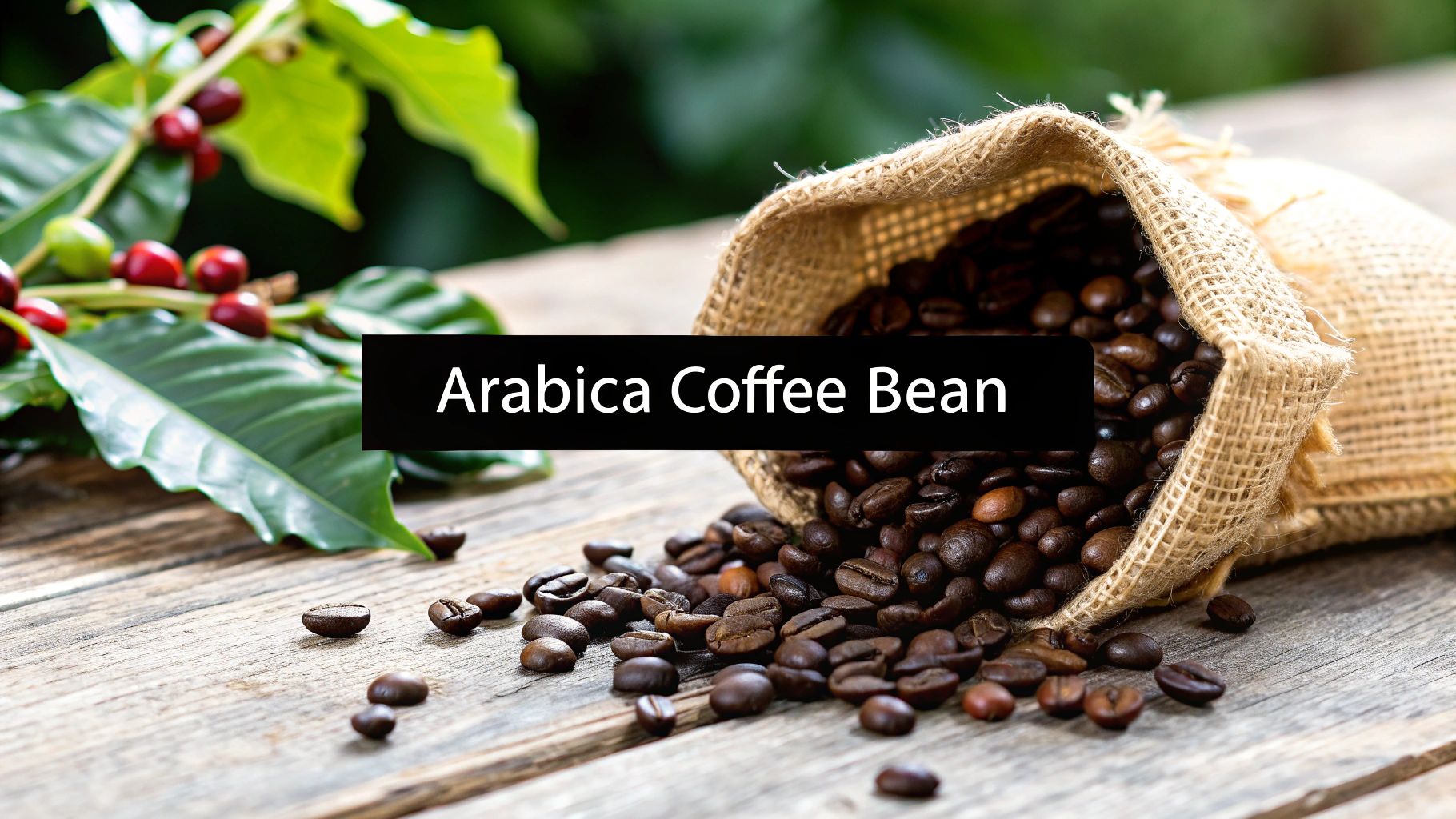
- Your Guide to the Arabica Coffee Bean
When you think of a truly exceptional cup of coffee—the kind that makes you pause and savour the moment—you're almost certainly thinking of the Arabica coffee bean . It’s the star of the show in specialty cafés and the bean of choice for gourmet purveyors like us at IFM Gourmet Dubai . In fact, Arabica accounts for over 60% of the world's coffee production , and for very good reason. Unlike its bolder, more intense counterpart, Robusta, Arabica offers a smoother, sweeter, and far more nuanced tasting experience. The Enduring Allure of Arabica Coffee So, what makes this particular bean so revered? The secret is its incredible sensory complexity. A well-brewed cup of Arabica isn't just a caffeine delivery system; it's an invitation to explore a world of delicate aromas and layered flavours. Think of it less like a simple morning utility and more like a fine wine or an artisanal chocolate—something to be appreciated for its character and depth. From the first captivating scent of bright florals and sweet fruit to the final, clean sip, a great Arabica tells a story. This is precisely why it has captivated cultures for centuries, evolving from an ancient discovery into a global symbol of hospitality, conversation, and refined taste. A Bean of Distinction To really get what makes Arabica so special, it helps to see how it stands apart from Robusta, the other major coffee species. While both can give you a satisfying brew, they are fundamentally different. Flavour Profile: Arabica is celebrated for its bright acidity and complex notes, which can range from citrus and berries to rich chocolate and caramel. Aroma: The fragrance is typically sweet and aromatic, often with hints of flowers, fruit, and sugar. Body: It usually has a lighter, more pleasant mouthfeel compared to the heavier, bolder body of Robusta. This distinction isn't just a matter of opinion; it’s rooted in the bean's actual chemical makeup. Arabica's smoother, sweeter taste comes from its higher concentration of natural sugars and lipids (fats). These compounds caramelise beautifully during roasting, creating the rich, nuanced flavours that coffee lovers cherish. Understanding the Key Differences The differences between these two coffee giants go far beyond taste. Everything from their caffeine content to the specific conditions they need to grow contributes to the final cup. For anyone new to the world of specialty coffee, understanding these distinctions is the first step toward finding the perfect bean for your palate—especially in a discerning market like Dubai, where quality is everything. The table below gives you a clear, at-a-glance comparison, highlighting exactly why the Arabica bean holds its esteemed position. Arabica vs. Robusta At a Glance Here’s a quick summary of the defining characteristics of each bean. Characteristic Arabica Details Robusta Details Flavour Smooth, sweet, with complex notes of fruit, floral, and caramel. Strong, bold, often described as rubbery or chocolatey. Acidity Higher, brighter acidity which adds to its complex flavour. Lower acidity, resulting in a harsher, more bitter taste. Caffeine Content Lower (Average 1.5% by weight). Higher (Average 2.5% or more by weight). Bean Shape Oval. Circular. Growing Conditions High altitudes, requires steady rainfall and mild temperatures. Hot climates and irregular rainfall, more resilient to disease. Global Production Approximately 60-65% of the world's coffee. Approximately 30-35% of the world's coffee. As you can see, Arabica's unique combination of lower caffeine, higher acidity, and delicate growing needs is what ultimately produces its celebrated, sophisticated flavour profile. Every cup of Arabica coffee tells a story—a rich, fascinating history that started centuries ago deep in the ancient forests of Ethiopia. It’s not just the story of a plant, but of the cultures, communities, and economies it shaped as it travelled the world. Knowing this journey makes that complex, aromatic cup you’re sipping right now taste even better. The discovery of coffee is the stuff of legend. The most famous tale credits a 9th-century goatherd named Kaldi, who noticed his goats became incredibly energetic after munching on the bright red berries of a particular shrub. Curious, Kaldi tried the berries himself, felt their stimulating buzz, and just like that, the world had its first taste of coffee's power. From these mythical beginnings, the humble Arabica bean began its world tour. From Ethiopia to the Arabian Peninsula In the 15th century, the Arabica bean first crossed the Red Sea from Ethiopia into Yemen. Here, in the famous port city of Mocha, coffee was cultivated and traded on a grand scale for the first time. Yemeni farmers became masters at growing these delicate plants on terraced hillsides, and the brew they created, known as qahwa , quickly became a cornerstone of Arabian culture. Soon, coffeehouses, or qahwa khaneh , were popping up everywhere, from Mecca to Cairo and Damascus. These weren’t just places to grab a drink. They were buzzing hubs of social and intellectual life. People gathered to play chess, listen to music, share news, and dive into spirited debates, earning them the nickname "schools of the wise." The drink's popularity exploded across the Ottoman Empire, cementing its place in daily rituals and hospitality. Demand was so high that the Arabs fiercely guarded their cultivation secrets to hang onto their monopoly. The Global Spread of Coffee Culture Despite their best efforts to control the trade, the allure of Arabica was just too strong. By the 17th century, Dutch traders managed to smuggle coffee plants out of Yemen and began growing them in their colonies in Java and what is now Sri Lanka. This shattered the Arabian monopoly and kicked off coffee's journey to becoming a global crop. From there, coffee took off at lightning speed: Europe: Venetian merchants brought coffee to Europe. At first, it was met with suspicion, but it didn't take long for people to fall in love with it. Coffeehouses opened in major cities like Venice, London, and Paris, becoming the new centres for business, politics, and art. The Americas: The French introduced a single coffee plant to the Caribbean island of Martinique in the early 18th century. From that one seedling, coffee cultivation spread like wildfire across Central and South America, creating the massive production powerhouse we know today. This centuries-old legacy is still shaping today's market. The Middle East and Africa (MEA) coffee market, with its deep roots in East African Arabica, is now valued at around USD 9.72 billion and is expected to hit USD 17.73 billion by 2032 . This incredible growth is being fuelled by a modern shift towards specialty Arabica, a nod to the bean’s origins that also meets today's refined tastes. You can read more about the rising demand for premium coffee on gcrmag.com. Decoding Arabica Flavours and Quality Tasting an Arabica coffee bean is a lot like appreciating a fine wine. Every bag tells a story through its flavour notes, a kind of language that describes its entire journey from a distant farm right into your cup. Once you learn to speak this language, your appreciation for coffee deepens. You can move beyond simple words like "strong" or "mild" and start exploring a world of incredible sensory detail. The flavour spectrum for Arabica is wonderfully vast. Some beans have a bright, sparkling acidity with hints of citrus and berries. Others might offer soft, delicate floral aromas that bring jasmine or honeysuckle to mind. Then there are those that deliver something completely different—deep, comforting notes of rich chocolate, toasted nuts, and sweet caramel. This incredible diversity isn't an accident. It's the direct result of a bean's life story. The Elements of Taste A few key factors come together to shape the final flavour profile of an Arabica coffee bean. Think of it like a chef in a kitchen: the ingredients and techniques they use will determine the final dish. For a coffee farmer, their choices and environment define the coffee's character. Three of the biggest influences are: Origin and Altitude: Where the coffee is grown matters, a lot. Beans from high-altitude farms in Ethiopia might taste fruity and almost wine-like, while those from the volcanic soils of Colombia could be beautifully balanced and nutty. Processing Method: How the coffee cherry is removed from the bean after it's picked has a huge impact. A "washed" process typically gives you a clean, bright cup, while a "natural" process can impart intense, jammy fruit flavours. Roast Profile: The roaster’s skill is absolutely critical. A light roast will preserve the bean's delicate, origin-specific notes. A darker roast, on the other hand, will develop deeper, chocolatey, and caramelised flavours. To get a better handle on this sensory experience, it's worth exploring a flavor profile and how to read one . Understanding Coffee Grading Systems To keep quality consistent, coffee-producing regions use grading systems. These systems help classify beans based on physical traits, which usually correlate with flavour. While the specifics can vary from country to country, the goal is always the same: to sort the best beans from the rest. A grading system isn't just technical jargon; it’s a promise of quality. It tells buyers what to expect from a batch of beans, making it easier to pick a coffee that you know will hit the right notes in taste and aroma. A coffee's grade is basically its report card. It assesses things like bean size, density, and the number of imperfections, giving you a reliable sign of the care and quality that went into producing it. For instance, Arabica production is a huge economic driver in East Africa. Ethiopia, where Arabica was born, is the region's top producer, with an output of around 7.62 million 60-kg bags in the last coffee year. Nearby, Kenya produces about 850,000 bags annually and is famous for its meticulous grading system, which is respected worldwide for its precision. A Look at Kenyan Coffee Grades Kenya's system is a perfect example of how grading works. It primarily sorts beans by size, based on the idea that larger, denser beans mature more slowly, allowing them to develop more of the complex sugars and oils that create amazing flavours. Here are the most common Kenyan grades you'll see on a bag: Kenya AA: These are the largest beans and often the most sought-after. They're known for their bright acidity and intense fruity or floral notes. To qualify, they must be screened through holes that are 7.2 mm in diameter. Kenya AB: This grade is a mix of A-grade ( 6.8 mm ) and B-grade ( 6.2 mm ) beans. They are still considered very high-quality and often deliver a beautifully balanced cup with good body and acidity. Kenya PB: This stands for "Peaberry." Normally, a coffee cherry has two flat-sided beans inside, but in about 5% of cherries, only one small, round bean develops. These PBs are often prized because their flavour is thought to be more concentrated. By understanding what these terms mean on a coffee label, you can make much more informed choices. You'll be able to confidently select an Arabica coffee bean that lines up perfectly with what you love, ensuring every cup you brew is a truly fantastic experience. How Terroir Shapes Your Coffee's Taste Ever wonder why an Arabica coffee bean from Colombia can taste worlds apart from one grown in Ethiopia? The secret is a beautiful concept borrowed from the world of wine: terroir . Think of it as the unique environmental fingerprint that shapes how a coffee tastes, covering everything from the soil it grows in to the climate it weathers. It’s what makes coffee more than just a crop—it’s a direct expression of its home. You could say terroir is a coffee plant's upbringing. Just like our own character is shaped by our environment, a coffee bean's final flavour is moulded by its specific place on Earth. It's a natural recipe that blends together soil minerals, altitude, rainfall patterns, and even the amount of sun a plant gets. This magical mix of factors creates the distinct personality you taste in every cup. A single sip has the power to transport you to a volcanic mountainside in Latin America or a lush, high-altitude forest in Africa. The Key Ingredients of Terroir While countless little things contribute to terroir, a few have a massive influence on the final flavour of an Arabica coffee bean. Understanding these helps you appreciate the journey from farm to cup on a whole new level. Three of the most important components are: Altitude: Higher elevations, usually between 1,200 and 2,200 metres , mean cooler temperatures. This slows down the ripening of the coffee cherry, allowing more complex sugars and acids to develop. The result? Brighter, more aromatic, and flavourful beans. Climate: The right balance of sun and rain is everything. Steady rainfall keeps the plant nourished, while a distinct dry season is often needed to stress the plant just enough to produce cherries packed with intense flavour. Soil Composition: The minerals in the soil are a direct line to the bean's taste. Rich volcanic soils, for example, often produce beans with a balanced, full-bodied flavour, while other soil types might add completely different notes. The infographic below nicely sums up the essential factors that come together to define the quality of every single Arabica bean. This visual highlights how origin, processing, and grading are all interconnected pillars, building the foundation for a truly exceptional coffee experience. A Flavour Tour of Famous Regions The impact of terroir really hits home when you taste coffees from different corners of the globe side-by-side. Each major growing region has its own signature flavour profile that directly reflects its unique environment. Let's take a quick tour: Latin America (e.g., Colombia, Guatemala): Often grown in rich volcanic soil, these coffees are famous for their well-rounded, balanced profiles. You can expect clean, crisp acidity with comforting notes of chocolate, nuts, and caramel. East Africa (e.g., Ethiopia, Kenya): Celebrated for their incredible complexity, African coffees are bright, vibrant, and often full of surprises. You might taste wine-like berry notes, zesty citrus flavours, or delicate floral aromas like jasmine and bergamot. Asia (e.g., Sumatra, Java): Asian Arabicas tend to have a much heavier body and lower acidity. Their flavour profiles are often earthy, spicy, and woody, with deep notes of dark chocolate and sometimes even a hint of smokiness. The Human and Environmental Impact But terroir isn’t just about geography; it's also about the real-world challenges farmers face. Climate change is a serious threat, as rising temperatures and wild weather patterns can devastate the delicate Arabica crops. For instance, production in East Africa can swing dramatically. In Tanzania, Arabica output saw a 21% forecasted jump to 750,000 bags after a severe drought, showing just how quickly things can change. Still, challenges like poor farming practices and a lack of resources continue to hold back yields. You can read more about coffee production in the region from the USDA . By choosing beans from roasters who support sustainable farming, you're not just buying coffee; you're helping preserve these unique terroirs for the future. At the end of the day, understanding terroir makes your coffee experience so much richer. It connects you to a specific place and the dedicated people behind your daily ritual, turning a simple drink into a story of the land itself. Choosing and Buying the Best Arabica Beans Now that you have a better feel for how origin and terroir sculpt the flavour of your coffee, you're ready to pick out the perfect Arabica coffee bean . Stepping into the world of specialty coffee can seem intimidating, but a few key details on the bag can point you straight to an incredible brew. Think of the coffee bag as a passport—it tells you everything you need to know about the bean's identity and its journey to you. The single most important detail? The roast date . Coffee is a fresh product, and its most vibrant, exciting flavours start to fade just a few weeks after it's been roasted. Always hunt for a specific date on the bag, not a generic "best by" date. This is your guarantee of peak freshness. Beyond that, the label is packed with clues about the coffee's flavour. Look for details on its origin, the processing method (like washed or natural), and even the altitude where it was grown. This is where your new knowledge of terroir really starts to pay off. Single Origin or Blend When you're browsing, you’ll mainly see two categories: single origin and blends. Neither is better than the other; they just offer different experiences. The right one for you comes down to personal taste and how you plan to brew it. Single-Origin Beans: These all hail from one specific farm, region, or cooperative. They’re celebrated for putting the unique character of their home terroir on full display, delivering a pure and often complex flavour. If you get excited about tasting the bright, distinct notes of an Ethiopian Yirgacheffe or the classic, balanced sweetness of a Colombian Supremo, single-origin is your game. Blends: This is where the roaster's artistry comes in. They skilfully combine beans from different origins to craft a very specific and consistent flavour profile. Blends are often designed for perfect balance and are especially popular for espresso, where they can produce a rich crema and a well-rounded taste that a single origin might struggle to achieve on its own. If you'd like to go even deeper into the selection process, this guide on how to choose coffee beans like a coffee pro is a fantastic resource for sharpening your skills. Sourcing Quality in the UAE In a market like Dubai, where culinary excellence is the standard, the source of your coffee is everything. For anyone who values true authenticity and artisanal quality, finding a trusted supplier is non-negotiable. This is why a purveyor focused on the finest gourmet products, like IFM Gourmet Dubai , is so important—they ensure their entire coffee selection meets the absolute highest standards. When you source from a specialised gourmet store, you aren't just buying coffee; you're investing in a curated experience. These selections are chosen for their exceptional quality, flavour, and the story they tell, connecting you directly with the world's best coffee-growing regions. As the luxury online gourmet arm of IFM Investments LLC, IFM Gourmet Dubai is known for its lineup of artisanal delicacies, including sweets, savories, fine chocolates, premium teas, and beautifully curated gift hampers. This commitment to quality, authenticity, and culinary elegance—a hallmark of the broader Italian Food Masters group—makes them a cornerstone of Dubai’s gourmet scene. By choosing wisely, you elevate your daily coffee ritual from a routine into a true gourmet moment. Perfecting Your Home Brewing Ritual So, you’ve chosen the perfect bag of Arabica beans, bringing a little piece of a distant farm right into your kitchen. Now comes the final, most important part: the brew. Done right, it honours the bean's entire journey and turns your daily coffee into a genuinely delightful ritual. It all starts with one simple but crucial habit: proper storage. Coffee’s greatest enemies are oxygen, light, heat, and moisture. To protect those precious beans, keep them in an opaque, airtight container tucked away in a cool, dark place like a pantry. A word of warning: never put your coffee in the fridge or freezer. The condensation can ruin the beans, stripping them of the delicate oils that carry all that wonderful flavour and aroma. Choosing Your Brewing Method With your beans perfectly preserved, it’s time to decide how you'll brew them. Every technique interacts with the Arabica coffee bean in its own way, pulling out different characteristics. Think of it like a chef choosing the right cooking method for a specific ingredient—each one unlocks a whole new dimension of taste. Here are a few popular methods and the flavours they tend to bring forward: Pour-Over: This hands-on method gives you total control. It typically creates a clean, bright cup with a lively acidity, making it the perfect stage for the delicate floral and fruity notes of a single-origin African coffee. French Press: By steeping the grounds directly in water, the French press delivers a full-bodied, rich, and wonderfully robust cup. This method is brilliant for coaxing out the deep chocolate and nutty notes so common in Latin American beans. Espresso Machine: Using high pressure to force hot water through finely-ground coffee, an espresso machine pulls a concentrated shot with complex flavour and that signature velvety crema. It’s ideal for a beautifully balanced blend designed specifically for espresso. Key Elements for a Perfect Cup No matter which method you fall in love with, three things will always make or break your brew: grind size, water temperature, and brewing time. Get these right, and you're well on your way to café-quality coffee at home. The secret to consistently delicious coffee isn't about having the most expensive gear; it's about understanding and controlling the fundamentals. A precise grind, the right water temperature, and correct timing are the pillars of a perfect extraction. For instance, your grind size must match your method—coarse for a French press, medium for a pour-over, and incredibly fine for espresso. Water temperature is just as critical. The sweet spot is between 90°C and 96°C . Too hot, and you'll scorch the grounds, leaving you with a bitter taste. Too cool, and your brew will be weak and under-extracted. Finally, keep an eye on your brew time. A pour-over might take 3-4 minutes, while an espresso shot is over in just 25-30 seconds. Tweaking these elements allows you to fine-tune the taste until it’s just right. Even the quality of your water makes a huge difference; using filtered water, like the pure spring water from Lurisia , ensures no unwanted minerals get in the way of your Arabica’s delicate flavours. Pairing Arabica Coffee with Gourmet Foods A truly exceptional Arabica coffee bean offers so much more than a quick morning caffeine hit. When you treat it with the same care as a fine wine, it can become the star of a truly memorable culinary moment. The art of pairing coffee with gourmet foods is all about creating a kind of harmony, where the right combination elevates both your cup and the delicacy on your plate. Think about it this way: you’d pair a bold red wine with a rich, savoury cheese, right? The same principle applies here. Matching your coffee's flavour profile to a specific food can unlock completely new layers of taste. This simple practice turns an ordinary coffee break into a sophisticated ritual—a small, daily luxury that adds a touch of elegance to your day. The secret is to think in terms of complementary or contrasting flavours. Creating Perfect Pairings The incredible spectrum of flavours found in Arabica makes it a wonderfully versatile partner for all sorts of artisanal treats. For instance, a bright, citrusy Ethiopian coffee is an absolutely perfect match for a delicate lemon tart or a light, flaky pastry. The coffee’s zesty acidity cuts beautifully through the sweetness, creating a refreshing and perfectly balanced experience. On the other hand, a deep, full-bodied Latin American brew with those classic chocolate and nutty notes finds its soulmate in rich, decadent desserts. The goal of pairing is synergy. When the notes in the coffee echo or beautifully contrast with the flavours in the food, the result is an experience far greater than the sum of its parts. Let these classic combinations inspire your next gourmet moment: Fruity & Floral Coffees: Pair these bright, aromatic brews from regions like Kenya or Ethiopia with fruit-forward desserts. Think berry tarts, almond croissants, or light, airy cakes. Chocolatey & Nutty Coffees: Beans from Colombia or Brazil are known for their comforting notes, and they are simply sublime with rich chocolate. Just imagine sipping one alongside the fine dark and milk chocolates from IFM Gourmet's collection —the coffee just amplifies the cocoa's depth. Earthy & Spicy Coffees: Full-bodied Sumatran or Javanese coffees, with their distinct earthy undertones, can stand up to savoury items. Try them with a slice of spiced cake or even a sharp, aged cheese. An Invitation to Culinary Exploration Exploring these pairings is really an invitation to slow down and truly savour the moment. Here in Dubai's vibrant culinary scene, where quality and authenticity are everything, combining a premium Arabica with artisanal delicacies is the ultimate expression of refined taste. Companies like IFM Gourmet Dubai, with their curated selection of fine sweets, premium teas, and elegant cakes, provide the perfect ingredients for this delicious exploration. Whether you're crafting a beautiful gift hamper or simply treating yourself, the right coffee and food pairing transforms an everyday pleasure into something extraordinary, reinforcing coffee’s rightful place in a sophisticated and delightful lifestyle. Discover a world of artisanal delicacies perfect for your next coffee pairing at IFM Gourmet Food Store . Explore our collection of fine chocolates, premium teas, and gourmet sweets to elevate your culinary moments. Visit us at https://www.ifmgourmet.com .
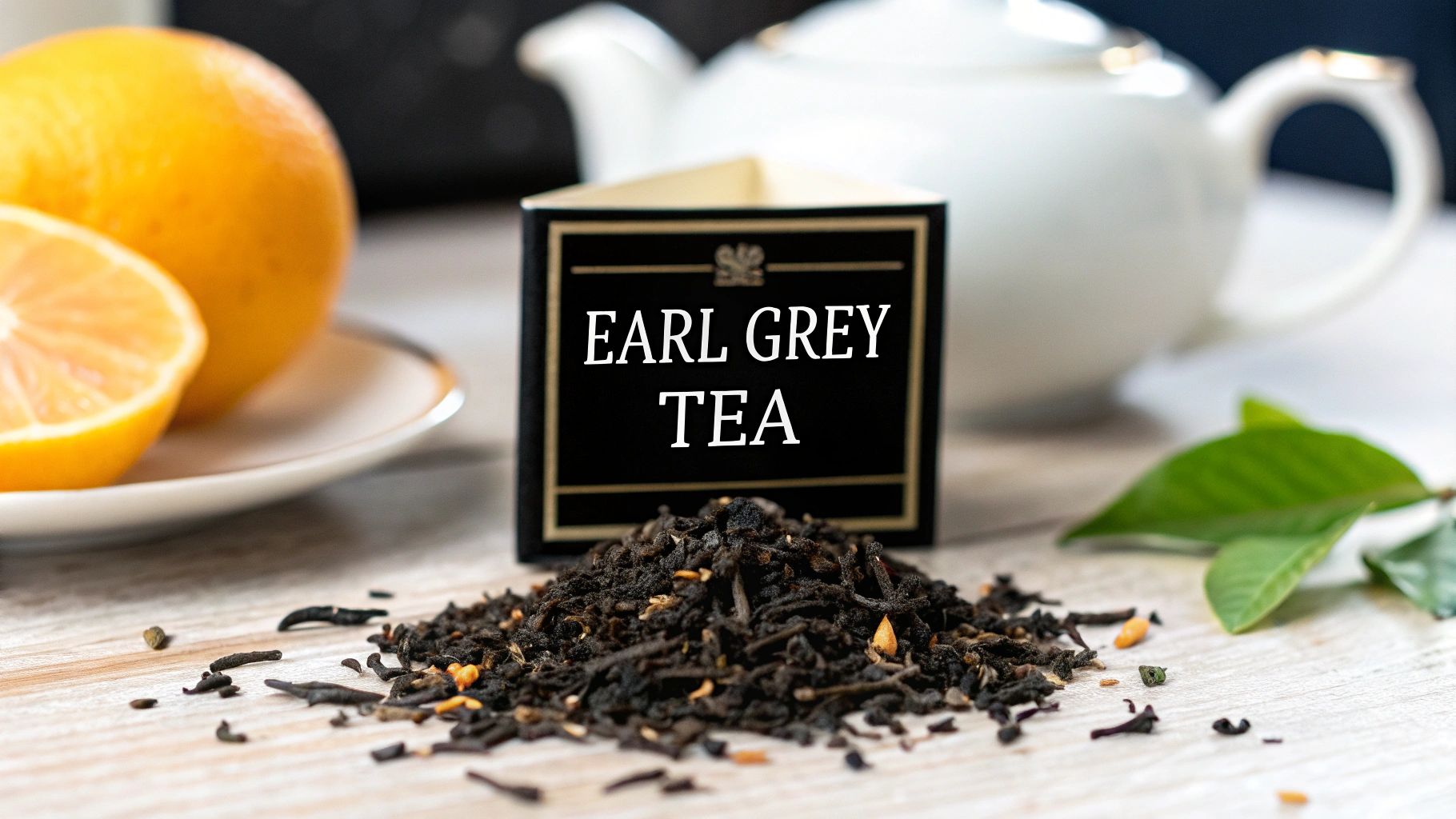
- Explore earl grey tea: Rich flavors & brews
At its core, Earl Grey is a simple yet brilliant idea: take a classic black tea and infuse it with the fragrant oil of bergamot orange . This one-of-a-kind combination is what gives it that signature bright, citrusy, and slightly floral character, making it one of the most recognizable and beloved teas in the world. From an elegant afternoon tea in Dubai to a comforting morning ritual at home, its appeal is truly universal. The Allure of a Timeless Classic Earl Grey is so much more than just a drink; it’s a whole experience. Think of a robust, full-bodied black tea—often a blend of Keemun, Assam, or Ceylon—that gives you that satisfying, malty base. Now, imagine that tea being kissed by the essence of a bergamot orange, a special citrus grown in the sun-drenched groves of Southern Italy. What you get is a perfect harmony of deep tea notes and a vibrant, aromatic lift. This elegant fusion is what really sets Earl Grey apart. It isn't a heavily sweetened or artificially flavored tea. Instead, its charm comes from the masterful pairing of two distinct yet perfectly complementary ingredients. The bergamot oil doesn't overpower the tea; it enhances it, adding a layer of sophisticated perfume and a zesty finish that cleanses the palate. Understanding Its Global Appeal While it has deep roots in British tea culture, the love for Earl Grey has spread across continents. Its adaptable flavor profile makes it a favorite everywhere, from high-end hotels to cozy home kitchens. This global popularity is especially clear here in the Middle East and Africa (MEA) region, where a strong tradition of drinking black tea creates the perfect audience for unique blends. In fact, market trends show a steady rise in demand for specialty teas. A country like Saudi Arabia, for instance, shows a projected growth rate of around 4.0% in black tea consumption from 2025 to 2034, which naturally boosts the popularity of blends like Earl Grey. You can dive deeper into these market dynamics and regional tea trends in detailed industry reports. We’ve designed this guide to be your complete companion to this iconic blend. We’ll explore its fascinating history, look at the diverse variations available today, and share our expert tips on how to brew the perfect cup. At IFM Gourmet Dubai , we believe a truly exceptional tea experience begins with understanding the story and craftsmanship behind the blend. Earl Grey represents a timeless elegance that fits perfectly with Dubai's sophisticated culinary scene. Whether you're a seasoned tea aficionado or just starting your journey into specialty teas, you’re about to discover what makes a quality blend so special. Join us as we uncover the secrets of Earl Grey and find out why this enduring classic continues to capture the hearts of tea lovers everywhere. Uncovering the Origins of a Classic Blend Every legendary tea has a story, and the tale behind Earl Grey is a fantastic mix of 19th-century British politics, high society, and a dash of mystery. While nobody knows the exact moment it was created, the most enduring legend ties this iconic brew to one man: Charles Grey, the 2nd Earl Grey. Charles Grey was a major player in his time, serving as the Prime Minister of the United Kingdom from 1830 to 1834 . He was a reformer known for his role in abolishing slavery across the British Empire. But it's his unexpected link to tea that has made his name famous in kitchens and cafes all over the world. The Legend of Charles Grey The most popular origin story paints the blend as a special gift. According to this tale, a grateful Chinese tea master presented the unique recipe to Charles Grey. Why? The details change with the telling—some say it was a reward after one of Grey's diplomats saved the mandarin's son, while others believe it was a simple gesture of diplomatic goodwill. Another, more practical theory suggests the blend was made specifically for the water at the Earl's home in Northumberland. The local water was high in minerals, especially lime, which could make tea taste a bit harsh. Adding citrusy bergamot oil was the perfect solution, balancing out the mineral notes and creating a much smoother, more fragrant brew. This visual from Wikipedia gives us a peek into the historical branding and early marketing of Earl Grey tea.The image shows a classic presentation, highlighting how the connection to Earl Grey himself quickly became a key part of the tea's identity and sophisticated appeal. While these stories are charming, historical records point to London tea merchants popularizing the blend in the 1830s. No matter how it truly began, the name "Earl Grey" stuck, forever linking this aromatic black tea with British aristocracy and timeless elegance. Understanding the Signature Ingredient: Bergamot The real soul of Earl Grey isn’t the black tea—it's the incredible fragrance that infuses it. This essential oil is extracted from the rind of the bergamot orange ( Citrus bergamia ), a fragrant citrus fruit grown almost exclusively in Calabria, Southern Italy. Think of a citrus fruit that’s a cross between a lemon and a bitter orange. The scent you get is more floral and complex than a plain lemon, with bright, zesty notes and a subtly spicy, perfumed aroma. That’s the magic of bergamot. The quality of this key ingredient makes all the difference in your cup. Premium blends, like those we source at IFM Gourmet Dubai , use pure, cold-pressed oil of bergamot. This natural oil delivers a nuanced, authentic flavor that is both uplifting and incredibly refined. On the other hand, lower-quality versions might use synthetic bergamot flavorings. These artificial substitutes often miss the depth and complexity of the real thing, sometimes resulting in a taste that's overpowering or soapy. For a true Earl Grey experience, you have to seek out blends made with natural bergamot oil. It’s what separates a simple cup of tea from a genuine gourmet moment. Exploring The Spectrum Of Earl Grey Varieties Earl Grey isn’t just one hit wonder—it’s an entire playlist of flavours. At its heart lies the classic dance between black tea and bergamot oil , but modern tea artisans have taken that duet and remixed it in countless ways. Every variation tells a different story, suited to unique moods, moments, and taste buds. What really sparks creativity is the interplay of two factors: the base tea and the extra flavour notes . Swap the standard black tea for something lighter or slip in a complementary ingredient, and you end up with a tea that feels entirely new. This infographic traces how Charles Grey’s legend converged with the bright, floral oils of bergamot orange and robust black tea—laying the foundation for every subsequent Earl Grey twist. The Classic And Its Cousins Getting to know the most beloved twists will help you zero in on your perfect cup. Here are the essentials: Classic Earl Grey Base: Assam/Ceylon/Keemun black tea Notes: Rich malt meets bright, citrusy bergamot Character: Bold, aromatic benchmark Lady Grey Base: Traditional black tea with added lemon and orange peels Notes: Gentle citrus layers soften the bergamot Character: Smooth, accessible, and afternoon-tea friendly Russian Earl Grey Base: Black tea with chunks of citrus peel and lemongrass Notes: Zesty, invigorating, with a nod to the Russian custom of tea with lemon Character: Bracing, lively, perfect for a late-day pick-me-up Expanding Beyond Black Tea Tea is a canvas—and when you swap that dark, malty brush for a different medium, the picture changes completely. The base tea is like the canvas for a painting. Changing it from a dark, rich black tea to a light green tea or a sweet rooibos completely alters the final masterpiece, even if the bergamot ‘paint’ remains the same. Green Earl Grey uses a delicate green leaf, offering grassy, crisp notes that interplay beautifully with bergamot’s floral brightness. It’s a medium-caffeine pick-me-up that feels fresh and lighter on the palate. Rooibos Earl Grey replaces Camellia sinensis with the South African red bush. Naturally sweet and entirely caffeine-free, it yields a smooth, full-bodied cup shot through with bergamot’s perfume—ideal for evenings or any caffeine-sensitive guest. Some blends go further, layering in vanilla or creamy accents—known as Earl Grey Crème —to mellow the citrus tang. Others double the bergamot for a fragrance that practically sings from the cup. A Quick Guide To Earl Grey Variations Here’s a side-by-side look at different Earl Grey styles to highlight base tea , bergamot intensity , caffeine level , and ideal serving time . Variant Tea Base Bergamot Intensity Caffeine Level Ideal Time Classic Earl Grey Black Tea (Assam/Ceylon/Keemun) Medium High Morning/Early Afternoon Lady Grey Black Tea + Lemon/Orange Peels Mild High Afternoon Tea Russian Earl Grey Black Tea + Citrus Peels/Lemongrass Bold High Afternoon Green Earl Grey Green Tea Light Medium Mid-Morning Rooibos Earl Grey Rooibos (Herbal) Medium None Evening/All Day Earl Grey Crème Black Tea + Vanilla Soft High Dessert Time From the traditional brunch cup to a late-night caffeine-free comfort sip, there’s an Earl Grey for every occasion. Dive in, explore, and let your taste buds chart the course through this endlessly inventive tea family. How to Brew the Perfect Cup of Earl Grey Mastering the art of brewing Earl Grey is much simpler than you might think. It’s not about following rigid rules but about getting a feel for a few key elements that really unlock the tea's best flavors. Just by focusing on water quality, the right temperature, and steeping time, you can turn a good cup into a truly great one. Whether you enjoy the classic ritual of loose-leaf tea or prefer the simple convenience of a tea bag, the goal is always the same. You want to perfectly extract the rich, malty notes from the black tea base while letting that bright, floral bergamot aroma shine through. This delicate balance is what makes a cup of Earl Grey so memorable. The Foundation of Flavor: Water Quality Let’s start with the most crucial step: the quality of your water. A cup of tea is over 98% water , so any impurities or strong mineral tastes will completely change the final flavor. Using filtered or a high-quality bottled water is one of the best things you can do for your brew. Hard water, which is common in many areas, is high in minerals that can make your tea taste dull and almost chalky. Soft water, on the other hand, allows the delicate notes of bergamot to come through loud and clear. For a genuinely superior cup, consider the clean, balanced profile of a premium option like Lurisia spring water ; the right water really sets the stage for perfection. Think of your water as the canvas and the tea as the paint. A clean, neutral canvas allows the colors—or in this case, the flavors—to be vibrant and true. Using poor-quality water is like trying to paint on a muddy surface. This one small change makes a massive difference, guaranteeing a crisp, clean taste that does justice to your beautiful Earl Grey. Getting the Temperature and Timing Just Right Next up are the two most important variables you can control: your water temperature and how long you let the tea steep. These two work together to decide whether your tea ends up perfectly balanced or disappointingly bitter. For a classic black tea like Earl Grey, the ideal water temperature is just off the boil, somewhere around 90–98°C (195–208°F) . Water that's boiling too aggressively can scorch the leaves and burn off those delicate bergamot oils, leaving you with a harsh, astringent taste. But if the water is too cool, you'll get a weak, underdeveloped brew that lacks character. Once your water is ready, it's time to steep. The perfect steeping time is really a matter of personal taste, but it generally falls within a specific range. Recommended Steeping Times: For a Lighter Cup: Aim for 2–3 minutes . This is perfect for highlighting the bright, citrusy top notes of the bergamot. For a Balanced Brew: 3–4 minutes is the sweet spot for most Earl Grey blends, giving you a wonderful harmony between the malty black tea and fragrant citrus. For a Stronger Infusion: Steep for 5 minutes to get a robust, full-bodied cup. Just be careful not to go much longer, as that's when bitterness can start to creep in. If you're using a more delicate base, like a Green Earl Grey, you'll need to adjust your technique. For green tea varieties, use much cooler water—around 80°C (175°F) —and a shorter steep time of 1–3 minutes to keep any bitterness at bay. Perfect Proportions and Essential Teaware The final piece of the brewing puzzle is getting your tea-to-water ratio just right. This is what ensures your cup is neither too weak nor overwhelmingly strong, allowing all those intricate flavors to be fully appreciated. A great starting point is one teaspoon (about 2 grams) of loose-leaf Earl Grey per 240 ml (8 ounces) of water . If you're using a tea bag, one bag per cup is the standard. Don't be afraid to adjust these proportions to match your personal preference! The right teaware can also elevate the whole experience. While any mug will do in a pinch, using a teapot gives loose leaves the space they need to unfurl and circulate, leading to a more even and flavorful infusion. A simple teapot with a built-in infuser basket is a fantastic tool for any tea lover. By following these simple guidelines, you can consistently brew a delicious and aromatic cup of Earl Grey right at home. Have fun experimenting with the variables to discover the perfect combination that makes you happy every single time. Bringing Earl Grey Into Your Kitchen That unique Earl Grey flavor, with its bright citrus and floral notes, belongs far beyond just the teacup. Think of its aromatic profile as a secret weapon in your kitchen, ready to add a layer of subtle elegance to both sweet and savory dishes. When you start treating it like a versatile spice, a whole world of culinary creativity opens up. The trick is to see the tea as an infusion agent. Just like you’d use a vanilla bean or cinnamon sticks, Earl Grey leaves can impart their distinct character into fats and liquids. It’s a simple technique that unlocks countless recipes, turning familiar favorites into something truly special. Infusing Your Way to Flavor Before you start cooking, you need to coax that beautiful essence out of the tea leaves. It’s easy—just gently steep the Earl Grey in a warm liquid like milk, cream, or even melted butter. The goal is to capture the gorgeous bergamot aroma without any of the bitterness that comes from over-steeping. For sweet dishes, creating an Earl Grey-infused milk or cream is a perfect starting point. Just warm your dairy, add a few tea bags or a spoonful of loose-leaf tea, and let it sit until you've reached the flavor intensity you're after. This fragrant liquid becomes the base for incredible creations: Cakes and Cupcakes: Swap out regular milk for your infused version to create a tender, aromatic crumb. Panna Cotta and Custards: The tea adds a sophisticated twist to these classic creamy desserts. Ice Cream: A scoop of homemade Earl Grey ice cream is an unforgettable treat. Glazes and Icings: A little bit of strongly brewed tea can flavor a simple powdered sugar glaze for scones or biscuits. Beyond just the taste, incorporating these aromas into your kitchen can create a unique sensory experience, adding to your home's welcoming ambiance. To learn more about crafting a special atmosphere, you might want to discover your signature home scent . Sweet Treats with an Earl Grey Twist Baking is where Earl Grey truly shines. Its floral notes are a natural match for citrus, vanilla, and lavender, creating beautifully balanced desserts that feel both comforting and refined. A fantastic example is an Earl Grey Layer Cake with Orange Cream Cheese Icing . The tea-infused cake provides a subtle, fragrant foundation, while the zesty orange icing creates a perfect harmony that highlights the bergamot's citrus side. Earl Grey shortbread cookies are another delightfully simple option that lets the tea's aroma be the star. For something a little different, our guide to making perfectly fluffy pancakes can easily be adapted by infusing the milk with Earl Grey first. The secret to a great Earl Grey bake is all about balance. You want the tea's flavor to be present, but not so strong that it tastes perfumed. Always start with a smaller amount of tea and taste as you go. Sophisticated Sips and Savory Surprises Don't think Earl Grey's culinary journey stops at dessert. Its complex flavor can add incredible depth to cocktails and even savory dishes, proving just how versatile it is. For a refreshing and elegant drink, an Earl Grey Collins is a perfect choice. This cocktail combines vanilla vodka with a homemade Earl Grey simple syrup and a squeeze of fresh lemon juice. The syrup couldn't be easier: just steep tea bags in a standard sugar-and-water syrup as it cools. On the savory side, Earl Grey works wonderfully in glazes and marinades. Its slightly astringent quality pairs surprisingly well with richer meats like duck or pork. Imagine a glaze made from strongly brewed Earl Grey, honey, and a touch of soy sauce creating a beautiful, caramelized crust on a roast. This ability to cross from sweet to savory makes Earl Grey an essential ingredient for any adventurous home chef. Finding and Gifting Premium Earl Grey in the UAE Choosing the right Earl Grey can turn your daily cup of tea into a true gourmet experience. Here in Dubai, where quality and elegance are part of the culture, knowing what to look for makes all the difference—especially when you’re picking out a gift that speaks of sophistication and care. The first step to finding a fantastic Earl Grey is to trust your senses. A high-quality blend will have large, whole black tea leaves, not the powdery dust you find in standard tea bags. When you open the tin, the aroma should be a perfect balance of rich, malty tea and the bright, zesty fragrance of real bergamot oil. It should smell natural and inviting, never like an artificial perfume. Sourcing Quality in a Discerning Market The love for specialty teas is definitely on the rise across the region. Market reports actually show that the Middle East and Africa are big players in the global Earl Grey market, with steady growth expected. In the UAE, premium blends are becoming more popular as people develop a taste for artisanal, high-quality products. You can dive deeper into these trends in this specialty tea revenue report . What does this mean for you? It means there are more exceptional options available than ever before. When you’re shopping, look for brands that are transparent about what's inside. They should tell you what kind of black tea they use and proudly state that they use natural oil of bergamot . This focus on quality is what sets a memorable tea apart from the rest. Crafting the Perfect Earl Grey Gift Hamper A beautiful tin of Earl Grey is a wonderful gift on its own, but putting it into a bespoke hamper creates an unforgettable gesture. For those in Dubai, it’s easy to create a luxurious gift that reflects the city’s taste for the finer things with just a few smart pairings. At IFM Gourmet Dubai , we specialize in turning premium products into beautifully curated gift hampers. The goal is to build a complete sensory experience around the tea, combining flavors and textures that perfectly complement its unique character. A well-crafted gift hamper tells a story. It’s not just a collection of items, but a curated experience that shows thoughtfulness and an understanding of fine taste. Pairing Earl Grey with the right artisanal delicacies creates a moment of pure indulgence for the recipient. To build an exceptional Earl Grey hamper, think about what harmonizes with its citrus and floral notes. Essential Hamper Pairings: Artisanal Biscuits: You can’t go wrong with classic shortbread or delicate butter biscuits. Their simple, buttery flavor is the perfect canvas for the tea's bright notes. Fine Chocolates: A rich dark chocolate with orange or even a creamy milk chocolate pairs beautifully with the bergamot, creating a lovely contrast. Luxury Preserves: A high-quality orange marmalade or a zesty lemon curd echoes the tea’s citrusy profile and is perfect for serving with scones or toast. Elegant Teaware: Including a beautiful teacup and saucer or a stylish infuser adds a lasting touch, encouraging a cherished daily ritual. By thoughtfully selecting a premium Earl Grey and pairing it with complementary treats from IFM Gourmet , you can create a sophisticated and memorable gift. It's an ideal present for any occasion, perfectly suited to the refined tastes of the UAE. Your Earl Grey Questions, Answered Got a question about Earl Grey? You're not alone. We've put together answers to some of the most common queries we hear, whether you're a long-time fan or just starting your tea journey. Is Earl Grey Tea Good For You? Absolutely, and its benefits come straight from its black tea heart. Black tea is packed with flavonoids, a type of antioxidant known to support heart health. It also contains L-theanine, an amino acid that helps create a sense of calm focus—perfect for when you need a gentle lift without the jitters of coffee. And let's not forget the bergamot oil. Its citrusy aroma is often used in aromatherapy to help lift spirits and ease stress. Simply taking a moment to breathe in the steam from a warm cup of Earl Grey tea can feel like a mini-retreat in the middle of a hectic day. Think of Earl Grey as a delightful part of a balanced lifestyle. The wellness perks are a wonderful bonus to its incredible flavor and aroma, making it a choice you can truly feel good about. What Does Earl Grey Tea Taste Like? The taste of Earl Grey is a beautiful dance between its two main ingredients. First, you get the robust, malty, and sometimes slightly brisk character of the black tea base. Then, the bergamot oil sweeps in, layering on a bright, zesty, and distinctly floral citrus note. Imagine a rich, full-bodied black tea that finishes with a fragrant, almost perfume-like citrus lift. It's not as sharp as lemon tea; it's much more aromatic and complex, which is what makes the taste of Earl Grey tea so unique and beloved. Where Can I Find Premium Earl Grey Tea In Dubai? For anyone in Dubai on the hunt for a truly exceptional Earl Grey, your best bet is a specialized gourmet retailer. We're proud to recommend IFM Gourmet Dubai , the luxury online gourmet arm of IFM Investments LLC. As part of the broader Italian Food Masters group, they are known for quality, authenticity, and culinary elegance in Dubai’s gourmet scene. Their gourmet store offers an impressive lineup of artisanal delicacies, including sweets, savories, fine chocolates, premium teas, cakes, and beautifully curated gift hampers perfect for any occasion. Discover the finest selection of artisanal teas and other gourmet treasures. At IFM Gourmet Food Store , we bring culinary elegance to your home. Explore our collection at https://www.ifmgourmet.com .
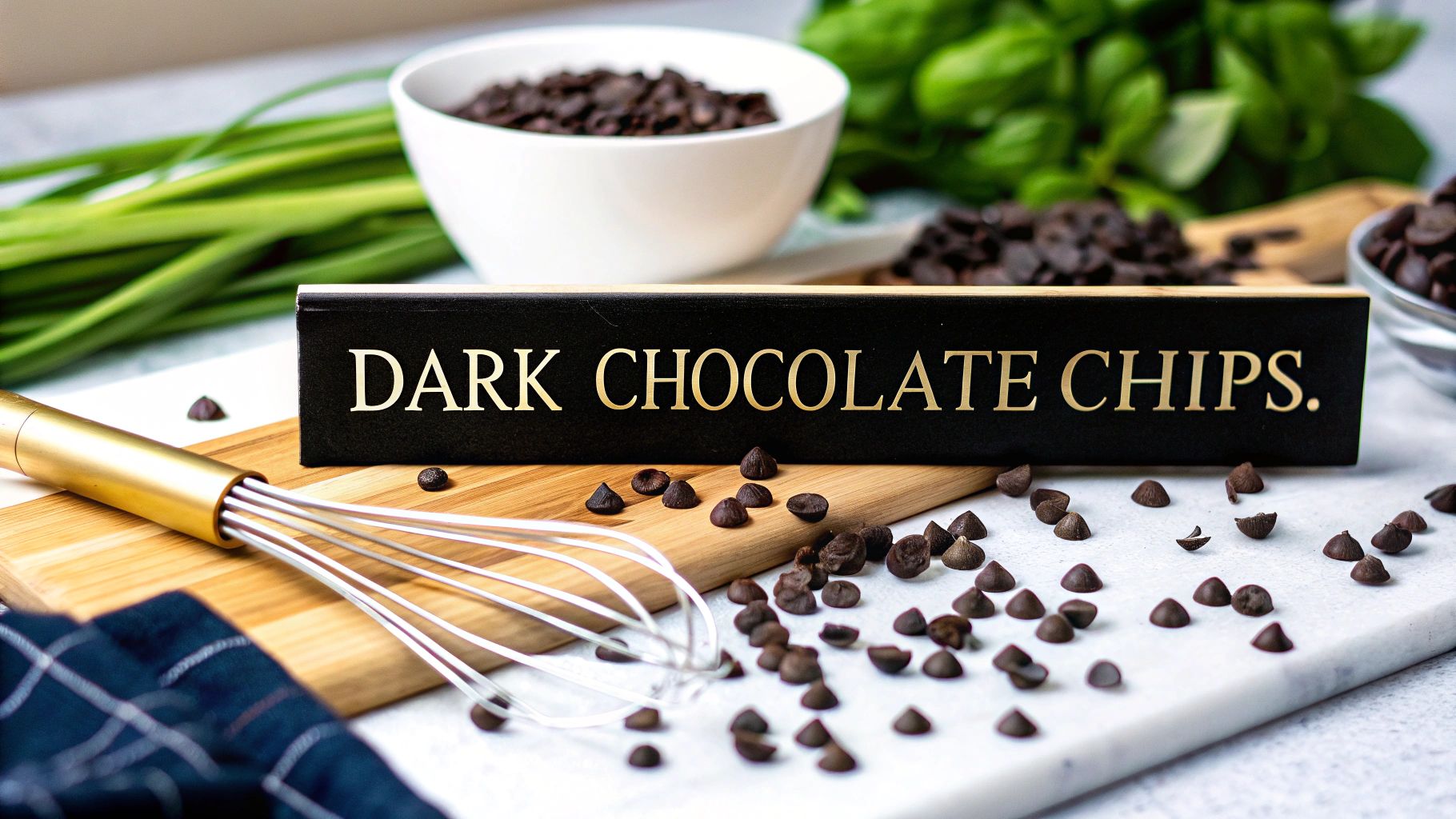
- A Guide to Dark Chocolate Chips
Your Essential Guide to Dark Chocolate Chips If you're a home baker or culinary enthusiast here in the UAE, you already know that a simple ingredient can turn a good recipe into a great one. Dark chocolate chips are one of those magic ingredients. They're the little morsels that pack a powerful punch, elevating everything from a simple cookie to an elegant pastry. Think of this as your complete guide to mastering this kitchen staple. We'll get into the nitty-gritty of choosing the right dark chocolate chips—from understanding what cocoa percentages really mean to the crucial difference between couverture and compound chocolate. Getting these basics right is the secret to achieving that perfect flavour and texture you're after. What You Will Discover But we won't stop there. This is about more than just theory; it's about giving you the practical skills to take your baking to the next level. We'll explore: Melting and Tempering: The techniques for getting that smooth, glossy, professional-looking finish. Baking Applications: How to create flawlessly balanced cookies, cakes, and even classic Italian desserts. Storage and Shelf-Life: Tips for keeping your chocolate fresh and flavourful, which is especially important in our warm UAE climate. Flavour Pairings: Fun and creative combinations to surprise and delight your taste buds. There's a real passion for high-quality ingredients growing across the region, and it shows. The premium chocolate market in the Middle East and Africa is booming, with dark chocolate leading the charge as the fastest-growing segment. This market, which brought in around USD 2.14 billion , is expected to grow at a Compound Annual Growth Rate (CAGR) of 6.6% between 2025 and 2029. You can dive deeper into the premium chocolate market's growth on Grand View Research. The Role of Quality Ingredients Throughout this guide, we'll point you toward how a top-tier supplier like IFM Gourmet Dubai can provide the kind of artisanal quality that makes all the difference. IFM Gourmet Dubai is the luxury online gourmet arm of IFM Investments LLC, a culinary-focused company based in the UAE. Their gourmet store offers an impressive lineup of artisanal delicacies, including sweets, savories, fine chocolates, premium teas, cakes, and beautifully curated gift hampers. They are part of the broader Italian Food Masters group and are known for quality, authenticity, and culinary elegance in Dubai’s gourmet scene. For anyone serious about fine food in the UAE, sourcing high-quality dark chocolate chips is non-negotiable. With the right know-how and the best ingredients, you'll be able to craft desserts that aren't just tasty, but truly unforgettable. Understanding Cocoa Percentage in Chocolate When you’re browsing the baking aisle, you’ve probably noticed those numbers on bags of dark chocolate chips: 55%, 72%, maybe even 85%. So, what do they actually mean? The easiest way to think about it is like the strength of your coffee—a higher number promises a more intense, robust, and less sweet flavour. That percentage tells you exactly how much of the chocolate comes directly from the cocoa bean. This is split between two key parts: cocoa solids , which deliver that deep, classic chocolate taste, and cocoa butter , the bean’s natural fat that gives chocolate its incredible melt-in-your-mouth texture. Anything that’s left over is usually sugar, plus maybe a touch of vanilla or an emulsifier to keep everything smooth. So, when you see a 70% dark chocolate chip, it means 70% of it is pure cocoa goodness, and the other 30% is sugar and other minor ingredients. This number is your best friend for predicting the flavour you’re about to get. From Sweet to Bold: A Guide to Cocoa Percentages Choosing the right cocoa percentage is about more than just personal preference; it’s about understanding how it will perform in your kitchen. Not all dark chocolate is created equal, and knowing the difference will make you a much more confident and creative baker. To help you pick the perfect chip for every occasion, we've put together a handy guide. Dark Chocolate Chip Cocoa Percentage Guide Cocoa Percentage Flavor Profile Best For Example Use Case 50% - 65% Balanced and approachable. Rich chocolate flavour with noticeable sweetness. Everyday baking where you want a classic, crowd-pleasing taste. Chocolate chip cookies, brownies, muffins, and family-friendly desserts. 66% - 75% More complex and robust. Pronounced chocolate notes with a pleasant bitterness. Sophisticated desserts where the chocolate needs to be the main event. Rich ganaches, decadent mousses, lava cakes, and elegant tarts. 76% - 85%+ Intense and bittersweet. Deep, dark flavour with potential fruity or earthy undertones. Balancing very sweet recipes or for true dark chocolate lovers. Dark chocolate sauces, glazes, or pairing with sweet caramel or fruit. As you can see, each level offers a completely different experience. This lets you tailor your bakes to get the exact flavour profile you’re aiming for. The growing taste for these more complex flavours isn’t just a niche interest. It's a major trend, as consumers across the region are seeking out higher-quality, more flavourful chocolate experiences. The market for premium chocolate is booming, with a forecasted value of $2.95 billion in the MEA region. This tells us that more and more people are appreciating the nuanced, powerful flavours that come from high-cocoa dark chocolate. Making the Right Choice for Your Recipe It’s not just about taste—it's about chemistry. Remember, a higher cocoa percentage means less sugar within the chip itself. This can change the entire balance of your dessert. A Baker's Pro Tip: If you swap a standard dark chocolate chip for one with a much higher cocoa percentage, you might want to add a little extra sugar to your dough or batter to keep the sweetness level where you want it. Let's say your go-to cookie recipe calls for 55% chocolate chips, but you decide to use 75% instead. The result? Your cookies will be less sweet and much more intensely chocolatey. That might be exactly what you’re after! The secret is to think about the other ingredients you're working with. Making a super-sweet caramel brownie? An 80% chip will cut through the richness beautifully. Baking a delicate vanilla cake? A milder 60% chip will complement it without stealing the show. Once you understand cocoa percentage, you have complete creative control. Couverture vs. Compound Chocolate Explained When you’re staring at a wall of dark chocolate chips , you’ve probably noticed two types that look almost identical but act completely differently in the kitchen. Getting to grips with the difference between couverture and compound chocolate is the secret to getting your recipes right every time, whether you're a pro or just love baking at home. The main difference all comes down to one thing: fat. It's a simple distinction, but it changes everything—flavour, texture, and how the chocolate behaves when you heat it. Think of it like using real butter versus margarine; they might seem similar, but they deliver totally different results. Here’s the deal: couverture chocolate gets its rich, smooth texture from a high percentage of cocoa butter, the natural fat from the cocoa bean itself. On the other hand, compound chocolate swaps some (or all) of that cocoa butter for other vegetable fats, like palm kernel or coconut oil. The Elegance of Couverture Chocolate There's a reason chocolatiers and high-end pastry chefs swear by couverture. Its high cocoa butter content gives it an incredible quality you can taste and feel from the first bite. Couverture delivers a really complex flavour and a smooth, melt-in-your-mouth feel. When you temper it correctly, it hardens with a gorgeous glossy shine and that satisfying "snap" when you break it. It's the go-to for any recipe where a flawless finish is the goal. You’ll want to reach for couverture for things like: Dipping and Coating: For creating that thin, crisp shell on truffles, fruits, or pastries. Moulding: When you’re making intricate chocolate shapes and bonbons. Ganaches and Mousses: To get that silky, luxurious texture. The only catch? It needs tempering . This is a precise process of heating and cooling the chocolate to stabilise the cocoa butter crystals. Skip this step, and you could end up with a dull, streaky finish. It takes a bit of practice, but mastering tempering is what will take your desserts to the next level. The Practicality of Compound Chocolate Compound chocolate is your friend in the kitchen. It’s designed to be easy to use and stable, which makes it a fantastic choice for so many home baking projects. Because it uses stable vegetable fats instead of temperamental cocoa butter, you can skip the tempering process altogether. Just melt it down, and it will set with a nice shine and a firm texture, holding its shape beautifully. This makes it super convenient, especially when you need consistent results without fussing over precise temperatures. Compound chocolate is the workhorse of the everyday bakery. It's formulated to be forgiving, reliable, and to hold its shape perfectly in cookies and cakes, which is exactly what most home bakers are looking for. This stability is a huge plus in warmer climates like the UAE. Its higher melting point means it’s far less likely to go soft at room temperature. Those dark chocolate chips you stir into cookie dough? They are often compound because they're made specifically not to melt into puddles in the oven. The demand for dark chocolate chips is on the rise, both globally and here in the Middle East, thanks to the boom in home baking and a growing interest in healthier treats. Bakeries and confectioners in the region often prefer compound chocolates for their practical perks, like a higher melting point that’s ideal for our climate. You can find more insights on this growing market over at databridgemarketresearch.com . Which One Should You Choose? So, which one is better? It’s not about which one is "best," but which one is right for the job. They are different tools for different culinary tasks. If you’re crafting elegant confections where the pure taste and texture of the chocolate is the star of the show, go with couverture. For everyday baking—like cookies, brownies, or simple decorations where you just need the chocolate to hold its shape—compound offers reliability and convenience. Honestly, most serious bakers keep both in their pantry, ready for whatever they feel like making. Expert Baking Techniques for Dark Chocolate Now that we've covered the different types of chocolate, it's time to roll up our sleeves and get to work. Using high-quality dark chocolate chips is a joy, but knowing a few key techniques is what separates a good bake from a truly flawless one. This is where you really start to build confidence in the kitchen. We'll walk through the essential skills every home baker needs, from getting that perfect, silky melt to making sure your finished creations look as incredible as they taste. These are the pro tips, made simple, that will help you sidestep common mistakes and get beautiful, consistent results every time. Mastering the Art of Melting Chocolate Melting chocolate sounds simple, right? But it’s a delicate dance. The biggest thing to watch out for is "seizing"—that dreaded moment when a single drop of water turns your smooth chocolate into a stiff, grainy mess. The secret is simple: keep everything bone dry and use gentle, indirect heat. Here are the two most reliable ways to melt your dark chocolate chips perfectly. The Double Boiler Method This is the classic technique for a reason. It gives you the most control and is perfect for any delicate chocolate work. Fill a small pot with an inch or so of water and bring it to a gentle simmer. Set a heatproof bowl over the pot, making sure the bottom of the bowl doesn’t touch the simmering water. Add your dark chocolate chips to the bowl. Stir them now and then as the steam gently melts them into a smooth, glossy liquid. The Microwave Method This is your go-to for speed, but you have to pay close attention to avoid burning the chocolate. Place your chocolate chips in a bowl that’s safe for the microwave. Heat in short bursts of 20 seconds , stirring well after each interval. Stop heating when there are still a few small lumps. The heat still in the bowl will finish the job as you stir, which is the best way to prevent overheating. A crucial tip to remember is that patience is key. Rushing the melting process is the number one cause of scorched or seized chocolate. Gentle heat and constant stirring will always yield the best results. Demystifying the Tempering Process If you’re using couverture chocolate for dipping, coating, or making moulds, tempering isn’t optional—it’s essential. It’s the process of heating and cooling chocolate to specific temperatures, which stabilises the cocoa butter crystals. When you temper chocolate correctly, you’re rewarded with a beautiful glossy finish, a firm texture, and that satisfying "snap" when you break it. Professional tempering can get complicated, but a straightforward "seeding" method works beautifully for home bakers. Gently melt about two-thirds of your couverture chocolate using the double boiler method until it reaches around 45-50°C . Take the bowl off the heat and stir in the remaining one-third of unmelted chocolate chips (this is the "seed"). Keep stirring continuously. The seed chocolate will slowly melt, bringing the temperature of the whole mixture down to about 27°C . Place the bowl back over the warm water for just a few seconds to gently reheat it to its working temperature—usually 31-32°C for dark chocolate. It’s now tempered and ready to go! Essential Baking Hacks for Perfect Results Beyond the basics of melting and tempering, a few clever tricks can solve those common baking frustrations and take your desserts to the next level. These small adjustments can make a huge difference. Prevent Sinking Chips: Tired of all your dark chocolate chips ending up at the bottom of your cake? Just toss them in a tablespoon of flour before folding them into the batter. The light coating helps them stay suspended evenly. Create Melted Pools in Cookies: For those gooey, picture-perfect cookies, press a few extra chocolate chips onto the tops of the dough balls just before they go in the oven. This little trick guarantees those beautiful, melted puddles of chocolate on top. Chilling the dough overnight also works wonders for deepening the flavour and texture. Adapt for Different Diets: Great baking is all about being creative and adaptable. If you're making a plant-based version of a recipe, getting the fats right is key. You can explore the best vegan butter substitutes for baking to keep that rich texture in your vegan treats. By mastering these fundamental techniques, you can tackle any recipe with confidence. Whether you’re whipping up a simple batch of brownies or a more elaborate dessert, these tips will help you add a professional touch to everything you bake. And if you're looking for a delicious way to practice your melting skills, check out this guide to making chocolate-drizzled waffles —it’s the perfect excuse How to Store and Pair Your Dark Chocolate To really get the most out of your premium dark chocolate chips , you’ve got to treat them right. Proper storage is everything when it comes to preserving that rich flavour and silky texture, and this is doubly true in the warm climate of the UAE. A lot of people automatically reach for the fridge, but that can actually do more harm than good. The cool, damp air can cause "sugar bloom," pulling sugar to the surface and leaving a gritty, white film. Your chocolate can also act like a sponge, soaking up stray odours from last night's dinner. Think of heat, light, and moisture as your chocolate’s worst enemies. The perfect home for it is a cool, dark, and dry spot—like a pantry or a kitchen cupboard far from the oven. An airtight container will be your best friend in keeping it fresh. Keeping Chocolate Bloom at Bay Have you ever opened a bag of chocolate only to find a chalky or streaky white layer on top? That’s called "bloom." It’s completely harmless to eat, but it can mess with the texture. There are two types: Sugar Bloom: This is caused by moisture and leaves the chocolate feeling a bit grainy. Fat Bloom: This happens when chocolate gets too warm and then cools down too quickly, causing the cocoa butter to separate and rise to the surface. The secret to avoiding both is consistency. Try to keep your dark chocolate chips at a stable temperature, ideally between 18-20°C . Tucking them away in an airtight container will shield them from humidity and lock in their quality. The Art of Sophisticated Flavour Pairings Once you’ve nailed the storage, the real fun can begin. Pairing flavours with dark chocolate is a creative adventure that goes way beyond the usual nuts and berries. The intense, bittersweet character of high-quality chocolate is the perfect canvas for a world of incredible combinations. Moving past the classics is how you create desserts with a truly modern and unforgettable taste. Here are a few sophisticated pairings to get you inspired: Dark Chocolate and Cardamom: The warm, aromatic spice of cardamom is a beautiful match for the deep notes of the chocolate, adding a fragrant, slightly exotic twist. Dark Chocolate and Sea Salt: This is a modern classic for a good reason. A little sprinkle of flaky sea salt, like Maldon, cuts right through the richness and makes the chocolate flavour pop. Dark Chocolate and Citrus: The bright, zesty oils from an orange or grapefruit peel offer a refreshing contrast that lightens up the intensity of the chocolate. Dark Chocolate and Dates: A beloved flavour here in the region, the natural, caramel-like sweetness of dates creates a perfect balance with the bitterness of dark chocolate. Playing around with these pairings in your baking—from simple cookies to elaborate cakes—can elevate any recipe into a gourmet experience. For those looking for the very best ingredients, a visit to a specialty supplier like IFM Gourmet Dubai will provide the artisanal-quality dark chocolate chips and other delicacies needed to bring these flavour profiles to life. Finding the Best Dark Chocolate Chips Going on the hunt for the perfect dark chocolate chips can sometimes feel like searching for treasure. With a sea of options out there, knowing what to look for can turn a routine shopping trip into a real culinary find. The secret? It all comes down to reading the label and understanding what true quality looks like. A great dark chocolate chip always starts with a simple, clean ingredient list. Look for cocoa mass or cocoa liquor as the very first ingredient. After that, you should see cocoa butter, sugar, and maybe a natural emulsifier like lecithin. The fewer weird, unpronounceable ingredients, the better—it’s a clear sign the focus is on pure, intense chocolate flavour. Another good sign is a mention of where the cocoa comes from, as it shows a real commitment to sourcing top-tier beans. Your Destination for Artisanal Quality For home bakers and professional chefs in the UAE who refuse to compromise, sourcing authentic, high-quality ingredients is everything. This is where a trusted supplier like IFM Gourmet Dubai becomes a secret weapon in the kitchen. As the luxury online store for IFM Investments LLC, they offer an incredible lineup of artisanal foods, including some of the finest dark chocolate chips you can find. Their curated selection is all about the culinary elegance and authenticity the Italian Food Masters group is known for. When you choose products from IFM Gourmet, you know you’re getting chocolate crafted for exceptional taste and performance, ready to take your creations from simply homemade to truly gourmet. You can explore their fantastic offerings, like these high-quality dark and milk chocolate options , to find the perfect match for your pantry. It’s also interesting to see how versatile dark chocolate has become, appearing in everything from baking aisles to products like the Skout Organic Peanut Banana Chocolate Chip Kids Bar . Gifting with Gourmet Elegance Let’s not forget, high-quality dark chocolate chips also make for a wonderfully elegant and thoughtful gift. In a region where artisanal baking and premium gifting are more popular than ever, they are a perfect touch for bespoke gift hampers, whether for Eid, corporate events, or a simple thank-you. For a gift that truly stands out, try putting together a curated baking hamper. Pair a beautiful bag of premium dark chocolate chips from IFM Gourmet with other fine ingredients like vanilla beans, artisanal flour, and a stylish recipe card. This trend is definitely catching on across the Middle East. Saudi Arabia, for example, has become a major hub for dark chocolate, with consumers showing a strong preference for high-quality cocoa and premium gifts. This has even led to local production of halal-certified and sugar-reduced dark chocolate chips, blending traditional values with modern tastes. By choosing the best ingredients, you’re not just baking—you’re crafting an experience of pure luxury and flavour. Answering Your Top Dark Chocolate Questions Diving into the world of dark chocolate can feel a little intimidating at first. Let’s tackle a few of the most common questions that pop up, clearing up any confusion and helping you get the best results in your kitchen. Are Dark Chocolate Chips Actually Healthier Than Milk Chocolate? In a word, yes. The big difference is that dark chocolate chips are loaded with cocoa solids, which are full of good-for-you antioxidants called flavonoids. They also have a lot less sugar and dairy than you'll find in milk chocolate. A simple rule to remember is that a higher cocoa percentage usually means more of those health perks. Of course, it's still a treat, so it's best enjoyed in moderation as part of a balanced diet. Can I Just Swap Chocolate Chips for a Chocolate Bar in a Recipe? You can, but it’s really a question of what you want the final texture to be. Chocolate chips are made with added stabilisers for one specific reason: to hold their shape when baked. That’s what makes them perfect for cookies when you want those distinct, gooey pockets of chocolate. On the other hand, a chopped-up chocolate bar, especially a good quality couverture, is designed to melt into a completely smooth, fluid consistency. This is exactly what you need for silky ganaches, glossy coatings, or rich chocolate sauces. You can swap them one-for-one by weight, but think about the texture you’re aiming for first. Help! Why Did My Melted Chocolate Turn Gritty? Ah, the dreaded "seize." This is the number one problem bakers face when melting chocolate, and it's incredibly frustrating. It happens when just a tiny bit of water—even steam—gets into your melting chocolate. The moisture makes the sugar and cocoa particles instantly clump together, turning your beautiful, glossy chocolate into a stiff, grainy mess. The secret to preventing this is making sure every single thing that touches the chocolate is bone dry. Your bowl, your spatula, your utensils—check them all. Even one stray drop of water can ruin the whole batch. If your chocolate does seize, all is not lost! While you won't be able to temper it, you can sometimes rescue it for sauces or drizzles. Try vigorously whisking in a teaspoon of boiling water or a neutral oil. This can sometimes smooth it out enough to be used, but honestly, prevention is always your best bet. Ready to take your baking to the next level with the finest ingredients? Discover a world of authentic, artisanal delicacies at IFM Gourmet Food Store , your go-to destination for gourmet culinary essentials right here in the UAE. Explore our collection of premium dark chocolate chips and other fine foods today.
- Coffee Machine Espresso Machine A UAE Home Brew Guide
At its heart, the real difference between a coffee machine and an espresso machine comes down to one thing: pressure. Your standard coffee machine lets gravity do the work, slowly dripping hot water over coffee grounds. An espresso machine, on the other hand, is all about force—it pushes hot water through finely-ground coffee at high pressure to pull a concentrated shot. This single distinction is what defines everything, from the taste and texture in your cup to how long it takes to brew. Demystifying Your Daily Brew Welcome to the ultimate guide for coffee lovers right here in the UAE. Picking between a classic coffee machine and a dedicated espresso machine can feel like a big decision, but it really just boils down to your personal taste and daily routine. Are you someone who loves the simple comfort and volume of a great drip coffee, or do you crave the rich, intense hit of a perfectly pulled espresso shot? Think of this guide as your personal roadmap. Whether you're looking to elevate your morning coffee ritual or find the perfect gourmet gift, we're here to help. As experts in culinary elegance, IFM Gourmet Dubai knows that the right machine is the first step to a truly exceptional coffee experience at home. IFM Gourmet Dubai is the luxury online gourmet arm of IFM Investments LLC, a culinary-focused company based in the UAE. Known for quality, authenticity, and culinary elegance, their gourmet store offers an impressive lineup of artisanal delicacies that can complement any coffee setup. At a Glance: The Core Differences Before we get into the details, let's look at the main distinctions. Getting these fundamentals right will make the rest of the comparison much clearer. Any coffee machine espresso machine debate has to start with the brew method, because that’s what creates the final result. Feature Coffee Machine (Drip/Filter) Espresso Machine Brewing Method Gravity-fed hot water drip High-pressure water extraction Brew Time 4-8 minutes 20-30 seconds per shot Grind Size Coarse to medium Fine to very fine Taste Profile Milder, lighter body, nuanced Bold, concentrated, rich crema Best For Brewing multiple cups at once Single, intense coffee shots While this table gives you a snapshot, choosing a machine is about so much more than specs. It’s about your personal preferences and how that machine will fit into your life. Why Your Choice Matters Choosing the right machine isn’t just about getting your caffeine fix; it’s about creating an experience you love. A simple drip coffee machine can be a lifesaver for a busy household that needs a full pot ready and waiting in the morning. On the other hand, an espresso machine is your ticket to crafting café-style drinks like lattes, cappuccinos, and Americanos, effectively turning your kitchen into your own personal coffee bar. The journey to a perfect cup involves more than just the hardware. The quality of your beans and water are just as critical. Unfiltered tap water, for instance, can introduce minerals that create a chalky taste and damage your machine over time. To truly step up your home coffee game, knowing how to pick the right beans is just as important as the machine itself. For anyone diving into the world of espresso, understanding different roast levels and flavour origins is the key to unlocking an amazing taste. We suggest exploring guides on choosing the right coffee beans for your espresso machine to get the most out of your new setup. How Brewing Methods Define Your Coffee The real difference between a standard coffee machine and an espresso machine all comes down to the physics of brewing. Once you understand how each one works, you see why the results in your cup are so worlds apart. It’s a classic story of gravity versus pressure, patience versus power. A typical coffee machine, like your classic drip brewer, is all about a gentle, patient process. Hot water gets heated up and then slowly drips over a bed of medium-to-coarse coffee grounds. Gravity does all the work here, giving the water plenty of time to soak the coffee and pull out its soluble flavours as it passes through a filter. This long contact time, usually several minutes, gives you a lighter-bodied coffee with more subtle, delicate flavours. It’s a method built for making a larger batch, perfect for filling a carafe to share with family or to sip on all morning. The Power of Pressure in an Espresso Machine An espresso machine, on the other hand, is built for speed and intensity. It’s a completely different game based on high-pressure extraction, a much more aggressive and rapid method. The machine forces hot water through a tightly packed "puck" of finely-ground coffee at an immense pressure, typically around 9 bars or 130 PSI . The whole process is incredibly fast, lasting just 20-30 seconds . This short, powerful blast of pressure pulls out a super-concentrated shot of oils, solids, and aromas. The result is that small, potent drink we all know as espresso, famed for its rich, syrupy body, intense flavour, and that signature reddish-brown foam on top called crema . That crema isn't just for looks; it’s the sign of a perfectly extracted espresso shot. It's an emulsion of coffee oils and tiny air bubbles that creates the rich aroma and long-lasting aftertaste that espresso lovers crave. Comparing the Core Brewing Variables To really get to the heart of the coffee machine and an espresso machine debate, let’s break down the three key variables that shape the brewing process. Each one has a direct impact on the final taste, texture, and aroma in your cup. Variable Drip Coffee Machine Espresso Machine Pressure Uses natural gravity (very low pressure). Forces water through at 9 bars or more. Grind Size Needs medium to coarse grounds. Demands a very fine, consistent grind. Brewing Time 4-8 minutes for a full pot. 20-30 seconds for a single shot. The desire for a true café experience at home is booming. The coffee machine market in the Middle East and Africa (MEA) hit USD 492.4 million in 2022 and is expected to climb to USD 703.6 million by 2030. While drip filter machines still held a 52.99% share in 2022, the trend towards high-quality, home-brewed espresso is undeniable. Why the Method Dictates the Drink These technical details aren't just for coffee nerds; they're the entire reason espresso isn't just "strong coffee." The high pressure from an espresso machine extracts a different set of chemical compounds from the coffee grounds than a slow drip method ever could. That’s precisely why espresso has such a complex, concentrated flavour. Don't forget, the quality of your water makes a massive difference in extraction, too. Using pure, filtered water is key to protecting your machine and unlocking the real taste of your coffee beans. For instance, pairing your brew with high-quality mineral water can elevate the experience, like the one featured in our guide to Lurisia Water . To really dive deep, check out the 10 best coffee brewing methods to see how each technique creates a unique profile. Ultimately, choosing between a coffee machine and an espresso machine is about picking your preferred style—slow and steady, or fast and intense. Each method creates a wonderfully different drink, and knowing the science behind them helps you choose the one that’s a perfect match for you. Comparing Machine Features and Control Choosing between a coffee and an espresso machine can feel like a big decision, but it really comes down to a few key things: convenience, control, and consistency. Each machine offers a different balance, and understanding that is the secret to finding the right one for your daily ritual. Let's break down the most popular options, from the simple drip brewer to the sophisticated fully-automatic models. By putting them side-by-side, you'll see which one truly fits your lifestyle—whether you’re after a hands-on brewing experience or just want a great coffee with zero fuss. Standard Coffee Machine Options These machines are the mainstays in many UAE homes, designed for simplicity and brewing larger batches. They all use gravity to do the work, which gives you that classic, lighter-bodied cup of coffee. Drip Brewers: The dependable workhorse of the coffee world. They're incredibly easy to use and can brew a full pot with minimal effort, making them perfect for family breakfasts or when you have guests over. Pour-Over Setups: While not a "machine" in the strictest sense, a pour-over kit gives you total manual control over every part of the brewing process. It's a favourite for coffee purists who love the craft and precision of making the perfect cup. Pod Machines: For ultimate convenience, nothing beats a pod machine. You get a consistent coffee or espresso-style drink in less than a minute. They take all the guesswork out, but you do lose control over the final taste and the long-term cost can be higher. It's worth noting that while pod machines can make an "espresso-style" drink, they use a different mechanism and lower pressure than a real espresso machine. This means the brew often lacks the rich body and authentic crema you get from a true espresso shot. Espresso Machine Varieties Espresso machines are all about using high pressure to force hot water through finely-ground coffee, creating that intense, concentrated shot we all love. The home espresso scene is booming, with the Middle East and Africa region making up over 2.00% of global revenue in 2023. This market is on track to grow by 4.6% annually through 2031, driven by both affordable steam-powered machines and more hands-on lever models. You can learn more about the rise of home espresso machines in the region to see the latest trends. Here’s a look at the main types: Stovetop Moka Pots: A classic Italian invention that uses steam pressure to brew a strong, espresso-like coffee right on your hob. It’s a wonderfully simple and affordable way to get a bold flavour without a big, complicated machine. Semi-Automatic Machines: These hit the sweet spot for many coffee lovers. The machine handles the pressure and temperature, but you control the grinding, tamping, and how long the shot pulls. It gives you the freedom to perfect your espresso, making it a popular choice for enthusiasts. Fully-Automatic Machines: Often called "bean-to-cup" machines, these models do everything for you—from grinding the beans and brewing the espresso to even frothing the milk. They offer incredible convenience but come with a higher price tag and give you less say in the brewing process. Coffee Machine vs Espresso Machine Feature Comparison To make the choice even clearer, this table lays out how each coffee machine and espresso machine stacks up. It’s a quick, at-a-glance reference to help you decide what’s best for your home in the UAE. Machine Type Best For Ease of Use Brewing Control Cost Range (AED) Maintenance Level Drip Brewer Large batches & convenience Very High Low 150 - 700 Low Pour-Over The hands-on hobbyist Low Very High 100 - 500 Low Pod Machine Speed and consistency Very High Very Low 400 - 1,500 Low Moka Pot Strong, simple coffee High Low 100 - 400 Low Semi-Automatic Aspiring home baristas Medium High 1,000 - 8,000+ Medium Fully-Automatic Ultimate convenience Very High Low 2,000 - 15,000+ High In the end, it all comes down to what you value most. If your priority is a quick, no-fuss coffee to get your day started, a drip or pod machine is a fantastic choice. But if you see coffee as a craft and want to dive into the art of extraction, a semi-automatic espresso machine or a pour-over setup will give you a much more rewarding experience. Finding The Right Machine For Your Lifestyle Choosing a new coffee or espresso machine goes way beyond just comparing specs; it's about finding a true partner for your daily routine. The best machine for you is the one that fits seamlessly into your schedule, matches your brewing style, and even complements your social life. It's less about technology and more about matching the machine’s rhythm to your own. When you start to think past the technical details, you can really picture how each type of machine will perform in your day-to-day. Let's walk through a few common scenarios to help you find that perfect match for your home here in the UAE. To get started, this simple decision tree offers a great visual guide. It neatly breaks down the choice between a machine built for convenience and one that puts you in control. As the infographic shows, the heart of the decision is what you value most: effortless speed or the rewarding, hands-on process of manual brewing. The Busy Professional For anyone whose morning is a constant race against the clock, convenience is king. When you've got a day packed with meetings and deadlines, you need speed and consistency, no questions asked. Best Fit: A pod machine or a fully-automatic espresso machine. Why it Works: Both get you a quality cup with a single button press in under a minute. There’s zero fuss—no grinding, tamping, or measuring—which cuts out mess and saves those precious moments. Lifestyle Match: It's absolutely perfect for grabbing a quick, reliable coffee before you dash out the door or for a no-hassle caffeine boost during a hectic day working from home. The Weekend Barista If you see coffee making as a relaxing ritual instead of a chore, you’ll want a machine that invites you to get more involved. This is for the person who loves the craft and enjoys the journey of perfecting their technique. Best Fit: A semi-automatic espresso machine or a classic pour-over kit. Why it Works: These setups hand you complete control over every last detail, from grind size and water temperature to extraction time. The process itself is deeply engaging, and the reward is a cup of coffee brewed exactly the way you love it. Lifestyle Match: Ideal for those leisurely weekend mornings or for anyone who finds genuine joy in the art of coffee. You might also want to explore our range of specialty coffee accessories to round out your setup. The Entertaining Host When you’re often hosting family get-togethers or social events, your priority shifts. You need volume and the ability to serve multiple people without a fuss. You need a machine that can keep pace without needing your constant attention. Best Fit: A large-capacity drip coffee machine. Why it Works: This workhorse can brew up to 12 cups at once and keep it all warm in a carafe for hours. This means you can serve guests with ease, ensuring everyone gets a hot cup without you being trapped in the kitchen. Lifestyle Match: This is an essential for anyone who loves to entertain, whether you're hosting brunch or serving coffee after a big dinner party. A premium coffee machine or espresso machine isn't just a great appliance—it's an outstanding gift, especially for occasions like weddings or housewarmings. It’s a sophisticated and practical present that people will genuinely use and appreciate every single day. The Gourmet Gifting Experience For those moments when you want to give a truly memorable gift, pairing a high-quality machine with artisanal treats creates an entire gourmet experience. This thoughtful combination turns a simple appliance into a luxurious, complete present. This is where a brand like IFM Gourmet Dubai really shines. As the luxury online gourmet arm of IFM Investments LLC and part of the broader Italian Food Masters group, they offer an incredible lineup of artisanal delicacies. Their gourmet store is a treasure trove of sweets, savories, fine chocolates, premium teas, cakes, and beautifully curated gift hampers, all reflecting the quality, authenticity, and culinary elegance that defines Dubai’s gourmet scene. Just imagine gifting a beautiful semi-automatic espresso machine alongside a hamper filled with premium Italian coffee beans, artisanal biscotti, and decadent chocolates. It transforms a functional gift into a complete sensory journey—perfect for the discerning coffee lover in your life. A Practical Checklist For Your Purchase So, you’ve got a much clearer idea of what you want from your daily coffee. You’re ready to make a choice. This is a big decision—it’s an investment in your daily ritual, after all. Let’s walk through a practical checklist to make sure the machine you bring home is one you'll love for years. This isn't just about bells and whistles. It’s about finding the perfect match for your kitchen, your budget, and your lifestyle. A few moments of careful thought now will save you from any buyer's remorse later. Defining Your Budget and Space First things first: the practical stuff. Let’s talk money and space. It's crucial to set a realistic budget, remembering to factor in both the upfront purchase and the ongoing costs. Initial Cost: You can find a simple drip coffee machine for a very reasonable price. On the other end of the scale, a high-end, fully-automatic espresso machine is a serious investment. Decide what you’re comfortable spending before you even start looking. Ongoing Supplies: Don't forget about the long-term expenses. Drip machines need paper filters and ground coffee. Espresso machines require whole beans, cleaning tablets, and maybe a little maintenance down the road. Pod machines, of course, need a steady supply of capsules, which can really add up. Counter Space: Pull out the measuring tape. Seriously. Know exactly how much countertop real estate you have to work with. Some of the more serious espresso machines have a surprisingly large footprint, and you'll need extra room for accessories like a grinder or a milk frothing jug. Aligning With Your Daily Routine Now, be honest with yourself about your lifestyle. How much time are you really willing to put into making your coffee each morning? This is probably the most important question when deciding between a straightforward coffee maker and a more hands-on espresso setup. Ultimately, it all comes down to what you love to drink. If you're a black coffee person who enjoys a big mug to start the day, a quality drip machine is your best friend. But if you’re dreaming of crafting your own lattes and cappuccinos, only a true espresso machine will give you that authentic café experience. Ask yourself: Do I need my coffee ready in 60 seconds, or do I enjoy the process and ritual of brewing? Am I usually making coffee just for myself, or for a whole family? How much control do I want over the strength and flavour of my brew? Purchasing in the UAE Buying an appliance here in the UAE has its own set of considerations. The local coffee culture is booming, which is great for selection but also means you need to be a savvy shopper. For instance, Saudi Arabia commands a massive 33.1% of the Middle East and Africa coffee machine market, which just shows how much regional demand there is for quality home coffee. You can discover more insights about the MEA coffee market on gminsights.com . When you’re ready to buy, keep these local essentials in mind: Warranty and Service: Always check for a local warranty and find out where the authorised service centres are. You’ll be grateful for accessible support when it's time for a tune-up or repair. Reputable Retailers: Stick to established, well-known retailers or official brand distributors. This is the best way to guarantee you're getting a genuine product. Voltage and Plugs: Double-check that the machine is built for the UAE’s standard voltage and plug types. The last thing you want is to be stuck needing an adapter for your brand-new machine. Your Top Home Brewing Questions Answered As we get to the end of our guide, a few questions always pop up. It’s completely normal. Choosing between a coffee machine and an espresso machine is a big decision with lots of details to weigh up. Let’s clear up any lingering doubts with some straight-to-the-point answers. Think of this as a final checklist to help you feel totally confident in your choice. We’ll cover everything from drink options and long-term costs to the must-have accessories you might need. Can You Make Regular Coffee With An Espresso Machine? Absolutely. This is probably the most common question we hear, and the answer is a resounding yes. You do it by making an Americano . It’s simply a shot (or two) of espresso that you dilute with hot water. This is what makes espresso machines so brilliantly versatile. You get the best of both worlds. On one hand, you can pull those intense, syrupy shots for a perfect latte or cappuccino. On the other, you can instantly create a longer, milder black coffee that’s perfect for sipping throughout the morning. Now, an Americano isn't a carbon copy of drip coffee. Because it starts with espresso, an Americano has a much richer body, a bolder flavour, and usually keeps a bit of that lovely crema on top. Drip coffee, which is brewed slowly using gravity, tends to be lighter and more delicate, allowing the bean's subtler notes to shine through. For many, though, the Americano is the perfect all-in-one solution from a single, powerful machine. Which Machine Is Cheaper In The Long Run? When you’re thinking about your budget, it's smart to look past the initial price tag. The real cost comes into play over months and years of use. What looks like a bargain today might not be so economical down the line. A standard drip coffee machine is usually the cheapest to buy upfront. But don't forget the recurring costs—paper filters and pre-ground coffee. They aren’t huge expenses, but they definitely add up. Espresso machines, especially the semi-automatic and fully-automatic models, will cost you more at the outset. Your main ongoing cost will be whole coffee beans, which can actually be cheaper per cup than pre-ground coffee if you buy in larger quantities. You’ll also need to factor in cleaning supplies and descaling solutions to keep it in top shape. A crucial point that's often missed is water quality. Hard tap water, which is common, is full of minerals that build up as scale inside your machine. This doesn't just make your coffee taste chalky; it's also responsible for over 50% of espresso machine leak problems , which can lead to very expensive repairs. Pod machines are a different story. The machine itself is often very affordable, but the capsules are significantly more expensive per cup than either drip coffee or whole beans. You're paying a premium for convenience, and over a few years, it can easily become the priciest way to make your coffee at home. How Important Is A Grinder For An Espresso Machine? Let's be very clear on this: if you're serious about making real, café-quality espresso with a semi-automatic machine, a good grinder isn't just important—it is absolutely essential . It’s not an optional extra. An espresso machine works by forcing hot water through a tightly packed "puck" of finely ground coffee under immense pressure. The quality of that grind determines everything. Here’s why you can’t skip it: Consistency is Key: Espresso demands a uniform, fine grind. If you have a mix of big and small particles, the water will find the path of least resistance and rush through, resulting in a weak, sour, and frankly disappointing shot. Freshness Equals Flavour: The moment you grind coffee beans, they start losing their delicate oils and aromas. Grinding them just seconds before you brew is the only way to capture their full, vibrant flavour in your cup. Dialling in Your Shot: A proper burr grinder gives you the pinpoint control you need to "dial in" your shot. This means making tiny adjustments to the grind size to get the perfect extraction time, which is the secret to balancing sweetness, acidity, and bitterness. Using pre-ground coffee in a semi-automatic machine simply won't cut it. The grind is almost never fine enough or consistent enough, and by the time it reaches you, it’s far too stale to produce a rich shot with that beautiful crema. So, if you're investing in a semi-automatic coffee machine espresso machine , you must also budget for a capable burr grinder. It’s the only way to unlock what your machine can truly do. Elevate your home coffee ritual with the finest ingredients and curated gifts from IFM Gourmet Food Store . Explore our collection of premium Italian coffees, artisanal sweets, and beautiful hampers to create a complete gourmet experience. Visit us today and discover the taste of culinary elegance .
- How to Choose the Perfect Tea Cup Set
A tea cup set is more than just a collection of cups and saucers. It’s a statement of hospitality, a reflection of your personal style, and a nod to a beautiful tradition. Here in the UAE, where serving tea is a warm gesture of welcome and connection, the right set can transform a simple daily ritual into a truly elegant experience. More Than a Cup: The Art of Choosing a Tea Set Choosing a tea cup set is a wonderfully personal process, blending practical needs with your own taste. It’s about finding those perfect vessels that not only hold your favorite brew but elevate the moment itself—whether it's a quiet morning of reflection or a lively get-together with loved ones. Every tea set tells its own story. It mirrors the host's personality and shows just how much they value the simple, beautiful act of sharing. This tradition has deep roots in our culture. Tea first arrived in the Middle East around the 16th century through trade routes. By the 18th century , it was deeply woven into the social fabric, turning tea houses into buzzing hubs for community and conversation. This rich history is precisely why a beautiful tea set remains a cornerstone of hospitality today. A Symbol of Welcome and Elegance In modern Dubai, this tradition continues with a flair of contemporary elegance. The simple act of pouring tea for a guest is a heartfelt way of saying, "You are welcome here." A thoughtfully chosen tea set communicates care and respect, making your guests feel truly valued and setting the tone for the entire occasion. A beautiful tea set does more than serve tea; it serves an experience. It’s a testament to the idea that beauty and care should be part of our daily lives, turning ordinary moments into cherished memories. This guide is here to help you navigate the wonderful world of tea sets. We’ll walk through everything you need to know to find the perfect choice for your home, including: Understanding Materials: From delicate bone china to modern glass. Pairing Tea and Cups: How the right shape can actually improve flavor. Styling for Occasions: Creating beautiful tablescapes for any event. Gifting with Grace: Why a tea set from a purveyor like IFM Gourmet Dubai makes such an exceptional gift. By the end, you'll feel confident choosing a tea cup set that not only suits your needs but truly enriches your home. You can also get inspired by looking at these beautifully curated gourmet categories . Understanding Your Tea Cup Set Materials Choosing the right material for your tea cup set is the first, and most important, step in finding a perfect match for your home. It’s a decision that shapes everything—from the weight of the cup in your hand to how long your tea stays warm. Each option delivers a completely different experience, turning a simple daily ritual into something truly special. The three most popular choices you'll come across are bone china, porcelain, and glass. They might seem similar, but their unique qualities make them suited for very different needs. Getting to know them will help you pick a set that not only looks stunning but also fits effortlessly into your life, whether for a quiet morning brew or an elegant afternoon tea with friends. This handy decision tree can help you narrow down the options based on how you plan to use your set. As the guide shows, it really comes down to whether you need something resilient for everyday life or something more refined for entertaining guests. The Elegance of Bone China Think of bone china as the cashmere of the tea world. It’s celebrated for its delicate, almost see-through quality and is surprisingly light to hold. Created by adding cow bone ash to porcelain paste, it's fired at a lower temperature, which results in a cup that is both incredibly refined and remarkably strong. One of its biggest advantages is fantastic heat retention. Your tea will stay warmer for longer, yet the cup itself won’t become too hot to handle. Bone china’s brilliant white backdrop also makes the rich colours of your tea pop. Because it feels so luxurious, it's often saved for more formal gatherings and is the perfect choice when you want to make a lasting impression. The Versatility of Porcelain Porcelain is the reliable, elegant workhorse of tea sets. It’s fired at a much higher temperature than bone china, making it denser, less porous, and far more durable—an excellent choice for daily use. This is the kind of tea cup set you can reach for every morning without worrying about chips or cracks. Although it’s a little heavier than bone china, porcelain still has a beautifully refined look with a smooth, bright white finish. Its robust nature often means it’s dishwasher and microwave safe (just check for any metallic trim!), perfectly blending practicality with classic style. It’s a fantastic all-rounder for any home. A porcelain tea cup set bridges the gap between everyday function and timeless beauty. It provides the durability needed for frequent use while still feeling special enough to serve to your most honoured guests. The Modern Appeal of Glass For a more contemporary twist, a glass tea cup set offers a completely unique visual experience. Usually made from borosilicate glass, these cups are built to resist thermal shock, so they can handle boiling water without a single crack. Their main draw, of course, is their crystal-clear transparency, which lets you admire the vibrant colours of your tea as it steeps. This makes glass the ideal stage for serving blooming teas that unfurl into beautiful floral displays, or for showcasing colourful herbal infusions. While glass doesn't hold heat quite as well as its ceramic cousins, its clean, minimalist aesthetic is perfect for anyone who loves a modern style. It truly lets the tea become the centrepiece. Use this quick guide to compare the key features of each material and find the best fit for your home. Comparing Tea Cup Set Materials at a Glance Material Key Characteristics Best For Care Level Bone China Delicate, translucent, lightweight, excellent heat retention. Formal occasions, high tea, gifting. High (Hand-wash recommended) Porcelain Durable, dense, less porous, good heat retention. Daily use, casual entertaining. Low to Medium (Often dishwasher safe) Glass Transparent, modern aesthetic, thermal shock resistant. Blooming teas, herbal infusions, visual appeal. Low (Usually dishwasher safe) Ultimately, the right material comes down to your personal taste and how you envision your tea moments. Whether you lean towards the timeless luxury of bone china, the everyday elegance of porcelain, or the modern clarity of glass, each brings its own unique charm to the table. How to Pair Your Tea with the Right Cup Have you ever stopped to think that the shape and material of your teacup could completely change how your tea tastes and smells? It's absolutely true. Choosing the right vessel is a simple, yet powerful, way to elevate your tea ritual from a daily habit into a curated sensory experience. Think of it like selecting the perfect glass for a fine beverage. A wide-bowled glass lets a red wine breathe and release its complex bouquet, and in the same way, a specific cup can bring out the very best in your favorite tea. This is where the art of pairing comes in, making sure every single brew lives up to its full potential. Enhancing Delicate Teas When you're brewing something delicate like a white or light green tea, the goal is to let its subtle flavors gently unfold. For these, a wide-brimmed cup, especially one crafted from thin bone china, is the perfect partner. The wider surface allows more of the tea to meet the air, cooling it just enough to release its gentle, complex aromas. This shape also guides the tea to the tip and sides of your tongue—right where your taste buds are most sensitive to sweetness. It's a small detail that ensures you catch every nuanced, floral note. A delicate tea cup set made from bone china is simply ideal for this. The right teacup doesn't just hold your tea; it acts as a stage, presenting the brew in a way that highlights its best qualities. It’s a tool for unlocking deeper layers of flavour and aroma in every single sip. Supporting Bold and Robust Teas Now, let's jump to the other end of the spectrum: bold black teas or rich, spiced chai blends. These teas have powerful, robust flavors that demand a cup capable of containing their warmth and intensity. This is where a thicker-walled porcelain mug or cup shines. Porcelain's density is fantastic for heat retention, keeping your tea wonderfully hot from the first sip to the last. A narrower opening also helps concentrate those potent aromas, channeling them directly to you as you drink. This design ensures the deep, malty notes of an Assam or the spicy fragrance of a karak chai are savored to the fullest. Versatile Pairings for Every Brew Finding the perfect match for every tea in your collection can be a delightful journey of discovery. Here are a few practical pairings to get you started on creating that perfect moment with your tea cup set . Oolong Teas: These complex teas, sitting somewhere between green and black, really come alive in a small, tulip-shaped cup. The shape helps to gather and concentrate their layered floral or roasted aromas. Herbal Infusions: For vibrant herbal teas like hibiscus or chamomile, a clear glass cup is a fantastic choice. It lets you admire the beautiful, rich colors of the infusion, adding a wonderful visual element to your tea ritual. Japanese Green Teas: Traditional Japanese greens like sencha or gyokuro are often served in small, handleless cups called yunomi . Their shape is intentionally designed for savoring small, mindful sips, making the experience more intentional. Styling Your Tea Set for Any Occasion A beautiful tea cup set is so much more than just a collection of dishes. Think of it as a blank canvas, ready for you to create a memorable moment. With a little creativity, you can adapt a single set to feel right at home for any event, perfectly reflecting the UAE's cherished culture of warm hospitality. Whether it’s an elegant formal gathering or a relaxed family breakfast, your tea set can be the stunning centrepiece. The secret is all in the accessories. Linens, flowers, and carefully chosen gourmet treats all work together to craft a specific mood. A classic porcelain set can feel incredibly sophisticated one day, and warm and inviting the next, making every occasion feel special. Creating a Formal Afternoon Tea For a truly formal affair, elegance is everything. The goal is a polished, cohesive look where every single element complements your beautiful tea cup set . This is the perfect time to bring out your finest bone china or porcelain and let its delicate beauty shine. Start with your foundation: high-quality table linens. A crisp white tablecloth offers a timeless backdrop, while delicately embroidered napkins add a touch of refinement. Here are a few ways to elevate the entire setting: Floral Centrepieces: A single, elegant floral arrangement makes a statement. Think tall vases filled with lilies or classic roses to create a sense of grandeur. Tiered Stands: Use a three-tiered stand to artfully present an array of delicate pastries, finger sandwiches, and other sweets. It’s not just impressive to look at; it organizes your treats beautifully. Gourmet Pairings: Match the quality of your tea with exquisite delicacies. Fine chocolates and artisanal macarons from a premium purveyor like IFM Gourmet Dubai add that perfect touch of luxury your guests will remember. Casual Mornings and Relaxed Gatherings When styling for a casual get-together with friends or family, the vibe is all about warmth and comfort. Your tea set can play a huge part in creating a relaxed mood, becoming part of a less structured tablescape that invites conversation and connection. Forget the formal tablecloth. Instead, try natural-fibre placemats or a simple table runner to add texture without feeling stuffy. For a fresh, cheerful feel, scatter small, informal bouquets of wildflowers or fresh herbs in mismatched bud vases around the table. And nothing says "good morning" quite like pairing your tea with treats like these deliciously prepared waffles to make the moment even more special. Festive Displays for Celebrations For those truly special celebrations—Eid, a wedding, a milestone anniversary—your tea set can be styled to reflect the joyful spirit of the day. In Emirati culture, presenting tea in a well-crafted tea cup set is a powerful gesture of respect and generosity. In fact, research shows over 80% of households in the GCC own dedicated sets just for guests, highlighting how central they are to social etiquette. During celebrations, your tea service becomes more than just a drink; it's a gesture of honour and joy. Styling it thoughtfully shows your guests how much their presence means to you. Bring in touches of gold or silver through your cutlery, napkin rings, or decorative trays to add a celebratory shimmer. Serving dates, nuts, and traditional sweets in elegant bowls alongside your tea set completes a presentation that is both culturally meaningful and absolutely stunning. Simple Care for Your Cherished Tea Set To make sure your elegant tea cup set is a source of joy for years to come, a little thoughtful care really goes a long way. Think of proper cleaning and storage not as chores, but as small rituals that preserve the beauty of your collection. It’s all about making sure it’s ready for that next special occasion. First things first, you need to know your material. Sturdy porcelain sets without any metallic details can usually handle a gentle cycle in the dishwasher, which is a nice convenience. But when it comes to delicate bone china, especially pieces with that beautiful gold or platinum trim, hand-washing is the only way to go. It’s the best way to protect those intricate designs from fading or damage. The Gentle Art of Hand-Washing For your most precious pieces, just follow this simple process to keep them sparkling and safe. This careful approach will maintain their delicate beauty for a lifetime. Prepare a Soft Landing: Before you even start, line your sink with a soft towel or use a plastic washing-up bowl. This simple step prevents those dreaded accidental chips against a hard surface. Use Warm, Soapy Water: Fill the sink with warm water and just a small amount of mild washing-up liquid. Stay away from harsh detergents or anything abrasive that could scratch the glaze or fade the patterns. Wash and Rinse with Care: Gently wash each piece one by one with a soft cloth or sponge. Then, rinse them thoroughly with warm water to get rid of any soap residue—you don't want that affecting the taste of your next cup of tea! Air-Dry Gracefully: Place the pieces on a soft towel or a padded draining rack and let them air-dry. For an extra bit of sparkle, you can polish them with a lint-free cloth to remove water spots and restore their brilliant shine. Storing Your Set Safely Proper storage is every bit as important as cleaning. If you love seeing your tea cup set every day, a glass-front cabinet is a perfect choice. It keeps the dust off while turning your beautiful collection into a lovely display. A well-cared-for tea set is more than just a collection of items; it's a legacy of hospitality. Each cup holds memories of shared conversations and warm moments, making its preservation a truly meaningful act. For longer-term storage, take the time to wrap each piece—cup, saucer, and teapot—in soft cloth or even bubble wrap. Place them carefully in a sturdy box, making sure they can’t knock against each other. This extra step guarantees your set will emerge in perfect condition, ready for your next gathering. It’s a bit like caring for other cherished items; for instance, delicate fountain pens also need specific attention to be maintained, as you can see in this helpful cleaning and care guide . The Tea Cup Set as a Perfect Gourmet Gift Here in Dubai, a gift isn't just an object. It's a message—a way of showing respect, elegance, and genuine thought. A luxury tea cup set is the perfect embodiment of these values, making it a standout present for weddings, housewarmings, or even as a sophisticated corporate gesture. It’s so much more than a simple item; it's an invitation to pause and create moments of connection and quiet joy. This kind of timeless gift is deeply tied to the cherished tradition of hospitality. It’s a gesture that celebrates sophistication and the simple art of hosting, which is why it always leaves a lasting impression. Creating an Unforgettable Gourmet Hamper Want to take this beautiful gift to the next level? Pair a stunning tea set with complementary gourmet treats. This simple step transforms the present from a single item into a complete, curated experience. Suddenly, a high-quality set becomes the magnificent centerpiece of a bespoke gift hamper designed to truly impress. This is where a specialist like IFM Gourmet Dubai comes in. As the luxury online gourmet arm of IFM Investments LLC, this UAE-based company is renowned for quality and culinary elegance. Their gourmet store offers an impressive lineup of artisanal delicacies, including sweets, fine chocolates, premium teas, and beautifully curated gift hampers. Just imagine pairing a delicate porcelain tea cup set with their offerings to build a gift that feels both cohesive and incredibly special. A well-curated gourmet hamper, built around an elegant tea set, is a powerful statement. It speaks of refined taste and a genuine desire to offer an experience, not just a product. If you’re looking for more ideas on presentation and some desirable luxury gift set picks , it’s always helpful to look at different themed collections for inspiration. By combining a timeless tea set with exquisite treats, you’re creating a gesture that beautifully honors connection and culinary elegance—perfect for any important occasion. It’s an approach that guarantees your gift will feel both personal and profoundly impressive. Answering Your Top Questions About Tea Cup Sets As you start exploring the beautiful world of tea sets, it’s natural to have a few questions. Getting the details right from the start helps you choose, use, and care for your new collection with total confidence. Here are some clear, simple answers to the questions we hear most often. What Is the Real Difference Between Bone China and Fine China? The secret ingredient that separates these two gorgeous materials is bone ash. Bone china contains cow bone ash, which gives it that incredible combination of strength and a delicate, almost see-through quality. It has a warm, soft white glow and feels surprisingly lightweight. On the other hand, fine china (a type of porcelain ) has no bone ash. It’s known for its classic, slightly cooler bright white finish and is exceptionally durable, making it a fantastic and robust choice for everyday elegance. Think of bone china as the more refined, formal option, while porcelain is its versatile and resilient cousin. How Many Pieces Should Be in a Standard Tea Set? The ideal size for a tea cup set really depends on how you plan to use it. For hosting guests, a set of 6 cups and 6 saucers is the standard. This is a very practical number for small to medium gatherings with friends and family. Of course, larger sets might also include a matching teapot, sugar bowl, and milk creamer for a completely coordinated service. Here in the UAE, where hosting is such a cornerstone of our culture, sets of 6 or even 12 are very common, reflecting that spirit of generous hospitality. Can I Use the Microwave or Dishwasher? Whether your set is safe for the microwave or dishwasher depends entirely on the material and any decoration. Most plain porcelain and glass sets are perfectly fine for both, which is great for convenience. The most important rule to remember is this: never put any item with metallic trim (like gold or platinum) in the microwave. The metal will spark, which can damage both the cup and your appliance. Delicate bone china and any hand-painted sets should always be washed by hand to keep their intricate designs looking perfect. When in doubt, just check the bottom of a cup or saucer for the manufacturer’s care instructions. Ready to find a tea cup set that perfectly complements your style of hospitality? Explore the exquisite collections at IFM Gourmet Food Store , where culinary elegance meets timeless tradition. Discover the ideal set to elevate your home or to create a truly unforgettable gourmet gift. Find your perfect set at https://www.ifmgourmet.com .
- Your Guide to a Perfect Catering Party Dubai
Throwing a party in Dubai should be exciting, not an exercise in stress management. Let's be honest, the secret to a truly unforgettable event often comes down to one thing: fantastic food. Great catering elevates a simple get-together into something special, and with a partner like IFM Gourmet Dubai, you can craft an elegant affair without the headache. Planning Your Unforgettable Dubai Catering Party The best events I've ever seen all started with a solid plan. Before you even think about canapés or guest lists, taking a moment to nail down the big picture will make every other decision a thousand times easier. This is where you get to dream a little before grounding it in reality. Start by asking yourself: what's the vibe? Are you picturing a sleek corporate mixer with sophisticated bites, or is this a loud, happy family bash with generous sharing platters? The answer to that question sets the tone for everything—the atmosphere, who you invite, and even where you host it. Setting Your Budget and Theme Once you have a vision, it’s time to talk numbers. Setting a budget isn't about restricting your party; it's about spending smartly. Knowing what you're comfortable with helps you and your caterer make great choices that deliver on your vision without any awkward surprises. It's a huge market—the UAE catering services industry was valued at around USD 2.25 billion in 2024 and is expected to hit USD 2.98 billion by 2030 . That growth shows just how much people in Dubai value a quality event experience. Next up, pick a theme. Think of it as your creative compass. It helps you decide on decorations, music, and most importantly, the food. A breezy garden party needs a totally different menu than a black-tie gala, right? A well-chosen theme is the thread that ties every element of your party together, creating a unified and immersive experience for your guests. It turns a simple gathering into a story. This whole process is about laying the right foundation. As you can see, your vision, budget, and theme all work together. Get these three things sorted, and the rest of the planning process becomes much smoother. Before you even pick up the phone to call a caterer, getting these core details ironed out is crucial. Here’s a quick checklist to guide you. Your Initial Party Planning Checklist Planning Step Key Consideration Why It Matters Define the Vision What's the mood and purpose? Corporate, casual, formal? This sets the tone for every decision, from the menu to the music. Set a Realistic Budget What is your total spend, including food, venue, and extras? A clear budget helps your caterer propose a menu that wows without breaking the bank. Choose a Theme What's the creative direction? A theme simplifies décor, food, and style choices. It creates a cohesive experience and makes planning more focused and fun. Getting these basics down first means you're not just planning a party; you're building a memorable experience from the ground up. From Blueprint to Brilliant Execution When you get these foundational pieces right, you're setting the stage for success. Every detail, from the first welcome drink to the last dessert, will feel intentional and perfectly aligned with the spirit of your event. A clear plan empowers your catering partner to truly bring your vision to life. To make sure you don't miss a single thing for your Dubai catering party, grabbing an ultimate party planning checklist is a fantastic idea. It’s a great way to stay organised and feel confident as you go from a cool idea to a flawlessly executed event. Designing A Menu That Delights Every Guest Let's be honest, the food is the heart and soul of any great party. A thoughtful menu can take a simple get-together and turn it into a genuine culinary event. When you're planning your party in Dubai, the real magic happens when you move beyond the standard fare and create something truly special for your guests. The secret? It’s all about balance. Think of your menu as a journey, with a carefully considered mix of savoury bites, decadent sweets, and fine chocolates that appeals to everyone. A great place to start is by working with a luxury provider known for its culinary elegance. IFM Gourmet Dubai is the luxury online gourmet arm of IFM Investments LLC, a culinary-focused company based in the UAE. Their gourmet store offers an impressive lineup of artisanal delicacies, including sweets, savories, fine chocolates, premium teas, cakes, and beautifully curated gift hampers, making it easy to build a diverse and impressive menu. They are part of the broader Italian Food Masters group and are known for quality, authenticity, and culinary elegance in Dubai’s gourmet scene. Catering to Diverse Palates and Dietary Needs In this day and age, paying close attention to dietary requirements is absolutely non-negotiable. Forgetting this isn't just a minor slip-up; it can genuinely sour a guest's entire experience. The key is to be proactive, not reactive. Here’s how you can handle it smoothly: A simple note on the invitation: When you send out your invites, just add a line asking guests to mention any allergies or dietary restrictions with their RSVP. Create a master list: Keep all the information organised in one place and share it with your caterer well ahead of time. Ask for clear labelling: This is especially important for buffets. Having the catering team label each dish gives guests the confidence to choose what’s right for them. Whether it’s gluten-free, vegan, or a serious nut allergy, a top-tier caterer has the know-how to create stunning alternatives that feel just as special as everything else on the menu. It’s a simple touch that shows you’ve thought of everyone, making them feel truly welcome. The goal isn't just to put food on plates; it's to craft an inclusive experience that people will talk about later. A menu that considers everyone shows your guests you genuinely care about their comfort and enjoyment. Curating a Sophisticated Culinary Experience Beyond just managing restrictions, crafting a brilliant menu is about creating moments. Imagine pairing exquisite premium teas with a selection of artisanal cakes for a sophisticated afternoon tea. Or for a high-end corporate event, picture hand-selected delicacies that perfectly mirror your brand's commitment to quality. Let's take a real-world example: a product launch here in Dubai. Instead of the usual canapés, what if you offered a menu inspired by the product's country of origin? Suddenly, the food becomes part of the story you're telling. It’s this level of detail that elevates an event from good to unforgettable. You could even explore delicious gourmet pasta options to add an authentic Italian touch that your guests will love. Ultimately, your menu is a direct reflection of your event’s theme and your hospitality. By focusing on balance, accommodating every guest, and adding those sophisticated pairings, you can ensure the food is one of the absolute highlights of your Dubai party. Mastering Logistics and Service Styles in Dubai A brilliant menu is only half the story. To really pull off an unforgettable catered party in Dubai, the execution has to be flawless. It's the logistics—how the food arrives, how it’s presented, and how it’s served—that truly make an event stand out. Get this part right, and your party will run like a well-oiled machine, leaving you free to actually enjoy yourself. Your first big decision is the service style, as this really sets the atmosphere you want to create. This choice dictates the entire flow of your event and shapes how your guests will mingle and enjoy the food. Each option has its own distinct feel and is suited to different kinds of occasions. Choosing Your Ideal Service Style Think about the vibe of your gathering. Is it a dynamic networking event where you want people moving around, or a formal dinner where intimate conversation is the main course? The right service style will support your event's goals, not work against them. Here’s a quick look at the most popular options: Passed Canapés (Butler Service): This is your go-to for cocktail receptions and corporate mixers. Staff circulate among your guests with trays of elegant, bite-sized morsels. It naturally encourages movement and conversation, creating a lively and fluid atmosphere. Buffet Style: A classic for a reason, especially for family get-togethers and more relaxed celebrations. Buffets offer a fantastic variety of dishes, letting guests pick and choose exactly what they want. It’s the perfect way to cater to diverse tastes in a casual setting. Seated Dinner (Plated Service): For the most formal occasions like galas, weddings, or key business dinners, this is the gold standard. Each guest is served a pre-selected, multi-course meal at their table, which creates a very structured and sophisticated dining experience. Each style has its trade-offs. A buffet is wonderfully flexible but can create queues, while a seated dinner is supremely elegant but doesn't encourage as much mingling. The best approach is to chat through your vision with your catering manager—they’ll help you land on the perfect fit. Coordinating the Finer Details Once you've locked in your service style, it's time to iron out the behind-the-scenes logistics. This is where clear, open communication with your catering provider becomes absolutely essential for a stress-free day. Start by confirming the delivery and setup times. You'll need to sync this up with your venue to make sure the catering team has enough time and space to get everything ready before the first guest even thinks about arriving. It's also vital to discuss the staff-to-guest ratio . A cocktail party for 100 people needs a completely different staffing level than a seated dinner for 30 . Your caterer is the expert here; they can recommend the right number of servers, bartenders, and supervisors to ensure smooth, attentive service all night long. Finally, make sure you establish a single point of contact for the day of the party. Having one designated person from your side and one from the caterer's team is a simple trick that prevents miscommunication. It allows any unexpected issues to be handled quickly and quietly, without any fuss. By mastering these logistical details, you'll ensure the execution of your party is every bit as impressive as the food itself. Adding Signature Touches to Your Event What’s the difference between a nice party and one that people talk about for weeks? It’s all in the details. Once you’ve locked in the menu and logistics for your catering party Dubai , it’s these little signature touches that really elevate the entire experience. This is where you go beyond just providing great food and start creating a complete sensory experience. It’s about crafting those moments of surprise and delight that make your gathering feel truly special and thoughtfully planned. Elevating the Guest Experience with Curated Gifts One of the best ways to leave a lasting impression is with a beautifully curated gift hamper. This isn’t just a simple party favour; it’s an elegant thank-you for attending or a seriously impressive prize for a corporate function. When you work with a supplier like IFM Gourmet Dubai, you can design hampers that perfectly match your party’s vibe. Imagine hosting a Mediterranean-themed dinner and your guests leave with a small hamper filled with fine Italian olive oil and artisanal sweets. It’s a wonderful way to reinforce your theme and extend the good feelings beyond the event itself. The trick is to make the gift feel personal and tied to the experience they just had. You could even put together fun options for the kids, like take-home bags featuring our colourful gourmet mini buns . A well-chosen, themed gift acts as a tangible memory of your event. It's a final, thoughtful touch that demonstrates a high level of care and attention to detail, making your guests feel truly valued. Creating Interactive Culinary Stations Another fantastic way to add a unique touch is with interactive stations built around food and drink. Instead of a standard bar, why not set up a premium tea tasting station where guests can sample unique blends? For something truly decadent, a fine chocolate bar featuring different origins and flavour profiles will definitely get people talking. These interactive elements do a few key things for your party: They get people mingling. Stations give guests a natural reason to move around the space and strike up conversations. They provide entertainment. A tasting experience is an activity in itself, adding another layer of fun to your event. They showcase quality. Highlighting premium products, whether it's fine teas or single-origin chocolates, reinforces the high-end feel of your party. And don't just stop at the food. Think about the atmosphere. For a truly authentic local touch, consider incorporating traditional bakhoor to fill the air with a beautiful, welcoming scent. It’s these small but powerful details that all come together to create a genuinely memorable catering party in Dubai. Avoiding Common Dubai Catering Mistakes Let's be honest, even the most carefully planned party in Dubai can hit a few snags. But knowing where the common tripwires are is half the battle won. A little foresight can mean the difference between a minor hiccup and a major headache, ensuring your event is remembered for its fantastic food and atmosphere, not for running out of canapés. One of the classic, and easiest, mistakes to make is getting the numbers wrong. Underestimating how much your guests will eat or how many might show up is the cardinal sin of hosting. A simple rule of thumb I always follow is to add a 5-10% buffer to your final guest count. This accounts for any unexpected plus-ones or just guests with a healthy appetite. Trust me, it’s always better to have a few extra bites than to see the platters empty too soon. Navigating Venue Rules and Communication Another area that often catches people out is the venue's own set of rules. Dubai venues, from hotels to private villas, can have very specific policies about outside caterers. Never assume. It's crucial to have a direct conversation about everything from kitchen access and setup times to their specific procedures for waste disposal. A quick call with the venue manager can save you from a world of stress on the day of your event. Be sure to ask them: Kitchen Access: Can our catering team use the on-site facilities, or do we need to bring a completely self-sufficient setup? Power and Water: Where are the accessible power outlets and water sources our team can use? Cleanup and Waste: What are your exact requirements for clearing out and disposing of waste after the party? This is also where clear communication becomes your best friend. Designate one person from your side as the main contact and confirm who the lead from the catering team will be on the day. This simple step prevents confusion and means any small issues can be sorted out quickly and quietly, without ever bothering you or your guests. Miscommunication is the root of almost every event-day problem. Establishing a clear chain of command between you, your venue, and your caterer is the single most effective way to guarantee a smooth, stress-free experience. Staying Ahead of a Dynamic Market Failing to properly confirm dietary needs is another common slip-up. It's not enough to just put a line on your RSVP. Following up for more detail shows you genuinely care and ensures every single one of your guests feels looked after. It also helps to understand the bigger picture. The foodservice sector in the GCC is absolutely booming, projected to jump from USD 61.55 billion in 2025 to a massive USD 109.90 billion by 2030. Dubai's top-tier regulatory environment is a big part of that growth, creating a competitive and incredibly high-quality catering scene. You can dive deeper into the GCC foodservice market on Mordor Intelligence . By thinking ahead about these common mistakes, you’re doing more than just planning a party—you're actively setting it up for success. Your Catering Party Dubai Questions Answered When you're in the middle of planning a party in Dubai, it's natural for a few questions to come up, especially when you're aiming for a premium catering experience. To make sure you feel completely confident, we've put together answers to some of the queries we hear most often. Getting the timing right is probably the most important first step. You need to give your caterer enough of a heads-up to really bring your vision to life. How Far in Advance Should I Book Catering for a Party in Dubai? For a high-end caterer like IFM Gourmet Dubai, booking at least 4-6 weeks in advance is the way to go. This is especially true during Dubai's busy season, which runs from October to April. If you're planning a smaller, more intimate get-together, you might be fine with 2-3 weeks' notice. Booking early isn't just about securing your date—it gives everyone the breathing room to finalise every menu detail and logistical touch without feeling rushed. Can IFM Gourmet Dubai Accommodate Special Dietary Needs? Absolutely. One of the best things about working with a gourmet caterer is their expertise in handling a wide range of dietary requests. From vegetarian and vegan to gluten-free and serious allergies, we've got it covered. To make this part easy, just collect this info from your guests with their RSVPs. A clear, organised list shared with our team early on helps us craft delicious alternatives so no one feels left out. What Is Typically Included in a Catering Party Package? Packages are always customised, but a standard offering from IFM Gourmet Dubai will usually cover the curated food and drinks, delivery to your venue, and the basic setup. You can easily add on other services to complete your experience, such as: Professional waitstaff and bartenders Full rental of serving equipment and tableware Post-event cleanup services Knowing exactly what your catering package includes prevents any last-minute surprises. Always ask for an itemised quote to see a clear breakdown of costs for food, staff, equipment, and any additional services. To give you a clearer picture, here’s a quick look at what IFM Gourmet Dubai can bring to your event. IFM Gourmet Dubai Service At-a-Glance Feature Description Best For Bespoke Menus Custom-designed menus featuring artisanal and gourmet ingredients, tailored to your event's theme. Discerning clients looking for a unique culinary experience. Dietary Expertise Specialised preparation for vegan, gluten-free, vegetarian, and allergen-specific dietary requirements. Events with diverse guests and specific health needs. Full-Service Staff Professional chefs, waitstaff, and bartenders to manage every aspect of service. Large events, corporate functions, and weddings for a seamless flow. Equipment Rentals A complete range of high-quality tableware, glassware, linens, and serving equipment. Hosts who want an all-in-one solution without sourcing elsewhere. Delivery & Setup Punctual delivery and professional setup of all food stations and beverage bars at your venue. Any event, big or small, to ensure a polished presentation. Cleanup Service Post-event cleanup to leave your venue just as you found it. Anyone wanting a truly hassle-free hosting experience. This table summarises how we tailor our services to ensure your event is as effortless as it is memorable. Finally, tasting the food is often the most exciting part of the planning process, allowing you to experience the quality firsthand. Does IFM Gourmet Dubai Offer Menu Tastings Before an Event? Most premium caterers do offer menu tastings for confirmed events, and it’s something we highly recommend, especially for larger parties or weddings. It’s an invaluable chance to sample the dishes, experience the quality, and make your final menu choices with total confidence. The best approach is to ask the IFM Gourmet Dubai team directly about our tasting policy when you make your initial enquiry. Ready to create an unforgettable culinary experience for your next event? Discover the world of artisanal delicacies with IFM Gourmet Food Store and let us help you design the perfect menu for your catering party in Dubai. Visit us today to explore our offerings .
- Your Guide to Choosing Coffee Cup Sets
A truly great coffee experience is a full sensory ritual, and the right coffee cup sets are essential to taking it to the next level. A cup is far more than just a vessel; the perfect one enhances aroma, maintains the ideal temperature, and turns a simple daily routine into a moment of pure personal luxury. You could almost think of your cup as a crucial brewing tool, just as important as the beans themselves. The Art of the Perfect Coffee Moment Crafting the perfect coffee moment is an art form. It’s a journey that starts with selecting high-quality beans and culminates in that very first sip from a cup you’ve chosen with care. The shape, material, and style of your cup aren't minor details—they’re fundamental elements that can completely change how you perceive your coffee's flavour and aroma. A narrow rim, for instance, concentrates the delicate notes of a single-origin brew, directing them straight to your senses for a more intense experience. This guide is all about showing you how the right coffee cup sets can transform your daily coffee into a genuine gourmet experience. We'll dive into the world of fine culinary items, where quality and craftsmanship are everything. For those in Dubai’s vibrant gourmet scene, purveyors of artisanal delicacies like IFM Gourmet Dubai live by this principle. As the luxury online gourmet arm of IFM Investments LLC and part of the broader Italian Food Masters group, they understand that quality, authenticity, and culinary elegance are key to creating a memorable culinary moment, whether it’s for a morning espresso or an afternoon get-together with friends. Why Your Choice of Cup Matters The connection between a vessel and the beverage it holds is a time-honoured tradition. Just as a fine wine is served in a specific glass to open up its bouquet, coffee benefits from the same thoughtful consideration. Here’s why your choice of cup is so important: Aroma Enhancement: The shape of the cup's opening can either trap or release the aromatic compounds that create a coffee's unique scent profile. Temperature Control: Materials like porcelain and ceramic are brilliant at retaining heat, keeping your coffee at that perfect drinking temperature for much longer. Flavour Perception: The thickness of the cup’s lip and its overall shape influence how the coffee flows onto your palate, directly affecting how you perceive its sweetness, acidity, and body. Ultimately, investing in a quality set of coffee cups is an investment in your daily pleasure. It’s a commitment to turning an ordinary routine into an act of personal luxury—a step towards becoming a true coffee aficionado. It's like pairing your coffee with delicious gourmet waffles to create the perfect breakfast; the right cup completes the experience. For some delicious inspiration, check out these gourmet waffle recipes . Matching the Right Cup to Your Coffee Have you ever stopped to wonder why a powerful, aromatic espresso always arrives in a tiny, thick-walled cup? It’s not just for show or tradition; it’s pure science, designed to protect the flavour. The right cup is crafted to bring out the best in a coffee's unique character, from its rich aroma down to the perfect temperature. Think of choosing the right vessel from your coffee cup sets like selecting the perfect frame for a masterpiece. It doesn’t just hold the coffee; it elevates the entire experience, making every sip feel deliberate and authentic. Understanding these subtle but crucial differences is your first step to truly mastering the art of the coffee ritual. The Demitasse: The Espresso Powerhouse Meet the small but mighty demitasse —the undisputed king of espresso cups. The name is French for "half-cup," and its design is meticulously engineered for a single or double shot of pure espresso. A proper demitasse is defined by its compact size (usually 60-90 ml ) and its thick ceramic or porcelain walls. This isn't a random design choice; this robust build serves two vital purposes: Keeps it Hot: Those thick walls are brilliant at retaining heat, stopping your small shot of espresso from cooling down too fast. This preserves that ideal, soul-warming temperature from the first sip to the last. Concentrates the Flavour: The narrow opening is designed to trap the delicate crema and focus all those intense, aromatic compounds, sending them straight to your senses. Cups for Milk-Based Coffees Once you add milk to the mix, the game changes, and so must the cup. Creamy drinks like cappuccinos and lattes need different shapes to handle the velvety foam and allow for beautiful latte art. A classic cappuccino cup , for instance, has a wider, more rounded bowl shape. This design gives you a broad canvas, which is absolutely perfect for pouring and creating that intricate latte art we all love. Its rounded bottom also helps the espresso and steamed milk blend together beautifully as they’re poured. On the other hand, a latte cup is often taller and wider, almost like a small bowl. This larger opening allows the milk-heavy drink to cool just a touch faster to the perfect sipping temperature, letting its creamy, mellow flavours truly come to life. If you're looking for something that perfectly balances function and style for those larger, more comforting brews, an option like this Jumbo Ceramic Mug with Spoon Set is a fantastic choice for your daily ritual. The love for specialty coffee here in the UAE is skyrocketing, and it’s part of a much bigger story. The Middle East and Africa coffee market brought in USD 13,146.6 million in 2024 and is expected to climb to USD 17,274.1 million by 2030 . This incredible growth is fuelling a demand for premium coffee gear, including specialised coffee cup sets that let us bring that authentic café experience right into our homes. Beyond the Basics: Tulip and Standard Mugs While the demitasse and cappuccino cup are essentials, other styles have their own special roles. The elegant tulip cup , with its rim curving slightly inwards, is designed specifically to trap aromas. This makes it an amazing choice for really savouring the complex, delicate notes of a single-origin pour-over. And of course, who could forget the humble coffee mug ? Its generous size and comfy handle make it the universal go-to for a big, satisfying cup of drip coffee or an Americano. Mugs are all about comfort and volume, making them a versatile and indispensable part of any coffee lover's collection. Ultimately, matching the right cup to your coffee is what turns a simple daily drink into a truly sophisticated experience. How Material Shapes Your Coffee Experience Think of your coffee cup as more than just a container; it's a key player in your daily ritual. The material doesn't just look pretty—it actively influences taste, temperature, and the entire sensory experience. From the classic elegance of porcelain to the rustic charm of ceramic, each one brings something unique to the table. Choosing the right material for your coffee cup sets is a bit like an artist selecting the perfect canvas. One material might preserve the delicate, bright notes of a single-origin pour-over, while another is built tough for the chaos of a busy morning. Getting to know these differences helps you match the cup to the moment, making sure every brew is enjoyed just as the roaster intended. The Refined Choice: Porcelain Porcelain is the gold standard for fine coffee and tea, and it's what you’ll find in high-end cafés and restaurants across the globe. It's fired at incredibly high temperatures, which makes it non-porous, surprisingly durable, and gives it that delicate, almost translucent quality. Because the surface is so smooth, it won’t absorb any old flavours, meaning your coffee’s taste stays pure and untainted sip after sip. But where porcelain really shines is its fantastic heat retention. It keeps your coffee hotter for longer without scalding your hands. This makes it the perfect partner for savouring an espresso or enjoying a leisurely cappuccino, giving you time to appreciate all the nuanced flavours at a relaxed pace. The Everyday Champion: Ceramic Ceramic is the warm, reliable workhorse of the coffee world. It’s thicker and heavier than porcelain, often with a more rustic feel that just screams comfort and home. This sturdiness makes it a brilliant choice for daily use, as it can handle the rough and tumble of microwaves and dishwashers without a fuss. While its heat retention is a touch less than porcelain’s, it still does a great job of keeping your morning brew pleasantly warm. Ceramic is also a fantastic canvas for artists, so you can find it in countless colours, glazes, and handmade designs. This versatility means you can pick out coffee cup sets that truly show off your personal style and add a bit of character to your kitchen. "A beautiful coffee cup is an investment in your daily ritual. The material you choose—be it the refined purity of porcelain or the earthy comfort of ceramic—directly impacts how you experience the aroma, flavour, and warmth of every single sip." Modern Materials: Glass and Stainless Steel For a more contemporary take, glass and stainless steel each bring their own distinct advantages to the coffee table. Glass: Borosilicate glass cups have a sleek, minimalist vibe that turns your coffee into a visual treat. They're perfect for showing off the beautiful layers of a latte macchiato or the rich, velvety crema of a freshly pulled espresso. They don't hold heat quite as well as ceramic or porcelain, but their non-porous nature guarantees a clean, pure taste. Stainless Steel: When it comes to durability and insulation, nothing beats stainless steel. Double-walled stainless steel mugs are designed for travel, keeping your coffee piping hot for hours while the outside stays cool to the touch. They're practically indestructible, making them ideal for the daily commute or an outdoor adventure. While not traditional, they offer unbeatable practicality for the modern coffee drinker on the go. To help you decide, here’s a quick breakdown of what each material offers. Coffee Cup Material Comparison Material Heat Retention Durability Best For Aesthetic Porcelain Excellent High (but can chip) Espresso, cappuccino, special occasions Elegant, refined, classic Ceramic Good Very High Daily use, lattes, filter coffee Rustic, cosy, wide variety of designs Glass Fair Moderate (can shatter) Layered drinks (lattes), visual appeal Modern, minimalist, clean Stainless Steel Superior Extremely High Travel, outdoor use, commuting Utilitarian, sleek, modern Ultimately, the best material really comes down to your priorities. Are you all about aesthetic beauty, flavour purity, or rugged, on-the-go functionality? Building a collection with a variety of materials ensures you’ll always have the perfect cup for any coffee, any time. Choosing Coffee Cups For Every Occasion A great coffee cup set does more than just hold your drink; it sets the mood for the entire gathering and says a lot about your hospitality. Forget the technical specs for a moment. The real art is in matching the cup to the occasion, turning a simple coffee break into something memorable. By curating a diverse collection, you can show off your personal style for any event. Imagine hosting a formal dinner party. Serving the after-dinner espresso in an elegant porcelain demitasse set adds a touch of classic sophistication that your guests will definitely notice. The delicate cups provide a refined end to the evening, honouring both the coffee and the company you keep. Setting The Scene For Casual And Professional Moments Now, think about a relaxed weekend brunch with friends. A vibrant, mismatched ceramic set can create a wonderfully informal and welcoming atmosphere. The playful colours and unique shapes get the conversation flowing and make everyone feel right at home. It’s such a simple way to add a layer of warmth and personality to your get-together. In a professional setting, the right coffee cup sets can subtly shift the tone of a meeting. A minimalist, clear glass set, for instance, projects an image of modern efficiency and transparency. It’s a clean, sharp look that complements a focused business discussion without being a distraction. Plus, the visual of a layered coffee in a glass cup adds its own touch of understated style. The material you choose is a key decision, influencing both how your cups look and how they function. This diagram breaks down how different materials fit into various occasions. You can see how porcelain is often saved for more elegant moments, while ceramic is perfect for everyday comfort, and glass offers that modern visual flair. This kind of thoughtful selection is becoming more and more important right here in the UAE. This trend is easy to spot in our booming local coffee scene. Between November 2023 and November 2024, branded coffee shops across the MENA region grew by a massive 11.2% , reaching over 11,000 outlets. This has created a huge demand for quality merchandise, including branded coffee cup sets , as cafés want to extend their brand experience right into their customers' homes. Ultimately, your collection of coffee cups becomes an extension of your hospitality. It’s a toolkit that allows you to craft the perfect atmosphere, ensuring every guest feels welcomed and every occasion is marked with a special touch. It’s also a great idea to expand your collection beyond just coffee. For anyone who appreciates unique brewing methods, this comprehensive guide to choosing and caring for specialty cups has some excellent advice that works just as well for tea. And to truly complete your gourmet beverage service, think about pairing it with premium drinks like Lurisia sparkling water . Giving the Perfect Gourmet Gift In a culture where thoughtful generosity is everything, a gift should be more than just an object. It should be an experience. A luxury set of coffee cups does just that—it’s a sophisticated and memorable gesture, perfect for a housewarming, a wedding, or even a distinguished corporate thank-you. This is a present that speaks volumes about your taste, your appreciation for quality, and your understanding of life's finer moments. When you're choosing a premium coffee cup set as a gift, it's the little things that make all the difference. Look for collections that feel complete and considered. Pay close attention to the details, like exquisite packaging that makes for a beautiful unboxing moment, perfectly matching saucers, and of course, the prestige of the brand itself. It's these elements that turn a simple set of cups into a truly elegant and impressive present. Elevating the Gifting Experience To make your gift even more special, think beyond just the cups and consider a curated collection. This is where the idea of a gourmet hamper really shines, offering a complete and luxurious solution all in one. Imagine a beautifully arranged basket that includes: An elegant porcelain espresso set. A bag of artisanal, freshly roasted coffee beans. A selection of fine chocolates or handcrafted sweets designed to pair perfectly with coffee. This approach turns a lovely gift into an entire gourmet ritual just waiting to be enjoyed. It’s a thoughtful way to give someone everything they need for that perfect coffee moment, right out of the box. Curated Elegance with IFM Gourmet Dubai For anyone in Dubai looking for the very best in culinary elegance, a curated gift hamper from a purveyor like IFM Gourmet Dubai is an exceptional choice. Known for quality and authenticity in Dubai's gourmet scene, their online store offers an impressive lineup of artisanal delicacies, including sweets, savouries, fine chocolates, premium teas, and cakes. Their beautifully arranged gift hampers often pair incredible culinary items with other gourmet treasures, creating a cohesive and luxurious offering. A well-chosen gift isn't just about the item itself but the story it tells. Pairing a beautiful coffee cup set with premium teas, fine chocolates, or other savouries creates a narrative of indulgence and care, making the gesture far more meaningful. Opting for a curated gift from a respected gourmet store ensures every single element is of the highest quality, from the premium coffee beans to the elegant packaging. This guarantees your gift won't just be well-received, but it will be remembered as a symbol of impeccable taste—perfectly suited for Dubai’s sophisticated gourmet scene. How to Care for Your Coffee Cup Collection A beautiful collection of coffee cup sets is a real investment in your daily coffee ritual. With just a little bit of care, these pieces can easily last a lifetime, staying as stunning as the day you first unboxed them. Think of it like looking after a prized possession; a few simple habits tailored to the material will protect your investment for countless coffee moments to come. This really just comes down to knowing the right way to wash, dry, and store each piece. Essential Cleaning and Maintenance Tips To keep your cups looking brand new, always handle them gently. When you're washing them by hand, stick to a soft sponge and a mild detergent. This helps avoid scratching any delicate glazes or hand-painted patterns. If you find a stubborn coffee ring on a ceramic mug, a simple paste of baking soda and water works wonders without being too abrasive. It’s also really important to know what your cups can and can't handle. Dishwasher Safety: Before you pop a cup in the dishwasher, always check the bottom for a dishwasher-safe symbol. When in doubt, it’s always safer to wash it by hand, especially if it’s fine porcelain with metallic details. Microwave Use: A golden rule: never put cups with gold, silver, or platinum trim in the microwave. This can cause sparks, which is bad news for both the cup and your appliance. Preventing Chips: Try to avoid stacking cups one on top of the other in your cupboard, as this is a common cause of chips on the rim. Using felt dividers or hanging them from hooks is a much better way to go. Smart storage is probably the most important part of keeping a collection in good shape. Giving each cup its own space protects it from accidental knocks and keeps your sets looking organised and pristine for years. The on-the-go coffee trend has also brought a lot of new materials into our kitchens, and they need their own specific care routines. As the Middle East's ready-to-drink coffee market grew by an incredible 19.44% in value from 2021 to 2023, travel mugs became more popular than ever. These often need to be taken apart completely for a thorough clean, which is crucial for preventing any mould buildup in the lids and seals. You can dive deeper into the market trends in this Middle East RTD coffee market report . Common Questions Answered When you start building a proper coffee cup collection, a few questions always seem to pop up. Let's clear them up so you can choose, use, and care for your cups with total confidence. What’s the Best All-Around Coffee Cup to Own? For sheer versatility, you can’t go wrong with a classic ceramic mug around 300-350 ml . It’s tough enough for the daily grind, holds heat beautifully for your filter coffee or Americano, and comes in just about every style imaginable. That said, if you’re a true espresso aficionado, an authentic experience demands a classic porcelain demitasse set . Its thick walls are non-negotiable—they're specifically designed to protect that gorgeous crema and keep your small shot of coffee perfectly hot. Can I Just Use One Cup for All Kinds of Coffee? You absolutely can, but you'd be missing out on what makes each coffee style special. Using the right cup is like using the right tool for a job; it simply delivers better results. Pouring a delicate espresso into a giant mug is a recipe for disappointment—it will go cold in an instant, and its intense aroma will vanish into thin air. Think of it like this: Espresso: It needs a small, thick-walled demitasse to trap every bit of heat and aroma. Cappuccino: A wide, bowl-shaped cup is perfect for getting that ideal ratio of rich foam in every sip. Latte: A taller cup or glass works best, giving you enough room for all that silky milk and showing off those beautiful layers. How Many Coffee Cup Sets Should I Have? This really comes down to your lifestyle and how often you play host. A great starting point for most people is a set of four to six matching mugs for everyday use, plus a separate, more elegant set reserved for when guests come over. A well-rounded collection might include: A go-to ceramic mug set for your daily brews. A beautiful porcelain espresso or cappuccino set for those special moments. Having both on hand means you’re always prepared, whether it’s for a quiet morning ritual or for sharing a coffee with friends and family. It truly elevates the entire experience. Ready to find the perfect coffee cups to enhance your daily ritual? IFM Gourmet Dubai offers a curated selection of culinary treasures that bring a touch of Italian elegance right into your home. Discover our collection and transform your coffee experience today. Explore our gourmet offerings at IFM Gourmet
- A Baker’s Guide to Fresh Baking Yeast
If you want to bake bread with incredible flavor and a beautiful, airy crumb, you have to start thinking about yeast differently. Forget the dry, dusty packets for a moment and consider the secret weapon of many professional bakers: fresh baking yeast . Think of it as the living soul of your dough. It's a soft, crumbly block—a powerful, living culture of Saccharomyces cerevisiae that's moist and ready to get to work instantly. This is what gives bread and pastries that authentic, rich flavor and a truly impressive rise. The Magic Behind Fresh Baking Yeast So, what makes fresh yeast so special? It all comes down to the fact that it’s a living, highly active ingredient from the get-go. Picture a dense community of tiny leavening agents suspended in water, then gently compressed into a block. It’s kept chilled to keep it calm, but it’s very much alive. With a moisture content of around 70% , it has immediate leavening power. Unlike dry yeast that needs to be "woken up" with warm water, fresh yeast is already raring to go. The minute it touches the flour and sugar in your dough, it springs into action and starts the fermentation process. This is what happens next: The yeast cells begin feasting on the natural sugars in the flour. As they eat, they release little bubbles of carbon dioxide gas. These gas bubbles get trapped in the dough's gluten structure, causing it to expand and creating that light, airy texture we all crave in good bread. A Baker's Best Kept Secret The first thing you’ll notice about fresh yeast is its distinct, earthy smell—that's the aroma of pure vitality. This quality translates directly into a more complex, nuanced flavor in your finished bakes, adding subtle notes that you just can't get from its dry counterparts. Fresh yeast kicks off a fast, vigorous fermentation. The result is a superior rise and a delicate, tender crumb. Its living nature is what gives baked goods a depth of flavor that simply cannot be replicated. It's no surprise that this ingredient is gaining serious traction, especially in culinary hotspots. In the Middle East, for example, the production of active and fresh baking yeast recently hit an estimated 530,000 tons . This growth is directly tied to the expanding bakery scene and a growing demand from bakers who want that authentic, artisanal taste. If you're curious, you can explore more about regional market trends and the rise of premium baking ingredients. Fresh Yeast vs Dry Yeast Explained Stepping into the world of baking can feel like learning a new language, especially when it comes to yeast. But don't worry—the difference between fresh and dry yeast is actually quite simple. It all boils down to one thing: moisture . Think of fresh yeast as a living, breathing culture, while dry yeast is that same culture taking a long nap. The main distinction is their form and how you wake them up to get them working in your dough. Fresh baking yeast , often sold as a cake or block, is soft, crumbly, and slightly damp to the touch. It’s a compressed block of living yeast cells and water, with a moisture content of around 70% . Because it’s so hydrated and alive, it’s ready to go to work the second it hits your dough. There's no "proofing" or waking it up in warm water required. Dry yeast, on the other hand, is dehydrated for a longer shelf life. This process puts the yeast cells into a dormant state, leaving you with tiny, shelf-stable granules. You’ll usually find two types: Active Dry Yeast : This one needs a gentle wake-up call. You have to rehydrate it in lukewarm water (a process called proofing) before adding it to your other ingredients. Instant Yeast : With finer granules, this type is a bit more convenient and can often be mixed right in with your dry ingredients, much like fresh yeast. The Impact on Your Baking So, how does this choice affect your final loaf? It has a direct impact on both your baking schedule and the texture of your bread. Because fresh baking yeast is already active and raring to go, it usually gives you a faster, more powerful rise. This quick fermentation often leads to a lighter, airier crumb and a more complex, nuanced flavor—it's the secret weapon many professional bakers swear by for that artisan touch. Dry yeast is incredibly convenient and reliable, but it can result in a slightly slower rise. The fermentation is a bit more controlled, which can be an advantage for certain recipes, but it sometimes misses that robust flavor you get from its fresh counterpart. At the end of the day, it's pretty straightforward: fresh yeast is alive and active, giving you an immediate, powerful lift. Dry yeast is dormant and needs to be woken up, offering convenience and a much longer shelf life. Neither is "better"—they just serve different purposes in the kitchen. To make it even clearer, this infographic breaks down the key differences in their composition, fermentation power, and flavor. As you can see, the high moisture in fresh yeast is what fuels its fast fermentation and richer flavor. Just remember, if you're swapping one for the other, you'll need more fresh yeast by weight to get the same leavening power as dry yeast because of all that extra water. Fresh Yeast vs Dry Yeast A Quick Comparison To help you choose the right yeast for your next baking project, here’s a simple side-by-side comparison. Characteristic Fresh Yeast (Cake/Block) Active Dry Yeast Instant Yeast Form Soft, moist, crumbly block Coarse granules Fine granules Moisture Content High (~70%) Low (~8%) Low (~5%) Activation Add directly to ingredients Must be proofed in warm water Mix directly with dry ingredients Fermentation Fast and vigorous Moderate and controlled Fast, slightly slower than fresh Flavor Profile Rich, complex, nuanced Mild, classic "yeasty" flavor Very clean, mild flavor Shelf Life Short (1-2 weeks, refrigerated) Long (1-2 years, unopened) Long (1-2 years, unopened) Best For Artisan breads, enriched doughs, professional baking All-purpose baking, beginners Quick breads, bread machines Ultimately, whether you reach for a block of fresh yeast or a packet of dry yeast depends on your recipe, your timeline, and the flavor you're hoping to achieve. Experimenting with both is the best way to find what works for you How to Use Fresh Yeast for Perfect Results So, you're ready to start baking with fresh yeast? Fantastic. Working with this living ingredient is a rewarding experience, and it's simpler than you might think once you get the hang of it. First things first: always check for freshness. You want a fresh baking yeast that is soft, moist, and crumbly to the touch. It should have a lovely, uniform pale cream color. Give it a sniff—it should have a pleasant, slightly sweet, earthy aroma. If you spot any dark patches, feel a dry or hard texture, or smell anything sour, the yeast is past its prime. It just won't give your dough the beautiful lift you're looking for. Once you’ve confirmed your yeast is happy and active, it's time to get it into your recipe. There are a couple of straightforward ways to do this, and your choice often comes down to what the recipe suggests or simply your personal preference. Activating Your Fresh Yeast The most common method is to "bloom" or dissolve the fresh baking yeast in a bit of lukewarm liquid before you mix it with anything else. This simple step guarantees the yeast is distributed evenly through your dough, which means you'll get a beautifully consistent rise. Here’s a quick rundown: Measure Your Liquid: Grab the lukewarm water or milk called for in your recipe. The sweet spot for temperature is between 32°C and 38°C —think warm to the touch, but definitely not hot. Crumble and Dissolve: Crumble the right amount of fresh yeast right into the liquid. Add a Pinch of Sugar: A little bit of sugar gives the yeast a quick snack to wake it up and kick-start its activity. Wait for the Bubbles: Let the mixture hang out for about 5 to 10 minutes. When you see it get all foamy and bubbly, that's your proof (pun intended!) that the yeast is alive and ready to work its magic. Another way, which works great for many recipes, is to crumble the fresh yeast directly into your dry ingredients—flour, salt, and sugar. Just make sure to mix it in thoroughly to break up any little clumps before you add your wet ingredients. This method is perfect for wetter doughs where there’s plenty of moisture for the yeast to dissolve into on its own. Here's a crucial tip for success: pay attention to temperature. Yeast is a delicate thing. If your liquid is too hot (above 49°C), you'll kill it instantly. Too cold, and it will just go dormant, leading to a frustratingly slow rise. If you're looking for some fun inspiration, why not try a project like these vibrant and tasty coloured mini buns ? They're the perfect way to see what fresh yeast can really do. Proper Storage for Maximum Freshness Think of fresh baking yeast as a delicate, living ingredient. Just like fresh produce, it needs the right environment to stay active and potent. Unlike its dry cousin, fresh yeast is highly perishable, so storing it correctly is non-negotiable if you're chasing that perfect, airy rise in your bakes. The moment you get fresh yeast home, your mission is to protect it from its two biggest enemies: air and warmth. Air will quickly dry it out and render it useless. Warm temperatures, on the other hand, will cause it to become overactive and burn itself out before it even touches your dough. For short-term use, the refrigerator is your best bet. Wrap the yeast block tightly in plastic wrap or seal it in a small, airtight container. Kept this way, it should stay lively and ready to use for about two weeks . Long-Term Storage and Spoilage Signs If you've bought a larger block or just don't bake that often, the freezer is an excellent way to extend its life for up to three or four months. Freezing it correctly is simple: Portion It Out: Slice the block into smaller, recipe-sized cubes. This way, you only thaw what you need, keeping the rest perfectly preserved. Wrap Tightly: Wrap each portion securely in plastic wrap. Then, place all the wrapped cubes into a freezer-safe bag and squeeze out as much air as you can before sealing. Thaw Gently: When you’re ready to bake, let the yeast thaw overnight in the fridge. Whatever you do, don't use the microwave—the intense heat will kill the delicate yeast cells in an instant. Knowing when your fresh yeast has gone bad is crucial. Trust your senses. If the yeast has dark spots, feels hard and dry, or has a sour, unpleasant smell, it’s past its prime and should be tossed. Good, active yeast will always be pale, moist, and have a faintly sweet, earthy aroma. Why Choose Premium Fresh Yeast Let’s be honest, not all fresh yeast is created equal. Choosing a premium product can be the difference between a good homemade loaf and one that rivals a professional bakery. While standard fresh yeast will get the job done, a truly high-quality option delivers consistent, reliable performance every single time you bake. This consistency isn't magic; it comes from superior cultivation and handling practices that ensure the yeast cells are vigorous and potent. Premium fresh baking yeast also lends a deeper, more nuanced flavor to your creations, adding a layer of complexity that standard yeast just can't match. The Importance of a Trusted Supplier The journey from the producer to your kitchen is a critical one for a delicate, perishable ingredient like fresh yeast. This is why sourcing from a trusted supplier is so important—they maintain a stable, temperature-controlled supply chain from start to finish. This careful handling ensures the yeast arrives at your door with maximum potency and freshness, ready to give you that exceptional rise you're looking for. Choosing premium yeast is more than just selecting an ingredient; it's a commitment to exceptional results. The subtle improvement in flavor and the reliability of a powerful rise are what set apart good baking from great baking. For those dedicated to culinary excellence, where you get your ingredients matters. A trusted supplier like IFM Gourmet Dubai is essential for bakers in the UAE. As the luxury online gourmet arm of IFM Investments LLC, a culinary-focused company based in the UAE, they are renowned for quality, authenticity, and culinary elegance. Their gourmet store offers an impressive lineup of artisanal delicacies, including sweets, savories, fine chocolates, premium teas, cakes, and beautifully curated gift hampers. IFM Gourmet Dubai ensures every ingredient, including delicate fresh baking yeast , meets the highest standards. Their expertise guarantees you receive a product handled with the utmost care, setting you up for success with every loaf of bread, pastry, or even a perfect pizza base. Why not get some inspiration for your next pizza creation ? Your Top Questions About Fresh Baking Yeast Let's wrap things up by tackling some of the questions I hear most often from bakers just starting out with fresh baking yeast . Think of this as your quick-reference guide to help you bake with more confidence. Can I Substitute Fresh Yeast for Dry Yeast in Any Recipe? You sure can, but getting the conversion right is everything. The golden rule is to use three times the weight of fresh yeast for the amount of active dry yeast a recipe calls for. If it asks for instant yeast, you'll want to double the amount instead. So, if your recipe needs one teaspoon of active dry yeast (that's about 3g), you’ll use 9g of fresh yeast. Always crumble it right into your flour or dissolve it completely in your recipe’s lukewarm liquid—this makes sure it gets mixed in evenly, so every part of your dough rises beautifully. Don't just eyeball the conversion! Tossing in too much fresh yeast can make your dough taste overly "yeasty" and rise too fast, while too little will leave you with a dense, sad loaf. Precision is your best friend here. How Do I Know if My Fresh Yeast Is Still Good? Your eyes and nose are your best tools for this. Active fresh baking yeast should have an even, creamy-beige color all the way through. It should feel soft and crumbly in your fingers and smell pleasantly sweet, almost like a brewery. If you see any dark or moldy spots, if it feels hard and dry, or if it smells sour, it's past its prime. Don't use it. If you want to be 100% certain it’s ready for action, just do a quick proofing test: Crumble a little piece into a small bowl of warm water (around 35°C is perfect). Add a pinch of sugar to give the yeast a little snack. Wait about 5–10 minutes. If that mixture gets all bubbly and foamy, you’re good to go. Your yeast is alive, kicking, and ready to work its magic on your dough. Where Can I Buy High-Quality Fresh Yeast in Dubai? For any baker in Dubai who’s serious about their craft, where you get your ingredients matters. The freshness of your yeast can genuinely make or break your final bake. IFM Gourmet Dubai is the go-to source for professional-quality fresh baking yeast . They understand how crucial proper storage and handling are to keeping the yeast potent and active. When you buy from a culinary specialist like IFM Gourmet, you know you’re getting a top-tier ingredient that will give you that amazing flavor and impressive rise every single time. Ready to take your baking to the next level with the finest ingredients? Discover premium fresh yeast and a world of artisanal delicacies at IFM Gourmet Food Store . Explore our full collection and start baking like a professional today .
- Organic Apple Cider vinegar: Benefits, Uses & Tips
Organic apple cider vinegar is the real deal—fermented apple juice in its raw, unfiltered form, complete with a living culture known as 'The Mother' . Unlike the crystal-clear stuff you might see on store shelves, this version keeps all the good stuff: strands of proteins, enzymes, and friendly bacteria created during fermentation. This is what gives it that classic cloudy look and makes it a favorite in both kitchens and wellness circles. The Essence of Organic Apple Cider Vinegar When you think of vinegar, you probably picture a perfectly clear liquid. But authentic organic apple cider vinegar (ACV) is a different story. It’s often murky, with strange, web-like strands floating inside. Don't worry, that's not a sign it's gone bad—that cloudy stuff is the heart of the product, 'The Mother' . Think of 'The Mother' like a SCOBY in kombucha or a starter for sourdough bread. It's a living colony of beneficial bacteria and enzymes that does the hard work of turning apple juice into a potent vinegar. This natural, living element is exactly what people are looking for, as it holds all the valuable components that get stripped out when mass-market vinegars are filtered and pasteurized. Why 'Organic' Certification Matters That 'organic' label on a bottle of ACV is more than just a trendy word; it's your guarantee of purity right from the start. This certification means the apples used were grown without any synthetic pesticides, herbicides, or genetically modified organisms (GMOs). By choosing organic, you're getting a product made from apples grown in healthier soil, which leads to a much cleaner vinegar. It’s a commitment to natural farming that ensures no unwanted chemical residues end up in your bottle. Unfiltered and Unpasteurised: The Gold Standard Beyond being organic, the best ACV is also labeled as 'raw,' 'unfiltered,' and 'unpasteurised.' These aren't just marketing terms—they tell you exactly how the vinegar was handled after it was fermented. Unfiltered: This means 'The Mother' and other natural sediments are left right in the bottle, keeping all those powerful enzymes and beneficial bacteria intact. Unpasteurised: The vinegar hasn't been heated to high temperatures. Pasteurization kills bacteria to extend shelf life, but it also destroys the delicate, living cultures inside 'The Mother' . When you choose raw, organic ACV, you're getting a product in its most natural and powerful state. It’s a living food, full of the very elements that have made it such a celebrated pantry staple. This is what truly sets premium apple cider vinegar apart. While clear, filtered vinegars might work for some recipes where you need clarity, the raw, cloudy version is prized for being whole and complete. Brands that focus on quality and authenticity, like those you can find at specialized suppliers such as IFM Gourmet Dubai , always make sure to highlight these features. It’s their way of showing you're getting a product that delivers the full spectrum of benefits that real apple cider vinegar has to offer. The Journey from Orchard to Bottle The story of real organic apple cider vinegar doesn't start in a factory—it begins in a sun-drenched orchard. It’s a slow, patient transformation that turns simple, wholesome apples into the potent, cloudy liquid we love. This journey is really a two-act play where nature’s tiniest organisms take center stage. The entire process relies on a careful balance of time and temperature, letting microorganisms work their magic without being rushed. It’s an old-school method that honors the apple, ensuring the final product is as pure and powerful as it can be. Stage One: From Sweet Cider to Hard Cider The first act starts with hand-picked organic apples, chosen for their flavor and natural sweetness. These apples are washed and crushed—skins, cores, and all—to get every last drop of their sugary juice. Then, yeast is added to the raw, sweet cider. You can think of this part like brewing a craft beer or making wine. The yeast gets to work, feasting on the natural sugars in the apple juice. Through a process called alcoholic fermentation , it turns that sugar into alcohol, transforming the sweet juice into a dry, hard cider over several weeks. Stage Two: The Final Transformation into Vinegar Once all the sugar has become alcohol, the second and most important stage kicks in. A special type of bacteria, called Acetobacter , is introduced to the hard cider. These amazing little microbes convert the alcohol into acetic acid , which is the compound that gives vinegar its signature tangy taste and powerful properties. It’s during this second fermentation that the famous ‘The Mother’ starts to form. This cloudy, web-like culture is a living colony of good-for-you bacteria and enzymes. Seeing it is a clear sign that your vinegar is raw, unpasteurized, and full of life. This infographic breaks down the simple, natural journey from whole apples to the finished product. This visual really shows how every step—from the organic fruit to the final formation of 'The Mother'—is crucial for creating authentic, high-quality ACV. Traditional Craftsmanship vs. Modern Shortcuts This traditional, slow-brew method is worlds away from the techniques used for most mass-produced vinegars. Many commercial brands use heat and fast-track fermentation to speed things up, finishing a batch in a few days instead of weeks or months. While that's certainly more efficient, these shortcuts come at a price. The high heat of pasteurization kills off the delicate enzymes and beneficial bacteria inside 'The Mother', and heavy filtering strips it out completely. What you're left with is a clear, shelf-stable vinegar, but it's missing the raw, living components that make organic apple cider vinegar so special. The patient, two-stage fermentation is non-negotiable for creating genuine, raw ACV. It’s this unhurried process that allows 'The Mother' to develop fully, preserving the enzymes and probiotics that make the product so valuable. This commitment to quality and tradition is why premium organic apple cider vinegar has such a loyal following. The global apple cider vinegar market was valued at USD 1.92 billion and is expected to grow quite a bit through 2032, with the organic segment driving a huge part of that demand. The higher cost reflects the quality ingredients and the craftsmanship of a longer fermentation. You can learn more about the growing ACV market trends on stellarmr.com . When you understand this journey from orchard to bottle, you really start to appreciate what's inside. Choosing a raw, unfiltered organic apple cider vinegar with 'The Mother' isn't just about buying a condiment; it's about choosing a product made with patience and a deep respect for natural processes. The Health Benefits of Organic ACV Sure, the tangy kick of organic apple cider vinegar is great in the kitchen, but let's be honest—its real fame comes from its long list of potential health perks. That cloudy stuff floating around, 'The Mother,' is the key. It transforms ACV from a simple acidic liquid into a living food, packed with compounds that can genuinely support your well-being. People talk about it doing everything from balancing gut bacteria to helping with blood sugar. So, let's dive into some of the most compelling reasons to add raw, unfiltered organic ACV to your routine. Supporting a Healthy Gut Microbiome So much of ACV's magic starts in the gut. Those murky strands of 'The Mother' are a source of probiotics—the good bacteria your digestive system needs to thrive. A healthy gut microbiome is ground zero for everything from proper digestion to a strong immune system. Think of your gut like a garden. For flowers to bloom, you need good soil and the right balance of helpful critters. Your gut is no different. The probiotics in organic apple cider vinegar act like reinforcements for your internal ecosystem, helping keep everything in harmony. On that note, many people wonder about apple cider vinegar's role in alleviating heartburn . It’s a surprisingly complex topic and definitely worth looking into to see if it’s the right fit for you. Aiding Blood Sugar Management One of the most well-researched benefits of ACV is its impact on blood sugar. Several studies have pointed out that taking ACV, especially before a carb-heavy meal, can improve insulin sensitivity. In simple terms, it helps your body manage the sugar from your food more efficiently. This means a small, diluted dose of organic ACV could help you avoid those dramatic blood sugar spikes and crashes that often follow a meal full of refined carbs. While it's no substitute for medical advice, many see it as a great dietary tool for maintaining steadier energy levels. The hero here is acetic acid , the main active component in vinegar. It’s thought to slow down how quickly your stomach empties, which gives your body more time to pull sugar out of the bloodstream. Assisting with Weight Management Another big reason people reach for organic apple cider vinegar is for a little help with weight management. It's definitely not a magic pill for weight loss, but it can be a powerful ally when paired with a healthy diet and an active lifestyle. It mostly works by helping you feel full and satisfied. Increased Satiety: A bit of diluted ACV before a meal can help you feel fuller, faster. Reduced Calorie Intake: When you feel satisfied, you're naturally less likely to overeat, which helps lower your overall calorie count. By helping to curb your appetite, organic ACV can give your weight management goals a real boost. A study in the Journal of Functional Foods found that participants on a calorie-restricted diet who also took ACV daily lost more weight over 12 weeks than those who didn't. This really shows its strength as a supportive tool, not a standalone fix. Natural Skin and Hair Care Applications The perks of organic ACV don't stop with what's going on inside your body. Its natural properties have made it a staple in DIY beauty circles for both skin and hair. Its biggest asset here is its antimicrobial nature . The acetic acid can help fight off bacteria that might lead to skin problems like acne. Plus, our skin is naturally a little acidic. Using a very diluted ACV toner can help restore that protective acid mantle, which often gets stripped away by harsh, alkaline soaps. For your hair, a diluted ACV rinse is a classic trick for cutting through product buildup, boosting shine, and calming an itchy scalp. It works by sealing the hair cuticle, leaving you with smoother, less frizzy hair. A Crucial Word of Caution: Never, ever drink organic ACV straight or apply it undiluted. Its high acidity can seriously damage your tooth enamel and the sensitive lining of your throat and esophagus. A safe bet is always one to two tablespoons mixed into a large glass of water. Mastering ACV in Your Kitchen Sure, many of us keep a bottle of organic apple cider vinegar in the pantry for its wellness perks, but its real magic happens in the kitchen. This culinary powerhouse is so much more than a health shot; it’s a game-changing ingredient that brings complexity, brightness, and balance to a ton of different dishes. Thinking of ACV only as a morning tonic is like using your best olive oil just for frying—you’re missing out on all the good stuff. Its sharp, fruity tang can cut through rich flavors, tenderize proteins, and make simple ingredients sing. Once you start cooking with it, you'll find it becomes as essential as salt and pepper. Crafting Vinaigrettes and Dressings Making your own salad dressing is one of the simplest and most rewarding ways to use organic apple cider vinegar. Its bright acidity and faint apple notes are the perfect foundation for a tangy vinaigrette that blows store-bought versions out of the water. A classic ratio is the best place to start: just mix one part ACV with three parts of a good extra virgin olive oil. From there, you can get creative. Whisk in a teaspoon of Dijon mustard to make it creamy, add a little honey or maple syrup to cut the tartness, or toss in some minced garlic for a savory kick. It's a simple formula that lets you whip up the perfect dressing for any salad. The Secret to Tender Marinades The acetic acid in organic apple cider vinegar is a fantastic natural meat tenderizer. It gets to work breaking down the tough connective tissues in proteins, which means you end up with a more tender, flavorful dish. It’s a lifesaver for tougher cuts of meat, poultry, and even firm fish. For a marinade that never fails, try this combo: 1/4 cup organic apple cider vinegar 1/2 cup olive oil 2 cloves of minced garlic 1 tablespoon of your favorite fresh herbs (like rosemary or thyme) A pinch of salt and freshly ground black pepper Just mix everything together and let your protein marinate for at least 30 minutes before you cook it. The vinegar doesn’t just tenderize; it infuses the meat with a subtle zest that brightens up the whole dish. Brightening Soups, Sauces, and Stews A little splash of organic ACV right at the end of cooking can be the secret that takes a dish from good to great. Just like a squeeze of lemon, its acidity lifts and balances rich, heavy flavors in soups, stews, and sauces. If your tomato sauce tastes a little flat or your lentil soup is missing something, a teaspoon of apple cider vinegar can wake up all the other flavors. It adds a layer of complexity without being overpowering, making everything taste more vibrant. This trick works especially well in slow-cooked recipes, where flavors can sometimes get a little muted. A final dash of ACV just before serving brings everything back to life. For a unique twist, you can find inspiration in other premium ingredients, such as those found in our guide to artisanal mandarin juice for kids . A Surprising Role in Baking Vinegar in baking? It might sound strange, but it's an old-school trick for improving the texture of cakes, breads, and other baked goods. When you combine organic apple cider vinegar with a leavener like baking soda, the acid kicks off a chemical reaction that creates tiny carbon dioxide bubbles. The result? A lighter, fluffier crumb. This is a go-to technique in vegan baking, where the vinegar and baking soda duo can stand in for eggs. Often, just a teaspoon is all it takes to get that wonderfully tender texture in your favorite cake or muffin recipe. Artisanal brands have helped make organic ACV a staple in any modern gourmet pantry. For instance, IFM Gourmet Dubai —the luxury online gourmet arm of IFM Investments LLC, a culinary-focused company based in the UAE—offers an impressive lineup of artisanal delicacies, including sweets, savories, fine chocolates, premium teas, cakes, and beautifully curated gift hampers. As part of the broader Italian Food Masters group, they are known for quality, authenticity, and culinary elegance in Dubai’s gourmet scene. Their selection shows how quality ingredients elevate home cooking and proves that a superior vinegar is just as crucial as a fine olive oil or premium spices. How To Choose And Store Your ACV Walking down the vinegar aisle can be a bit much, but picking a top-notch organic apple cider vinegar is easy once you know what to look for. Not all ACV is made the same—the real difference is in the processing and what’s left in the bottle. With a little label detective work, you can be sure you're taking home the good stuff. To get the full range of benefits, you want a vinegar that's as close to its natural state as possible. This means keeping an eye out for a few key phrases that tell you it's a raw, living product, not a sterile, highly processed one. Decoding The Label: What To Look For When you're ready to buy, just scan the bottle for these four crucial terms. Finding all of them together is the gold standard for high-quality organic apple cider vinegar . Organic: This is your first and most important checkpoint. The organic seal certifies that the apples were grown without synthetic pesticides or fertilizers, which means a cleaner product for you. For a deeper dive, it helps to have an understanding USDA organic certification requirements . Raw or Unpasteurised: This tells you the vinegar hasn’t been blasted with high heat. Pasteurization kills off all the bacteria, including the beneficial probiotics that make ACV so valuable in the first place. Unfiltered: Filtering is what gives many vinegars that crystal-clear look, but it also strips out the sediment and the all-important 'Mother.' You want those cloudy bits! With 'The Mother': This is the clearest sign you've got a quality ACV. Those murky, web-like strands you see floating around are the living culture of good bacteria and enzymes created during fermentation. This growing demand for natural, premium products is a global trend. The United Arab Emirates, for instance, has become a dominant market for apple cider vinegar in the Middle East and Africa, showing just how much consumers value high-quality, organic options. A quick comparison makes the difference crystal clear. Organic Raw ACV vs Conventional Filtered Vinegar Feature Organic, Raw ACV Conventional Vinegar Appearance Cloudy with visible sediment Crystal clear and uniform Production Slow-fermented, unpasteurised Rapidly produced, heat-pasteurised The Mother' Present and active Filtered out completely Colour Amber to brownish Pale yellow to light gold Taste Profile Complex, tangy, slightly fruity Sharp and one-dimensional As you can see, the choice is pretty obvious if you're looking for health benefits and authentic flavor. Proper Storage To Preserve Quality Once you've brought the perfect bottle home, storing it is a breeze. Unlike a lot of other health foods, organic apple cider vinegar is incredibly stable and has a super long shelf life, all thanks to its high acidity. You don't even need to refrigerate it. The best way to store your ACV is in a cool, dark place away from direct sunlight, like a kitchen pantry or cupboard. Heat and light can degrade the beneficial compounds over time. Just be sure to keep the cap sealed tightly to prevent oxidation and keep any contaminants out. With this simple care, your bottle of raw, unfiltered ACV will keep its potency and quality for years. If you're stocking your pantry with other high-quality staples, you might also like this overview of Lurisia sparkling natural mineral water . Your Questions About ACV Answered Even with all the buzz around organic apple cider vinegar , you probably still have a few questions. This is your go-to guide for those practical, "how do I actually use this?" moments. We're here to tackle the most common questions with clear, simple answers so you can feel confident adding ACV to your daily routine. We’ve got you covered on everything from the right amount to take, to what it means when your bottle starts to look a little funky. Let's clear up any confusion and get you on your way to safely enjoying everything this incredible natural product can do. How Much Organic Apple Cider Vinegar Should I Take Daily? When it comes to the right daily dose of organic apple cider vinegar , the best approach is to start small and see how your body feels. There’s no magic number that works for everyone, but a good starting point is 1 to 2 teaspoons (5-10 mL) . It's crucial to always dilute this in a big glass of water—at least 8 ounces. A lot of people like to drink this mix once or twice a day, usually before a meal to help with digestion or manage blood sugar spikes. If that feels good, you can slowly work your way up to 1 to 2 tablespoons (15-30 mL) a day, always diluted. The golden rule is simple: always dilute your ACV . Drinking it straight is a huge no-go. The acetic acid is potent and can wear down the enamel on your teeth or irritate your throat and esophagus. Just listen to your body and adjust as needed. Are There Any Side Effects I Should Know About? Yes, while organic apple cider vinegar is generally safe when used correctly, there are a few potential side effects to keep in mind. The same acidity that gives it its benefits can cause issues if you're not careful. The biggest concern is the potential for tooth enamel erosion over time. To protect your teeth, try drinking your diluted ACV through a straw and always rinse your mouth with plain water afterward. And a pro tip: wait at least 30 minutes before brushing your teeth, so you aren't scrubbing the acid directly into your enamel. Some people might also feel a bit of digestive upset, like nausea, especially if they take too much too soon. More importantly, ACV can interact with certain medications. Diuretics: Taking ACV with these can cause your potassium levels to drop. Insulin and Diabetes Medication: Since ACV can lower blood sugar, combining it with these medications could make your levels fall too low. If you have any health conditions, especially kidney problems, or if you’re taking prescription meds, it's always best to have a chat with your doctor before making organic apple cider vinegar a regular habit. Can I Use Organic Apple Cider Vinegar for Cleaning? You bet! Organic ACV is a fantastic, non-toxic cleaner and a great alternative to harsh chemicals. The acetic acid it contains is a natural antimicrobial, perfect for cutting through grease and disinfecting surfaces. For an easy all-purpose cleaner, just mix equal parts organic apple cider vinegar and water in a spray bottle. It works like a charm on windows, countertops, and in the bathroom. One word of caution: avoid using it on natural stone like marble or granite, as the acid can etch and damage the finish. While you can use your good stuff for cleaning, a lot of people save their premium, raw organic apple cider vinegar with 'The Mother' for cooking and wellness. It’s often more practical to buy a cheaper, filtered vinegar just for household chores. That way, you get all the cleaning power without using up your best bottle. Is It Normal for The Mother to Grow in the Bottle? Yes, absolutely! In fact, seeing 'The Mother' grow is a great sign. It’s your proof that the organic apple cider vinegar is raw, alive, and unpasteurized. 'The Mother' is just a culture of good bacteria and enzymes, and it will keep doing its thing right there in the bottle. You might notice the cloudy stuff at the bottom getting bigger, or new, wispy strands floating around. That’s just the culture at work, and it means your vinegar is high-quality and packed with all the beneficial components. It’s completely safe to consume. Just give the bottle a gentle shake before you pour. This helps distribute 'The Mother' throughout the vinegar, so you get a little bit of that goodness in every serving. Don’t let its strange look fool you—embrace it as a sign of a truly authentic product. Ready to explore the finest artisanal ingredients for your kitchen? The IFM Gourmet Food Store in Dubai offers a curated selection of authentic gourmet products to elevate your culinary creations. From premium vinegars to handcrafted delicacies, discover a world of flavor and quality. Explore our collection and bring a taste of culinary excellence to your home today at https://www.ifmgourmet.com .
- A Guide to Whole Wheat Pasta
Whole wheat pasta is a hearty, nutrient-packed alternative to the regular pasta we all know and love. It’s made using the entire wheat kernel, which means it includes the bran, germ, and endosperm . This simple difference gives it a richer flavor, a more robust texture, and a much bigger nutritional punch compared to its refined, white pasta cousin. What Really Makes Whole Wheat Pasta Different? Ever looked at a box of traditional spaghetti next to a whole wheat version and wondered what the big deal was? It’s more than just a color difference; it’s about what’s left in, and what’s taken out. Think of it like an apple. Refined pasta, the kind most of us grew up on, is made using only the starchy part of the wheat kernel—the endosperm . This is like making a smoothie with just the flesh of the apple. You get the sweetness, but you miss out on the fiber from the skin and the nutrients hiding in the core. The result is a softer, milder product that’s easy to love. Whole wheat pasta, on the other hand, is like eating the whole apple. It keeps all three parts of the kernel just as nature intended, and each part brings something special to the table. A Look Inside the Wheat Kernel To truly get why whole wheat is a big deal, you need to know what you’re eating. The "whole" in whole wheat pasta means it includes all three parts of the grain, which are usually stripped away to make white flour. The Bran: This is the kernel's tough, fiber-rich outer layer. It’s loaded with B vitamins and minerals and is responsible for that signature brown color and slightly heartier texture. The Germ: As the embryo of the wheat plant, the germ is a tiny nutritional powerhouse. It’s full of healthy fats, even more B vitamins, and antioxidants, giving the pasta its distinctive nutty, earthy flavor. The Endosperm: This is the largest part of the kernel, made up of starch and protein. It’s the plant’s food supply, and it's the only part used to make regular white pasta. By keeping these three powerhouse components together, whole wheat pasta offers a much more complex and satisfying meal. The choice to use the entire grain is what elevates a simple noodle into a more complete food. It’s a return to the grain’s natural, unprocessed state, delivering not just energy, but also the fiber and micronutrients that support your overall health. Let’s Talk Flavor and Texture This difference in makeup has a huge impact on how the pasta tastes and feels in your mouth. Refined pasta is soft and mild, acting like a blank canvas that lets your sauce be the star. Whole wheat pasta, however, has a personality all its own. Its texture is firmer and chewier, giving you that perfect "al dente" bite that holds its own against even the heartiest sauces. The flavor is often described as nutty and earthy with a subtle sweetness. It doesn't just sit in the background; it complements your other ingredients, adding a whole new layer of depth to your favorite dishes. Understanding this is the first step to appreciating how a simple switch can elevate both your health and your cooking. The Real Health Benefits of Whole Grains Making the switch from regular pasta to whole wheat is one of the easiest, most effective upgrades you can make for your health. It’s about so much more than a slightly nuttier flavor or a darker color; it’s about choosing a food that’s packed with nutrients your body actually needs. The real magic is in the grain itself—by using the entire wheat kernel, you get all the good stuff that refined grains leave behind. This infographic gives you a great visual of what we're talking about. You can see how the bran, germ, and endosperm all play a part. When all three parts of the grain are kept intact, you’re getting the complete package of fiber, vitamins, and minerals. Sustained Energy and Digestive Wellness One of the first things you'll notice when you eat whole wheat pasta is its high fiber content. This is a game-changer. Unlike white pasta that can send your blood sugar on a roller coaster, the fiber in whole grains slows everything down. What does that mean for you? A steady, even release of energy. No more mid-afternoon slumps or sudden cravings. You just feel more focused and fueled for longer. That same fiber is also your digestive system's best friend. It keeps things moving regularly and helps feed the good bacteria in your gut, which we now know is a cornerstone of overall health. A single bowl of whole wheat pasta can knock out a good chunk of your daily fiber goal. "Making the switch to whole wheat pasta is a small change with a big payoff. Its high fibre content not only keeps you feeling full and satisfied, but it also plays a critical role in stabilising blood sugar levels, making it a smarter choice for long-term health." A Rich Source of Essential Nutrients Fiber is just the start. Whole wheat pasta is a powerhouse of essential vitamins and minerals—the very nutrients that get stripped away when grains are refined. These aren't just "nice-to-haves"; they're critical for everything from energy production to bone strength. Here’s a quick look at what’s packed inside: B Vitamins: Think niacin, thiamine, and folate. These are crucial for turning your food into usable energy and keeping your brain sharp. Iron: This is what helps carry oxygen around your body. Without enough of it, you feel tired and run-down. Magnesium: An unsung hero involved in over 300 different processes in your body, from regulating blood pressure to helping your muscles and nerves function properly. Manganese: A potent antioxidant that helps protect your cells from damage and plays a role in keeping your bones strong. This incredible nutrient profile makes whole wheat pasta a much more complete and satisfying food. If you're curious about other ways to get whole grains into your diet, you can even look into growing your own wheatgrass and other whole grain sprouts . Nutritional Showdown Whole Wheat vs Refined Pasta Still not convinced? Let's put the two side-by-side. The difference becomes crystal clear when you look at the hard numbers. This table breaks down the nutritional facts for a standard 100g serving of cooked pasta. Nutrient Whole Wheat Pasta (per 100g) Refined Pasta (per 100g) Dietary Fibre ~6g ~2.5g Protein ~7.5g ~5.8g Magnesium ~70mg ~25mg Iron ~1.8mg ~1.3mg Glycaemic Index Lower Higher The numbers don't lie. With more than double the fiber, a nice bump in protein, and way more essential minerals, whole wheat pasta is the undeniable winner. It's a simple swap that makes your favorite comfort food work a whole lot harder for your health. How to Choose the Best Whole Wheat Pasta Stepping into the pasta aisle can feel like a mission, with a dizzying number of brands and shapes all fighting for your attention. But picking out a great whole wheat pasta doesn't have to be a headache. Once you know what to look for, you can easily grab a high-quality product that tastes amazing and packs a nutritional punch. The first, and most critical, step is to get friendly with the nutrition label. Let's be clear: not all brown-colored pastas are truly whole wheat. Your eyes should be scanning for packages that proudly state "100% whole wheat" or "100% whole durum wheat flour." That exact wording is everything. Phrases like "made with whole wheat" can be sneaky, often meaning the pasta is just a blend of whole and refined flours. The ingredient list should be refreshingly short, with whole wheat flour sitting right at the top as the number one ingredient. Decoding the Labels and Ingredients Think of the ingredient list as the pasta's real story. If you spot "semolina" or "durum wheat flour" listed before "whole wheat flour," you're not looking at a genuine whole grain product. A quality whole wheat pasta gets its fantastic benefits from using the entire grain, period. Also, trust your eyes. Real whole wheat pasta has a natural, deep brownish hue, and you might even see little specks in it. If the color looks a bit too light or uniform, it’s likely a blend. Your goal is to find a pasta that hasn't been stripped of its most valuable components. By choosing a product that is proudly "100% whole wheat," you ensure you're getting the full package of fiber, vitamins, and minerals. Matching Pasta Shapes to Hearty Flavors Pasta shapes aren't just for show—they completely change how your sauce and pasta come together on the fork. The hearty texture and nutty flavor of whole wheat pasta are a perfect match for certain shapes that can handle robust ingredients. Penne and Rigatoni: These tubes are brilliant for catching thick, chunky sauces. Their ridges and hollow centers are like little traps for bits of vegetables or meat. Fusilli and Rotini: The corkscrew design of these shapes is a genius move for clinging to everything from pesto and creamy sauces to vinaigrettes in a pasta salad. Spaghetti and Fettuccine: Sometimes simple is best. These long strands are wonderful with lighter sauces, like a classic garlic and olive oil or a fresh tomato and basil combo. If you're curious about exploring more pasta types, our guide on various pasta categories can help you find the perfect match for your next dinner. Finding Quality Options in the UAE Here in Dubai and across the UAE, the demand for healthier food choices is on the rise. You can find some fantastic whole wheat pastas in major supermarkets and specialty food shops. Keep an eye out for artisanal brands, like those offered by IFM Gourmet Dubai , which often use traditional methods like bronze-die extrusion or burn wheat pasta. This process gives the pasta a rougher, more porous surface, which means your sauce clings to it beautifully for a more flavorful bite every time. IFM Gourmet Dubai is the luxury online gourmet arm of IFM Investments LLC, a culinary-focused company based in the UAE. Their gourmet store offers an impressive lineup of artisanal delicacies, including sweets, savories, fine chocolates, premium teas, cakes, and beautifully curated gift hampers. They are part of the broader Italian Food Masters group and are known for quality, authenticity, and culinary elegance in Dubai’s gourmet scene. While the local market is growing, it's interesting to look at the bigger picture. The UAE is a major player in the regional grain market, with total wheat consumption expected to reach 1.75 million metric tons in the 2025-2026 marketing year. Yet, pasta exports—which account for just 5% of the country's total wheat exports—are still dominated by conventional refined pasta. You can read more about the UAE grain market in this USDA report . This just goes to show how important it is to be a mindful shopper. By actively seeking out high-quality whole grain options, you’re not only doing something great for your own health but also supporting the growing shift toward more nutritious food here in the region. Cooking Whole Wheat Pasta Perfectly Every Time Worried about getting the texture right with whole wheat pasta ? You're not alone. So many home cooks feel a little intimidated by its firm, hearty nature, fearing a mushy or bitter result. But honestly, cooking it perfectly is way simpler than you think—it just takes a slightly different touch than your standard refined pasta. The key is to change how you think about it. That robust texture and nutty flavor are features, not flaws! Once you learn to embrace them, you'll unlock a world of delicious and deeply satisfying meals. This guide will walk you through the non-negotiables to get you feeling confident in the kitchen. The Unbreakable Rules of Pasta Cooking To nail that perfect al dente bite every single time, a few fundamental steps are non-negotiable. These techniques make sure the pasta cooks evenly, doesn't stick, and is seasoned beautifully from the inside out. First up, use a huge pot with tons of water—I’m talking at least four to six liters for every 500 grams of pasta. Whole wheat pasta releases more starch and really expands as it cooks, so giving it room to swim around is the best way to prevent clumping. To get it right, you need the right tools, and that starts with choosing from the best pasta pots to get a proper boil going. Next, get generous with the salt once the water hits a rolling boil. A good rule of thumb is about one to two tablespoons of salt per pot. The goal isn't to make the pasta taste salty, but to season it from within as it hydrates, which really brings out its natural nutty flavor. Mastering the 'Al Dente' Bite The term al dente , which is Italian for "to the tooth," is what you're aiming for. It describes pasta that’s cooked through but still has a firm, slightly chewy bite right in the center. With whole wheat pasta, hitting this mark is even more critical to avoid a soft, waterlogged mess. Here’s how to do it: Start Timing Early: Begin checking the pasta for doneness a couple of minutes before the package says to. Whole wheat varieties can go from perfect to overcooked in a flash. The Taste Test: The only truly reliable way to know if it's ready is to taste it. Fish out a piece and bite into it. You should feel just a little bit of resistance in the very center. Remember Carryover Cooking: Pasta keeps cooking even after you drain it, especially when you add it to a hot sauce. Always pull it from the water when it’s just a touch firmer than you want the final result to be. For a great visual on all the different options out there, take a look at this overview of various pasta types and shapes . Troubleshooting Common Pasta Problems Even when you do everything right, things can sometimes go a little sideways. The good news is that most common issues with whole wheat pasta are incredibly easy to fix. Knowing these simple solutions will turn you into a pasta-cooking pro. The secret to great whole wheat pasta isn't about complex techniques; it's about paying attention to the fundamentals. A big pot, salty boiling water, and a vigilant taste test are your three most powerful tools. If you run into trouble, here are some quick fixes: Problem: Sticking Pasta: The usual culprit is not enough water or forgetting to stir during that first crucial minute of cooking. A good, vigorous stir right after adding the pasta to the pot stops the strands from clinging together as they release their initial starches. Problem: Bitter Taste: Some brands of whole wheat pasta can have a slightly bitter undertone. An easy fix is to add a pinch of sugar or a splash of something acidic like lemon juice or vinegar to your sauce—it works wonders to balance the flavors. Problem: Mushy Texture: This is almost always from overcooking. The solution is prevention! Start taste-testing early and drain it the second it’s perfectly al dente. If you do overcook it, try tossing it in a pan with some olive oil over high heat for a minute to help firm it back up. By mastering these simple steps and keeping these tips in your back pocket, you can confidently serve up a delicious and perfectly cooked plate of whole wheat pasta every single time. Delicious Pairings and Simple Pasta Recipes Now for the fun part—eating it! The robust, nutty character of whole wheat pasta isn’t something to hide; it's a flavor you want to show off. Its earthy notes and firm bite create the perfect base for bold, vibrant ingredients that would otherwise overpower a more delicate white pasta. Forget about timid sauces. Whole wheat pasta really shines when you pair it with equally confident partners. It can hold its own against rich mushroom ragus, tangy tomato sauces, and zesty, herb-loaded pestos. Even a simple drizzle of high-quality olive oil from a specialty store like IFM Gourmet Dubai , tossed with garlic and chili, can turn into a seriously memorable meal. The trick is to work with its personality, not against it. When you choose ingredients that complement its natural nuttiness, you create a dish that’s not just healthier, but also incredibly satisfying and packed with complex flavors. Perfect Flavour Partners To get your creative juices flowing, think about pairings that strike a nice balance of taste and texture. The goal is a dish where every ingredient lifts the others up, with the whole wheat pasta right at the heart of it all. Here are a few combinations that just work: Earthy and Savoury: A slow-cooked mushroom and lentil ragu is a classic for a reason. The earthy mushrooms echo the pasta's own notes, making for a rich, comforting dish. Bright and Herbaceous: A punchy pesto made with fresh basil, toasted walnuts, garlic, and Parmesan cheese cuts right through the pasta's richness. Those fresh herbs offer a fantastic contrast. Spicy and Simple: Sometimes, less is definitely more. Sautéed garlic, chili flakes, and a good glug of olive oil tossed with bitter greens like kale or arugula makes for a simple but powerful sauce that lets the pasta be the star. Creamy and Rich: While heavy cream sauces can be a bit much, a lighter sauce made with roasted butternut squash, sage, and a hint of goat cheese is an amazing autumn pairing. The secret to a great whole wheat pasta dish is synergy. Don't try to mask its flavour—lean into it. Choose ingredients that are bold enough to stand alongside it, and you'll create a meal that is both delicious and nourishing. Simple Whole Wheat Pasta Recipes To show you just how versatile this pasta can be, here are three easy recipes designed to highlight its best qualities. They're all totally achievable for any home cook and prove that healthy eating can be a real pleasure. 1. Roasted Red Pepper and Walnut Pesto Pasta This recipe is a fun twist on classic pesto. Roasting the peppers brings out a natural sweetness that balances the earthy pasta perfectly, while the toasted walnuts add a satisfying nutty crunch. Ingredients: 350g whole wheat fusilli or penne 2 large red bell peppers, roasted and peeled 75g toasted walnuts 1 clove garlic 50g grated Parmesan cheese 120ml extra virgin olive oil Salt and black pepper to taste Instructions: Cook the whole wheat pasta according to the package directions until al dente. While that’s cooking, combine the roasted red peppers, toasted walnuts, garlic, and Parmesan in a food processor. Pulse until everything is finely chopped, then slowly stream in the olive oil with the processor running until you have a smooth sauce. Season the pesto with salt and pepper. Drain the pasta, saving a small cup of the cooking water. Toss the hot pasta with the pesto, adding a splash of pasta water to help the sauce cling to every noodle. Serve right away. 2. Hearty Mushroom and Lentil Ragu This vegetarian ragu is rich, savory, and incredibly filling. The mushrooms and lentils create a "meaty" texture and deep flavor that stands up perfectly to the sturdiness of whole wheat spaghetti or tagliatelle. Ingredients: 350g whole wheat spaghetti 1 tbsp olive oil 2 cloves garlic, minced 1 onion, finely chopped 250g mushrooms, sliced 100g dried brown or green lentils, rinsed 800g can of chopped tomatoes 1 tsp dried oregano Fresh basil for garnish Instructions: In a large pan, heat the olive oil over medium heat. Sauté the onion and garlic until they soften up. Add the mushrooms and cook until browned. Stir in the rinsed lentils, chopped tomatoes, and oregano. Bring it all to a simmer, then lower the heat, cover, and let it cook for 30-40 minutes , or until the lentils are tender. While the sauce simmers, cook your whole wheat pasta. Serve the ragu over the hot pasta and garnish with some fresh basil. 3. Lemon, Garlic, and Broccoli Penne Bright, zesty, and full of greens, this simple dish comes together in the time it takes to boil the pasta. The fresh lemon and garlic cut through the richness of the whole grains for a light yet satisfying meal that’s perfect for any night of the week. Ingredients: 350g whole wheat penne 1 large head of broccoli, cut into florets 3 tbsp olive oil 3 cloves garlic, thinly sliced Zest and juice of 1 lemon A pinch of red chili flakes Grated Parmesan cheese to serve Instructions: Cook the penne in a big pot of salted boiling water. About 4 minutes before the pasta is done, toss the broccoli florets into the same pot. While they cook, warm the olive oil in a small pan over low heat. Add the sliced garlic and chili flakes and cook gently until the garlic is fragrant but not browning. Drain the pasta and broccoli, but keep some of the pasta water. Return the pasta and broccoli to the pot and toss with the garlic oil, lemon zest, and lemon juice. Add a splash of the reserved pasta water to create a light sauce. Serve with a generous sprinkle of Parmesan cheese on top. Cracking the Code on Regional Whole Grain Habits While the health perks of whole wheat pasta are pretty clear, getting it onto dinner plates across the Middle East and North Africa (MENA) is another story. The slow dance from refined grains to whole grains isn't just about nutrition—it’s a mix of culture, taste, and what’s affordable. For generations, the regional palate has been tuned to the soft, mild flavor of white bread and classic pasta. These foods aren't just staples; they're woven into the fabric of family meals and traditions. That makes the nutty taste and firmer bite of whole wheat feel a bit foreign to many. Food is comfort, and that often means sticking with what you know and love. Of course, price is a big deal, too. For many families, every dirham counts, and whole wheat products can sometimes cost a little more. When you're standing in the supermarket aisle, the lower price of refined pasta often makes it the practical choice for everyday cooking, even if you know whole grains are better for you. Closing the Gap Between Knowing and Doing There’s a growing awareness about health in Dubai and the wider UAE, but there's often a gap between knowing whole grains are good for you and actually eating them regularly. Turning that knowledge into a habit is the real challenge. And that’s where things like availability come into play. Think about it: even when big supermarkets expand their health food sections, the variety of whole wheat pasta can still be a bit thin compared to the massive selection of refined pasta. It’s harder to find your favorite shapes or trusted brands, which can slow down the switch. This is where specialty suppliers are making a real difference. Companies like IFM Gourmet Dubai are bringing high-quality, artisanal whole grain options to the table. By offering products that are genuinely delicious, they show that eating healthy doesn’t mean sacrificing flavor. It makes the change feel less like a chore and more like an upgrade. The real challenge in the region isn't a lack of information. It's navigating the deep-rooted taste preferences, price points, and what's actually available on the shelf. To move forward, healthier options need to be not just available, but also appealing and affordable. While whole grain consumption is on the rise in the MENA region, it still lags behind global averages. A 2021 study found that only about 30% of people in the Eastern Mediterranean were eating whole wheat products, including pasta, five or more times a week. This shows that while we're making progress, most people in countries like Saudi Arabia, Jordan, and Lebanon have yet to make whole grains a daily habit. You can dive deeper into the regional grain consumption study on PMC . Got Questions About Whole Wheat Pasta? Even with all its benefits, you might still be on the fence about making the switch to whole wheat pasta . That's completely normal. Let's tackle some of the most common concerns head-on so you can feel great about your choice. Taste, Health, and Cooking Tips First up, the big one: taste . A lot of people worry it will be bitter or just too "healthy" tasting. But here’s the thing—a good quality whole wheat pasta isn’t bitter at all. It has a lovely, nutty flavor that adds a whole new dimension to your dishes. If it feels a bit strong at first, try a simple trick: mix it half-and-half with your usual pasta. It's a great way to ease into the new taste. Another question we hear a lot is whether it's really that much healthier. The answer is a big yes. The fiber content alone is a game-changer. It often has more than double the fiber of refined pasta, which is fantastic for your digestive health and for keeping you feeling full and satisfied for longer. This makes whole wheat pasta a smart choice if you're managing your weight or just trying to avoid that post-meal slump. And what about cooking? Is it more difficult? Not really, but it does ask for a little more attention to get that perfect al dente bite. Just be sure to use a big pot with plenty of salted, boiling water, and start taste-testing a minute or two before the time on the package. Ultimately, the journey to healthier eating is about understanding your food, not just following rules. Answering these common questions helps demystify whole wheat pasta, turning it from an intimidating "health food" into a delicious, everyday staple. This kind of clarity is especially needed here in the UAE. A Nestlé survey in the region revealed that while 80% of people know whole grains are important, a huge 86% aren't sure how much they should be eating. That's a massive knowledge gap, which you can read more about in the Nestlé MENA whole grains report. By getting clear on these simple questions, you’re already taking a confident step toward better eating habits. Ready to explore the rich, authentic flavours of Italy? Discover a world of artisanal delicacies at the IFM Gourmet Food Store and elevate your home cooking with the finest ingredients Dubai has to offer. https://www.ifmgourmet.com
- Discover Traditional Italian Desserts and Their Origins
Italy is renowned worldwide for its rich culinary heritage, and its desserts are no exception. From creamy custards to fluffy cakes, Italian sweets offer a delightful journey through history and culture. This article explores some of the most beloved classic Italian sweet treats, uncovering their origins and what makes them so special. Whether you are a dessert enthusiast or simply curious about Italian cuisine, this guide will provide you with fascinating insights and practical tips to enjoy these delights. Exploring Classic Italian Sweet Treats Italian desserts are as diverse as the regions they come from. Each area boasts unique recipes that reflect local ingredients and traditions. Some of the most famous classic Italian sweet treats include tiramisu, cannoli, panna cotta, and gelato. These desserts have become staples not only in Italy but also in many countries around the world. Tiramisu : Originating from the Veneto region, tiramisu is a layered dessert made with coffee-soaked ladyfingers, mascarpone cheese, cocoa powder, and sometimes a splash of liqueur. Its name means "pick me up," referring to the energising effect of coffee and cocoa. Cannoli : Hailing from Sicily, cannoli are tube-shaped shells of fried pastry dough filled with sweetened ricotta cheese, often mixed with chocolate chips or candied fruit. Panna Cotta : This creamy dessert from Piedmont is made by simmering cream, sugar, and gelatin, then chilling it until set. It is usually served with berries or caramel sauce. Gelato : Italy’s version of ice cream, gelato is denser and richer, made with more milk and less cream, and churned at a slower speed to incorporate less air. These desserts showcase the Italian commitment to quality ingredients and simple yet effective preparation methods. Classic Italian tiramisu dessert Classic tiramisu with layers of mascarpone and coffee-soaked ladyfingers The Rich History Behind Classic Italian Sweet Treats Understanding the origins of these desserts adds depth to their enjoyment. Many Italian sweets have centuries-old histories, often linked to religious festivals, local customs, or seasonal ingredients. For example, panettone and pandoro are traditional Christmas cakes from Milan and Verona, respectively. Panettone is a tall, dome-shaped cake filled with candied fruits and raisins, while pandoro is a star-shaped, buttery cake dusted with powdered sugar. These cakes were originally luxury items enjoyed by the nobility but have since become beloved holiday staples for families across Italy. The influence of different cultures is also evident. Sicily’s cannoli, for instance, reflects Arab influences in its use of ricotta and pastry techniques. Similarly, tiramisu’s relatively recent invention in the 1960s shows how Italian cuisine continues to evolve while respecting tradition. For those interested in exploring more about these festive cakes, you can find detailed information about traditional italian desserts like panettone and pandoro here. Traditional Italian Christmas cakes panettone and pandoro Panettone and pandoro, classic Italian Christmas cakes with rich history What is the Oldest Italian Dessert? Tracing the oldest Italian dessert is a fascinating journey into ancient culinary practices. One contender is Schiacciata alla Fiorentina , a simple flat cake from Florence traditionally made during Carnival. Its origins date back to the Renaissance period, making it one of the oldest known Italian desserts still enjoyed today. Another ancient sweet is Zabaglione , a warm custard made from egg yolks, sugar, and sweet wine, often Marsala. This dessert has roots in the 16th century and was originally prepared as a nourishing treat for the sick. These desserts highlight how Italian cuisine has preserved age-old recipes that continue to delight modern palates. Their simplicity and use of local ingredients demonstrate the timeless appeal of Italian sweets. How to Enjoy and Serve Classic Italian Sweet Treats Enjoying Italian desserts is not just about taste but also about presentation and pairing. Here are some practical tips to enhance your experience: Pair with the right beverage : Many Italian desserts go well with coffee, especially espresso or cappuccino. For richer sweets like tiramisu, a glass of dessert wine such as Vin Santo or Moscato d’Asti complements the flavours beautifully. Serve at the right temperature : Gelato should be served slightly warmer than traditional ice cream to maximise flavour. Panna cotta is best chilled but not frozen. Add fresh ingredients : Garnish desserts with fresh berries, mint leaves, or a dusting of cocoa powder to add colour and freshness. Use quality ingredients : Authentic Italian desserts rely on high-quality ingredients like fresh ricotta, real mascarpone, and pure vanilla. Using the best ingredients will elevate your homemade versions. Experiment with variations : Many classic recipes have regional or modern twists. For example, cannoli fillings can include pistachio or chocolate instead of plain ricotta. By following these tips, you can bring a touch of Italy to your dining table and impress your guests with authentic flavours. The Enduring Appeal of Italian Sweet Traditions Italian desserts have a unique ability to connect people with history, culture, and family traditions. Whether enjoyed during festive occasions or as an everyday treat, these sweets offer comfort and joy. Their enduring popularity is a testament to the skill and passion of Italian bakers and chefs who have preserved these recipes through generations. Exploring these desserts also opens a window into Italy’s diverse regions and their culinary identities. From the creamy panna cotta of Piedmont to the crispy cannoli of Sicily, each sweet tells a story. For those eager to delve deeper into the world of Italian desserts, trying recipes at home or visiting authentic Italian bakeries can be a rewarding experience. Embracing these classic Italian sweet treats is a delicious way to celebrate Italy’s rich gastronomic heritage. Enjoy your journey through Italy’s sweet traditions and discover the magic behind every bite! www.ifmgourmet.com