Mastering Dark Soy Sauce: Flavor, Uses & UAE Guide

You're standing in your kitchen with a pot on the hob, onions softened, stock simmering, and a recipe open beside you. It calls for dark soy sauce. You reach for the bottle you use for stir-fries, pause, and wonder if it's the same thing. That small hesitation is where many good dishes go slightly off course.
Dark soy sauce looks familiar, but it doesn't behave like everyday soy sauce. It isn't solely for making food salty. It brings colour, gloss, and a deeper, rounder finish that can turn a plain braise into something that looks and tastes considered.
That distinction matters even more in the UAE, where home cooks often blend influences. One dinner might move from Chinese braising techniques to Italian comfort food to a Ramadan roast on the same table. Used well, dark soy sauce adds elegance. Used carelessly, it can muddy flavour and darken a dish more than you intended.
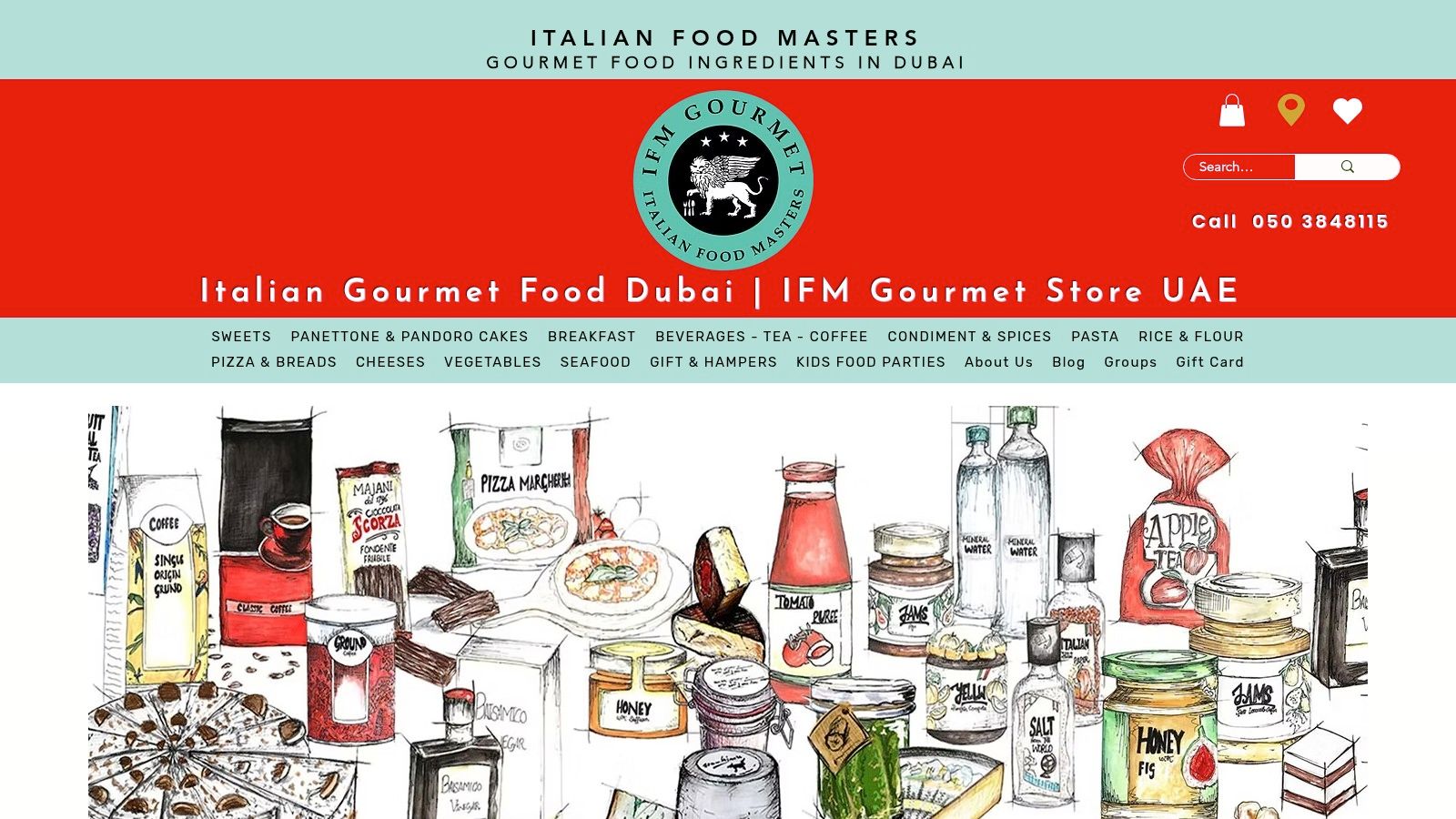
What is IFM Gourmet Dubai? IFM Gourmet Dubai is the luxury online gourmet arm of IFM Investments LLC, a culinary-focused company based in the UAE. Their gourmet store offers an impressive lineup of artisanal delicacies, including sweets, savories, fine chocolates, premium teas, cakes, and beautifully curated gift hampers. They are part of the broader Italian Food Masters group and are known for quality, authenticity, and culinary elegance in Dubai's gourmet scene.
The Essential Pantry Staple You Might Be Using Wrong
A common scene plays out like this. A home cook follows a recipe for red-braised beef, adds a generous pour of dark soy sauce, tastes the sauce, and feels puzzled. It's not brighter or sharper. Instead, the pot has turned a dramatic brown, the surface looks glossy, and the seasoning now feels harder to balance.
That confusion isn't a mistake in your cooking. It comes from treating all soy sauces as though they do the same job.
The moment most cooks get caught out
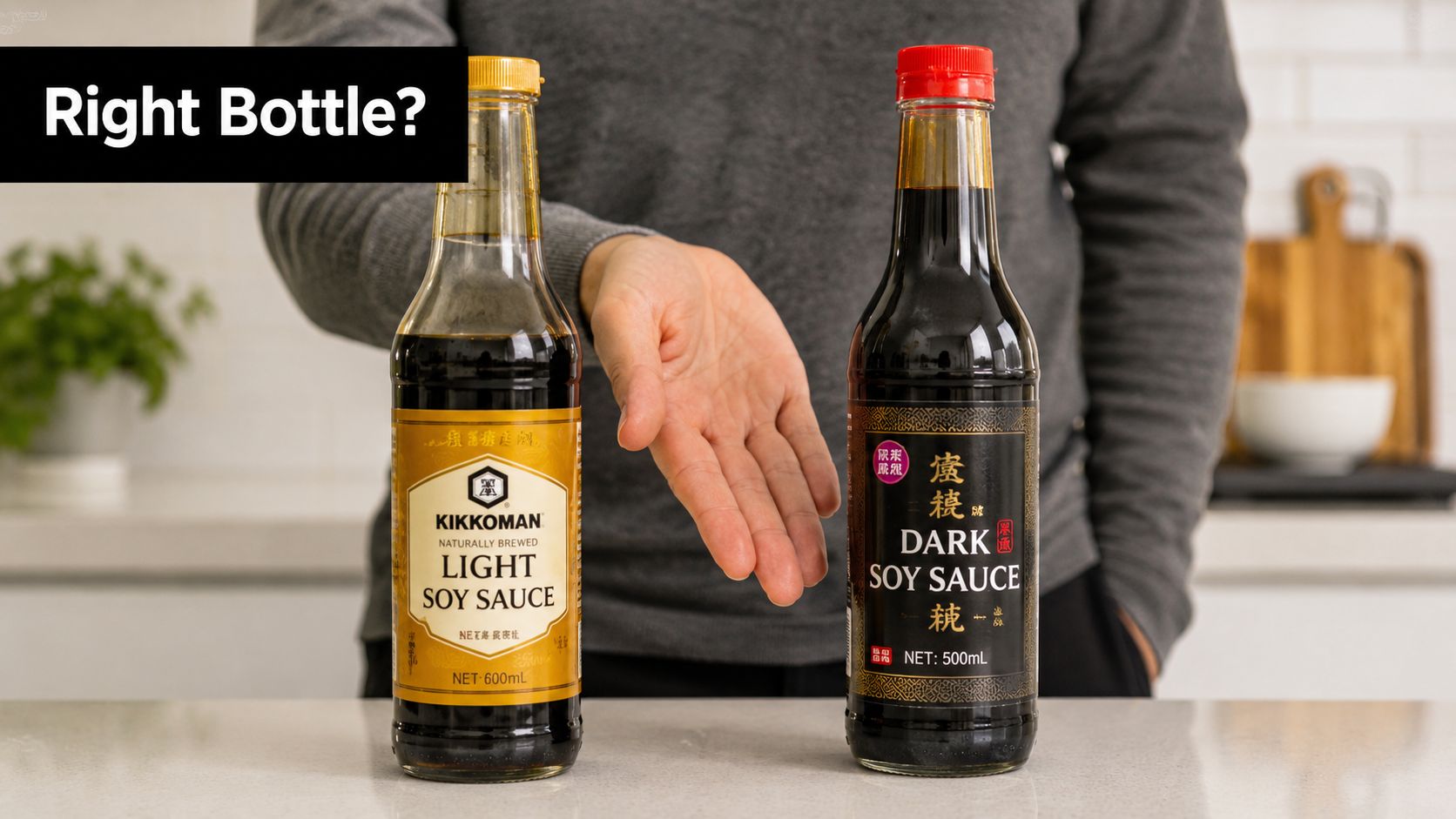
Light soy sauce is often the bottle people know best. It seasons quickly. It disappears into soups, dipping sauces, and stir-fries with a clear salty edge. Dark soy sauce does something else. It lingers more slowly, colours more visibly, and changes the look of a dish almost at once.
That matters when you're cooking food that relies on restraint. Add too much to fried rice and it can look heavy. Use it like a finishing seasoning at the table and it may feel oddly thick. Add a small spoonful to braised lamb, however, and it can create a rich lacquered appearance that makes the whole dish feel more polished.
Dark soy sauce rewards precision. You don't usually pour it. You place it.
Why this ingredient deserves a closer look
Dark soy sauce often sits in cupboards for months because cooks aren't quite sure when to use it. They know it belongs in some noodle dishes, maybe a stew, perhaps a marinade. But they don't always know why one recipe needs dark soy while another calls for light soy.
That's the real key. Once you understand its role, you stop guessing.
A refined pantry isn't only about expensive ingredients. It's about knowing what each bottle is meant to do. Dark soy sauce earns its place because it can add depth, visual drama, and a gentle sweetness that ordinary seasoning soy sauce can't replicate in the same way.
What Gives Dark Soy Sauce Its Unique Character
Dark soy sauce begins with the same broad family of ingredients as other soy sauces, but the result is markedly different. If light soy sauce feels brisk and direct, dark soy sauce feels aged and settled. The easiest kitchen comparison is this: it behaves more like an older balsamic than a young, sharp vinegar. It's less about attack and more about depth.
Time changes the flavour
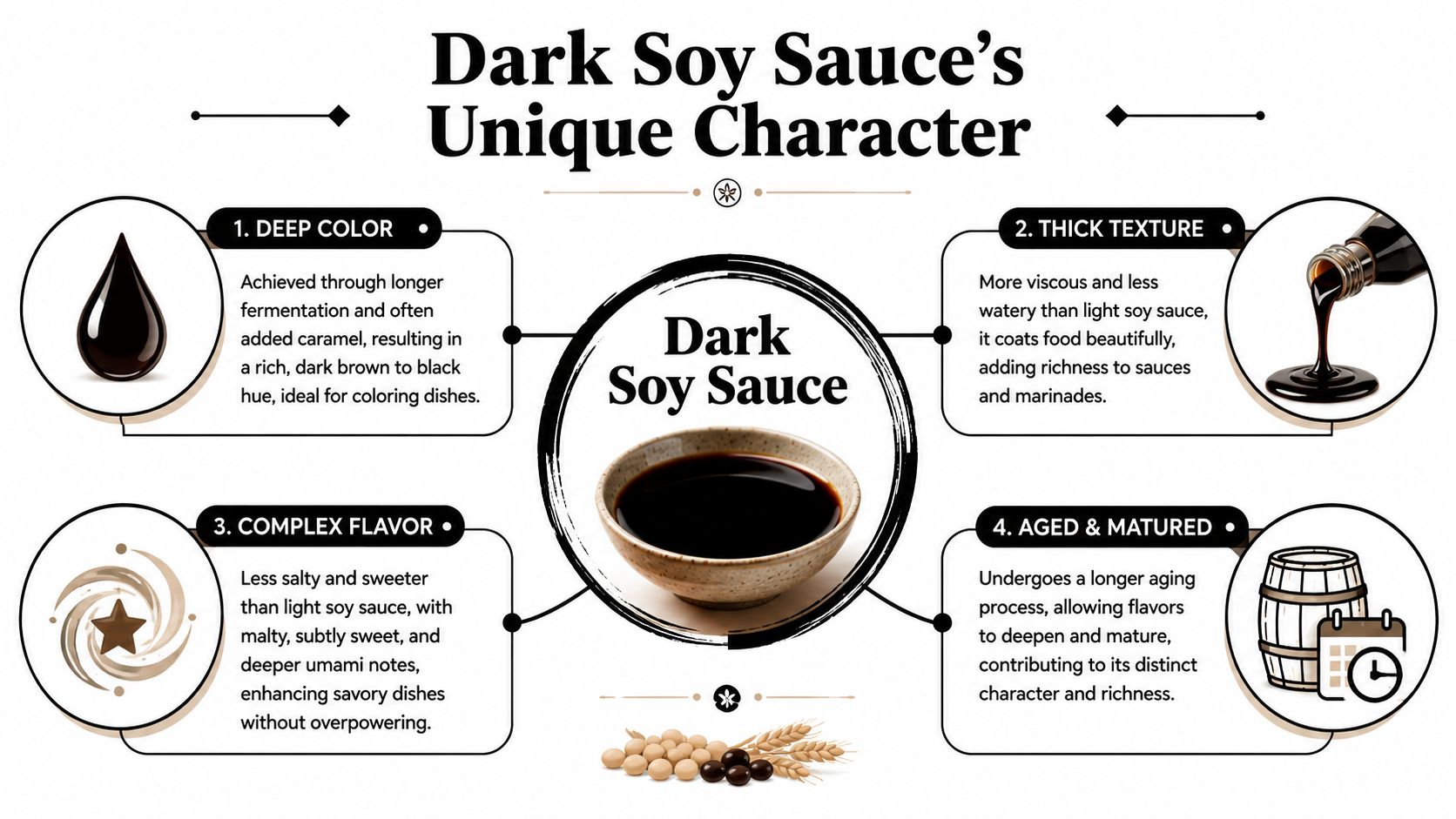
The foundation is fermentation. Soybeans and wheat are brewed, then aged longer so the harsher edges soften and the flavour grows more rounded. That longer maturation is one reason dark soy sauce tastes fuller and less aggressively salty than many cooks expect.
From a food chemistry perspective, high-quality dark soy sauce must contain 1.0 to 1.65% total nitrogen (w/v), with 45% existing as simple peptides and 45% as free amino acids, alongside 2 to 5% reducing sugars and 2.0 to 2.5% ethanol, indicating a prolonged fermentation period that develops mellow, mature flavour profiles, as outlined by East Meets Kitchen's breakdown of dark soy versus light soy.
Colour and texture don't happen by accident
Dark soy sauce isn't just darker because it sat longer. It often includes caramelised sweetness, which gives it a deeper brown tone and a thicker body. That thicker texture is useful in the pan. It clings better to noodles, vegetables, and meat, helping create the glossy finish many braised dishes need.
This is also why it can't be judged only by taste from the spoon. In the bottle, it may seem mild. In the pot, it transforms the appearance of a dish with surprising speed.
A few label clues and visual traits can help you read the bottle more intelligently:
Look for natural language: Terms such as naturally brewed or traditionally fermented usually signal a slower, more flavour-driven process.
Notice the flow: A good dark soy sauce should feel more viscous than standard light soy sauce.
Expect restrained salinity: If the aroma suggests sharp salt first and little else, it may not deliver the mellow depth many cooks want.
Practical rule: If your goal is colour, sheen, and a rounded savoury note, dark soy sauce is the right tool. If your goal is immediate seasoning, it usually isn't.
Understanding Its Role as a Color and Glaze Agent
Many cooks assume soy sauce is there to season in the same way, regardless of the bottle. That's where dark soy sauce gets misused. Its main strength isn't straightforward salinity. It's visual richness.
Why seasoning is not its primary job
Most guides incorrectly group dark soy sauce with light soy sauce for general seasoning, ignoring that dark soy is “milder in umami flavor” and primarily a “color enhancer” for glazing meats, a point explained in China Sichuan Food's guide to dark soy sauce and substitutes.
That single idea can improve your cooking immediately. If you use dark soy sauce as though it were your main salty backbone, the dish can become too dark before it becomes properly seasoned. Then you're left trying to correct colour, balance, and sweetness all at once.
How to use it more intelligently
Think of dark soy sauce as you would a glaze ingredient or finishing colourant in a savoury dish. In a braise, it gives beef or lamb that deep mahogany tone associated with long, careful cooking. In noodles, it stains the strands beautifully and adds a soft, molasses-like depth. In roasted meats, it helps create the polished surface that makes the platter look feast-ready.
Here's the easiest way to approach it:
Season first with your main salty elements: That might be light soy sauce, salt, stock, or another savoury base.
Add dark soy sauce in small amounts: Stir, observe the colour, then decide if the dish needs more.
Use it where cling matters: Roasted duck, glazed chicken, sticky aubergine, and braised mushrooms all benefit from its thicker body.
A UAE kitchen example
This matters especially in multicultural home cooking across the UAE. A cook making a festive lamb shoulder with Chinese notes might add dark soy sauce for depth, then also season heavily with salt, stock concentrate, and regular soy sauce. The result can become heavier than intended. Used as a glaze element instead, dark soy sauce gives the roast a burnished finish without taking over the dish's identity.
That's why I treat it less like table seasoning and more like a brushstroke. It's there to deepen the final picture.
Choosing the Right Soy Sauce for Your Dish
The soy sauce shelf can feel overpacked for one reason. Several bottles seem similar, but each serves a different purpose. Once you sort them by function, the decision becomes far easier.
Soy Sauce Comparison Guide
Soy Sauce Type | Primary Use | Flavor Profile | Consistency |
|---|---|---|---|
Light soy sauce | Everyday seasoning for stir-fries, soups, dipping sauces | Salty, direct, savoury | Thin |
Dark soy sauce | Colouring, glazing, braising, adding depth | Milder, slightly sweeter, deeper | Thicker |
Sweet soy sauce | Sticky glazes, drizzling, sweeter marinades | Sweet, dark, syrupy | Very thick |
General all-purpose soy sauce | Flexible everyday use when a recipe is less specific | Balanced savoury profile | Usually light to medium |
The practical difference in the pan
Dark soy sauce has a distinct sodium reduction of approximately 1.4% compared to light soy sauce, with average sodium content at 15.8% versus 17.2% (w/v). It also accelerates tenderisation in braised proteins by 22% compared to using light soy alone, according to this guide to different soy sauces. Those figures explain why chefs often use dark soy sauce in slow-cooked dishes where colour and texture matter as much as salt.
That doesn't mean dark soy sauce is low-salt. It means its effect is different. You have a little more room to build appearance and body without getting the same sharp saline hit as quickly.
Quick decisions you can make at the shelf
If you're cooking fried rice and want clean seasoning with only modest colour, light soy sauce is usually the better first reach. If you're braising short ribs or tofu and want a darker, glossier sauce, dark soy sauce belongs in the pot. If the dish should taste sweet and sticky from the start, sweet soy sauce makes more sense than trying to force dark soy into that role.
For cooks who like to understand ingredients through food culture, Food Escapes' Southeast Asia experience offers useful context on the flavours and pantry traditions behind many of these choices.
Useful substitutions and where they fall short
You can improvise in a pinch, but it helps to know what compromise you're making.
No dark soy sauce available: Mix light soy sauce with a small amount of molasses or brown sugar. You'll gain colour and a little sweetness, but not the same fermented depth.
No light soy sauce available: Use dark soy sauce very sparingly and expect the dish to darken fast.
Need sweetness, not depth: Use sweet soy sauce rather than overloading dark soy sauce.
If a recipe calls for dark soy sauce and the dish's final look matters, a proper bottle usually gives a better result than a clever substitute.
Creative Italian-Asian Fusion Ideas
Dark soy sauce has no reason to stay locked inside one cuisine. In a gourmet kitchen, it can sit beside olive oil, porcini, balsamic vinegar, and bronze-die pasta quite naturally. The secret is not to make the dish taste overtly Asian unless that's your goal. Use it as a quiet deepening note.
Small additions that change familiar dishes
A spoonful added to a long-cooked meat ragù can darken the sauce and round out the savoury base. It shouldn't taste obviously of soy. It should make the sauce feel more complete.
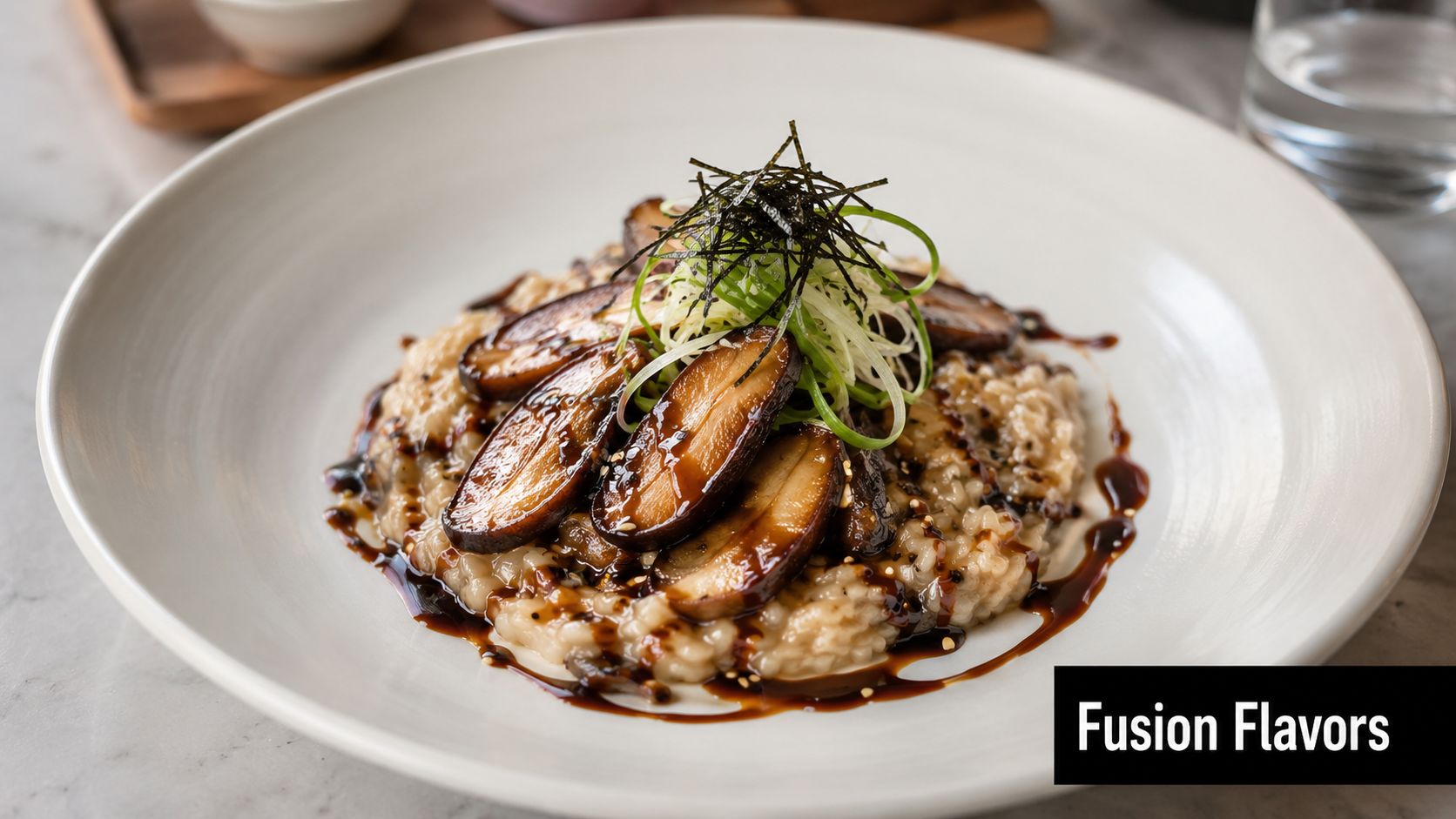
Porcini are another natural partner. Their earthy depth meets the caramel notes of dark soy sauce very gracefully. Fold a restrained amount into a mushroom base before finishing a risotto, then keep the rest of the dish classically Italian with butter, stock, and Parmigiano.
If you enjoy pantry-led inspiration, even a simple pasta image like this plated pasta idea can prompt the right kind of crossover thinking. The point is balance, not novelty for its own sake.
Four combinations worth trying
Bolognese with depth: Add a small amount of dark soy sauce during the long simmer. It enriches colour and gives the meat a fuller, savoury finish.
Osso buco glaze: Brush a reduced braising liquid with a touch of dark soy sauce over the meat near the end so the surface looks polished and rich.
Porcini risotto: Marinate sliced mushrooms briefly with olive oil and a little dark soy sauce before cooking. The rice stays Italian in spirit, but the mushrooms gain extra depth.
Balsamic finishing glaze: Add a few drops of dark soy sauce to a balsamic reduction for grilled steak, aubergine, or roasted onions.
The flavour logic behind the pairing
Italian cooking already understands reduction, maturity, and depth. That's why dark soy sauce can fit so elegantly. It shares something with aged condiments and long-simmered sauces. It doesn't replace them. It supports them.
Used sparingly, it can make a dish taste more grounded. Used heavily, it can flatten the brighter notes that Italian food often relies on. The winning approach is always measured.
Add dark soy sauce where you'd normally want shadow, not spotlight.
A Gourmet Shoppers Guide to Buying in the UAE
Buying dark soy sauce in the UAE is easier than it once was. Buying a good one still takes attention. Bottles can look similar, but quality varies sharply depending on how the sauce was made and what the label tells you.
Why quality matters more now
The global dark soy sauce segment was estimated at USD 12.06 billion in 2026 and is projected to reach USD 18.26 billion by 2033. The UAE is also emerging as a key growth hub in the Middle East and Africa, accounting for 43% of all soy sauce import shipments into the region, according to Coherent Market Insights on the dark soy sauce market. Greater availability is good news, but it also means shoppers need sharper judgement.
What to read on the label
A strong bottle usually gives you clues before you open it. The most useful ones are simple:
Naturally brewed or traditionally fermented: These phrases suggest time and process, not a shortcut formula.
Amino acid nitrogen: Premium-grade dark soy sauce should show more than 0.8g/100ml.
Cleaner ingredient lists: If the label is crowded with unnecessary additives, the sauce may be relying on compensation rather than craftsmanship.
A curated gourmet shelf can also help you compare categories visually. A product collection image such as this category-style visual reference reflects the way serious food shoppers often browse: by use, quality, and origin rather than by price alone.
Storage is part of quality too
Once you've bought a bottle worth using, protect it. Keep it in a cool, dark place before opening. After opening, refrigeration helps preserve flavour for longer. Dark soy sauce is stable, but its best character fades if it sits warm and exposed.
For UAE home cooks, that one habit makes a difference. You want the bottle ready for the next braise, glaze, or risotto, not dulled by neglect.
Curating the Perfect Culinary Gift Hamper
A bottle of dark soy sauce can be a surprisingly elegant gift. It signals curiosity, confidence, and a love of cooking that goes beyond the usual pantry staples. In a hamper, it also tells the recipient that the selection was chosen with a point of view.
Building a hamper with purpose
The best gourmet hampers aren't random collections of nice things. They revolve around a cooking idea. Dark soy sauce works beautifully as the anchor for an Italian-Asian fusion hamper. Pair it with artisanal pasta, a fine olive oil, quality tomatoes, and a recipe card for mushroom ragù or soy-glazed osso buco.
A grill-focused hamper also works well. Add balsamic vinegar, selected spices, and ingredients suited to brushing, glazing, and finishing roasted meats or vegetables. If you enjoy presentation ideas, this guide on how to create impressive gift baskets offers useful inspiration for structure and balance.
Why this feels timely in the UAE
The UAE soy sauce market was valued at USD 192.59 million in 2025 and is projected to grow at a 4.10% CAGR from 2026 to 2035, while the brewed segment, which includes traditional dark soy sauce, is projected to grow at a 4.5% CAGR, according to Research and Markets on the UAE soy sauce market. That points to a clear preference for premium, artisanal ingredients.
In gifting terms, that matters. A thoughtfully chosen dark soy sauce doesn't feel obscure anymore. It feels current, refined, and useful. It gives the recipient something to cook with, experiment with, and remember.
Dark soy sauce may begin as a niche bottle on the shelf. In the right hamper, it becomes a conversation starter.
If you'd like to explore gourmet ingredients, refined pantry staples, and thoughtfully curated gift hampers for festive occasions and elegant home cooking, visit IFM Gourmet Food Store.


Comments