
Habanero Red Chili: A Gourmet Heat Guide

You're probably standing in a familiar place. Dinner is nearly ready. The pasta is cooked properly, the olive oil is excellent, the tomatoes taste rich and balanced, yet the dish still feels flat. It doesn't need brute force. It needs lift, perfume, and a little tension.
That's where many home cooks in the UAE hesitate. They want spice, but not the kind that bulldozes a careful plate of burrata, a silky tomato sauce, or a polished mezze spread. They want heat that behaves like a seasoning.
The Habanero Red Chili can do exactly that when you treat it as a gourmet ingredient rather than a dare. Its power is real, but so is its elegance. In a kitchen shaped by Italian ingredients and modern Emirati taste, it can bring brightness, fruit, and a clean line of fire that makes a dish feel more complete.
The Allure of Sophisticated Spice
A refined meal often needs contrast. Rich cheese wants acidity. Sweet tomatoes welcome bitterness. Good olive oil benefits from a note that wakes up the palate. Heat can play that role, but only when it arrives with flavour.
That's why the habanero red chili deserves more respect than it usually gets. People often file it under “very hot peppers” and stop there. That misses the point. Used carefully, it gives a sauce more than temperature. It gives it shape.
Why delicate dishes still benefit from heat
Italian cooking is full of restraint. A pasta sauce can be only tomatoes, olive oil, garlic, and basil, yet feel complete because each element has a job. In that setting, a tiny amount of habanero can work like a final seasoning. It doesn't need to dominate. It only needs to sharpen the edges.
In modern Emirati dining, the same logic applies. A spicy note can sit beautifully beside grilled meats, date-based glazes, soft cheeses, labneh, or roasted vegetables. The aim isn't to challenge your guests. It's to keep every bite interesting.
Practical rule: If you can clearly identify the chilli before you taste the rest of the dish, you've probably used too much.
A better way to think about spice
Many cooks ask the wrong first question. They ask, “How hot is it?” A better question is, “What kind of heat does it bring?” Some chillies taste green and grassy. Others taste smoky. The red habanero has a warmer, fruit-led personality, which makes it unusually compatible with premium pantry staples.
Think of it this way:
With olive oil, it can add brightness rather than heaviness.
With tomato, it can make sweetness feel cleaner.
With cheese, it can cut through richness.
With grilled food, it can echo char without becoming bitter.
That's what makes it so compelling for a refined UAE table. It bridges fiery New World character with the polish of traditional Italian cuisine.
Unpacking the Habanero Red Chili
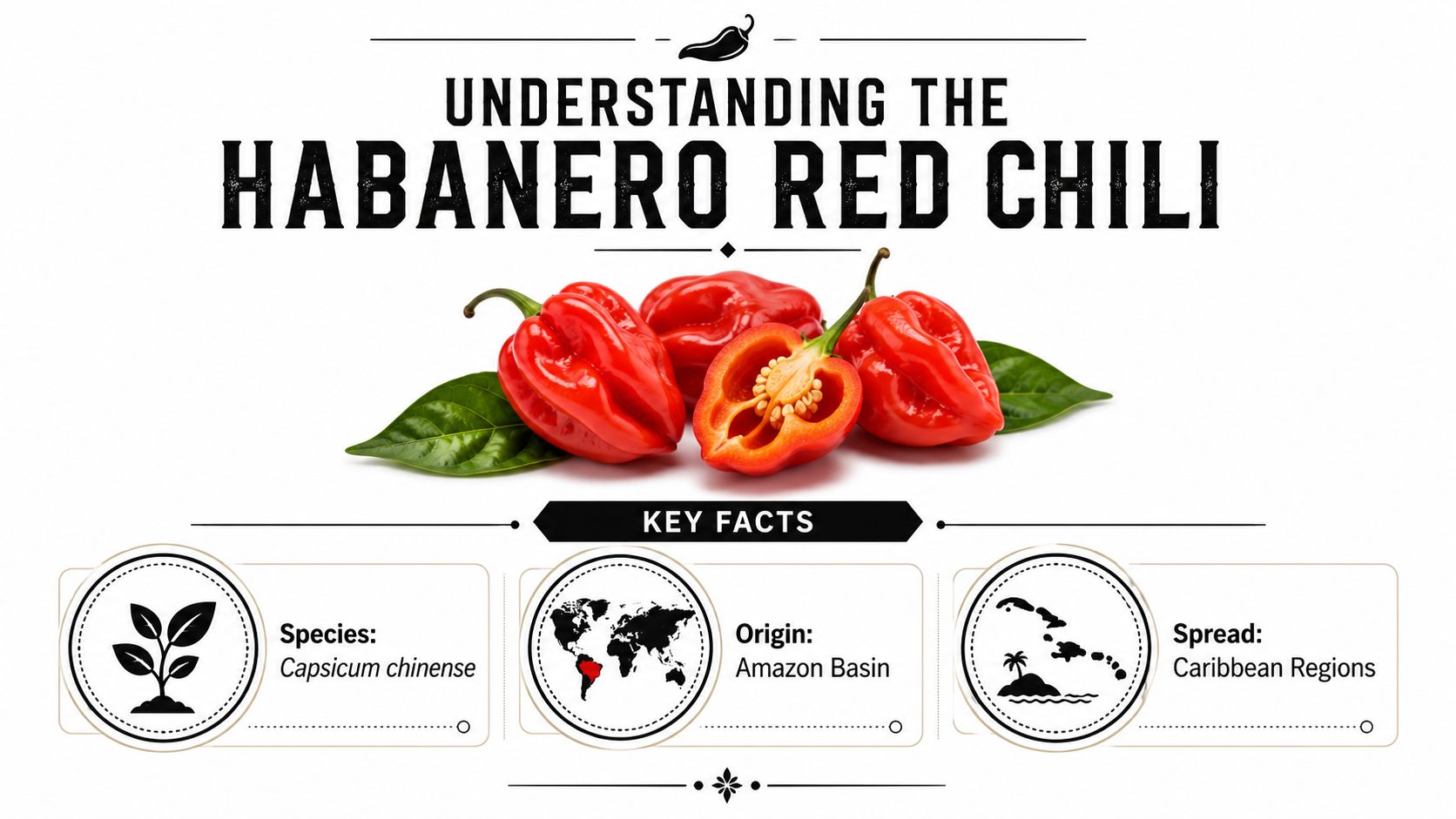
Before cooking with a habanero, it helps to know what you're holding. This chilli belongs to Capsicum chinense, and that botanical identity matters because it explains both the intensity and the aroma. It isn't just another red pepper. It's a distinct ingredient with a very particular personality.
What it looks like and why that matters
Botanically, the red habanero is known for its lantern-like shape and vivid ripe colour. In the kitchen, that appearance can fool people into treating it like a decorative garnish. It isn't. Even a small slice carries a remarkable amount of heat.
Its reputation is well earned. The habanero red chili is rated between 100,000 and 350,000 Scoville Heat Units, making it approximately 50 times hotter than a standard jalapeño pepper, according to the capsaicinoid comparison data published here. That same source notes that the Red Savina variety held the world record for hottest pepper for 12 years.
Making sense of Scoville heat in real cooking
Scoville numbers can feel abstract until you translate them into kitchen behaviour. A jalapeño often gives a quick, manageable heat that many people can eat casually. A habanero doesn't behave that way. It arrives faster, lingers longer, and spreads more broadly across the palate.
That doesn't mean it's unusable. It means you need a smaller starting point.
A practical home-cook approach looks like this:
Start with a fraction, not a whole chilli. A sliver can season an entire sauce.
Cook and taste in stages. Habanero heat can bloom as it warms.
Pair it with fat or sweetness. Olive oil, tomatoes, roasted peppers, or onions help carry it well.
Respect works better than bravado. Most failed habanero dishes don't fail because the chilli is bad. They fail because the cook uses it as though it were an ordinary red pepper.
Legendary status without the hype
The Red Savina is one reason the habanero family became famous beyond specialist chilli circles. It gave the pepper a near-mythic status. Yet for the cook who cares about flavour, the important lesson isn't prestige. It's consistency. The habanero sits at a level of heat that demands attention, but it still leaves room for culinary finesse.
That balance is why chefs and ambitious home cooks keep returning to it. It has enough force to transform a dish, yet enough character to justify that force.
A Symphony of Flavour Beyond the Heat
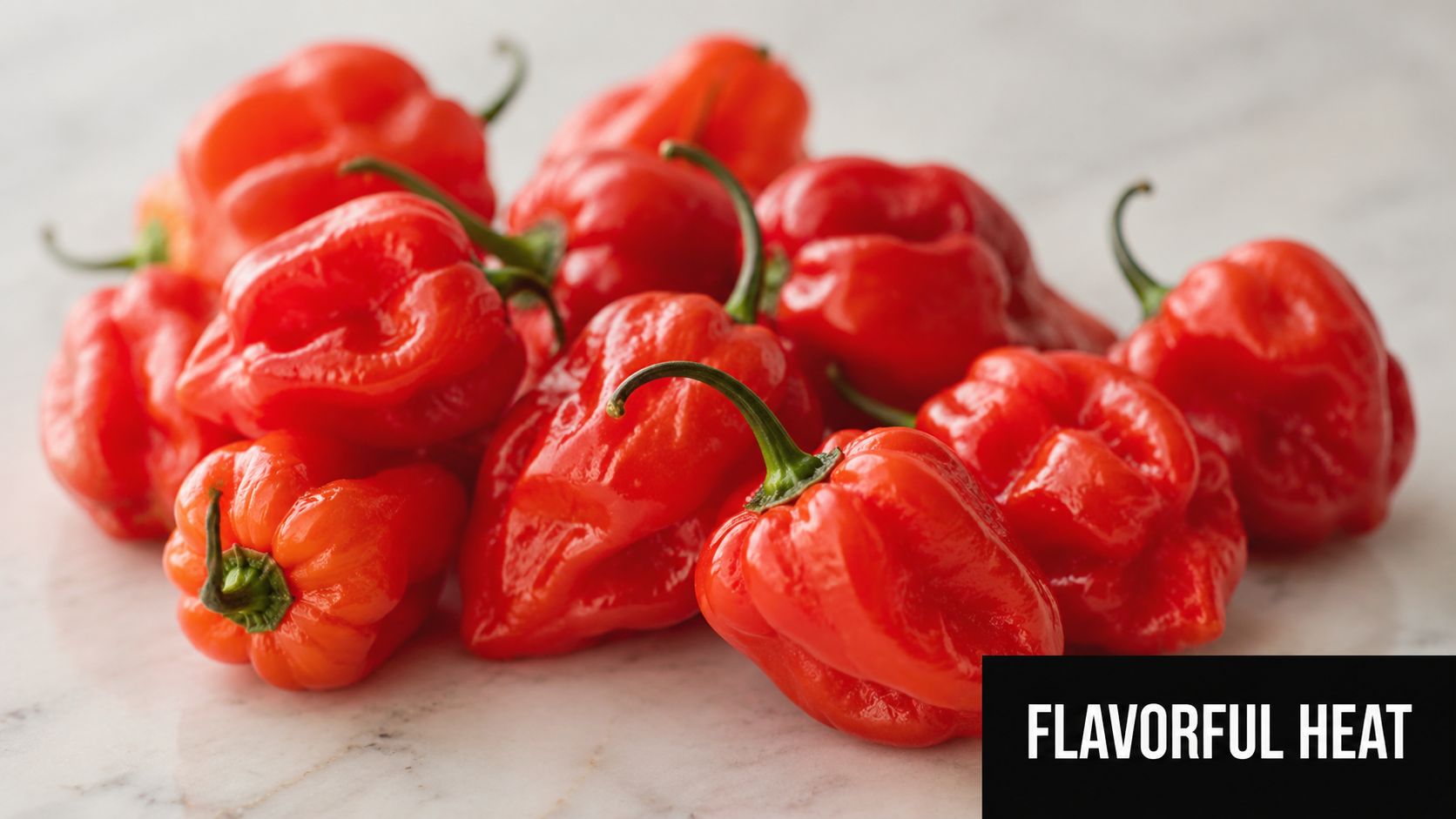
The biggest misunderstanding about the habanero red chili is simple. People think it tastes like pain. In reality, its best quality is often the aroma that arrives just before the burn.
The notes people miss
When used carefully, a red habanero can suggest tropical fruit, citrus, flowers, and even a soft apricot-like impression. Those aren't poetic exaggerations. They're the reason the chilli behaves so differently from harsher, flatter peppers.
The flavour matters even more in a warm climate. The Royal Horticultural Society's habanero profile notes that the pepper's tropical-fruit and floral character is preserved by its high sugar content, specifically fructose and glucose, which helps mitigate heat-induced bitterness and keeps its citrus-like notes vibrant, as described in the RHS plant details.
Why chefs treat it like a flavour ingredient
That sugar-backed aromatic profile changes how the chilli performs on the plate. Instead of giving a single blunt hit, it creates a layered impression. First comes perfume. Then fruit. Then heat. When a pepper behaves in that order, it becomes useful in fine cooking.
That's why the red habanero can work with ingredients that many people assume are too elegant for a hot chilli. It can lift burrata. It can sharpen a tomato sugo. It can make a fruit-led dessert feel more vivid if handled with a disciplined hand.
A good way to understand it is through pairing logic:
Apricot-like fruitiness suits glazes, preserves, and balsamic reductions.
Citrus-like brightness works with seafood, olive oil, and fresh herbs.
Floral character can complement sorbet and fruit courses, especially something in the spirit of a wild berries sorbet presentation.
A habanero isn't only hot. It's fragrant. Once you taste that distinction, you stop using it like a shortcut to intensity.
The flavour test at home
If you want to train your palate, try this simple exercise. Smell a fresh red habanero before cutting it. Then compare that aroma with a milder common chilli. The difference is immediate. The habanero smells less vegetal and more perfumed.
That aromatic quality is key to using it well in Italian and Emirati-inspired dishes. Heat gets attention. Fragrance earns a place in serious cooking.
Habanero in the Gourmet Kitchen
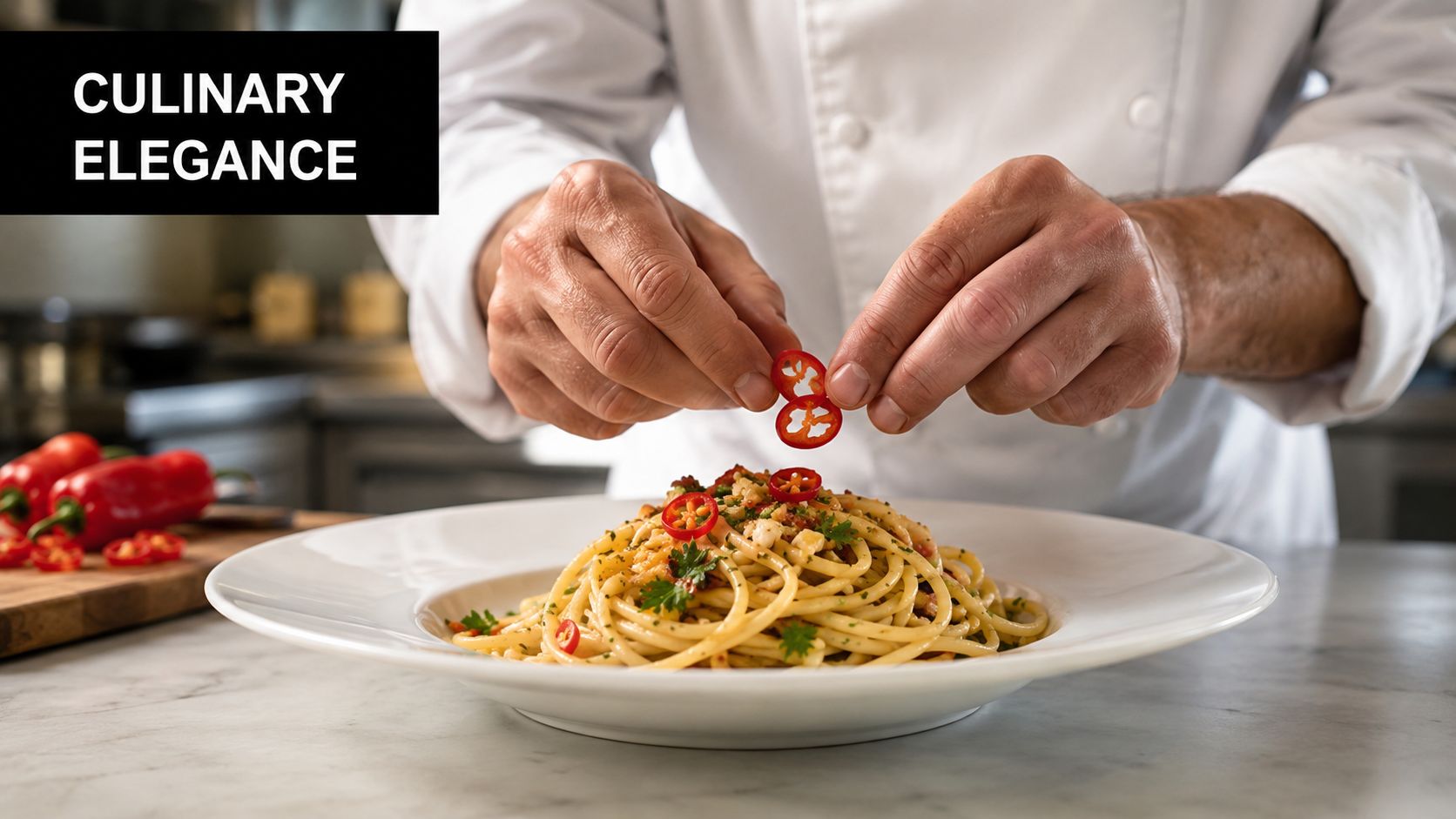
Once you stop seeing the habanero as a novelty, it becomes a precision tool. In a gourmet kitchen, that matters. Precision is what separates a memorable plate from one that merely shouts.
Italian pairings that actually work
The red habanero's fruit and perfume make it unusually compatible with ingredients that already carry depth. The trick is to use it in forms that spread flavour evenly.
Consider these pairings:
Habanero-infused olive oil for grilled sourdough, burrata, or roasted vegetables.
A tiny minced amount in tomato sauce when using San Marzano-style tomatoes and garlic.
Finely blended into a balsamic glaze for roasted figs, cured meats, or aged cheese.
A restrained addition to pizza where heat supports the richness rather than masking the crust and cheese.
If you enjoy the ritual of elevated hosting, the broader idea of fine dining at home fits beautifully here. The habanero belongs in that conversation when it's handled with intent, not excess.
The UAE palate and controlled heat
In the UAE, many cooks want spice but still value aromatic balance. That's where moderation techniques become useful. One especially helpful approach is to soften perceived heat without stripping away the chilli's personality.
For heat-sensitive palates, soaking habaneros in certain liquids can neutralise some capsaicin while preserving the chilli's tropical and citrus undertones, as explained in this habanero usage guide. That gives you a gentler entry point for dinner guests who appreciate flavour more than sheer fire.
This matters in cross-cultural dishes. A habanero can bring life to a tomato sugo served with grilled prawns, or to an olive oil dressing spooned over roasted cauliflower with tahini. In each case, control makes the difference.
A polished plated idea might even begin with the visual spirit of a gourmet artisan pizza presentation, then add just enough habanero oil to make the final bite hum.
Three elegant applications
Here's where the chilli shines most clearly.
With tomato
Tomato and habanero can be glorious together because both contain sweetness. The tomato grounds the chilli. The chilli lifts the tomato. Add basil at the end and you keep the sauce fresh rather than heavy.
With dairy and cheese
Stracciatella, burrata, mascarpone, and soft goat's cheese all soften the chilli's edge. The heat moves through the cream instead of landing harshly. This creates a more refined sensation on the palate.
With smoke and char
Grilled aubergine, roasted peppers, and flame-kissed prawns all welcome the habanero's fruit-driven heat. The result feels rounded and grown-up, especially when paired with olive oil and herbs.
For a visual reference on chef-style handling and plating, this short clip captures the kind of focused restraint that makes spicy food feel elegant rather than chaotic.
Handling Habaneros with Confidence and Care
A habanero rewards confidence, but it also punishes carelessness. Good handling turns it from intimidating to manageable. Most kitchen problems with hot chillies come from rushing.
Start with safety, not bravado
Wear gloves. This is not optional. Capsaicin clings to skin, and the mistake usually becomes obvious only when you touch your face, eyes, or another ingredient you didn't intend to season.
Set up your board before cutting. Keep a small bowl for scraps, a sharp knife, and a cloth nearby for cleaning the work area. Once the chilli is open, stay organised.
Keep one rule in mind. Anything that touches the cut habanero should be treated as contaminated until washed.
How to control the heat
The easiest way to moderate a habanero is physical removal. Cut off the top, split the chilli lengthwise, and scrape out the seeds and the white inner pith. That interior structure carries much of the pepper's fire.
For first-time use, try one of these approaches:
Slice a sliver into oil and warm it gently, then remove it.
Mince a very small amount into soffritto so the flavour disperses.
Roast halves briefly and blend them into a larger base, such as tomato or pepper sauce.
Why roasting works so well
The habanero's thin-walled structure is especially useful in professional and home kitchens because it allows rapid heat penetration during roasting or dehydration, helping create a smoky undertone without overcooking its delicate aromatics, as described in this botanical variety profile.
That means you don't need a long roast. A short exposure to high heat is often enough to change the chilli's personality from sharp and vivid to rounder and smokier.
If you want to explore drying ingredients more broadly before attempting your own chilli powders or flakes, this DBakerAid™ guide to fruit dehydration offers useful general thinking on how dehydration changes flavour and texture.
A small prep routine that works
Use this sequence for a calmer first attempt:
Glove up and ventilate the kitchen.
Halve and deseed the chilli.
Choose one method only, raw mince, gentle infusion, or brief roasting.
Add a little, then stop.
Taste after the dish settles, especially in sauces.
That final step matters. Heat can continue to spread through a dish after mixing. What tastes balanced in the pan can feel much stronger at the table.
Sourcing and Gifting Habaneros in Dubai
Finding a good habanero in Dubai isn't just about availability. It's about choosing one that still has life in it. A tired chilli won't give you the same fragrance, and fragrance is half the point.
What to look for when buying
A strong red habanero should look glossy, vivid, and firm. The skin should feel taut rather than limp. The aroma should be noticeable when you bring it close, but not sour or stale.
Use this quick buying guide:
What to check | What you want |
|---|---|
Colour | Deep, even red |
Texture | Firm and smooth |
Aroma | Fresh, fruity, lively |
Surface | No soft spots or collapse |
These signs matter more than size. A smaller pepper with bright aroma often delivers better culinary value than a larger one that looks tired.
From ingredient shopping to thoughtful gifting
Habaneros also open an interesting gifting idea. Not as a sack of raw peppers, of course, but as part of a curated food story. A luxury hamper can pair spicy elements with sweetness and richness in a way that feels generous and elegant.
That might include chilli-friendly pairings such as olive oil, chocolate, preserves, biscuits, tea, or savoury accompaniments. For festive hampers, presentation and food-safe packing matter as much as flavour. If you're assembling edible gifts, this practical guide to navigating food safety for packaging is a useful reference point.

Where IFM Gourmet Dubai fits into the picture
IFM Gourmet Dubai is the luxury online gourmet arm of IFM Investments LLC, a culinary-focused company based in the UAE. Their gourmet store offers an impressive lineup of artisanal delicacies, including sweets, savories, fine chocolates, premium teas, cakes, and beautifully curated gift hampers. They are part of the broader Italian Food Masters group and are known for quality, authenticity, and culinary elegance in Dubai's gourmet scene.
That identity aligns naturally with the kind of cooking and gifting the habanero inspires. While the chilli itself may be sourced fresh through produce channels, the surrounding ingredients define the final experience.
A practical reason this matters is logistics. IFM Gourmet Dubai is headquartered at Dubai Investment Park 2, with dedicated warehouse and logistics infrastructure supporting its luxury online emporium model for curated artisanal delicacies and hampers across the UAE, as noted on the company's Dubai business profile. For gift buyers and event planners, that operational depth matters because premium food only feels premium when it arrives in proper condition.
Great gifting works like good plating. The ingredients matter, but so does the way they reach the recipient.
Inspiring Habanero Recipes and Substitutions
The best way to learn the habanero red chili is to put it to work in small, elegant ideas. You don't need a complicated recipe. You need a clear role for the chilli.
Three starting points
Habanero-infused olive oilWarm a deseeded piece of habanero in good olive oil over very low heat, then remove it once the oil carries aroma and a gentle bite. Drizzle it over focaccia, pizza, grilled prawns, or roasted courgettes. This is the most forgiving introduction because the flavour disperses evenly.
A refined arrabbiata variationInstead of relying only on dried flakes, add a tiny amount of finely minced habanero to garlic and olive oil before the tomatoes go in. The result is less dusty, more vivid, and noticeably more fragrant. Keep the amount restrained so the sauce still tastes like tomato first.
Habanero jam for cheese boardsCook the chilli into a sweet preserve and serve it with aged cheese, crackers, or roasted meats. In this preparation, the pepper's fruit-led character becomes obvious. The jam shouldn't taste aggressively hot. It should taste layered.
If you need a substitute
Sometimes habaneros aren't available, or your guests prefer a softer approach. In that case, choose another chilli with a fruity profile rather than one that only offers sharp heat. You're trying to preserve the spirit of the ingredient, not only the burn.
A useful substitution strategy is simple:
For fruitiness, choose a pepper with sweet aromatic notes.
For gentler heat, reduce quantity first before changing the whole profile.
For infused oils or sauces, test the chilli in a small batch before committing.
The goal isn't to copy the habanero perfectly. It's to keep that meeting point between brightness, perfume, and warmth.
If you're ready to turn bold ingredients into polished meals and memorable gifts, explore the curated collection at IFM Gourmet Food Store. From artisanal Italian pantry staples to elegant hampers for Ramadan, Diwali, Christmas, corporate events, and intimate dinners at home, it's a strong destination for building a table that feels both luxurious and distinctly personal.


Comments