Search Results
Search this site
465 results found with an empty search
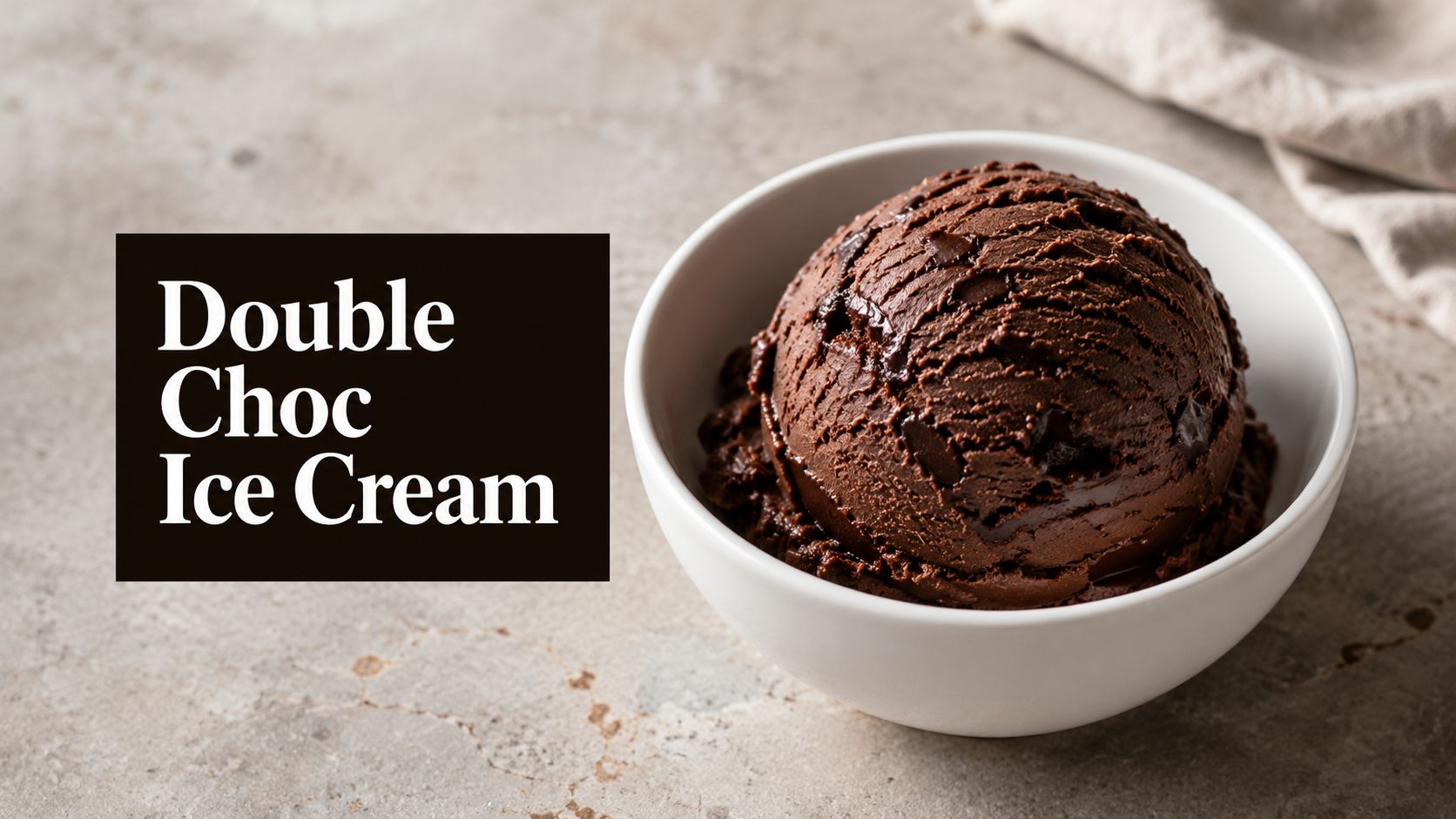
- Double Choc Ice Cream: Discover the Best of 2026
You open the freezer after dinner, hoping for relief from the heat and a little comfort at the end of a long day. What you want isn't just something cold. You want chocolate that feels deep, rounded, and lingering. Not a sugary brown scoop that disappears the moment it melts on your tongue, but something darker, silkier, and more satisfying. That's where Double Choc Ice Cream earns its place. A proper double chocolate scoop doesn't taste like “more cocoa” in a simple sense. It tastes layered. One note lands first, another unfolds after it, and the texture carries the flavour instead of thinning it out. If you love pastry, gelato, or fine chocolate, you can feel the difference immediately. It's the difference between a shortcut dessert and one built with intention. The Unmistakable Craving for True Chocolate Some cravings are vague. This one isn't. You don't stand in front of a freezer wanting “dessert”. You want the kind of chocolate that tastes full and adult, with bitterness, sweetness, creaminess, and aroma all moving together. That craving often arrives after a rushed week, a late-night dinner, or one of those Dubai evenings when the air still feels warm long after sunset. Standard chocolate ice cream can miss the mark because it often leans on sweetness first. The colour may look promising, but the flavour can feel flat. Double choc ice cream answers a more specific desire. It aims for intensity, but also depth. When chocolate needs more than sweetness Think of the difference between hot chocolate made with cocoa powder alone and one enriched with melted dark chocolate. Both are chocolatey, but one has more weight, more perfume, and more finish. Ice cream works the same way. That's also why chocolate lovers often enjoy learning how flavour begins at the ingredient level. If you're curious about how cacao differs from another roasted staple people often compare it to, Cartograph Coffee's guide to beans gives helpful context in plain language. A memorable scoop doesn't just taste sweet and cold. It tastes built. What makes the craving feel resolved Double choc ice cream satisfies because it gives you two pleasures at once. First, the base itself tastes richly chocolatey. Second, there's another chocolate element folded in, melted into the base, shaved through it, or added as pieces and ripples. That second layer changes everything. It creates contrast. It slows the eating experience. It gives the spoon something to discover. When it's done well, the dessert feels luxurious without being complicated. You can make it at home with care, or buy a premium version that respects the same principles. Either way, the goal is the same. Real chocolate flavour, fully expressed. Defining Double Chocolate Indulgence Double choc ice cream doesn't mean random excess. It means layered chocolate design. One chocolate element builds the foundation. Another adds depth, richness, or texture. That could mean cocoa in the custard and dark chocolate melted into the mixture. It could mean a dark base with chocolate shards. The point isn't just doubling quantity. The point is creating a fuller chocolate experience from more than one form. The idea is older than many people realise Chocolate ice cream isn't some modern novelty. It has documented roots in Naples, Italy, where Antonio Latini published The Modern Steward in 1692. That book included two recipes for frozen chocolate made with only sugar and chocolate, and this is widely treated as the first modern chocolate-ice-cream-style preparation. It also predates vanilla as an ice cream flavour by nearly 70 years, with vanilla appearing in the 1760s, according to this history of chocolate ice cream. That heritage matters. In premium dessert culture, especially where Italian culinary tradition carries weight, chocolate ice cream belongs to a serious lineage. What “double” usually means in the bowl Here's the simplest explanation: Base chocolate gives the scoop its overall identity. This is the flavour you taste in every bite. Secondary chocolate changes the experience. It may add richness, chew, snap, or a wave of darker flavour. Texture contrast keeps the scoop from feeling one-dimensional. A good double chocolate scoop doesn't hit you with one loud note. It unfolds in stages. A useful way to recognise the real thing If you're buying rather than making, ask a few quiet questions: What to notice Why it matters Is the base dark and aromatic, not just sweet? That usually signals stronger chocolate character Is there a second chocolate element? This is often what makes it “double” rather than standard chocolate Does the texture feel dense and smooth? Rich chocolate needs body to carry flavour well Chef's view: Double chocolate is less about excess and more about layering. One chocolate note should support another, not blur it. That's why the best versions feel deliberate. They honour chocolate as an ingredient with personality, not just as a flavour label. The Anatomy of a Perfect Scoop A fine scoop begins long before churning. It starts with structure. If double choc ice cream tastes muddy, icy, or oddly thin, the problem usually sits in the balance of ingredients. Richness, sweetness, aroma, and body have to support each other. When one part dominates, the scoop loses elegance. Cocoa powder and chocolate do different jobs For premium double choc ice cream, the key technical move is balancing Dutch-processed cocoa powder with semisweet or dark chocolate. That combination increases chocolate solids and fat content, which gives the ice cream a denser body and a more intense flavour than a cocoa-only base, as explained in this double chocolate ice cream preparation guide. Many home cooks often find this confusing: cocoa powder and melted chocolate are not interchangeable. Cocoa powder brings concentrated chocolate flavour and colour. Dark or semisweet chocolate adds cocoa butter, body, and a rounder mouthfeel. Together, they create both intensity and plush texture. If you use only cocoa, you can get a clean chocolate flavour but miss the lushness. If you rely only on melted chocolate, the scoop can become heavy without enough aromatic lift. The supporting cast matters A scoop that tastes luxurious usually depends on a few quiet choices: High-fat dairy helps the texture feel smooth instead of brittle. Sugar does more than sweeten. It helps soften the freeze and keeps the texture more scoopable. Egg yolks or another binder help hold fat and water together so the mixture stays coherent rather than separating. These details are why premium ice cream feels different on the tongue. It melts evenly, not in watery stages. Temperature decides texture The custard base is typically heated to about 170 to 175°F so the yolks thicken and the fats emulsify without boiling. Push too far and the mixture can turn grainy. Stay too low and the base may not develop enough body. That small temperature window is one of the hidden luxuries of proper ice cream making. It produces a scoop that feels polished rather than improvised. When the base is heated carefully, chocolate tastes smoother because the texture no longer fights the flavour. How to judge quality quickly If you're reading a product description or planning your own batch, look for these signs: More than one chocolate source suggests layered flavour. A custard-style approach usually points to a richer texture. Dark chocolate listed clearly often signals a deeper profile than generic “chocolate flavour”. A perfect scoop isn't accidental. It's built from ingredients that each have a specific role. Gourmet Craft Versus Mass Market Two tubs can both say chocolate. They won't deliver the same experience. Craft double choc ice cream usually feels slower, denser, and more composed. Mass-market versions often aim for broad appeal, easy storage, and low-friction sweetness. Neither is mysterious. They're made with different priorities. Where the difference shows up first You notice it at the spoon. Artisanal ice cream often resists slightly, then yields in a clean, creamy curl. The mouthfeel is fuller. The chocolate lingers longer. You may taste roasted notes, cocoa depth, or the gentle bitterness of dark chocolate. Mass-market ice cream often feels lighter and fluffier. That can be pleasant, but it usually gives less concentration and less finish. A side-by-side view Feature Gourmet craft Mass market Chocolate character Layered, often darker and more nuanced Simpler, sweeter, more uniform Texture Dense, creamy, slow-melting feel Lighter, airier feel Inclusions Chocolate pieces with real snap or melt Chips can feel waxy or separate from the base Overall impression Dessert with personality Dessert built for consistency Why premium costs more The difference isn't only branding. It often comes from choices that are expensive in both labour and ingredients. Real chocolate costs more than flavour shortcuts. Small-batch handling asks for more attention at each stage. Texture is managed carefully so the scoop feels composed rather than padded. That's what you're paying for. Not just the product, but the standard behind it. What to buy if you care about flavour Choose the version that tastes like chocolate first and sweetness second. That doesn't mean severe bitterness. It means balance. If you're selecting for a dinner party or gifting, a craft-style scoop also behaves better in a plated dessert. It holds presence beside berries, coffee, pastry, or a warm brownie instead of disappearing into sugar. Crafting Your Own Double Chocolate Masterpiece Making double choc ice cream at home is less difficult than people think. It just rewards patience. The process has two parts. First, you build a strong chocolate custard. Then you give it time to mature before churning. That pause is one of the secrets to a scoop that tastes professional. A home method that works Use this as a framework rather than a rigid formula. You'll need Cream and milk for the dairy base Sugar for sweetness and smoother texture Egg yolks for custard richness Dutch-processed cocoa powder for deep flavour Good semisweet or dark chocolate for body and intensity A pinch of salt Optional chopped chocolate to fold in near the end for extra texture How to build the base Warm the dairy gently. Heat milk, cream, cocoa powder, and part of the sugar until steaming and smooth. Whisk yolks with the remaining sugar. This keeps them fluid enough to temper. Temper carefully. Add some of the hot dairy into the yolks while whisking, then return the mixture to the pan. Cook the custard with attention. Stir until it thickens lightly and reaches the stage where it can coat a spoon. Add the chocolate off the heat if needed. Stir until fully melted and glossy. Strain the base. This catches any tiny cooked egg bits and keeps the texture refined. The step many people rush For the smoothest texture, the base should rest in the refrigerator for at least 4 hours, and ideally overnight. This chilling time allows the fat to crystallise and the proteins to hydrate, which leads to a firmer structure and less ice crystal growth during churning, as noted in this guide to ageing an ice cream base. That waiting time isn't wasted time. It's part of the recipe. Practical rule: If your base is cold, rested, and fully mature before churning, your final scoop will taste calmer, smoother, and more expensive. Churning without frustration A few handling details make home results much better: Don't overfill the machine. Keeping the canister around 2/3 to 3/4 full helps it churn properly. Stop at soft-serve texture. That's usually the right moment, not the moment when it seems fully frozen. Freeze promptly after churning. A further 4+ hours helps the ice cream firm up and limits ice-crystal growth. If you like seeing the movement and texture in action, this walkthrough is useful: Easy ways to personalise the flavour Once the base is reliable, you can shape it to your taste. For a café-style note, add a little espresso flavour. Chocolate often tastes deeper next to coffee. For contrast, swirl in caramel. The bitter edge of chocolate and the toastiness of caramel play well together. For warmth, add a touch of spice such as cinnamon or chilli. For texture, fold in chopped dark chocolate at the end of churning. The most elegant homemade version is usually the one that stops before excess. Let the chocolate lead. Serving Pairing and Storing Like a Pro A great scoop can still be mishandled at the last minute. Serving and storage matter more than commonly assumed. If ice cream is too hard, the flavour hides. If it softens too far on the counter, the texture suffers. The sweet spot is a brief temper before serving so the chocolate can open up aromatically. Pairings that flatter chocolate Double choc ice cream loves contrast. Fresh raspberries bring acidity that brightens a dense scoop. Sea salt sharpens the chocolate flavour in a subtle way. A short espresso turns dessert into a more complete ritual. Crisp waffles make an excellent partner when you want temperature and texture contrast, especially if you like the look and feel of a café-style plate inspired by this waffle serving idea. The UAE factor changes everything In the UAE, summer temperatures can exceed 40°C, and frozen foods need to be kept at -18°C or colder. In these conditions, insulated packaging, rapid transport, and proper freezer storage matter as much as the recipe for preserving texture and preventing melting, according to this hot-climate guidance for frozen dessert handling. That one fact changes how you shop. Buy frozen desserts at the end of your trip, go straight home, and clear freezer space before the order arrives. Small habits that protect the scoop Use a container with a tight-fitting lid. Keep it deep in the freezer rather than in the door, where temperature swings are stronger. When serving, return the tub quickly instead of letting it linger on the counter. If you're ordering delivery in warm weather, timing matters. A superb ice cream can lose its edge before you ever taste it if the frozen chain breaks on the way. Source Your Finest Chocolate Experience in Dubai You step into your kitchen in Dubai, the freezer is ready, and the craving is very specific. Not just something cold and sweet, but a scoop with real chocolate depth. The kind that tastes of cocoa beans, cream, and careful craft rather than sugar and shortcuts. That is the moment ingredient sourcing starts to matter. Once you know why double chocolate ice cream works, shopping becomes more precise. Cocoa powder gives breadth and a dry, aromatic backbone. Melted chocolate brings fat, silkiness, and length on the palate. Use both well, and the flavour feels layered rather than flat. Buy a finished tub made with care, and you should taste that same balance in the first spoonful. For home cooks, the smartest approach is to start with chocolate you would happily eat on its own. A good bar tells you a great deal before it ever meets the cream. If it tastes dull at room temperature, it will taste even quieter when frozen. If it has clear notes of roasted cocoa, dried fruit, or gentle bitterness, those qualities will still speak through the cold. In Dubai, IFM Gourmet Food Store is a practical place to shop for that higher standard. Its range of Italian gourmet products suits both sides of the craving: ingredients for cooks and premium desserts for shoppers who want a ready-made option. If you want a clearer sense of the products in that category, you can browse their artisanal dark chocolate and milk chocolate selection for dessert making and gifting. A useful rule helps here. Cocoa powder behaves like the bass note in music. It grounds the flavour and gives it resonance. Melted chocolate acts more like the orchestra around it, adding richness, roundness, and texture. Premium ice cream usually respects both roles. Mass-produced versions often push sweetness forward and let true cocoa character fade into the background. What to look for before you buy Choose with a clear purpose. If you're making it yourself, pick dark chocolate with a flavour profile you enjoy eating plain, then match it with a cocoa powder that smells full and fresh. If you're buying ready-made, look for a product that signals real chocolate ingredients and a dense, creamy body rather than novelty flavours doing all the work. If you're serving guests in the UAE heat, buy close to serving time or protect the cold chain carefully so the texture stays smooth and the scoop keeps its shape. The finest chocolate experience comes from informed choices. Understand the role of each ingredient, respect what freezing does to flavour, and source products that still taste luxurious straight from a Dubai freezer.
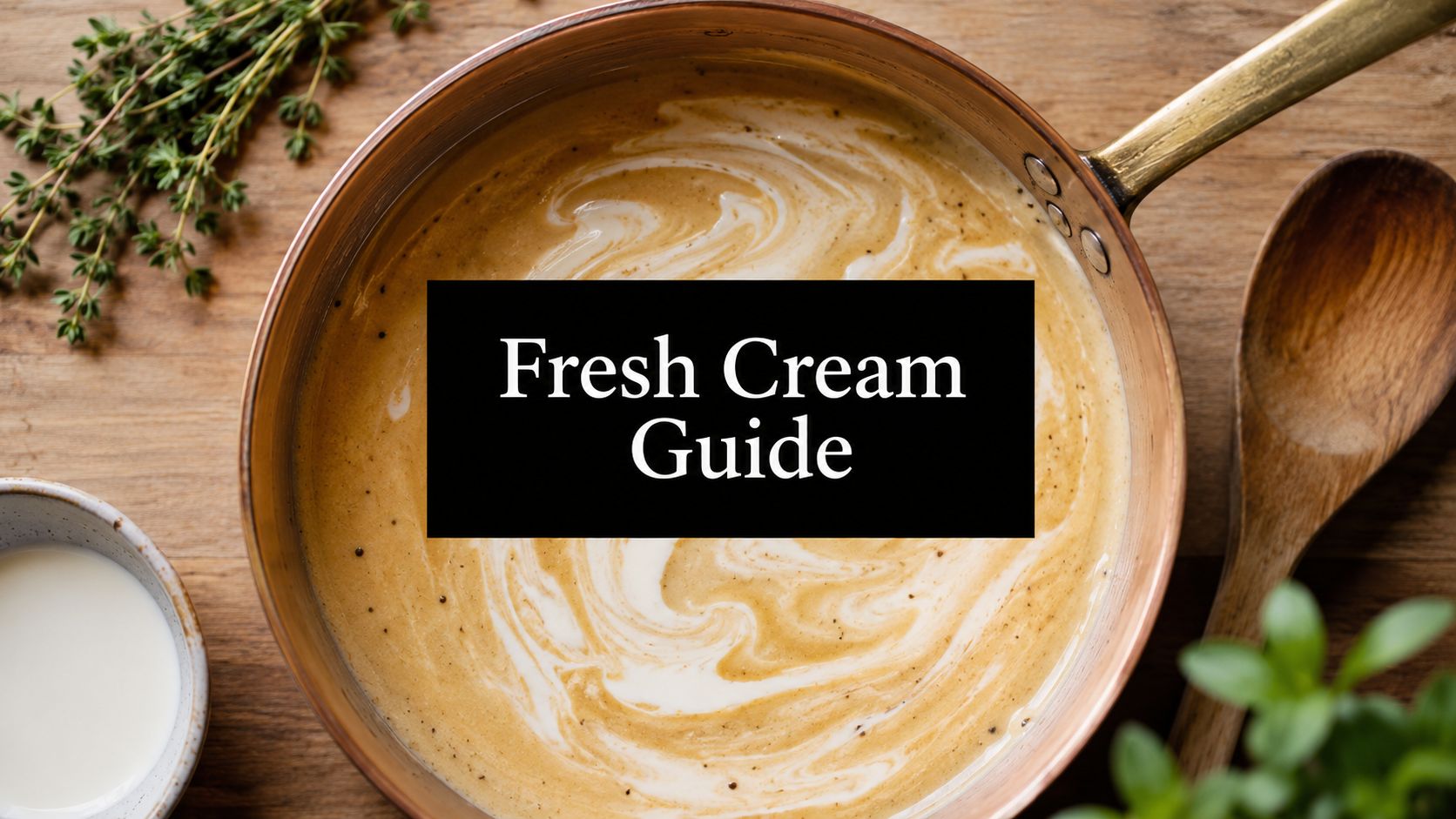
- Fresh Cream for Cooking: A UAE Chef's Guide
You're in the dairy aisle in Dubai, reading cartons that all seem to promise roughly the same thing. Fresh cream. Cooking cream. Whipping cream. Double cream. Some are local, some imported, some look suited to pasta, some look made for desserts, and none of them answers the question you have. You want one carton that will go into a hot pan and turn into a smooth, elegant sauce instead of a grainy disappointment. That confusion is common. Many home cooks in the UAE are trying to solve one practical problem: which cream belongs in a simmering mushroom sauce, a tomato-cream pasta, a velvety soup, or a spiced curry, and which one should stay in the fridge for cakes and whipped toppings. The Secret to Silky Sauces Starts Here A familiar kitchen moment goes like this. You sauté garlic gently, cook down mushrooms until they smell earthy and deep, add stock, season carefully, and stir in cream at the end. Then the sauce turns uneven. Tiny flecks appear. The texture looks broken. Most of the time, the problem isn't that you cooked badly. It's that the cream and the dish weren't matched well. That matters even more in UAE kitchens, where many everyday dishes are hot, boldly spiced, and sometimes acidic from tomato, yoghurt, lemon, or vinegar. A cream that behaves well in a cold dessert won't always behave the same way in a bubbling pan. The real question in the dairy aisle isn't “Which cream is nicest?” It's “Which cream stays graceful under heat?” There's another reason this gets confusing. Search results often blur the line between cooking cream and whipping cream. A noted gap in existing content is whether fresh cream for cooking in the UAE can be used interchangeably with whipping cream, even though local cooking often involves hot, spiced, and acidic dishes where cream can split, as reflected in this discussion of the cooking versus whipping question. Why this matters for Italian cooking Italian cooking is often restrained, but it's also exacting. In a cream sauce for tagliatelle, the cream shouldn't sit on top like a blanket. It should bind with the starch in the pasta water, soften the edges of the sauce, and carry flavour across the palate. Fresh cream for cooking does that beautifully when used well. It adds body without making the dish feel heavy or dull. Consider these common UAE kitchen decisions: For mushroom pasta: You want silk, not stiffness. For rosé sauce: You need a cream that softens tomato sharpness without turning chalky. For soup: You want a pourable dairy ingredient that rounds the texture and keeps the spoonful elegant. For desserts: You may need something else entirely. The buyer's dilemma Local supermarkets and gourmet shops often stock several cream styles at once. Labels may be clear in one language and vague in another. Imported Italian products may say panna, while other cartons read cream for cooking. Some products are stabilised. Others are more traditional. That's why reading cream as a cook matters more than reading it as a shopper. Once you understand how cream behaves, the dairy shelf stops being confusing and starts becoming useful. Decoding Fresh Cream for Cooking Fresh cream for cooking is not just a label. It refers to a cream style with a specific culinary role. In the UAE, fresh cream for cooking is best understood as a light cream with roughly 18 to 25% milk fat, and dairy guidance also notes that cream must contain at least 18% milk fat to be labelled as cream, as outlined by US Dairy's cream reference. What that means in the pan That fat range is why it pours easily. It's fluid enough to stir into soups, sauces, and gravies without the dense weight of richer creams. It enriches a dish, but it doesn't turn into whipped structure. Think of fat percentage as the body of the cream. Lower fat cream moves more freely and feels lighter. Higher fat cream is richer, thicker, and better at holding shape. A useful kitchen analogy is olive oil versus butter in a sauce. Both add richness, but they behave differently because their structure is different. Cream works the same way. A modest change in fat changes the result on the plate. What fresh cream for cooking is not It isn't the right choice for decorative whipped swirls or firm pastry filling. It also isn't the carton you'd choose when a recipe depends on the cream reducing aggressively while staying exceptionally stable. Use it when you want: A smooth finish: For soups, mushroom sauces, and gentle pan sauces. Soft enrichment: For risotto or pasta where dairy should support, not dominate. A pourable texture: For everyday cooking rather than patisserie work. Kitchen lens: If the cream's job is to blend in and round out flavour, fresh cream for cooking is often the right family to look at first. For UAE home cooks, this understanding removes much of the guesswork. Instead of asking whether a carton is local or imported first, ask what the cream is supposed to do. The answer usually begins with fat content and ends with technique. Cream Comparison for UAE Kitchens You don't need to memorise every dairy term on the shelf. You need a working comparison. For cooking, fresh cream is typically around 25% milk fat, which sits below whipping cream at 30 to 36% and heavy cream at 36%+. That's why fresh cream suits coffee, soups, and gravies, but doesn't whip or hold peaks well, as explained in this guide to heavy cream, whipping cream, and fresh cream. Cream Types Compared Cream Type Approx. Fat % Heat Stability Best For Fresh Cream Around 18 to 25% Good for gentle cooking Soups, pasta sauces, gravies, risotto Cooking Cream Usually in the fresh-cream cooking range, often stabilised Often more forgiving in hot dishes Curries, casseroles, beginner-friendly savoury cooking Whipping Cream Around 30 to 36% Better for some richer applications, but chosen mainly for whipping Whipped toppings, mousses, fillings, some desserts Double Cream Very rich style Rich and dense, but use depends on recipe style Luxurious desserts, spooning, rich finishing applications How to read those labels in Dubai “Fresh cream” and “cooking cream” may seem interchangeable, but they don't always taste or behave the same. Cooking cream is often designed to be more forgiving. That can help if you're making weekday dinners and want convenience. Fresh cream, especially in an Italian style such as panna da cucina, often appeals to cooks who care about flavour and a more natural dairy finish in classic dishes. A few simple distinctions help: Choose fresh cream when flavour matters most and the sauce will be handled gently. Choose cooking cream when you want ease and a little more margin for error. Choose whipping cream for desserts first, not savoury sauces first. Choose double cream when richness is the point of the dish, not just a background note. Which one works for classic dishes For an Alfredo-style pasta, many home cooks instinctively reach for the richest carton available. That isn't always the most elegant choice. A lighter cooking cream can produce a cleaner, more balanced sauce, especially when cheese and butter are already present. For a baked dessert, the reverse may be true. A cream that can hold structure matters more there than one that pours well. If your recipe ends on the hob, think about heat. If it ends in the mixer, think about structure. This is the difference that matters most in UAE kitchens. The dairy shelf isn't organised around your recipe. You have to do that part yourself. Techniques for Perfect Creamy Dishes Technique protects cream. Even a suitable cream can break if it meets fierce heat, sharp acid, or a pan that's reducing too hard. Guidance for hot culinary systems notes that heat stability is the key issue. Higher-fat creams generally resist curdling better because fat droplets coat proteins and help prevent separation, while creams in the 18 to 30% milkfat band are positioned for cooking rather than whipping and shouldn't be treated as direct substitutes for heavy cream in high-heat reduction sauces, according to US Dairy's explanation of cream types and uses. Three habits that change everything Lower the heat first Add cream when the pan is hot but calm. A gentle simmer is far safer than a rolling boil. Temper when needed If the dish is very hot, stir a little of the warm sauce into the cream first, then return that mixture to the pan. This narrows the temperature shock. Add acid thoughtfully Tomato, lemon, and vinegar can unsettle dairy. Let the base cook and settle before introducing cream, and don't boil aggressively after adding it. A simple order for pan sauces For many Italian-style savoury dishes, this sequence works well: Build flavour first: Sauté aromatics, mushrooms, shallots, or garlic. Reduce the base: Let stock, wine, or tomato cook down before the cream enters. Add cream late: Stir it in near the end so it enriches rather than overcooks. Finish gently: Toss with pasta, loosen with a little pasta water if needed, then serve. If you enjoy serving wine with creamy pasta or mushroom dishes, a thoughtful pairing guide such as this wine and food pairing chart from McLaren Vale Cellars can help you choose a bottle that won't overpower the cream's softness. You can also keep a visual cue in mind when plating pasta. This pasta reference image is a helpful reminder that sauce should coat the pasta, not drown it. Practical rule: Cream should soften heat and bind flavour. It shouldn't have to rescue a sauce that's already harsh, acidic, or over-reduced. When fresh cream for cooking isn't enough There are dishes where a richer cream is more appropriate. If you're making a well-reduced sauce, a ganache-style preparation, or something that depends on intense heat tolerance, don't expect fresh cream for cooking to behave like a heavier cream. That isn't a flaw. It's just respect for the ingredient. Your Guide to Buying Gourmet Cream at IFM Gourmet Quality shows up in cream more quickly than many cooks expect. In a simple mushroom sauce or a delicate pasta with peas, ham, or smoked salmon, the cream isn't hiding behind many ingredients. You taste it directly. That's why origin, style, and intended use matter. An Italian cream made for savoury cooking often brings a different sense of balance from a dessert-oriented cream. It may feel cleaner, less sweet in impression, and more comfortable in a restrained sauce. What to look for on the label Start with naming. If you see a product that identifies itself in a cooking context, that's promising. If you see an Italian label such as panna da cucina, read it as a sign that the cream was developed with savoury applications in mind. Then consider the dish: For fish pasta: Look for a lighter, pourable cream that won't smother delicate flavour. For mushroom or truffle sauces: A cream with a fuller dairy character can support deeper earthy notes. For soup finishing: Choose a cream that stirs in smoothly and leaves the soup glossy, not stodgy. Why the premium segment keeps growing Cream isn't a niche ingredient in modern retail and foodservice. One market study valued the global fresh cream market at USD 18.6 billion in 2025 and projected USD 29.4 billion by 2034, with demand linked to bakery, confectionery, and restaurant-style dishes, according to Dataintelo's fresh cream market report. That broader movement aligns with the UAE's strong interest in premium dairy and hospitality-driven cooking. For a UAE home cook, that trend shows up on the shelf as wider choice. There are more imported formats, more speciality labels, and more products designed for specific culinary outcomes. Buying with purpose, not guesswork A gourmet shop is useful when it helps you buy for the recipe, not just the category. The IFM Gourmet Dubai identity reflects a store shaped around Italian ingredients and culinary gifting, which is relevant if you're looking at cream as part of a broader Italian pantry rather than as an isolated supermarket purchase. When you buy cream for gourmet cooking, ask these questions: What dish is this for? Pasta sauce, soup, dessert, or finishing. Do I want flavour or insurance? Traditional cream often gives flavour. Stabilised products often give reassurance. Will the cream be central? If yes, quality becomes more obvious on the plate. A fine cream doesn't just add richness. It brings restraint, aroma, and a better texture to the final spoonful. Essential FAQs for Cooking With Cream Can I use whipping cream instead of fresh cream for cooking Sometimes, yes. But they aren't the same tool. Whipping cream is chosen for its ability to hold air and structure, while fresh cream for cooking is chosen for pourability and savoury use. If you substitute, expect a richer result and adjust the dish gently. Why did my cream sauce split Usually because of one of three things: too much heat, too much acid, or poor timing. Cream added to a violently boiling sauce is far more likely to separate than cream folded into a quieter pan. Should I add cream before or after tomato After the tomato base has cooked and mellowed. If the tomato is still sharp and active, adding cream too early increases the risk of a rough texture. Is cooking cream better than fresh cream Not always better. Often just more forgiving. If you're learning, cooking cream can help. If you're chasing a more natural dairy flavour for Italian cooking, fresh cream may be the more elegant choice. Can fresh cream for cooking be whipped Not well enough for stable decorative use. It doesn't have the same structural role as whipping cream. What dishes suit fresh cream for cooking most It shines in: Mushroom sauces: The cream supports earthy flavour without becoming too heavy. Pasta sauces: Especially with herbs, cheese, peas, or smoked ingredients. Velvety soups: A small amount can transform the finish. Risotto finishing: It can round out texture when used with restraint. How should I store it Keep it chilled and handle it as a perishable ingredient. Once opened, use it promptly and keep the carton well sealed. Fresh dairy rewards planning. What if I want an Italian result at home Keep the dish simple. Use fewer competing ingredients, avoid over-reducing the sauce, and let the cream support the pasta rather than dominate it. Good cream cookery is quiet cookery. Gentle heat, measured seasoning, and patience matter more than force. If you'd like to build a more refined Italian pantry around your cream-based cooking, explore the curated range at IFM Gourmet Food Store. It's a practical place to source authentic gourmet ingredients for pasta, sauces, desserts, gifting, and home entertaining in the UAE.
- Premium Italian Gourmet Products for Vessel Provisioning & Offshore Catering in UAE Ports
Looking for reliable, high-quality gourmet food supply for vessels, yachts, offshore rigs, and marine hospitality in the UAE? Italian Food Masters' delivery van at vessels loading food at UAE ports. IFM Gourmet / Italian Food Masters now provides premium Italian gourmet products for vessel provisioning and offshore catering across major UAE ports, supporting exceptional marine hospitality standards throughout the United Arab Emirates. From commercial vessels and offshore platforms to luxury yachts and hospitality operations, IFM Gourmet delivers carefully selected Italian food products designed to meet the demands of professional marine catering. Our portfolio includes authentic Italian pasta, sauces, olive oils, cheeses, bakery items, desserts, chocolates, beverages, gourmet pantry essentials, and premium hospitality supplies sourced from trusted Italian producers. We support ship chandlers, catering companies, yacht provisioning services, hotels, and marine logistics operators with dependable supply solutions, fast UAE-wide delivery, and consistent product quality. Whether provisioning in Dubai, Fujairah, Abu Dhabi, or other UAE ports, our team ensures smooth coordination and premium food service support for crews, guests, and offshore operations. Italian Food Masters delivering products for private yacht. Why Choose IFM Gourmet - Italian Food Masters for Marine & Offshore Food Supply in UAE? Premium Italian gourmet food selection Reliable vessel provisioning support Offshore catering supply solutions UAE-wide logistics and delivery Yacht and hospitality provisioning Quality products from Italy Professional service for marine operations Our mission is to elevate onboard dining experiences with authentic Italian flavors and gourmet hospitality solutions tailored for the maritime industry. Premium Italian Food Categories Available Italian Pasta & Risotto Sauces & Condiments Olive Oils & Vinegars Italian Bakery & Desserts Gourmet Chocolates & Snacks Coffee, Tea & Beverages Cheese & Dairy Products Luxury Gift Hampers & Hospitality Items For vessel provisioning, offshore catering, yacht supply, or hotel and marine hospitality requirements in the UAE, contact IFM Gourmet / Italian Food Masters today.
- The Secret to Using Real San Marzano Tomatoes in Pasta
If you have ever ordered a plate of pasta at a high-end Italian trattoria, you’ve probably wondered why their tomato sauce tastes so profoundly different from the one you make at home. It’s vibrant, naturally sweet, velvety, and completely devoid of that harsh, metallic acidity that plagues many home-cooked marinaras. The secret isn't a complicated culinary technique or a hidden spoonful of sugar. It comes down to a single ingredient: authentic San Marzano tomatoes. Grown in the volcanic soil under the shadow of Mount Vesuvius, these tomatoes are prized by chefs worldwide as the gold standard for pasta sauces. However, unlocking their full potential requires knowing how to spot the real deal and handling them with respect in the kitchen. San Marzano Fresh Tomatoes Why San Marzano Tomatoes Are Different San Marzano is not just a variety of tomato; it is a geographic privilege. These elongated, plum-shaped tomatoes thrive in the nutrient-rich, volcanic earth of the Sarno River valley near Naples. This unique terroir gives them distinct characteristics: Low Acidity: They possess a naturally sweet, well-balanced flavor profile. Thick Flesh: They have a high ratio of tomato meat to water, which means they reduce into a thick sauce quickly without needing hours of boiling. Fewer Seeds: Fewer seeds mean less bitterness in your final dish. The First Secret: Spotting the Imposters Before you even turn on the stove, you have to bypass the clever marketing on the supermarket shelves. Because San Marzano tomatoes command a premium price, grocery aisles are flooded with "San Marzano Style" or "San Marzano Brand" tomatoes. These are often generic tomatoes grown elsewhere that lack the unique volcanic flavor. To get the real secret into your pasta, look for these two markers on the can: Certificate of San Marzano Tomatoe The D.O.P. Seal: Look for the yellow-and-red Denominazione di Origine Protetta (Protected Designation of Origin) seal. This certifies they were grown, harvested, and packed in the specific region of Italy according to s trict traditional standards. The Consorzio Number: True San Marzano feature a unique, trackable serial number at the bottom of the label provided by the official protective consortium. Shopping Tip: If the label says "Product of the USA" or lacks the D.O.P. seal, it is not an authentic San Marzano tomato. The Cooking Secrets: How to Handle Them Once you have a can of genuine D.O.P. San Marzano, you are halfway to pasta perfection. But don't just dump them into a pot and cross your fingers. Follow these rules to maximize their flavor: San Marzano tomatoes sauce with basil 1. Step Away from the Blender Never use a food processor or blender on canned San Marzano tomatoes. Blending obliterates the seeds, releasing bitter compounds and trapping air inside the sauce, which dulls its brilliant red color. Instead, pour the tomatoes into a bowl and crush them gently by hand or use a wooden spoon in the pan. This creates the rustic, luxurious texture characteristic of authentic Italian pasta. 2. Let the Olive Oil Do the Heavy Lifting Because San Marzano are naturally low in acid, they don't need heavy spices to mask bitterness. They do, however, love fat. Start your sauce by generously coating your pan with a high-quality Extra Virgin Olive Oil. Sizzle a smashed garlic clove or a small diced onion on low heat just until fragrant before adding your hand-crushed tomatoes. 3. Keep the Simmer Short Unlike tough, fresh tomatoes that require hours of stewing to break down, canned San Marzano are already tender. A simmer of 20 to 25 minutes is all it takes to meld the flavors together. Cooking them for too long will destroy their bright, fresh, fruit-forward notes and make the sauce heavy. 4. The Finish: Butter and Basil Just before tossing your al dente pasta into the sauce, stir in a handful of torn, fresh basil leaves. For a final restaurant-level secret, stir in a cold pat of unsalted butter or a final drizzle of premium olive oil right after turning off the heat. This emulsifies the sauce, giving it a glossy sheen that clings beautifully to every strand of pasta. San Marzano Tomatoes perfect for pizza. Elevate Your Kitchen Making an incredible Italian meal doesn’t require a culinary degree - it just requires respecting the ingredients. By sourcing certified D.O.P. San Marzano tomatoes and keeping your sauce simple, you can recreate the magic of a Neapolitan kitchen right at home. Looking for the real deal? Explore our curated selection of authentic, imported Italian ingredients and D.O.P. products at IFM Gourmet Store in Dubai, UAE to bring the true flavors of Italy straight to your Dubai kitchen.
- Unlocking Coconut Oil Extra Virgin Secrets 2026
You're in a gourmet aisle or browsing a premium food shop in Dubai, and two jars catch your eye. One says extra virgin olive oil. The other says extra virgin coconut oil. The olive oil feels familiar. The coconut oil feels intriguing, but slightly unclear. That hesitation makes sense. With olive oil, “extra virgin” suggests a recognised quality tier. With coconut oil, the label is far less straightforward. For a home cook who cares about flavour, ingredients, and value, that creates a very practical question: what are you buying? Coconut oil extra virgin can be a beautiful ingredient when you choose it for the right reasons. It brings aroma, structure, richness, and a certain softness to desserts, baking, and selected savoury dishes. It also behaves differently from both olive oil and neutral cooking oils, especially in a warm UAE kitchen where storage matters almost as much as flavour. Your Introduction to Extra Virgin Coconut Oil You are standing in a cool, well-lit food shop in Dubai, choosing ingredients for two very different dishes. One is a tender olive oil cake for the weekend. The other is a tray of date and coconut bites that need body, aroma, and a clean set in the fridge. A jar labelled “extra virgin coconut oil” can look like the answer to both, yet the label often suggests more certainty than the category offers. A good jar usually appears beautifully plain. Solid white in an air-conditioned kitchen, clear and glossy once the room warms up, and softly fragrant when opened. For UAE buyers, that changing texture is not a flaw. It is part of the ingredient's nature, and part of what makes storage and everyday use feel different from olive oil. The most useful starting point is practical. A practical starting point: buy coconut oil for what it does in the pan, in the bowl, and on the shelf, not for the promise of a glamorous label. For a home cook who likes premium ingredients, coconut oil extra virgin is best understood as a specialty fat with a distinct personality. It can bring a gentle coconut aroma to bakes, help vegan desserts hold their shape, and add richness to recipes where butter is not the point. It can also sit outside the kitchen for some households, which is one reason it often appears in the pantry with a more premium aura than standard cooking oils. In Dubai, climate sharpens the decision. The same jar may be firm in one cupboard, liquid in another, and that change can surprise buyers who expect a product to look identical every day. A better comparison is chocolate in warm weather. Its character remains, but temperature changes how you handle it. Coconut oil asks for the same kind of awareness. Why Dubai cooks keep reaching for it Its appeal is not mystery. It is specificity. Cooks reach for it when they want flavour, structure, and a certain tropical softness that olive oil cannot provide. An Italian-style almond cake, for example, can gain a delicate perfume from coconut oil, while a tray of maamoul-inspired date sweets can benefit from its clean melt and gentle richness. Used with intention, it bridges Mediterranean baking instincts and the sweeter, fragrant preferences common across the Gulf. That is the essential introduction to the ingredient. It earns its place by being useful in particular recipes, especially in a warm home where texture, aroma, and storage conditions all shape the experience of cooking with it. Decoding Coconut Oil Quality and Extraction The biggest confusion begins with the words on the front of the jar. Unlike olive oil, “extra virgin” coconut oil doesn't have a universally standardised legal meaning, and in practice “virgin” generally means unrefined while “extra virgin” is often a marketing label rather than a regulated quality grade, as explained in this coconut oil quality guide. For UAE buyers, that means the front label matters less than the processing clues elsewhere on the pack. Freshly squeezed versus concentrate A simple way to think about it is this. Virgin coconut oil is closer to freshly squeezed juice. It usually comes from fresh coconut meat and is processed in a way that keeps more of the original aroma and flavour intact. Refined coconut oil is more like juice from concentrate. It's made for consistency and neutrality. You lose some of the original character, but you gain a milder profile. That's why many gourmet cooks prefer virgin oil for baking, desserts, and recipes where coconut should be noticed. Refined oil suits cooks who want the texture and behaviour of coconut oil without the scent. What to look for on the label If you want the less processed style, don't stop at “extra virgin”. Look for more precise wording. Cold pressed means the oil was extracted more gently, without the sort of high-heat treatment buyers usually associate with heavier processing. Unrefined tells you the oil hasn't been stripped back to a neutral state. Smoke point around 350°F (177°C) can indicate the kind of less processed oil often sold for flavour-forward use rather than high-heat frying. Those details are more helpful than a decorative claim on the front of the jar. In coconut oil, the smartest shopper reads the side and back labels, not just the headline on the front. Why extraction affects taste Processing changes personality. A cold-pressed, unrefined oil tends to smell like coconut and taste like coconut. It can make a biscuit, granola, or semolina dessert feel warmer and rounder. Refined oil tends to step back and behave more subtly in the recipe. That's the essential divide. Not “ordinary” versus “luxury”, but character versus neutrality. Virgin Coconut Oil vs Refined Oils Compared The easiest way to choose is to compare coconut oil with the oils you already know. One important point belongs right at the top. There's no official legal definition for “extra virgin” coconut oil in the way many shoppers expect, and virgin coconut oil is generally made from fresh coconut meat, while refined coconut oil is typically made from dried copra. Virgin oil also tends to retain more polyphenolic antioxidants, including compounds such as caffeic acid and ferulic acid, according to Kimberton Whole Foods' explainer on coconut oil. Cooking oil comparison Attribute Virgin Coconut Oil Refined Coconut Oil Extra Virgin Olive Oil Processing style Typically unrefined and made from fresh coconut meat More processed, usually from dried copra Unrefined olive oil from olives Aroma Noticeable coconut aroma Minimal aroma Fruity, grassy, peppery depending on style Flavour impact Adds sweetness and coconut character Mostly neutral Distinct olive flavour Appearance White when solid, clear when melted Similar physical behaviour, milder sensory profile Liquid, green to gold tones Best use Baking, desserts, medium-heat sautéing, flavour-led dishes Neutral cooking where coconut flavour isn't wanted Dressings, finishing, sautéing, Mediterranean cooking Shopping cue Look for cold-pressed, unrefined Look for refined or deodorised wording Look for origin, harvest style, freshness Which one belongs in which dish If you're making lemon-polenta cake, coconut macaroons, dairy-free tart filling, or a breakfast bake, virgin coconut oil often makes sense because the flavour contributes to the final result. If you're frying something where you don't want any coconut note, refined oil is the more predictable choice. If you're dressing tomatoes, finishing soup, or building an Italian-style salad, extra virgin olive oil remains in a different category entirely. It brings fruit, bitterness, and pepper. Coconut oil doesn't replace that. It does a different job. A note on nutrition without confusion Shoppers often assume “extra virgin” means automatically healthier. That's too simplistic. The same Kimberton explainer notes that a review of 16 clinical trials found coconut oil raised LDL cholesterol by about 10 points versus non-tropical vegetable oils. So the quality discussion and the health discussion aren't the same thing. Choose virgin coconut oil because you want its flavour, texture, and style of processing. Don't choose it because a premium label implies it should replace every other fat in your kitchen. Culinary Artistry with Extra Virgin Coconut Oil You are making breakfast on a Dubai morning. The kitchen is already warm, the jar on the counter has turned clear, and one spoonful of extra virgin coconut oil slips into the batter as easily as melted butter. That small detail matters. In the UAE, heat changes how this ingredient behaves from day to day, so good results come from understanding both its flavour and its texture. Extra virgin coconut oil works best when you treat it like a specialty fat, not a universal one. It brings a light coconut aroma, a clean melt on the tongue, and a useful ability to set when cooled. For home cooks who like both Italian restraint and regional warmth, that combination opens a very specific set of possibilities. In sweets, it behaves almost like a quiet supporting ingredient. It gives crumb cakes tenderness, helps chilled desserts hold their shape, and adds richness to dairy-free recipes without making them feel heavy. If you want a visual cue for the kind of breakfast dishes it suits, see these fruit-topped pancakes made with a softly rich batter. A few reliable uses stand out: Lemon-polenta cake, where coconut rounds out sharp citrus No-bake tart bases, because the oil firms cleanly after chilling Date and oat bars, where it binds dry ingredients and adds gloss Vegan biscotti, where it replaces butter with a gentler finish Breakfast bakes and pancakes, especially with banana, pistachio, or cardamom The savoury side needs a lighter hand. A spoonful at the start of cooking can soften spices and carry aroma through a dish, much like using a scented oil in measured drops rather than pouring freely. That makes it interesting in roasted sweet potato, carrot soup with cumin, mild lentils, or a rice dish with saffron and toasted nuts. It can also suit a semolina preparation inspired by basbousa, especially if you want the grain to smell warm and lightly sweet before syrup or garnish goes on. Italian-style cooking asks for more selectivity. Coconut oil can support a dairy-free panna cotta or a dessert crema. It is far less convincing in a tomato sugo, mushroom risotto, or peppery salad dressing, where olive oil has a completely different role. The easiest rule is simple. Use it where a faint coconut note feels intentional. Watching it in action A short visual guide can help if you haven't cooked with it before. Dubai kitchens add one more practical consideration. Because the oil may already be liquid for much of the year, measure it by spoon or weight instead of guessing from the jar. In baking, that helps with consistency. In no-bake recipes, chill finished mixtures long enough for the structure to set properly, especially in warmer apartments. For home cooks who enjoy multipurpose pantry staples, coconut oil often overlaps with personal care habits too. For a separate beauty-focused look at one well-known all-purpose balm, see beautysecrets.agency's guide to Egyptian Magic. Use extra virgin coconut oil for three jobs: gentle aroma, clean structure in chilled dishes, and dairy-free richness. That is where it earns its shelf space in a well-chosen UAE pantry. Beyond the Kitchen Beauty and Home Uses A jar of good coconut oil often earns space outside the pantry as well. The appeal is simple. It melts easily in the hands, spreads smoothly, and works as a single-ingredient option for a few everyday uses. Three practical ways to use it After-shower body care. Warm a small amount between your palms and smooth it onto dry areas such as elbows, shins, and hands. In an air-conditioned home, that simple habit can feel especially useful. Hair-end treatment. Rub a tiny amount between your fingers and apply to dry ends before washing, or use a very light touch after styling if your hair tolerates oils well. Oil pulling routine. Some people like to swish coconut oil briefly as part of an oral care ritual before brushing. A household use people forget Wooden utensils can dry out in hot kitchens. A trace of coconut oil on a soft cloth can help condition the surface of a wooden spoon or small serving piece. Use only a very small amount and buff well. Keep expectations sensible Natural products are appealing, but they're still individual. Skin and scalp can react differently from person to person, so patch testing is sensible if you're trying a new routine. If you enjoy simple, old-fashioned multipurpose balms, beautysecrets.agency's guide to Egyptian Magic offers useful context on why rich, occlusive textures remain popular in skincare rituals. It's a helpful comparison point for anyone deciding whether they prefer a single-ingredient oil or a blended balm. The Health Perspective Saturated Fat and Benefits Coconut oil attracts strong opinions because people often want it to be one of two things. Either a miracle food or something to avoid entirely. Neither view is very helpful. The clearest starting point is composition. According to Harvard's Nutrition Source on coconut oil, coconut oil is 100% fat and 80 to 90% saturated fat. Harvard also notes that lauric acid accounts for about 47% of the fatty acids, and other references describe coconut oil as containing 52 to 85% medium-chain fatty acids. That structure helps explain why it is solid at room temperature and why it behaves differently from more unsaturated oils. What the evidence says Harvard cites a meta-analysis of 16 clinical trials in which coconut oil increased both LDL and HDL compared with non-tropical vegetable oils. In that analysis, total cholesterol rose by about 15 points and LDL by about 10 points on average. That doesn't make coconut oil uniquely dangerous. It does mean the health conversation should stay grounded. Coconut oil works best as a specialty fat with a clear culinary role, not as a universal replacement for unsaturated oils. How to think about it in real life A balanced view is easier when you separate function from nutrition. Use coconut oil because: It gives structure to chilled desserts and fillings It adds aroma to certain dishes It offers a different fatty-acid profile from many common cooking oils Use moderation because: It carries a high saturated-fat burden It isn't nutritionally interchangeable with oils such as olive oil A premium label doesn't cancel the underlying fat profile If you're interested in non-food uses as well, this guide on healthy skin and hair with coconut oil is a useful companion read. It's more relevant for beauty routines than for nutrition, but it shows why many households keep one jar for several purposes. Buying and Storing for Peak Freshness in the UAE In the UAE, storage isn't a side note. It's part of the buying decision. Virgin coconut oil is relatively stable, but warm ambient conditions can still work against freshness. Some consumer guidance suggests virgin oil may have a shorter shelf life, around 1 year, than refined versions, and high heat can accelerate oxidation, as discussed in this storage-focused video reference. What to buy For a flavour-led jar, prioritise these points: Choose virgin or unrefined wording if you want aroma and coconut character. Look for cold-pressed language if gentle processing matters to you. Prefer well-sealed packaging that feels appropriate for pantry storage. Buy a size you'll use. Freshness matters more than having a large jar that lingers near the hob for months. If you're browsing curated gourmet retailers, the IFM Gourmet Dubai identity page reflects the kind of premium food context where shoppers often compare coconut oil with other speciality pantry ingredients rather than with basic cooking oils. Pantry or fridge For most Dubai homes, a cool, dark pantry away from the stove is the best first choice. Refrigeration is possible, especially if your kitchen runs hot for long periods, but it will make the oil hard and less convenient to scoop. Many cooks prefer pantry storage and keep the jar away from sunlight, steam, and constant heat. Signs your jar is no longer at its best Watch for: A soapy or bitter taste A stale smell A colour shift that looks off for the product Texture changes that seem unusual beyond normal melting and re-solidifying The goal isn't to fear the ingredient. It's to protect it. In a Gulf climate, that bit of care preserves the very reasons you bought it: clean aroma, pleasant flavour, and reliable performance. If you'd like to explore premium pantry ingredients for elegant home cooking, IFM Gourmet Food Store offers a curated gourmet selection in Dubai and across the UAE, including speciality oils, Italian staples, sweets, gift hampers, and ingredients suited to both everyday cooking and occasion-led entertaining.
- Sea Bass Toothfish: A Chef's Guide to the Difference
If a menu, fish counter, or online listing says Chilean sea bass, are you buying a sea bass or a toothfish? That question catches many smart shoppers and plenty of experienced cooks. The label sounds familiar, elegant, and straightforward. However, the actual situation is less apparent. In the premium seafood world, sea bass toothfish is one of the most persistent naming confusions, and it matters far beyond trivia. For readers in the UAE, the distinction affects more than dinner-table conversation. It shapes how you judge value, how you cook the fish, and how carefully you should check origin and traceability when buying an imported premium species. The Sea Bass and Toothfish Puzzle Why does one fish appear under two very different names, and why should a buyer in the UAE care? The answer starts with the label. In seafood retail and foodservice, Chilean sea bass usually refers to Patagonian toothfish, a deep-cold-water species known scientifically as Dissostichus eleginoides. The market name sounds familiar and refined. The species name sounds technical and remote. That gap is exactly where confusion begins. For cooks, this is more than a naming curiosity. It affects what you expect in the pan and what you should ask at purchase. A fish sold as sea bass may suggest something leaner, more delicate, and Mediterranean in style. Patagonian toothfish belongs to a different category of luxury fish entirely, with a richer profile and a very different sourcing story. A useful comparison is this. Calling toothfish "sea bass" works a bit like calling wagyu "beef." The label is not false in a broad commercial sense, but it hides the traits that shape price, handling, and the final dish. That distinction matters even more in the UAE, where this fish is usually imported and sold through premium grocers, hotel suppliers, and restaurant channels. At the counter or on an online listing, the polished trade name can make two very different buying decisions look like one. A home chef may assume any "sea bass" recipe will fit. A professional buyer may miss the need to confirm species, origin, and documentation before paying a premium. True sea bass, as chefs commonly use the term, often points to fish such as European sea bass, also sold as branzino, or to other bass-labeled species in everyday trade. Patagonian toothfish sits outside that familiar bass picture. If you treat them as interchangeable, you risk mismatching the fish to the dish, the cooking method, and the budget. Practical rule: If a seller lists Chilean sea bass, ask for the species name, country of origin, and whether the product is wild-caught or farmed. That simple habit helps UAE buyers read beyond the marketing label. It also makes it easier to compare premium fish properly, especially in a market where imported seafood often arrives with elegant branding but uneven detail on the pack or menu. Solving the Great Naming Mix-Up Why does one of the world's most expensive white fish arrive under a name that sounds so ordinary? The answer is marketing, but the practical effect is far more important than the label itself. “Chilean sea bass” was adopted because it sounds elegant on a menu and familiar at a retail counter. “Patagonian toothfish” sounds technical and slightly off-putting, even though it refers to the actual species. What the fish actually is Patagonian toothfish is its own species, not a true sea bass in the way many shoppers picture branzino or other bass sold in Mediterranean cooking. It is a cold-water, deep-ocean fish with a biological profile that has little in common with the lighter, more familiar fish many UAE buyers expect when they read “sea bass.” That distinction affects buying decisions in a very practical way. A trade name can make the fish sound interchangeable. It is not. Calling toothfish “sea bass” works a bit like placing a luxury four-wheel-drive under the same sign as a city hatchback because both are cars. The broad category is not completely wrong, but it hides the differences that matter once you are paying, cooking, and serving. Why the mix-up matters in the UAE In the UAE, this confusion often shows up at the point of sale. A premium grocer may list Chilean sea bass online. A restaurant supplier may quote toothfish by portion size and origin. A menu may just say sea bass. Those are not equally informative descriptions, and they should not lead to the same buying decision. Imported premium seafood in the UAE often passes through several hands before it reaches a home kitchen or hotel pass. That makes labeling discipline more important. Buyers should look for the species name, country of origin, whether the fish is wild-caught or farmed, and whether sustainability paperwork is available on request. A useful market-specific framing appears in this discussion of toothfish naming and UAE sourcing questions. It highlights a point many buyers miss. Patagonian toothfish and Antarctic toothfish are different species, so the trade label alone does not tell you enough. What sellers usually mean by “sea bass” “Sea bass” is a loose culinary label, not a single precise answer. In one context it may mean European sea bass, also sold as branzino. In another, it may refer to a premium imported toothfish sold under the Chilean sea bass name. For a chef, those are completely different purchasing categories. The safest way to read the label is this: Chilean sea bass usually means toothfish, not a true bass. Sea bass on its own may mean branzino or another bass-labeled species, depending on the supplier. A vague listing is a reason to ask for the scientific name, origin, and catch method before you buy. That small habit protects both flavour expectations and food cost. In the UAE, where premium fish often carries polished branding, the best buyers read past the menu-friendly name and verify exactly what is in the box. A Culinary Comparison of Taste and Texture How can two fish occupy similar menu space yet behave so differently on the plate? The answer starts with fat, flake, and structure. If you buy Patagonian toothfish expecting the light, clean character of branzino, the dish can feel heavier than planned. If you order sea bass expecting the plush richness often associated with Chilean sea bass, the result may seem restrained. For UAE buyers paying premium prices, that difference matters just as much as the name on the label. Patagonian toothfish offers a rich, silky mouthfeel with large flakes that separate easily. Chefs value it because the flesh stays moist and forgiving, especially in thick portions. True sea bass, such as branzino, is leaner and more delicate. Its flakes are smaller, its flavour is cleaner, and its texture rewards a lighter hand. A simple way to read them is this. Toothfish behaves like a luxurious fillet fish. Sea bass behaves like a refined, freshness-first fish. Toothfish vs true sea bass at a glance Attribute Patagonian Toothfish (Chilean Sea Bass) True Sea Bass (e.g., Branzino) Overall richness Rich and buttery Light and delicate Fat profile Fuller mouthfeel with more natural richness Leaner and cleaner on the palate Flake Large, soft flakes Smaller, firmer flakes Typical cut Thick boneless fillets Often whole fish or slimmer fillets Cooking tolerance More forgiving under high heat Benefits from gentler handling Best dining mood Luxurious, indulgent main course Fresh, Mediterranean-style meal How they taste in real dishes Patagonian toothfish suits dishes built around richness and body. A seared fillet with browned butter, a careful miso glaze, or a silky reduction works because the fish has enough weight to carry those flavours without disappearing. In a premium UAE restaurant setting, it often makes sense where guests expect a centre-of-the-plate protein with a luxurious finish. True sea bass moves in a different direction. It shines in dishes where olive oil, lemon, herbs, fennel, tomato, or a light broth still need room to speak. Whole roasted branzino, for example, succeeds because the fish tastes precise and clean rather than dense. The same principle applies in pasta applications, where a delicate fillet can support lighter sauces, much like the plating style shown in this light seafood pasta presentation. One kitchen question helps more than the menu name. Do you want richness and softness, or brightness and definition? Why texture changes the cooking result Texture shapes the whole eating experience. Toothfish has a wider margin for error because its natural richness helps protect the flesh during cooking. That is why it often feels tender even when served as a thick fillet. Sea bass leaves less room for overcooking. A minute too long can tighten the flesh and dull its delicacy. That is one reason chefs often prefer to cook branzino whole. Skin, bone, and cavity aromatics help hold moisture and preserve its finer texture. For UAE consumers, this has a practical buying consequence. A polished label and a premium price do not tell you whether the fish will suit your menu. If you are planning a bold sauce, a substantial plated main, or a high-heat sear, toothfish may fit the brief better. If the dish depends on freshness, restraint, and a lighter Mediterranean profile, true sea bass is usually the smarter purchase. Which one feels more premium Both can earn a premium place on a menu. They signal quality in different ways. Toothfish feels opulent because the fillet is thick, the flakes are broad, and the finish is rich. Sea bass feels refined because the flavour is clean, the texture is finer, and the presentation often highlights the whole fish. The better choice depends on the dish. Toothfish suits a richer main course. Sea bass suits a lighter, more delicate preparation. For chefs and home cooks in the UAE, the practical lesson is straightforward. Buy for the eating experience you want, not for the prestige of the name alone. Best Cooking Methods for Each Fish Cooking starts with structure. A fatty fish and a lean fish shouldn't be treated the same way, even if both are expensive and beautifully fresh. How to cook Patagonian toothfish well Patagonian toothfish works best with methods that build exterior colour while keeping the centre moist. High heat isn't the enemy here. It can be your ally, provided the fish starts cold enough, the surface is dry, and you don't leave it in the pan too long. Good options include: Pan-searing for a crisp outer layer and a soft, rich centre Roasting when you want even cooking through a thick fillet Broiling for quick colour on a glazed or plainly seasoned piece Because the fish is naturally rich, it also handles assertive finishing touches better than a leaner bass. A sauce with butter, citrus, capers, or a gentle herb emulsion can sit beside it without overwhelming it. One visual clue helps. The flakes should separate easily, but not collapse into mush. If the fish starts shedding moisture aggressively in the pan, you've pushed the heat or time too far. How to treat true sea bass properly True sea bass usually rewards gentler methods. You're trying to preserve moisture and keep the flesh tender, not force a hard crust at all costs. These methods are reliable: Baking in parchment because it traps steam and aroma Steaming or poaching when you want the flesh especially soft and clean-tasting Grilling whole fish if you want skin, smoke, and protection from the bones For cooks who love Italian food, whole sea bass often feels more intuitive than fillets. Stuff the cavity with lemon slices, herbs, and a little olive oil, then roast or grill. The fish bastes itself gently as it cooks. A useful food-pairing mindset is the same one you might use when choosing among handmade pasta shapes such as these pasta styles for different sauces. Match the fish's structure to the cooking method and to the sauce. Rich fish can carry more weight. Lean fish often needs more protection and less interference. Kitchen note: If you're unsure which path to take, ask one question. Is the fish thick and oily, or slender and delicate? That answer usually points to the right method. Two common mistakes The first mistake is over-seasoning a premium fish. Both toothfish and sea bass have distinct strengths. Heavy spice mixes, excessive sugar glazes, or too much smoke can blur the point of buying them in the first place. The second is choosing the wrong pan temperature for the fish in front of you. Toothfish can take more aggressive searing. Sea bass often prefers steadier, gentler heat. For a quick visual cooking reference, this video is useful: Understanding Seafood Sustainability and Certification How do you tell whether a premium fish is expensive, or well sourced? For UAE buyers, that question matters because toothfish often arrives with a luxury reputation attached to it. Reputation alone is not enough. Patagonian toothfish is a slow-growing species, so responsible sourcing and clear documentation should be part of the purchase, in the same way provenance matters when buying fine caviar or a serious olive oil. Why this history matters at the counter As noted earlier, toothfish fisheries have a history that made illegal and poorly documented catch a serious concern. That is why premium import markets treat toothfish differently from an everyday white fish. The name on the label is only the starting point. The supporting trail behind that label matters just as much. In practical terms, a well-sourced toothfish should come with a story a supplier can explain clearly. Species. Origin. Catch area. Import path. If any part of that sounds vague, the problem is not just ethical. It can also affect consistency, handling confidence, and menu planning. This is especially relevant in the UAE, where many high-end seafood purchases are imported and pass through several hands before reaching a hotel kitchen, restaurant pass, or home freezer. What certification should actually tell you Certification works like a passport check for seafood. It does not make the fish taste better by itself, but it helps confirm that the product moved through the market under recognised controls. For chefs and serious home buyers in the UAE, the useful question is not, "Does this package have a logo?" The better question is, "Can the seller explain what that certification covers?" Good answers should identify the species correctly and connect the fish to verifiable sourcing records. If a supplier markets toothfish as sustainable, ask to see the basis for that claim. A credible seller should be comfortable discussing documentation rather than hiding behind broad marketing language. A real-world reminder comes from outside the Gulf. Premium seafood cultures often treat origin and fishing method as part of the product itself, as seen in this Luxury Northern Spain fishing experience, where the link between catch, tradition, and traceability is made visible rather than left vague. What to check in practical terms At the fish counter or with a wholesale supplier, keep your questions simple and specific. Confirm the exact species. If the label says Chilean sea bass, ask whether it is Patagonian toothfish, Dissostichus eleginoides, rather than relying on the market name alone. Ask where it was sourced. A trustworthy supplier should be able to state origin clearly, not answer with a general region and a shrug. Ask what paperwork supports the claim. If sustainability or legal sourcing is mentioned, there should be documents or recognised certification behind it. Check whether the explanation matches the price. Premium pricing should come with premium transparency. With toothfish, the fillet and the file both matter. Why sustainability affects quality too Traceability is not only about fishery management. It often goes hand in hand with disciplined cold-chain handling and better stock control across import and distribution stages. For a UAE chef, that means more predictable portioning and fewer surprises in the pan. For a home buyer, it means greater confidence that the fish was stored and described properly. Good sourcing practices and good eating quality are not identical, but they often travel together. A Buyer's Guide for Premium Fish in the UAE In the UAE, premium seafood buying often starts with trust. Much of the highest-value fish is imported, so the strongest purchase decision isn't only about appearance. It's about whether the supplier can explain the fish clearly and document it properly. One useful benchmark comes from outside the UAE. U.S. Customs guidance for toothfish shipments states that frozen shipments require NOAA pre-approval authorisation plus catch-document certification before entry, while fresh and chilled shipments require catch-document certification filed before entry. For UAE buyers, that shows the level of traceability serious markets expect around toothfish. Questions worth asking before you buy Start with direct, specific questions. A good supplier shouldn't struggle to answer them. What species is this exactly. If the label says Chilean sea bass, ask whether it is Dissostichus eleginoides or another listed species under that trade name. Is it fresh, chilled, or previously frozen. Each format can be excellent, but you need an honest answer because storage and cooking plans change accordingly. Can you provide origin and catch documentation. Premium imported fish should come with more than a poetic description. What quality looks like Even with proper documents, you should still assess the fish itself. Look for: Clean smell rather than any sour or stale note Firm flesh that feels well-kept, not slack or drying out Consistent cut quality with tidy trimming and no signs of rough handling If you're buying sea bass rather than toothfish, the same discipline applies. Ask for the species, origin, and storage status. The more premium the product, the less acceptable vague answers become. Why provenance matters to serious food lovers Many people in the UAE care a great deal about where food comes from, especially when they buy imported delicacies. That instinct is a good one. If you enjoy understanding the chain behind a fine ingredient, a resource like this Luxury Northern Spain fishing experience offers a useful glimpse into how fishing tradition, handling, and provenance shape seafood quality long before the fish reaches a plate. That mindset helps at the point of purchase. You're not only buying flesh weight. You're buying species accuracy, handling discipline, and supply-chain honesty. The best premium fish sellers don't just tell you the fish is excellent. They can show you why it deserves that description. Making the Right Choice for Your Dish If you want a rich, indulgent fillet that feels luxurious and cooks with a bit more forgiveness, choose toothfish sold as Chilean sea bass. If you want a lighter, cleaner, more Mediterranean result, choose a true sea bass such as branzino. It suits whole-fish roasting, herbs, citrus, and olive oil beautifully. If your meal centres on a bold sauce or a plated restaurant-style main, toothfish usually holds its ground better. If the meal is about simplicity and freshness, sea bass often gives the more elegant answer. For menu planning at home, think the same way you would when matching toppings to a pizza style built around balance and texture. Rich ingredients need a different approach from delicate ones. Fish is no different. The sea bass toothfish puzzle becomes easy once you stop focusing on the market name alone. Ask what species it is, decide what kind of meal you want, and buy from a supplier who can explain the fish with confidence. For discerning cooks, gift buyers, and hospitality professionals who value premium ingredients and dependable quality, IFM Gourmet Food Store offers a refined gourmet destination in Dubai. Their selection reflects the same standards that matter in luxury food buying: authenticity, thoughtful curation, and a clear respect for exceptional ingredients.
- Oats and Bran: A Gourmet Guide to Healthy Kitchen Staples
Some mornings in Dubai, the choice looks simple. You open the pantry, spot a bag of rolled oats, a packet of oat bran, and perhaps a jar of honey waiting nearby. Yet that small decision can shape the entire dish. Do you want a bowl with soft, creamy comfort, or something with a finer texture and a more concentrated, functional feel? For many home cooks, oats and bran still sit in the category of “healthy basics”. That description is accurate, but it's incomplete. In a well-run kitchen, they can do far more. They can bring body to breakfast, structure to baking, and quiet depth to both Italian and modern Middle Eastern cooking. They also solve a common dilemma. You want food that feels nourishing, but you don't want it to taste dutiful. Oats can become a refined porridge scented with cardamom and orange blossom. Oat bran can slip into bread dough, date cakes, and crisp coatings with a subtle, nutty character that feels deliberate rather than medicinal. A Tale of Two Grains in Your Pantry Late in the evening, with a pot of coffee on the counter and tomorrow's breakfast already in mind, two jars can suggest very different possibilities. One holds oats, ready to become a creamy bowl, a crisp topping, or a rustic dough. The other holds oat bran, finer and more concentrated, suited to batters, breads, and lighter bakes that still feel generous. A well-stocked pantry in Dubai often reflects more than efficiency. It reflects taste. Olive oil for finishing, flour for fresh baking, pistachios for texture, tahini for depth. Oats and oat bran belong in that company because they bring both nourishment and culinary range. Why they belong in a modern kitchen Oats have been part of the table for a very long time, and that history reflects their flexibility. They have moved easily from humble porridge to refined baking, from practical household staple to ingredient with real culinary nuance. For the home chef, that adaptability is the point. Oats can bring softness, toasted flavour, and gentle sweetness. Oat bran can add a finer crumb, a more delicate texture, and a subtly nutty note that works beautifully in contemporary cooking. In an Italian-inspired kitchen, oats can enrich biscotti, add tenderness to breakfast cakes, or lend substance to a savoury crust. In modern Middle Eastern cooking, oat bran fits naturally into date loaves, cardamom muffins, seed crackers, and batters where you want a lighter hand without losing character. Where readers usually get confused The confusion usually starts with the names. Oats are the grain prepared in familiar kitchen forms such as steel-cut or rolled. Oat bran is the outer layer of that same grain, separated for its particular texture and composition. They come from the same source, yet they behave differently once heat, liquid, and mixing enter the picture. A simple kitchen comparison helps. Oats are closer to the whole structure of the ingredient, so they contribute more body and presence. Oat bran works more like a fine supporting element, blending into a mixture and shaping texture with less visible identity. The better question is rarely which one is superior. The better question is which one suits the dish you want to serve. That distinction becomes especially useful in a city where breakfast may move easily between cultures. One day calls for rolled oats simmered with milk, topped with dates, orange zest, and pistachios. Another suits an oat bran cake served with labneh and honey, or a refined breakfast loaf alongside strong Arabic coffee. Each ingredient earns its shelf space by offering a different kind of pleasure. Understanding Oats from Groat to Flake A tin of oats can look deceptively simple on the shelf, yet the form you choose changes the dish as surely as selecting risotto rice instead of arborio for salad. The story begins with the groat, the whole oat kernel once the inedible hull is removed. From that point, producers shape the grain for different kitchen purposes. Some groats are chopped, some are steamed and flattened, and some are processed further for very quick cooking. The grain stays the same. Its texture, cooking time, and culinary role do not. The basic forms you'll see Three versions appear most often in a well-stocked pantry: Steel-cut oats are groats sliced into smaller pieces. They cook into grains with clear shape and a pleasant chew. Rolled oats are steamed, then pressed flat. They absorb liquid more readily and become softer and more cohesive. Instant oats are processed even further. They cook quickly, though the texture is usually finer and less defined. That difference is especially useful to understand if you cook across styles. Steel-cut oats bring a handsome bite to a breakfast pot with saffron, pistachio, and warm milk, or to a savoury grain dish served alongside roasted aubergine. Rolled oats suit softer preparations such as porridge, granola, breakfast cakes, and biscuit doughs. In an Italian kitchen, they can add tenderness to rustic cookies or body to a baked crust. In a modern Middle Eastern one, they fold neatly into date loaves, tahini bakes, and seed-rich crackers. Why processing changes the result Processing affects more than speed. It determines how the oat behaves once heat and liquid enter the equation. Steel-cut oats hold their shape longer, so they work well when you want structure and definition. Rolled oats break down more easily, creating creaminess and a gentler crumb in baking. Instant oats dissolve into a softer mass, which can be useful in a hurry but rarely gives the refined texture a careful cook usually wants. A quick kitchen rule helps. Choose steel-cut oats when the grain itself should be noticed. Choose rolled oats when you want the oat to support the dish more subtly. Oats also have another advantage for the modern table. Their soluble fibre, including beta-glucan as noted earlier, is part of why they remain so attractive to health-conscious cooks. For readers curious about digestive benefits more broadly, this guide on how prebiotic fiber boosts gut strains offers helpful context. For the home chef in Dubai, that makes oats more than a practical breakfast staple. They are a versatile grain ingredient with enough range for a silken morning bowl, a refined biscotto, or a savoury tray bake scented with za'atar and good olive oil. Defining Oat Bran The Nutrient Powerhouse If oats are the whole story, oat bran is one especially important chapter. Bran is the outer layer of the oat groat. A useful analogy is the skin of a fruit. The skin isn't a separate fruit, but it often holds a concentrated share of useful nutrients and fibre. Oat bran works in much the same way. It comes from the oat, yet behaves differently enough in the kitchen to deserve its own place on the shelf. What makes bran distinct Oat bran feels finer than most rolled oats, and it usually cooks into a softer, silkier consistency. It is also often chosen for its concentrated nutritional profile. A cited nutrition reference notes that raw oat bran contains 231 calories per 94 g serving, with 6.6 g of fat, 16 g of protein, and 62 g of carbohydrate in this oat bran overview. The same source also describes oat bran as notable for soluble fibre linked with lowering LDL cholesterol and helping regulate blood glucose. That's why oat bran appears so often in recipes that aim to do more than taste good. It functions almost like a quiet upgrade. A spoonful can enrich porridge, support baking, or add body to a smoothie without demanding much attention. Why cooks value it beyond breakfast Oat bran isn't only for a hot cereal bowl. Its fine texture makes it useful in several ways: In baking, it can be folded into muffins, loaf cakes, pancakes, and bread. In coatings, it adds a gentle nuttiness to cutlets or vegetable croquettes. In breakfast dishes, it creates a smoother result than many oat flakes do. For readers interested in digestive support, it can also help to understand the broader role of fibre in the gut. This guide on how prebiotic fiber boosts gut strains offers a helpful overview of why different fibres matter. Oat bran is best understood as a concentrated ingredient, not a trend ingredient. It comes from the same grain, but it delivers a different texture and a more focused nutritional profile. That distinction matters. If oats bring familiarity, bran brings precision. Nutritional Showdown Oats Versus Oat Bran Once you know what each ingredient is, the next question becomes far more practical. Which one should you choose? The answer depends on what you want from the meal. Whole oats usually offer a more recognisable grain texture. Oat bran tends to feel finer, denser, and more purpose-built for fibre-forward cooking. Neither one cancels out the other. The clearest difference For many readers, the most important difference is concentration. Oat bran is a more concentrated part of the grain, so it's often discussed in relation to fibre density and functional use. Rolled oats are usually the more flexible everyday staple for bowls, bakes, and granola. A key point often missed in casual advice is dosage. The European Food Safety Authority states that 3 g per day of oat beta-glucan contributes to maintaining normal blood cholesterol, as noted in this review of oat bran and beta-glucan guidance. That means vague advice such as “just add some oats” isn't very useful on its own. A simple snapshot Nutrient Rolled Oats (~40g) Oat Bran (~47g) Texture in cooking Flaky, creamy, slightly textured Fine, soft, smoother Typical kitchen role Porridge, granola, baking Functional add-in, hot cereal, baking Fibre emphasis Present as part of the whole oat More concentrated Protein density Moderate More concentrated Calorie density in use Depends on portion and additions Often discussed as lower in calories than regular oatmeal in consumer guidance Because the verified data only provides detailed gram values for a 94 g serving of oat bran, it's best to treat the table above as a practical kitchen snapshot rather than a full numeric nutrient panel. Which feels more filling Satiety is where many people expect a neat winner, but real life is more nuanced. Some cooks prefer rolled oats because the larger flakes create a heartier bowl that feels substantial. Others prefer oat bran because its fibre-rich nature and dense texture make a modest portion feel satisfying. Your final dish matters as much as the ingredient itself. A bowl of oat bran simmered slowly with milk and topped with tahini, chopped dates, and toasted seeds may feel more luxurious and sustaining than plain oats with water. On another day, a bowl of rolled oats with poached pear and nuts may be exactly right. If you enjoy adapting breakfast into dessert-style treats, this image of honey cornflakes cakes is a reminder that texture plays a large role in how “healthy pantry” ingredients can still feel celebratory. The practical verdict Choose rolled oats when you want: A familiar grain texture More visible structure in porridge or granola A dependable all-round pantry staple Choose oat bran when you want: A finer texture A more concentrated functional ingredient An easier way to build fibre into baking or breakfast The smarter question isn't oats or bran. It's whether your dish needs body, softness, or concentration. From Breakfast Bowls to Italian Baking A gourmet kitchen proves itself in the details. Oats and bran are no exception. When used thoughtfully, they can move from breakfast into baking, savoury cooking, and elegant plated dishes without feeling forced. Refined breakfast ideas for Dubai mornings Rolled oats make a beautiful base for breakfast bowls with regional character. Try them simmered gently, then finished with chopped Medjool dates, pistachios, a spoon of labneh, and a touch of cinnamon. The result feels polished rather than plain. Oat bran lends itself to a more velvety style. Cook it slowly and finish with orange zest, crushed cardamom, and a drizzle of honey. Because the texture is finer, it pairs especially well with ingredients that you want to float or ribbon across the surface, such as tahini, date syrup, or fruit compote. Where they shine in Italian-inspired cooking Oats can add rustic charm to Italian baking. Rolled oats work beautifully scattered over focaccia for texture, or folded into a crostata-style dough when you want a more home-style finish. They can also bring substance to biscuit crumbs or dessert bars. Oat bran is subtler. Its role is often less visible but very useful. Mix it into pancake batter, fold it into loaf cakes, or use it in a light coating for chicken or veal cutlets in place of part of the usual crumb. That small change gives the crust a gentle nuttiness and a softer crunch. For cooks who love the idea of refined home entertaining, inspiration from bespoke in-home dining on the Riviera can be surprisingly relevant. The lesson isn't to imitate another region exactly. It's to see how premium ingredients and careful restraint can make even simple dishes feel occasion-worthy. How bran changes your dough In baking, oat bran isn't passive. A peer-reviewed study on bran in bread systems found that oat bran's effect is strongly influenced by beta-glucan, while insoluble fibre contributes mainly to water binding, as explained in this research on wheat and oat bran in bread. In practical terms, bran can change hydration, dough handling, and the final crumb. That's why a baker can't stir in bran and expect the original recipe to behave exactly the same way. If dough feels stiff, it may need more liquid. If crumb turns dense, the bran may be competing for water. If structure changes, soluble and insoluble fibre are both influencing the result differently. Baker's note: When adding oat bran to bread or cake batter, adjust liquid gradually and watch texture rather than forcing the original formula. For a softer breakfast application, this image of pancakes captures the sort of dish where oat bran can contribute tenderness and substance without dominating flavour. A quick visual guide can also help if you're experimenting with baking and breakfast ideas at home: A Gourmet's Guide to Buying and Storing When you buy oats and bran, quality matters more than many people think. These ingredients may be humble, but poor storage and careless packaging can leave them tasting flat long before you use them. In the UAE, where warmth and humidity can challenge pantry staples, thoughtful handling becomes part of good cooking. What to look for when buying Choose products that look and smell fresh. Oats should have a clean, lightly sweet, cereal-like aroma. Bran should smell mild and nutty, not dusty or stale. A few buying habits make a difference: Read the format carefully: Don't pick steel-cut oats when your recipe needs rolled oats. Texture begins at the shop. Check the package condition: Avoid packs that look crushed, poorly sealed, or exposed to heat. Match the grind to the recipe: Finer bran behaves differently from coarser bran. That last point deserves attention. Research on superfine grinding found that reducing oat bran particle size increased water-holding capacity, swelling capacity, and water solubility, while reducing oil-holding capacity, as shown in this study on oat bran particle size and functionality. For the home cook, the message is simple. Milling changes behaviour. How to choose by application If you're shopping with a recipe in mind, use this rule of thumb: For beverages and smooth fillings, finer bran is often the better choice because it disperses more easily. For cookies or richer pastries, be cautious with very fine bran because fat handling may change. For classic porridge or topping use, rolled oats remain the most straightforward option. Smart storage in a warm climate A beautiful pantry jar is lovely, but it isn't enough on its own. In Dubai's climate, ingredients keep best when protected from heat, light, and moisture. Use these habits: Store in airtight containers: Glass or sturdy food-safe containers work well. Keep them in a cool cupboard: Avoid storing near the hob, oven, or sunlit shelf. Buy with rhythm, not excess: It's better to replenish regularly than to let a large quantity lose freshness. Fresh oats and bran should smell inviting. If the aroma is dull or slightly off, the final dish will be too. Substituting without frustration Substitution is where many cooks lose confidence. Start gently. Replace part of the flour in a muffin or loaf cake with oat bran rather than all of it. Add rolled oats to crumble toppings and breakfast bakes for texture. Stir a spoonful of bran into porridge for extra body if you want a smoother, more substantial bowl. The guiding principle is restraint. Let oats and bran improve the dish, not overwhelm it. If you'd like to bring these ideas into your own kitchen with carefully selected premium ingredients, explore the curated collection at IFM Gourmet Food Store. It's a refined source for gourmet pantry staples, breakfast essentials, artisanal baking ingredients, and elegant food gifts across Dubai and the UAE.
- The Purity of Lurisia Water Explained: Premium Spring Water Benefits
When it comes to enjoying a truly refreshing drink, nothing beats the crisp, clean taste of premium spring water. I’ve always been fascinated by what makes certain waters stand out from the rest. Today, I want to share with you the secrets behind the purity of one exceptional brand that has captured my attention: Lurisia water. Whether you’re a gourmet food enthusiast, a home cook, or searching for the perfect Ramadan gift hamper, understanding the benefits of premium spring water can elevate your experience. Lurisia Water Spring in the Italian Alps Why Premium Spring Water Benefits Matter Water is the foundation of life, but not all water is created equal. Premium spring water offers unique benefits that go beyond simple hydration. Here’s why it’s worth considering: Natural Mineral Content: Unlike regular tap water, premium spring water contains naturally occurring minerals like calcium, magnesium, and potassium. These minerals not only enhance the taste but also support your body’s vital functions. Purity and Safety: Sourced from protected springs deep underground, premium spring water is naturally filtered through layers of rock and soil. This process removes impurities and contaminants, ensuring a clean and safe drink. Balanced pH Levels: Many premium spring waters have a balanced pH, which can help maintain your body’s acid-base balance. This is especially important for those who want to support overall wellness. Refreshing Taste: The natural filtration and mineral content give premium spring water a crisp, refreshing taste that’s perfect for pairing with gourmet meals or simply enjoying on its own. If you’re looking to enhance your cooking or impress guests with a thoughtful Ramadan gift hamper, including premium spring water is a subtle yet impactful choice. Close-up view of a clear glass filled with sparkling Lurisia spring water The Source of Purity: How Spring Water is Naturally Filtered One of the most fascinating aspects of premium spring water is its journey from source to bottle. Unlike processed water, spring water comes from underground aquifers that are naturally protected from pollution. Here’s how the process works: Rainfall and Snowmelt: Water seeps into the ground, passing through layers of soil and rock. Natural Filtration: As the water travels, it is filtered by minerals and sediments, which remove impurities and add beneficial minerals. Collection at the Spring: The water emerges at a natural spring, often in pristine mountain environments, where it is collected for bottling. This natural filtration process means the water is free from chemicals like chlorine or fluoride, which are commonly added to tap water. The result is a pure, clean taste that reflects the natural environment of the spring. For example, the water from the Lurisia springs in Italy is renowned for its purity and balanced mineral content, making it a favourite among those who appreciate quality and authenticity. Lurisia Water water bottles collection. What is the best water brand in Italy? Italy is famous for its high-quality spring waters, and several brands compete for the title of the best. Among them, Lurisia stands out for its commitment to purity and tradition. Here’s why: Protected Source: Lurisia water is sourced from the Italian Alps, where the environment is carefully preserved. Low Mineral Content: It has a delicate mineral balance, making it ideal for everyday hydration and gourmet cooking. Sustainability: The brand focuses on eco-friendly bottling and sustainable practices, which is increasingly important to consumers. Recognition: Lurisia has won numerous awards for taste and quality, confirming its status as a premium choice. Other notable Italian brands include San Pellegrino and Acqua Panna, but Lurisia’s unique combination of purity, taste, and ethical sourcing makes it a top contender. Lowest Total Dissolved Solid 36mg- Lurisia Water - IFM Gourmet Dubai UAE How to Incorporate Premium Spring Water into Your Daily Life Drinking premium spring water is a simple way to boost your hydration and enjoy a better taste experience. Here are some practical tips to make the most of it: Pair with Meals: Use premium spring water to complement gourmet dishes. Its clean taste won’t overpower delicate flavours. Cooking and Baking: Replace tap water with premium spring water in recipes to enhance the final taste, especially in soups, sauces, and bread. Gift Hampers: Include bottles of premium spring water in Ramadan gift hampers. It’s a thoughtful addition that shows attention to quality and wellness. Stay Hydrated: Keep a bottle handy during the day to encourage regular hydration. The refreshing taste makes it easier to drink more water. Serve Chilled or Room Temperature: Depending on your preference, premium spring water can be enjoyed cold or at room temperature for different taste experiences. By making these small changes, you can enjoy the benefits of premium spring water every day. Why Choose Lurisia water for Your Gift Hampers? RWhen selecting gifts, quality and thoughtfulness matter. Including lurisia water in your hampers adds a touch of elegance and wellness. Here’s why it’s a perfect choice: Symbol of Purity: Water is a symbol of life and purity, making it a meaningful gift during Ramadan. Enhances Gourmet Gifts: Pair it with dates, nuts, and other delicacies to create a balanced and luxurious hamper. Health Conscious: Many people appreciate gifts that support health and wellbeing, especially during fasting. Elegant Presentation: Lurisia bottles have a sleek, minimalist design that looks great in any gift hamper. Including premium spring water like Lurisia shows you care about the recipient’s experience and wellbeing, making your gift stand out. Lurisia Water Collection available in 330ml and 500ml glass. Elevate Your Hydration Experience Today Understanding the purity and benefits of premium spring water has changed the way I approach hydration and gift-giving. Whether you’re cooking a special meal or preparing a thoughtful Ramadan hamper, choosing high-quality water can make a real difference. Remember, not all water is the same. Look for natural sources, balanced mineral content, and trusted brands like Lurisia water to enjoy the best nature has to offer. Your taste buds and your body will thank you. You can order Lurisia water in 330ml and 500ml in glass bottles at IFM Gourmet Dubai for Retail and for HoReCa at Italian Food Masters in Dubai and UAE. Stay refreshed, stay healthy, and enjoy every sip! Lurisia Water Official Sposor of Milano Cortina Olimpic Winter Games 2026
- Luxury Food Gifts UAE: The Ultimate Guide to Premium Gourmet Gifting
In the United Arab Emirates, gifting is more than a gesture — it is a statement of elegance, respect, and refined taste. Whether for corporate occasions, festive celebrations, or personal milestones, luxury food gifts in the UAE have become the preferred choice for those who want to impress with sophistication and authenticity. At IFM Gourmet Dubai, we specialize in curating exceptional gourmet experiences that transform every gift into a memorable moment. 🎁 Why Luxury Food Gifts Are So Popular in the UAE Italian Gift Hamper Basket The UAE is a global hub of luxury, where quality and presentation matter deeply. Gourmet gifts stand out because they combine: Cultural relevance – Food gifting is rooted in Middle Eastern hospitality Premium perception – High-end products reflect status and care Versatility – Suitable for corporate, personal, and festive occasions From Ramadan hampers and Christmas gift hamper to executive corporate gifts, luxury food baskets are both practical and indulgent. 🥂 What Defines a Luxury Food Gift? A true luxury food gift goes far beyond a simple basket. It includes: ✨ Premium Ingredients Imported Italian delicacies Artisanal chocolates and confectionery Fine olive oils, truffle products, and gourmet sauces 🎨 Elegant Presentation Handcrafted boxes and baskets Luxury packaging with gold accents or bespoke branding Attention to detail in every element 🎯 Personalization Custom-made hampers based on client preferences Corporate branding options Tailored themes (festive, wellness, Italian gourmet, etc.) 🇮🇹 The Italian Touch: A Symbol of Gourmet Excellence A gift box with Extra Virgin Olive Oil, Salt Cookies, Green Olives, Dried Tomatoes. Italian gourmet products are synonymous with quality worldwide. Including items such as: Traditional panettone and pandoro Premium extra virgin olive oils Traditional aged balsamic vinegar of Modena Truffle-based specialties Fine artisanal pasta and sauces adds a layer of authenticity and prestige to any luxury gift. At IFM Gourmet Dubai, we bring the best of Italy directly to the UAE, ensuring every hamper reflects heritage and excellence. 🎉 Occasions for Luxury Food Gifts in the UAE Luxury food gifts are the perfect choice for a wide range of occasions in the UAE, combining elegance, cultural sensitivity, and premium presentation. Corporate Gifting – Impress clients, partners, and executives with sophisticated gourmet hampers that elevate your brand image. Ramadan & Eid – Offer thoughtful, culturally aligned gifts featuring dates, nuts, and premium delicacies, ideal for sharing and hospitality. Diwali – Celebrate the Festival of Lights with luxurious hampers filled with sweets, chocolates, and gourmet specialties, perfect for honoring tradition with a refined touch. Christmas – Celebrate with traditional luxury hampers, perfect for both family gatherings and corporate gifting, featuring festive specialties like panettone and fine confectionery. Weddings & Events – Delight guests with elegant and memorable gourmet gifts that reflect refinement and attention to detail. Festive Seasons – From New Year to special celebrations, luxury food hampers provide a versatile and prestigious gifting solution. Murano Glass in Gift & Hampers - Unique stunning gift to receive where art is cobined with food excellence. 🏆 Corporate Gifting: A Strategic Advantage Gift Hamper by IFM Gourmet filled with premium food products. In the UAE’s competitive business environment, gifting is a powerful relationship-building tool. A well-curated gourmet hamper: Strengthens client loyalty Enhances brand perception Creates a lasting impression Custom-branded luxury hampers from IFM Gourmet Dubai help businesses stand out with sophistication. 🌟 Why Choose IFM Gourmet Dubai? At IFM Gourmet Dubai, we offer: Curated selection of premium international products Bespoke hamper design tailored to your needs High-end packaging and presentation Reliable delivery across the UAE Our mission is simple: to elevate gifting into a luxury experience. 📈 How to Choose the Perfect Luxury Food Gift When selecting a gourmet gift in the UAE, consider: Recipient profile (corporate vs personal) Cultural preferences Packaging quality Product origin and authenticity A carefully selected hamper reflects attention, taste, and prestige. 🧾 Conclusion Luxury food gifts in the UAE are more than a trend — they are a reflection of lifestyle, culture, and refined taste. Whether for corporate or personal occasions, a premium gourmet hamper delivers both emotional and aesthetic value. With IFM Gourmet Dubai, every gift becomes a statement of excellence.
- Best Yogurt in Dubai: Your 2026 Guide
You're probably standing in front of a chilled shelf in Dubai, looking at cups, tubs, glass jars, labneh pots, high-protein claims, probiotic drinks, fruit blends, and plant-based alternatives, wondering one very normal thing. Which yogurt should I buy? That confusion makes sense. Yogurt in Dubai isn't one simple category anymore. It's breakfast, a cooking ingredient, a post-gym snack, a mezze staple, a dessert base, and sometimes even part of a gift hamper or business breakfast spread. Navigating the World of Yogurt in Dubai Dubai's yogurt aisle feels busy because the market behind it is busy. The UAE yogurt market was valued at about USD 415 million in 2024 and is projected to reach USD 531.5 million by 2030, according to MarkNtel's UAE yoghurt market report. The same report says flavoured yogurt made up around 46.25% of the market in 2024, which helps explain why fruit-on-the-bottom pots, dessert-style yogurts, and convenient snack formats take up so much shelf space. That matters in Dubai because the city brings together very different eating habits in one place. One household wants plain yogurt for biryani or marinades. Another wants thick Greek yogurt for breakfast bowls. Someone else is shopping for labneh, skyr, probiotic drinks, or a lower-fat option that still tastes good. Why the choices feel overwhelming Part of the challenge is that many tubs look similar, but they behave very differently once you open them. A plain set yogurt can be smooth and loose. Greek yogurt is thicker because more liquid has been removed. Labneh is even more concentrated and often works more like a spread than a spoonable breakfast yogurt. A probiotic drink may be less about texture and more about convenience. Practical rule: Don't shop by packaging first. Shop by use. Ask yourself whether you want yogurt for eating, cooking, spreading, blending, or serving to guests. A simpler way to choose If you think about yogurt like you'd think about bread, the category starts to make sense. You wouldn't use burger buns, brioche, sourdough, and flatbread for the same job. Yogurt works the same way. Use this quick mental filter: For breakfast: Choose based on texture and sweetness. For cooking: Choose based on thickness and how it handles heat. For gut-friendly daily use: Look for live cultures and simple labels. For entertaining: Choose a premium style with a cleaner flavour and better finish. Once you know those differences, the shelves stop feeling random. They start feeling organised. Decoding the Different Types of Yogurt Available Dubai's dairy shelves reflect a wider competitive market. The UAE dairy market was valued at USD 2.41 billion in 2024, and yogurt brands often try to stand out through functional claims like probiotic or high-protein positioning, as noted in this UAE dairy products market overview. That's why two yogurts sitting side by side can seem similar, yet target completely different buyers. The five styles you'll see most often Regular yogurt is the everyday baseline. Think of it as the all-purpose white shirt of the fridge. It's smooth, mildly tangy, and flexible enough for breakfast, sauces, dips, and baking. Greek yogurt is strained, which means some of the liquid whey has been removed. A simple analogy is reducing a sauce on the hob. Remove water, and the flavour and body become more concentrated. That's why Greek yogurt feels thicker and usually more filling. Labneh is strained further. It sits somewhere between yogurt and soft cheese. If Greek yogurt is spoon-thick, labneh is spread-thick. In Dubai kitchens, it's common on mezze platters, with olive oil, za'atar, cucumbers, or warm bread. Skyr is often grouped with yogurt, though it has its own tradition. For shoppers, the practical point is this: it's usually thick, mild, and appealing to people who want a dense, clean-tasting breakfast option. Plant-based yogurt alternatives are made from bases like coconut, almond, or oats. They can be useful if you avoid dairy, but texture varies a lot. Some are silky and dessert-like. Others are best in smoothies rather than savoury cooking. Yogurt comparison guide Yogurt Type Texture Flavor Profile Best For Regular Yogurt Smooth, medium-loose Mild, lightly tangy Everyday breakfast, marinades, baking Greek Yogurt Thick, creamy Fuller, tangier Breakfast bowls, dips, sauces Labneh Dense, spreadable Tangy, rich Mezze, toast, sandwiches, grazing boards Skyr Thick, compact Mild, fresh High-satiety breakfasts, fruit bowls Plant-based Alternative Varies from silky to light Depends on base, often less tangy Dairy-free eating, smoothies, light breakfasts What “probiotic” and “strained” really mean These two words confuse people more than they should. Probiotic means the yogurt contains live cultures. A simple way to think about it is that these are the “active” good bacteria in fermented foods. If you want a broader plain-language explainer, this guide on discover fermented food benefits is a useful starting point. Strained means some liquid has been removed. More straining usually means a thicker texture. If a yogurt feels spoon-standing thick, it's usually been concentrated in some way. If it pours easily, it's closer to regular yogurt or a drinkable style. Where to Source the Best Yogurt in Dubai Where you shop changes what kind of yogurt you're likely to find. A hypermarket gives you range. A gourmet store gives you curation. An organic market often gives you label simplicity and specialty dietary options. Hypermarkets and premium grocers If you want volume, convenience, and lots of mainstream brands in one stop, Dubai's large supermarkets and premium grocers are the easiest place to begin. They're useful when you want to compare plain, Greek, flavoured, lactose-free, and drinkable yogurts side by side. This route makes sense for everyday buying. You can check textures, ingredients, and package sizes quickly, and you'll usually find both budget and premium tiers in the same chilled aisle. Specialty and organic shops Specialty stores are often more useful when you already know what you need. If you're looking for a cleaner ingredient list, a less common European style, or a dairy-free option that doesn't taste overly sweet, these shops can save time. They also tend to be better for shoppers who care about how yogurt will perform in the kitchen. A tub that's fine for breakfast isn't always the one you want for a herbed dip or a plated dessert. Gourmet importers and artisanal styles For food lovers, yogurt in Dubai gets more interesting. Gourmet importers often bring in dairy products and yogurt-based desserts that sit outside the standard supermarket routine. The appeal isn't just rarity. It's flavour, finish, texture, and how well the product works in a more polished kitchen setting. For example, if you enjoy Italian pantry shopping and want to browse a gourmet source with a broader food context, IFM Gourmet Dubai is one option alongside supermarkets and organic retailers. That kind of source is especially relevant if you're after artisanal European styles, premium pairings, or yogurt-based items that belong on a brunch table rather than in a lunchbox. A mass-market yogurt solves a daily need. An artisanal one can change the final dish. If you're serving guests, building a breakfast spread, or putting together a grazing table, the difference becomes obvious. Better yogurt doesn't need much help. Olive oil, fruit compote, honey, pistachio, or a few crushed amaretti can be enough. Matching Yogurt to Your Health and Dietary Needs Shoppers in Dubai often aren't just choosing by taste. They're choosing by purpose. One person wants better satiety after the gym. Another wants a lighter snack. A parent wants something simple for the fridge that can work across meals. The strongest clue in the local market is how fast lower-fat yogurt is growing. The UAE fat-free yogurt market is projected to grow at an 8.70% CAGR from 2024 to 2032, according to Tridge's UAE yogurt market view. That suggests many consumers are actively looking for functional, lower-calorie dairy options rather than treating yogurt as a basic staple. If your priority is digestion A probiotic yogurt contains live cultures. In simple terms, think of it as yogurt with active helpers still present. People often choose it when they want something gentle, fermented, and easy to include in a daily routine. That doesn't mean every yogurt pot does the same job. Some are heavily sweetened and more like dessert. If gut-friendly eating is your goal, read the label carefully and lean towards plainer options. If your priority is protein or fullness A thicker strained yogurt is often the easiest place to start. Greek-style and skyr-style products usually suit people who want a breakfast or snack that feels more substantial. Look for: Shorter ingredient lists: Fewer extras usually make the product easier to understand. Less added sweetness: A fruit-flavoured yogurt can still fit your routine, but compare labels. Texture that matches use: Thick yogurt works well for bowls. Lighter yogurt can be better for smoothies. If your priority is lower sugar or family-friendly eating For this reason, labels deserve a slower read. Some yogurts marketed as “healthy” are still quite sweet, especially children's formats and dessert-style cups. If you're trying to build smarter family snack habits, it helps to pair plain yogurt with your own toppings rather than buying pre-sweetened combinations every time. Parents who are thinking more broadly about balanced snacks may also like this practical guide to healthy snack options for toddlers. Choose the plainest version you'll actually enjoy eating. The healthiest tub is useless if it sits unopened in the fridge. If dairy doesn't always agree with you Some people tolerate yogurt better than milk, especially thicker or cultured styles. Others still need lactose-free or plant-based alternatives. The best approach is practical, not ideological. Buy a small pot first, test it in a normal meal, and see how your body responds. Unlocking Culinary Potential in Your Kitchen Yogurt is one of the most useful ingredients in a Dubai kitchen because it can move between cuisines easily. It works with grilled meats, Indian marinades, Levantine mezze, breakfast parfaits, and Italian-style dessert plating without feeling out of place. Three kitchen rules that make yogurt easier to use Thicker yogurt is safer in sauces. If you're folding yogurt into a warm sauce, a thicker style usually behaves better. It's less likely to split than a very loose, low-fat one. Regular plain yogurt shines in marinades. Its acidity helps tenderise. That's useful for chicken, lamb, and paneer. Sweeter yogurts aren't all-purpose. A vanilla or fruit yogurt may work in breakfast bowls, but it can ruin a savoury recipe quickly. Three easy ways to use it well Make a herbed yogurt dip Stir thick yogurt with chopped mint, dill, grated garlic, lemon zest, and a little olive oil. Serve it with grilled vegetables, roasted potatoes, or warm flatbread. If you're building a brunch table with an Italian lean, it also works beside focaccia and roasted peppers. Use it as a chicken marinade Mix plain yogurt with salt, pepper, paprika, garlic, and a little lemon. Coat the chicken and leave it to rest in the fridge. The yogurt helps soften the texture and gives the surface a lovely finish once cooked. Turn it into a quick dessert Spoon thick yogurt into a bowl, add honey or fruit compote, and finish with nuts, crushed biscuits, or dark chocolate shavings. If you like breakfast-for-dessert ideas, a stack inspired by these pancake pairings can work beautifully with yogurt instead of cream. Drinkable yogurt for fast days One format that suits Dubai particularly well is drinkable yogurt. It fits commuting, desk breakfasts, school runs, and post-workout routines. Market Data Forecast's regional yogurt analysis notes that drinkable yogurt is one of the fastest-growing subcategories globally and within the Middle East, driven by demand for on-the-go nutrition and convenient gut-health solutions. Here's a quick visual if you'd like ideas for using yogurt beyond the tub. The key is to match the format to the moment. Spoonable yogurt is for slower meals. Drinkable yogurt is for movement. Labneh is for platters. Thick Greek-style yogurt is often the cook's shortcut. Creative Gifting and Corporate Yogurt Use Cases People don't always think of yogurt as a gifting item, but premium yogurt-based products can fit beautifully into a modern food gift. In Dubai, where gourmet hampers often balance indulgence with practicality, chilled breakfast items and refined dairy desserts can add a more contemporary touch than another generic sweet box. That idea makes even more sense in an urban market where health-focused chilled products already have strong traction. In the UAE yogurt-probiotic drink segment, the market was valued at about USD 80 million, with Dubai and Abu Dhabi identified as the dominant cities because of population density and retail infrastructure, according to Ken Research's UAE yogurt probiotic drink market snapshot. In plain terms, city consumers are already comfortable with premium refrigerated formats. Where yogurt fits outside daily breakfast Luxury hampers: A yogurt-based dessert item or a chilled gourmet breakfast component can make a hamper feel more curated and less predictable. Corporate wellness: Single-serve yogurts and probiotic drinks suit office fridges, meeting breakfasts, and internal wellness programmes. Events and hospitality: Small yogurt parfaits, labneh cups, or cultured breakfast pots can work for morning launches, press tastings, and private gatherings. Premium yogurt works best in gifting when it's paired with context. Think granola, honey, fruit preserve, biscotti, or elegant servingware. The useful shift is this. Yogurt doesn't have to stay in the “daily staple” box. In the right format, it can feel thoughtful, polished, and well suited to Dubai's style of entertaining. Frequently Asked Questions About Yogurt in Dubai Is labneh the same as Greek yogurt Not quite. Both are strained, but labneh is usually thicker, tangier, and more spreadable. Greek yogurt is still mostly a spoonable yogurt. Labneh behaves more like a soft cheese in many meals, which is why it appears so often in mezze, sandwiches, and on breakfast boards. Where should I look for lactose-free or plant-based yogurt Start with premium supermarkets and health-focused grocers. They usually offer the most reliable mix of lactose-free dairy yogurt and plant-based alternatives. If you want a more specialised European or artisanal angle, gourmet retailers can also be worth checking, especially when you care about flavour as much as dietary fit. How should I store yogurt once opened Keep it cold, reseal it properly, and use a clean spoon each time. Yogurt absorbs odours easily, and repeated contact with crumbs or other food can shorten its usable life and affect flavour. If you want a broader refresher on packaging for safe food storage, that guide is helpful for thinking about lids, contamination, and fridge habits in general. Can I cook with flavoured yogurt Usually, no. It's better to keep flavoured yogurt for eating rather than cooking. Sweetened fruit yogurt can throw off savoury dishes and may behave unpredictably with heat. Which yogurt is easiest for beginners to buy If you're unsure, buy two tubs only. One plain regular yogurt and one plain Greek yogurt. Use both over a few days. Eat them plain, add fruit, and try one in a dip or marinade. That small test teaches you more than reading ten labels in the aisle. If you'd like to explore gourmet breakfast and dessert ingredients, artisanal European pantry items, or curated food gifts in Dubai, take a look at IFM Gourmet Food Store. It's a practical option for shoppers who want premium food products with an Italian culinary angle, whether you're stocking your kitchen or building a more polished table for guests.
- Elevate Your Tea with Exquisite Set Tea Cups
A good tea service often begins with a small decision that feels almost unimportant. You've chosen the tea, perhaps set out a plate of biscuits or chocolates, and then you reach for cups that are merely available rather than right. The moment still works, but it doesn't quite feel complete. That gap is exactly where set tea cups matter. The cup changes how tea holds heat, how aroma reaches the nose, how a table looks, and how a guest reads the care behind the invitation. In a home, a majlis, or a gift hamper, the vessel is part of the experience, not an afterthought. Elevating Your Tea Ritual Some of the most memorable tea moments are also the simplest. A few friends arrive in the late afternoon. A tray comes out with tea, small sweets, perhaps savoury bites, and suddenly the whole mood depends on presentation. The tea may be excellent, but if the cups feel heavy, mismatched, or awkward in the hand, the service loses grace. That's one reason set tea cups still carry such weight in the UAE. Tea isn't a fringe habit or a decorative idea. It sits firmly inside daily life and hospitality. The UAE imported 121,000 tonnes of tea in 2022, a useful reminder that tea service remains culturally and commercially relevant across homes, gifting, and professional hospitality, as noted in this trade-linked discussion of tea's cultural place. Why the set matters more than the single cup A single beautiful cup can charm. A proper set creates order. It gives your table rhythm, makes serving easier, and signals intention. When customers choose tea ware well, they usually do three things at once: They shape the mood by choosing formality or ease. They support the food so tea, sweets, and savouries look related rather than random. They simplify hosting because matching pieces reduce last-minute improvisation. Practical rule: If you entertain more than casually, buy for the tray, not the shelf. A set should look right when it's carried, poured, and shared. For anyone comparing shapes, materials, and finishing details before buying, this expert guide on tea ware is a useful companion because it helps frame the choice as part of the serving experience, not just the purchase. A refined tea ritual doesn't need to be elaborate. It needs to feel considered. That starts with the cups. Choosing the Right Material Material decides more than appearance. It changes the hand feel, the weight of the pour, the way heat behaves, and how practical the set becomes once it enters real life. In the UAE's hospitality environment, where service can range from quiet home hosting to busy guest-facing settings, the material has to work hard. Dubai welcomed 17.15 million international overnight visitors in 2024, up 9% year on year, which helps explain why buyers increasingly look at durability, dishwasher safety, and stackability alongside style in tea-service decisions, as discussed in this tea ware context reference. Porcelain and bone china Porcelain is often the safest elegant choice. It looks polished, usually has a smooth non-porous finish, and suits both formal and frequent use. For hosts who want one set that can move from weekday tea to a more dressed table, porcelain is usually the balanced answer. Bone china feels different straight away. It's lighter in the hand and often appears more refined on the table. That makes it excellent for special-occasion service, delicate pastries, and gifting. The trade-off is psychological as much as practical. Many people become too cautious with bone china and stop using it often enough to enjoy it. Choose bone china if you want delicacy and ceremony. Choose porcelain if you want elegance without hesitation. Ceramic and glass Ceramic can be a broad category, but in practice it tends to feel more grounded and casual. Thicker ceramic cups often hold warmth comfortably and suit relaxed breakfasts, herbal infusions, and rustic food pairings. They don't usually deliver the same visual lightness as fine porcelain, but they can feel more forgiving in daily use. Glass is the most visual material. It lets the tea itself become part of the presentation, which is especially appealing with floral infusions, pale green teas, or layered tea service on a bright table. The limitation is simple. Glass can feel hotter to hold and often looks better than it performs for lingering tea drinkers. A practical comparison Material Best use Strength Watch out for Porcelain Frequent entertaining Balanced elegance and practicality Can look formal if styling is too rigid Bone china Gifting and occasion service Light, refined, expressive Some owners underuse it Ceramic Daily tea and relaxed tables Comfortable, sturdy feel Can look heavy with delicate foods Glass Visual tea presentation Shows colour beautifully Heat handling and fragility need attention For buyers who want one concise rule, it's this: For daily hospitality: porcelain usually wins. For celebratory gifting: bone china often feels most appropriate. For informal comfort: ceramic is easy to live with. For visual theatre: glass earns its place. The right material should match how you serve, not just what you admire online. Matching Cup Size to Your Tea Cup size is one of the least glamorous buying decisions, and one of the most important. A set can be beautifully made and still feel wrong if the proportions fight the tea. Strong black tea in an oversized cup can lose definition. A fragrant herbal infusion in a narrow vessel can feel closed off. The useful principle is simple. Form follows flavour. A standard hospitality-style tea cup often sits within a practical range of 70 to 90 mm top diameter with 3 to 5 mm wall thickness, and those measurements matter because the wider mouth improves aroma release while the thicker walls help keep tea warm during active service, according to this tea cup specification reference. What wide cups do well A wider opening gives aromatic teas room to express themselves. If you're serving green tea, white tea, or a delicate herbal blend, that openness helps the first impression arrive where it should, at the nose before the sip. This style also suits social service. Guests can appreciate the tea quickly, and the tray feels inviting rather than severe. When smaller cups work better Smaller cups sharpen focus. They suit brisk black teas, concentrated brews, and stronger styles served in shorter pours. They also support repeated topping up, which often feels more hospitable than serving one large fill that cools before it's finished. Three practical pairings usually work well: Black tea prefers a cup that keeps warmth and doesn't feel oversized. Green or white tea benefits from a shape that opens aroma gently. Herbal infusions often shine in cups that show colour and allow an easy, slower sip. A cup should match the pace of the tea. Fast-service tea needs warmth and efficiency. Reflective tea needs space for aroma and attention. How to choose without overthinking it If you're buying one set tea cups collection for mixed use, look for moderate proportions. Avoid extremes. Very shallow cups can feel theatrical but impractical. Very deep, narrow cups can mute delicate teas. Use this quick test before buying: Hold the handle mentally. Does it seem comfortable for a full pour, not just an empty cup? Imagine the tea cooling. Would you finish the serving while it still tastes right? Picture the tray. Does the shape fit both tea and accompanying food? A well-sized cup makes tea taste more intentional. That's usually what guests notice, even if they can't explain why. Style Choices for Gourmet Pairings The finest tea tables don't separate crockery from food. They treat them as one composition. A good set tea cups selection should support the flavour, colour, and texture of what sits beside it. The familiar cup-and-saucer form became common in England around 1750, and that design spread through trade as tea drinking became a social ritual rather than a solitary act, as outlined in the teacup history overview. That history still matters because the cup, saucer, and serving pieces were never only practical. They were built for hosting. Pairing the cup with the food A pale porcelain set works beautifully with refined pastries, candied citrus, fine biscuits, and chocolate service because it frames the food without competing with it. Patterned china can do the same, but only when the pattern doesn't overwhelm small plated items. Richer, darker cups tend to suit spiced bakes, date-based sweets, nut pastries, and tables with more visual weight. Clear glass can be striking with herbal teas and jewel-toned confectionery, but it needs a disciplined table. Too many bright elements and the setting starts to look scattered. A useful way to judge style is to look at contrast. If the food is detailed, keep the cup quieter. If the food is simple, the tea set can carry more decoration. If the table includes several small items, repeat one colour family so the service looks organised. One visual detail people often overlook is bottled water on the table. If you include it, choose a label and bottle style that doesn't clash with the service. Even something as simple as this still water presentation example can show how packaging contributes to the overall look of a tea table. Building a coherent service A coherent service doesn't require matching everything exactly. It requires one clear visual idea. You might build around: Classic restraint with white or ivory cups, polished saucers, and linen. Floral softness with patterned china and fruit pastries. Contemporary contrast with plain cups, dark trays, and neatly boxed sweets. The most elegant tea table usually has one focal point, not five. For a closer look at how movement, pouring, and visual rhythm shape the tea experience, this short film is worth watching before you style a service. When the style is right, the tea set does more than hold the drink. It gives the food context. Biscotti look crisper, chocolates more deliberate, and even a simple tart feels hosted rather than merely served. Care and Storage for Lasting Elegance A fine tea set should age gracefully, not nervously. Most damage doesn't happen during use. It happens during washing, stacking, hurried drying, and crowded storage. Washing with less risk Hand washing is usually the safer choice for decorated or delicate pieces, especially cups with metallic rims, fine handles, or patterned surfaces. Use warm water rather than very hot water, and avoid abrasive pads that can dull glaze or scratch detailing. If a set is marked dishwasher-safe, treat that as permission, not instruction. Place cups with enough space between them that they won't knock during the cycle. This matters as much as the detergent. Drying and stain control Tea stains build slowly, especially in light interiors. Rinse cups soon after use if you can't wash them immediately. Letting strong tea sit overnight is one of the simplest ways to age a set before its time. A few habits help: Dry handles and foot rings first because moisture often lingers there. Use soft cloths rather than rough kitchen towels. Store only when fully dry so enclosed cupboards don't trap dampness or odour. Cups chip at the point of contact. Most often, that means sink edges, stacked rims, and crowded shelves. Storing for actual use Don't hide your best set so carefully that you never reach for it. Instead, store it in a way that protects it while keeping it accessible. Saucers can be stacked with a soft divider if needed. Cups should ideally stand upright and separate, especially if the rims are thin or the handles are delicate. For sets used often, dedicate one shelf to tea service rather than spreading pieces across the kitchen. Good storage keeps the ritual easy, and easy rituals are the ones people repeat. A tea set that's properly cared for doesn't just last longer. It remains inviting, which is the whole point. Curating Tea Hampers for UAE Occasions The most convincing tea gift isn't a collection of expensive items placed together at random. It's a set of things that tell one story. That's why set tea cups make such a strong foundation for gifting. They anchor the hamper visually, define the occasion, and give the recipient something lasting after the chocolates, biscuits, or teas have been enjoyed. The UAE luxury goods market was estimated at USD 13.2 billion in 2024, which supports the shift toward more experience-led, occasion-driven purchases and makes complete tea gifting more relevant than generic product listings, as noted in this tea and gifting market reference. What makes a tea hamper feel complete A cup set gives the hamper structure, but the surrounding items determine whether it feels thoughtful. Strong hampers usually include: A clear mood such as festive, serene, celebratory, or corporate. A usable pairing between tea and food, not just assorted treats. Presentation logic so colours, textures, and packaging feel related. One lasting item that remains after the edible elements are gone. For readers who want broader inspiration on presentation and assembly, this practical guide on how to create a gift hamper is helpful because it focuses on cohesion rather than just filling space. Occasion-led ideas that work in the UAE Ramadan hampers often benefit from restraint and warmth. Glass or fine porcelain cups can pair well with premium tea, dates, and sweets chosen for evening hospitality. The gift should feel generous without looking crowded. Diwali gifting tends to welcome richer colour and stronger visual rhythm. Tea cups with subtle ornament, paired with confectionery and spiced tea selections, can feel festive while still remaining polished. Christmas hampers often allow for slightly fuller presentation. Here, porcelain sets, biscuits, chocolates, and seasonal cakes can come together effectively, provided the hamper still has a central visual line. Corporate gifting works best when the tea set is clean in style and easy to use. Understated porcelain usually travels well across different tastes and office contexts. Pair it with quality tea and shelf-stable gourmet accompaniments rather than highly personal decorative choices. How to build around the cups One practical reference image for category-led gift planning is this hamper selection visual, which shows how grouped gourmet elements can support a central gifting idea. The assembly should follow a simple order: Start with the tea cups. Add the tea. Choose one sweet item and one complementary extra. Finish with packaging that protects the set and presents it properly. This is the one place where a curated gourmet retailer can be invaluable. IFM Gourmet Food Store offers fine teas, sweets, savouries, chocolates, cakes, and gift hampers, which means buyers can build a tea-centred gift around complementary food items rather than sourcing each element separately. A memorable hamper gives the recipient an occasion, not just objects. What doesn't work? Overfilling. Too many unrelated items make even premium goods look uncertain. A tea hamper should feel edited. When the cups lead and the food supports, the whole gift becomes more elegant. An Investment in Everyday Beauty The right set tea cups do more than complete a shelf. They shape how tea is served, how food is presented, and how a guest experiences your table. Material affects comfort and durability. Size affects aroma and warmth. Style affects whether the whole service feels calm, festive, formal, or intimate. That's why the best choice is rarely the most decorated or the most expensive. It's the set that fits the way you live and host. A porcelain set may earn its place through versatility. Bone china may bring ceremony to gifting and special afternoons. Glass or ceramic may suit a very specific rhythm of use. What matters is intention. Tea has always asked for a little pause, and the cup is part of that pause. When chosen well, it supports not just the drink but the mood around it. A beautiful tea set is one of the few household pieces that can make an ordinary afternoon feel composed. That's a modest luxury, but a lasting one. If you're ready to pair elegant tea service with fine teas, artisanal sweets, and occasion-ready gourmet gifting, explore the curated selection at IFM Gourmet Food Store.
- From Misty Peaks to Crimson Cups: A Connoisseur’s Guide to the 6 Ceylon Tea Regions at IFM Gourmet Dubai.
To the uninitiated, tea is simply a comforting ritual. But to the connoisseur, tea is a journey through geography, climate, and time. Much like the prestigious Appellations d’origines côntrolées of French wine, the legendary island of Sri Lanka - still known to tea purists by its historic name, Ceylon - boasts unique agro-climatic zones that shape the personality of every single leaf. At IFM Gourmet Dubai, we believe our discerning UAE clientele deserves nothing less than the absolute pinnacle of origin-specific teas. Whether you prefer a delicate, floral infusion to contrast the Dubai summer heat or a bold, malty brew to pair with artisan pastries, here is your definitive guide to the six iconic Ceylon tea regions available in our curated collection. Indulge in the rich flavors of Mlesna's Ceylon Tea Collection, an assortment of premium quality teas from six renowned regions of Ceylon, available at IFM Gourmet Dubai. The Terroir of Sri Lanka: Exploring the Six Regions 1. Nuwara Eliya: The "Champagne" of Ceylon Elevation: High Grown (Above 6,000 feet) The Profile: Delicate, floral, and ethereal. The Experience: Nestled in the highest, cloud-kissed mountains of the island, Nuwara Eliya experiences brisk days and frosty nights. This unique stress on the tea bush produces an incredibly refined, pale-golden liquor. It delivers a sophisticated, breezy bouquet with subtle notes of green grass and soft florals. Drink it black to truly appreciate its delicate structure. 2. Dimbula: The Crisp, Harmonious Classic Elevation: High Grown (3,500 to 5,000 feet) The Profile: Refreshing, bright, with a hint of jasmine and cypress. The Experience: Dimbula is arguably the most famous name in high-grown Ceylon tea. Refined by the cold, dry winds of the southwest monsoon season, Dimbula teas yield a brilliant reddish-golden orange hue in the cup. It is prized for its clean, crisp finish that leaves a wonderfully refreshing, bright aftertaste on the palate. 3. Uva: The Exotic, Menthol-Kissed Masterpiece Elevation: High Grown (3,000 to 5,000 feet) The Profile: Intensely pungent, woodsy, and aromatic. The Experience: Exposed to dry, howling winds that strip moisture from the air, the Uva region produces a leaf that undergoes a highly concentrated internal chemistry. The result? A remarkably smooth, smooth-drinking tea with an unmistakable, exotic exoticism and a distinct, almost minty or menthol-like finish. It is a true collector's favorite. 4. Uda Pussellawa: The Tangy, Rose-Tinted Secret Elevation: High Grown (3,000 to 5,000 feet) The Profile: Medium-bodied, tangy, and subtly sweet. The Experience: Situated near Nuwara Eliya but subjected to entirely different weather patterns, Uda Pussellawa is a hidden gem. Its leaves yield a darker infusion with a subtle pinkish tint. Connoisseurs revere this region for its elusive hint of rose in the bouquet and an exquisitely tangy finish that cuts beautifully through rich desserts. 5. Kandy: The Birthplace of Bold Elegance Elevation: Mid Grown (2,000 to 4,000 feet) The Profile: Full-bodied, robust, and copper-toned. The Experience: This is where the story of Ceylon tea began in 1867. Sheltered from extreme winds, the tea bushes here grow in lush, misty valleys. Kandy produces a deep coppery infusion that is intensely flavorful, satisfyingly heavy, and beautifully balanced. It is the perfect, sophisticated choice for a morning wake-up call or a traditional English afternoon tea. 6. Ruhuna: The Rich, Malty Jewel of the Low Country Elevation: Low Grown (Sea level to 2,000 feet) The Profile: Rich, heavy, caramel, and intensely malty. The Experience: Nourished by the tropical warmth and fertile soils near the Sinharaja rainforest, the tea bushes in Ruhuna grow rapidly, producing beautiful, long, jet-black leaves rich in tips. When brewed, Ruhuna delivers a striking, deep burgundy liquor. It is exceptionally bold, sweet, and low in astringency—making it an absolute favorite across the Middle East, especially when paired with dates or local delicacies. Ceylon Tea Collection: A beautifully packaged wooden gift box featuring a selection of premium teas from six distinct regions in Sri Lanka, each tea elegantly enveloped, offering a rich taste of Ceylon's diverse landscapes and flavors. The Connoisseur’s Quick-Reference Guide Region Altitude Cup Color Dominant Tasting Notes Best Enjoyed Nuwara Eliya Ultra-High Pale Gold Floral, grass, delicate musk Afternoon (Black) Dimbula High Golden Orange Jasmine, cypress, crisp finish All-day refreshment Uva High Amber Pungent, exotic wood, menthol Post-dinner palate cleanser Uda Pussellawa High Pinkish-Red Tangy, subtle rose, medium body Paired with fruit tarts Kandy Mid Deep Copper Rich, robust, full-bodied Morning (with or without milk) Ruhuna Low Deep Burgundy Malt, caramel, dark honey Evening, with dates or sweets Elevate Your Tea Ritual with IFM Gourmet Tea of this caliber is not manufactured; it is crafted. At IFM Gourmet Dubai, we meticulously source our single-origin Ceylon teas to ensure that the distinct personality of each region arrives perfectly preserved in your cup. Whether you are looking to treat yourself to a meditative brewing session or searching for the ultimate luxury gift hamper for a fellow epicurean in the UAE, explore our premium collection today. A cup of Ceylon tea with milk in the typical colonial house in Ceylon. Visit our luxury online store or find us at Dubai Investments Park (DIP 2) to experience the true terroir of the 6 Ceylon Tea Regions. To explore options and compare high-end collections of the 6 Ceylon tea collection, check out the curated assortments available at IFM Gourmet Dubai in the United Arab Emirates.