
Champagne and Flutes: Your Guide to Elegant Sipping

A lot of people in Dubai reach the same point at the start of a celebration. The bottle is chilled. The table looks polished. The food is ready. Then the sparkling wine comes out, and a small doubt appears. Does the glass really matter, or is it only decoration?
It matters more than most hosts realise.
Champagne and flutes belong together for a reason. The right glass doesn’t just make the table look refined. It changes how the wine smells, how long the bubbles last, how cold the pour stays, and how elegant the whole experience feels in your hand. In a warm, humid setting like the UAE, that difference becomes even more noticeable.
That’s why a flute has remained such an enduring symbol of celebration. It helps sparkling wine perform as it should, and it turns a simple pour into something more deliberate. If you’re serving Champagne, Prosecco, Franciacorta, or a non-alcoholic sparkling alternative for Ramadan, Diwali, or a family gathering, glass choice shapes the moment.
The Perfect Pour for a Perfect Moment
A sunset gathering on a Dubai balcony has its own rhythm. The light softens. The city begins to glow. Someone opens a bottle for a birthday, an engagement, a business win, or because friends are finally all in one place.
You pour the sparkling wine into whatever glasses are nearest. It still feels festive. But sometimes the bubbles fade quickly, the aroma seems muted, or the wine warms faster than expected. The bottle may be excellent, yet the experience feels slightly flatter than it should.
That’s where the flute enters the story.
The idea behind the flute was never only visual. It was a practical response to a real problem. Earlier, wider glasses allowed bubbles to disappear too quickly. The Champagne flute originated in England around the 1750s as a taller, narrower alternative to the coupe, designed to prolong the persistence of bubbles, and it became widely popular by the 1950s (Proantic on the history of Champagne glasses).
Why the moment feels different
A flute changes the drinker’s experience in several ways at once:
It protects the sparkle. The narrow bowl helps the wine keep its lively texture.
It sharpens the aroma. Scents rise in a more focused way instead of dispersing broadly.
It adds ceremony. The long stem and vertical shape make the act of serving feel more precise.
It suits warm-weather entertaining. In the UAE, details that preserve chill and freshness matter.
Practical rule: If the bottle is meant to feel crisp, bright, and celebratory, the glass should support that style rather than fight it.
The appeal of champagne and flutes is that they bring together beauty and function. You don’t need to become a wine technician to appreciate that. You only need to notice one thing. The right vessel lets the wine behave more like the winemaker intended.
For curious hosts, that’s often the turning point. Once you taste sparkling wine in a glass built for it, it’s hard to go back to an all-purpose option.
How a Glass Unlocks Flavor and Fizz
The flute looks simple, but its shape is doing careful work. Think of it as a narrow stage for bubbles and a small chimney for aroma. Every part of the glass influences what reaches your nose and palate.
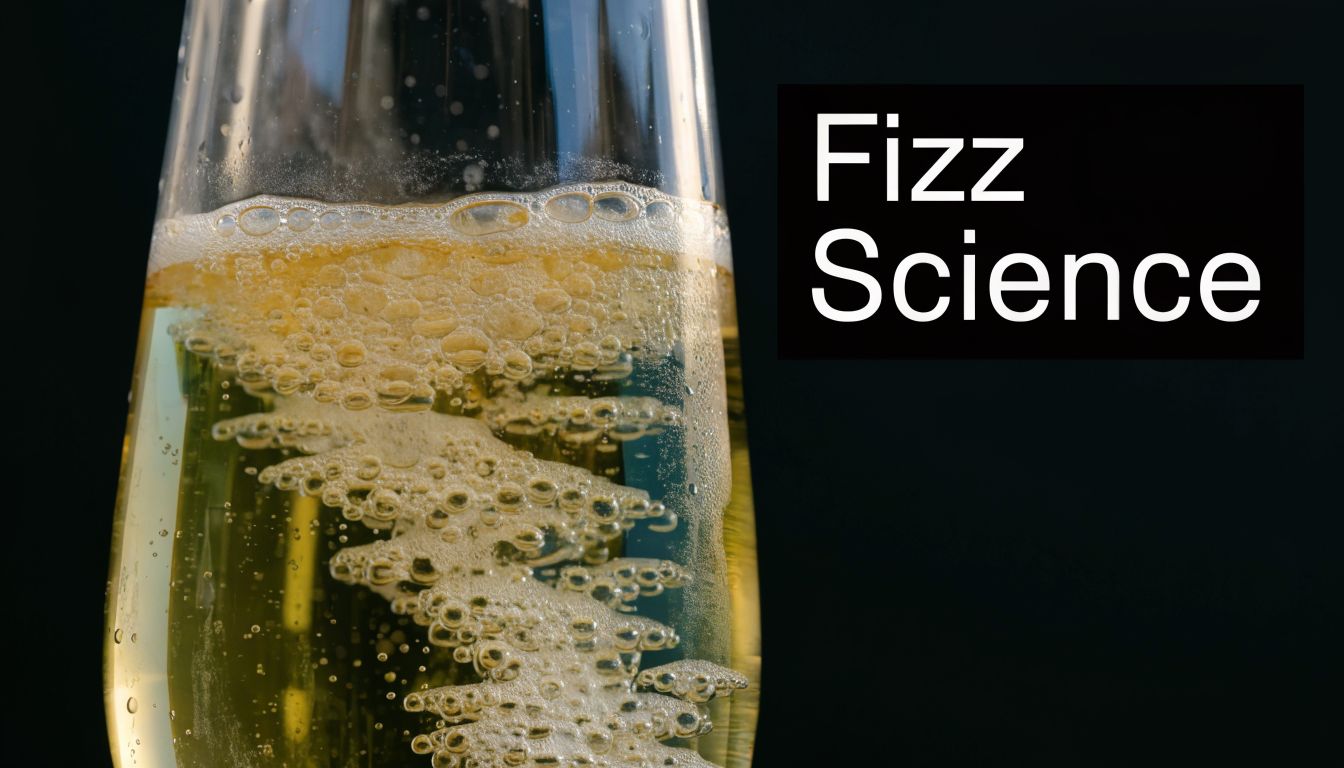
A standard champagne flute is typically 9.25 inches tall with a 9 oz capacity, and that design reduces the surface area exposed to air, helping preserve effervescence for up to 30 to 45 minutes longer than wider glasses. It also supports an ideal serving range of 8 to 12°C, which matters in the UAE’s heat (Dimensions on champagne flute design).
Why the narrow shape works
Sparkling wine is full of dissolved carbon dioxide. The moment you pour it, that gas starts escaping. A wide bowl gives it more room to vanish. A flute slows that process.
In plain terms, less surface area means fewer easy escape routes for bubbles.
That’s why a flute often looks more animated for longer. You see a fine stream of bubbles travelling upward rather than a quick burst that fades into stillness. This isn’t only visual theatre. Those bubbles carry aroma compounds upward as they rise.
Aroma travels upward, not outward
A common point of confusion is this: if a flute is narrow, doesn’t it trap the aroma too much?
Not quite. It focuses aroma rather than flattening it. The elongated bowl channels scent toward the rim, so when you take a sip, the nose meets a more concentrated impression of the wine. With Champagne or quality sparkling wine, that might mean fresher citrus, orchard fruit, floral notes, or a gentle pastry character.
A wide open glass lets those aromatic compounds spread out more quickly. That can be useful for some styles, but not always for a young, fresh sparkling wine where precision is part of the pleasure.
Why temperature matters so much in the UAE
Heat changes sparkling wine fast. In a cool room, a casual pour can still hold together for a while. In Dubai or across the UAE, warmer conditions mean the wine can lose its edge more quickly if the glass isn’t helping.
A flute supports freshness in two ways:
The stem keeps hands away from the bowl, so body heat doesn’t warm the wine as quickly.
The narrow form helps maintain the chill, which protects both flavour and texture.
The best flute doesn’t only show bubbles. It gives the wine a longer life in the glass.
Three things to notice in your next pour
When you serve champagne and flutes together, pay attention to these details:
Bubble trail Look at the base of the glass. You’ll often see a steady, vertical stream rather than scattered fizz.
Aroma at the rim Bring the glass close before sipping. A good flute gathers scent where you need it.
Last sip quality Notice whether the final sip still feels bright and cool. That’s where glass choice proves itself.
For many drinkers, this is the moment sparkling wine becomes more interesting. The flute isn’t just a formal accessory. It’s a tool that helps you see, smell, and taste what was already in the bottle.
A Guide to Champagne Glass Styles
Not every sparkling wine glass behaves the same way. The three styles people know best are the flute, the tulip, and the coupe. Each one changes the balance between bubbles, aroma, and visual effect.
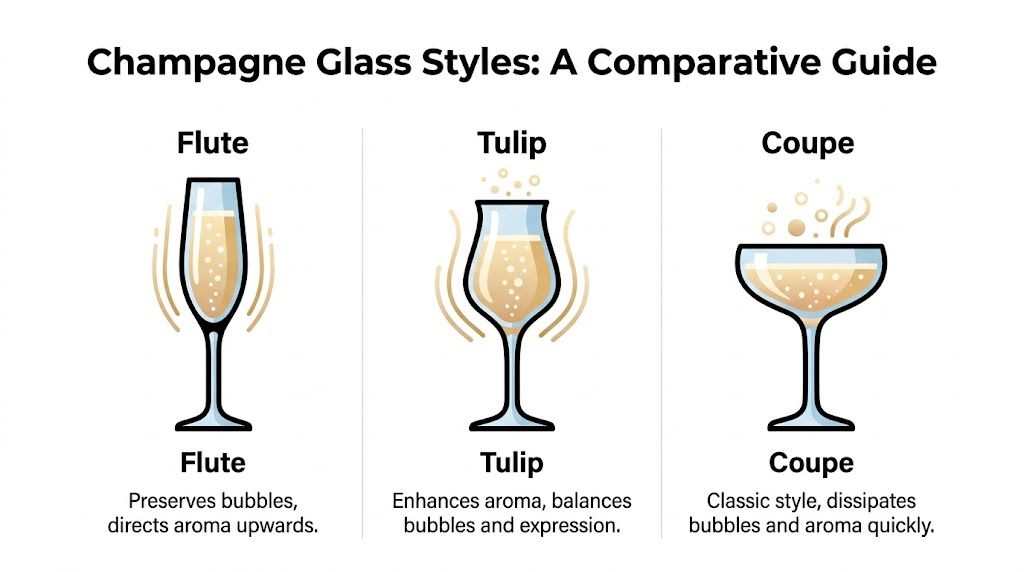
Traditional flutes retain 85 to 90% of initial CO2 after 20 minutes, while tulip glasses retain 70 to 75%. Tulips have bowls that are 15 to 20% wider, which helps develop aroma but allows faster gas loss (Hexie Glass on flute and tulip performance).
A quick side by side view
Glass style | Best for | Strength | Trade-off |
|---|---|---|---|
Flute | Young, crisp sparkling wines | Keeps bubbles lively for longer | Less room for broader aromatic expression |
Tulip | More layered, complex cuvées | Balances aroma and effervescence | Loses sparkle faster than a flute |
Coupe | Cocktails, theatrical presentation, vintage-inspired tables | Visual glamour | Bubbles and aroma dissipate quickly |
The flute
The flute is the classic answer when freshness is the point. If the wine is youthful, zesty, clean, and driven by lively texture, this glass gives it structure.
It’s especially useful when you want the wine to remain animated through a longer conversation or a warm evening service. That’s why many hosts instinctively reach for it, even before they know the technical reason.
A flute also creates the familiar celebratory look people associate with sparkling wine. Tall stems, fine bubbles, and a neat pour all reinforce the ritual.
The tulip
The tulip sits slightly wider in the bowl, then narrows near the rim. This shape gives the wine more room to open while still keeping enough focus at the top.
For drinkers who want more aromatic detail, the tulip often feels more expressive. It suits sparkling wines with more depth, texture, or development. If a cuvée has more layered notes, the tulip allows those details to unfold in a fuller way.
That’s why many sommeliers favour it for more serious tastings. It gives a broader conversation between nose and palate.
If you care most about texture, choose the flute. If you care most about aromatic nuance, the tulip often wins.
The coupe
The coupe is beautiful. No one should pretend otherwise. It carries the glamour of old films, grand hotels, and 1920s tablescapes.
But from a service perspective, it’s the least protective shape for sparkling wine. The broad, shallow bowl exposes the liquid quickly to air. Bubbles fade faster. Aroma escapes faster. The wine can also warm sooner.
That doesn’t make the coupe useless. It means it’s better chosen for atmosphere than precision. It works well for sparkling cocktails or for moments when style is deliberately part of the experience.
How to choose by priority
If you’re unsure, choose your glass by what you want to emphasise:
For lasting fizz, use a flute.
For layered aroma, use a tulip.
For visual drama, use a coupe.
This is why champagne and flutes remain such a natural pairing. Among the three, the flute is the clearest specialist. It was built to protect sparkle first, and that single purpose still matters.
Choosing the Perfect Glass for Your Bubbly
A simple way to choose the right glass is to ask one question. What is this bottle trying to express?
Some sparkling wines are all about lift, brightness, and freshness. Others offer more depth and deserve a little more breathing room. The glass should follow the style of the wine.
When a flute is the right answer
Choose a flute when the wine is energetic and fruit-forward. A non-vintage Brut is a good example. So is a lively Prosecco that you want to feel crisp and refreshing from first sip to last.
This matters increasingly in the UAE because Italian sparkling wines are becoming more visible in the region. Italian Prosecco exports to the Middle East are up 18% year over year, creating a clear opportunity for UAE consumers to pair them more thoughtfully for occasions such as iftar and home entertaining (Olivia Riegel collection page reference).
For bottles like these, the flute supports what makes them appealing:
Crisp fruit stays vivid
The mousse feels more persistent
The overall impression stays neat and focused
When to move to a tulip
A tulip becomes the better choice when the sparkling wine has more complexity. Think of a mature Champagne, a rosé with layered character, or a Franciacorta made in the traditional method.
These wines often offer more than quick freshness. They may show richer bakery notes, more texture, or a broader palate shape. A tulip gives them room to unfold.
A practical pairing guide
Sparkling style | Best glass choice | Why it works |
|---|---|---|
Non-vintage Brut Champagne | Flute | Keeps the style sharp and lifted |
Vintage Champagne | Tulip | Encourages more aromatic detail |
Prosecco | Flute | Highlights freshness and lively fruit |
Franciacorta | Tulip | Better for nuanced, layered character |
Non-alcoholic sparkling option | Flute | Preserves festive texture and visual sparkle |
For UAE celebrations
Local entertaining adds its own considerations. During Ramadan, Diwali, Eid gatherings, corporate gifting, and elegant home dinners, hosts often want a polished presentation without unnecessary complication.
That’s why the flute remains such a dependable default. It works beautifully with a wide range of sparkling styles and suits the pace of service at gatherings where glasses may be poured over time rather than all at once.
A good host doesn’t choose a glass by trend alone. The host chooses the glass that lets the bottle speak clearly.
If you love Italian food and Italian sparkling wines, this choice becomes even more rewarding. Prosecco in a flute feels brighter and more poised. Franciacorta in a tulip feels more complete. The difference isn’t academic. It’s immediate once you taste both side by side.
Mastering the Art of Serving and Pouring
A Dubai terrace at sunset can turn a perfectly chilled bottle warm faster than many hosts expect. In the UAE, good service is not only about style. It is about protecting the wine from heat, preserving its texture, and timing the pour so each glass still feels precise and festive.
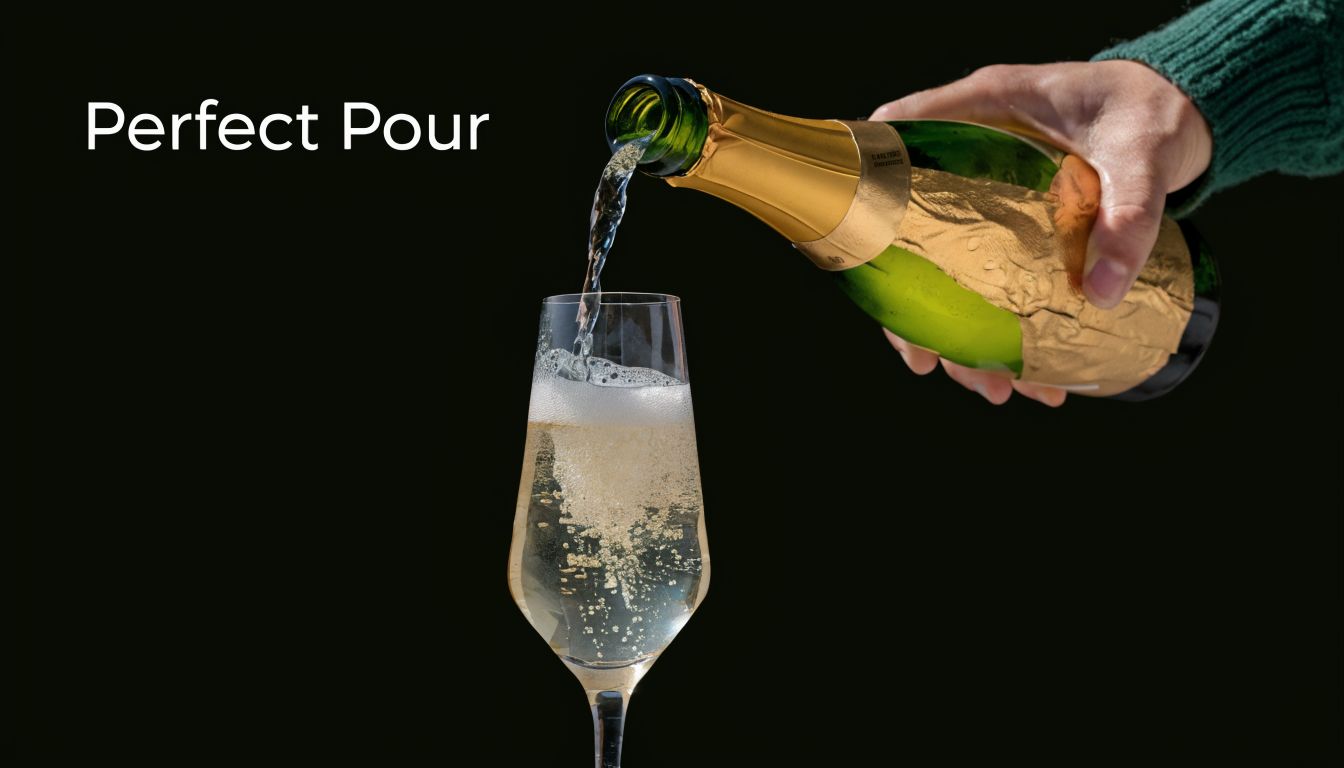
A flute or tulip can only do part of the work. The rest comes from temperature, grip, and pace. Sparkling wine behaves a little like finely whipped cream. Handle it gently and the texture stays light and elegant. Disturb it too much and you lose the refinement that made the bottle special in the first place.
The serving temperature to aim for
For most sparkling wines, 8 to 10°C is a reliable serving range. Colder than that, and aroma tightens up. Warmer than that, and the wine can feel softer, broader, and less refreshing than intended.
This matters even more in the Gulf. Heat shortens the window between “perfectly chilled” and “slightly tired,” especially at outdoor Ramadan gatherings, Diwali dinners, yacht events, and long celebratory tables where bottles may sit out between pours.
A simple rhythm helps. Chill the bottle fully before service, keep it in an ice bucket once opened, and pour close to the moment guests will drink. If you are serving IFM Gourmet’s Italian delicacies, this timing becomes part of the pairing. A crisp pour beside delicate antipasti or premium savoury bites keeps the table feeling bright rather than heavy.
How to pour without losing finesse
The goal is a steady stream and a calm glass.
Hold the glass by the stem This keeps the bowl clear and slows heat transfer from your hand.
Angle the glass slightly Pouring against the inner side of the bowl is gentler on the mousse than sending wine straight into the base.
Pour in a slow, controlled stream Bubbles should rise in fine chains, not surge into a thick cap of foam.
Fill only partway Leave enough space for aroma to gather and for the guest to lift the glass comfortably.
Return the bottle to the bucket between pours In the UAE climate, this small habit makes a visible difference over the course of an evening.
A composed pour suits formal service, but it also helps at home. During iftar or Eid entertaining, hosts often pour in waves as guests settle, snack, and talk. Keeping the bottle cold between rounds preserves the character of the wine from first glass to last.
Sparkling wine should arrive quiet in motion and lively in the glass.
If you want to strengthen your hosting basics beyond wine alone, Learning to Bartend: Your Quick Start Guide is a useful primer on service rhythm, drink handling, and calm table presence.
Service details that guests notice
Guests may not describe these choices in technical terms, but they notice the result. A glass that stays cool feels sharper. A careful pour looks more luxurious. A bottle that is not left idling on a warm table tastes fresher with food.
That is why strong service and pairing belong together. A lively Prosecco poured just before serving can brighten salty nibbles and lighter Italian snacks from IFM Gourmet. A more complex sparkling wine, served cold but not icy, sits more comfortably beside richer regional celebration foods and layered canapés.
Presentation also shapes expectation. For inspiration on refined table styling, this visual reference to premium still water presentation with Lurisia Water shows how even supporting elements contribute to a polished setting.
Later in the service sequence, it helps to watch the motion rather than only read about it:
A few mistakes worth avoiding
Gripping the bowl warms the wine faster than many people realise.
Pouring too fast creates excess foam and leaves less finesse in the glass.
Filling too high gives aroma less space to gather.
Leaving the bottle out between pours lets heat flatten the experience, especially outdoors or in busy reception settings.
Using the same service rhythm for every occasion misses the point. A formal dinner, a Diwali party, and a Ramadan tent each ask for slightly different pacing.
Mastery here is quiet. The guest receives a glass that feels cold, balanced, and ready for the moment.
Caring For Your Crystal and Glassware
Good glassware lasts for years if you treat it gently. Poor cleaning, on the other hand, can dull the look of the glass and interfere with the performance of the wine.
A flute should feel clear, light, and free from residue. If detergent, grease, or cupboard dust remains in the bowl, the bubbles won’t behave as cleanly, and the whole experience becomes less precise.
How to wash them properly
Hand washing is the safest route for fine flutes and delicate tulip glasses.
Use warm water and a small amount of mild, unscented detergent. Rinse thoroughly so nothing remains on the surface. Then dry with a lint-free cloth rather than letting droplets air-dry into marks.
A dishwasher can be convenient, but it’s often too harsh for finer stems and rims. Heat, tightly packed racks, and stronger cleaning agents can all create avoidable wear.
How to store them safely
Storage matters as much as cleaning.
Keep glasses upright in a closed cabinet if possible. That protects the rim and prevents dust from settling into the bowl. If you use open shelving for display, rinse the glasses before serving.
For larger events in Dubai, some hosts and hospitality teams now choose more practical alternatives. A recent trend in the city’s hospitality sector is the use of sustainable, stemless angled flutes, with demand for recyclable glassware rising 22%. These designs offer better stability for busy events and can reduce heat transfer in warm settings (Wayfair keyword page reference).
A simple care checklist
Wash soon after use so residue doesn’t dry onto the bowl.
Use gentle cloths to avoid lint and scratching.
Store with space between glasses so rims don’t knock together.
Inspect before guests arrive because even small chips spoil both safety and presentation.
Clean glassware is part of service, not an afterthought.
If you invest in beautiful flutes, caring for them properly means every future celebration starts with the same clear sparkle.
Create Unforgettable Gifts with IFM Gourmet
A Dubai host is setting the table for an evening gathering. The room is cool, the sweets are arranged, and the bottle is chilled against the heat outside. In that setting, the gift that feels most complete is the one that already knows how it will be enjoyed.
A strong gourmet gift does more than look luxurious. It gives the recipient a moment to step into. Glassware plays a quiet but powerful role in that experience, especially in the UAE, where celebration often blends generosity, presentation, and practical thought about temperature, timing, and occasion.
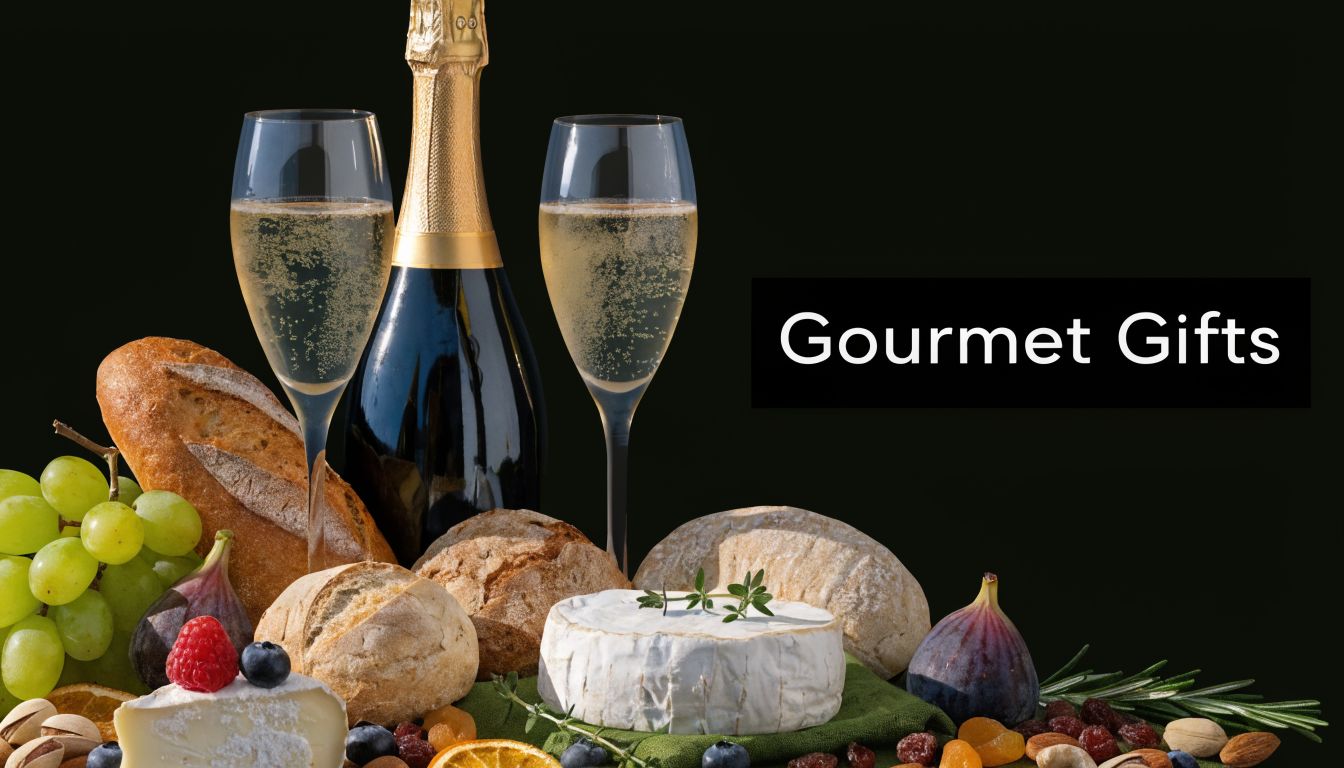
IFM Gourmet Dubai, the luxury online gourmet arm of IFM Investments LLC, brings that sense of occasion into focus with artisanal delicacies, elegant hampers, and a refined Italian point of view. Their visual identity appears in the IFM Gourmet Dubai brand logo.
Matching the glass to the mood of the gift
The right glass gives a hamper direction. It works like the frame around a painting. It shapes how the rest of the gift is perceived before anything is poured or tasted.
A classic flute signals brightness and ceremony. It suits celebratory grazing, polished corporate gifting, and festive boxes built around chocolates, candied treats, or sparkling beverages.
A tulip glass feels more conversational. Its shape suggests slower sipping, richer aromas, and a table where the food matters as much as the toast. That makes it a natural fit for hampers that include Italian pastries, truffle specialities, or savoury pantry items from IFM Gourmet.
Occasion-specific pairings in the UAE
Regional gifting works best when it respects both culture and context. In the UAE, that often means balancing beauty with restraint, and indulgence with climate awareness.
Ramadan gatherings
For Ramadan, the tone is often refined and generous rather than showy. A thoughtful hamper can include tulip glasses or flutes, a premium non-alcoholic sparkling drink, dates, nuts, delicate sweets, and Italian coffee for later in the evening.
That combination suits iftar particularly well. The sparkling element brings celebration to the table, while the glassware keeps the presentation graceful and composed.
Diwali gifting
Diwali welcomes colour, sweetness, and abundance. A flute-led hamper feels especially fitting here because the tall glass adds visual drama and instant festivity.
Pair flutes with sparkling juice or another celebratory bottle chosen to suit the recipient, then add artisanal nougat, premium chocolates, and an Italian dessert item. Panettone with citrus notes or a fine confection from IFM Gourmet can sit beautifully alongside traditional sweets without competing with them.
Christmas and New Year
The holiday season is when classic champagne service feels most at home. Crystal flutes, panettone, pandoro, dark chocolate, and a few luxury table condiments create a gift that feels ready for a family toast.
Panettone is a particularly smart inclusion. Its airy crumb and gentle sweetness sit comfortably beside sparkling wine, much as brioche complements fine bubbles at a tasting. The result feels festive, balanced, and unmistakably Italian.
In a well-built hamper, the glass often gives the whole gift its centre.
Corporate gifting with character
Corporate hampers often succeed or fail on one question. Can the recipient picture using it?
A pair of flutes answers that immediately. The gift no longer feels like a collection of premium items placed in a box. It becomes a welcome-home gesture, a dinner-table addition, or a celebratory moment after a successful quarter.
For clients, executives, or family offices in the UAE, that sense of use matters. It shows care in a way generic luxury rarely does. If you like comparing occasion-specific ideas before assembling a hamper, it can help to explore our Gift Guides for inspiration on tone, presentation, and recipient fit.
Gift style | Glass choice | Food pairing direction |
|---|---|---|
Executive thank-you gift | Flute | Dark chocolate, fine tea, elegant savoury bites |
Festive family hamper | Flute | Panettone, nougat, premium sweets |
Refined tasting hamper | Tulip | Truffle condiments, artisanal crackers, richer desserts |
Non-alcoholic celebration box | Flute | Sparkling juice, dates, nuts, chocolate |
Why IFM Gourmet's Italian delicacies pair so naturally with sparkling gifts
Italian gourmet foods bring a useful kind of versatility. They can feel festive, polished, and comforting at the same time.
That matters in the UAE market, where one hamper may need to suit a Ramadan host, a Diwali family gift, or a year-end corporate gesture. IFM Gourmet's Italian selection gives you room to shape the mood clearly. Organic breakfast items suggest a sparkling brunch. Panettone and chocolates create a dessert-led celebration. Truffle products and fine pantry staples point toward aperitivo hour and a more savoury table.
The glass ties those choices together. It tells the recipient, clearly, that this is not just food. It is an occasion with a style.
The detail people remember
Recipients often forget the exact number of items in a hamper. They remember the one detail that changed the experience.
Often, that detail is the glass.
The bottle may be finished that evening. The sweets may disappear over a weekend. A beautiful flute or tulip glass remains for the next celebration, and in a place like Dubai, where hospitality is both social language and personal expression, that lasting element gives the gift more meaning.
For elegant hampers, artisanal Italian delicacies, and beautifully curated celebration gifts in Dubai, visit IFM Gourmet Food Store. Their selection brings together luxury, authenticity, and occasion-ready refinement for Ramadan, Diwali, Christmas, corporate gifting, and every memorable toast in between.

Comments