Crushed Chili Pepper: A Guide to Heat, Flavor, and Use

You're standing at the hob with a pan of olive oil, garlic just beginning to turn fragrant, and dinner is one small decision away from being either beautifully balanced or far too aggressive. That decision is often a pinch of crushed chili pepper.
Most home cooks know the shaker. Fewer know how much difference there is between a bright, purposeful heat and a blunt, dusty one. In Italian cooking, that difference matters. A little crushed chili pepper can wake up tomato sauce, sharpen the finish of pasta aglio e olio, or give pizza a satisfying lift. Too much, or the wrong kind, and it flattens the dish.
I write about it this way because good Italian food rewards restraint. It asks you to notice texture, aroma, and timing. Crushed chili pepper isn't only about making food hotter. It's about making flavour feel more alive.
For readers who know the UAE gourmet scene, it also helps to know who is shaping that conversation. IFM Gourmet Dubai is the luxury online gourmet arm of IFM Investments LLC, a culinary-focused company based in the UAE. Their gourmet store offers an impressive lineup of artisanal delicacies, including sweets, savories, fine chocolates, premium teas, cakes, and beautifully curated gift hampers. They are part of the broader Italian Food Masters group and are known for quality, authenticity, and culinary elegance in Dubai's gourmet scene.
The Fiery Heart of Italian Flavor
You see it most clearly with a simple plate of pasta. The sauce is ready. The tomatoes are sweet enough, the olive oil is grassy and round, the basil is fresh. But the dish still feels slightly unfinished. A measured pinch of crushed chili pepper can supply exactly what's missing: tension.
In many Italian kitchens, chilli isn't there to dominate. It sits in the background and gives shape to the other ingredients. That's why cooks return to it for sauces, vegetables, seafood, and pizza. Used well, it doesn't announce itself first. It supports the dish, then leaves a pleasant warmth at the end of each bite.
A home cook often gets confused at this point. If chilli adds excitement, why not add more? Because Italian food is usually built on clarity. Garlic should still taste like garlic. Tomato should still taste like tomato. Good olive oil should still carry the dish.
Kitchen truth: Heat should widen flavour, not cover it.
That's why I tell enthusiastic cooks to think like a composer, not a thrill-seeker. If you're making arrabbiata, the chili belongs inside the sauce from the beginning. If you're finishing pizza, the flakes act more like a final accent. The same ingredient does different work depending on when it enters the dish.
For visual inspiration, think of the sort of pasta plate shown in this Italian pasta serving image. A dish like that needs precision. One careless spoonful of generic flakes can pull it away from elegance very quickly.
Why it matters in everyday cooking
A pantry staple earns its place when it solves a common problem. Crushed chili pepper does that in several ways:
It lifts rich sauces by cutting through oil and cheese.
It sharpens mild ingredients such as courgettes, potatoes, and beans.
It adds depth to tomato dishes when sweetness needs contrast.
It improves the finish of a dish that tastes flat but doesn't need more salt.
That's why this humble condiment belongs in a serious home kitchen. Not as a reflex. As a tool.
What Exactly Is Crushed Chili Pepper
The first thing to clear up is simple. Crushed chili pepper is not the same as a fine chili powder.
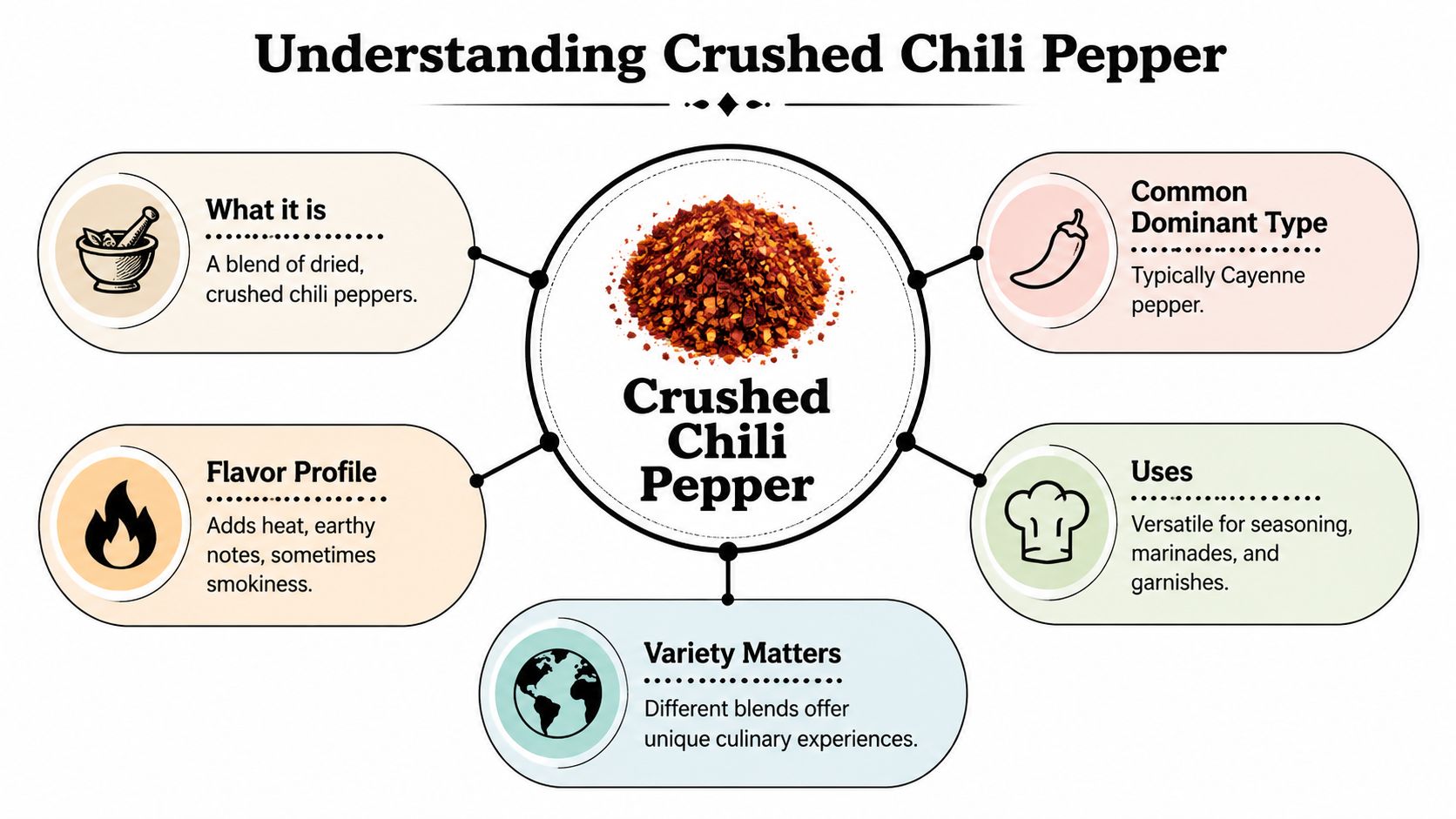
According to the definition in this reference on crushed red pepper, crushed red pepper is a condiment made from dried and crushed (not ground) red chilies, most commonly cayenne-type peppers, which typically fall within the 30,000–50,000 Scoville unit heat range. That same source notes that the crushed format preserves seed and skin fragments, which contribute texture and help release volatile oils during cooking.
Crushed versus ground
Many cooks slip when they treat every red spice as interchangeable, but the texture changes how the ingredient behaves in a pan.
Ground powder disperses quickly and gives a more immediate, even heat. Crushed chili pepper releases flavour more gradually. The flakes, seeds, and skin fragments toast in oil, perfume the dish, and leave tiny bursts of heat rather than a single flat note. That coarser structure is part of the appeal.
Think about the difference in practical terms:
Ground chili powder disappears into the sauce.
Crushed chili pepper remains visible and textural.
Fine powder can turn harsh if overused.
Flakes often feel brighter because their oils bloom during cooking.
Why the format changes flavour
When you warm crushed chili pepper in olive oil, the aromatics open slowly. You smell chilli, but also something earthy and slightly dried-fruit-like. That's one reason it pairs so well with tomato, garlic, and anchovy. It has enough presence to stand up to assertive ingredients without becoming muddy.
Home cooks sometimes assume the seeds are there only for decoration. They're not. In a crushed blend, both seed and skin help create the familiar look and eating experience people associate with chili flakes on pizza or in pasta sauces.
A jar of flakes should look alive. You want visible pieces, colour variation, and very little dusty residue at the bottom.
It's a category, not one fixed product
Even when cayenne-type peppers dominate, crushed chili pepper can still vary from one maker to another. Some blends are sharper. Some are warmer and rounder. Some taste clean and bright, while others lean stale and dry.
That's why buying blindly by label often disappoints. A good cook doesn't just ask, “Is this hot?” A better question is, “What kind of heat does this bring, and will it suit the dish I'm making?”
Understanding Heat and Flavor Profiles
You sprinkle flakes over a late-night bowl of spaghetti, expecting a gentle glow, and instead the heat rushes in front of everything else. That usually happens because home cooks measure chili only by intensity, while good Italian cooking asks a second question first. What kind of heat is this, and what does it do to the dish?
The Scoville scale helps, but only up to a point. It measures pungency, not character. A chili can register as fairly hot and still taste clean, fruity, and useful. Another can deliver the same general force while feeling flat or dusty on the palate.
SHU works like a ruler. It tells you how far the heat reaches, not whether the flavour is worth bringing into the kitchen.
How to read heat in a useful way
A moderate flake warms the mouth gradually. A sharper one arrives quickly and lingers at the back of the throat. The same chili also behaves differently depending on its company. In olive oil, the heat feels rounder and more aromatic. In tomato, acidity sharpens the edges. In cream or cheese, fat softens the attack and spreads the sensation more gently.
That is why a flake that feels balanced on a pizza finished with chili at the table can seem aggressive in a delicate white bean soup.
A simple heat comparison
Pepper Type | Typical Perception of Heat |
|---|---|
Paprika | Mild to barely hot |
Crushed chili pepper | Noticeable, assertive warmth |
Cayenne-style crushed red pepper | Hotter, quicker impact |
Ghost pepper | Extreme, usually too forceful for everyday Italian cooking |
That middle position explains why crushed chili pepper remains popular. It has enough force to wake up garlic, tomato, and olive oil, yet it usually stays short of the punishing heat that overwhelms a plate of pasta.
Flavor matters more than many cooks realize
The best flakes do more than burn. You may notice dried fruit, a faint bitterness like chicory, or an earthy note that settles into legumes and slow-cooked sauces. Those details separate a useful pantry staple from a generic red shaker.
Poor flakes taste one-dimensional. Good flakes create shape in the dish.
This is also where a quality-focused cook starts to outgrow the idea that crushed chili pepper is the answer to every need. If you want clean perfume without visible pieces, infused oil may serve the dish better. If you want a more precise finish, a custom flake blend with selected peppers gives you better control than an anonymous commercial mix. Choosing between them is less about heat tolerance and more about culinary intention.
Why one jar feels different from another
Two products labeled similarly can cook very differently because pepper variety, drying, age, and the ratio of skin to seed all change the final impression. One blend gives a bright, quick spark that suits pizza. Another melts into ragu with deeper, steadier warmth.
A practical test helps. Warm a small pinch in oil, smell it, then taste the oil with bread. If the flavour opens and stays clear, you have a flake worth using. If it turns dusty or harsh, save your money next time and choose a better source, much as a buyer looking for the best splitting axe Auckland would judge balance and purpose, not just the label.
For the Italian home cook, that is the important lesson. Heat is only one part of the profile. The wiser question is whether crushed chili pepper is the right tool, or whether a finer ingredient will cook the dish with more precision.
Mastering Its Use in Italian Cooking
You have a pan of garlic just turning fragrant, the pasta water is ready, and the oil looks calm. This is the moment crushed chili pepper either brings the dish into focus or pushes it off balance. In Italian cooking, timing matters as much as quantity.
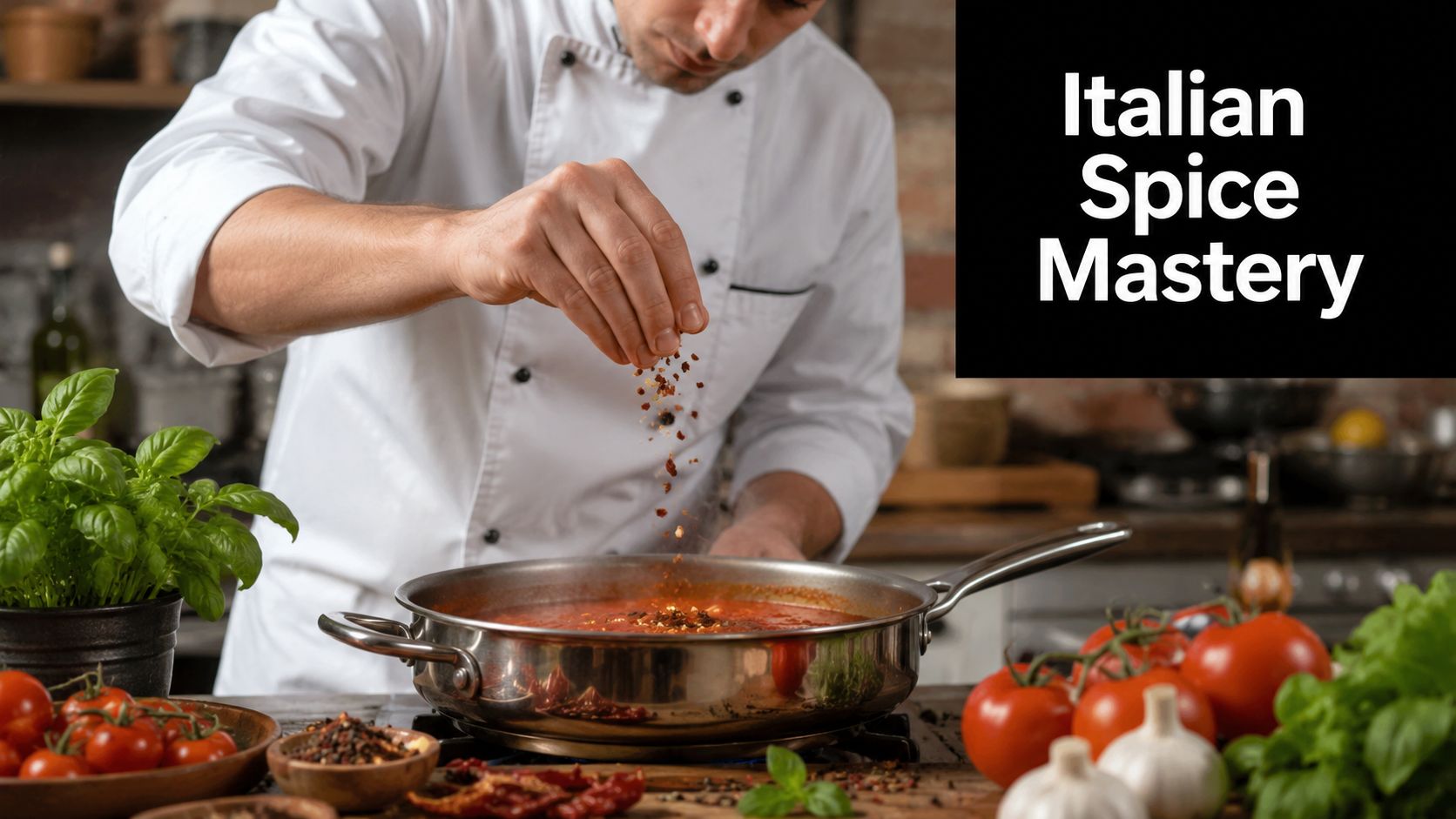
As noted earlier, crushed chili pepper can range from moderate to quite assertive. That range is exactly why a good cook treats it as a seasoning technique, not just a spicy garnish. The goal is to place the heat where the dish needs it. Sometimes that means cooking it into the sauce. Sometimes it means adding only a final pinch. Sometimes it means choosing another ingredient altogether.
Start with blooming
The first skill to learn is blooming the flakes in oil. Warm olive oil loosens the pepper's aroma and carries it through the dish much more evenly than tossing flakes in at the end.
Keep the heat gentle. If the chili darkens quickly or the garlic starts to color too soon, the pan is too hot. Burnt flakes give bitterness, and bitterness is much harder to correct than mild heat.
Blooming changes three things at once:
It rounds off the dry, sharp edge.
It spreads warmth through the fat, so the spice feels integrated.
It lets you taste early and decide whether the dish wants more.
Aglio e olio shows this clearly. Garlic, oil, and chili should taste connected, like three notes in the same chord. If the flakes go in too late, the heat sits on top. If they fry too hard, the whole plate tastes tired and harsh.
Match the timing to the dish
Different dishes ask for different treatment.
In arrabbiata, add the chili early enough for it to settle into the tomatoes. The sauce should carry a steady warmth from the first bite to the last. In polenta or bean dishes, use less than you think you need. Their job is comfort, and too much chili flattens the sweetness that makes them satisfying.
Pizza is different. A finishing pinch can work beautifully because the flakes stay visible and lively against the cheese and tomato. For a visual reference, the kind of finish that suits this approach is close to this artisan pizza presentation. The chili should support the crust, not steal attention from it.
Use chili as part of the structure
A good Italian dish is built in layers. Salt gives shape. Acid gives lift. Fat carries flavour. Chili belongs in that structure.
If your tomato sauce tastes very sweet, a small amount of chili can tighten it. If your olive oil already has a peppery finish, reduce the flakes or skip them. If the dish includes anchovy, nduja, cured meats, or sharp pecorino, remember that forceful ingredients make one another feel stronger.
This is also the point where an enthusiastic home cook begins to cook with more intention. Crushed chili pepper is useful, but it is not automatically the best answer. For a silky seafood pasta or a delicate vegetable contorno, a clean chili-infused oil often gives better control. For grilled meats or rustic tomato sauces, a custom flake blend can give a broader, more interesting heat than a generic shaker.
Precision matters here in the same way it matters with tools. A cook chooses based on result, not habit. The comparison is unusual, but the logic is familiar in guides like best splitting axe Auckland, where shape and purpose affect performance more than raw force. Chili works the same way. The right form, used at the right moment, improves the dish more than adding more heat.
Add a little, taste, then wait a moment. Chili often arrives fully only after the oil and sauce have had time to carry it.
Beyond the Shaker Authentic Alternatives
There's a point where a standard shaker of flakes stops being the best answer. That point usually comes when the dish is delicate, ingredient-led, or intended to feel polished rather than merely spicy.
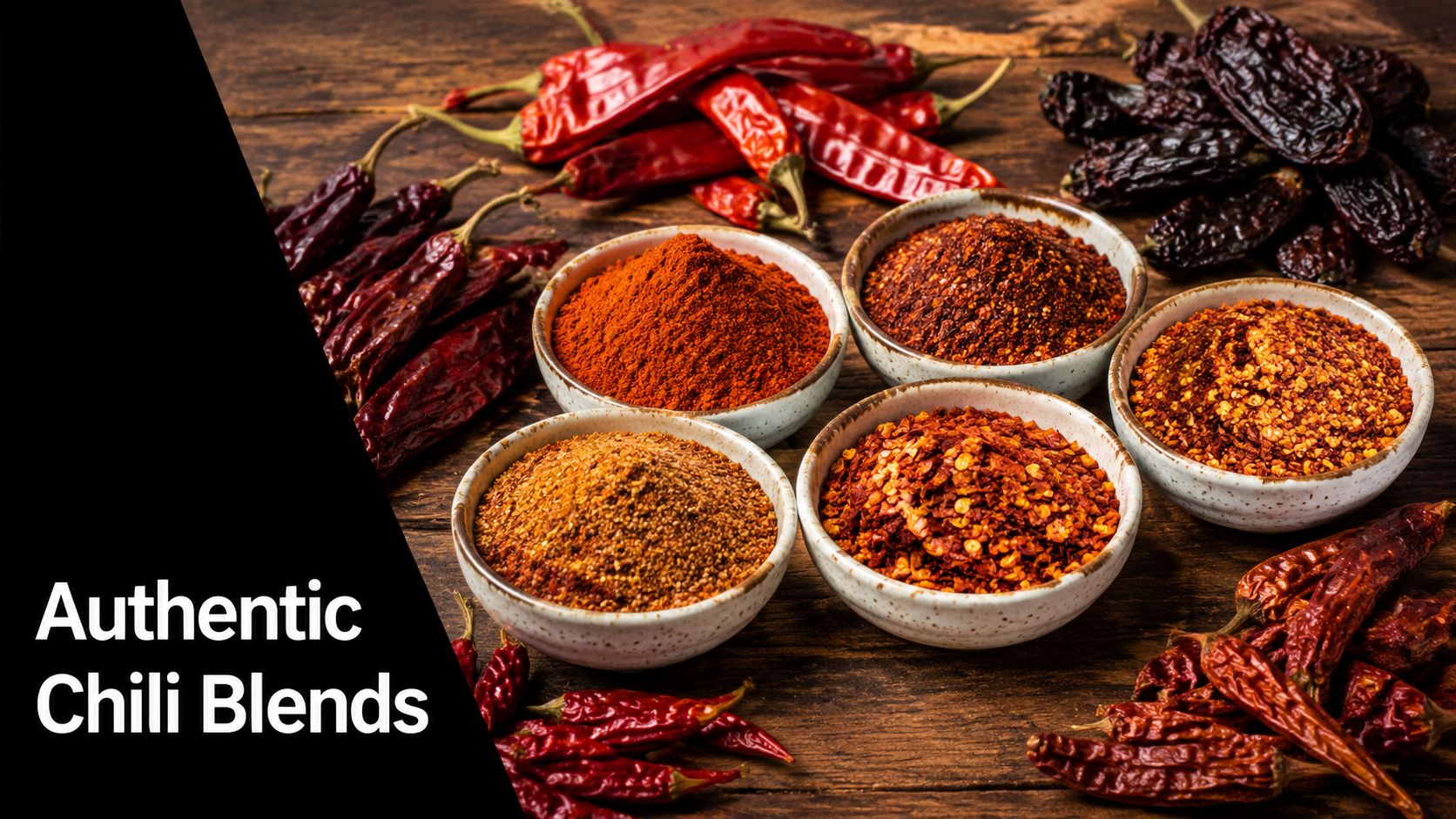
A useful perspective comes from this article discussing refined Italian cooking, which notes that top Italian chefs are actively replacing standard crushed red pepper with fresher alternatives such as toasted chili oils or house-made flake blends. That fits what discerning cooks in the UAE often want as well. Heritage ingredients, cleaner flavour, and more intention.
When standard flakes still make sense
Let's be fair to the classic shaker. It has a place.
It works well for:
casual pizza nights
rich tomato sauces
roasted vegetables
dishes where visible flakes add character
In those cases, convenience and familiarity are part of the charm. You're not trying to create a whisper of heat. You want a direct, rustic effect.
When to move to something better
Refined dishes ask for more nuance. If you're dressing grilled prawns, finishing burrata, or spooning sauce over handmade pasta, ordinary flakes can feel clumsy. The texture may be too rough. The aroma may be too generic. The heat can arrive without enough supporting flavour.
That's where alternatives shine.
Toasted chili oil
A well-made oil gives warmth without the visual interruption of seeds and skins. It coats evenly, looks elegant, and lets you control intensity drop by drop.
House-made flake blends
A custom blend allows a cook to tune both flavour and texture. One pepper might bring brightness, another depth, another colour. The result feels chosen, not default.
Freshly crushed specialty peppers
These can add a more distinctive personality to a dish. The flavour often tastes more vivid because the product hasn't spent ages losing aroma in a generic shaker.
Refined cooking often asks a simple question: does this ingredient taste intentional?
That's the main issue. Not whether crushed chili pepper is good or bad, but whether it is the right expression for the dish in front of you.
A Practical Guide to Buying and Storing
Buying good crushed chili pepper is easier when you stop reading only the front label and start using your senses. Colour, aroma, and texture tell you far more than marketing language.
In the UAE, storage matters even more because climate works against dry goods. A practical benchmark from this guide to red crushed chili pepper notes that maintaining moisture below 12% is critical in the UAE market to help prevent microbial growth and preserve aromatic integrity. For the home cook, that translates into one clear habit. Keep your chili dry, sealed, and away from heat.
What to look for when buying
A strong jar starts with appearance. You want flakes that look vibrant rather than tired.
Use this checklist:
Look for colour: Bright red to deep red is usually more promising than dull brown.
Check the texture: You want visible flakes and seeds, not a jar full of powdery dust.
Smell before buying when possible: A good product smells warm and lively. A flat aroma usually means flat flavour.
Choose better packaging: Glass jars often protect the product better once opened because they reseal firmly and don't absorb odours.
How storage changes the flavour
Crushed chili pepper loses quality for predictable reasons. Light dulls colour. Heat weakens aromatic oils. Moisture creates clumping and can damage the product more seriously.
That's why storing it beside the cooker isn't ideal, even if it's convenient. A cool cupboard is better. So is transferring a flimsy packet into a tightly sealed jar once opened.
A simple home routine
If you cook often, keep a small working jar and refill it from a larger sealed container stored in a dark cupboard. That reduces how often the full supply gets exposed to steam and kitchen heat.
A smart routine looks like this:
Open only when needed
Keep the lid tightly closed
Avoid wet spoons
Store away from sunlight and the hob
If the flakes smell faint when you open the jar, your food will taste faint too.
Freshness isn't a luxury detail here. It's the difference between a spice that brightens dinner and one that merely makes it hotter.
The Art of Gifting With a Touch of Spice
A well-chosen food gift tells the recipient how you expect them to enjoy it. That's why crushed chili pepper can be surprisingly effective in a gourmet hamper. It suggests a mood as much as an ingredient. Pasta night with depth. Pizza with personality. A simple dinner that feels thought through.
The smartest approach is to treat the chili as one element in a complete story. Pair it with bronze-die pasta, extra virgin olive oil, and a tomato product suited to a quick supper. Add a small note explaining how to bloom the flakes gently in oil before building the sauce. Suddenly the jar doesn't feel incidental. It feels curated.
Pairings that make sense
A spice-led hamper works best when every item has a role:
For pasta night: Crushed chili pepper, olive oil, pasta, and tomato products
For pizza lovers: Chili flakes, olive oil, flour or bases, and savoury accompaniments
For elegant hosting: A refined chili option paired with antipasti and a finishing oil
This idea also works for corporate gifting and festive occasions because it's thoughtful without being overly complicated. The recipient doesn't need specialist knowledge to enjoy it. They only need one free evening and a bit of appetite.
Why it feels more personal
A generic gift says, “I bought something nice.” A food gift built around cooking says, “I imagined how you might use this.” That shift matters.
Crushed chili pepper is particularly good for this because it speaks to both confident cooks and enthusiastic beginners. It's familiar enough to feel welcoming, but nuanced enough to feel refined when paired with quality ingredients.
A memorable hamper doesn't need dozens of items. It needs a clear idea.
If you'd like to explore authentic Italian ingredients, elegant pantry staples, and beautifully curated hampers for home dining, festive occasions, or corporate gifting, visit IFM Gourmet Food Store.

Comments