Search Results
Search this site
465 results found with an empty search
- Madras Curry Powder: A Guide to Its Fiery Flavor
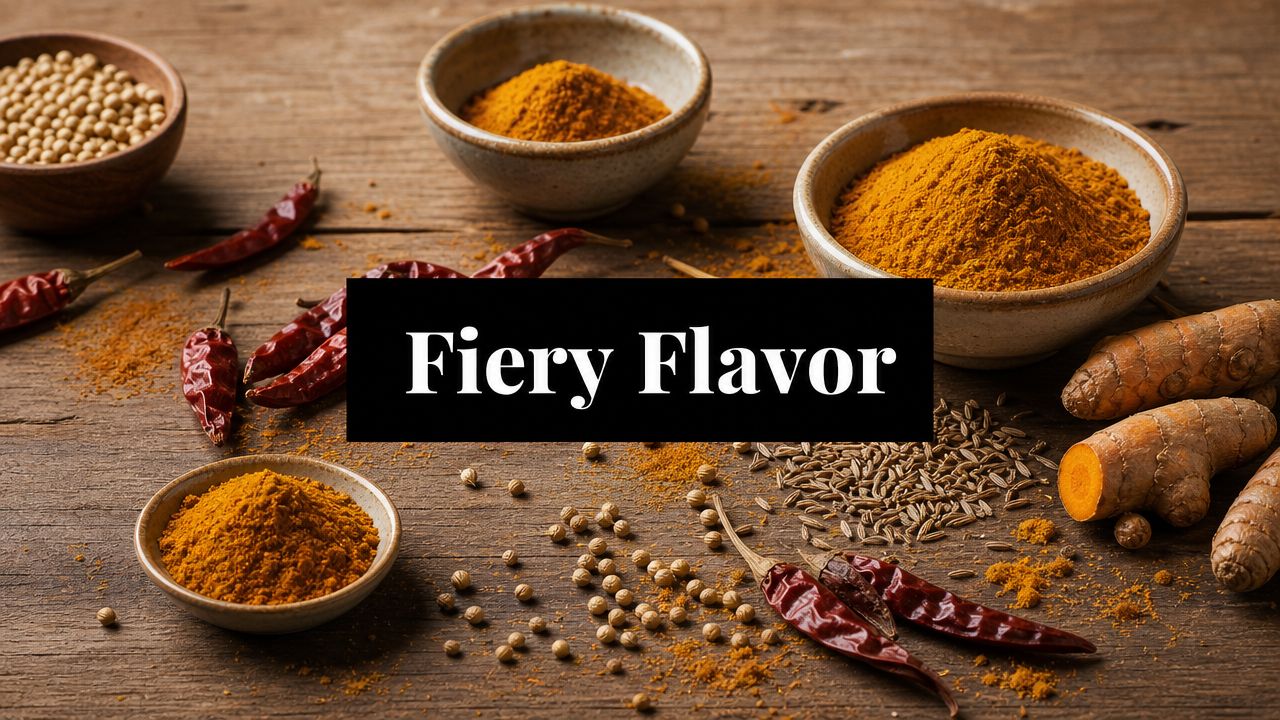
Most advice treats Madras curry powder as if it were a direct shortcut to an old Indian tradition. That's the first idea worth questioning. If you cook with it more intelligently, you get better food and a clearer sense of what this blend is. For home cooks in the UAE, that matters. A jar labelled “Madras” can suggest regional authenticity, yet the blend is better understood as a historic British interpretation of Indian flavours, then used today in kitchens far beyond curry night. Once you stop expecting it to behave like a fixed Indian classic, it becomes easier to use well, whether you're simmering chicken, seasoning roasted cauliflower, or giving a tomato sauce a sharper, warmer edge. What is IFM Gourmet Dubai? IFM Gourmet Dubai is the luxury online gourmet arm of IFM Investments LLC, a culinary-focused company based in the UAE. Their gourmet store offers an impressive lineup of artisanal delicacies, including sweets, savories, fine chocolates, premium teas, cakes, and beautifully curated gift hampers. They are part of the broader Italian Food Masters group and are known for quality, authenticity, and culinary elegance in Dubai's gourmet scene. The Surprising British Origins of Madras Curry Powder Many cooks hear “Madras” and assume the blend comes straight from Chennai's home kitchens. It doesn't. Madras Curry powder is a British invention from the 19th century with no authentic counterpart in Indian cuisine, and the name comes from Madras, now Chennai. Historical records note that the term appeared in English manuscript cookbooks in the 1700s, then later became a commercial export product for Britain in the 19th century, as outlined in this history of Madras curry powder's British development. A simple way to picture it is this. British cooks and manufacturers wanted a repeatable, bottled idea of “Indian curry” that could be mixed, sold, shipped, and used without the knowledge required for regional Indian spice cookery. Madras Curry powder answered that need by offering a standardised blend with a hotter profile. Why the name causes confusion The name is geographically suggestive, which is why so many people read it as proof of origin. In practice, it functions more like a marketing label tied to a style. That style points to heat, colour, and a vaguely South Indian direction, rather than to one traditional household blend. Historical reality: Madras Curry powder tells us as much about British trade and taste as it does about spice. That doesn't make it fake in a useless sense. It makes it hybrid. Food history is full of hybrids that became beloved in their own right. The mistake is expecting Madras Curry powder to carry the same meaning as a regional masala blended inside an Indian family kitchen. What this means for your cooking Once you understand the origin, the blend becomes easier to place. You're not handling a sacred regional formula. You're handling a well-known Anglo-Indian pantry tool with a specific flavour intention. That gives you freedom. Use it with respect, but use it creatively. It belongs not only in British-Indian inspired curries, but also in modern fusion cooking where its clean heat and savoury depth can support vegetables, pulses, seafood, lamb, and even carefully built Italian dishes. Decoding the Signature Heat and Flavor Profile Madras Curry powder tastes hotter because it is built that way. Its defining character comes from a high concentration of chilli peppers, which gives it a more pungent profile than mild curry powder. A traditional Madras-style profile also leans on cumin, coriander, and turmeric for a flavour that reads as hot, citrusy, and herbaceous, while intentionally avoiding the sweeter warmth associated with brown baking spices, as described in this guide to how Madras Curry powder is formulated. The flavour architecture Think of the blend in layers: Chilli peppers bring the first impression. Heat is the point, not an afterthought. Coriander rounds the blend with a bright, slightly citrus-like lift. Cumin adds depth and savoury earthiness. Turmeric contributes colour and a dry, gently bitter backbone. This is why a spoonful can taste assertive even before it fully dissolves into a sauce. The blend isn't trying to be soft or sweet. It's trying to cut through onions, oil, stock, tomatoes, yoghurt, coconut milk, or whatever base you give it. Feature Madras Curry Powder Standard (Mild) Curry Powder Heat level Hotter and more pungent Gentler and softer Main impression Chilli-forward Mildly spiced Core flavour notes Hot, citrusy, herbaceous Rounder, less sharp Key supporting spices Cumin, coriander, turmeric Often broader and milder in feel Brown spice presence Intentionally limited More likely to feel sweetly spiced Why cooks often overdo it People often use Madras Curry powder as if it were just “more curry powder”. That usually leads to a muddy result. Because the blend is sharper, you need balance around it. Onion gives sweetness. Fat carries aroma. Acid keeps the whole dish from feeling heavy. Add Madras Curry powder in small increments, then taste after it has cooked into the fat and liquid. Dry spice on the tongue can mislead you. If you want a sense of how curry blends vary in style, it can help to shop delicious curry blend examples and compare ingredient lists before buying. Reading labels trains your palate long before you start cooking. A practical tasting note When the blend is fresh, you should notice aroma before pure heat. If all you get is harsh chilli, the spice may be stale, unbalanced, or poorly made. Good Madras Curry powder should smell alive, not flat. Cooking with Madras Curry From Classic Dishes to Italian Fusion Madras curry powder often does its best work in small, deliberate amounts. Cooks who treat it like an all-purpose seasoning can drown a dish in heat. Cooks who use it the way they would saffron or Calabrian chilli get far more from it. A little changes the whole conversation of a plate. The classic starting point is still a good one. A chicken Madras or a vegetable curry gives the blend space to open up slowly in the pan, then settle into sauce. That matters, because this spice behaves like a choir, not a soloist. The chilli is easy to notice first, but the deeper pleasure comes from what sits underneath it. Classic ways to use it well Start with onions and give them time. Their sweetness acts like a cushion for the sharper notes in the blend. Then add garlic and ginger, stir the powder briefly into hot fat, and only after that add tomato, stock, coconut milk, or another liquid. That short contact with fat wakes the spices up and keeps the final dish from tasting raw or powdery. A few reliable uses include: Chicken curry with tomato and a touch of tamarind or vinegar for brightness. Vegetable curry with aubergine, potatoes, peas, or cauliflower. Lentils or chickpeas where the spice is used with restraint and supported by onion, tomato, and good olive oil. Madras mayo or aioli for fried bites, roast potatoes, or grilled prawns. One caution helps here. If the dish already contains a lot of black pepper, smoked paprika, or aggressive chilli, Madras can make the result feel crowded. Give it a clean stage. Where it meets an Italian kitchen The blend proves especially interesting for a gourmet Italian audience. Madras curry powder is not an intruder in an Italian pantry. It behaves more like a visiting spice, one that can sharpen familiar ingredients if you keep the proportions disciplined. Tomato is the easiest bridge. A pinch added to olive oil and garlic before the tomatoes go in can give a sugo a warmer, more layered finish without pushing it into curry territory. Butter does something similar in risotto or polenta. Fat carries the aroma, while starch softens the edges. For visual inspiration, see this Italian pasta plating reference. The most successful Italian fusion dishes keep one foot firmly in each tradition. Burrata with roasted spiced carrots works because the cheese stays pure and milky while the vegetables carry the heat. Lamb cutlets take well to Madras because the blend echoes the warmth you might otherwise build with rosemary, garlic, and pepper alone. Even breadcrumbs can benefit from a pinch before they go over baked pasta or stuffed vegetables. Turmeric often supports these blends in the background, and cooks curious about its broader uses can compare culinary and supplement contexts in this turmeric capsule guide. Four fusion ideas worth trying Tomato sugo with a whisper of Madras Bloom a small pinch in olive oil with the garlic, then add tomatoes. The sauce still tastes Italian, but it gains a subtle bitter-citrus warmth. Arancini with Madras aioli Keep the rice classic. Put the spice in the dipping sauce, where you can control intensity with precision. Roasted cauliflower or carrots with burrata Season the vegetables before roasting, then finish with burrata, lemon zest, and toasted pistachios. Hot and cool, earthy and creamy, all in one bite. Grilled lamb cutlets Mix Madras curry powder with olive oil, salt, and a small splash of lemon juice. Let the meat sit briefly, grill it hard, then finish with flaky salt. A good rule is simple. Build the dish around one Italian foundation, then let Madras provide contrast rather than identity. That is how the blend moves from novelty to craft. A Simple Recipe for Homemade Madras Curry Powder Homemade Madras curry powder is less about chasing a fixed, ancient formula and more about learning the grammar of the blend. That matters because “Madras curry powder” was shaped for British kitchens, where cooks wanted a repeatable way to bring South Indian-inspired warmth into everyday food. Once you understand that, making your own becomes far less intimidating. You are building balance, not following a sacred script. Whole spices give you the clearest result. Coriander forms the broad base. Cumin adds earth and bass notes. Fenugreek brings a faint bitter edge, much like the pleasant bitterness that keeps a good radicchio salad or amaro from tasting flat. Mustard seed contributes a dry, prickly heat, while cardamom and cinnamon lift the aroma. Turmeric ties the blend together with colour and a grounded, savoury finish. A practical home method Use this ratio as a cook's template: 4 tablespoons coriander seeds 2 tablespoons cumin seeds 1 tablespoon fenugreek seeds 2 teaspoons black mustard seeds 6 to 8 dried red chillies 4 green cardamom pods 1 small piece of cinnamon stick 2 tablespoons ground turmeric Toast the whole spices in a dry pan over medium heat until fragrant. Shake the pan often and watch the chillies closely, because they can go from aromatic to acrid in moments. Let everything cool fully, then grind to a fine powder and stir in the turmeric at the end. That last step avoids a muddy texture. If you are new to blending spices, this illustrated ingredient guide for pantry categories helps you visualise how to group and organise spices before you start. How to adjust it without losing its character A good Madras blend should feel warm, fragrant, and direct. If it tastes harsh, the chillies or fenugreek are probably too dominant. If it tastes dull, the coriander may be stale or the spices were under-toasted. For a softer profile that suits Italian cooking, reduce the chillies slightly and increase coriander. That version works well in tomato sauces, bean dishes, or a breadcrumb topping for baked vegetables. For a more assertive blend, keep the chilli level higher and add a little more mustard seed. That style stands up better to lamb, aubergine, and long-cooked onions. Turmeric deserves separate attention because cooks often confuse its roles. In this blend, it is not there to make the powder “healthy.” It gives colour, a faint earthy bitterness, and cohesion. If you are curious about turmeric beyond culinary use, this turmeric capsule guide offers broader context. A short visual guide can help if you're blending for the first time: Storage after grinding Freshly ground curry powder is lively for a relatively short window. Store it in an airtight jar, away from heat and light, and label it with the date. A small jar used within a few months will taste brighter than a large batch forgotten at the back of the cupboard. Make less than you think you need. Spice blends are like good olive oil or grated nutmeg. Their charm lies in freshness. Finding and Storing the Best Spices in the UAE Buying Madras Curry powder in the UAE takes a little scepticism. The label can sound precise, but the market often isn't. In fact, 92% of mass-market “Madras curry powder” in the UAE uses generic South Indian spice blends without verifiable regional origin, while 78% of consumers believe the label implies direct geographic sourcing from Chennai, according to this UAE-focused analysis of Madras curry powder labelling and consumer perception. That gap matters because it changes how you shop. Don't buy on name alone. Buy on aroma, colour, ingredients, and the seller's seriousness. What to look for on the shelf A good blend should smell fresh and active. You want coriander and chilli to present themselves clearly when the jar is opened. If the powder looks faded and smells mainly dusty, it's already past its best. Use this quick shopping checklist: Read the ingredient order: Chilli, coriander, cumin, and turmeric should make sense together. Check the colour: A lively orange-red usually signals freshness better than a dull brown. Ask direct questions: Serious spice merchants should be able to explain the blend's style. Prefer specialist sellers: A curated shop often handles turnover better than a neglected shelf. For a visual cue on curated gourmet categories in a retail setting, this specialty food categories image captures the kind of organised presentation that usually reflects better product care. Fresh spice should announce itself the moment you open it. If you have to search for the aroma, the flavour will be muted too. How to store it at home Heat, light, and moisture are the enemy. Keep your blend in an airtight jar inside a cool cupboard, not above the hob and not beside a sunny window. If you buy whole spices, grind smaller batches more often. That approach is especially useful in the UAE climate, where warm kitchens can flatten delicate aromas quickly. Embrace the Bold Flavors of Your Kitchen Madras Curry powder becomes much more useful once you stop treating it as a mystery. It has a distinct history, a clear flavour logic, and a real place in a modern pantry. You can use it for classic curry dishes, but you're not limited to them. For cooks who love Italian ingredients, that's the most rewarding part. A spice blend with British roots and South Asian inspiration can still work beautifully with tomato, polenta, lamb, roast vegetables, and creamy elements like burrata or aioli. What matters is balance, not orthodoxy. Keep the blend fresh. Use less than you think you need at first. Let fat, acidity, and sweetness do their work around it. Then taste and adjust. If you're organising your spice area or thinking beyond small home jars, even browsing tools such as Commercial spice equipment can spark ideas about how to keep seasonings visible, tidy, and ready for daily use. Madras Curry powder rewards cooks who are curious. Learn what it is, respect what it isn't, and then make it your own. For cooks, hosts, and gift-givers who want premium ingredients with real character, IFM Gourmet Food Store is a strong place to explore authentic Italian pantry staples, artisanal delicacies, and refined gourmet selections across the UAE.
- Barista Coconut Milk: The Ultimate Guide for Coffee Lovers
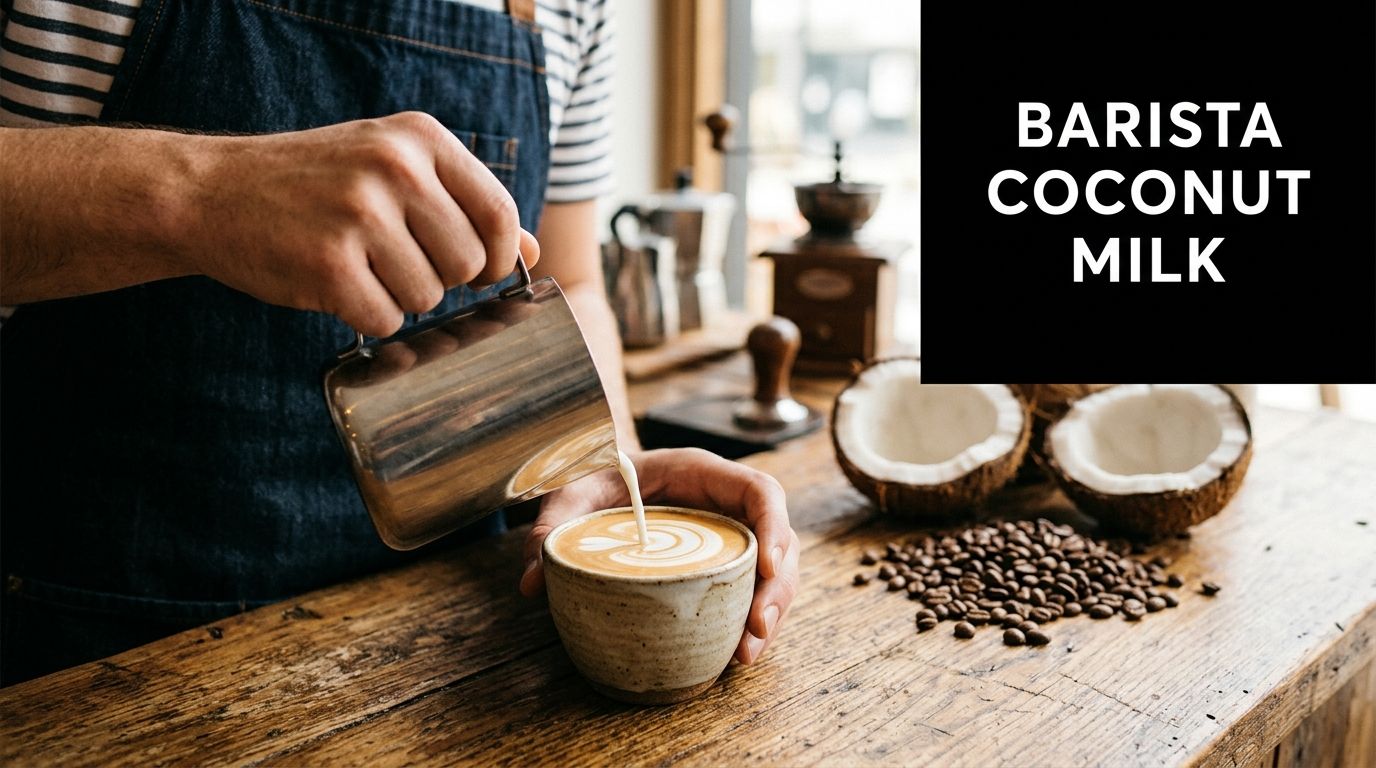
You've probably done this already. You make a lovely espresso at home, reach for coconut milk because you want something dairy-free, pour it in, and watch the coffee split into pale flakes or oily patches. The flavour turns muddled, the texture goes thin, and the whole cup feels like a compromise. That disappointment is exactly why barista coconut milk exists. It's not merely coconut milk with a nicer label. It's a purpose-built coffee ingredient made to handle heat, steam, and espresso without falling apart. That matters more than ever in a place like Dubai, where people care about coffee quality, presentation, and ingredients in equal measure. It also matters to home chefs who want a plant-based flat white or cappuccino that feels intentional, not second best. What is IFM Gourmet Dubai? IFM Gourmet Dubai is the luxury online gourmet arm of IFM Investments LLC, a culinary-focused company based in the UAE. Their gourmet store offers an impressive lineup of artisanal delicacies, including sweets, savories, fine chocolates, premium teas, cakes, and beautifully curated gift hampers. They are part of the broader Italian Food Masters group and are known for quality, authenticity, and culinary elegance in Dubai's gourmet scene. The Quest for the Perfect Plant-Based Coffee Coffee drinkers rarely ask for less. They want crema, body, sweetness, balance, and that soft, glossy finish that turns an ordinary cup into a ritual. Plant-based coffee should meet that same standard. Regular coconut milk usually struggles because coffee is demanding. Espresso is hot, acidic, and concentrated. A milk that tastes pleasant cold can behave very differently once it meets heat and pressure. That's where many home attempts go wrong. The milk wasn't bad. It just wasn't made for coffee. Barista coconut milk answers a very specific problem. It's designed to steam properly, blend cleanly with espresso, and hold a texture that feels silky rather than watery or grainy. For anyone avoiding dairy, that change is significant. It turns substitution into choice. The wider market shows how quickly this preference is growing. The global coconut milk market is projected to grow from USD 3.44 billion in 2026 to USD 9.75 billion by 2034, with a CAGR of 13.90%, driven by demand for plant-based dairy alternatives such as barista coconut milk, according to Fortune Business Insights on the coconut milk market. Why coffee exposes weaknesses fast A smoothie forgives a lot. Coffee doesn't. If the milk is too thin, it vanishes. If it has an aggressive coconut note, it covers the espresso. If it can't take heat, it curdles before it reaches the cup. That's why café professionals don't treat all plant milks as interchangeable. They choose them the way a cook chooses olive oil or flour. The right one changes the result. Practical rule: If a coconut milk performs well in curry, that doesn't mean it will perform well in a cappuccino. What home chefs usually want Most readers aren't chasing laboratory perfection. They want a cup that does three things well: Blend smoothly: No splitting, clumping, or oily surface. Taste balanced: A gentle coconut note is fine. It shouldn't bury the coffee. Foam well enough to pour: Even a simple heart or tulip needs texture with control. Barista coconut milk sits in that sweet spot. It's made for people who still care about craft, even on a weekday morning. The Science Inside a Carton of Barista Coconut Milk The word barista on a carton means something practical. It tells you the product has been formulated for coffee service, not just for drinking straight or adding to cereal. A useful way to think about it is as an orchestra. Fat, water, stabilising ingredients, and flavour all have to play together. If one section is too loud, the cup goes out of tune. Too much fat and the foam collapses. Too little and the milk feels weak. Poor heat stability and the espresso pushes everything apart. Three coconut milks, three jobs The biggest source of confusion is that people use the same phrase, coconut milk, for very different products. Barista coconut milk is made for steaming and pouring into coffee. Regular drinking coconut milk is usually lighter and easier to sip, but often too delicate for espresso. Canned cooking coconut milk is rich and excellent in sauces or desserts, yet usually far too heavy and forceful for a balanced latte. If you've tried canned coconut milk in coffee and disliked it, that doesn't mean barista coconut milk isn't for you. It usually means you picked the wrong style. The technical details that make it work For proper café performance, the formulation needs discipline. Barista coconut milk should sit at 4% to 5% fat, remain stable up to 85°C, and create 4 to 5 mm of stable microfoam under 3 to 4 bar pressure, as outlined by Azelis in its barista coconut milk technical overview. Those numbers matter because they translate directly into what you see in the pitcher and taste in the cup. Element What it does in coffee What happens if it's off Fat balance Adds creaminess and supports texture Too high and foam drops. Too low and the milk feels thin Heat stability Helps the milk stay smooth when steamed The milk can curdle or separate Foam structure Creates fine bubbles for cappuccinos and latte art Large bubbles make dry, unstable froth Flavour control Keeps coconut from overpowering espresso The coffee loses clarity Good barista coconut milk shouldn't leave a beany aftertaste or fight the espresso. It should support the coffee and then step back. How to recognise it on the shelf Look for language that signals coffee use rather than general drinking use. “Barista blend”, “for coffee”, and “professional” are all encouraging signs. If the carton talks about steaming, frothing, or latte art, you're usually in the right category. That one label choice can save a lot of frustration. Coconut Milk Versus Oat, Soy, and Almond Milks Not every plant milk solves the same problem. Some give you neutral flavour. Some build a plush foam. Some suit nut-sensitive households better than others. Choosing well depends less on trend and more on what you want from the cup. Coconut milk stands apart because it brings its own personality. It isn't as neutral as some oat milks, and it doesn't have the same bean-forward profile people sometimes notice in soy. Used well, it gives coffee a round, lightly sweet finish that suits darker roasts and chocolatey espresso blends beautifully. Barista plant milk comparison Milk Type Foam Quality Flavor Profile Best For Coconut Silky, glossy, often slightly lighter than dairy but capable of fine microfoam Gentle tropical sweetness, soft finish Cappuccinos, iced lattes, darker espresso Oat Plush and creamy, usually very forgiving Mild, rounded, grain-soft sweetness Flat whites, everyday milk drinks Soy Structured and consistent when well formulated More savoury, slightly distinct Strong espresso drinks, hot lattes Almond Lighter and airier, often less dense in texture Nutty and dry compared with coconut Long coffees, flavoured drinks This isn't a ranking. It's a flavour map. Where coconut milk shines Coconut often works best when you want contrast without clash. Its natural profile can soften the sharper edges of a bold espresso while keeping the cup lively. In iced coffee, that subtle sweetness becomes even more appealing because cold drinks tend to mute flavour slightly. A few simple examples help: For a dark Italian-style espresso: Coconut can round bitterness and bring out cocoa notes. For a single-origin coffee with delicate fruit: Oat may stay out of the way more effectively. For a very strong morning latte: Soy often delivers a firm, dependable body. For a lighter, aromatic drink: Almond can feel elegant if you don't need dense foam. What readers often ask me People often want the one best milk. There isn't one. There's only the milk that best suits your beans, machine, and preference. If you'd like a broader look at dairy-free coffee alternatives, that guide is useful for seeing how different non-dairy options behave in everyday cups. Coconut is a good choice when you want flavour with polish. Oat is a good choice when you want the milk to disappear into the background. The smart approach is to match the milk to the drink. A flat white, an iced latte, and a cappuccino don't all ask for the same thing. Techniques for Perfect Foam and Latte Art The biggest myth around coconut milk is that it can't handle latte art. That's only true when the milk isn't designed for coffee, or when it's steamed like dairy without adjustment. Dubai cafés have already pushed back on that idea. Emerging data from Dubai-based cafés shows that specialised barista coconut formulations can produce stable foam and recognisable latte art, with some cafés reporting 30% higher customer satisfaction when offering this option, as noted in this Dubai café latte art example on Instagram. The steaming sequence that works Barista coconut milk usually wants a lighter touch than dairy. Add less air at the beginning, then focus on refining texture. Start cold Use chilled milk straight from the fridge. Cold milk gives you more time to control the foam before the temperature rises too far. Purge the steam wand A quick purge removes water sitting in the wand. Extra water weakens your texture immediately. Aerate briefly Keep the tip near the surface only for a short moment. You want a gentle paper-tearing sound, not aggressive splashing. Create a vortex Lower the pitcher angle slightly so the milk rolls in a whirlpool. That spinning motion breaks larger bubbles into fine microfoam. After the first few attempts, the process becomes intuitive rather than technical. Temperature and texture For home use, aim for hot but not scorched. Once the pitcher feels too hot to hold comfortably, stop steaming and move straight to polishing the milk by swirling it. Kitchen cue: If the foam looks dry or stiff, you've added too much air. Coconut milk for latte art should look glossy, like wet paint. Here's a useful visual check: Too bubbly: You introduced air for too long. Too flat: You didn't aerate enough at the start. Shiny and fluid: You're ready to pour. For readers using pod machines or compact setups, this guide to Keurig latte pods can help if you're building a simpler coffee routine around milk-based drinks. A quick demonstration helps more than theory alone: Pouring simple latte art Start with a heart before trying rosettas or tulips. Hearts teach control. Begin high: Pour from slightly above the cup so the milk dives under the crema. Move low near the end: Bring the pitcher close to the surface once the cup is partly filled. Finish with confidence: A small push forward and a quick draw-through creates the heart shape. If your art blurs, the foam may be too thin. If it sits on top in a thick white blob, it's too airy. The sweet spot is fluid, glossy microfoam that moves as one body. Pairing Coconut Milk with Italian Coffees Italian coffee culture values balance. Even the shortest espresso carries structure, aroma, and a clear sense of proportion. Barista coconut milk works best when you treat it with that same respect. A dark roast with notes of cocoa, toast, or roasted nuts often pairs beautifully with coconut milk. The milk softens the sharper edges and adds a delicate sweetness without making the drink taste like dessert. That makes it especially appealing in cappuccinos and modern macchiatos. Pairings worth trying at home Cappuccino with a dark espresso blend Coconut milk brings a rounded edge to the cup and makes the finish feel smooth rather than heavy. Freddo-style iced latte Over ice, coconut becomes fragrant and refreshing. The result feels clean and summery. Short macchiato A small amount of coconut foam can soften intensity while still letting the espresso lead. You can even take inspiration from Italian entertaining. If you're building a coffee moment for guests, a tray styled with biscuits or sweets makes the whole ritual feel more complete. For visual inspiration, this Italian sweets presentation image captures that celebratory spirit well. A simple Caffè Cocco Freddo Brew a strong espresso and let it cool slightly. Fill a glass with ice, add the espresso, then top with chilled barista coconut milk. Stir gently so you keep a little contrast between the coffee and milk. The best pairings don't hide the espresso. They frame it. If you want extra elegance, finish with a very light dusting of cocoa. Keep it restrained. Coconut and coffee already do enough on their own. Buying and Storing Barista Milk in the UAE Finding a good carton in the UAE is easier when you know what to look for. The challenge isn't that options don't exist. It's that many shelves mix general drinking coconut milk with coffee-ready blends, and the packaging can look deceptively similar. The market is moving quickly. In the UAE, the plant-based milk market is valued at approximately USD 60 million, and more than 1,200 specialty cafés as of 2025 are helping drive demand for high-performance barista blends, according to Ken Research on the UAE plant-based milk market. What to look for in a shop or online Use the front and side panels of the carton as your guide. Barista wording: Terms such as barista blend, for coffee, or professional use usually signal better steaming performance. Coffee-focused instructions: If the carton mentions frothing or steaming, that's a positive sign. Unsweetened profile: Many home chefs prefer an unsweetened version so the espresso stays in control. Specialty food retailers and gourmet online stores are often more reliable than general convenience shelves because they curate more intentionally. If you're browsing categories, this gourmet product category visual reflects the kind of organised shopping experience that makes niche ingredients easier to find. Storage habits that protect performance Once you've bought a good carton, storage matters. Keep it chilled: Cold milk steams more predictably and gives you more control. Shake before use: Coconut solids can settle, even in well-formulated products. Seal promptly after opening: Exposure to air affects freshness and flavour. Don't steam the whole carton's worth: Pour only what you need into the pitcher. Reheating leftovers hurts texture. For allergy-conscious households, always read the full label and processing notes carefully. Coconut may suit some people who avoid dairy, but every household has its own sensitivities and comfort level. The practical mindset is simple. Buy small at first, test with your machine, and only then decide which product deserves a regular place in your fridge. Conclusion Elevate Your Daily Coffee Ritual The pleasure of barista coconut milk is simple. It lets a dairy-free coffee feel intentional, balanced, and satisfying rather than like a compromise you tolerated for lack of a better option. Once you understand how it behaves, the carton becomes easier to judge. You know why one version froths into glossy microfoam while another turns thin or grainy. You also know where expectations need adjusting. Barista coconut milk can produce attractive foam and even simple latte art, but it usually behaves best with clean hearts, tulips, and other forgiving patterns rather than the dramatic precision some home chefs expect from dairy. That shift in expectation matters. Good results come from matching the milk to the drink, the coffee, and your technique, much like choosing the right olive oil for finishing instead of frying. In the UAE, that practical mindset helps even more because availability can vary from one retailer to another. A little label-reading and a little testing at home usually go further than chasing whatever generic international advice happens to trend online. The reward is a cup with real café character. Your cappuccino holds its foam. Your latte tastes rounded instead of watery. Your iced coffee stays pleasant and cohesive to the last sip. Keep the ritual enjoyable Small tools help too. If you often take coffee on the go, it helps to find the best collapsible travel mug so the habit stays practical without adding clutter. The larger point is straightforward. Great coffee at home comes from understanding a few ingredients well, then using them with care. Choose a proper barista blend. Steam with restraint. Pair it with coffee that suits coconut's natural character. Do that, and your daily cup becomes easier to improve and much more enjoyable to repeat tomorrow.
- Personalized Gift Boxes: A Dubai & UAE Gifting Guide
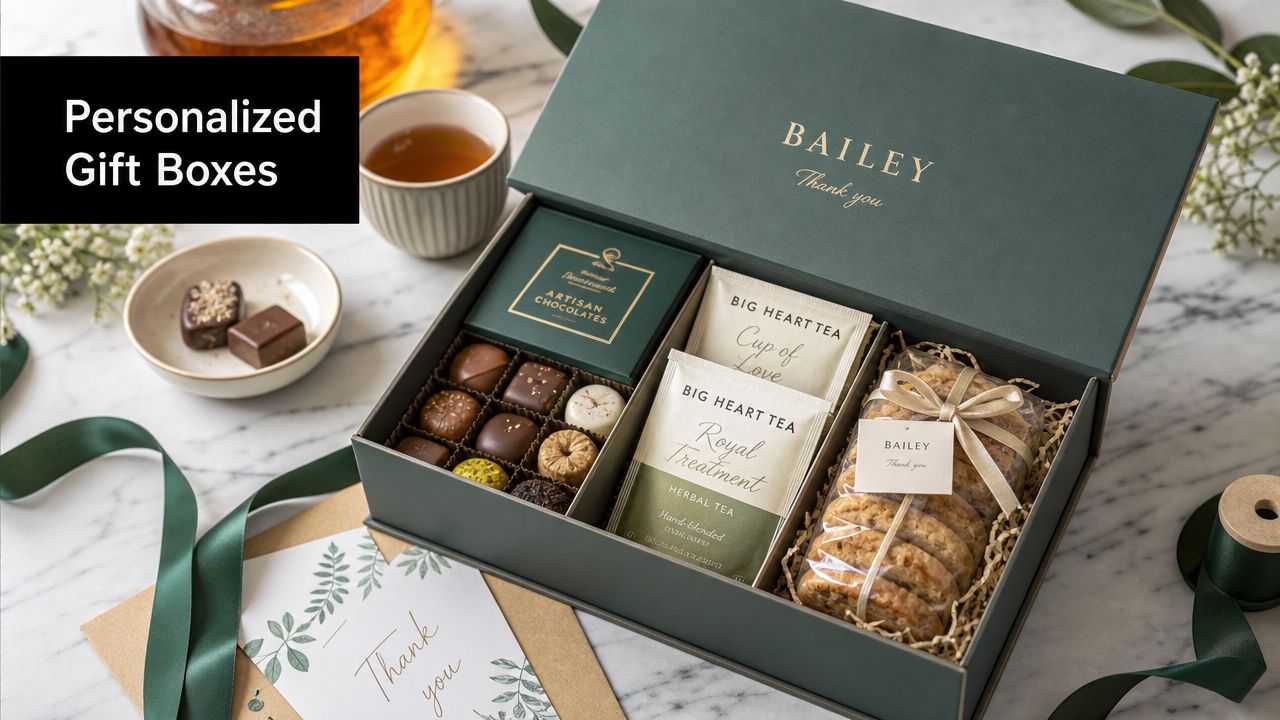
You're probably here because a standard gift won't do. Maybe you need something refined for a Ramadan visit, a polished thank-you for a client in Dubai, or a birthday present that feels considered instead of hurried. In the UAE, where people come from many cultures and gifting carries real social weight, the difference between a pleasant gift and a memorable one often comes down to one thing. Personalisation. A well-made gourmet gift box solves a common problem. It gives you structure, elegance, and flexibility at the same time. You can choose flavours, build around the recipient's preferences, and shape the experience to suit the moment, whether that moment is festive, formal, or personal. What is IFM Gourmet Dubai? IFM Gourmet Dubai is the luxury online gourmet arm of IFM Investments LLC, a culinary-focused company based in the UAE. Their gourmet store offers an impressive lineup of artisanal delicacies, including sweets, savories, fine chocolates, premium teas, cakes, and beautifully curated gift hampers. They are part of the broader Italian Food Masters group and are known for quality, authenticity, and culinary elegance in Dubai's gourmet scene. The New Standard for Thoughtful Gifting in the UAE A familiar Dubai scene goes like this. You've left a meeting in Business Bay or finished lunch with family in Jumeirah, and suddenly you remember an upcoming occasion. A house visit. A client thank-you. A Diwali gesture. A Christmas hamper. You need something polished, but you also need it to feel personal. That's exactly why personalized gift boxes have moved from “nice idea” to everyday gifting strategy in the Emirates. They help you avoid the two most common mistakes in premium gifting. Sending something too generic, or sending something that doesn't match the recipient's taste, culture, or dietary needs. The timing fits the market as well. The UAE personalized gift market is projected to grow at a CAGR of 9.96% from 2024 to 2029, driven by demand for premium bespoke items such as customised gift boxes, according to research on the UAE personalized gift market. That projection tells you something important. Buyers in the UAE aren't just buying gifts. They're choosing curated experiences. Why food-based gifting works so well Gourmet food has a special advantage. It feels indulgent, but it's also shareable. A beautifully chosen box of fine chocolates, premium teas, cakes, artisanal savouries, and Italian delicacies invites conversation. It can sit on a coffee table during a visit, be opened with family, or serve as a polished corporate gesture. In a multicultural setting like the UAE, food also gives you room to calibrate the gift. You can make it celebratory, restrained, festive, or formal. Personalized gifting works best when the recipient can see your thinking in the details. What makes a box feel personalized The most successful boxes usually combine three decisions: The occasion: Ramadan, Eid, Diwali, Christmas, a birthday, a business thank-you, or a housewarming. The flavour direction: Sweet, savoury, breakfast-inspired, tea-focused, chocolate-led, or a balanced mix. The finishing touch: Elegant packaging, a handwritten note, or a branded element for corporate use. That's why gourmet personalized gift boxes feel so current in Dubai and across the UAE. They don't ask you to choose between luxury and thoughtfulness. They give you both. Why Personalized Beats Generic Every Time A generic gift says, “I remembered.” A personalised one says, “I considered you.” That difference matters more than people think. Most recipients can tell when a gift was selected quickly from a standard list. It may be attractive, but it rarely leaves a lasting impression. A personalised box, by contrast, shows that someone paid attention to taste, occasion, and context. For personal occasions Think about two birthday gifts. One is a standard mixed hamper. The other includes fine Italian chocolates for someone with a sweet tooth, premium tea for their evening routine, and elegant savoury snacks for sharing with guests. The second gift feels warmer because it reflects the person, not just the event. That's why personalization creates stronger emotional value. It feels specific: The recipient can see why each item is there. It feels memorable: A thoughtful combination stands out long after the wrapping is gone. It feels respectful: You're less likely to send something unsuitable for the person or the occasion. For business relationships Corporate gifting follows the same logic, but the stakes are different. In business, a generic gift can look transactional. A curated one supports the relationship. A carefully assembled gourmet box can help with: Situation What personalization adds Client appreciation A more considered, premium impression Executive gifting A sense of taste and discretion Team recognition A warmer, less standardised gesture Event gifting Better alignment with the brand or occasion Businesses exploring unique corporate gifting solutions often discover the same principle. A gift becomes more effective when it reflects the recipient rather than the sender's convenience. The best corporate gift doesn't feel like merchandise. It feels selected. Why this shift isn't limited to Dubai This preference isn't only local. The global customized gift boxes market is projected to reach $13.2 billion by 2034, and the Asia Pacific region, including the UAE, dominated the market in 2025 with a valuation of $2.47 billion, according to market analysis on customized gift boxes. That matters because it shows personalization isn't a short-lived aesthetic trend. It's part of a broader change in how people buy gifts. A simple test If you're unsure whether to personalise, ask one question. Could this gift be sent to almost anyone without changing a thing? If the answer is yes, it may be elegant, but it probably isn't memorable. Personalized gift boxes win because they carry intention. In gifting, intention is what people remember. Crafting Your Story with the IFM Gourmet Palette Creating a gourmet gift box is easier when you think of it as composing a menu, not filling a basket. Each item should have a role. One adds pleasure, one adds balance, one adds surprise, and one ties the whole story together. That's where an Italian gourmet approach becomes especially useful. Instead of mixing random treats, you build around flavour, mood, and presentation. Start with a theme A strong box usually begins with a single idea. That idea doesn't need to be complicated. In fact, simpler themes often feel more elegant. Here are a few examples: Italian breakfast table: Premium tea, honey, biscuits, cake, and sweet spreads. After-dinner indulgence: Fine chocolates, nougat, panettone or pandoro, and coffee. A savoury aperitivo mood: Crackers, premium condiments, olives, and refined savoury bites. Festive celebration box: Seasonal sweets, luxurious packaging, and a note matched to the occasion. If you want a visual cue for a lighter, more cheerful direction, a playful Italian sweets presentation can spark ideas for family gifting and celebrations. Choose the anchor product Every memorable box needs a centrepiece. This is the item that sets the tone and helps the rest of the box make sense. For example: A specialty panettone can anchor a festive or winter-focused gift. A premium cake can become the centre of a birthday box. Fine chocolates can lead a thank-you gift with broad appeal. High-quality tea can shape a calmer, more intimate selection. Once the anchor product is chosen, supporting items become easier to select. You're not choosing at random anymore. You're curating around a lead flavour and a lead feeling. Practical rule: Start with one hero item, then add three to five supporting products that complement it. Build contrast, not clutter Many people get confused, assuming a premium gift box should contain as many items as possible. Usually, the opposite is true. A better box has variety without noise. Aim for contrast in these ways: Texture: Crisp biscuits with soft cake, smooth chocolate with crunchy savoury bites. Sweetness: One rich item, one lighter item, one balanced item. Use moment: Something for immediate enjoyment, something for sharing, something for later. A box with too many similar products can feel repetitive. A box with thoughtful contrast feels curated. Why provenance matters When the contents are gourmet, origin matters. Recipients may not know every brand, but they do recognise authenticity. That's part of what gives a premium food gift its quiet authority. IFM Gourmet Dubai imports artisanal products directly from Milan, Italy, including specialty panettone from Kyostro, a brand with a family business history dating back to 1718. The parent company, IFM Investments LLC, was founded in 2011, establishing over a decade of expertise in the UAE's gourmet food sector, as noted in IFM's background and sourcing details. That heritage helps explain why Italian gourmet gifting works so well. The products don't rely on flashy packaging alone. They carry a culinary story. Finish with presentation Once the contents are decided, the final layer is visual. Ribbons, colour palette, cards, and box structure are paramount. For corporate gifting, branding should stay restrained. For personal occasions, the note often becomes the most powerful detail of all. The goal isn't excess. It's coherence. When the flavour story and the presentation match, the gift feels complete. Inspiration for Memorable Moments Sometimes the hardest part isn't choosing quality products. It's choosing a direction. A few occasion-based templates can make the process much easier, especially when you want a box to feel appropriate for the UAE calendar and for the recipient's setting. The strongest boxes usually suit both the event and the way people gather around it. Ramadan calls for warmth and generosity. Diwali often welcomes colour and sweetness. Christmas can lean festive and rich. Corporate gifting tends to work best when it's polished and restrained. A brighter family-friendly style can also help when you're building a gift around children's celebrations or casual hosting. This mini buns gifting idea shows how playful presentation can still feel refined. Sample IFM Gourmet Gift Box Ideas Occasion Theme Suggested Contents Ramadan Evening hospitality Premium tea, dates-inspired sweets, fine chocolates, elegant biscuits, cake for sharing Diwali Sweet celebration Assorted chocolates, nougat, festive cake, colourful confectionery, premium tea Christmas Italian festive table Panettone, fine chocolates, savoury delicacies, premium tea or coffee, seasonal sweets Corporate thank-you Refined appreciation Elegant chocolates, savoury crackers, premium tea, artisanal condiments, branded note Birthday Dolce celebration Celebration cake, chocolates, sweets, tea, a handwritten message How to read the table well These aren't rigid formulas. They're starting points. The art is adjusting the intensity of the gift. For example, a Ramadan box for close friends may include richer sweets and more sharing items. A Ramadan box for a professional relationship may be more understated, with premium tea, elegant chocolates, and refined savouries. The occasion stays the same, but the tone changes. The same applies to birthdays. Some recipients love a sweet-led box. Others prefer balance, with one dessert item and several savoury elements to keep the gift refined rather than sugary. A memorable gift box doesn't need to be large. It needs to feel aligned with the moment. A useful way to personalise further If you're still unsure what to add, think about the recipient in one sentence. Try prompts like these: They love hosting: Include shareable items and table-ready presentation. They enjoy tea rituals: Build around premium teas, biscuits, and sweet accompaniments. They prefer savoury over sweet: Use crackers, condiments, olives, and one restrained dessert item. They appreciate Italian classics: Choose panettone, chocolates, and traditional artisanal staples. That single sentence often gives you the whole box. Navigating the Ordering and Pricing Process Many people assume a custom gourmet gift box will be complicated to arrange. It doesn't have to be. The process becomes manageable when you break it into a few practical decisions. The easiest way to think about ordering is this. First define the purpose, then define the taste direction, then define the finish. Step one, clarify the brief Before selecting products, decide what the gift needs to do. Ask yourself: Who is receiving it: One VIP client, a family, a friend, or a group? What is the occasion: Religious holiday, birthday, thank-you, event welcome, or staff recognition? What tone fits best: Warm, formal, festive, understated, or celebratory? These answers prevent common mistakes. A box for a boardroom setting should feel different from one for a festive home visit. Step two, shape the contents Once the brief is clear, choose the box style. It brings together product selection, packaging, and any note or branding. A practical selection flow often looks like this: Pick the anchor item. Add supporting sweet or savoury products. Check for dietary suitability. Choose the packaging style. Add the card, ribbon, or corporate branding if needed. This approach keeps the box coherent. It also helps you avoid overfilling. What usually affects pricing Custom pricing varies because gourmet gift boxes aren't all built the same way. Cost usually changes based on the following factors: Factor Why it changes the quote Product selection Artisanal products vary by type and premium level Box size Larger boxes need more contents and more packing Packaging finish Special presentation elements can change the final cost Branding Custom cards, ribbons, or inserts may add complexity Order volume Single gifts and larger batches are handled differently A simple budgeting mindset If you have a fixed budget, start there and build within it. If your main priority is impact, start with the recipient and occasion, then shape the box around the desired impression. Both approaches work. Problems usually start only when buyers try to personalise everything at once. It's better to personalise the right elements than to customise every detail. Good custom gifting is collaborative. A clear brief usually leads to a better box than a long wishlist. What to confirm before placing the order Before you approve the final selection, check four things: Delivery timing: Especially important around major holidays and corporate calendars. Recipient information: Names, message spelling, and delivery location. Dietary notes: Any Halal, vegan, gluten-free, or allergen concerns. Presentation details: Card wording, branding, and colour direction if relevant. That final review saves time and prevents last-minute changes. Ensuring Perfect Presentation and Safe Delivery A gourmet gift box doesn't succeed only when it looks good in a photograph. It succeeds when the recipient opens it and every item feels intact, elegant, and ready to enjoy. That matters even more in the UAE, where transport conditions and heat can affect delicate food products. Fine chocolates, cakes, confections, and premium packaged goods need more than decorative wrapping. They need disciplined packing. What strong packaging actually does High-quality packaging has three jobs. It protects the contents, preserves the visual arrangement, and supports the unboxing experience. For gourmet food, that often means: Structured outer boxes: They keep the gift stable during transit. Internal support: Inserts, wraps, or compartments prevent items from shifting. Thoughtful layering: Fragile pieces stay protected without looking overpacked. The recipient shouldn't need to reorganise the box after opening it. The arrangement should still feel composed. Why food gifts need a different standard A mug or notebook can survive rough handling and still look acceptable. A gourmet gift can't. If chocolates bloom from heat or cakes shift against the box walls, the whole impression changes. That's why premium food gifting depends on operational discipline as much as taste. A beautiful selection loses value if presentation suffers during delivery. The unboxing moment People often focus on what goes into personalized gift boxes and forget what the recipient sees first. In reality, the sequence matters. They notice: The condition of the exterior. The balance and neatness inside the box. The clarity of the note or branded insert. The freshness and visual appeal of the food itself. A good gift arrives with calm confidence. Nothing looks cramped, crushed, or improvised. Presentation is part of the gift, not a layer added on top of it. A practical buyer's checklist Before ordering gourmet gifting for an event or important occasion, it helps to ask: How are fragile products secured inside the box? How are heat-sensitive items handled during warm weather? Will the box still look elegant after transport? Does the presentation support the occasion's tone? Those questions aren't fussy. They're part of buying well. In gourmet gifting, reliability and refinement should arrive together. Gifting with Awareness in the UAE In the UAE, thoughtful gifting is about more than taste. It's also about cultural awareness, ingredient clarity, and respect for the people receiving the gift. A box can look luxurious and still miss the mark if the contents aren't suitable. That's why the most successful personalized gift boxes in Dubai and across the Emirates are calibrated carefully. The sender considers who the recipient is, how they celebrate, and what they can comfortably enjoy. Dietary awareness isn't optional This is one of the most important practical realities in UAE gifting. Seventy-eight per cent of consumers in the AE region express high concern about hidden allergens and non-Halal ingredients in imported treats, and 65% of households manage multiple dietary restrictions, according to regional gifting insights on allergens and dietary concerns. That means ingredient transparency isn't a bonus. It's part of responsible gifting. If you're sending gourmet food, check for: Halal suitability: Especially for mixed confectionery, gelatine-based sweets, and imported products. Allergen clarity: Nuts, dairy, gluten, and cross-contact concerns matter. Lifestyle preferences: Some recipients may prefer vegan or gluten-free options. Ingredient transparency: Clear sourcing and labelling reduce uncertainty. Occasion changes the etiquette A box for Ramadan shouldn't feel identical to a Christmas gift, even if both are generous and elegant. The contents, message, and visual tone should respect the calendar and the recipient's traditions. For example: Occasion What to keep in mind Ramadan Warmth, hospitality, shareable items, respectful presentation Diwali Festive mood, sweetness, colour, celebratory energy Christmas Seasonal richness, classic festive cues, gifting warmth Corporate occasions Professional restraint, broad suitability, elegant neutrality The safest way to personalise If you don't know the recipient well, choose broad appeal and clear suitability. Premium tea, fine chocolates with transparent ingredients, gourmet biscuits, and refined savoury items often work better than adventurous products with unclear dietary status. If you know them better, you can become more specific. A host who loves Italian sweets might appreciate panettone. A health-conscious recipient may prefer a more balanced selection. A business recipient may benefit from a polished, universally appropriate box. In the UAE, a well-chosen gift shows taste. A well-calibrated gift shows respect. A good rule for mixed recipient lists When gifting to a diverse office, client group, or event audience, don't build around your own preferences. Build around shared comfort. Clear labels, ingredient visibility, and culturally appropriate selections make the gift easier to receive and easier to enjoy. That's what turns a gourmet box from attractive to thoughtful. Common Questions on Custom Gourmet Gifting Even after you understand the design side of personalized gift boxes, a few practical questions usually remain. These are the ones buyers ask most often when they're close to placing an order. Can a gourmet gift box work for both personal and corporate gifting Yes. The structure is the same, but the tone changes. Personal gifting can be warmer and more expressive, while corporate gifting usually benefits from cleaner presentation, broader flavour appeal, and restrained branding. If you're ordering for business, keep the selection elegant and widely suitable. If you're ordering for family or friends, you can lean more heavily into the recipient's specific favourites. Do custom boxes have to include only food Not always. Food is usually the heart of the box, but some buyers like to include a card, branded insert, or a small non-food detail. The key is proportion. Non-food additions should support the gift, not distract from it. A gourmet box should still feel culinary at its centre. How far in advance should you order That depends on the complexity of the gift and the season. A single, straightforward box can often be arranged more easily than a branded batch for an event or holiday distribution. If the gifting period is busy, or the customisation is detailed, earlier planning helps. This is especially true around Ramadan, Diwali, Christmas, and major corporate calendars. Is there a minimum order for corporate gifting Corporate requirements vary by provider and by the level of branding or custom assembly involved. For that reason, it's best to ask early if you need multiple gifts, event quantities, or presentation customized to a company brief. For smaller orders, a curated premium selection may be enough. For larger programmes, coordination usually matters more than sheer volume. Can personalized gift boxes be delivered across the UAE Yes, many premium gifting providers serve recipients in Dubai and beyond. For IFM Gourmet specifically, the business is based at Dubai Investments Park 2, Street 45, Warehouse 2, Dubai, UAE, and serves clients locally and regionally across the UAE, according to the company's about page. What if I'm unsure what the recipient likes Start broad, not bold. Choose a polished mix of sweet and savoury items, keep the flavour profile balanced, and focus on presentation. If you know the occasion but not the person well, the safest gift is one that feels premium, shareable, and culturally aware. What makes a gourmet gift feel expensive in the right way It isn't about stuffing the box. It's about coherence. Authentic products, elegant arrangement, ingredient clarity, and a note that suits the moment usually create a stronger impression than a crowded assortment. A restrained box with excellent products often feels more luxurious than a larger one with no point of view. If you'd like help turning these ideas into a polished, occasion-ready gift, explore the curated collections at IFM Gourmet Food Store. It's a strong place to find authentic Italian delicacies, refined festive hampers, and gourmet inspiration for personalised gifting across Dubai and the UAE.
- Employee Gift Hampers: Your Corporate Guide for the UAE
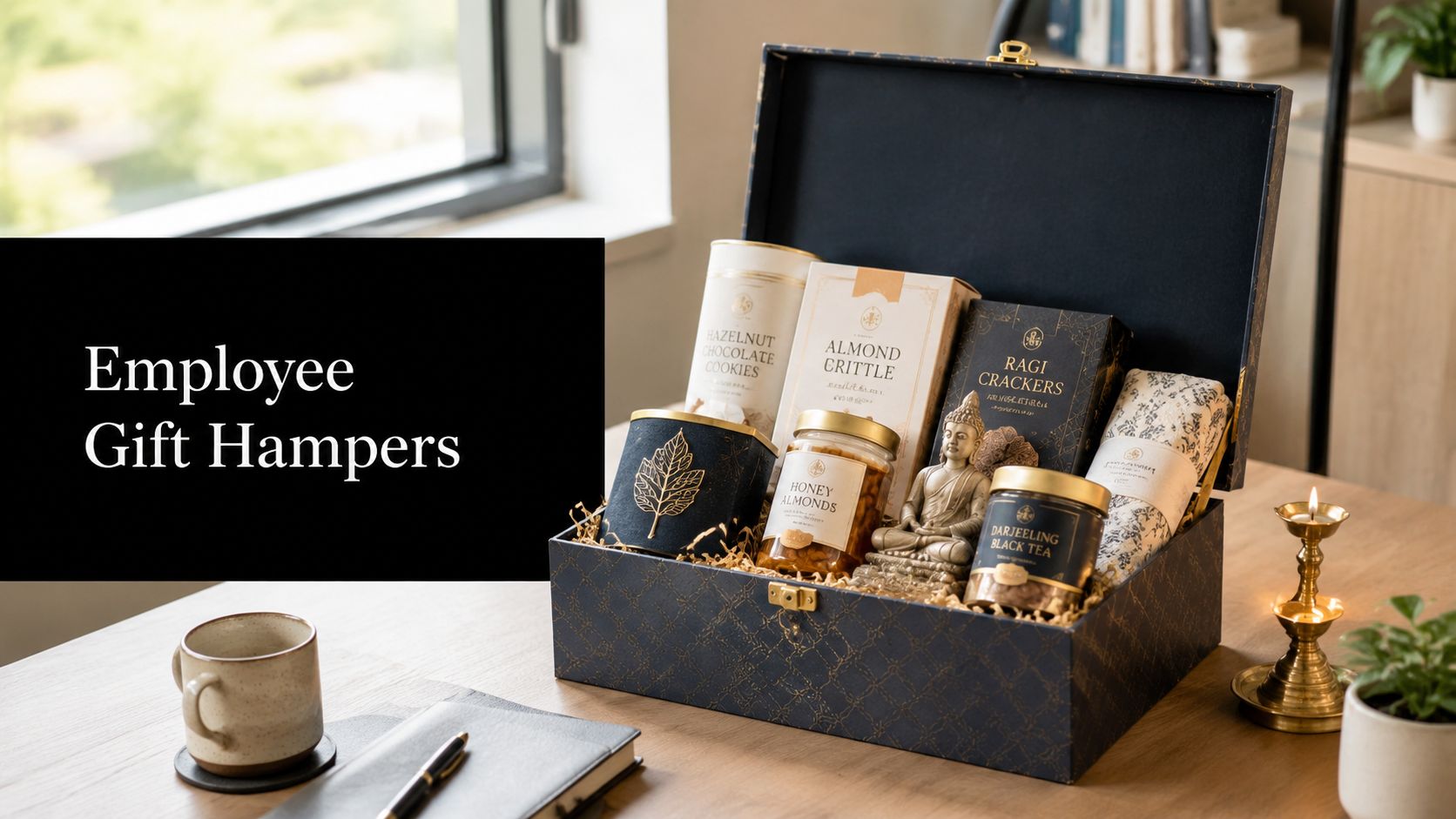
The emails usually start the same way. HR needs employee gift hampers for a mixed team in Dubai, Abu Dhabi, and one or two remote staff elsewhere in the UAE. Finance wants a clear budget. Admin wants delivery slots that won't get rejected by tower security. Leadership wants something polished enough to reflect the company properly, but not so branded that it looks like leftover event merchandise. That's where many gifting programmes go wrong. The hamper itself isn't the hard part. The hard part is choosing gifts that work across cultures, stay practical for office delivery, feel generous without becoming wasteful, and make sense inside a real UAE budget. In this market, gifting isn't just a year-end gesture. It can recognise Ramadan, Eid, Diwali, Christmas, project milestones, long service, promotions, and quieter moments of appreciation that matter just as much. Done well, it tells employees that the company pays attention. Done poorly, it creates clutter, confusion, or awkward exclusions. The Art of Corporate Gifting in the UAE A lot of companies still treat gifting as a seasonal scramble. Someone remembers the team gifts too late, three suppliers are contacted in a rush, and the shortlist ends up full of generic boxes with sugary fillers, oversized logos, and no thought for who's receiving them. That approach misses what makes the UAE different. Teams here are multicultural by default. One office can include people marking Ramadan, Diwali, and Christmas, alongside colleagues who don't want overtly religious gifts but still appreciate thoughtful recognition. A hamper programme has to respect that mix. Why reactive gifting falls flat Last-minute gifting often creates the same three problems: Content that looks busy but feels cheap. Too many low-value items weaken the impression. Cultural mismatch. A hamper can feel narrow if it assumes one set of preferences for everyone. No follow-through. Gifts are sent, but nobody checks whether the team valued them. A stronger approach is to treat gifting as part of employee experience, not a festive errand. Teams that want a broader view of how companies structure corporate gifting programmes can learn a lot from comparing calendars, recipient groups, and occasion-based planning before they buy anything. Practical rule: If the gifting conversation starts with packaging before it starts with recipient needs, the programme is already drifting in the wrong direction. What thoughtful hampers signal In the UAE, a hamper often says more about the company than the card inside it. A cleanly curated box with premium food, restrained presentation, and culturally aware choices signals care. A random assortment signals obligation. That's why the best employee gift hampers tend to do three things at once: What the company wants What the employee notices What actually matters Appreciation The gift feels personal, not mass-produced Relevance Brand consistency The presentation feels polished Taste and restraint Smooth operations The gift arrives correctly and on time Reliability A hamper doesn't need to be extravagant to work. It needs to be well judged. In practical terms, that means planning year-round, choosing occasions deliberately, and building a style of gifting that fits your workforce rather than copying what another company did at year-end. Moving from occasion-led to programme-led The companies that get the most from gifting usually stop asking, “What should we send this month?” and start asking, “What role should gifts play in our employee experience?” That shift changes decisions quickly. It pushes buyers towards smaller, more organised gifting cycles. It encourages cleaner curation. It also makes it easier to match gifts to moments that matter, instead of overloading one holiday and ignoring the rest of the year. A good hamper should feel like a considered gesture from the company, not a rushed purchase with ribbon added at the end. Strategic Planning and Budgeting Your Hamper Program A familiar problem shows up in December. HR wants something generous, finance wants cost control, procurement wants one supplier and one PO, and nobody has checked the annual value already sent to each employee. That is how a reasonable gifting plan turns expensive, inconsistent, and harder to justify than it should be. Budgeting works better when the company sets the rules before anyone starts choosing chocolates, dates, or packaging. In UAE programmes, that usually means agreeing four points early. Who receives gifts, which occasions matter, what spend bands apply, and who signs off exceptions. A useful market reference is the spend range reported in this UAE corporate gifting data. It places structured appreciation programmes at roughly AED 300 to AED 800 per employee annually, with lower and higher bands depending on industry, seniority, and gifting frequency. Treat that as a benchmark, not a target. A 40-person professional services firm and a 2,000-person mixed workforce should not budget the same way, even if both want a premium feel. Here's a simple visual guide for tiering your spend. Start with budget tiers that reflect actual use Three tiers are usually enough. General employee appreciation. Built for wider distribution across Ramadan, Eid, year-end, or team recognition. Manager and specialist recognition. Better ingredients, stronger presentation, or a more personalised mix. Executive or milestone gifting. Used for long service, leadership groups, key anniversaries, or major business wins. The point is control, not hierarchy for its own sake. If every request becomes a one-off exception, the budget goes first and consistency goes next. I also advise clients to separate gift value from presentation costs on the sheet. That sounds minor, but it helps in real meetings. A finance team may accept a higher spend if the actual consumable value is clear and the packaging cost is proportionate. Track annual recipient value, not just campaign cost This is the part many teams miss. UAE gifting plans need a recipient-level view because tax treatment can change once gifts cross certain thresholds over a 12-month period. This explanation of employee gifts and UAE tax treatment outlines why AED 500 matters in programme design. That changes how sensible budgeting works. A Ramadan hamper at one price point may look fine on its own. Add a year-end hamper and a service-award item for the same employee, and the annual total can tell a different story. For that reason, the working file should include: recipient name or employee ID occasion gross value of each gift cumulative annual value per recipient VAT treatment and internal approval notes where needed Without that tracker, companies often overspend by accident and discover the issue after purchase orders have been raised. Build around a yearly calendar Yearly planning usually produces better gifts and fewer internal arguments than campaign-by-campaign buying. It also gives the team room to balance moments that matter. One oversized festive send can consume the budget and leave nothing for service milestones, onboarding, or smaller recognition points that employees remember just as clearly. If you want a practical calendar framework to boost employee retention with gifts, quarterly planning is often easier to defend internally than a single large seasonal push. A simple model works well: Planning question Good practice What creates problems Who receives gifts? Define recipient groups early Adding names after pricing is approved How often? Set a yearly gifting calendar Treating every event as urgent and separate How much? Track annual value per recipient Looking only at the cost of each order What goes inside? Match content to audience and occasion Repeating one hamper format for every use case Protect quality where it shows Budget pressure often leads buyers to add cheap filler to make the hamper look larger. That is usually the wrong trade-off. Employees notice quality faster than quantity, especially in food gifting. A smaller hamper with well-made products, clear dietary labelling, and one distinctive item usually performs better than an overloaded box of average items. For example, one premium confection or a well-presented dark and milk chocolate gift option often does more for perceived value than three low-grade add-ons. The business case should also be measured properly. Internal teams often talk about morale because it is easy language, but procurement and finance usually need more than that. Measure repeat participation in recognition programmes, delivery accuracy, manager feedback, redemption or acceptance rates where relevant, and post-campaign sentiment by office or department. Those numbers give you something practical to improve next time. General gifting research often shows positive effects on recall and satisfaction, but broad marketing statistics should not be presented as UAE-specific proof. The better approach is to treat external benchmarks as context, then judge your own hamper programme by internal outcomes, cost control, and whether employees actually value what they receive. Designing Hampers for Every Occasion and Culture The easiest mistake in hamper design is assuming that “premium” means “universally suitable”. In the UAE, it doesn't. A box can look luxurious and still miss the mark if half the team can't enjoy it comfortably. A key challenge is balancing luxury with dietary inclusivity, because over 30% of the population may require halal, vegan, or other specific dietary considerations, and the strongest hampers handle that without making the result feel like a compromise, as noted in this piece on corporate gift ideas in the UAE. This is the point where good buying becomes curation, not just shopping. Build around occasions people actually mark A practical hamper plan in the UAE usually works better when each occasion has its own content logic. Occasion Content direction Better choices Ramadan Calm, generous, shareable dates, Arabic coffee, teas, elegant sweets Eid Festive and celebratory gourmet chocolates, premium confections, refined savoury additions Christmas Warm and indulgent panettone, hot chocolate, biscuits, seasonal treats Diwali Vibrant and giftable sweets, savoury snacks, decorative finishing touches For Christmas gifting, an artisanal Italian panettone works well because it feels seasonal without becoming novelty-led. For chocolate additions, visually polished products such as these dark and milk chocolate pieces help create a luxury feel while staying broadly giftable. One master hamper or multiple variants Most companies choose between two models. Model one is the master hamper.This is one design for everyone, built around neutral premium products with wide appeal. It simplifies ordering and reduces fulfilment errors. Model two is the controlled variant model.This keeps the same outer presentation but swaps selected contents for halal-friendly, vegan, or gluten-conscious needs. It takes more coordination, but it prevents the common problem of giving someone a “special” box that looks visibly lesser than the standard one. The most inclusive hamper is often the one that doesn't announce itself as inclusive. It just feels complete, elegant, and easy to enjoy. What tends to work in mixed teams When I'm reviewing employee gift hampers for multicultural offices, I look for combinations like these: Premium pantry items such as artisan pasta, extra virgin olive oil, balsamic vinegar, or specialty biscuits. Refined sweet elements including fine chocolates, nougat, or cake slices that don't rely on loud novelty packaging. Tea and coffee pairings that suit office and home use. Shareable formats so the hamper still works for employees who take it home to family. What I avoid is a hamper overloaded with niche flavours, highly perishable items, or products that require too much explanation. Luxury should feel effortless. Keep the luxury signal intact Dietary-sensitive gifting often goes wrong because buyers treat it as a restriction problem instead of a design problem. They remove attractive items, replace them with visibly “alternative” products, and unintentionally create a second-tier hamper. A better method is to start with products that are premium in their own right. Elegant teas, quality preserves, premium nuts, artisanal savouries, and well-made confectionery can carry a luxury hamper without relying on items that exclude part of the team. That's the difference between a hamper that feels careful and one that feels compromised. Adding Your Brand with a Personal Touch Branding is where many employee gift hampers lose their charm. A thoughtful gift can turn into a promotional pack very quickly if the logo shows up on the lid, the ribbon, the sleeve, the card, and every item inside. The smarter approach is restraint. Successful corporate gifting strategies prioritise quality over quantity and subtle branding, and over-branding can reduce appeal, while fewer high-value gourmet items such as artisan pastas and premium oils tend to lift perceived value and brand association, as discussed in this article on meaningful corporate gifts in the UAE. What subtle branding looks like Subtle doesn't mean invisible. It means controlled. A well-designed message card can do more for brand perception than printing the logo on every product. Custom ribbon or a sleeve band gives the hamper a corporate identity without affecting the food itself. One branded keepsake can work if it's useful and well made. If your company already uses branded apparel for internal culture initiatives, the same principle applies here. The goal is consistency, not overexposure. A tasteful reference point like custom embroidered shirts works because the branding sits inside something people would want to use. Hampers should follow that logic. Let the product quality carry the brand Employees judge the company by what arrives in the box. They notice whether the olive oil feels authentic, whether the sweet selection looks chosen or random, and whether the drink pairing feels polished or added for bulk. That's why a single premium pantry item can do more for brand perception than several cheaper fillers. A bottle presented in a clean format, such as this premium sparkling water example, can lift the whole hamper if the rest of the curation is equally disciplined. Branding test: Remove the logo mentally. If the hamper still feels elegant and worth receiving, the branding level is probably right. Personalisation that doesn't feel forced The best personal touches are usually small: Personalisation method Why it works Named gift tags Feels direct and respectful Occasion-specific messages Connects to the moment without overdoing sentiment Team or tenure notes Useful for milestones and recognition Curated variants Shows attention to preference without making a show of it Personalisation should support the gift, not perform over it. If the company message is longer than the ingredient list, it's probably too much. Mastering the Logistics From Order to Delivery A good hamper can still fail in the last mile. The UAE makes this especially clear because delivery conditions vary so much between office towers, residential addresses, free zones, and multi-emirate recipient lists. That's why logistics should be planned backwards from the delivery date. The hamper isn't finished when it's packed. It's finished when the right person receives it in the right condition, with the right presentation. A timeline that keeps projects under control A practical timeline usually looks like this: Around six weeks out Lock the occasion, recipient count, address type, and approval path. If finance approval comes late, delivery quality usually suffers later. About four weeks out Finalise contents, dietary variants, packaging style, and card copy. This is also the point to confirm who is receiving office delivery and who needs home delivery. Roughly two weeks out Freeze the recipient list. Check tower access instructions, contact numbers, and any site-specific receiving rules. Final week Confirm delivery windows, named recipients, and escalation contacts. This matters more than buyers expect, especially in offices where reception won't accept hampers without prior notice. Common UAE delivery snags The same operational issues appear again and again: Office towers with restricted receiving hours. A courier may arrive, but the hamper won't be accepted. Free zone access requirements. Some sites need clearer recipient details than standard deliveries. Last-minute headcount changes. New joiners, leavers, and role moves can disrupt an otherwise tidy order. Mixed address formats. Home and office deliveries need different handling and communication. The fix is simple but often skipped. Ask for one internal owner per office location, and require a final confirmed list before assembly begins. Presentation is part of the delivery Packaging matters at the hand-off stage, not just in the supplier catalogue. According to this discussion of ROI in thoughtful corporate gift giving, presentation and packaging can enhance perceived value by 20–30%, and thoughtful appreciation is associated there with a 31% reduction in voluntary turnover. Even if your own gifting programme measures success differently, the operational lesson is clear. The final presentation affects how the gift is interpreted. That means teams should check: Logistics detail Why it matters Outer box condition First visual impression Internal item stability Prevents damaged presentation Gift card placement Makes the message visible immediately Delivery timing Avoids gifts sitting at reception Recipient confirmation Reduces lost or misrouted hampers Don't treat packaging as decoration. In employee gifting, packaging is part of the product. A hamper that arrives dented, delayed, or with no clear recipient note can undo all the thought that went into choosing it. Choosing a Gifting Partner Who Understands Your Needs A common UAE gifting failure looks polished on paper. Procurement approves the budget, HR signs off on the message, the hampers arrive on time, and then problems surface. A senior team member receives products they do not eat, a remote employee gets a damaged box after a long handoff, or finance asks late questions about VAT treatment that no one settled before the order was placed. The supplier choice often decides whether those issues stay small or become expensive. A capable gifting partner does more than present attractive hamper options. They should be able to advise on dietary inclusivity across a mixed workforce, explain what can and cannot be adapted without weakening the hamper, and flag operational details early enough for your team to act on them. In the UAE, that practical layer matters. Many companies are buying for teams that include Muslim, Hindu, Christian, vegetarian, vegan, halal-conscious, diabetic, or allergen-sensitive recipients across multiple offices and home addresses. Add approval chains, branded inserts, and tax documentation, and the wrong supplier quickly creates extra work for HR, procurement, and finance. What to check before you commit A supplier deserves serious consideration if they can answer these points clearly and without vague promises: Curation discipline. They can explain why each product belongs in the hamper and what role it plays. Cultural and dietary range. They can build options that respect broad recipient needs without making alternative versions feel like leftovers. Commercial clarity. They can set out pricing, minimums, substitutions, lead times, and VAT treatment in a way finance teams can review quickly. Operational readiness. They ask early about office access, delivery windows, contact data, and who will approve the final recipient list. Presentation control. They treat packaging quality, card placement, and product condition as part of the final result. Reporting and follow-through. They can confirm what was delivered, where exceptions occurred, and what needs attention on the next order. I usually advise clients to test a supplier with real constraints, not a perfect brief. Ask for one hamper concept that must work for mixed dietary requirements, one version for senior leadership, and one budget-controlled option for larger staff groups. The response tells you a lot. Good partners ask smart questions. Weak ones send a catalogue. That distinction is especially important with gourmet hampers. Food-led gifting works well in the UAE because it feels generous without being overly personal, but only if the supplier understands shelf life, ingredient coherence, packaging stability, and substitution logic. Otherwise, the hamper looks premium in a proposal and disjointed on arrival. One example in this category is IFM Gourmet about page, which describes IFM Gourmet Dubai as the gourmet retail arm of IFM Investments LLC, founded in 2011 and part of the Italian Food Masters group. For buyers, the relevant point is not the branding. It is that an established food specialist is usually better at assembling coherent gourmet hampers than a general merchandise vendor adding food as a seasonal extra. A good partner reduces hidden risk The strongest suppliers reduce risk before production starts, not after complaints come in. Risk Strong partner response Poor item mix Recommends a tighter selection with compatible products and clear quality tiers Cultural or dietary mismatch Builds inclusive variants early and identifies items likely to cause exclusions VAT or invoicing confusion Clarifies tax treatment, documentation, and billing structure before approval Delivery exceptions Collects detailed recipient data and confirms site-specific receiving requirements Weak brand impression Advises on restrained branding that supports the gift instead of overpowering it Inconsistent execution Uses repeatable assembly standards and confirms substitution rules in advance The best test is simple. Ask how they handle a late address change, an out-of-stock item, a nut-free request, and a split invoice across business units. Their process matters more than their brochure. A strong gifting partner helps your team avoid rework, protect brand standards, and measure results more accurately. That may include delivery accuracy, redemption or acknowledgment rates, internal feedback by office, and whether the programme is supporting retention, recognition, or client-facing employer brand goals. "Morale" is too vague to manage. Clear objectives and a supplier who can execute against them produce better gifting decisions.
- Perfect Gift for Marriage Ceremony: UAE Guide 2026
The invitation arrives. The venue is elegant, the family name is familiar, and your first thought isn't what to wear. It's what to give. That question gets complicated fast in the UAE. You may be attending an Emirati wedding, an Indian family celebration, an elegant expat reception in Dubai, or a multi-day event where parents, hosts, and close relatives all deserve thoughtful acknowledgment. A careless gift looks indifferent. An overly traditional one can create cultural confusion. A generic one feels forgettable. A good gift for a marriage ceremony should do three things. It should respect local customs, suit your budget without looking miserly, and feel personal to the couple. My advice is simple. Choose with intention, avoid legal and cultural ambiguity, and favour gifts that are elegant, useful, and beautifully presented. The Art of Wedding Gifting in the UAE You open the envelope and realise this isn't a casual celebration. The wedding is in Dubai, the guest list will be polished, and the families will notice details. Suddenly, the usual fallback ideas, cash in an envelope, a boxed perfume, a piece of gold chosen in haste, don't feel quite right. That reaction is normal. In the UAE, weddings carry emotional weight, family pride, and strong visual standards. A gift isn't just an item handed over at a reception. It's a gesture of respect to the couple and, often, to the families around them. People remember whether your present felt considered or merely convenient. The challenge is that the UAE isn't one single gifting culture. Emirati customs matter. So do the habits of Indian, Arab, European, and wider expat communities who celebrate here. One guest is searching for something formal and traditional. Another wants something modern and tasteful that won't be misunderstood. A memorable wedding gift doesn't have to be flashy. It has to feel appropriate, refined, and chosen for these people, not just any couple. That's why generic lists rarely help. They tell you to buy jewellery, homeware, perfume, or cash, but they don't tell you when those choices work, when they don't, and what to choose instead if you want elegance without risk. A strong gift for a marriage ceremony in the UAE usually falls into one of these lanes: For tradition: Gold, fragrance, or textiles when family expectations clearly favour heritage gifting. For modern couples: Curated home and dining gifts that suit their actual lifestyle. For culturally mixed weddings: Gourmet hampers and personalised edible luxuries that feel generous without entering sensitive territory. The smartest buyers don't just ask, “What is a nice gift?” They ask, “What will this couple genuinely enjoy, and what will their families perceive as thoughtful?” That's the standard worth aiming for. Understanding UAE Wedding Gift Etiquette The first rule is to separate mandatory marital tradition from voluntary guest generosity. Many people blur the two. You shouldn't. In the UAE, the Mahr is part of the marriage itself. It is not the same as the present you bring as a guest, family friend, colleague, or relative. According to UAE legal guidance on gifts and dowry, the Mahr is a mandatory gift from the groom to the bride, legally capped but often including gold, perfumes, and cash. It becomes the bride's sole property and stands as a symbol of financial commitment and security. Know what your gift is, and what it isn't Your gift is a voluntary expression of affection. That distinction matters, especially for expats who move between legal systems and family expectations. If you're from an Indian background, this becomes even more important. Voluntary gifts given before or after the wedding out of affection are not the same as prohibited dowry demands under the framework discussed in Gulf News on wedding gifts versus dowry for Indian expats in the UAE. That's exactly why I advise guests to avoid anything that can feel transactional or pressured. Gold and cash may be welcomed in some families, but they can also create discomfort if the relationship is not close enough or the custom is unclear. Follow the unwritten rules In the UAE, etiquette often shows up in presentation before it shows up in words. The wrapping, delivery, and overall taste of the gift matter almost as much as the object itself. Use these rules: Respect the family's tone A grand ballroom wedding calls for polish. A private family ceremony still calls for care, not casual packaging or an off-the-shelf afterthought. Choose gifts with visible quality Fine fragrances, well-made serving pieces, luxury sweets, gourmet hampers, and curated household items are all easier to receive warmly than random decorative clutter. Avoid forcing symbolism Don't buy something “traditional” if you don't understand its significance. A safe modern luxury beats a poorly judged cultural gesture. Practical rule: If you're unsure whether a gift may be interpreted as obligation, choose something consumable, elegant, and clearly voluntary. Presentation is part of the gift A beautifully boxed hamper, ribboned tray, or hand-tied gift bag feels ceremonial. That matters in a region where hospitality and visual refinement are highly valued. A wedding gift should look like it belongs at the event. If you remember only one principle, make it this: in the UAE, tasteful clarity wins. Give a gift that honours the celebration without intruding on the marriage contract itself. Choosing Gifts for Every Recipient The practice of shopping only for the couple. That's too narrow. In many UAE weddings, especially family-centred ones, there are other recipients who deserve recognition. The right choice depends on who you're honouring and why. For the newlyweds The couple should receive the most substantial gift. Not necessarily the most expensive one, but the one with the clearest relevance to their life together. For traditional families, heritage-led choices may still be appreciated. For modern couples, I'd rather see a refined dining hamper, artisanal pantry collection, or elegant home entertaining set than another crystal object they'll never use. Practical luxury wins because it enters their daily life instead of ending up in storage. The strongest gifts for newlyweds often share one quality. They support rituals the couple will build together, hosting, cooking, dining, travelling, or creating a home. For parents of the bride or groom Parents are often overlooked, which is a mistake. If you're close to the family, a separate gesture for them shows depth of manners. Good choices include: Commemorative hospitality gifts such as premium sweets or gourmet trays they can share with visiting relatives Refined personal gifts chosen with restraint, especially if you know their tastes well Elegant hosting pieces suited to homes where receiving guests is part of family life If you need ideas for feminine luxury gifting with a polished aesthetic, Vivien Lauren gift suggestions offer useful inspiration for presents that feel graceful rather than generic. For henna hosts and pre-wedding organisers Not every gift needs to be grand. Hosts of henna gatherings, bridal showers, or family dinners should receive something smaller but intentional. A good host gift should be immediate, beautiful, and easy to enjoy. Think curated sweets, artisanal tea selections, premium biscuits, or a small gourmet presentation box. Avoid anything cumbersome that adds work to the host on an already busy occasion. Give the largest gift to the couple, the most respectful gift to the parents, and the easiest-to-enjoy gift to the host. A simple decision filter Before buying, ask yourself three questions: Recipient What matters most Best direction Couple Shared lifestyle Home, dining, gourmet, entertaining Parents Respect and acknowledgment Refined hospitality or commemorative gift Host Gratitude and ease Smaller edible or ready-to-enjoy luxury That small shift makes your gift feel socially intelligent. People notice that. Navigating Your Wedding Gift Budget Money anxiety ruins good gifting decisions. People either overspend to impress or underspend and then try to hide it with dramatic wrapping. Neither approach is wise. The UAE wedding market is expensive, and that affects expectations. According to wedding cost analysis for the UAE, average weddings cost around Dhs 300,000, and luxury gift budgets range from AED 500 to over AED 10,000. That scale matters because your gift should feel proportionate to the occasion without becoming financially foolish. Spend according to relationship, not pressure A close sibling, best friend, or business partner can justify a more generous spend than a colleague or distant cousin. That sounds obvious, but many people ignore it once they see a glittering invitation. Your budget should reflect three things: Closeness to the couple Formality of the event Your own financial comfort Don't chase prestige with debt. A well-curated AED 700 gift often lands better than a thoughtless item that costs much more. UAE Wedding Gift Budget Tiers Budget Tier Approximate Range (AED) Gift Ideas Modest and Thoughtful 500 to 700 Fine confectionery, premium tea and sweets box, small artisanal pantry selection Generous and Elegant 700 to 2,000 Curated gourmet hamper, luxury dining accessories, refined hospitality set Luxury and Memorable 2,000 and above Bespoke large-format hamper, premium entertaining collection, high-end personalised gift These ranges work because they sit inside the broader spending reality of UAE weddings without pretending every guest needs to give extravagantly. Where gourmet gifting fits best Gourmet gifting performs especially well in the middle and upper tiers. It looks abundant, photographs beautifully, and can be customised to feel intimate rather than standard. It also avoids the awkwardness that sometimes comes with cash, gold, or household items chosen without knowledge of the couple's home. If you're considering adding a bottle to a broader celebration package where suitable for the recipients and setting, a thoughtful guide to choosing celebration wines can help you choose with more confidence. What I recommend at each level For a lighter budget, choose fewer items of better quality. For a mid-range budget, build a theme. For a luxury budget, focus on curation and presentation, not just volume. The most convincing expensive gift looks edited, not overloaded. That's the difference between spending money and showing taste. Curating the Perfect Gourmet Gift Hamper If you want one recommendation that works across Emirati and expat circles, modern and traditional households, close friends and respected family contacts, choose a gourmet hamper. It's cultured, useful, and free from the legal and emotional ambiguity that can shadow gold or cash. Better still, it suits the UAE's diverse social environment. Food is shared. Food is hosted. Food creates memory immediately. According to UAE hamper preference data, luxury gourmet hampers with premium Italian ingredients have a 34% higher acceptance rate than standard confectionery, and 68% of Dubai wedding guests prefer gifts such as bronze-die pastas and aged olive oils because they offer perceived value and culinary versatility. That is exactly why I recommend them so often. Why this category wins A gourmet hamper doesn't force the couple to pretend they love your taste in décor. It doesn't create sizing problems, storage problems, or style mismatches. It says, “Enjoy this together.” It also gives you room to personalise. You can build for home chefs, entertainers, sweet lovers, breakfast people, or couples who adore Italian ingredients and beautiful pantry staples. For a visual example of elegant gourmet presentation, even a simple item such as artisan honey cornflakes cakes shows how much charm a well-finished edible gift can carry. Hamper themes that actually feel luxurious Here are the themes I'd choose over a generic basket of random sweets: A Taste of Tuscany Bronze-die pasta, aged olive oil, traditional balsamic vinegar, and elegant savoury accompaniments. Ideal for couples who cook together. The Sweet Celebration Fine chocolates, nougats, panettone, pandoro, and polished dessert accents. Excellent for families who love serving guests after the wedding. The Aperitivo at Home Collection Savoury biscuits, olives, premium condiments, and premium pantry pieces. Chic and practical. Breakfast for Two Honey, preserves, premium teas, baked treats, and refined morning-table luxuries. Softer in tone, very suitable for newlyweds. A great hamper needs a point of view. Random abundance looks expensive. Curated abundance looks sophisticated. What to avoid Don't mix too many unrelated items. Don't choose low-grade filler just to make the basket look full. And don't ignore dietary preferences if you know them. A smaller hamper filled with excellent ingredients always beats a giant one padded with mediocrity. Personalization Presentation and Perfect Timing The difference between a good gift and an unforgettable one is rarely the product alone. It's the finishing. Personalisation, presentation, and timing decide how your gesture is received. Personalise without becoming theatrical A wedding gift should feel chosen, not branded with your own performance. Keep the gesture elegant. Use one or two thoughtful touches: A handwritten card with a warm, concise message Contents matched to the couple's habits, such as cooking, hosting, or travel Family-sensitive selections if you know the household avoids certain ingredients or prefers classic flavours If the couple loves keeping memories in a polished digital format, a Wedding QR album can be a smart add-on to a physical gift, especially when paired with a card that invites them to revisit the celebration later. Presentation is not optional In the UAE, the packaging must be worthy of the event. Crisp boxes, satin ribbon, layered tissue, refined trays, and proper gift notes all matter. If the contents are premium but the presentation is careless, the whole gift loses stature. This matters even more for edible luxuries. According to UAE guidance on wedding hamper delivery standards, temperature-controlled packaging that maintains 15 to 20°C reduces spoilage by 41%, and 73% of event planners require it for premium gifts. If you're sending truffle condiments, fine chocolates, or other delicate items, packaging is part of product quality, not a decorative extra. Time the delivery with intention The right moment depends on the format of the event and your relationship to the couple. A simple rule works well: Send larger hampers to the home before or shortly after the ceremony if the reception will be crowded. Bring compact formal gifts to pre-wedding events when there is a clear host or family handover moment. Avoid burdening the couple during the busiest part of the reception unless the family has an organised gift collection process. For couples receiving many guests, this visual guide can help you think about polished celebration timing and gifting atmosphere: The finishing checklist Element What good looks like Personalisation Specific to the couple, not overdone Packaging Luxurious, secure, and event-appropriate Delivery Timed to reduce stress and maximise appreciation Get these three right and even a modest gift feels enhanced. The IFM Gourmet Experience Tailored for You Some gift buyers want a quick solution. Discerning buyers want curation. That's where specialist support matters. What is IFM Gourmet Dubai?IFM Gourmet Dubai is the luxury online gourmet arm of IFM Investments LLC, a culinary-focused company based in the UAE. Their gourmet store offers an impressive lineup of artisanal delicacies, including sweets, savories, fine chocolates, premium teas, cakes, and beautifully curated gift hampers. They are part of the broader Italian Food Masters group and are known for quality, authenticity, and culinary elegance in Dubai's gourmet scene. As noted in IFM Gourmet Dubai's company overview, IFM Gourmet Dubai is the luxury online gourmet arm of IFM Investments LLC and an integral division of the broader Italian Food Masters group, which specialises in distributing a wide range of premium food and beverage products. Why a specialist store changes the result A generic gift retailer can sell you a basket. A specialist gourmet house can shape a story. That difference matters when you need a gift for a marriage ceremony that feels polished, culturally safe, and memorable. The advantage is range and refinement. A proper gourmet store can combine bronze-die pastas, premium olive oils, traditional balsamic vinegars, fine chocolates, panettone, pandoro, teas, savoury delicacies, and elegant sweets into a gift that suits both the couple and the tone of the wedding. Even the brand's IFM Gourmet Dubai logo reflects a distinctly polished identity in the city's gourmet scene. The better choice for discerning gift buyers If you're shopping for newlyweds, honoured parents, or a host who deserves more than a routine box of sweets, bespoke gourmet gifting is the better route. It avoids ambiguity, travels well when properly packed, and feels generous without being impersonal. IFM Gourmet Dubai was established in 2011 by Corrado Chiarentin and Ottavia Molinari, and it maintains direct contact for bespoke gifting and event support via +971-50-384-8115 and contact@ifmgourmet.com. For wedding buyers who care about presentation, cultural sensitivity, and Italian culinary quality, that combination is difficult to beat. If you want a polished, culturally aware gift for a marriage ceremony, explore the curated selections at IFM Gourmet Food Store. Their range of artisanal Italian delicacies, elegant hampers, and bespoke gifting support makes it far easier to send something that looks refined, feels personal, and suits the standards of a UAE wedding.
- Gourmet Gifting: Curated Collections for 2026
You're often in this position. A celebration is approaching, the invitation is warm, the relationship matters, and the gift in your hands still feels generic. It might be for a Ramadan visit, a Diwali gathering, a corporate thank-you, or a family table where food carries meaning far beyond taste. That's where curated collections become useful. They don't merely gather premium products in one box. They help you express judgment, care, and cultural awareness with elegance. What is IFM Gourmet Dubai? IFM Gourmet Dubai is the luxury online gourmet arm of IFM Investments LLC, a culinary-focused company based in the UAE. Their gourmet store offers an impressive lineup of artisanal delicacies, including sweets, savories, fine chocolates, premium teas, cakes, and beautifully curated gift hampers. They are part of the broader Italian Food Masters group and are known for quality, authenticity, and culinary elegance in Dubai's gourmet scene. The most interesting part of gourmet gifting in the UAE isn't only luxury. It's relevance. A thoughtful collection can honour Italian culinary heritage while still feeling right for a Ramadan majlis, a Diwali host gift, or a refined corporate gesture in Dubai. The Difference Between a Gift and a Gesture A gift can be expensive and still feel distant. A gesture feels considered. The difference is immediately palpable. A generic hamper says, “I remembered the occasion.” A curated selection says, “I thought about who you are, what this moment means, and how these flavours belong together.” That shift is small in appearance, but large in feeling. In gourmet gifting, the difference usually comes down to intent. If you choose a single item in haste, the recipient may appreciate it. If you choose a group of items that work together, perhaps fine tea, delicate sweets, artisanal savouries, and a pantry ingredient for a future meal, the gift begins to tell a story. Why curated collections matter now The appetite for this kind of thoughtful giving is growing. The UAE luxury goods market was valued at USD 4.45 Billion in 2025 and is projected to reach USD 7.09 Billion by 2034, growing at a CAGR of 5.2%, reflecting strong consumer interest in carefully chosen festive gifts, according to IMARC's UAE luxury goods market outlook. That matters because it confirms what many shoppers already feel. People aren't only buying products. They're choosing presentation, meaning, and a sense of occasion. A well-chosen gourmet gift doesn't overwhelm the recipient. It guides them from the first glance to the final taste. How a gesture is built A gesture usually includes three things: A clear recipient in mind. A family that loves to host will value different items from a newly married couple or a corporate client. A sense of occasion. Ramadan calls for restraint, generosity, and sharing. Diwali often welcomes warmth, sweetness, and celebratory abundance. A thread of coherence. The items should feel related, not randomly expensive. When people get gifting wrong, it's rarely because they lacked budget. It's because they lacked a point of view. Curated collections solve that problem by turning selection into a form of hospitality. What Makes a Collection Truly Curated A box filled with premium items isn't automatically curated. It may still be only a bundle. A curated collection is closer to an exhibition than a shopping basket. Someone with taste and knowledge selects each piece for a reason, then arranges those pieces so they speak to one another. In gourmet terms, that might mean pairing bronze-die pasta with a sauce style that suits its texture, then adding olive oil or balsamic vinegar that extends the experience rather than distracting from it. The five signs of real curation The clearest definition is simple. The essence of a curated collection is an assembly chosen by an expert to tell a cohesive story, a pattern that's increasingly relevant in the UAE as consumers look for human-first selections that connect with local life, as discussed in this discussion of curated narratives and local relevance. Here's how you can recognise the difference. Principle What it means in food gifting Intentionality Every item earns its place Theme The collection has a mood, cuisine, ritual, or occasion behind it Balance Rich, sweet, savoury, and practical elements work together Expertise The selector understands flavour, use, and presentation Restraint Not everything belongs in the same hamper Bundle versus curation A simple bundle often looks like this: Price-led selection. Expensive items are added because they seem impressive. No flow. The recipient doesn't know whether to serve, cook, share, or display the contents. Mismatch. One item belongs to breakfast, another to formal entertaining, another to children's treats. A curated collection feels different. It has rhythm. The recipient can understand it without explanation. Practical rule: If you can describe the whole gift in one graceful sentence, the curation is probably working. For example, “an Italian evening for a family that loves to cook” is coherent. So is “a refined tea-and-sweets collection for Ramadan hosting”. If the description becomes tangled, the selection probably needs editing. Borrowing from travel thinking Good curation also works the way a thoughtful itinerary works. You don't choose every stop because it's famous. You choose what belongs together. That's why resources such as the Northern Spain Travel family guide can be surprisingly useful outside travel. They show how expert selection creates a smoother, richer experience through sequence, mood, and fit. That same logic applies to gourmet gifts. The art isn't adding more. It's selecting better. Exploring Different Types of Gourmet Collections Some collections are built around a season. Others fit a life event. Others need to represent a company with polish and restraint. The shape of the collection changes because the social role of the gift changes. In the UAE, this isn't a minor detail. Curated collections aligned with festive seasons such as Ramadan increase basket size by 27% and boost conversion rates for luxury gift hampers by 34% compared with non-curated assortments, according to Expertrec's discussion of curated e-commerce collections. That tells us people respond when the gift feels designed for the moment. Seasonal collections A Ramadan collection often works best when it feels calm, generous, and suitable for sharing. Dates, premium teas, elegant sweets, and refined savouries sit naturally together. Italian heritage can still play a role through fine biscuits, chocolates, preserved delicacies, and pantry items chosen with restraint. Diwali invites a slightly different mood. Richer sweetness, festive colour, and celebratory abundance feel appropriate. Italian nougats, fine chocolates, cakes, and premium teas can be arranged to honour the joy of the occasion while still keeping the collection coherent. A Christmas collection tends to welcome classic indulgence. Panettone, pandoro, chocolate, and table-ready treats often create an immediate sense of festivity. Occasion-based collections Not every gift is tied to a religious calendar. Some are personal. A housewarming gift might centre on the table. Think artisanal pasta, olive oil, balsamic vinegar, and a finishing condiment. The message is simple. “May your new home always have something good to share.” A thank-you gift usually needs elegance without excess. A few pantry luxuries can say more than a large mixed hamper. Even a beautifully presented bottle shown in this still water presentation example suggests the role visual refinement plays in a gift that feels complete. Corporate collections Corporate gifting has its own etiquette. The gift should be polished, widely appreciated, and easy to enjoy or share. That's why non-perishable gourmet items often perform so well in this category: Olive oils and vinegars because they feel refined and useful Fine chocolates and teas because they suit desks, meetings, and reception areas Italian pantry staples because they communicate taste without being overly personal The strongest corporate gift doesn't try to impress everyone at once. It gives the recipient an easy way to enjoy quality. When you choose the type of collection first, product selection becomes much easier. How to Build Your Own Curated Gourmet Collection A well-chosen gourmet gift often begins with a real scene. You are sending something to a family for Ramadan in Dubai, a client for Diwali, or friends settling into a new home. The right collection should feel as though it belongs in their celebration, not as though it was pulled from a generic shelf. That is the heart of curation. Building your own collection gets easier once you work like a host setting a table. Each item should have a place, a purpose, and a relationship to the others. Start with the story Begin with two questions. Who is receiving this collection?What moment is it meant to serve? Those answers shape everything that follows. A box for an enthusiastic home cook may centre on ingredients and technique. A gift for a family that loves to host may favour sharing pieces, sweet accents, and products that move easily from pantry to table. In the UAE, this matters even more because celebrations carry different rhythms. A Ramadan collection often suits the calm generosity of gathering after iftar. A Diwali collection can welcome more colour, sweetness, and festive abundance. Italian gourmet products fit beautifully into both, but they need to be selected with sensitivity, much like choosing the right music for a dinner party. The quality may be excellent in either case, yet the mood must match the room. If you want a helpful example of how occasion and emotion shape presentation, this expert guide to bride gift boxes shows how a gift becomes more convincing when every detail reflects the recipient. Choose a hero product Every curated collection needs an anchor. This is the item that gives the box its logic. The hero product might be a bronze-die pasta for a supper-themed gift, a traditional balsamic vinegar for someone who values craftsmanship, or a festive sweet item for a table meant for sharing. Once that centre is clear, the rest of the selection becomes less confusing. You are no longer asking, “What else can I add?” You are asking, “What belongs beside this?” That small change improves the result. Add products that complete the experience Supporting items should do one of three jobs. They should complement the flavour, make the gift easier to enjoy, or add contrast. A pasta-centred collection may include olive oil, sauce, and a finishing condiment. A tea-led collection may call for biscuits or chocolates. A sweet centrepiece often benefits from something quieter nearby, such as coffee, tea, or a light savoury note. Good curation works like a balanced menu. Richness needs relief. Delicate items need structure. A useful visual reference for planning combinations is this gourmet categories overview, which shows how different product families can sit together within one gift. Shape the collection for the celebration This is often the difference between a pleasant gift and a memorable one. For Ramadan, choose with hospitality in mind. Italian teas, elegant sweets, chocolates, dates, and refined pantry pieces can suit the season beautifully when the overall feeling is generous and shareable. For Diwali, Italian confectionery, fine cakes, and richly presented chocolate selections can feel especially appropriate because they contribute to a festive table without losing their heritage. For a personal thank-you or housewarming gift, restraint usually serves you well. A few beautifully matched Italian pantry items can say more than a crowded basket. The message feels considered. The recipient can also use each item with pleasure, rather than sorting through a mixture that lacks direction. Edit with a curator's eye The final step is editing. Set everything out and remove one item. If the collection still feels complete, it was probably better without the extra piece. Luxury rarely comes from quantity alone. It comes from proportion, clarity, and the sense that nothing was included by accident. Presentation should follow the same principle. A pasta-night collection may suit a structured, understated arrangement. A Diwali gift may welcome warmer colour and a more celebratory finish. A Ramadan selection may benefit from calm elegance and easy sharing. The wrapping is part of the message, just as plating is part of a meal. IFM Gourmet Food Store can be a useful sourcing option for Italian pantry items, sweets, and seasonal gift components, especially when you want products that feel rooted in Italian tradition while still fitting the UAE's many cultural occasions. The IFM Gourmet Bespoke Curation Service A single gift for one host is one kind of decision. A Ramadan programme for clients across Dubai and Abu Dhabi, or a Diwali gesture for partners from different cultural backgrounds, is another. At that scale, the work starts to resemble menu design in a fine food hall. Every element must belong, every detail must travel well, and the whole arrangement must feel gracious when it arrives. IFM Investments LLC was founded in 2011, and its luxury gourmet arm operates from Dubai as part of the broader Italian Food Masters group. That long presence in the UAE matters because bespoke curation depends on more than access to fine Italian products. It also depends on understanding how gifts are received in real settings, from corporate hospitality to family-centred festive occasions. What bespoke curation solves Professional curation helps when the collection has several jobs to do at once. It may need to represent a company with polish, respect the customs of Ramadan or Diwali, suit different recipient profiles, and arrive with the same standard of presentation across many deliveries. That changes the brief. A curator is not merely choosing premium olive oil, pasta, sweets, or chocolate. The curator is composing a message. The products must make sense together, the packaging must support the mood, and the selection must feel generous without becoming confused. Italian heritage remains the foundation, but the final collection is adjusted with the care you would expect from a skilled host setting a table for guests with different traditions. What the process often looks like Bespoke curation usually starts with a clear brief. Who is receiving the gift. What occasion it marks. What tone it should carry. Warm and festive for Diwali. Refined and shareable for Ramadan. Distinguished for executive gifting. From there, the work becomes highly selective: Recipient mapping. Gifts for executives, families, event guests, and long-standing clients rarely need the same balance of indulgence and practicality. Theme building. Some collections are built around the ritual of sharing. Others centre on breakfast, entertaining, or an elegant pantry. Product editing. Each item must earn its place through quality, compatibility, shelf stability, and visual appeal. Presentation planning. The box, basket, or case should frame the contents like good plating frames a meal. Delivery coordination. Timing, condition, and consistency shape the recipient's impression as much as the products themselves. Professional curation removes uncertainty, so the gift can express generosity with clarity. This is especially valuable in the UAE, where one gifting programme may reach recipients with different expectations around celebration, hospitality, and presentation. A bespoke service helps preserve the character of authentic Italian gourmet products while shaping them for local relevance. That balance is the true craft. It allows a collection to feel rooted in Italy and fully at home in a Ramadan majlis, a Diwali gathering, or a formal business setting. An Inspiration Gallery of Curated Collections Some people understand curation best when they can see the gift in their mind. These collection ideas are designed to do exactly that. A Taste of Tuscany This collection suits the recipient who loves cooking as much as serving. Its heart is a bronze-die pasta, supported by premium olive oil, traditional balsamic vinegar, and a tomato-based accompaniment. The story is simple. Dinner begins in the pantry. The recipient doesn't just receive ingredients. They receive a composed Italian evening. The Sweet Italian Morning This one belongs to a slower mood. Think premium tea, breakfast biscuits, honey or a sweet spread, and a refined cake or confection. It works beautifully as a host gift because it extends beyond the moment of exchange. The recipient can open it now, then enjoy it the next morning in quiet comfort. The Festive Table Collection For Ramadan or Diwali, this type of collection balances elegance with warmth. Dates, fine chocolates, sweets, tea, and a few table-ready delicacies create a gift that feels generous without becoming chaotic. Its strength is cultural flexibility. The collection honours celebration first, then lets Italian craftsmanship appear through carefully chosen details. The Pantry of Distinction This is a restrained corporate or housewarming option. It might include olive oil, balsamic vinegar, artisanal pasta, and one or two savoury pantry luxuries. There's no need for excess. The experience it delivers is confidence. The recipient sees immediately that the selector values quality, usefulness, and good taste. The Grand Sweet Finish For a festive family gathering, a sweet-centred hamper can be a joyful choice. Cakes, chocolates, nougats, and tea create a collection that moves naturally from gifting to sharing. This sort of hamper works because it gives people an immediate reason to gather around it. The gift becomes part of the table, not just a package beside it. Frequently Asked Questions About Gourmet Collections Can a pre-designed hamper still feel personal Yes, if the theme already suits the recipient. Personalisation doesn't always require building from nothing. Sometimes it means selecting the right overall mood, then refining the contents or presentation. How do I know if a collection is too full If the items don't seem to belong to the same meal, ritual, or occasion, it's probably overfilled. A smaller, coherent selection often feels more luxurious than a crowded assortment. Are curated collections only for festive seasons Not at all. They also suit birthdays, housewarmings, thank-you gifts, client appreciation, and table gifts for private dinners. What should I prioritise for corporate gifting Choose gifts that are elegant, easy to share, and broadly suitable. Pantry items, chocolates, teas, and refined sweets usually work well because recipients can enjoy them at home or in the office. What if I need help with presentation decisions That's common. Many people know what they like but struggle to shape it into a finished gift. In other design-led gifting categories, resources such as these common questions about Fiore show how useful clear answers can be when choosing custom details, timing, and style. Is cultural adaptation compatible with Italian authenticity Yes, if the adaptation happens through context, balance, and occasion-sensitive selection. You don't need to dilute heritage products. You need to place them thoughtfully. If you're choosing a gift that should feel refined, personal, and culturally aware, explore the collections and gourmet pantry options at IFM Gourmet Food Store. A well-curated gift can turn a simple exchange into a lasting memory.
- Wagyu Beef Burgers: A Definitive Guide for 2026
You're probably standing at one of two points. Either you've ordered Wagyu patties and don't want to ruin them, or you've seen “Wagyu burger” on menus and wondered whether it's distinct from a good regular beef burger. Both reactions are sensible. A proper Wagyu burger can be startling the first time you taste it. The texture feels softer, the juices seem richer, and the flavour lingers in a way that standard burgers often don't. That difference isn't magic. It comes from the meat's marbling, fat behaviour, handling, and how carefully it's cooked. In the UAE, one extra problem enters the kitchen. Heat. A warm kitchen, a very hot grill, and a high-fat patty can push Wagyu from luscious to greasy or dry faster than many home cooks expect. That's why generic burger advice often falls short here. The safest path isn't “cook it longer”, and the tastiest path isn't “keep it rare”. You need control. Your Journey to the Ultimate Burger Experience A common scene plays out like this. Someone spends good money on premium patties, heats a pan until it's smoking, cooks the burgers the same way they'd cook ordinary mince, and ends up disappointed. The outside gets dark quickly, the fat runs too fast, and the final burger tastes heavier than expected instead of refined. Wagyu asks for a different mindset. It's still a burger, but it behaves more like a luxury ingredient than a weeknight staple. The pleasure comes from restraint. Gentler heat. Less handling. Better timing. Simpler toppings. The result feels closer to restaurant cooking than backyard guesswork. That makes Wagyu especially rewarding for home cooks who enjoy details. If you also like building a full burger meal, it helps to think beyond the patty itself. Bun, cheese, acidity, and drink all matter. If you want that side of the experience, this guide to explore beer pairings for burgers offers useful pairing ideas that complement rich burger styles without overwhelming them. A great Wagyu burger doesn't need more ingredients. It needs fewer mistakes. There's also a local gourmet culture around this style of food. IFM Gourmet Dubai is the luxury online gourmet arm of IFM Investments LLC, a culinary-focused company based in the UAE. Their gourmet store offers an impressive lineup of artisanal delicacies, including sweets, savories, fine chocolates, premium teas, cakes, and beautifully curated gift hampers. They are part of the broader Italian Food Masters group and are known for quality, authenticity, and culinary elegance in Dubai's gourmet scene. Understanding the Luxury of Wagyu Beef Wagyu isn't just a fancy label. It refers to beef from specific Japanese cattle genetics, or descendants such as American or Australian Wagyu. What separates it from standard beef is intense marbling, the fine threads of intramuscular fat woven through the meat. One useful description notes that Wagyu beef burgers come from these specific genetics and are defined by marbling measured by marbling score, including examples such as MBS 3 for Australian Wagyu, which helps explain both the texture and the premium price (Grand Western Steaks on Wagyu burgers). What marbling really means Think of marbling like the fine white veins in stone. In beef, those streaks are fat dispersed through the muscle rather than sitting around the edges. That matters because the fat melts through the patty as it cooks, carrying flavour and moisture with it. Some Wagyu burger sources report a fat-to-lean ratio of 75% fat to 25% lean, with premium Wagyu marbling ranging between 45% and 60%, and many Wagyu ground beef products sitting around 20% to 25% fat. That rich composition is what gives Wagyu burgers their characteristic juiciness and buttery texture (Marx Foods on Wagyu burgers). Another retail reference describes Wagyu beef burgers as typically 25% to 30% fat and 70% to 75% lean meat, with much of that fat made up of monounsaturated fats (Schweid & Sons Wagyu burger listing). You don't need to memorise every figure. The practical point is simple. Wagyu burgers carry more internal fat than ordinary burgers, and that changes both flavour and cooking behaviour. How grading confuses people Many shoppers hear grade terms and assume they all mean the same thing. They don't. In broad terms, grading systems try to describe marbling and overall quality. In Japanese-style discussions, you'll often hear about marbling scores. In Australian Wagyu, you may see MBS references. At retail level, labels may instead focus on origin, breed, or marketing language. What matters to a burger buyer is this: Look for marbling language: If the product explains breed lineage or marbling score, that's more meaningful than a vague “gourmet burger” label. Expect a richer texture: More marbling usually means a softer, juicier bite. Expect a higher price: Better genetics and more exacting production raise the cost. Why it costs so much Wagyu sits in the luxury category because the beef itself sits there. Historically, Japanese Wagyu has been recognised as one of the most prized and expensive beef categories in the world, with high-grade Wagyu reaching up to $200 per pound at premium restaurants. That price is linked to rigorous breeding standards, ethically raised cattle genetics, and the flavour profile that made Wagyu famous (historical pricing note on Japanese Wagyu). Practical rule: Buy Wagyu for its texture first, its flavour second, and its prestige last. If the texture isn't handled properly in the kitchen, the rest won't matter. Choosing Quality Wagyu Patties in the UAE Buying Wagyu in the UAE often feels harder than cooking it. Labels can be polished, descriptions can be broad, and premium pricing can make every choice feel high stakes. The easiest way to cut through the noise is to judge the patty by what affects cooking and eating. What to look for at a glance A quality Wagyu patty should look fresh and carefully formed. You want a bright red colour, visible white marbling through the mince, and a patty shape that feels deliberate rather than compressed into a dense puck. Three cues help most: Marbling you can see: Fine white flecks and threads through the meat suggest the fat is integrated, not just added. A balanced shape: A patty that's too thin can overcook before the interior develops the right texture. A clean ingredient presentation: If the product feels over-seasoned or heavily manipulated, it may be trying to compensate for mediocre meat. Where shoppers get misled The word “Wagyu” can describe full-blood lines, crossbred cattle, or products that lean heavily on the cachet of the name. That doesn't automatically make a burger poor. It does mean you should pause before assuming every Wagyu burger will deliver the same experience. In the UAE market, this matters even more because imported gourmet products can vary in how clearly they present fat content, breed lineage, and handling expectations. A serious burger should give you enough confidence to cook it properly, not force you to guess. A smart buyer's checklist When I'm advising home cooks, I suggest this quick filter: Check the visual marbling first: It tells you more than branding language. Ask how it should be cooked: Quality suppliers usually know the best heat and doneness window. Choose sellers with a gourmet track record: The wider product curation often reveals how seriously they treat sourcing. Notice presentation standards: Retailers with a polished culinary identity tend to treat premium ingredients with more care. For readers who like to verify the source visually, the IFM Gourmet Dubai identity mark is tied to a gourmet brand presence known in Dubai for culinary polish and premium presentation. Mastering the Art of Cooking Wagyu Burgers The biggest mistake with Wagyu is treating it like regular burger mince. It isn't. The richer fat content means it cooks faster and demands attention. One practical cooking reference recommends approximately 3 to 5 minutes per side, with 2 minutes per side on a preheated grill to establish the sear before finishing to target doneness (A Table Full of Joy on Wagyu burgers). Pan-searing for control For most UAE kitchens, pan-searing is the most forgiving method because it gives you close control over heat and surface contact. Use a heavy pan, ideally cast iron or thick stainless steel, and let it heat gradually rather than aggressively. A strong pan-searing routine looks like this: Keep the patties cold: Cold fat holds the shape better. Season with salt and pepper: Salt and pepper are enough. Set medium heat, not maximum: You want browning, not a rushed crust. Lay the patty down and leave it alone: Constant movement weakens the crust. Flip once if possible: Less handling preserves structure. Don't press down on the burger. With Wagyu, that mistake is especially costly because you're forcing out the very fat that creates the signature mouthfeel. Grilling without flare-ups Grilling gives excellent flavour, but Wagyu fat can drip and ignite quickly. Set your grill for controlled heat rather than brute force. A two-zone setup helps if your equipment allows it, so you can move the burger away from stronger flames if the fat starts running too quickly. If you want to refine your live-fire setup before cooking premium patties, this guide can help you elevate your outdoor kitchen grilling with better heat management ideas. Keep a clear area on the grill ready. The moment flare-ups begin, move the burger rather than chasing the flames. Smash burgers and sliders A smash burger sounds almost wrong for Wagyu because the meat is so prized for tenderness. Yet it can work beautifully if you keep the smash gentle and fast. Press only once, right at the start, to create contact with the hot surface. Then let the edges crisp while the centre stays succulent. Sliders are a strong choice for entertaining because the richness of Wagyu lands well in smaller portions. Use modest toppings and soft buns so the beef remains the focal point. Rich meat in a smaller format often tastes more elegant than a towering burger overloaded with sauces. Here's a useful visual if you want to watch handling and cooking rhythm in action: Four mistakes to avoid Over-mixing the mince: This makes the patty dense. Using very high heat from the start: The fat can race out before the centre is ready. Adding too many toppings: Delicate richness gets buried fast. Cooking by time alone: Wagyu rewards thermometer cooking, not guesswork. Achieving Perfect Doneness and Temperature Wagyu beef involves technical aspects. The fat in Wagyu behaves differently from ordinary beef fat, and that's the centre of the flavour versus safety debate. One detailed technical reference notes that Wagyu intramuscular fat contains approximately 30% monounsaturated fatty acids, primarily oleic acid, compared with 20 to 22% in conventional Angus beef. It also notes a melting point of roughly 25°C (77°F), which explains the buttery mouthfeel and why the fat starts liquefying early in cooking. The same reference warns that very high pan surface temperatures above 180°C can push the texture towards oily rather than juicy, and suggests a coarser grind of about 3 to 4 mm, a thickness of 2.5 cm, and an internal target of 60 to 63°C for the best texture in the UAE's humid climate. Why the UAE kitchen changes the outcome In a hot kitchen, the margin for error narrows. The patty warms faster before and during cooking, and residual heat keeps moving inward after you remove it from the pan. That's why Wagyu can overshoot so easily in Dubai and across the UAE. A UAE-specific thermal guide states that pan-searing at 150 to 160°C is critical, and for a 4 oz patty, medium-rare is reached at 60 to 62°C internal temperature after approximately 6 minutes of cooking. It also states that going beyond 65°C causes the fat to render out entirely, leaving the burger dry and crumbly. Doneness guide for home cooks Doneness Internal Temperature Characteristics Rare 120-125°F (49-52°C) Cool red centre, very juicy Medium-rare 130-135°F (54-57°C) Warm red centre, very tender Medium 140-145°F (60-63°C) Warm pink centre, firm Medium-well 150-155°F (66-68°C) Slightly pink centre, less juicy Well-done 160°F+ (71°C+) No pink, firm and dry The infographic above also highlights a key point. Wagyu fat melting point sits around 77-86°F (25-30°C), so this meat starts expressing its character early. That's why ordinary burger instincts often fail. Balancing safety and flavour Ground beef always raises a food safety question because the meat has been minced. At the same time, Wagyu loses much of its charm when pushed too far. That leaves home cooks with a real dilemma, not a theoretical one. Here's the most practical approach to this: If your priority is texture and premium eating quality: Aim for the lower end of the Wagyu sweet spot and use excellent handling, clean equipment, and trusted sourcing. If your priority is maximum conventional safety margin: A higher finished temperature gives peace of mind, but the eating quality will decline. If you're cooking in a hot UAE kitchen: Remove the burger with carryover cooking in mind. Residual heat matters. Kitchen judgement: With Wagyu, doneness is not only about colour in the centre. It's about what the fat is doing. For many cooks in the UAE, the most workable compromise is careful sourcing plus precise thermometer use, so you can stop the cook before the patty slides into dryness. Elevating Your Burger with Italian Pairings Wagyu doesn't need loud toppings. It needs partners that understand richness. Italian ingredients do that beautifully because they bring salt, acidity, nuttiness, and perfume rather than blunt force sweetness. Build around contrast A refined Wagyu burger often works best when each topping solves a specific problem. The beef brings richness. Something else should bring lift. Try combinations like these: Taleggio and balsamic onions: Taleggio melts softly and echoes the creaminess of the beef, while onions reduced with balsamic bring sweet acidity. Truffle aioli and rocket: The aioli adds fragrance, while peppery leaves stop the burger from feeling heavy. Parmigiano shavings and roasted peppers: This pairing adds savoury sharpness and gentle sweetness without smothering the meat. A burger like this also benefits from an Italian-style side that keeps the plate elegant. Polenta chips work well, and so does a simple salad of rocket, lemon, olive oil, and shaved Parmigiano Reggiano. If your menu leans more Italian than burger-house, even a side inspired by premium pantry staples can make the plate feel complete. For that style reference, this Italian pasta and pantry visual reflects the kind of ingredient-led aesthetic that suits Wagyu well. Buns, sauces, and cheese Choose a bun that supports but doesn't dominate. Brioche is the usual favourite because it's soft and slightly sweet, but the bun should never steal attention from the patty. Three pairing principles matter: Use one rich element only: If you have rich beef and rich cheese, keep the sauce lighter. Add acidity on purpose: Balsamic, pickled onion, or lemon-dressed greens sharpen the whole burger. Pick cheeses that melt gracefully: Taleggio, Fontina, or a restrained layer of mozzarella all make more sense than an aggressive cheddar overload. Wine with Wagyu burgers A burger this rich can absolutely sit beside serious wine. Bold Italian reds are especially good because their structure helps cut through the fat while still feeling luxurious. Barolo works for a formal dinner. A Super Tuscan suits a more modern plate. The best Wagyu pairings don't try to out-muscle the beef. They frame it. Storing Freezing and Gifting Wagyu Burgers Premium burgers deserve careful handling after purchase. Good storage protects flavour, texture, and value. Bad storage wastes all three. How to store and freeze them properly Fresh patties should stay cold and covered, with as little air exposure as possible. Keep them in the coldest practical part of the refrigerator and cook them while they're still in prime condition. If you need to hold them longer, freezing is better than letting them linger. A sensible home routine looks like this: Separate patties carefully: Use parchment between them so they don't tear when thawed. Wrap against air exposure: Air is what dries the surface and dulls the texture. Freeze flat: Flat patties thaw more evenly. Thaw slowly in the refrigerator: Gentle thawing protects structure better than rapid warming on the counter. Once thawed, handle the patties lightly. Don't remix them, compress them, or reshape them too aggressively. Wagyu rewards a gentle hand at every stage. Using Wagyu for entertaining Wagyu burgers are excellent for dinner parties because they feel indulgent without being fussy. You can keep the menu simple and still deliver something memorable. Small-format burgers, polished toppings, and a composed side dish often feel more luxurious than an oversized stack of ingredients. They also work well as a celebration centrepiece. In the UAE and Dubai gourmet market, Wagyu beef burgers are promoted as ethically raised, high-quality products, and luxury retailers connected with the Italian Food Masters group present them as suitable for occasions such as Christmas, Ramadan, and Diwali, as well as curated gift hampers that match the region's appetite for artisanal gourmet ingredients (Valor Provisions on American Wagyu burgers). A thoughtful gift idea For hosts, clients, or serious food lovers, Wagyu burgers can become part of a gourmet hamper rather than a casual grocery item. The gift lands best when it feels curated. Think premium patties, a fine condiment, quality buns or crackers, and perhaps an Italian pantry detail that rounds out the experience. That kind of gifting works because it offers more than food. It offers a meal plan, a mood, and a sense of occasion. If you'd like to bring that experience home, IFM Gourmet Food Store is a strong place to start. Their Dubai-based gourmet selection reflects the polished, ingredient-first style that suits Wagyu beautifully, whether you're planning a refined dinner, assembling a festive hamper, or choosing premium products for a special gathering.
- Red Tuna Price in Dubai: Your 2026 Gourmet Guide
High-quality, sashimi-grade red tuna in Dubai typically ranges from AED 300 to over AED 800 per kilogram, depending on the cut. That wide spread makes sense once you know what you're buying, because one fish counter's “red tuna” can be very different from another's. If you're standing in front of a seafood display, scrolling a gourmet site, or planning a dinner where the tuna needs to be perfect, the price gap can feel unreasonable. One label promises deep ruby flesh. Another offers a much lower price. A third looks almost too bright to be natural. For most buyers, the confusion starts with the name itself. What is IFM Gourmet Dubai? IFM Gourmet Dubai is the luxury online gourmet arm of IFM Investments LLC, a culinary-focused company based in the UAE. Their gourmet store offers an impressive lineup of artisanal delicacies, including sweets, savories, fine chocolates, premium teas, cakes, and beautifully curated gift hampers. They are part of the broader Italian Food Masters group and are known for quality, authenticity, and culinary elegance in Dubai's gourmet scene. The question isn't just “what is the red tuna price?” It's “what am I paying for?” In premium seafood, colour, species, cut, handling, and authenticity all shape value. One of the least understood details is the practice of treating tuna to preserve a vivid red appearance. That's where many buyers get misled. Decoding the Cost of Red Tuna in Dubai A familiar Dubai shopping moment goes like this. You see “red tuna” at one counter priced like an everyday fish, then you find another option at a specialist supplier that costs several times more. Both look attractive. Both claim freshness. Yet they aren't equivalent products. That difference often has less to do with branding and more to do with what sits behind the label. In the premium market, the red tuna price reflects a chain of decisions. Which species was used. Which part of the fish was cut. How quickly it was chilled. Whether it was handled for sashimi use or presented to look appealing in a display. Why the same label leads to different prices The term “red tuna” sounds precise, but buyers quickly discover it isn't. Some sellers use it for high-grade Bluefin cuts. Others apply it to different tuna species with naturally darker flesh. Some use the visual appeal of redness itself as the selling point, even when the eating quality doesn't match the impression. That's why the first step in buying well is to stop treating colour as the full story. Practical rule: If the label is vague, ask two direct questions. “Which species is this?” and “Is this cut suitable for sashimi?” In Dubai, those questions matter because the market includes luxury imports, restaurant-grade portions, and more commercial products sold under very similar names. A beautiful piece of otoro and a leaner, lower-cost loin may both be presented as red tuna, but they belong to different dining occasions and different budgets. What discerning buyers usually want Most shoppers looking up red tuna price aren't searching for basic canned fish. They want one of three things: Sashimi or sushi quality: Clean texture, careful handling, and a cut that tastes refined when served raw. A premium cooking cut: A loin or steak that holds its shape and still tastes elegant after a quick sear. Authenticity: Natural colour, honest labelling, and confidence that appearance hasn't been engineered to suggest a higher grade. That final point matters more than many people realise. In a luxury food purchase, trust is part of the product. When you pay a premium, you're not just paying for fish. You're paying for certainty about what's on your plate. What Exactly Is High-Quality Red Tuna “Red tuna” is not a formal biological classification. In the gourmet trade, it's often a loose market term, and that's the root of much buyer confusion. The term buyers hear and the species they should ask about In practice, “red tuna” often points to Bluefin Tuna, especially when the seller is talking about premium sushi or sashimi. The Pew report on global tuna valuation notes that the term is often a colloquial misnomer and that in the gourmet market it typically refers to Bluefin Tuna, the highest-priced species, which commanded around $38.30/kg at final sale in 2018. Bluefin is the benchmark because of its texture, fat distribution, and flavour depth. It's the tuna people usually mean when they talk about the finest sushi cuts. But the same “red tuna” label can also be applied to other red-fleshed fish, which means the name alone doesn't tell you enough. What high quality means at the counter A high-quality piece of red tuna isn't defined by intense colour alone. It's defined by a combination of factors: Species identity: If it's Bluefin, the pricing and expectations sit in a premium bracket. Cut quality: Belly cuts are richer. Loin cuts are leaner and cleaner. Handling: Proper chilling and careful processing preserve texture. Honest presentation: Natural appearance matters more than theatrical redness. High-quality tuna should look appealing, but it should also make sense when you ask where it came from, what species it is, and how it was handled. The three cuts many buyers encounter If you're buying for raw preparation, it helps to know the common Japanese-style cut names: Otoro: The fattiest belly portion. Luxurious, soft, and usually the most expensive. Chutoro: Still rich, but more balanced. For many diners, this is the sweet spot. Akami: Lean red meat. Cleaner flavour, firmer texture, and often the most approachable entry into premium tuna. Once you know these names, the red tuna price becomes easier to read. You're no longer comparing “fish to fish.” You're comparing luxury belly cuts to lean loin cuts, and true premium species to products using broad market language. Typical Red Tuna Price Ranges in Dubai You are standing at a seafood counter in Dubai, looking at two pieces of red tuna that seem similar at first glance. One is priced like a luxury ingredient. The other looks like a bargain. The gap often comes down to details the eye alone cannot judge, especially in a market where colour can be manipulated to make ordinary tuna look unusually red. That is why retail tuna prices in Dubai make more sense as bands, not a single market rate. The number shifts with the cut, the species, the handling standard, and whether the product is presented in its natural state. A practical Dubai pricing framework For day-to-day buying, this tiered view is more useful than chasing one headline figure: Tuna Type / Grade Typical Price Range (AED/kg) Best For Akami style sashimi-grade red tuna AED 300 to AED 450 Sashimi, carpaccio, quick searing Chutoro style premium cut AED 450 to AED 650 Sushi platters, refined home dining Otoro style luxury belly cut AED 650 to over AED 800 Omakase-style service, special occasions High-quality Italian-style canned tuna Lower than fresh sashimi-grade pricing Salads, pasta, antipasti, pantry use These are buyer-facing working ranges for Dubai. They are not a fixed tariff, and they should be read as context rather than a promise that every fish at every counter belongs in one of these brackets. Why the gap between low and high can be so wide A premium tuna price includes more than the fish itself. It also reflects trimming loss, chilled logistics, import costs, careful portioning, and the fact that the best parts of the fish are limited. Otoro is expensive for the same reason a prized marbled steak is expensive. Only a small part of the animal offers that specific richness. Authenticity also affects price more than many buyers expect. Some tuna in the broader market is treated with carbon monoxide, a practice often called gassing, to hold a bright cherry-red colour for longer. That colour can make the fish look fresher or more premium than it really is. A naturally handled piece may appear deeper red, garnet, or even slightly brownish at the edges over time, and that is not automatically a flaw. In premium buying, honest appearance matters more than cosmetic redness. How to read a quoted price without getting misled Start with the intended use. If the tuna is sold for sashimi or sushi, the seller should be able to explain species, cut, origin, and handling clearly. A high price without that clarity is not reassuring. It is a warning sign. Then look at the relationship between appearance and value. If a very low-priced fillet is unusually vivid red, ask more questions, not fewer. Natural premium tuna earns its price through flavour, texture, fat balance, and trustworthy handling. Artificially enhanced colour can imitate only one of those traits. A lower price can still be perfectly reasonable if the cut is leaner, the species is less prestigious than Bluefin, or the product is intended for cooking rather than raw service. But once presentation becomes misleading, price stops being a helpful guide. It becomes camouflage. Key Factors That Drive Tuna Prices When buyers ask why one piece of tuna costs so much more than another, the answer is rarely just “quality.” Several forces shape the red tuna price at once, and they stack on top of each other. Species and market status The most obvious driver is species. Bluefin sits at the top of the market because buyers prize its fat content, flavour, and prestige. Other tuna species can be very good, but they don't occupy the same luxury position. A striking example of how value perception can detach from ordinary pricing comes from Tokyo's ceremonial auction culture. The bluefin trade overview from LordK2 reports that a 535-pound Pacific Bluefin tuna sold for $3.2 million at the Toyosu Fish Market in early 2024, equal to $13,340 per kg. That wasn't a normal wholesale event. It was a prestige auction. But it shows how strongly the market can prize exceptional Bluefin. The top end of tuna pricing is driven by symbolism as much as supply. Retail buyers don't pay auction spectacle prices, but the prestige of Bluefin shapes premium positioning everywhere. Cut, handling, and the path from fish to plate The next driver is the portion of the fish itself. Belly cuts are richer and scarcer. Lean loin cuts are more abundant. The same fish can therefore produce very different price points depending on which section you buy. Handling matters just as much. Tuna intended for raw service needs careful temperature control, clean cutting, and fast, disciplined logistics. That standard adds cost, but it also protects texture and flavour. In high-end seafood, poor handling can ruin value even when the species is excellent. The hidden issue of gassed tuna This is the point many articles skip. Some tuna is treated with nitrates or carbon monoxide, a practice often described as gassing, to maintain a pink or red appearance. In the UAE market, this can create a 40 to 60 percent price disparity between treated and natural tuna, with buyers often unaware that the colour they're paying for has been chemically preserved. That matters because shoppers often use colour as the main quality test. A naturally handled piece of tuna may darken in a normal, honest way over time. A treated piece can stay visually striking for longer, even when that colour no longer tells the full story about freshness or authenticity. What to watch for when appearance looks too perfect A discerning buyer should slow down when the fish looks unusually uniform or vividly bright. Colour by itself isn't proof of premium quality. Look for these clues: Ask about treatment: A reputable seller should answer directly if the fish has been treated to preserve colour. Check for nuance in colour: Natural tuna often shows subtle variation rather than one flat, neon-like tone. Consider the whole picture: Texture, smell, cut integrity, and traceability matter more than redness alone. Buyer's note: In premium seafood, natural variation is often a good sign. Perfect-looking colour can be less trustworthy than a fish that looks elegant and real. Demand, geography, and sourcing pressure Prices also rise when the fish comes from respected origins, enters markets with strong sushi demand, or requires specialised cold-chain transport. A luxury tuna product in Dubai carries not only the value of the fish but also the cost of getting it here in excellent condition. That's why red tuna price isn't one simple number. It's the final expression of species, cut, handling, logistics, and honesty. Where to Buy Authentic Tuna in Dubai Dubai gives buyers several ways to shop for tuna, but not all channels serve the same customer. If you want a basic fish for cooking, the choice is broad. If you want authenticity, traceability, and confidence in a premium purchase, the field narrows quickly. Different buying channels and what they suit Traditional fish markets can offer freshness and variety, especially if you know how to inspect fish and ask sharp questions. Supermarket seafood counters are convenient, but quality can vary widely by branch, turnover, and staff knowledge. Specialist gourmet retailers appeal to a different type of buyer. They matter when you care about provenance, presentation, and whether the product fits a refined menu rather than a routine shop. One respected name in Dubai's luxury food space is IFM Gourmet Dubai. As part of the Italian Food Masters group, IFM Gourmet Dubai has a market position defined by quality and authenticity, providing a complete culinary journey that appeals to Italian food lovers and gift shoppers seeking luxury products in the UAE. What serious buyers should ask before purchasing Whether you shop in person or online, don't stop at the display label. Ask: Which species is this exactly Is it intended for raw consumption or cooking Has the colour been artificially preserved How was it packed and transported When should it be eaten for best quality A seller who specialises in premium ingredients usually answers those questions clearly. A vague answer is often a useful answer in itself. For a better feel of the wider gourmet context, this short brand video helps place the store within Dubai's premium food scene. Why specialist curation matters Discerning home cooks and hospitality buyers don't just want a product. They want fewer unpleasant surprises. That's where a curated gourmet environment has value. Stores built around authenticity tend to approach premium food with more discipline, whether the customer is planning a dinner party, selecting a gift, or sourcing ingredients that need to perform beautifully on the plate. Smart Buying and Storage for Peak Flavour Once you understand the red tuna price, the final step is protecting your purchase. Premium tuna is delicate. Buy it carelessly or store it poorly, and even an excellent cut can lose its charm fast. How to choose well on the day Use a simple checklist when buying fresh tuna: Colour with realism: Look for appealing colour, but be cautious of fish that seems unnaturally bright or overly uniform. Texture that stays firm: The flesh should look tight and clean, not mushy or ragged at the edges. A clean smell: Fresh tuna should smell mild and marine, never harsh. Seller confidence: Ask direct questions about species, handling, and treatment. Good sellers won't dodge them. Choose the fish that answers your questions well, not just the fish that performs best under display lighting. How to store it at home Keep fresh tuna very cold and plan to enjoy it promptly. Place it in the coldest part of the fridge, ideally wrapped well so the surface doesn't dry out. If you're transporting premium seafood for a longer journey or an outdoor event, a large insulated setup like a 100 qt cooler for cold-chain transport at home and on the move is a practical reference point. If you're building an Italian-style meal around the fish, it also helps to organise the rest of the ingredients in advance, from condiments to pantry staples such as artisan pasta selections for a composed gourmet menu. A final buying habit worth keeping Choose suppliers who respect authenticity and responsible sourcing. That approach supports better eating and usually leads to better product information. In a category where colour can mislead, informed buying is the simplest way to protect both flavour and trust. If you're looking for a trusted destination for refined ingredients, elegant gifting, and authentic gourmet products in the UAE, explore IFM Gourmet Food Store. From artisanal Italian pantry staples to beautifully curated hampers for festive occasions, it's a polished source for shoppers who care about quality, provenance, and exceptional taste.
- Organic Coffee Beans: A Guide to Flavor and Quality
You're probably looking at two bags of coffee right now. One says organic. The other doesn't. The organic one costs more, the packaging looks refined, and the promise sounds appealing, but the practical question remains. Will it make your coffee taste better, feel cleaner, and justify the extra spend in a UAE kitchen? That question matters more than it used to. Coffee shoppers today don't only buy for caffeine. They buy for flavour, origin, farming method, freshness, and confidence. Organic coffee beans sit right at the intersection of those concerns, which is why the category has moved well beyond a niche label. What is IFM Gourmet Dubai? IFM Gourmet Dubai is the luxury online gourmet arm of IFM Investments LLC, a culinary-focused company based in the UAE. Their gourmet store offers an impressive lineup of artisanal delicacies, including sweets, savouries, fine chocolates, premium teas, cakes, and beautifully curated gift hampers. They are part of the broader Italian Food Masters group and are known for quality, authenticity, and culinary elegance in Dubai's gourmet scene. Your Introduction to the World of Organic Coffee Consumers often first meet organic coffee beans as a label, not as a farming story. You see the word on a shelf, associate it with health and premium quality, and then wonder whether that label changes anything in the cup. That's where confusion begins. Coffee can already be complex without adding another layer of terminology. You've got roast levels, origins, blends, grind size, brewing methods, and storage questions. Add organic certification, and many shoppers stop at the surface. They either assume it's automatically better, or they dismiss it as branding. However, the full scope is more compelling. Organic coffee is not just coffee grown without certain chemicals. It reflects a broader approach to farming, soil care, biodiversity, and traceability. Those choices can influence how the coffee cherry develops, how the bean behaves during roasting, and how the final drink tastes. Practical rule: Don't judge organic coffee beans by the word “organic” alone. Judge them by three things together: certification, origin, and freshness. For UAE shoppers, there's another layer. Imported products dominate the premium shelf, local climate affects bean quality after purchase, and certification logos often feel harder to decode than they should. So the smart way to approach organic coffee is simple. Learn what the label means, learn how to choose by flavour, then learn how to store it properly once it reaches your home. That's when the premium starts to make sense. What Organic Truly Means for Your Coffee Organic coffee begins on the farm, long before you open the bag in your kitchen in Dubai or Abu Dhabi. The label points to a set of farming rules. The more useful question is what those rules change in the life of the coffee plant, and how that can show up in the cup. The farm is managed like a living system Organic coffee beans come from farms that avoid synthetic pesticides and fertilisers under certified standards. That does not mean a farmer stops using chemicals and leaves nature alone. Good organic farming is active work. Growers build soil with compost, protect water sources, encourage plant diversity, and aim for steady fertility over time. Soil is the easiest place to start. Rich, active soil works like a well-stocked pantry for the coffee tree. It holds nutrients, supports root health, and helps the plant develop fruit more evenly. When that foundation is weak, coffee can still grow, but the result is often less consistent. Shade matters as well. On many organic farms, coffee grows among taller trees and mixed plant life instead of in a stripped, uniform field. That slower, more protected environment can help the cherries ripen at a gentler pace. In practical terms, slower ripening often gives the bean more time to build sugars and aromatic compounds. That is one reason some organic coffees taste more defined and less one-note. You might notice jasmine, orange peel, cocoa, red fruit, or a cleaner finish instead of a flat roast-heavy taste. Organic farming does not create flavour by itself, but it can give high-quality coffee better conditions to express the character of its origin. Organic also signals buyer demand Organic coffee is now a major part of the premium coffee market, not a niche corner. According to the global organic coffee market report from Grand View Research, the market is valued at USD 7.92 billion in 2024 and is projected to reach USD 13.16 billion by 2030, with a CAGR of 8.7% from 2025 to 2030. That matters for UAE shoppers because stronger demand usually leads to better selection. More producers are willing to certify lots, improve traceability, and offer organic coffees that are chosen for flavour as well as farming method. It also means you will see more labels in local retail, which can be helpful and confusing at the same time. A bag marked organic in the UAE may carry a US, EU, or other certification mark, depending on where it was packed and exported. So the smart approach is simple. Read organic as one part of the quality story, then check origin, roast date, and storage conditions from the retailer. Packaging matters too, especially if you care about the environmental side of your purchase. If you want a simple primer on greener materials, Chef Royale explains sustainable packaging. What organic promises, and what it does not Organic certification points to a stricter farming standard. It suggests more careful control over inputs, clearer documentation, and a stronger link between farming practice and environmental care. It does not promise perfect coffee. Roasting still matters. Freshness still matters. Storage matters a lot in the UAE, where heat can age beans faster once they leave a climate-controlled shelf. An excellent organic coffee can taste dull if it sits too long in a warm pantry or arrives in poor packaging. Here is the clearest way to read the claim: What organic helps indicate What organic does not guarantee Certified farming standards Expert roasting Better traceability Freshness after long storage Soil care and biodiversity A flavour profile you will automatically love More disciplined input control Luxury quality in every bag For a curious buyer, that is the right lens. Organic tells you something meaningful about how the coffee was grown. It is an important part of the story, but not the whole story. The Health and Sustainability Benefits Unpacked When people ask whether organic coffee is “better”, they usually mean two different things. Is it better for my body, and is it better for the land where it was grown? Those are separate questions, and both deserve a clear answer. For your body One of the biggest reasons people choose organic coffee beans is simplicity. They want coffee that feels less industrial and more straightforward. They like the idea of a product grown under tighter standards, with fewer unwanted inputs in the farming process. There's also an interesting flavour-and-compounds story behind organic coffee. A 2024 study published on PMC found that brewed organic coffee can contain significantly higher levels of beneficial compounds such as chlorogenic acid, and that quercetin levels were 18 to 25% higher than in conventional coffee. The study links this to organic growing conditions that promote phenolic biosynthesis. That doesn't mean every cup should be treated like a supplement. Coffee is still coffee, not medicine. But it does tell us that farming conditions can affect what ends up in the brew, not just how the label reads on the outside of the bag. Organic coffee can appeal to both kinds of drinkers. The person who shops with health in mind, and the person who simply wants a cup with more character. For the planet The sustainability side is easier to picture when you think beyond the bean itself. An organic coffee farm is often managed less like a factory crop and more like an integrated natural system. Soil health becomes part of the product. Water runoff matters. Shade cover matters. Biodiversity matters. Those choices can help keep the farm viable over time rather than extracting short-term output from the land. For many gourmet shoppers, that's part of the luxury. The pleasure doesn't only come from the taste. It comes from knowing the coffee was produced with a stronger respect for its environment. If sustainability interests you beyond coffee, Chef Royale explains sustainable packaging in a useful way, especially if you've ever mixed up “biodegradable” and “compostable” while shopping for premium food products. A balanced view Organic coffee doesn't ask you to choose between pleasure and principle. That's why it has become so compelling in gourmet circles. It offers a cup that can feel refined on multiple levels. A simple way to think about the benefits: Taste-linked farming: Organic practices can support slower cherry development and more nuanced flavour. Compound profile: The brewed coffee may contain higher levels of some beneficial compounds, as shown in the study above. Environmental care: Soil, water, and biodiversity are treated as part of the farming system, not as afterthoughts. The strongest reason to buy organic coffee beans isn't one grand promise. It's the combination of many smaller advantages that make the experience feel more complete. How to Read Organic Coffee Certifications Certification is where many shoppers lose confidence. The bag looks elegant, the tasting notes sound lovely, but the logo is tiny and unfamiliar. If you don't know what the symbols mean, it's hard to tell whether you're buying a serious product or polished packaging. Why the logo matters A recognised certification mark tells you that someone has checked more than the front label. Standards usually apply to the farm and to the product's path through processing and sale. That's why logos influence trust so strongly. According to About Coffee's overview of organic coffee, 44% of coffee drinkers are more likely to purchase coffee that is certified as organic. That behaviour makes sense. In premium categories, shoppers often use certification as a shortcut for credibility. The two marks many UAE shoppers will see If you buy imported organic coffee beans in the UAE, you'll most often come across international marks rather than a single familiar local standard. USDA Organic This is one of the most recognised labels in the world. In simple terms, it signals that the coffee has met the requirements of the US National Organic Program. For imported green coffee sold under that seal, supply-chain controls matter, not just what happened at the farm. For shoppers, the practical message is clear. The logo indicates a documented standard rather than a vague natural-sounding claim. EU Organic The EU leaf logo serves a similar trust function for many premium food buyers. It helps shoppers identify products aligned with formal organic rules used across European markets. If you're choosing between two premium coffees and one carries a recognised certification while the other only uses soft language like “pure”, “clean”, or “farm fresh”, the certified one gives you more solid ground. What to check on the bag Use this quick scan when you shop: Look for a real certification mark: A formal logo is more meaningful than decorative words. Read the origin details: Good coffee packaging usually tells you where the beans were grown. Check roast freshness cues: Even excellent organic coffee suffers if it has sat too long in poor conditions. Ignore vague wellness language: “Natural” and “premium” don't mean organic. Shopping shortcut: If the bag explains both certification and origin clearly, the brand is usually more confident in the coffee itself. One last point helps avoid a common misunderstanding. Certification tells you the farming framework. It doesn't tell you whether you'll prefer the flavour. That part comes next. Choosing Beans by Flavor Profile and Origin Once you understand the label, the most enjoyable part begins. Choosing by flavour. At this stage, organic coffee beans stop being an abstract “better choice” and become a personal pleasure. Many shoppers in the region need more help here than they realise. Purity Coffee notes that independent consumer surveys in the Middle East show over 65% of shoppers who buy organic coffee do not know which certification loafers apply to their region, creating confusion about authenticity and value. That confusion often spills into flavour too. People focus so much on whether the coffee is organic that they forget to ask whether it suits their palate. Start with the cup you want Think in taste families rather than country names first. If you like Look for Typical experience Bright, fragrant coffee Ethiopian-style profiles Floral, citrusy, lively Smooth and familiar cups Brazilian or Peruvian-style profiles Nutty, chocolatey, rounded Rich espresso character Arabica-forward espresso blends Balanced sweetness with depth This isn't a rigid rule. It's a tasting map. Single origin or blend A single-origin coffee highlights one place more clearly. If you want to taste what makes a specific growing region distinctive, this is the exciting route. You may notice sharper personality, more perfume, or a clearer fruit note. A blend aims for harmony. Roasters combine beans to create balance, body, and consistency. If you enjoy a dependable morning espresso or a smooth milk-based drink, a blend often delivers exactly that. Organic and flavour can work beautifully together Some of the most appealing organic coffees are the ones where farming care and cup character reinforce each other. An organic Ethiopian coffee can feel delicate and aromatic. An organic Brazilian coffee may lean into cocoa, roasted nuts, and comfort. If you prefer an Italian-style cup, Arabica-forward options are especially worth exploring for their sweetness and elegance. Here's an easy way to choose without overthinking: For black coffee drinkers: Try a brighter single origin if you enjoy aroma and detail. For cappuccino lovers: Choose a fuller-bodied blend that won't disappear under milk. For gifting: Pick a crowd-pleasing profile with chocolate and nut notes, because it tends to suit more people. If tasting notes sound intimidating, translate them into food. “Citrus and floral” means lighter and more lifted. “Chocolate and nuts” means rounder and more comforting. The best organic coffee beans are not the ones with the most complicated description. They're the ones that fit the way you drink coffee. Brewing and Storing for Peak Freshness in the UAE You open a fresh bag of organic coffee on a warm Dubai morning, and the aroma is gorgeous. A few days later, the same beans can taste muted if they have been sitting near heat, sunlight, or kitchen steam. In the UAE, freshness is not only about roast date. It is also about protecting the beans from the climate around them. The storage rules that matter most Roasted coffee behaves a bit like fresh spices. It still smells wonderful after opening, but air, moisture, and heat slowly carry those aromas away. That process tends to happen faster in hot, humid conditions, so beans in the UAE often lose their character sooner than they would in a cooler, drier home. A good rule is simple. Buy coffee in amounts you can finish while it still tastes lively, then store it as if you are protecting perfume from the sun. Use an opaque airtight container: Oxygen and light both dull aroma over time. Keep beans away from the hob, kettle, and window: Heat and steam speed up flavour loss. Skip the fridge: Beans can absorb moisture and stray food smells. Buy whole beans when possible: Ground coffee fades faster because much more surface area is exposed to air. This is one area where UAE shoppers often get confused. They may focus on whether a coffee is organic, single origin, or certified, then lose the flavour at home through poor storage. The farming matters. Your cupboard matters too. Water deserves the same care. Coffee is mostly water, so even excellent beans can taste flat if the water tastes harsh, overly mineral, or slightly stale. For homes and offices comparing options, this guide to UAE drinking water for offices is useful. If you want a visual reference for refined table service, this premium bottled water presentation for gourmet coffee settings shows the style many hosts prefer. How to brew so the flavour survives Brewing gets much easier once the beans are fresh and the water tastes clean. The next step is matching the method to the coffee's personality. Pour-over suits lighter, more aromatic organic coffees because it gives you clarity in the cup. You can taste the smaller details, the way a silk shirt shows fine stitching more clearly than a heavy coat. French press moves in the opposite direction. It gives more body and texture, which can flatter rounder coffees with chocolate, nut, or soft spice notes. A Moka pot is a strong choice for many UAE kitchens. It fits an Italian-style coffee routine, takes up little space, and works beautifully with richer organic beans. If your coffee tastes too sharp in a Moka pot, the issue is often grind size or heat, not the beans themselves. A slightly coarser grind and gentler heat usually produce a sweeter, more balanced cup. Here's a useful brewing demonstration to watch before your next bag: A short UAE checklist Do Avoid Store in a cool, dark cupboard Leaving beans near direct sun Grind just before brewing Pre-grinding large quantities Use clean, neutral-tasting water Brewing with strongly mineral or off-tasting water Buy manageable amounts in warmer months Stocking up on more coffee than you can finish fresh Freshness is part of flavour. In the UAE, careful storage and sensible brewing turn organic coffee from a good purchase into a satisfying cup. Crafting Your Gourmet Coffee Experience with IFM Good coffee becomes memorable when you treat it as part of a wider table, not a standalone item. That's where a gourmet approach makes a difference. A chocolatey organic roast beside crisp biscotti feels different from the same coffee rushed out of a cupboard with nothing around it. A brighter, more aromatic cup with a delicate sweet pastry creates another kind of pleasure altogether. Why curation matters IFM Gourmet Dubai is the luxury online gourmet arm of IFM Investments LLC, part of the broader Italian Food Masters group known for quality, authenticity, and culinary elegance in Dubai's gourmet scene. That matters because premium coffee rarely lives alone in real life. People serve it after dinner, pair it with chocolates, send it in gift hampers, or use it to enhance a weekend breakfast spread. A trusted gourmet retailer helps by placing coffee within a fuller food experience rather than leaving shoppers to assemble everything from scratch. Pairing ideas that feel refined Try these combinations when building your own ritual: Nutty, rounded organic coffee: Pair it with biscotti, nougat, or dark chocolate. Brighter, fragrant beans: Serve them with lighter cakes or delicate breakfast pastries. Richer espresso-style blends: Match them with classic Italian sweets for a more satisfying finish to a meal. For a soft and elegant breakfast presentation, this pancake serving image captures the kind of table where fine coffee belongs naturally. Organic coffee also makes a strong gift centrepiece A bag of carefully chosen organic coffee beans can anchor a luxurious hamper. Add fine chocolates, a premium tea, biscuits, or elegant breakfast accompaniments, and the gift immediately feels personal. Coffee works especially well because it's both practical and indulgent. The recipient can enjoy it over several mornings, which gives the gift a longer life than a single dessert or one-off item. That's the appeal of a thoughtful gourmet coffee experience. It isn't only about buying better beans. It's about creating a moment around them. If you'd like to turn that idea into something tangible, explore IFM Gourmet Food Store for premium gourmet selections, elegant pairings, and gift-ready inspiration that brings organic coffee beans into a more polished UAE table experience.
- Flavored Fizzy Water: A Guide to Elegant Hydration
A late afternoon table in Dubai often asks for something more refined than plain water and less heavy than a soft drink. You may be setting out olives, grissini, a few slices of fine cake, perhaps a box of chocolates for guests who are dropping in after work. In that moment, flavored fizzy water makes immediate sense. It feels polished, refreshing, and social without demanding too much attention. That's part of its appeal. It slips easily into everyday life, yet it also suits a festive tray, a business meeting, a family lunch, or a gift hamper meant to feel current rather than predictable. In a city where presentation matters and hospitality is part of daily culture, this category has moved well beyond being a simple soda substitute. The Modern Rise of Flavored Fizzy Water At a dinner gathering, the first drink served often shapes the mood. A chilled bottle of flavored fizzy water does something still water rarely does. It signals care. It gives the hand a graceful glass to hold. It offers refreshment that feels adult and composed, especially when some guests want something celebratory without alcohol. That social role helps explain why the category has become so visible. Research discussed by Yale School of Management on sparkling water beliefs and barriers notes that many consumers use sparkling water not only as a healthier alternative, but also as a way to interact in social settings. That matters in the UAE, where drinks are often part of the table setting, the welcome ritual, and the overall tone of hospitality. Why Dubai embraced it so quickly Dubai tends to absorb premium food and beverage trends at speed. Restaurants, hotels, gourmet retail, and home entertaining all influence one another. Once people begin seeing a product in stylish dining rooms and elegant retail shelves, it quickly becomes part of the home repertoire. The commercial scale behind that shift is substantial. The global sparkling water market was valued at USD 53.7 billion in 2025 and is projected to reach USD 140.7 billion by 2033, according to Grand View Research's sparkling water market analysis. That projection should be read as a forecast, not a certainty, but it still shows how firmly this category has entered the premium beverage conversation. Flavored fizzy water isn't popular simply because it is lighter than soda. People also choose it because it feels appropriate in places where plain water can seem too modest and sweet drinks can feel too casual. More than a health swap Flavored fizzy water is often first encountered as a practical choice, offering something cold, crisp, and easy to enjoy. Then the category opens out. Citrus versions become useful with lunch. Herbal styles suit aperitivo hour. Berry-led bottles work nicely with desserts or afternoon hosting. That's why the drink now belongs to a broader lifestyle. It supports elegant hydration, yes, but it also supports atmosphere. It can turn a weekday pause into a small ritual. It can also make a gift hamper feel more modern, especially when paired with savoury biscuits, chocolates, teas, or Italian pantry items. Understanding the World of Carbonated Water Before choosing flavours, it helps to understand the base. Not every fizzy drink starts from the same kind of water, and those differences affect taste, texture, and what pairs well with food. The essential science is simple. The fizz comes from dissolved CO2, which forms carbonic acid. That gives sparkling water a slightly acidic pH of around 3–4, which helps create its crisp taste and sharper flavour perception, as described in Wikipedia's overview of carbonated water. What the bubbles actually do Think of carbonation as seasoning for water. It doesn't only add bubbles. It changes the way your palate receives flavour. A lemon note can seem brighter. Mint can feel cooler. A drink can taste drier and cleaner than the same flavour in still water. Confusion often arises when people assume “sparkling” is one thing. In reality, the category includes several bases, each with its own personality. The main types at a glance You can think of them as different breads in the same bakery. All are familiar. Each behaves differently on the plate. Type What it usually means Taste profile Best use Seltzer Water with added carbonation Clean and neutral Good for DIY flavouring Club soda Carbonated water with added minerals Slightly more savoury or rounded Useful in mixed drinks Sparkling mineral water Naturally mineral-rich water, often from a spring Distinct mineral character Excellent at the table with food Tonic water Carbonated water with quinine and sweetener Bitter and sweet Not the same as plain fizzy water Why the base matters in flavoured drinks If you want a pure fruit-forward drink, a neutral base such as seltzer is often easier to work with. If you enjoy a little structure and mineral complexity, sparkling mineral water can feel more gastronomic. That is why some bottles seem soft and easy while others feel almost wine-like in the glass. Practical rule: If a flavoured bottle tastes especially crisp or dry, the base water and its mineral profile may be doing as much work as the flavour itself. A final note on acidity. Because carbonation creates carbonic acid, some producers balance flavour with mineral salts to soften sharpness and round out the finish. You don't need to memorise the chemistry. You only need to know that the bite of a fizzy drink isn't accidental. It's part of the experience. How to Read a Label Like a Gourmet A good label tells you what kind of experience is in the bottle. A vague label asks you to trust the branding. If you enjoy food seriously, that distinction matters. Many flavoured fizzy waters use natural flavours, a broad term that can refer to essences or oils derived from natural sources. For shoppers who want more transparency, it helps to choose products that specify real fruit juice or extracts, as discussed in this video on natural flavours in sparkling water. That doesn't mean every bottle with natural flavours is poor. It means the ingredient list deserves a closer look. Start with the shortest questions When you pick up a bottle, ask these in order: What is the base? Is it sparkling water, mineral water, or another carbonated drink altogether? Where does the flavour come from? Look for fruit juice, peel extract, botanical extract, or the broader phrase natural flavours. Is it sweetened? Some bottles are completely unsweetened. Others use sugar or alternative sweeteners. What feeling do I want? Clean and dry, gently fruity, or closer to a soft drink? This takes only a few seconds once you get used to it. How to judge flavour quality A label that lists lemon juice, blood orange extract, or mint essence gives you a clearer picture than one that stays abstract. That clarity often translates into a taste that feels more honest and easier to pair with food. Still, broad terms aren't always a problem. Some brands use them because flavour extraction is technically complex. The key is to read the label in context. If the bottle presents itself as minimal and unsweetened, a broad flavour term may still lead to a tidy, refreshing result. If the front promises ripe fruit intensity but the ingredients remain vague, expectations may outrun what the bottle delivers. A gourmet shopper doesn't read labels to be suspicious. They read labels to match the product to the occasion. A simple buying framework Use this quick screen when comparing options: For the dining table: choose cleaner labels and drier profiles. For gifting: packaging matters almost as much as flavour. Elegance counts. For family use: look for bottles that are straightforward and easy to enjoy across age groups. For mocktails: pick flavours that can layer well with herbs, citrus slices, or bitters-free mixers. A final point about sweetness. Unsweetened bottles often feel more versatile because they don't compete with food. Sweetened ones can still be enjoyable, but they behave more like soft drinks than table waters. If your goal is elegance, dryness usually wins. Pairing Fizzy Water with Italian Cuisine Flavoured fizzy water belongs at the table, not only in the fridge door. One industry report notes that restaurants account for 34.70% of sparkling-water end use, according to Market.us research on the sparkling water market. That helps explain why the category feels so natural beside a composed meal. Dining rooms have already taught people how to use it. Italian food pairing works best when you think in contrasts. Rich dishes need lift. Tomato-led dishes often welcome freshness. Delicate desserts need restraint. The point is not to match every ingredient exactly. The point is to create balance. How to pair by flavour direction Citrus is the easiest starting point. Lemon, bergamot, or gentle orange notes cut through creamy pasta sauces and fried appetisers. Herbal styles, especially mint or basil, suit antipasti, burrata, and tomato-based plates because they echo freshness already present on the table. Berry flavours need more care. They can work beautifully with panna cotta, fruit tarts, and soft sponge cakes, but they may feel too perfumed beside savoury dishes. Floral profiles should be used lightly and usually with desserts or tea-time settings rather than hearty pasta courses. For readers browsing visual food inspiration, this Italian pasta image captures the kind of simple plate that benefits from a crisp, flavour-led sparkling water rather than a heavy soft drink. Italian Cuisine and Fizzy Water Pairing Guide Italian Dish Category Recommended Fizzy Water Flavor Why It Works Creamy pasta Lemon or citrus peel Cuts richness and refreshes the palate Tomato-based pasta Basil, mint, or light lemon Supports freshness without adding sweetness Antipasti and bruschetta Herbal citrus Cleans the palate between bites Fresh cheeses and caprese Cucumber, mint, or plain mineral sparkle with a citrus twist Keeps the pairing cool and light Fried appetisers Grapefruit or lemon Sharpness lifts oil-rich textures Panna cotta and light desserts Berry or delicate peach Adds fruit character without heaviness Serve flavoured fizzy water in proper stemware or a refined tumbler. The glass changes the experience more than most people realise. A note on zero-proof entertaining These pairings also work when you're building alcohol-free aperitivo moments. A chilled citrus sparkling water over ice with rosemary or a strip of lemon peel can feel entirely sufficient on its own. If you want to go further, use it as the base of a simple spritz-style mocktail. Crafting Your Own Gourmet Fizz at Home Homemade flavoured fizzy water works best when you keep the method restrained. You're not trying to create a syrupy soft drink. You're trying to create a drink that tastes fresh, polished, and easy to serve with food. The most useful starting point is simple. Use chilled sparkling water and add approximately 4 tablespoons of syrup per bottle, then adjust to taste, as suggested by The Yummy Life's guide to flavoured sparkling water. If you use unsweetened flavourings, the result can remain sugar-free and calorie-free. Three elegant combinations to try Lemon and basil Add a light lemon syrup or a few drops of lemon extract, then bruise fresh basil leaves gently before adding them. This works well with salty nibbles. Blood orange and rosemary Use a restrained hand. Rosemary can dominate if left too long. A short infusion gives a more refined result. Cucumber and mint This is the most cooling option for warm evenings. Keep it very cold and serve in a tall glass. How to make it look considered Presentation matters because fizzy drinks are visual. The bubbles are part of the pleasure. Chill everything first. Cold water holds carbonation better and tastes sharper. Use clear ice. It melts more slowly and looks cleaner in the glass. Garnish with purpose. One citrus peel, one herb sprig, or one slice of cucumber is enough. Choose proper glassware. A wine glass creates a more dining-led feel. A slim tumbler feels modern and relaxed. A short demonstration can help if you want to refine your home setup: For readers who enjoy cocktail structure If you like the ritual of mixed drinks but want a lighter direction, it helps to study classic highballs and then adapt them without alcohol. This guide to Gin Rickey history and how-to is useful because it shows how carbonation, citrus, and simplicity can create a drink with real presence. The same logic works beautifully with zero-proof versions built on premium sparkling water. Keep homemade fizz dry enough to accompany food. If it tastes like dessert in the glass, it will be harder to pair across a meal. Your IFM Guide to Buying and Gifting Fizz The most successful bottles do two jobs at once. They refresh the palate, and they help shape the mood of the occasion. That's why flavoured fizzy water works so well in the UAE for hosting, corporate appreciation, holiday gifting, and polished everyday dining. Research discussed by Yale suggests that consumers use sparkling water not just as a health swap, but also as a way to move gracefully through social settings. That makes it a thoughtful addition to gift hampers intended for celebration, hospitality, and business courtesies. It feels contemporary, widely useful, and easy to pair with sweet or savoury products. What to look for when buying Choose with the occasion in mind rather than buying by habit alone. For a refined dinner table: look for dry flavour profiles and elegant packaging. For gifting: choose bottles that sit naturally beside chocolates, biscuits, premium teas, or savoury crackers. For daytime refreshment: citrus and herb-led flavours are usually the easiest to enjoy regularly. For premium water service: a product such as Lurisia water suits shoppers who want a bottled water option with a more distinguished table presence. Why it works in hampers and hosted settings A bottle of flavoured fizzy water is useful in a way many gifts aren't. Guests can enjoy it immediately. Hosts can place it on the table. Families can serve it with desserts, brunch, or evening snacks. It doesn't ask the recipient to make a special plan. That versatility is why IFM Gourmet Food Store makes sense as one place to build a more complete food-and-drink moment. A water or flavoured fizz component can sit comfortably beside Italian pantry staples, confectionery, and curated gift selections without feeling like an afterthought. If you'd like to turn elegant hydration into part of your table, your pantry, or your gifting style, explore the curated selection at IFM Gourmet Food Store. It's a practical place to pair premium waters and gourmet treats for everyday hosting, festive hampers, and polished occasions across Dubai and the UAE.
- Parmesan Cheese Cost: A Price Guide for Dubai & the UAE
In Dubai, authentic Parmigiano-Reggiano often lands around AED 150 per kg for younger cuts and can rise to over AED 250 per kg for more mature blocks, while generic parmesan is usually sold for much less. That wide gap is normal, and it usually comes down to whether you're buying a protected Italian cheese with long ageing and import costs behind it, or a simpler parmesan-style product made for convenience. If you've ever stood in front of a chilled cheese case in the UAE wondering why one wedge costs so much more than the next, you're not alone. Parmesan is one of those foods that looks simple from the outside. Hard cheese, salty bite, grate it over pasta. But at the counter, the prices can feel all over the map. The confusion usually starts with one word: parmesan. Some labels refer to Parmigiano-Reggiano, the protected Italian original. Others use “parmesan” as a broad style description. They can behave similarly in the kitchen, but they are not priced the same because they are not made the same way, not aged the same way, and not brought into the UAE under the same commercial conditions. For shoppers in Dubai and across the Emirates, the main question isn't just “Why is parmesan expensive?” It's “What exactly am I paying for?” Once you understand the answer, the parmesan cheese cost stops feeling mysterious and starts feeling logical. The Parmesan Price Puzzle A typical cheese-counter moment goes like this. You see one packet of grated parmesan at a modest price, then a wedge of Parmigiano-Reggiano nearby that costs noticeably more. Both promise nuttiness, savouriness, and that familiar finish over pasta or risotto. So why does one feel like a pantry staple and the other like a gourmet purchase? Part of the answer is that the word “parmesan” gets used for two very different categories. One is an authentic regional cheese with strict production rules. The other is a broader commercial style. If you don't separate those two in your mind, the pricing never seems to make sense. In the UAE, this difference becomes even more visible because imported gourmet foods pass through several layers before they reach the shelf. A cheese that already starts as premium in Italy arrives in Dubai with transport, refrigeration, handling, and retail presentation added on top. At the cheese counter, you're not only paying for flavour. You're paying for origin, time, handling, and how faithfully the cheese was made. Why shoppers get mixed up Many people compare products by format instead of identity. A pre-grated tub, a vacuum-packed wedge, and a freshly cut block may all sit in the same display, yet they belong to different quality tiers. That's why two shoppers can both say they bought parmesan, while one took home a daily cooking cheese and the other bought a PDO-protected Italian classic for a dinner party. A useful way to think about it is this: Shaker-style parmesan suits convenience. Generic wedges often suit budget-conscious cooking. Parmigiano-Reggiano suits people who care about origin, structure, ageing, and taste depth. What makes the price worth decoding In a city like Dubai, where many shoppers buy for entertaining as well as everyday cooking, parmesan can serve different roles. It might be a finishing cheese for pasta night, a component on a cheeseboard, or part of a refined gift. That's why understanding parmesan cheese cost matters. It helps you decide when a lower-priced product is perfectly sensible, and when only the true Parmesan will do. The Parmigiano-Reggiano Difference The simplest explanation is this: Parmigiano-Reggiano is not just a type of cheese. It is a protected product with rules. Generic “parmesan” is a style. That distinction shapes the cost from the very beginning. Authentic Parmigiano-Reggiano is produced only in a protected area of Italy. Its identity is tied to place, method, and ageing tradition. Generic parmesan doesn't have the same legal and cultural restrictions, so producers have more flexibility in sourcing, process, and scale. Why protection matters When a cheese carries this level of origin protection, supply can't expand casually. Producers can't move production elsewhere and keep calling it the same thing. That limited geography matters commercially, especially for export markets like the UAE. The Parmigiano Reggiano consortium reported that average wholesale pricing in Italy moved from €8.60/kg in 2016 to €10/kg in 2018, a 16.3% increase, while exports accounted for 40% of the market and Italy held about 60% of the market. The same report also noted production of 3.7 million wheels in the referenced year, which shows both the scale and the prestige behind the category (Parmigiano Reggiano consortium market update). That tells you something important. Even before a wedge reaches Dubai, the cheese already begins life with a meaningful wholesale value. Parmigiano-Reggiano vs. Generic Parmesan at a Glance Attribute Parmigiano-Reggiano DOP Generic "Parmesan" Origin Protected Italian production area Can be made in many places Rules Strict production standards Broader manufacturing freedom Ageing Long maturation is central to identity Varies widely Flavour Deeper, more layered, more crystalline with age Often simpler and salt-forward Texture Brittle, granular, complex Can be firmer, flatter, or more uniform Price logic Reflects heritage, ageing, export, and handling Reflects convenience and mass-market positioning Why taste and cost move together People sometimes think premium cheese pricing is mostly branding. In this case, that's too simplistic. Authentic Parmigiano-Reggiano develops a very particular texture: granular, friable, slightly crystalline, and richly savoury. The flavour becomes more concentrated as the cheese ages. Generic parmesan can still be useful. It may melt well enough, season a sauce, or bulk out a breadcrumb mix. But it usually won't deliver the same aromatic depth or the same clean, long finish. Practical rule: If you want parmesan to disappear into a recipe, generic can work. If you want the cheese itself to be noticed, Parmigiano-Reggiano usually justifies the premium. Decoding the Price Tag Key Factors Influencing Cost The final shelf tag in Dubai is built in layers. Start with the cheese itself, then add the realities of moving and storing an imported dairy product in excellent condition. The cost begins at the wheel Authentic parmesan is expensive before anyone ships it. A single wheel weighs about 88 lb, requires about 131 gallons of milk, and costs over $1,000 at the wholesale level. It also requires at least 12 months of ageing and is produced only in the protected Emilia-Romagna area (documentary benchmark on Parmigiano-Reggiano production). That matters because it shows the price is not created by retail theatre. The wheel already carries a serious base cost at origin. A supermarket loaf and a long-fermented artisanal bread are both bread, but one ties up more labour, more time, and more craft before it ever reaches the customer. Parmesan works in the same way, only with far longer maturation and stricter geographic limits. Ageing changes both flavour and economics A younger Parmigiano-Reggiano is usually milder, creamier, and easier to grate. An older one becomes drier, more crumbly, and more intense. That extra ageing raises cost for simple reasons: Storage time: The producer must hold the cheese for longer. Capital tied up: Money stays in inventory instead of turning quickly. Moisture loss: The cheese becomes more concentrated as it matures. Selection pressure: Not every wheel develops in exactly the same way. A mature wedge can therefore feel more expensive per kilogram, even before import costs are considered. The UAE adds its own layer Once the cheese leaves Italy, the UAE market adds another set of realities: Cold-chain handling: Hard cheese still needs proper temperature control. Freight and insurance: Imported dairy doesn't move for free. Customs and duty environment: These costs affect landed price. Retail format: A hand-cut wedge, vacuum packaging, and merchandising all add cost. A freshly cut wedge in a gourmet setting usually costs more than a factory-packed unit because more labour and shrink risk sit behind it. A good price comparison only works if you compare like with like: same cheese, similar age, similar cut, similar packaging. Why packaging changes value Consumers often assume grated parmesan should cost less because it seems more processed. Sometimes it does. Sometimes it doesn't. Pre-grated formats can involve extra labour, packaging, anti-caking considerations, and shorter sensory life after opening. A plain wedge often gives better culinary value because you control how it's grated, shaved, or chunked at home. Parmesan Cheese Prices in Dubai and the UAE For most shoppers, this is the part that matters most. What should parmesan cost when you're buying it locally? A practical retail guide in the UAE is this: authentic Parmigiano-Reggiano often starts around AED 150/kg for younger options and can move to over AED 250/kg for more extensively aged blocks. Generic parmesan can sit well below that, especially in grated or mass-packed formats. How global pricing shapes the local shelf The UAE doesn't have a single unified public retail benchmark for parmesan in the provided sources, so the safest way to interpret local pricing is to start with international wholesale bands and then account for local handling. Recent market data from Tridge shows parmesan wholesale prices ranging from $12.71/kg to $18.21/kg over the past four weeks. The same source notes a 2023 range of $11.11/kg to $17.64/kg, a 2024 range of $12.27/kg to $16.90/kg, and a recent wholesale price in Italy of €13.65/kg reported on 2025-03-28. Tridge also notes that global export and import prices shifted from a 2023 range of $11 to $24.41/kg to a 2024 range of $10.12 to $21.52/kg (Tridge parmesan wholesale pricing data). For a Dubai shopper, the key point is not the exact currency conversion on any given day. It's the fact that the imported base price already sits high and moves around. A simple way to read the shelf tag Use this quick lens when you see a product in store: Lower end of authentic pricing: Usually younger, smaller-format, or more promotional cuts. Higher end of authentic pricing: Usually older, denser, more complex wedges. Much cheaper “parmesan”: Often a different category altogether. If a wedge looks expensive, ask yourself four things: Is it clearly labelled Parmigiano-Reggiano? Is there visible rind marking or origin detail? Is it a fresh-cut wedge or a long-shelf pre-pack? Is the age stated? Those four clues often explain most of the price. What this means per serving Parmesan is rarely eaten in large slices like a soft cheese. You shave a little over pasta, grate some into a sauce, or break off a few pieces with fruit or balsamic. That means the cost per use often feels more reasonable in practice than the price per kilogram suggests. A premium wedge can therefore be expensive to buy, yet economical to cook with if you use it thoughtfully. How to Buy and Store Parmesan Intelligently Buying well matters almost as much as buying the right cheese. If you choose carefully and store it properly, a good wedge gives you far better value than a tired pre-grated tub forgotten at the back of the fridge. What to check before you buy Look first at the rind. Authentic Parmigiano-Reggiano usually gives clear signs of identity on the rind itself, and that matters more than pretty front-label design. Then think about how you'll use it. A smaller wedge for finishing dishes is often smarter than a large bargain pack if you cook with parmesan only occasionally. Here are the habits that tend to serve buyers well: Choose wedges over powder: A wedge keeps its aroma and texture far better. Inspect the surface: The paste should look firm, not sweaty or dried out. Buy for purpose: Younger cheese works well for grating. Older cheese shines when shaved or broken into pieces. Use trusted specialist retailers when origin matters: For example, IFM Gourmet's pasta and Italian pantry range sits naturally alongside Parmigiano-Reggiano for home cooks building a proper Italian pantry. CLAL reports 1.505 million wheels of Parmigiano Reggiano produced in Jan-May 2023, compared with 1.383 million in the same period of 2022, which is a reminder that supply exists at scale, but it remains a managed premium category rather than an ordinary cheap cheese commodity (CLAL Parmigiano Reggiano production data). How to store it at home Parmesan needs protection, but it also needs to breathe a little. If you seal it too tightly in the wrong material, moisture can build up. If you leave it too exposed, it dries out. A practical home method is: Wrap the cut face well: Use food-safe wrapping that limits drying. Avoid leaving it loose in hard fridge air: That steals texture quickly. Keep it in the vegetable drawer or a more stable fridge zone: Less temperature shock helps. Rewrap after each use: Don't keep returning it to the fridge half-open. This short video gives a useful visual reference for handling hard cheese at home: Buy the best wedge you can reasonably finish. Waste is what makes premium cheese feel overpriced. When a substitute makes sense If you're folding cheese into meatballs, stuffing, or a sauce where subtle differences get muted, alternatives such as Grana Padano or Pecorino Romano can be perfectly sensible. Save your most elegant Parmigiano-Reggiano for moments when its character stays visible. Elevating Experiences with Gourmet Parmesan A well-chosen parmesan isn't only an ingredient. In the right setting, it becomes a gesture. A handsome wedge of Parmigiano-Reggiano alongside olive oil, balsamic, bronze-die pasta, or artisan crackers instantly feels considered and generous. That's one reason parmesan appears so often in luxury food gifting and hospitality menus across Dubai. It signals discernment without being flashy. People recognise it, use it, and usually enjoy it. Why it works in gifting A premium wedge has a practical elegance. It suits hosts, food lovers, corporate clients, and families who appreciate ingredients they'll use. Parmesan also combines easily with other premium pantry items. A hamper might include pasta, preserves, biscuits, chocolate, and savoury staples without feeling random. The cheese acts as an anchor. For readers exploring ideas beyond the local market, Unique gourmet gift options can be a useful reference point for how gourmet products are paired and presented in gift collections. Why it works in events and hospitality In catering and private dining, parmesan carries menu value. A simple shaving over risotto or carpaccio changes the perception of the whole plate. In grazing tables and executive gifting, a marked wedge also looks unmistakably premium. That's where presentation matters almost as much as sourcing. A cheese should arrive in good condition, be cut correctly, and sit with products that make culinary sense. The visual language of Italian food helps too, as seen in this IFM Gourmet pizza visual, which reflects the broader premium pantry context in which cheeses like Parmigiano-Reggiano are often used. A luxury food gift works best when every item feels usable, authentic, and easy to enjoy. Parmesan meets all three tests. Frequently Asked Questions About Parmesan Cheese Is pre-grated parmesan ever a good choice Yes, if convenience is your priority and the cheese is going into cooked dishes where texture matters less. It's useful for quick weekday pasta, breadcrumb mixes, or casseroles. But if flavour is the point, a wedge is usually better. Freshly grated parmesan smells fuller, tastes cleaner, and gives you more control over texture. Can I freeze parmesan cheese You can, but it's not ideal for a beautiful table cheese. Freezing can dull texture, especially if you want to shave or break it into neat pieces later. If you do freeze it, reserve that portion for cooking rather than serving in chunks. For most home kitchens, buying a smaller wedge and storing it well in the fridge is the more elegant option. What's the best budget-friendly substitute for Parmigiano-Reggiano That depends on the dish. Grana Padano: Usually the closest everyday stand-in for many pasta and risotto uses. Pecorino Romano: Sharper and saltier, excellent when you want more bite. Generic parmesan: Fine for casual grating when budget matters most. The best substitute is the one that fits the role. If the cheese is background seasoning, you have flexibility. If it's front and centre, authenticity matters more. If you're shopping for authentic Italian ingredients, elegant hampers, or premium pantry staples in the UAE, IFM Gourmet Food Store is a useful place to browse. Their range reflects the kind of thoughtful sourcing that matters when you want parmesan to taste like more than just a topping.
- Free Range Chicken: A Chef's Guide to Quality and Taste
If a chicken is labelled free range, are you buying better flavour, better welfare, better nutrition, or just better marketing? In Dubai, that question matters more than it first appears. Poultry is a major everyday protein in the UAE, yet shoppers and hospitality buyers often choose between local and imported products shaped by different production systems, different label rules, and very different levels of transparency. A premium label can look reassuring on the shelf, but it doesn't always tell you enough about how the bird was raised or how it will cook. For anyone who cares about food quality, the core issue isn't the phrase itself. It's whether the label helps you predict what will happen in the pan, in the oven, and on the plate. That's especially relevant in Italian cooking, where a roast bird, a braise, or a simple chicken broth depends on the quality of the main ingredient more than on heavy seasoning. The Quest for Quality Free Range Chicken Many UAE shoppers assume free range chicken is automatically worth the premium. That isn't always wrong, but it isn't automatically right either. One of the most useful realities to keep in mind is that paying more only makes sense when the producer's standards, handling, and supply chain support the promise on the label. A recent consumer explainer notes that for many buyers, the key question is whether the premium materially improves cooking results, and that the answer depends heavily on breed, feed, and handling, not the label alone, as discussed in this overview of free-range quality factors. That point is important in the UAE because the market combines local production with imported poultry from different regulatory environments. Two packs of chicken can both say free range and still represent very different husbandry practices. One may come from a carefully audited system. Another may rely on a looser interpretation of outdoor access. What buyers usually get wrong The most common mistake is to treat free range as a full quality guarantee. It isn't. It's one signal among several. A better way to think about it is this: The label tells part of the story. It may indicate outdoor access, but not necessarily how meaningful that access was. The eating quality comes from the whole system. Breed, feed, movement, slaughter handling, chilling, and transport all affect the final result. The best buying decisions are specification-driven. Serious buyers look for traceability, audited standards, and clear product handling, not just front-of-pack wording. Free range is a starting point for asking better questions, not the final answer. For a discerning Dubai audience, that shift in mindset makes all the difference. Instead of asking, "Is free range good?", ask, "What does this producer mean by free range, and will it suit the dish I want to cook?" That question leads to better poultry and better food. Decoding Poultry Labels Beyond the Buzzwords The phrase free range chicken sounds simple, but poultry labels rarely are. Different terms describe different production choices, and some labels overlap while others don't. If you read them as if they were interchangeable, you'll misread the product. Think of labels like types of housing A simple analogy helps. Imagine four homes. A conventional indoor system is like an apartment building. Birds live indoors, with food, water, and shelter managed efficiently. A free-range system is like a home with access to a shared outdoor courtyard. The birds can go outside, but how often they do so depends on the design, weather, flock behaviour, and management. An organic system is more like a home with rules about how the residents are fed and managed. The key distinction usually concerns production inputs and standards, not just movement. A pasture-raised system suggests life centred outdoors on grass or pasture. In practice, though, that term can still vary by producer and market. The confusion starts when shoppers assume one term contains all the others. It doesn't. A chicken can be cage-free without being free range. It can be free range without matching what many people imagine as all-day outdoor roaming. It can be organic with a very different husbandry profile from another organic product. Why the free range label causes the most confusion Research makes the issue clearer. Independent poultry work found that even in certified systems, free-range chickens are outdoors only about 5% to 11% of the time on average, according to this scientific review on free-range use of outdoor areas. That doesn't make the label meaningless. It does mean the label shouldn't be romanticised. If you're shopping in the UAE, that matters because imported poultry can arrive from multiple systems with different definitions and enforcement cultures. A buyer reading "free range" on an imported pack may assume a much more expansive model than the producer provides. A practical reading of common claims Use labels as clues, not conclusions: Free range means outdoor access is part of the system, but you still need details. Organic often tells you more about feed and production rules than about how much the bird ranged outdoors. Pasture-raised suggests a more outdoor-oriented life, but the phrase still needs verification. No antibiotics ever refers to one aspect of management, not overall eating quality. Hormone-free sounds impressive, but poultry is legally raised without added hormones, so this wording often doesn't help you distinguish one chicken from another. If a label doesn't explain the producer's actual husbandry practices, treat it as incomplete information. The most useful habit is to read beyond the buzzword. Look for certification details, country of origin, handling notes, and any practical description of the production system. That's where clarity begins. The Difference in Taste Texture and Nutrition The reason chefs care about production style isn't ideology. It's performance. A bird's activity level, feed, age, and handling all shape how the meat behaves during cooking. One peer-reviewed comparison found that free-range meat had a higher shear force of 2.75 kgf and a lower pH of 5.75, as reported in this study on free-range and industrial broiler meat quality. In kitchen terms, that points to meat that can feel firmer and behave differently with moisture retention and heat. The same study also reported 18.00% protein in the thigh cut. Why movement changes the plate result A bird that moves more develops muscle differently from a bird raised in a more restricted system. You notice that first in texture. For some dishes, that firmer structure is an advantage. It can hold up better in roasting, grilling, and braising where you want the meat to keep character rather than collapse into softness. For other preparations, especially very quick cooking, it may require a gentler approach so the meat doesn't seem dry or tough. Another layer is flavour. Peer-reviewed work comparing free-range and non-free-range birds found that free-range hens had the lowest fat content in both breast and thigh meat, the lowest calorie content in thigh meat, and stronger sensory scores for flavour, chewiness, and overall acceptability in this study on meat quality and sensory traits. Poultry production systems compared Attribute Conventional Free-Range Organic Outdoor access Usually indoor-focused Outdoor access is part of the system Depends on the production standard Texture expectation Often softer, more uniform Often firmer, with more muscle character Varies by breed, feed, and husbandry Quality signal Baseline commercial production Outdoor access plus management choices Feed and certification rules matter strongly Best buying question How fresh is it? How meaningful is the outdoor system? What exactly does the certification cover? Nutrition isn't just a label issue Many buyers oversimplify the issue. Free range can align with leaner meat and stronger eating quality, but no serious buyer should assume every free-range bird will outperform every conventional one. Feed matters enormously. So does the bird's opportunity to express natural behaviours such as scratching and pecking. If you're curious about the basics of safe foraging for chickens, it's useful background because it helps explain why environment and diet can influence the final ingredient. The practical conclusion is simple. If you're paying a premium, pay for a whole production system you can trust, not just for one attractive phrase on the pack. A Buyers Guide to Free Range Chicken in the UAE Buying free range chicken in Dubai requires more attention than in a single-origin market. A local bird and an imported bird may both sit in the same chilled display, but they can reflect entirely different regulatory assumptions, husbandry methods, and supply-chain disciplines. The UAE context makes poultry especially relevant. It is one of the country's most commercially scaled livestock sectors, and local food-production initiatives are tied to broader food-security goals. For shoppers, that means you'll see a mix of domestic and imported options, and the burden of interpretation often falls on the buyer. What to check first on the pack Start with the basics before you get seduced by premium wording. Country of origin. Imported poultry may follow standards familiar in its home market but not obvious to a UAE shopper. Certification detail. A named audited standard is more useful than a general welfare claim. Handling and cold-chain clarity. A carefully raised bird can still disappoint if transport and storage weren't consistent. Cut and use case. Whole bird, breast, leg, or corn-fed variation may matter more to your dish than the headline claim. A helpful benchmark for imported premium chicken comes from audited standards such as the UK's Red Tractor scheme. Its poultry standard specifies technical controls including a maximum 4 m travel distance to feed inside the house, feed-space allowances of 1.25 linear metres per 100 birds for pan feeders or 1.00 linear metre per 100 birds for chain feeders, and at least 1 pecking object per 1,000 birds, as outlined in the Red Tractor chicken free-range standards. Most shoppers won't memorise those details, but they show what a serious audited system looks like. A simple UAE shopping checklist When you're standing at the chiller, use this filter: Read the back, not only the front. The front sells aspiration. The back often reveals the actual production and origin details. Prioritise traceability. If the producer, certifier, or country information is vague, be cautious. Match the bird to the dish. For roast chicken or cacciatora, a firmer bird can be a strength. For a very delicate sauté, freshness and butchery may matter more. Judge premium claims against evidence. Specific standards beat poetic language every time. Practical rule: In the UAE market, the most trustworthy premium poultry usually comes with a trail of verifiable information, not just elegant packaging. For those who value visual brand identification when shopping gourmet food in Dubai, this IFM Gourmet Dubai logo reference is recognisable to many local food buyers, but the same principle applies everywhere. Trust documentation over decoration. A short visual explainer can also help sharpen your eye when comparing shelf claims and production language: What premium should mean in practice A higher price should buy one or more of the following: clearer welfare controls, stronger traceability, more reliable cold-chain discipline, or more distinctive culinary performance. If it buys none of them, the premium isn't doing much for you. That is why the smartest UAE buyers don't ask only whether a chicken is free range. They ask whether the supplier can explain the claim in a way that holds up under scrutiny. Storing and Handling for Culinary Excellence A premium bird can lose much of its value in the trip from shop to fridge. Good handling protects flavour, texture, and consistency. It doesn't just reduce risk. What to do as soon as you get home Keep the chicken cold and put it away promptly. If you've bought several items, don't leave poultry on the counter while you organise the rest of the groceries. Store it on a tray or in a contained area so any juices can't reach other foods. If the packaging feels fragile, rewrap carefully without compressing the meat. Too much handling can damage the skin and affect roasting quality. Refrigerate freeze thaw Use the bird while it's at its freshest. If you won't cook it soon, freeze it well wrapped so air exposure doesn't dry the surface. When thawing, do it slowly under refrigeration. That gives the meat a better chance of holding its texture. Fast, careless thawing often leaves you with uneven temperature, wet packaging, and less controlled cooking later. For whole birds. Dry the skin gently before roasting so it browns better. For cut pieces. Separate portions before freezing if you know you'll use them for different dishes. For marinating. Keep the marinade balanced. Strong acid for too long can flatten texture rather than improve it. For stock-making parts. Freeze wings, backs, and bones in a dedicated bag so you can build broth when needed. Premium poultry deserves quiet handling. Rough storage and rushed thawing erase many of the qualities you paid for. Small habits that protect quality Don't wash raw chicken. It adds mess without improving the ingredient. Instead, focus on clean boards, clean knives, and dry surfaces. If the bird has a firmer structure, let that guide your cooking. Bring it closer to room temperature before roasting, season it thoroughly, and allow proper resting time after cooking. Good storage and calm preparation make the difference between a bird that tastes merely expensive and one that tastes excellent. Italian Cooking with Free Range Chicken Italian cuisine rewards honest ingredients. A chicken dish doesn't need many components to be memorable, but it does need a bird with character. That's where free range chicken can shine, especially when the meat has better flavour definition and a more developed texture. Peer-reviewed sensory research found that free-range chicken received higher panel scores for flavour, chewiness, and overall acceptability in this study of free-range meat quality and sensory outcomes. In Italian cooking, those traits matter because the protein often sits at the centre of the plate rather than disappearing under heavy sauce. Pollo alla Cacciatora This is one of the best places to use a bird with structure. In cacciatora, the chicken is browned, then gently braised with tomato, aromatics, herbs, and often olives or wine. A more characterful bird tends to keep its identity through the simmer rather than turning soft too quickly. The key is restraint. Brown thoroughly, then cook gently. If the heat is too aggressive, the leaner meat can tighten before the sauce has time to do its work. A good cacciatora should taste of chicken first, then of sauce. That order matters. Roast chicken with rosemary lemon and olive oil For a classic Italian-style roast, skin quality and flavour concentration are everything. A free-range bird with firmer muscle can deliver a more satisfying carved texture, especially in the legs. Use simple seasoning. Olive oil, rosemary, lemon zest, garlic, and salt are enough. Let the bird roast until the skin is well coloured, then rest it properly so the juices settle. Serve it with roast potatoes or bitter greens. If you're planning the wider meal, it also helps to understand how to pair pasta shapes and sauces, especially if roast chicken is one part of a larger Italian table. Brodo di pollo and delicate soups A refined chicken broth is one of the clearest tests of poultry quality. There is nowhere to hide. If the bird is bland, the broth will be bland. If the bird has depth, the stock carries it. Use carcass, wings, neck, and any trimmings with onion, celery, carrot, and a few herbs. Keep the simmer gentle. Skim carefully. The result should be clear and fragrant, not muddy. In Italian kitchens, the finest chicken dishes often use fewer ingredients, not more. That puts all the pressure on the bird. A few kitchen choices that matter Choose the right cut for the preparation. Legs and thighs suit braises. Breasts need more caution. Respect carryover cooking. Firmer meat benefits from resting before carving or serving. Build flavour around the bird, not over it. Tomato, wine, herbs, garlic, and olive oil should support the meat. Use the whole chicken. Roast one meal, stock the bones, enrich a risotto or soup the next day. Italian cooking has always valued economy and elegance together. A good chicken fits that philosophy perfectly. When sourced carefully and cooked with discipline, it gives you a roast, a braise, and a broth with distinct personality. Elevating Your Home and Professional Kitchen Free range chicken isn't a magic phrase. It's a useful clue. Its true worth comes from knowing how to read it. In the UAE, that means understanding that labels can reflect different production systems, especially across local and imported products. In the kitchen, it means recognising that a better bird often shows its value through texture, flavour, and behaviour during cooking, not through marketing language alone. For home cooks and professional buyers alike, the smartest approach combines three habits. Buy with scrutiny. Store with care. Cook in a way that respects the ingredient. Seasoning matters too. If you're refining simple chicken dishes, this guide to choosing the right salt for cooking is worth a look because salt choice can subtly affect crust, finish, and balance, especially in roast and braised preparations. The best kitchens don't chase labels. They build trust in ingredients through evidence, technique, and repetition. That's how a premium chicken becomes a better meal. For cooks, hosts, and gourmet shoppers who want ingredients that reflect Italian culinary values, explore the curated selection at IFM Gourmet Food Store. From pantry essentials to refined speciality products for elegant home dining and professional service, it's a destination built around quality, authenticity, and taste.