Search Results
278 results found with an empty search
- Choosing the Perfect Glass Jar with a Lid for Your Kitchen
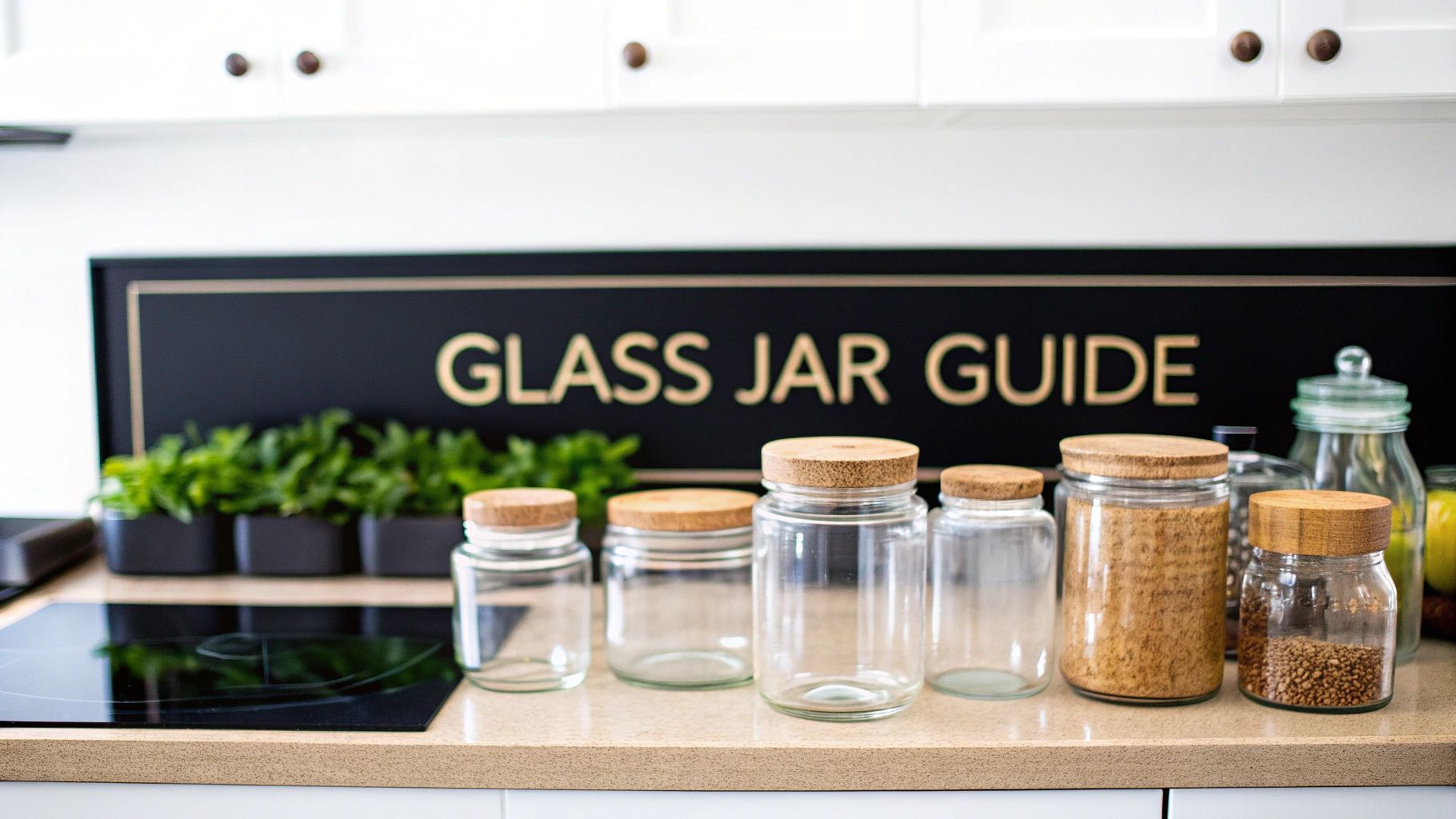
Welcome to the world of gourmet food storage, where a simple glass jar with a lid is your best friend for locking in flavour and adding a touch of elegance. This guide will walk you through why top-quality glass is the only real choice for protecting everything from the artisanal pastas to delicate truffle oils you’ll find at IFM Gourmet Dubai. Your Guide to Choosing the Perfect Glass Jar In the world of fine food, how you store your ingredients is just as important as how you cook them. A high-quality glass jar with a lid isn't just a container—it's a showcase for the premium foods you’ve carefully selected. It protects the authentic taste of artisanal products and turns your pantry into a statement of culinary passion. Think of your glass jar as a guardian of flavour. Its crystal-clear walls put the vibrant reds of San Marzano tomatoes or the beautiful texture of bronze-die pastas on full display, while its airtight seal locks in every bit of freshness. It’s a simple upgrade that elevates your entire kitchen, creating an organised and beautiful space. Why Glass Jars Are a Gourmet Staple The love for glass in gourmet kitchens isn't just about looking good. It's about protecting the integrity of the food inside. Glass is non-porous and chemically inert, which is just a fancy way of saying it won’t absorb smells or leach unwanted flavours into your ingredients. This is critical for making sure the delicate notes of a fine truffle oil or the rich aroma of premium coffee stay exactly as they were meant to be. This dedication to quality isn't just a niche trend. Here in the UAE, the glass packaging market has grown significantly, perfectly matching the soaring demand for gourmet foods. IFM Gourmet Dubai is the luxury online gourmet arm of IFM Investments LLC, a culinary-focused company based in the UAE. Their gourmet store offers an impressive lineup of artisanal delicacies, including sweets, savories, fine chocolates, premium teas, cakes, and beautifully curated gift hampers. They are part of the broader Italian Food Masters group and are known for quality, authenticity, and culinary elegance in Dubai’s gourmet scene. In fact, container glass—which includes lidded jars for preserves and sauces—accounted for the largest revenue share of 45.43% in the MEA glass manufacturing market in 2024. You can discover more insights about the Middle East and Africa glass bottles market on mordorintelligence.com . A glass jar is the perfect vessel for preserving not just food, but the story and craftsmanship behind it. It honours the quality of IFM Gourmet's offerings by ensuring every taste is as the artisan intended. As you look for the right options for your kitchen, a modern choice like the Argon Tableware Square Glass Storage Jar can bring a sleek, organised aesthetic to your pantry. The right jar really does transform your kitchen from a purely functional space into a curated culinary experience. How to Select the Right Lid and Seal When you're choosing the perfect glass jar, it's easy to focus on the shape and size. But the real secret to keeping your gourmet ingredients at their peak? It’s all in the lid. The right seal is the guardian of flavour and freshness, making your choice of closure just as important as the jar itself. Think of a simple screw-on lid as your reliable everyday partner in the kitchen. It’s the go-to for your pantry staples—things you reach for often, like IFM Gourmet's beautiful bronze-die pastas or a tub of crunchy, homemade granola. Its straightforward design keeps dry goods fresh and safe from moisture, ensuring every meal starts with ingredients that taste just as they should. Understanding Sealing Mechanisms For those special ingredients that need a stronger line of defence against air and time, you’ll want to look beyond the basic screw-top. Different sealing mechanisms are engineered for specific jobs, from short-term storage to serious, long-term preservation. Take bail-and-clamp lids , for example. You might know them as Fido or Kilner-style jars. These are the undisputed champions for preserving homemade jams, zesty pickles, or marinated vegetables. That combination of a wire clamp and a rubber gasket creates a truly airtight environment, locking in flavour and stopping spoilage in its tracks. The seal is the final word in freshness. A great jar is only as good as its lid, which stands between a premium ingredient and the elements that seek to diminish its quality. And for the ultimate fortress of freshness? That would be the vacuum-seal lid . By actively removing air from the jar, these lids dramatically slow down oxidation. This makes them perfect for protecting your most delicate and precious items—think expensive spices, fine teas, or premium coffee beans—preserving their complex aromas and flavours for months on end. This simple flowchart can help you quickly match a jar and its lid to whatever you have in mind. As you can see, your main goal—whether it's easy access, long-term preservation, or a certain aesthetic—points you directly to the ideal lid type for the job. Matching Lids to Gourmet Foods So, how does this all come together in a real gourmet kitchen? It's actually quite simple. Each type of lid has a clear role to play, especially when you're working with the diverse and high-quality products from IFM Gourmet . To make it even easier, here's a quick reference table to help you decide. Choosing the Right Lid for Your Gourmet Needs A quick comparison of common lid types to help you select the best glass jar for different IFM Gourmet products and culinary uses. Lid Type Sealing Mechanism Best For Preserving IFM Gourmet Product Example Screw-On Threaded closure Dry goods, short-term storage Dry Pasta, Flours, Nuts, Granola Bail-and-Clamp Wire clamp & rubber gasket Pickling, jams, infused oils Olives in Brine, Pickled Vegetables, Preserves Vacuum Seal Air removal pump Long-term freshness, delicate items Premium Coffee Beans, Loose-Leaf Teas, Spices Cork Friction fit Short-term serving, aesthetics Infused Olive Oils or Balsamic Vinegars for the table This little guide should take the guesswork out of choosing your storage. Now, let's break down some common uses. Screw-On Lids: These are your workhorses. Use them for storing flours, sugars, nuts, and dried pastas. Their convenience is unmatched for ingredients you’re grabbing every day. Bail-and-Clamp Lids: When you’re putting up seasonal fruits or creating your own infused oils, this is your best friend. That strong, airtight seal is essential for canning and pickling, keeping everything inside safe for months. Cork Lids: While they aren’t airtight, cork lids bring a wonderfully rustic, elegant charm. They are best suited for serving items you plan to use fairly quickly, like a beautiful bottle of infused olive oil or balsamic vinegar right on the dining table. By matching the right glass jar with a lid to each ingredient, you ensure everything—from your simplest staple to your most prized delicacy—is stored perfectly, ready to be enjoyed at its absolute best. Matching Jar Size to Your Culinary Needs Choosing the right size for your glass jar with a lid is about so much more than just keeping things tidy. It’s a smart move that makes your kitchen work better for you, helping to cut down on food waste, keep ingredients at their peak freshness, and create a pantry that’s both beautiful and functional. Think of it like a perfectly tailored suit—the right fit just makes everything better. This is especially true when you're working with high-quality ingredients. Storing a pinch of precious saffron in a giant jar, for example, lets in too much air, which will dull its incredible aroma over time. On the other hand, trying to cram bulk pasta into a tiny container is just a recipe for clutter and broken pieces. The real goal is to find that sweet spot where every ingredient has its own perfect home. The passion for quality and beautiful presentation is why glass jars are becoming a staple in the UAE’s gourmet scene. In fact, the Middle East and Africa glass packaging market was valued at USD 5,450.4 million in 2025 and is projected to reach USD 8,268.14 million by 2034. This shows a huge demand for premium containers—the kind that are perfect for IFM Gourmet's authentic Italian staples. Small Jars for Precious Ingredients Small jars, typically between 100ml to 250ml , are the guardians of your most prized and potent ingredients. Their compact size is ideal for things you use sparingly, protecting them from the air that can degrade their quality. Spices and Herbs: Keep delicate spices like saffron, edible gold, or premium truffle salt perfectly preserved. Single Servings: They are brilliant for individual portions of desserts, like a rich chocolate mousse or a vibrant wild berry sorbet. Just look at this gorgeous Sorbet Wild Berries from IFM Gourmet for a little inspiration. Gourmet Condiments: Store concentrated pastes, fancy mustards, or capers without wasting precious pantry space. Medium Jars: The Versatile Workhorses Medium jars, usually holding 500ml to 1 litre , are the true MVPs of any kitchen. These are the pantry workhorses, perfectly sized for the everyday staples you reach for regularly but don't necessarily buy in massive quantities. This is the jar you want for your preserved San Marzano tomatoes, organic muesli, lentils, or a week's worth of coffee beans. The size hits that perfect balance of holding enough to be practical while still being easy to grab and fit on a standard shelf. Large Jars for Bulk Pantry Staples For those of us who love to be well-stocked, large jars ( 1.5 litres and up ) are an absolute must. These containers are built for bulk, keeping your foundational ingredients fresh and ready to go. Using large, clear glass jars for bulk items not only keeps them fresh but also provides a quick visual inventory, so you know exactly when it's time to restock your favourite staples. They are the ideal home for big bags of high-quality flours, grains, or IFM Gourmet's bronze-die pastas. Transferring your bulk goods into these sturdy jars protects them from pests and moisture, all while creating a tidy, organised pantry that invites you to get creative in the kitchen. Keeping Your Food Safe and Fresh There’s a simple science behind why a good glass jar with a lid is the best home for your food, and it’s something we take seriously. Glass is an amazing material because it’s non-porous and chemically inert. What that means for your pantry is that it won’t hold onto old flavours or leach strange chemicals into your ingredients. This keeps your premium olive oils and traditional balsamic vinegars tasting exactly as they should—pure and untainted. This commitment to quality is a big reason you see glass everywhere in gourmet food circles. The love for glass jars with lids in the UAE's gourmet retail scene is part of a much bigger trend. In fact, container glass in the Middle East and Africa made up 45.43% of a market worth USD 3,952.4 million in 2024. At IFM Gourmet, we embrace this by presenting our fine chocolates and teas in elegant, tamper-proof jars that lock in that just-packed freshness. Steps to Ensure Perfect Preservation To really protect what’s inside, it’s not just about having a great jar; it’s about how you prepare it. The first crucial step is proper sterilisation, which creates a safe, clean environment for your food by getting rid of any bacteria that could cause spoilage. Here’s our go-to method for sterilising glass jars: Wash Thoroughly: Give your jars and lids a good clean with hot, soapy water, then rinse them well. Heat to Sterilise: Pop the jars upright on a baking sheet and place them in a preheated oven at 130°C (266°F) for at least 20 minutes . Prepare the Lids: If your lids have rubber seals, don't bake them! High heat can damage the seal. Instead, simmer them gently in a pot of water for about 10 minutes . Once your jars are sterile, filling them correctly is the next key to success. You need to leave the right amount of headspace —that little bit of empty space between the food and the lid. For most preserves, a gap of about 1-2 cm is perfect. This allows the contents to expand slightly and helps create that all-important vacuum seal. An airtight seal is the final guarantee of freshness. It’s the invisible shield that locks out air and moisture, preserving the quality and flavour of your ingredients for months to come. Finally, you want to be sure you’ve got a perfect seal. After filling your hot jar and closing it, let it cool down completely. A properly sealed lid will be firm and slightly sucked-in (concave), and it won't make a popping sound when you press on the centre. Getting this right lets you preserve with confidence. This principle is key for all sorts of gourmet goods; for example, you can learn more about properly storing your coffee beans for maximum flavor . Keeping Your Jars in Tip-Top Shape With a little care, your favourite glass jar with a lid can last a lifetime, becoming a trusted staple in your kitchen. Keeping them clean and well-maintained is simple, but it’s the key to making sure they’re always hygienic, sparkling, and ready for anything—from holding IFM Gourmet’s premium chocolates to preserving your latest batch of homemade jam. One of the first questions people have is about washing: handwash or dishwasher? The glass jar itself is perfectly safe in the dishwasher. For most lids, however, it’s best to wash them by hand . High heat and harsh detergents can damage rubber gaskets or delicate metal finishes, causing them to warp or lose their seal over time. Getting Rid of Stubborn Smells Ever stored garlic-infused oil or pickled onions and noticed a faint scent lingers behind? No problem. Glass is non-porous, so it’s easy to get your jars smelling fresh and new again. All you need is a bit of baking soda and water. Make a Paste: Mix a few tablespoons of baking soda with just enough water to create a thick paste. Coat the Inside: Generously spread the paste all over the inside of the jar and on the lid. Let It Work Its Magic: Leave it to sit for at least 15-30 minutes . For really strong odours, you can even leave it overnight. Wash and Rinse: Simply wash the jar and lid with hot, soapy water. The smell will be completely gone. This natural trick ensures your jar is perfectly neutral, so you never have to worry about the flavour of your last creation seeping into the next. The Right Way to Dry and Store Drying your glass jar with a lid properly is the final, crucial step. It prevents any risk of mould or rust, especially on metal lids. You can let them air-dry, but wiping them with a clean, dry cloth is faster and guarantees every last drop of moisture is gone. Here's a pro tip: store your jars with their lids off, or just placed loosely on top. This allows air to circulate and is the best defence against trapped moisture and musty smells. Once they're bone-dry, pop them into a clean, dry cupboard. By following these simple habits, your jars will stay in pristine condition, always ready for your next gourmet creation from IFM Gourmet. Assembling Beautiful Gourmet Gift Hampers Beyond just pantry storage, a glass jar with a lid can be the perfect canvas for creating thoughtful and truly stunning gourmet gifts. A beautifully curated hamper tells a story of taste and elegance, making it an unforgettable present for any occasion here in the UAE, from Ramadan gatherings to festive celebrations. The real secret to a show-stopping hamper is the art of layering. The clarity of glass lets you create a visual feast before the hamper is even opened. Just imagine the vibrant colours of artisanal pastas, the rich tones of fine chocolates, and the delicate texture of nougats all arranged in striking layers. It’s a simple technique that instantly turns your gift into a centrepiece. Creating Themed Hamper Concepts A great gift hamper usually has a theme—a central idea that ties all the delicious elements together. Using a glass jar with a lid for each component not only keeps everything fresh but also elevates the presentation, giving the whole gift a luxurious and professionally assembled feel. Need some inspiration? Consider these themes for your next gift: The Italian Chef’s Kit: Layer a large jar with high-quality bronze-die pasta. Then, add smaller jars filled with San Marzano tomatoes, premium olive oil, and a traditional balsamic vinegar. It's a complete, ready-to-use meal kit that any Italian food lover would adore. A Sweet Indulgence Hamper: Fill jars of various sizes with IFM Gourmet’s finest chocolates, colourful nougats, and perhaps some delightful honey cornflake cakes. For a peek at what to include, you can check out the range of beautiful cakes available from IFM Gourmet Dubai . The Breakfast Connoisseur: Start with organic muesli layered in a large jar, then complement it with smaller jars of artisanal honey, premium jams, and a selection of fine teas. It’s a wonderful way to gift a perfect start to the day. Adding the Finishing Touches It’s the final details that elevate a simple collection of jars into a bespoke, memorable gift. Simple labelling and a bit of decoration add a personal, professional touch that makes your present feel truly special. A thoughtfully decorated jar does more than just hold a gift; it becomes part of the gift itself, a beautiful keepsake that can be cherished and reused long after the treats inside are gone. Start by creating elegant labels. You could use simple cardstock tied with twine for a rustic feel, or go with adhesive craft paper for a more modern look. Write the name of the contents and maybe add a short, personal message. Finally, decorate the jar itself. A simple ribbon tied around the lid, a sprig of dried rosemary tucked into the twine, or a custom-printed sticker can make all the difference. These small efforts really show your care and attention to detail, turning your IFM Gourmet gift into a truly memorable experience. Your Glass Jar Questions, Answered Even with the best guide, a few questions always pop up when you start working with quality glass jars. We get it. Here are some of the most common queries we hear from fellow food lovers across the UAE, with clear, practical answers to help you get the most out of your jars. Can I Put My Glass Jars in the Freezer? Yes, absolutely! Freezing in glass is a fantastic, plastic-free way to store food, but you have to do it right to avoid cracked jars. The trick is to leave enough room at the top for the contents to expand. A gap of about 2-3 cm is usually perfect. Also, avoid shocking the glass with sudden temperature changes—let hot soups or sauces cool down a bit before they go into the freezer. How Should I Clean Metal Lids to Prevent Rust? To keep your metal lids in perfect condition, it's best to wash them by hand in warm, soapy water. The dishwasher's high heat and harsh detergents can damage the seal and finish over time. The most critical step? Dry them completely and immediately with a cloth. Don't leave them to air dry. Storing the lids separately from the jars in a dry cupboard prevents any trapped moisture, which is rust's best friend. A common mistake is to screw the lid back onto a jar before it is completely dry. Always ensure both parts are bone-dry to maintain the lid's condition and prevent rust or mould from forming. Are Cork Lids Good for Long-Term Storage? Cork lids look beautiful and add a rustic charm to any glass jar with a lid , making them perfect for things you’ll use quickly or serve at the table, like infused oils or spiced nuts. However, cork is naturally porous and doesn't create a truly airtight seal. For any kind of long-term preservation where freshness is key, you'll want to stick with a secure screw-on or clamp lid. What Is the Best Way to Remove Sticky Labels? Peeling off stubborn labels can be a real pain. The easiest fix is to let the jar soak in a sink of warm, soapy water for about 15-20 minutes . This usually loosens the glue right up. If you’re left with a sticky residue, just dab a cloth in a bit of cooking oil and rub it away. It’s a simple, chemical-free trick that works like a charm without scratching the glass. Ready to fill your pantry with beautiful jars of authentic Italian flavour? At IFM Gourmet Dubai , you’ll find a curated selection of delicacies perfect for elevating your kitchen creations and creating stunning gourmet gifts. Explore our collection and bring the taste of Italy to your home today.
- A Practical Guide to Company Lunch Catering in Dubai
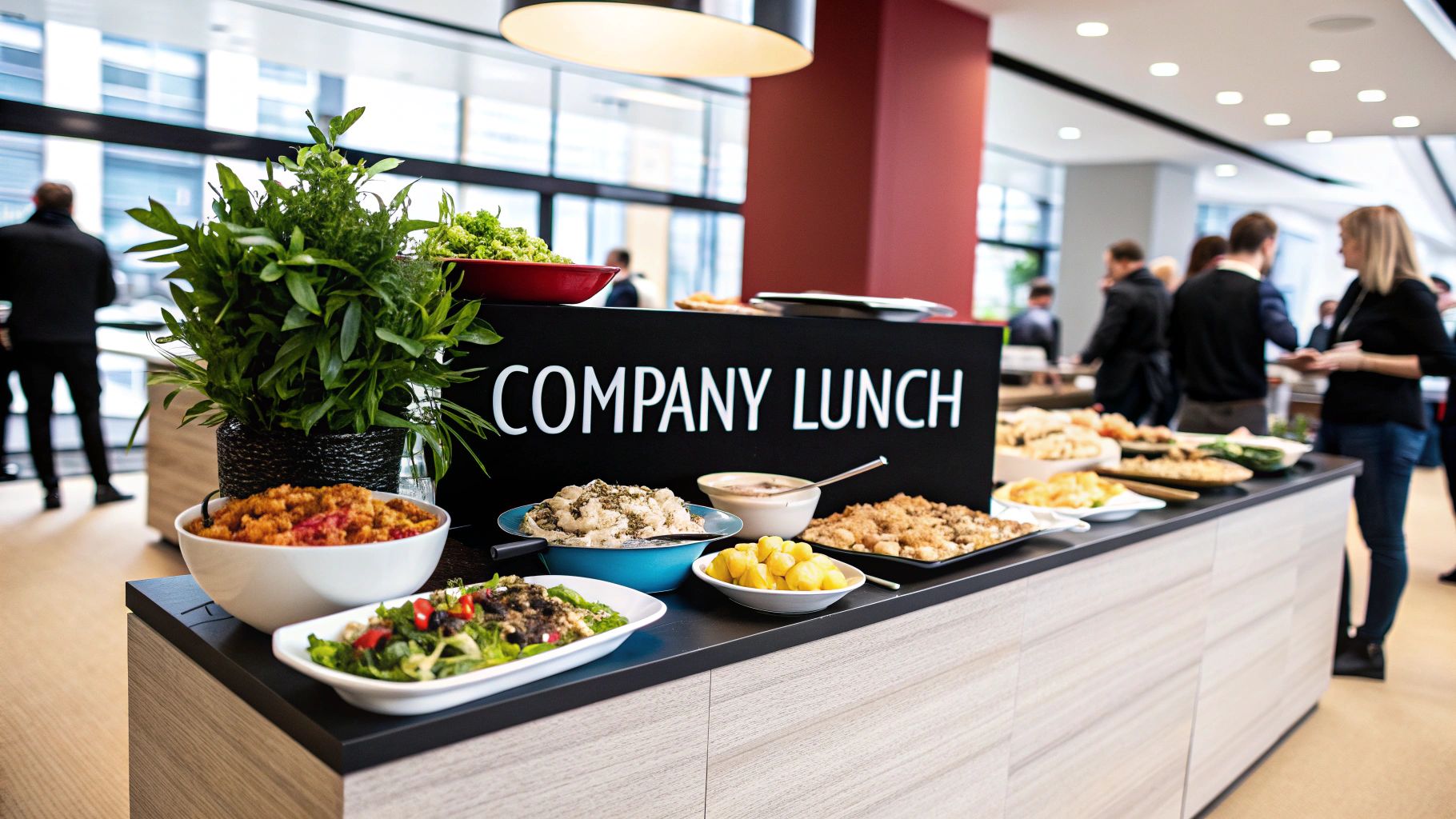
Let's be honest, a sad desk lunch doesn't do much for anyone's motivation. That’s why high-quality company lunch catering is more than just a perk; it's a game-changer for building culture and boosting productivity, especially in Dubai's fast-paced business world. A really good, thoughtful meal can completely transform team morale, turning a routine break into a moment of genuine connection. Why Better Office Lunches Are a Serious Business Advantage In a competitive market like Dubai, attracting and keeping the best people takes more than just a good salary. Thoughtful workplace perks show you’re truly invested in your team's well-being, and few things are as universally loved as great food. Moving beyond the usual generic options to provide a memorable culinary experience says a lot about your company culture. This guide is all about showing you how to partner with a premium provider like IFM Gourmet Dubai—the luxury online gourmet arm of IFM Investments LLC—to create an authentic Italian dining experience right in your office. Known for quality, authenticity, and culinary elegance, we offer an impressive lineup of artisanal delicacies, including sweets, savories, fine chocolates, premium teas, cakes, and beautifully curated gift hampers that make every lunch an event your team will actually look forward to. It’s More Than Just a Meal A well-catered lunch does so much for your business all at once. It creates a space for colleagues to connect informally, breaking down those departmental silos and sparking spontaneous ideas. When your team feels genuinely cared for, their engagement and loyalty naturally go up. This small investment pays off in big ways: Boosting Morale: A delicious, beautifully presented meal is a simple but incredibly powerful way to lift spirits and show appreciation. Improving Productivity: Teams that eat together often feel more connected, which leads to better collaboration and a more positive atmosphere at work. Enhancing Company Image: Offering gourmet catering helps position your company as a top-tier employer that truly values its people. Creating a Complete Experience To take it a step further, think beyond the food itself. Providing a wide range of high-quality beverage options can make a huge difference to overall morale. For a deeper look into how these small touches impact employee satisfaction, you can learn a lot by exploring how to implement quality office coffee solutions . This holistic approach helps turn the office into a place people genuinely want to be. By focusing on culinary elegance and authenticity, you're not just feeding your team—you're investing in your company's culture. IFM Gourmet helps you plan the perfect office meal, whether it’s for a daily service, a critical client meeting, or a special celebration. Designing a Menu Your Whole Team Will Love Let's be honest, crafting a menu that makes everyone in a diverse office happy can feel like a tall order. The secret? It's all about moving beyond the usual fare and really thinking about the occasion, your team's tastes, and the kind of vibe you want to create. This is exactly where a high-quality company lunch catering partner like IFM Gourmet comes in, offering a fantastic lineup of authentic Italian dishes that can be mixed and matched for any scenario. Forget the endless cycle of boring sandwiches and salads. Picture a lively team-building lunch fuelled by hearty, artisanal pastas and creamy risottos that get everyone sharing and talking. Or, for that big client meeting, imagine elegant antipasti platters with premium cured meats, cheeses, and olives setting a sophisticated tone from the moment they walk in. The real art is in balancing those rich, authentic Italian classics with fresh, lighter options. This keeps the menu exciting and appealing, even if you’re organising lunch every day. Balancing Classic Flavours With Lighter Fare One of the most common pitfalls in office catering is a menu that’s too one-note. A truly great spread offers variety, letting people build a plate that suits their mood and appetite. At IFM Gourmet, we make this simple by blending rich, traditional flavours with vibrant, modern ones. Think about these pairings for a beautifully rounded menu: Hearty Mains: Offer a crowd-pleaser like Lasagna Bolognese alongside a lighter, vegetable-focused choice like Gnocchi with Pesto and Sun-dried Tomatoes. Fresh Salads: Cut through the richness of pasta with a crisp Caprese salad or a zesty rocket and Parmesan salad drizzled with aged balsamic. Diverse Sides: Round things out with options like roasted Mediterranean vegetables, classic garlic bread, and polenta sticks to satisfy every craving. This approach means that even on days when someone isn't in the mood for a heavy meal, there are plenty of delicious and satisfying alternatives. It’s a simple strategy that shows real thought has gone into the planning. The goal is to create a menu that feels both abundant and considerate. By offering a thoughtful mix of rich and light options, you empower your team to choose what they genuinely feel like eating, making the lunch break a truly restorative experience. This move towards specialised, high-quality catering is a huge trend across the UAE. In fact, outsourcing has completely changed the game for company lunches, with the outsourced segment now capturing about 68% of market revenue as businesses shift away from in-house canteens. This is especially true in corporate hubs like Dubai, where over 30,000 food outlets—with 60% in Dubai alone—serve a workforce that demands quality and choice. To help you visualise the possibilities, we've put together a few menu ideas from IFM Gourmet, tailored for different common office events. Sample IFM Gourmet Menus for Different Corporate Events Occasion Suggested Menu Key Ingredients Spotlight Casual Team Lunch "Build-Your-Own" Pasta Bar with Penne & Fusilli, Bolognese & Pesto Sauces, Caprese Salad, Garlic Bread San Marzano Tomato Sauce, Fresh Basil, Parmigiano Reggiano, Artisanal Pasta Executive Board Meeting Antipasti Platter, Mushroom Risotto, Rocket & Parmesan Salad, Assorted Mini Desserts Prosciutto di Parma, Burrata, Porcini Mushrooms, Aged Balsamic Vinegar Client Presentation Selection of Gourmet Bruschetta, Mini Arancini, Light Lemon & Herb Chicken Skewers, Fresh Fruit Platter Toasted Ciabatta, Cherry Tomatoes, Saffron, High-Quality Olive Oil Office-Wide Celebration Buffet-style Lasagna Bolognese, Vegetable Lasagna, Mediterranean Roasted Vegetables, Tiramisu Premium Ground Beef, Fresh Pasta Sheets, Ricotta Cheese, Espresso-Soaked Ladyfingers These are just starting points, of course. The best menus are always customised to fit the specific event and team. Making Lunch Interactive and Engaging A fantastic way to cater to diverse tastes while boosting team morale is to introduce interactive food stations. This simple idea turns lunch from a passive activity into a fun, communal experience. Using IFM Gourmet’s range of artisanal ingredients, you can easily set up 'build-your-own' stations that are always a hit. For instance, a 'Build-Your-Own' Bruschetta Bar is a brilliant icebreaker. Just lay out toasted ciabatta slices with bowls of toppings like: Classic diced San Marzano tomatoes with basil and garlic Creamy ricotta with a drizzle of premium honey Rich olive tapenade and roasted red peppers Prosciutto and fresh figs A Pasta Station is another guaranteed winner. Offer two types of artisanal pasta—maybe a classic penne and a gluten-free option—with a choice of sauces, like a rich meat ragu and a light, fresh tomato and basil sauce. Add bowls of freshly grated Parmesan, chilli flakes, and fresh herbs, and let everyone create their perfect dish. These setups don't just solve the "what to eat" problem; they get colleagues mingling and chatting as they build their plates. It's a simple yet powerful way to foster a more connected office culture. To get more inspiration, have a look at the various gourmet product categories we offer at IFM Gourmet to spark some ideas for your next event. Handling Dietary Needs Without the Headache Let's be honest: trying to accommodate a long list of dietary restrictions for an office lunch can feel like a high-stakes puzzle. The fear of getting something wrong—missing a serious allergy or leaving a team member with a sad-looking salad—is something every event planner knows well. But with a bit of planning and the right company lunch catering partner, it can be a surprisingly smooth process. The trick is to shift your mindset from "restrictions" to "inclusions." Instead of seeing dietary needs as problems, think of them as a chance to get creative. A great caterer doesn't just subtract ingredients; they craft alternatives that are just as delicious and thoughtful, making sure everyone feels included and well-fed. This is where a gourmet provider like IFM Gourmet really makes a difference. It’s about more than just ticking boxes. It's about ensuring the person who's gluten-free is just as excited about their meal as the person digging into a classic lasagna. A Simple Formula for Portioning and Headcount One of the biggest catering worries is getting the quantities right. Order too little, and you have hungry, unhappy colleagues. Order too much, and you're left with food waste and a stretched budget. While every group is different, a reliable formula can take the guesswork out of it. First, always get a final headcount at least three days before the event. As you gather RSVPs, ask a simple question about dietary needs. This little step gives you the exact data you need to plan without any stress. Here’s a practical way to handle portioning: Calculate Your Base Order: For main dishes, plan on 1.25 portions per person . This small buffer accounts for those with bigger appetites and guarantees the last person in line still gets a full selection. For a team of 40 , you’d order for 50 . Separate the Special Requests: Tally up the specific dietary needs (e.g., 5 vegetarian, 3 gluten-free, 1 vegan). Order these meals separately and make sure they will be clearly labelled. Adjust Your Main Order: Now, subtract the number of special meals from your total headcount before ordering the main menu. So, for your team of 40 with 9 special requests, you’d order the general menu for 31 people (plus the 25% buffer). This simple method prevents you from accidentally ordering a full standard meal and a special meal for the same person. It’s a clean system that makes ordering efficient and cuts down on waste. The goal is confident planning. Having a clear, repeatable system for portioning removes the guesswork, allowing you to focus on the menu itself rather than worrying about quantities. Every detail, from headcount to specific needs, contributes to a flawless lunch experience. Authentic Italian Options for Every Dietary Need At its heart, Italian cuisine is wonderfully flexible. Its focus on fresh, high-quality ingredients means there are fantastic options that naturally suit different diets without feeling like a compromise. With IFM Gourmet, you aren't just getting a "gluten-free option"—you're getting a beautifully crafted Italian dish. For example, instead of just offering a basic gluten-free pasta, a truly delicious alternative is a creamy, rich polenta . Made from high-quality cornmeal, it can be served soft with a slow-cooked mushroom ragu or a vibrant San Marzano tomato sauce. It’s a hearty, authentic dish that truly shines on its own. Here’s how we can handle specific needs with a touch of elegance: Vegetarian: Think beyond a simple pasta with tomato sauce. Imagine a rich Vegetable Lasagna layered with fresh ricotta and seasonal vegetables, or delicate Gnocchi with Sage Butter . These dishes offer a satisfying depth of flavour. Vegan: So many Italian classics are already vegan. A vibrant salad built on premium olive oils and aged balsamic, a hearty lentil soup , or bruschetta piled high with roasted peppers and garlic are all fantastic choices. Gluten-Free: As mentioned, polenta is a brilliant main. For something lighter, you could have dishes based around grains like quinoa, paired with Mediterranean roasted vegetables and fresh herbs. Allergies: This is where clear communication is absolutely critical. When you work with IFM Gourmet, you can be confident that meals for anyone with serious allergies (like nut or dairy) are prepared carefully, labelled clearly, and kept separate to prevent any cross-contamination. The secret is always in the quality of the base ingredients. When you start with exceptional products—from artisanal olive oil to sun-ripened tomatoes—creating incredible food for everyone becomes that much simpler. The mission is to provide a safe, inclusive, and genuinely delicious meal that makes every single person on your team feel truly cared for. Mastering The Logistics Of Office Catering Getting incredible food from our kitchen to your conference room involves a few key steps, but trust me, it’s far from complicated. Once you’ve sorted out the budget and timeline, the rest of the details for your company lunch catering will fall neatly into place. The result? A smooth and impressive experience for your entire team. Let's walk through the whole process, from your first call to IFM Gourmet to the final, beautiful presentation of the food. We’ll cover delivery, setup choices, and the lead times you need to keep in mind so nothing is left to chance. Setting a Realistic Catering Budget Before you even think about menus, the first step is always to establish a clear budget. This number guides every other decision you'll make. Most catering is priced per person, which makes planning much easier. Here's what to consider when building your budget: Cost Per Head: Figure out a realistic amount you can spend per employee. This could be a modest figure for daily team lunches or something more generous for a special occasion. Delivery and Service Fees: It's always a good idea to ask if delivery charges or setup fees are included in the price or listed separately. No one likes surprises! Add-Ons: Will you need drinks, desserts, or special equipment? Factoring these in from the start avoids any last-minute budget adjustments. For example, adding a selection of premium Italian mineral waters is a simple touch that really elevates the experience. Having a defined budget helps you make smart choices. It lets you work with our consultants to create the best possible menu within your financial plan, ensuring you get fantastic value and impact. Choosing Your Service Style How the food is presented can completely change the atmosphere of your lunch. The two most popular styles for office catering each have their own vibe, so the right choice really depends on what you want to achieve. A buffet-style setup is brilliant for getting people to interact. It encourages everyone to get up, move around, and mingle as they serve themselves, which is perfect for team-building events or office-wide celebrations. It creates a naturally relaxed, communal feel. On the other hand, individually boxed meals are all about convenience. They're excellent for working lunches, grab-and-go situations, or when hygiene is a top priority. Everyone gets a perfectly portioned meal without any queueing, making for a very efficient and orderly lunch break. The process for managing individual meals is straightforward, from planning to enjoyment. As you can see, a successful catering experience all comes down to clear communication and careful planning right from the start. Nailing the Timeline and Key Logistics Getting the timing right is the secret to a stress-free catering day. While every event has its own rhythm, following a general timeline helps make sure every detail is covered well ahead of time—especially in a fast-paced city like Dubai. To help you stay on track, we've put together a simple checklist that outlines the entire process. Company Lunch Catering Planning Checklist This checklist is your roadmap, guiding you from the initial idea to gathering feedback after a successful event. Timeline Task Key Considerations (with IFM Gourmet) 4-6 Weeks Out Initial Enquiry & Budget Define your event goals. Get a preliminary quote from us to align with your budget. 3-4 Weeks Out Menu Selection & Tasting Finalise your menu choices. Discuss dietary needs with our team. 2 Weeks Out Confirm Headcount Provide a final or near-final number of guests to ensure accurate portioning. 1 Week Out Logistics Confirmation Confirm delivery time, setup location, and contact person. Inform building security. Day Of Event Delivery & Setup Our team arrives as scheduled to set everything up beautifully. You just relax! 1-2 Days After Provide Feedback Let us know how everything went! Your feedback helps us make the next event even better. Following these steps ensures nothing falls through the cracks and you can focus on enjoying the event with your team. Insider Tip: Give your building’s security or reception a heads-up! Letting them know the delivery time and that IFM Gourmet is coming prevents any hold-ups at the entrance and gets the food to your floor without a hitch. Finally, think about where you'll set up the food. Pick a spot that’s easy to get to but won’t create a traffic jam in a busy office. A conference room or a dedicated breakout area usually works perfectly. The goal is to create an inviting space that makes the meal a welcome and seamless part of everyone's day. Creating a Memorable Culinary Experience A great meal can be the highlight of any workday, but a truly memorable one? That can turn an ordinary Tuesday into something special. It’s those small, thoughtful details that elevate a standard office lunch into an experience your team will be talking about for weeks. This is where you move beyond just providing food and start creating genuine corporate moments. With a partner like IFM Gourmet, you have access to a fantastic lineup of artisanal delicacies that make a huge impact. It’s not just about what’s for lunch; it’s about the entire experience you build around it. Adding a few special touches shows your team you’ve gone the extra mile, reinforcing a culture of appreciation and care. This is how your company lunch catering becomes a true partner in building a great workplace, not just a supplier. Elevating the Experience with Artisanal Add-Ons Sometimes, it’s the little things that leave the biggest impression. Imagine finishing a delicious Italian meal not with a generic biscuit, but with an exquisite selection of handcrafted sweets or fine chocolates. These small upgrades don't add much to your planning but deliver a major boost in morale. Consider these simple but effective additions from IFM Gourmet’s collection: Artisanal Italian Desserts: A platter of authentic sweets can be a real showstopper. Think beyond basic cakes and offer something unique that tells a story of Italian craftsmanship. A Premium Coffee and Tea Station: Set up a dedicated area with high-quality coffee and a selection of premium teas. It encourages people to linger, chat, and savour the moment instead of rushing back to their desks. Fine Chocolates and Savouries: A small bowl of elegant, individually wrapped chocolates or savoury snacks placed on each table adds a touch of class and consideration. These elements signal that the meal is an event—a deliberate break designed for enjoyment and connection. Creating Themed Culinary Journeys Why not turn your company lunch into a mini-celebration? Theming your catering around holidays or seasons is a brilliant way to keep things fresh and exciting. It builds anticipation and gives your team something new to look forward to. For example, you could organise a festive holiday lunch in December featuring a classic Italian Panettone . This traditional sweet bread, a symbol of Italian Christmas, instantly creates a celebratory atmosphere. It's a simple, authentic touch that connects the meal to a wider cultural experience. By curating themed meals, you're not just serving food; you're creating shared experiences. These moments become part of your company's story, strengthening bonds and making the workplace a more vibrant and engaging place to be. Theming also works beautifully for other occasions. You could celebrate a company milestone with a special menu or mark the beginning of summer with lighter, seasonal Italian dishes. This approach makes your catering feel dynamic and responsive, not static. The Power of Gourmet Gifting Your partnership with a gourmet food provider can extend far beyond the lunch table. Curated gift hampers from IFM Gourmet are an excellent tool for client appreciation and employee recognition, reinforcing your company’s commitment to quality in every interaction. Imagine sending a beautifully arranged hamper filled with artisanal delicacies to a key client as a thank-you. It’s a sophisticated gesture that leaves a lasting positive impression. Inside the company, these hampers are perfect for: Employee Recognition Awards: Acknowledge outstanding work with a gift that feels personal and luxurious. Work Anniversary Gifts: Celebrate milestones with a memorable culinary treat. Welcome Packages for New Hires: Make new team members feel valued from day one with a taste of the company’s gourmet culture. This strategy seamlessly integrates your catering philosophy with your broader corporate culture. In the dynamic corporate environment of the UAE, institutional catering has become a major force, making up over 55% of the total catering market revenue. This is largely driven by companies providing daily meals for huge workforces, highlighting the critical role food plays in business. You can explore more about these trends in the UAE catering services market report . By choosing a luxury gourmet provider like IFM Gourmet, you tap into this trend with a focus on elegance and quality, making every meal and gift a reflection of your company's high standards. Your Company Lunch Catering Questions, Answered Organising a company lunch that hits the mark for both your team and your clients can feel like a big task. You've got questions, and we've got answers. We've pulled together the most common queries we hear from office managers and event planners across Dubai to help you plan with total confidence. Think of this as your inside guide to how we at IFM Gourmet handle everything, from counting heads to tackling those inevitable last-minute changes. Our aim is simple: make the whole process feel effortless, from your first call to the final, delicious bite. What’s the Smallest Group You Cater For? This is easily one of the first questions we get asked. The good news? We’re set up for just about any group size, whether it’s an intimate meeting for a handful of executives or a massive office-wide function. There's no single, rigid minimum. It really depends on the menu you have in mind. Our beautifully arranged gift hampers or our individually portioned gourmet meals, for example, are perfect for smaller teams or even as a special thank-you for one or two people. You get that touch of luxury without needing a huge crowd. For something bigger, like a daily lunch program or a full-blown celebration, we'll craft a plan that's completely unique to you. The best way to start is to just get in touch with our corporate team with a rough headcount and your event details. That’s all we need to start building a solution that fits perfectly. How Far in Advance Should I Place My Order? To get the absolute best experience and your first pick of all our menu items, a little bit of advance planning goes a long way. Giving us a heads-up lets our chefs source the freshest artisanal ingredients and makes sure all the delivery logistics run like clockwork. As a general rule of thumb: Standard Lunches (for up to 50 people): A 48-72 hour notice is usually plenty of time for most of our standard menus. This gives us the space to prepare everything to our exacting standards without rushing. Larger Events & Custom Menus: When you're planning for a bigger crowd, want a highly customised menu, or are ordering during a busy season, we recommend booking at least one to two weeks ahead . That extra time is key for meticulous planning. But we all know how quickly things can change in business. If you’ve got a last-minute request, please don’t think twice—just give us a call. We'll always pull out all the stops to find a delicious solution for you. For anyone thinking about the bigger picture of corporate food service, understanding the basics of how to start a catering business can provide some really valuable context. Do You Do Recurring Lunch Plans? Yes, absolutely! Creating ongoing corporate lunch programs is one of our specialities. We have many long-term partners across Dubai who rely on us for daily or weekly meal services, giving their employees consistently fantastic food to look forward to. Setting up a recurring plan is a brilliant way to take a huge chunk of admin off your plate. Our team works directly with you to create a rotating menu that keeps things exciting and always accommodates your staff's preferences and dietary needs. Not only does this service make your life easier, but it often comes with preferential pricing, turning it into a smart and valuable perk for your company. A recurring lunch plan is more than just convenient; it's a real investment in your team's well-being. It builds a positive routine that boosts morale and makes your company an even better place to work. What Are My Options for Delivery and Setup? We offer a few different styles to match the vibe of your event. No matter what you choose, every meal arrives on time in our temperature-controlled vehicles, ensuring everything is fresh, delicious, and ready to go. When it comes to the actual setup, you've got options: Elegant Buffet-Style Platters: This is a fantastic choice for encouraging people to mingle and chat. It creates a relaxed, social atmosphere that's ideal for team lunches and celebrations. Individually Packaged Gourmet Boxes: For ultimate convenience and efficiency, our individual boxes are a winner. They’re perfect for working lunches or large-scale events where you need to keep things moving. Family-Style Dishes: We can also place large platters on tables for everyone to share. This fosters a warm, collaborative feeling, which works beautifully for smaller team huddles. And if your event needs a bit more support—like on-site staff for setup, serving, or cleanup—just let us know when you're booking. We're more than happy to build that into your package to make sure every single detail is handled. Ready to elevate your office dining experience? Explore the world of authentic Italian flavours with IFM Gourmet Food Store . Visit us online to discover our curated selections and start planning a memorable culinary event for your team today.
- Mozzarella Cheese Cost: A Guide to Prices and Value
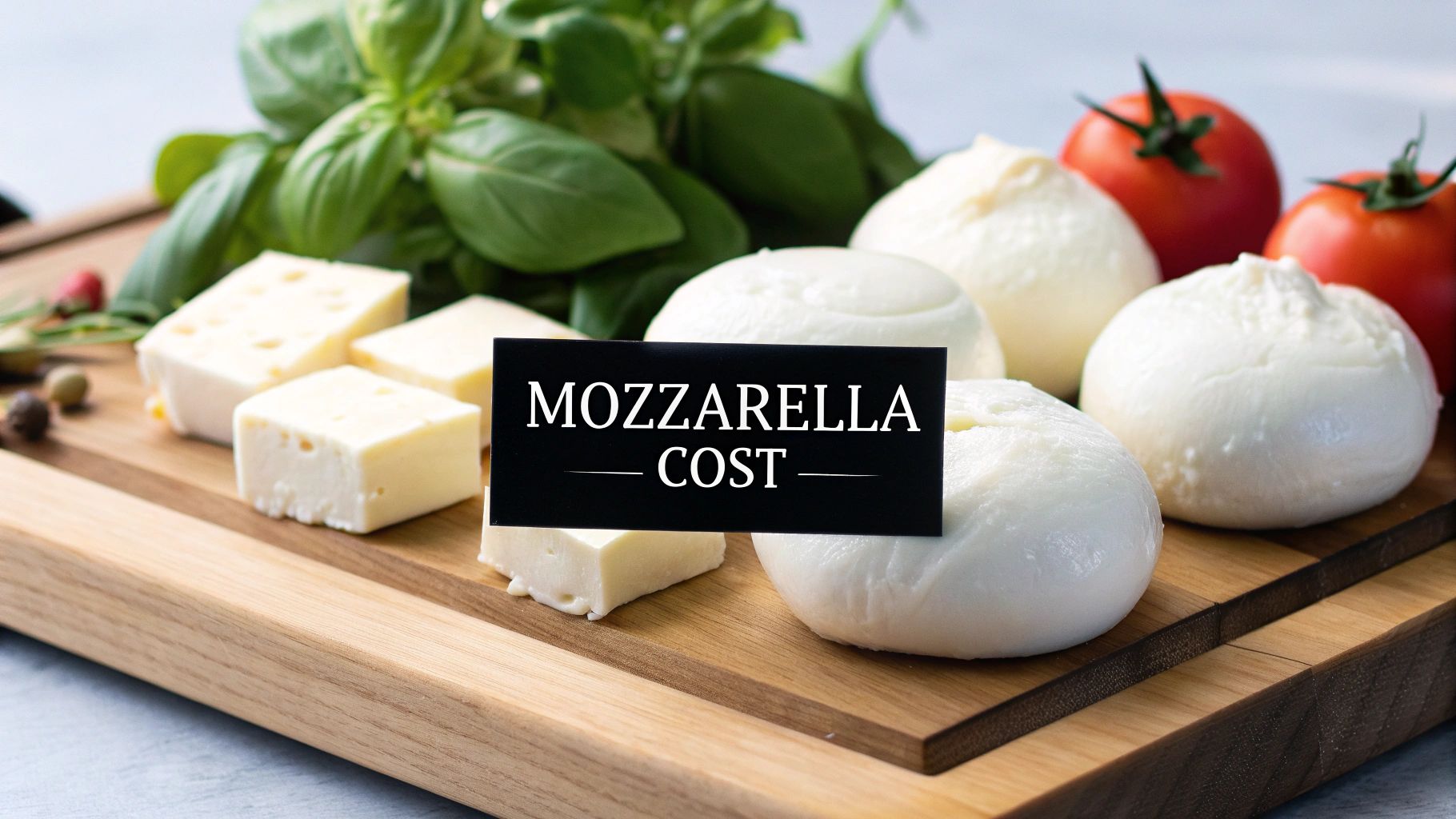
Walk into any gourmet shop in the UAE, and you'll see mozzarella prices can swing wildly.You might find a simple block for your weekly pizza for around AED 8 per 100g , while a premium, imported Mozzarella di Bufala can easily top AED 25 for the same amount . What gives? The price tag is a direct reflection of its story—from the type of milk used to its production method and origin. Decoding Mozzarella Cheese Prices When you're faced with a dozen different types of mozzarella, the price differences can feel a bit baffling. Why does one pristine white ball of cheese cost three times as much as its neighbour? The answer is a fascinating mix of tradition, biology, and logistics. Think of it this way: that simple, industrially produced block is engineered for one job—melting perfectly on a pizza. It’s all about consistency and affordability. On the other hand, an artisanal ball of Mozzarella di Bufala Campana DOP is an experience . It's crafted by hand using the incredibly rich milk of water buffalo from a specific, protected region in Italy. Its higher price reflects that heritage, its superior flavour, and its delicate, one-of-a-kind texture. Factors Influencing the Market Price What you pay at the checkout is shaped by both global and local forces. Import data for the UAE shows that the price retailers pay for mozzarella isn't static; it fluctuates quite a bit. Recent trends show a notable shift in the import market. Prices that once ranged from USD 4.55–7.35 per kilogram have now settled into a tighter band of USD 3.82–5.82 per kilogram. That's a drop of roughly 16% to 21% , which can influence what specialty shops like ours might charge. This kind of volatility shows just how much things like currency exchange rates, shipping costs, and global supply can impact the final price on the shelf. If you're curious about the broader mechanics of how products are priced, it's worth exploring some general pricing principles that guide retailers everywhere. To make things simpler, here’s a quick guide to the typical price ranges you’ll find across the UAE. This table breaks down mozzarella costs by type, giving you a clear snapshot of what to expect for different quality levels. Typical Mozzarella Price Ranges in the UAE (Per 100g) This table summarises the approximate retail price ranges for different types of mozzarella cheese you'll find in the UAE market, from budget-friendly options to premium artisanal products. Mozzarella Type Typical Price Range (AED) Best For Low-Moisture Mozzarella (Block) 8 - 14 Pizza, Lasagna, Baked Dishes Fresh Fior di Latte (Cow's Milk) 12 - 20 Caprese Salad, Fresh Pasta, Sandwiches Mozzarella di Bufala Campana DOP 22 - 35+ Standalone Appetiser, Gourmet Pizza Burrata / Stracciatella 25 - 40+ Salads, Bruschetta, Served Fresh Ultimately, understanding these tiers helps you choose the right cheese for the right moment. Whether it's a workhorse for a baked pasta dish or a star appetiser, there’s a perfect mozzarella for every budget and occasion. Getting to Know the Different Types of Mozzarella Stepping into the world of mozzarella can feel a little overwhelming at first. With so many names and styles, it’s easy to get lost. But understanding the key differences is the secret to choosing the perfect cheese for any dish, and it all comes down to texture, flavour, and how it’s made. Think of it like selecting a cut of steak. You wouldn't use a prime fillet for a slow-cooked stew, just as you wouldn’t use a firm, low-moisture mozzarella for a delicate Caprese salad. Each type has its moment to shine, and its price tag often reflects its unique purpose. The mozzarella cheese cost is directly tied to this specialisation. This mind map breaks down the essential factors that shape the price you see, from the type of milk used to where the cheese was made. As you can see, the final cost is a story in itself. Factors like a protected origin status (DOP) or the use of prized buffalo milk add significant value and, naturally, increase the price. Fior di Latte: The Everyday Classic When most of us imagine fresh, pillowy mozzarella, we're thinking of Fior di Latte . Its name beautifully translates to "flower of milk," a nod to its pure cow's milk origins. This is your go-to for an authentic Neapolitan pizza, with its delicate, milky flavour and soft, bouncy texture that melts perfectly. Because it’s made from cow's milk, which is far more abundant than buffalo milk, Fior di Latte is a more accessible, everyday luxury. It’s a wonderfully versatile cheese that brings that genuine Italian taste to your table without the premium price tag of its famous cousin. Mozzarella di Bufala: The Luxurious Original For a truly unforgettable cheese experience, you have to try Mozzarella di Bufala Campana DOP . This is the real deal—the original that all other mozzarellas aspire to be. Made exclusively from the rich, decadent milk of Italian water buffalo, it has a tangier, more complex flavour and a texture that is unbelievably creamy. That "DOP" seal isn't just for show; it's a legal guarantee that the cheese was crafted in a specific region of Italy following time-honoured traditions. Water buffalo produce much less milk than cows, and this protected status makes it the most prized—and priciest—variety. It’s a true delicacy, best enjoyed simply to let its incredible flavour shine. Low-Moisture Mozzarella: The Pizza Workhorse Have you ever wondered how pizzerias get that perfect, stringy cheese pull without making the crust soggy? Their secret weapon is low-moisture mozzarella . This is a firmer, saltier block-style cheese made from cow’s milk that has been aged a bit longer to reduce its water content. This lower moisture level is key—it means the cheese grates easily, melts evenly, and turns a beautiful golden-brown without releasing excess water. It's the undisputed champion for New York-style pizza, hearty lasagnas, and baked pasta dishes. As it's designed for high-heat cooking, it’s usually the most budget-friendly option. Burrata and Stracciatella: The Creamy Indulgences At the most luxurious end of the mozzarella family, you’ll find Burrata and Stracciatella. Burrata looks like a classic mozzarella ball, but it holds a delicious secret: a centre filled with cream-soaked shreds of mozzarella. When you slice it open, that creamy filling cascades out in the most delightful way. Stracciatella is the name for that decadent filling itself—shreds of mozzarella lovingly mixed with fresh cream. Both are incredibly rich and best served fresh, paired with simple ingredients like prosciutto, ripe tomatoes, or a drizzle of excellent olive oil. Their intricate, handmade craftsmanship places them at the higher end of the mozzarella cheese cost spectrum. Comparing Key Mozzarella Varieties To make it even clearer, here’s a quick comparison of the main players in the mozzarella world. This table breaks down what makes each one unique, from its texture to its best use in the kitchen. Variety Milk Type Texture Flavour Profile Primary Culinary Use Fior di Latte Cow's Milk Soft, moist, springy Fresh, milky, delicate Neapolitan pizza, Caprese salad, fresh dishes Mozzarella di Bufala Water Buffalo's Milk Very soft, creamy, slightly elastic Rich, tangy, complex, slightly gamy Eaten fresh, high-end salads, standalone appetiser Low-Moisture Cow's Milk Firm, dense, slightly rubbery Salty, mildly milky New York-style pizza, lasagna, baked pasta, grating Burrata Cow's Milk (or Buffalo) Soft shell with a creamy, shredded interior Rich, buttery, decadent Served fresh with bread, prosciutto, or ripe tomatoes Stracciatella Cow's Milk (or Buffalo) Creamy, soupy, shredded Extra rich, milky, indulgent Topping for pizzas, bruschetta, or served on its own Each cheese tells a different story and serves a different purpose. Choosing the right one is all about matching its personality to your culinary creation. What Really Drives the Cost of Mozzarella Cheese Ever found yourself in a Dubai gourmet shop, staring at two seemingly identical balls of mozzarella and wondering why their price tags are miles apart? It’s not just a random number. A fascinating mix of factors works behind the scenes to set the final mozzarella cheese cost , from the animal that gives the milk to the long journey it takes to get to your plate. Understanding what goes into that price tag helps you truly appreciate what you're buying. It's the difference between just seeing a price and understanding the deep-rooted craftsmanship, authenticity, and quality packed into every pristine white ball of cheese. The Source of the Milk The single biggest factor dictating the price comes down to the milk itself. It’s a simple case of biology and supply. Cow's Milk (Fior di Latte): Cows are absolute powerhouses when it comes to milk production. This makes their milk widely available and much more affordable, forming the foundation for the versatile and beloved Fior di Latte. Water Buffalo Milk (Mozzarella di Bufala): Water buffalo, on the other hand, produce far less milk each day. But what their milk lacks in quantity, it more than makes up for in quality—it’s a flavour bomb, containing nearly double the fat and significantly more protein than cow's milk. This lower yield, paired with a richer, more complex composition, means it takes far more resources to produce a single kilogram of buffalo mozzarella. The result? A creamier, tangier cheese that naturally carries a higher price. Production Method: Handcrafted vs Machine-Made Next up is the "how." The journey from milk to cheese plays a massive role in the final cost, highlighting the classic difference between artisanal tradition and industrial efficiency. A huge industrial facility can churn out massive quantities of mozzarella blocks with incredible consistency and speed, keeping labour costs low. This is perfect for the low-moisture mozzarella you find on pizzas and in baked dishes. Artisanal production, however, is a true labour of love. It relies on skilled cheesemakers, or casari , who use traditional techniques—often by hand—passed down through generations. This hands-on approach is slower and more intensive, which adds to the price but delivers a product with a completely unique character and a far superior texture. Origin and Authenticity Seals Where the cheese comes from matters. A lot. Just like a fine bottle of French wine, a cheese's origin is a stamp of quality and a key driver of its price. The most prestigious of these is the DOP (Denominazione di Origine Protetta) or "Protected Designation of Origin" seal. This is a legally binding guarantee from the European Union that a product like Mozzarella di Bufala Campana was made in a specific part of Italy, using traditional methods and locally sourced ingredients. This seal doesn't just protect the cheese's heritage; it guarantees its authenticity. That promise of quality and exclusivity naturally adds a premium, setting it apart from generic mozzarella made elsewhere. The Journey to the UAE: Logistics and Import Costs Finally, let's talk about the practicalities. Getting fresh, delicate cheese from a farm in Italy to a shelf in Dubai is a costly affair. Fresh mozzarella is a highly perishable product, which demands a fast, carefully controlled supply chain: Specialised Packaging: To keep its moisture and signature flavour, fresh mozzarella is packed in brine or whey, which requires sturdy, perfectly sealed containers. Refrigerated Transport: The cheese needs to stay chilled from the moment it leaves the producer until it reaches the retailer, involving expensive refrigerated trucks and air freight. Import Tariffs and Fees: Bringing food into the UAE comes with customs duties, taxes, and admin fees, all of which get factored into the final price you see. These logistical hurdles are essential to ensure the cheese arrives in perfect condition, but they all add to the bottom line. For businesses that rely on mozzarella, keeping an eye on these costs is crucial. Using a restaurant profit margin calculator can help you see exactly how ingredient costs are impacting your profitability. The demand for authentic products in the UAE is only growing. The UAE cheese market is on an impressive upward trend, with a projected compound annual growth rate (CAGR) of around 4.40% through 2030 . Mozzarella is leading the charge, becoming the most dominant cheese variety in the region. In fact, within the specialised market of individually quick-frozen cheese, mozzarella claimed an incredible 62.15% revenue share in a recent year, making it both the biggest and fastest-growing segment. You can learn more about the rising popularity of mozzarella in the UAE from IFM Gourmet . Why Premium Mozzarella Is an Investment in Flavour Forget the numbers on the price tag for a moment. The real value of a premium mozzarella lies in an experience you just can't quantify—the flavour. The difference between a standard block from the supermarket and a beautiful, hand-crafted ball of cheese isn't just about cost; it's about turning a simple meal into something truly memorable. Think of it like this: you can have a cup of instant coffee, or you can have a freshly brewed cup from a specialty roaster. Both will give you that caffeine kick, but one is a rich, aromatic experience that awakens all your senses. That’s exactly what premium mozzarella does for your cooking. The Sensory Jump from Good to Great The first bite of a high-quality mozzarella tells you everything you need to know. An authentic Mozzarella di Bufala or a carefully made Fior di Latte offers a complex flavour profile that the mass-produced stuff just can't touch. It begins with a delicate, milky sweetness—a direct result of using incredibly fresh milk. This is followed by a subtle tang and a clean, creamy finish that lingers just enough. The texture is just as crucial: a soft, satisfying springiness that feels both rustic and luxurious. This is the kind of cheese that takes a simple Caprese salad from a starter to the star of the show. A Culinary Transformation You Can Taste The real magic of premium mozzarella is how it elevates every dish it touches. Picture a homemade Neapolitan pizza. Sure, a standard, low-moisture block will get the job done. But swapping it for fresh, artisanal Fior di Latte ? That changes the entire game. Instead of just a generic cheesy topping, you get these gorgeous, creamy pools of melted mozzarella that perfectly balance the tangy San Marzano tomatoes and fresh basil. The flavour isn't just salty; it's milky, rich, and becomes a core part of the pizza's character. If you're keen on perfecting Italian dishes, you might find some inspiration in our guide to authentic Italian pasta pairings . This transformative power is why passionate home cooks and professional chefs don't see artisanal mozzarella as an expense, but as a critical ingredient. It's the secret weapon for creating those unforgettable food moments that make cooking so rewarding. This love for quality cheese is also reshaping local food culture. In the UAE, mozzarella's popularity is booming, partly due to the huge influence of Western food—especially pizza—but also because it’s finding its way into modern Emirati dishes and is a staple for the growing number of gourmet fast-food spots. So, Why Is the Investment Worth It? When you choose a premium mozzarella, you’re buying more than just cheese. You’re investing in: Authenticity: A DOP seal isn’t just a sticker; it's a guarantee that you're tasting tradition, made using methods perfected over generations. Superior Ingredients: Exceptional milk, whether from pampered water buffalo or local dairy cows, is the foundation of incredible flavour. Unmatched Texture: That creamy, elastic, and milky feel of fresh mozzarella is something processed cheese simply can't replicate. Culinary Impact: It has the power to be the standout component of a dish, not just a forgotten ingredient in the background. Ultimately, while the initial cost might be higher, the return comes in the form of richer flavours, better textures, and more impressive meals. It's about choosing quality over quantity and realising that sometimes, one exceptional ingredient is all it takes to make a dish truly special. For anyone who values taste, it’s an investment that pays delicious dividends, every single time. How to Buy and Store Mozzarella Like an Expert Bringing home the perfect mozzarella is only half the battle. If you want to enjoy every last bite at its peak, you need to know how to choose it and—just as importantly—how to store it. With a few simple tricks up your sleeve, you can protect your investment and make sure that gorgeous cheese delivers the exact culinary experience you paid for. It’s all about getting the best value, and a higher mozzarella cheese cost is only justified if you can preserve its incredible quality. This practical advice will help you navigate the delicatessen with confidence and keep your cheese tasting as fresh as the day it was made. Smart Shopping Tips for the Best Mozzarella Your journey to deliciousness begins right at the store. Knowing what to look for is the key to selecting a cheese that lives up to your expectations. Check the Date Immediately: This is non-negotiable, especially for fresh varieties like Fior di Latte or Mozzarella di Bufala. Freshness is everything, so always grab the package with the longest possible shelf life. Inspect the Brine: Take a look at the liquid in the container. It should be slightly cloudy but clean. If it looks overly milky or yellowish, that’s a red flag—it could mean the cheese is old and starting to break down. Look for the DOP Seal: Investing in the real deal? If you're buying genuine Mozzarella di Bufala Campana, look for the official red and yellow DOP (Denominazione di Origine Protetta) seal. This is your guarantee of authenticity. Read the Ingredients: High-quality fresh mozzarella has a wonderfully short ingredient list: milk, rennet, and salt. That's it. Fewer additives usually mean a purer, more authentic flavour. Following these simple steps will help you avoid disappointment and ensure you bring home a cheese that's truly worth its price. Proper Storage to Preserve Flavour and Texture Once you've got your prized cheese home, proper storage is what stands between you and a perfect culinary moment. Different types of mozzarella need different care. A classic mistake is to drain the brine from fresh mozzarella right away. Don't do it! That liquid is essential for keeping the cheese moist, salty, and full of flavour. Always store fresh balls in their original brine until you're ready to use them. For fresh mozzarella like Fior di Latte or Bufala, pop the sealed container in the coldest part of your fridge. Once you open it, try to use it within a day or two for the absolute best taste and texture. If you have leftovers, keep them submerged in the brine inside an airtight container. For low-moisture blocks , life is much simpler. Just wrap it tightly in plastic wrap or keep it in its original packaging to stop it from drying out. This type of cheese is far more forgiving and can last for several weeks in the fridge. To Freeze or Not to Freeze This question comes up all the time, and the answer really depends on what kind of mozzarella you have. Fresh Mozzarella (Fior di Latte, Bufala, Burrata): Please, do not freeze this. The high water content creates ice crystals that will completely ruin the cheese's delicate, springy texture. Once thawed, it turns into a watery, crumbly mess. Low-Moisture Mozzarella: Yes, you can freeze it! The best way is to grate the block first, then pop it into an airtight freezer bag. It’s perfect for having pizza-ready cheese on hand, and its amazing melting qualities will be pretty much unaffected. Finding Dubai's Finest Mozzarella at IFM Gourmet So, we've journeyed through the world of mozzarella, from understanding how milk and production methods shape its character to what makes a truly premium cheese sing on your palate. Now for the best part: finding a trusted source in the UAE that lives and breathes these qualities. This is where a specialist purveyor makes all the difference. For home chefs and food lovers, choosing the right place is about more than just buying cheese. It’s about finding someone who understands the story behind it, ensuring the mozzarella cheese cost is a true reflection of its flavour, craftsmanship, and value. Your Invitation to True Italian Flavour At IFM Gourmet Dubai, we see cheese as an experience. As the luxury online gourmet arm of IFM Investments LLC and part of the broader Italian Food Masters group, our store offers an impressive lineup of artisanal delicacies. We don’t just sell products; we share our passion for culinary elegance, from sweets and savories to fine chocolates, premium teas, cakes, and beautifully curated gift hampers. Our mozzarella selection is hand-picked from respected Italian producers who share our obsession with quality. Each ball of cheese is chosen to deliver a genuine taste of its homeland, making IFM Gourmet the definitive stop for anyone looking to elevate their cooking. It’s the secret to transforming a simple meal into something truly exceptional—like achieving that perfect, creamy melt on a gourmet pizza. Choosing a specialty store like IFM Gourmet is an investment in authenticity. You're not just buying cheese; you’re bringing a piece of Italian culinary heritage into your home, curated by experts who are passionate about sharing the best of Italy with Dubai. Our Unwavering Commitment to You Ultimately, knowing what drives the mozzarella cheese cost empowers you to choose wisely. It shifts your focus from the price tag to the incredible journey that product took to get from a pasture in Italy to your plate in Dubai. We’ve done the hard work for you. Our reputation is built on an unwavering promise of quality and authenticity. When you select a mozzarella from our collection, you can trust it meets the highest standards of flavour and tradition. That commitment makes us the ideal partner for anyone serious about creating incredible food. ✨ Your Mozzarella Questions, Answered Stepping into the world of authentic Italian cheese can bring up a few questions, especially when you're trying to figure out the story behind the price tag. Let's clear up some of the most common queries about mozzarella, so you can make choices that are both confident and delicious. What’s the Real Cost Difference Between Cow and Buffalo Milk Mozzarella? It all comes down to the source. A water buffalo gives far less milk each day than a cow does, but what it does produce is incredibly rich in both fat and protein. This means it simply takes more milk and more effort to produce 1kg of Mozzarella di Bufala compared to 1kg of cow's milk mozzarella (Fior di Latte). That lower yield is what makes it a premium product. For those who love its tangy, creamy character, the extra cost is absolutely worth it. Do I Always Need the Most Expensive Mozzarella for Pizza? Not at all. The "best" mozzarella is really about the kind of pizza you're crafting. If you’re aiming for a classic Neapolitan pizza, then yes, a high-quality fresh Fior di Latte or a real Mozzarella di Bufala is non-negotiable for that signature milky flavour and perfect melt. But for a New York-style slice or something you're baking in a home oven, a low-moisture mozzarella block is your best friend. Its lower water content is key to avoiding a soggy base and getting that gorgeous, even browning. It might be less expensive, but a good quality block is the secret to that classic, stretchy "cheese pull." How Can I Spot Authentic Italian Mozzarella in the UAE? Your best clues are on the packaging. For the king of mozzarellas, Mozzarella di Bufala Campana, keep an eye out for the 'DOP' (Denominazione di Origine Protetta) seal. This seal is a guarantee from the European Union that the cheese was made following strict traditional methods in a specific part of Italy, using milk from local water buffalo. For other fantastic cheeses, check for the producer's name and where it was made. Of course, shopping at a trusted specialist store like IFM Gourmet is another way to be sure you're getting the real deal, sourced directly from respected artisans. An authentic DOP seal is so much more than a sticker; it's a promise of heritage. It tells you that the cheese in your hand is a true piece of Italian culinary tradition, and that’s why it commands a higher place on the mozzarella price spectrum. Can I Freeze Fresh Mozzarella to Use Later? You can , but I wouldn't recommend it. Freezing really messes with the texture of fresh mozzarella. As ice crystals form, they break down that delicate, springy structure. Once thawed, the cheese often becomes watery and crumbly—a shadow of its former self. Fresh mozzarella is meant to be eaten fresh, plain and simple. If you absolutely have to freeze it, make sure you use it in cooked dishes like a lasagna or a baked pasta, where the textural changes won't be nearly as noticeable. Ready to experience the authentic taste of Italy for yourself? Explore our hand-picked selection of artisanal mozzarella and other gourmet delicacies at IFM Gourmet Food Store . Discover our collection and elevate your culinary creations today!
- A Guide to Olive Oil in a Bottle and How to Choose the Best
A great olive oil in a bottle is more than just a container; it's a guardian, shielding its precious flavor and health benefits from enemies like light and air. Think of the bottle and its label not as mere packaging, but as the story of the liquid gold inside—a journey from the olive grove straight to your kitchen. Understanding this story is the first step toward choosing a truly exceptional oil. The Secret Language of an Olive Oil Bottle That beautifully designed bottle of olive oil sitting on the shelf is actually speaking to you. Every single word on its label offers clues about its quality, its journey, and how you should use it. Learning to decode this language is your ticket to moving beyond generic supermarket options and into the vibrant world of premium olive oil. The label is your guide. It helps you see past clever marketing and focus on what really matters: the integrity of the oil itself. Once you know a few key terms, you can confidently pick a product that delivers the superior taste and powerful health benefits that high-quality olive oil is famous for. Decoding Key Terms on the Label Navigating the world of olive oil terminology can feel a bit overwhelming at first, but it’s much simpler than it seems. Some phrases are regulated seals of quality, while others are more about marketing tradition. Here are the most important ones you need to know: Extra Virgin Olive Oil (EVOO): This is the top of the line, the highest grade you can get. It means the oil was extracted from olives using only mechanical methods—no chemicals or high heat allowed. It’s essentially pure, unrefined olive juice, packed with antioxidants and complex flavors. First Cold Press: This term sounds incredibly impressive, but it’s mostly a throwback to old-school production methods. Today, pretty much all EVOO is made through a single "cold" extraction process with modern centrifuges. The "Extra Virgin" label already guarantees this, so the phrase is more of a nod to tradition than a technical detail. The Importance of Acidity and Harvest Date Two of the most critical details on an olive oil in a bottle are its acidity level and harvest date, yet they're often overlooked. Acidity refers to the level of free fatty acids, and for an oil to be called "Extra Virgin," this level must be below 0.8% . A lower number usually means higher quality and a better, cleaner flavor. A low acidity level is the hallmark of healthy, carefully handled olives that were processed quickly after being picked. It’s a scientific stamp of approval on the oil's purity and freshness. The harvest date is arguably the most reliable indicator of freshness you'll find. Unlike wine, olive oil doesn't get better with age. You want to look for the most recent harvest date possible to ensure you’re getting an oil at its absolute peak. This growing appreciation for quality is spreading across the region. In fact, the UAE olive oil market is on a promising growth path, projected to expand at a CAGR of 3.1% from 2025 to 2031. This trend is fueled by a wave of health consciousness and the rising popularity of Mediterranean diets. IFM Gourmet Dubai is the luxury online gourmet arm of IFM Investments LLC, a culinary-focused company based in the UAE. Their gourmet store offers an impressive lineup of artisanal delicacies, including sweets, savories, fine chocolates, premium teas, cakes, and beautifully curated gift hampers. They are part of the broader Italian Food Masters group and are known for quality, authenticity, and culinary elegance in Dubai’s gourmet scene. You can explore more insights into the UAE's olive oil market trends on 6wresearch.com. Why the Bottle's Color and Material Matter Have you ever stopped to wonder why the best olive oils always seem to come in dark, heavy bottles? It’s not just for looks; that packaging is a crucial bodyguard, protecting the liquid gold inside. Think of the bottle as a pair of sunglasses for your oil, shielding it from its number one enemy—light. Exposure to light, especially UV rays, kicks off a process called photo-oxidation. This chemical reaction is bad news for olive oil, as it rapidly breaks down the delicate flavors, zaps the health benefits, and ultimately causes it to go rancid. A top-tier olive oil in a bottle is a fresh product, and its container is key to keeping it that way from the grove all the way to your kitchen. Dark Glass: The Gold Standard The top choice for premium olive oil producers is almost always dark glass, usually in shades of deep green or amber. This is no accident. Dark glass is incredibly good at blocking the harmful UV light that can ruin the oil. Studies have shown that olive oil stored in dark glass holds onto its antioxidants and fresh flavor far longer than oil kept in clear containers. Glass is also an inert material, which means it won’t react with the oil or pass on any unwanted tastes. When you see an artisanal oil from IFM Gourmet in a dark bottle, that’s a clear sign the producer is serious about quality and wants you to taste the oil exactly as it was meant to be. The Problem with Clear Glass A clear glass bottle might look pretty on the shelf, letting you see that beautiful golden-green color, but it’s usually a red flag. Clear glass offers next to no protection from light. An olive oil in a bottle made of clear glass sitting under bright supermarket lights is already losing its best qualities before you even buy it. For anyone who cares about quality, a clear bottle is a giveaway that aesthetics were chosen over preserving flavor and nutrients. The oil inside is left completely exposed to damage. Why Tins Are a Fantastic Choice Another fantastic option for packaging is the good old-fashioned tin can. Tins provide 100% protection from light, making them one of the most effective ways to maintain olive oil's freshness and stretch its shelf life. They are also lightweight and sturdy, which means less risk of breaking during shipping. If you use olive oil a lot, buying it in a larger tin can be a practical and budget-friendly choice. It ensures the oil stays perfectly protected until the very last drop, giving you consistent taste and quality every time. To help you decide, here’s a quick rundown of your options: Olive Oil Bottle Comparison Guide A quick comparison of different bottle types to help consumers choose the best option for preserving olive oil quality. Bottle Type Light Protection Best For Considerations Dark Glass Excellent Everyday premium use, gifts, preserving flavor and antioxidants. Can be heavy and is breakable. Look for dark green or amber shades. Clear Glass Poor Not recommended for high-quality olive oil. Exposes oil to light, leading to rapid degradation. A major red flag. Tin Can Complete (100%) Bulk purchases, long-term storage, frequent home use. Opaque, so you can't see the oil. Ensure it's not dented. Whether you go for the classic elegance of dark glass or the tough protection of a tin, choosing the right container is a vital step in enjoying a truly superior product. You can learn more about premium packaging choices, like those used for Lurisia Water, on our partner's page . How to Decode Olive Oil Grades and Quality Seals Once you've picked the right kind of bottle, the real detective work begins. The label holds the most important clues to the quality of the olive oil in a bottle . Learning to read the grading system and official seals turns all that confusing jargon into a clear story about the oil’s journey from the olive grove straight to your kitchen. At the very peak of the quality pyramid, you’ll find Extra Virgin Olive Oil (EVOO) . This isn't just a fancy name—it's a legally defined standard that means business. To earn this title, the oil must be extracted from fresh olives using only mechanical methods. No chemicals or intense heat are allowed. Think of it as pure, cold-pressed olive juice, which is precisely why it’s so packed with antioxidants and those beautiful, complex flavors we all love. On the other hand, you have standard "olive oil" or "light olive oil," which is usually a blend of refined olive oil with just a tiny amount of virgin oil added back in for flavor. The refining process uses heat and chemicals to treat lower-quality oils, stripping away most of the original taste, aroma, and health benefits. If you're serious about quality, EVOO is the only way to go. Understanding European Quality Seals When you’re browsing for premium Italian olive oils, like the ones we offer at IFM Gourmet in Dubai , you’ll often spot official-looking seals on the label. These are European certifications, and they’re your guarantee of authenticity, protecting you from imitations. They tell you exactly where your oil came from and how it was made. There are two key seals you should always look for: PDO (Protected Designation of Origin): This is the gold standard of certifications. It guarantees that the entire process—from growing and harvesting the olives to pressing and bottling the oil—happened in one specific geographical region. It’s a promise of terroir and time-honored craftsmanship. PGI (Protected Geographical Indication): This seal is a little more flexible but still a powerful mark of quality. It requires that at least one stage of the production process took place in the designated region. This certification connects the oil to a specific place known for its unique olive cultivation. These seals are your assurance that you’re buying an authentic product with a real heritage. They prove the olive oil in a bottle isn't just some generic commodity but a true taste of a specific place, crafted with care. When you see a PDO or PGI seal, you’re choosing an oil whose quality and origin are guaranteed by law. It’s the simplest way to know you're getting a genuine, high-quality product that truly reflects its unique Italian roots. This handy chart sums up the bottle types we talked about earlier, showing why dark glass and tins are always the best choice for protecting your oil's quality. As you can see, dark glass and tins offer the best protection from light, while clear glass is best avoided if you want to preserve the oil's delicate flavor and nutrients. Proper Storage to Maximize Your Olive Oil's Lifespan Bringing home a fantastic bottle of Italian olive oil is just the beginning. How you store it is every bit as important as the bottle you choose. Think of your olive oil as a fresh, living product with three sworn enemies: light, heat, and air . Exposure to any of these will quickly degrade its delicate flavor and powerful health benefits. Proper storage is all about creating a safe haven for your oil. The best spot is a cool, dark place, almost like a wine cellar. For most of us, that means a kitchen pantry or a cupboard tucked away from the stove and out of direct sunlight. This simple step protects the oil's integrity, making sure every pour is as vibrant and delicious as the first. The Best Practices for Olive Oil Storage Keeping your premium olive oil in peak condition is surprisingly simple. The secret is consistency. Leaving your bottle on a sunny windowsill or next to a hot cooker will speed up oxidation, turning a beautiful oil rancid before its time. This is especially critical in a warm climate like the UAE. Here are a few essential habits to get into: Find a Cool, Dark Home: Your best bet is a closed pantry or cabinet. The ideal temperature is around 14-18°C (57-65°F) , but a consistent room temperature away from heat sources works perfectly fine. Keep it Sealed Tight: Always screw the cap back on immediately after you've used it. This keeps oxygen—the main culprit for making oil go stale—out of the bottle. Buy the Right Size: It's tempting to grab the biggest bottle, but you're better off buying a size you'll finish within a few months of opening. A large, half-empty olive oil in a bottle has more air trapped inside, which only accelerates its decline. A common mistake is to store olive oil in the refrigerator. While it won't permanently harm the oil, the cold makes it solidify and look cloudy. It will return to normal at room temperature, but those constant temperature swings just aren't ideal for maintaining its quality. An unopened bottle of high-quality olive oil can last for up to two years from its harvest date, provided it's stored correctly. Once you open it, however, the clock starts ticking. For the absolute best flavor and aroma, try to use your oil within 3 to 6 months . By following these simple rules, especially for artisanal oils from IFM Gourmet, you guarantee a fresh, authentic taste every single time. How to Taste Olive Oil and Pair It Like a Pro You’ve picked out the perfect bottle and stored it with care—now for the best part. Tasting olive oil is a true sensory journey, a bit like appreciating a fine wine. A high-quality oil is so much more than just an oily liquid; it's a vibrant tapestry of flavors and aromas waiting to be explored. To start, pour just a little into a glass. Cup it in your hands to warm it slightly, then give it a gentle swirl to release the aromas. Now, take a deep sniff. What do you smell? Fresh-cut grass? Ripe green tomatoes, or maybe a hint of almond? Finally, take a small sip and let it coat your entire palate before you swallow. The Three Hallmarks of Quality When tasting, you’re looking for three key positive traits. Don't mistake these for flaws—they're actually celebrated signs of a fresh, well-made extra virgin olive oil that's packed with healthy antioxidants. Fruitiness: This is the lovely, fresh scent of the olives themselves, which can be anything from delicate and floral to intense and grassy. Bitterness: That distinct bitter note you taste on your tongue is a great sign of freshness and the presence of beneficial polyphenols. Pungency: This is that peppery or spicy kick you feel in the back of your throat. It comes from oleocanthal, a powerful natural anti-inflammatory compound. It's a common myth that a peppery kick or bitter taste means the oil has gone bad. In reality, it’s the exact opposite! That sensation is your proof of an authentic, high-antioxidant olive oil in a bottle that’s full of life. Pairing Olive Oil with Food Just like you wouldn’t use the same wine for every meal, different olive oils are meant for different foods. Matching the oil’s intensity to your dish can turn a simple plate into something truly special. Delicate & Fruity Oils: These light, buttery oils are perfect for gentle flavors. Think salad dressings, drizzling over delicate fish, or even in baking where you want just a subtle hint of flavor. Medium & Balanced Oils: Consider these your go-to, all-purpose champions. Their green, slightly herbaceous notes are fantastic with roasted vegetables, chicken, and fresh pasta. Robust & Peppery Oils: With a bold, spicy finish, these oils are made for strong flavors. Drizzle them over grilled steak, hearty bean soups, or bitter greens like arugula. This passion for amazing ingredients is part of the culture here. The UAE actually leads the GCC with the highest per capita consumption of virgin olive oil, at 667 kg per 1000 persons . That’s a statistic that comes to life every day here at IFM Gourmet Food Store in Dubai. Since 2013, consumption in the UAE has jumped by a 4.1% CAGR. You can discover more about the GCC's love for virgin olive oil on IndexBox . Experimenting is the best way to find your perfect pairings. You'll be amazed at how a beautiful oil can completely transform even the simplest dishes, like in our guide to authentic Italian pasta . The Art of Gifting Premium Olive Oil A beautifully bottled premium olive oil is so much more than a cooking ingredient. It's a statement—a thoughtful gesture that speaks of elegance, wellness, and a deep respect for tradition. In the sophisticated gift-giving culture of the UAE, a high-quality Italian olive oil is a unique and memorable present, perfect for everything from holidays to corporate thank-yous. When you gift a bottle of exceptional extra virgin olive oil, you're sharing an experience of true, authentic flavor. It’s a way of showing your appreciation for the finer things in life while giving the recipient a chance to elevate their own kitchen creations. This simple act leaves a lasting impression, appealing to refined tastes and making any celebration feel just a little more special. Curating the Perfect Gourmet Gift The real magic is in the presentation. A single, stunning bottle can certainly stand on its own, but to create a truly remarkable gift, why not build a curated hamper? Pairing it with other artisanal delights from IFM Gourmet turns a simple present into a complete culinary journey. Here are a few ideas to create an unforgettable gift experience: For the Pasta Lover: Pair a robust olive oil with authentic Italian bronze-die pasta and a jar of rich, vibrant tomato passata. For the Connoisseur: Match a delicate, fruity oil with an aged balsamic vinegar from Modena. It's the ultimate duo for dipping and dressing. For the Entertainer: Combine a versatile oil with gourmet olives, artisanal breadsticks, and a hand-picked selection of fine cheeses. Giving the gift of premium olive oil isn't just about the product itself. It's about sharing a piece of Italian heritage and culinary passion, beautifully bottled and ready to be savored. This trend is part of a larger movement towards quality gourmet ingredients in the region. The bustling food scene in the UAE saw olive oil demand hit 23.0 thousand metric tons in 2023, which is a 4.55% jump from the year before. This growth really highlights the region's embrace of healthier, quality-focused lifestyles. You can learn more about the rise of premium olive oil in the UAE on ReportLinker . When you're searching for thoughtful presents for foodies , a premium olive oil is always a winning choice, fitting perfectly alongside other gourmet treats. Common Olive Oil Questions, Answered Let's be honest, the world of olive oil can be a bit confusing. With all the different labels and advice out there, it's easy to get tangled up in myths and marketing jargon. I'm here to cut through the noise and give you straight answers to some of the most common questions I hear. Think of this as your quick-reference guide to feel more confident every time you pick up a olive oil in a bottle . Can I Actually Cook with Extra Virgin Olive Oil? Yes, you absolutely can! This is probably the biggest myth out there. While EVOO is fantastic as a finishing oil, a high-quality bottle has a smoke point that’s more than high enough for most home cooking. Go ahead and use it for sautéing vegetables or even light roasting. The key is to start with a fresh, good-quality oil—its stability is much higher than people think, making it a healthy and incredibly versatile workhorse in the kitchen. What Does "First Cold Press" Really Mean? This term is a bit of a throwback. Historically, it meant the oil was extracted from the very first milling of the olives without any heat. But today, technology has moved on. Almost all true extra virgin olive oil is now made with modern centrifuges in a single, unheated process. So, while "First Cold Press" sounds impressive, it's mostly a marketing phrase to suggest traditional quality. The "Extra Virgin" label itself is your real guarantee that the oil was extracted gently, without heat. Does Olive Oil Get Better with Age, Like Wine? Nope, not at all. This is a crucial difference to remember. Unlike a fine wine, olive oil is essentially a fresh fruit juice. It's at its absolute best—both in flavor and health benefits—right after it’s been bottled. Always look for a harvest date on the bottle. Once you open it, try to use it within a few months to enjoy it at its peak. My Olive Oil Turned Cloudy. Is It Bad? Don't panic! If you see your olive oil looking cloudy or forming little crystals after a chilly night in the pantry, it's perfectly normal and harmless. It’s just a natural reaction to the cold. When the temperature drops, some of the natural waxes and fats in the oil start to solidify. Just let the olive oil in a bottle sit at room temperature for a bit, and it will turn clear again. Its taste and quality won't be affected at all. In fact, it's often a sign that you have a high-quality, unfiltered oil. For anyone in the UAE looking for exceptional quality, IFM Gourmet Dubai is the go-to. It’s the luxury online gourmet shop of IFM Investments LLC, a company deeply rooted in culinary excellence. Their store is a treasure trove of artisanal treats, from premium oils and fine chocolates to stunning gift hampers that capture the elegance of the broader Italian Food Masters group. Ready to elevate your cooking with the finest ingredients? Explore the exquisite collection of authentic Italian gourmet products at IFM Gourmet Food Store by visiting https://www.ifmgourmet.com .
- A Complete Guide to Fig Dried Fruit
Picture this: a sweet treat that's also a powerhouse of nutrition, a luxury ingredient with a story that goes back thousands of years. That's the magic of the dried fig . This guide is your complete journey into its incredible world, from sun-drenched orchards right to your kitchen. What's the Big Deal About Dried Figs? The humble dried fig is so much more than just a pantry staple. It’s a direct link between ancient history and today’s modern gourmet food scene. For millennia, this naturally sweet, nutrient-packed fruit was treasured by everyone from the ancient Egyptians to the Romans. Today, that legacy is alive and well in the vibrant food culture of Dubai, where it’s celebrated for its deep flavour and amazing versatility. Think of a fresh fig as a delicate, fleeting whisper of summer. The drying process captures that whisper and transforms it into a rich, resonant song you can enjoy all year long. By removing the water, all the natural sugars, fibers, and minerals become incredibly concentrated. This turns the fig into a chewy, jam-like delicacy with deep notes of honey, caramel, and berry. A Favourite in Dubai's Gourmet Scene In a city like Dubai that truly appreciates both tradition and culinary excellence, the dried fig holds a special place. It perfectly fits the demand for authentic, high-quality ingredients that have a story to tell. You’ll see it used in traditional Middle Eastern recipes and modern Italian-inspired dishes, making it a true culinary chameleon. You'll find this exceptional fruit in all sorts of places: As a healthy snack: The perfect natural energy booster for a busy lifestyle. In savoury dishes: Adding a touch of sweetness to balance rich meats in a tagine. On cheeseboards: An essential partner for artisanal cheeses and cured meats. In luxury gifting: A star component in beautifully curated gift hampers from specialists like IFM Gourmet, the luxury online arm of IFM Investments LLC. The real appeal of the dried fig is its duality. It’s rustic yet elegant, simple yet complex. This makes it a beloved ingredient for home cooks and professional chefs alike. It is honest food, preserved by the sun, that delivers a taste of history in every single bite. This guide will walk you through every facet of this remarkable fruit. We'll show you how to spot the best quality figs, understand their impressive health benefits, and unlock their potential in your own cooking. Whether you're a passionate home cook, a health-conscious foodie, or searching for the perfect gourmet gift, you're about to discover why the dried fig is a favorite that has stood the test of time. From simple snacks to elegant appetizers, its journey from the orchard to your table is one worth savouring. How Premium Dried Figs Are Made Have you ever wondered what turns a soft, plump fig into the chewy, intensely sweet treat we love? The journey of a fig dried fruit is less about factory production and more about artistry—a time-honored process designed to concentrate the very essence of the fruit. It all starts in the orchard, where timing is everything. You can't just pick figs based on a calendar date. True artisans wait for that perfect moment when the fruit is heavy with natural sugars and has developed its full, complex flavor right on the branch. Pick it too soon, and it's bland; wait too long, and it's past its prime. This first step sets the standard for everything that follows. The Art of Drying Once the perfect figs are harvested, the real transformation begins. A fresh fig is made up of nearly 80% water. The goal of drying is to gently remove that moisture, which in turn magnifies its natural sweetness and deepens its flavor, creating that dense, almost jam-like texture that defines a premium fig dried fruit . There are a couple of ways to achieve this: Sun-Drying: This is the old-world, traditional method. Figs are laid out on large trays and left to bask in the warm sun for days. It's a slow, natural process that allows the flavors to caramelize and deepen in a way that modern machinery often struggles to replicate. It demands a warm, dry climate and a watchful eye. Mechanical Dehydration: To get more consistent results, especially where the weather is unpredictable, some producers use special dehydrators. These machines circulate warm, dry air at a very low temperature, essentially mimicking the sun's work in a controlled space. This also helps prevent any spoilage and ensures every fig is dried perfectly. The simple infographic below shows this classic journey from tree to table. As you can see, the core steps—harvest, dry, and package—are wonderfully simple. It’s all about letting nature do the heavy lifting to create a pure, premium dried fig. Exploring Popular Fig Varieties Just like with grapes for wine, not all figs are the same. Each variety brings its own unique personality to the table, offering a different experience in flavor and texture. This is where a gourmet supplier like IFM Gourmet truly shines. As the luxury online gourmet arm of IFM Investments LLC and part of the broader Italian Food Masters group, they offer an impressive lineup of artisanal delicacies, curating the very best examples of each type for you to enjoy. Think of it like choosing the right spice for a dish; you want the one that best complements your creation. For example, a Calimyrna fig has a wonderfully nutty, almost buttery flavor, while the popular Black Mission is intensely sweet with rich, berry-like notes. Knowing the difference helps you unlock their full culinary magic. A premium dried fig is a product of patience. The process doesn't rush nature; it works with it. The goal isn't just to remove water but to concentrate the very soul of the fruit, preserving its authentic character without artificial preservatives or added sugars. To give you a better idea, here’s a quick guide to help you tell some of the most popular varieties apart. Comparing Popular Dried Fig Varieties Fig Variety Flavor Profile Texture Best Paired With Black Mission Deeply sweet with rich, earthy, and berry-like notes. Soft, sticky, and jam-like. Blue cheese, prosciutto, and dark chocolate. Calimyrna Nutty, buttery, and mildly sweet with a distinctive flavor. Chewier and firmer with a slightly crunchy skin. Hard cheeses, nuts, and rustic breads. Turkish (Smyrna) Honey-like, mellow, and delicately sweet. Plump, tender, and moist. Yogurt, oatmeal, and baked goods like cakes. Ultimately, what makes a gourmet fig dried fruit stand out is the dedication to quality from start to finish. From hand-selecting perfectly ripe fruits to using traditional drying methods, the entire journey is designed to deliver an authentic taste of the sun. It’s a beautiful celebration of simplicity and flavor. The Health Benefits of Dried Figs A sweet, chewy fig dried fruit is so much more than a simple treat. It’s a tiny, delicious powerhouse of nutrition. For health-conscious food lovers in the UAE, dried figs offer the perfect way to satisfy a sweet craving while actually doing your body some good. Think of them as nature’s candy—completely unprocessed, bursting with flavour, and packed with benefits. It's this reputation for "smart indulgence" that has sent their popularity soaring. Here in the UAE, a hub for gourmet food, the dried fig market is booming. This growth is all thanks to discerning customers, like those we serve at IFM Gourmet Dubai, who are actively seeking natural yet luxurious snacks. Known for quality and culinary elegance, IFM Gourmet's impressive lineup of artisanal delicacies perfectly meets this demand. In fact, market analysis shows the UAE's dried figs sector is on track to hit $100 million by 2030 , growing at a solid 6.5% each year since 2019. This tells us one thing: people are shifting towards wholesome, high-quality ingredients, especially during celebrations like Ramadan and Diwali when our luxury hampers are most popular. You can dive deeper into the trends shaping the dried fruit market . A Champion of Digestive Wellness One of the best-known benefits of dried figs is their incredible fibre content. Just a small handful delivers a serious portion of your daily fibre needs, acting like a gentle-but-effective brush for your digestive system. This helps promote regularity and keeps your gut environment happy and healthy. But it’s not just about how much fibre there is; it’s the types of fibre that really count. Dried figs have both: Soluble fibre: This type dissolves in water, creating a gel-like substance that slows digestion, helping you feel full and satisfied for longer. Insoluble fibre: This is the "bulking" agent that helps things move smoothly through your digestive tract. Having both in one package makes dried figs a brilliant natural choice for maintaining digestive harmony. Packed with Essential Minerals Beyond the fibre, every single chewy bite of a fig dried fruit is loaded with vital minerals. They are an amazing plant-based source for these crucial nutrients, often in higher concentrations than you’d find in fresh figs. Dried figs are a fantastic example of nutrient density. The drying process removes water, which concentrates not only the natural sugars but also the essential vitamins and minerals, making every single piece more potent. Here are a few of the key players you'll find inside: Potassium: An essential mineral for maintaining healthy blood pressure and ensuring your nerves and muscles function correctly. Calcium: Critical for strong bones and teeth. Dried figs provide a surprising amount, making them a great addition for anyone on a dairy-free diet. Magnesium: This mineral is involved in hundreds of reactions in your body, from producing energy to helping your muscles relax. A Natural Source of Clean Energy Feeling that mid-afternoon slump? Before you reach for a sugary, processed snack, consider a handful of dried figs. Their natural sugars, fructose and glucose, give you a quick energy lift without the nasty crash that comes from refined sugar. This makes them the perfect pre-workout snack or a handy pick-me-up to keep in your desk drawer. The mix of natural carbs for instant fuel and fibre to slow down its absorption gives you a clean, steady release of energy. When you choose a fig dried fruit , you're picking a treat that is delicious, satisfying, and genuinely good for you. Cooking With Dried Figs In Italian And Middle Eastern Dishes This is where the fun really begins—in the kitchen. For me, this is where the true magic of the fig dried fruit comes alive. These sweet, chewy jewels are a fantastic bridge between the rustic elegance of Italian cooking and the rich, aromatic flavors of the Middle East. With just a bit of imagination, they can turn a simple meal into something truly special. This incredible versatility is why dried figs have become so deeply woven into the UAE's food culture, especially among Italian food lovers who shop at places like IFM Gourmet Dubai. As a culinary-focused company known for authenticity and quality, they offer a range of gourmet items perfect for home cooking. The market reflects this growing appreciation; data shows the Middle East's dried figs industry jumped from $53.228 million in 2021 and was projected to reach $64.595 million by 2025. This demand always spikes during festivities like Christmas and Ramadan, when figs pop up in everything from pandoro to nougats and elegant gift sets. You can learn more about the UAE's thriving dried figs market to see how it connects to our local tastes. An Italian Culinary Romance In Italian cooking, dried figs are masters of the sweet-and-savory balancing act. Their deep, honey-like sweetness provides a stunning contrast to salty, tangy, and rich ingredients, creating dishes that feel both simple and incredibly sophisticated. Think of them as your secret weapon for adding depth and a touch of rustic charm. Here are a few of my favorite Italian ways to use them: Stuffed Figs with Gorgonzola: A timeless appetizer. Just make a small slit in each fig, stuff it with a piece of creamy, sharp gorgonzola, and wrap it all up in a thin slice of prosciutto. A quick trip to the grill or oven until the prosciutto is crisp makes for the perfect bite. Fig and Polenta: For a wonderfully comforting dish, try making a simple fig sauce. Gently simmer chopped dried figs with a splash of balsamic vinegar, a little red wine, and some rosemary until they soften and the sauce thickens. Pour this rich, sweet-yet-sour sauce over a bowl of creamy polenta. Rustic Fig Tarts: Coarsely chop dried figs and mix them with chopped walnuts, a drizzle of honey, and a hint of orange zest. Spread this mixture over a sheet of puff pastry, leave a small border, and bake until it's golden brown. It's a quick and elegant dessert. Pro Tip: To really unlock their flavor, try rehydrating your figs before you use them. Soaking them for 20-30 minutes in a liquid that complements your dish—like balsamic vinegar for a savory sauce or a sweet dessert wine for a tart—will make them plump, tender, and even more delicious. A Taste of the Middle East When you dive into Middle Eastern cuisine, you'll see just how integral dried figs are to the region's identity, much like the diverse and essential food in Lebanon . Here, they add a subtle, natural sweetness that beautifully complements the warm spices and savory notes found in so many classic recipes. Explore these Middle Eastern inspirations: In Savory Tagines: Dried figs add a wonderful sweet complexity to slow-cooked meat tagines, especially lamb or chicken. They soften and practically melt into the sauce, balancing earthy spices like cumin, coriander, and cinnamon. With Rice Pilafs: Stud your rice pilafs with chopped dried figs, toasted almonds, and pistachios. This adds beautiful jewels of sweetness and texture that can turn a simple side dish into a centerpiece, pairing perfectly with grilled meats and kebabs. As a Compote for Cheeses: Create a simple fig compote by simmering chopped figs with water, a cinnamon stick, and a few cardamom pods. It’s a fantastic partner for salty cheeses like halloumi or feta. If you're curious about how different ingredients can elevate a dish, you might enjoy our other guides, like this one on perfecting pasta dishes . Whether you're aiming for the refined simplicity of an Italian kitchen or the aromatic richness of a Middle Eastern feast, the fig dried fruit is an indispensable ally. As your partner in culinary creativity, IFM Gourmet provides the premium quality figs you need to bring these delicious ideas to your table. Pairing and Gifting with Gourmet Dried Figs There's a simple elegance to gourmet dried figs. They have a special way of turning a casual get-together into something memorable, or a simple present into a genuine gesture of good taste. Their deep, honey-like sweetness and wonderfully chewy texture make them an incredible partner for a huge range of flavours—way beyond what you might expect. The secret to great pairings is all about balance and contrast. A premium fig dried fruit brings a concentrated sweetness that perfectly stands up to salty, tangy, and creamy flavours. It's this beautiful dynamic that makes them an absolute must-have on any proper cheeseboard—a specialty we take very seriously here at IFM Gourmet. Crafting The Perfect Cheeseboard Putting together a beautiful cheeseboard is like painting with flavours and textures. Think of dried figs as the bridge that connects everything, their versatile sweetness tying all the different elements together. They work just as well with sharp, aged cheeses as they do with soft, creamy ones. For a cheeseboard that really wows, you need a mix of classic pairings and maybe a few surprises. Below is a quick guide to get you started on creating flavour combinations that are both familiar and exciting. Gourmet Dried Fig Pairing Guide Pairing Category Classic Pairings Adventurous Pairings Cheeses Parmigiano-Reggiano, Goat Cheese, Brie, Sharp Pecorino Gorgonzola Dolce, Aged Manchego, Smoked Gouda Cured Meats Prosciutto di Parma, Salame Milano Spanish Chorizo, Bresaola, Smoked Duck Breast Nuts & Seeds Toasted Walnuts, Marcona Almonds Pistachios, Toasted Hazelnuts, Pumpkin Seeds Spreads & Drizzles Honey, Aged Balsamic Vinegar Truffle Honey, Orange Marmalade, Fig Jam Breads & Crackers Rustic Baguette, Water Crackers Seeded Rye Crisps, Olive Oil & Sea Salt Crackers A great pairing creates a conversation between flavours on the board. Don't be afraid to experiment—you might just discover your new favourite combination. For a truly next-level touch, a drizzle of thick, aged balsamic from IFM Gourmet over the figs and cheese adds a tangy complexity that is just incredible. The Art of Gifting with Dried Figs A gift of food is a gift of warmth and care. In the UAE, where hospitality is so central to the culture, a beautifully arranged gourmet hamper is one of the most thoughtful gestures you can make. Dried figs are a natural centrepiece for these hampers, symbolizing sweetness, health, and abundance in many traditions. This isn't just a feeling; it's a major market trend. For the UAE's vibrant hospitality sector and for home chefs who love Italian flair, the fig dried fruit is a true powerhouse. In fact, the UAE dried figs market is on track to hit $100 million by 2030 , a boom driven by the demand for natural snacks and the growth of retail outlets like IFM Gourmet. Around festive seasons like Diwali and Christmas, demand skyrockets as businesses create stunning hampers featuring figs alongside panettone, fine teas, and other artisanal delicacies from their lineup. Dried figs are more than just an ingredient; they are a symbol of generosity and good taste. Including them in a gift shows a thoughtful attention to detail and an appreciation for timeless quality. For any food lover, learning how to create a custom culinary gift basket is a rewarding skill, and our figs are the perfect starting point. They pair beautifully with other treasures from the IFM Gourmet collection. For the Sweet Tooth: Combine dried figs with our exquisite fine chocolates. The fig's earthy sweetness is a perfect match for both rich dark and creamy milk chocolate. Take a look at our artisanal chocolate selections here. For a Festive Touch: During Christmas, pair them with a traditional Italian Panettone for a gift that feels classic and celebratory. For a Savoury Palate: Build a hamper around dried figs with a bottle of premium olive oil, aged balsamic, and a selection of our finest artisanal cheeses. Whether it’s for Ramadan, Diwali, Christmas, or just to show you care, a gift that includes the humble yet luxurious fig dried fruit is a gesture of refined taste that will always be remembered. Finding and Storing the Perfect Dried Figs Choosing a truly great fig dried fruit is an art you can master with your senses. It’s about more than just what you see; it’s about the feel and the smell, too. Once you know what you’re looking for, you’ll easily be able to tell the difference between a sublime fig and a subpar one, making every purchase from a place like IFM Gourmet an absolute treat. The best way to judge a dried fig is to use your hands and nose. A quality fig should feel plump and give just a little when you gently squeeze it. You're looking for something that's pliable and slightly moist—never brittle or rock-hard. That texture is the sign of perfect moisture content, which promises that satisfying, chewy bite you’re after. Next, give it a sniff. The aroma should be rich and sweet, with lovely notes of honey, caramel, and a hint of earthiness. That beautiful fragrance tells you the fig's natural sugars have concentrated perfectly during the drying process. What to Avoid When You're Shopping Knowing what to avoid is just as important as knowing what to look for. Stay away from figs that look shrunken, overly dry, or are completely hard, as these are all signs they’re old or haven’t been stored properly. If you catch any scent that’s sour, musty, or fermented, it's best to leave them behind. You should also be wary of figs that seem overly sticky or wet, as this can be a sign of spoilage. A perfect fig dried fruit has that ideal balance—moist enough to be chewy but dry enough to have a good shelf life and intense flavour. Think of it this way: the ideal dried fig is a sensory experience. It should be plump, fragrant, and yield gently to your touch, promising a burst of honeyed flavour in every single bite. Keeping Your Figs Fresh at Home Once you've brought your gourmet figs home, storing them properly is key to keeping their amazing flavour and texture intact. The biggest threats to a dried fig are air and heat, which will dry them out and dull their taste. For the best results, just follow these simple steps: Get an Airtight Container: Move your figs out of their original bag and into a sealed glass jar or container. This little step keeps them from absorbing moisture or other smells from your pantry. Find a Cool, Dark Spot: Store the container in a pantry or cupboard, away from sunlight and heat. They’ll stay fresh for several months at room temperature. Refrigerate for Longer Storage: If you bought a big batch and want them to last longer than a few months, popping the container in the fridge can extend their life for up to a year. By following these simple storage tips, you'll make sure your delicious figs stay just as fresh and flavourful as the day you bought them. Common Questions About Dried Figs As you start exploring the wonderful world of the fig dried fruit , it's natural for a few questions to pop up. Getting the right answers helps you make the most of this incredibly versatile and delicious ingredient. Here are a few straightforward responses to the queries we hear most often. Are Dried Figs Healthier Than Fresh Figs? That's a fantastic question, and the answer isn't a simple yes or no. By weight, dried figs are a much more concentrated source of fibre, vitamins, and minerals than their fresh counterparts. However, this concentration also means they pack more natural sugar and calories into each bite. Think of them as a healthy, energy-packed treat to enjoy in moderation, rather than a direct swap for fresh fruit. They are a fantastic, nutrient-dense snack that’s conveniently available all year round—perfect for a quick pick-me-up. How Do I Soften Hard Dried Figs? It’s surprisingly easy to bring a hard dried fig back to life! The simplest method is to rehydrate them by soaking in warm water or even fruit juice for about 15-30 minutes . You'll see them become plump and tender again. If you want to add another layer of flavour, get creative with your soaking liquid. Try using balsamic vinegar, red wine, or a fragrant tea before adding them to a recipe. This little trick not only revives their texture but also infuses them with a deeper taste, making them perfect for both sweet and savoury dishes. Ever notice a fine white coating on high-quality dried figs? Don't worry, that's not mould! It's a natural process called 'sugaring,' where the fig’s internal sugars crystallise on the surface. This is actually a sign of a genuinely sweet fig and is perfectly safe to eat. Can I Substitute Dried Figs In Baking? Absolutely! Dried figs are an excellent substitute for other dried fruits like raisins, dates, or prunes in most baking recipes. They bring a unique jammy texture and a deep, complex sweetness that can really elevate cakes, cookies, and breads. For the best results, use a 1:1 ratio when substituting. It's also a good idea to chop the fig dried fruit into smaller, even pieces. This ensures they get distributed well throughout your bake, giving you a delightful burst of fig flavour in every single bite. Ready to explore the finest artisanal delicacies and bring the rich flavour of gourmet dried figs to your kitchen? Visit IFM Gourmet Dubai today to discover our curated collection of sweets, savories, fine chocolates, and premium teas. Shop our gourmet selection now at ifmgourmet.com
- Discovering the World of Premium Gourmet Food Selection
Exploring gourmet foods opens a door to a world of exquisite tastes, unique ingredients, and culinary artistry. Whether you are a seasoned food lover or just beginning to appreciate fine dining, discovering premium gourmet food selection can transform your meals into memorable experiences. This journey is not only about indulgence but also about understanding the craftsmanship behind each product and how it can elevate your dining occasions, especially during special times like Ramadan. What Defines a Premium Gourmet Food Selection? Premium gourmet foods are distinguished by their quality, rarity, and the care taken in their production. These foods often come from specific regions known for their unique climate and soil, which contribute to the distinct flavours and textures. For example, truffles from Italy, saffron from Iran, or aged cheeses from France are all considered gourmet because of their exceptional qualities and limited availability. When selecting gourmet foods, look for: Authenticity : Genuine origin and traditional production methods. Freshness : Ingredients that are fresh and minimally processed. Exclusivity : Items that are rare or seasonal. Presentation : Beautiful packaging that reflects the product’s premium nature. These factors combine to create a sensory experience that goes beyond everyday eating. Whether it’s a jar of artisanal honey or a box of hand-crafted chocolates, premium gourmet foods offer a taste of luxury. Assorted gourmet cheeses on wooden board Exploring the Range of Gourmet Foods for Ramadan Gift Hampers Ramadan is a time of reflection, family gatherings, and sharing. Gift hampers filled with premium gourmet foods make thoughtful presents that celebrate this spirit. When curating a gourmet hamper for Ramadan, consider including a variety of items that cater to different tastes and dietary preferences. Some popular gourmet items for Ramadan hampers include: Dates - Premium Medjool or Ajwa dates are a traditional and nutritious choice. Nuts and dried fruits - Almonds, pistachios, and apricots add texture and sweetness. Specialty teas and coffees - High-quality blends that complement iftar and suhoor. Artisanal chocolates - Dark or infused chocolates for a luxurious treat. Exotic spices - Saffron, cardamom, and cinnamon to enhance Ramadan recipes. Including a mix of sweet, savoury, and aromatic products ensures the hamper is both practical and indulgent. For those looking to purchase a carefully curated selection, the ifm gourmet store offers a wide range of premium products perfect for Ramadan gift hampers. How to Choose the Best Gourmet Foods for Your Taste and Occasion Selecting gourmet foods can be overwhelming due to the vast variety available. Here are some practical tips to help you make the best choices: Know your preferences : Are you looking for sweet, savoury, or spicy? This will guide your selection. Consider dietary needs : Gluten-free, vegan, or nut-free options are increasingly available. Check for certifications : Organic, fair trade, or protected designation of origin (PDO) labels indicate quality and ethical sourcing. Sample before buying : Whenever possible, taste small quantities to ensure the flavour suits you. Pair wisely : Think about how the items will complement each other, such as cheese with honey or tea with chocolates. By following these guidelines, you can build a gourmet food collection that delights your palate and suits your lifestyle. Gourmet food display with honey jars and spices Tips for Storing and Serving Gourmet Foods Proper storage and presentation are key to preserving the quality of gourmet foods and enhancing the dining experience. Here are some essential tips: Storage : - Keep cheeses in a cool, humid environment wrapped in wax paper. - Store spices in airtight containers away from light and heat. - Refrigerate chocolates to prevent melting but avoid moisture. - Dates and nuts should be kept in sealed containers to maintain freshness. Serving : - Present cheeses at room temperature for full flavour. - Use elegant serving dishes and utensils to highlight the premium nature. - Pair foods with complementary beverages like fine wines, teas, or coffees. - Add garnishes such as fresh herbs or edible flowers for visual appeal. These simple steps ensure that your gourmet foods remain delicious and impressive from the first bite to the last. Embracing Gourmet Foods as a Lifestyle Choice Incorporating premium gourmet foods into your daily life is more than just enjoying luxury - it’s about appreciating quality, supporting artisanal producers, and exploring new culinary horizons. Whether you are preparing a special meal or gifting a hamper during Ramadan, gourmet foods bring joy and sophistication to every occasion. Start small by introducing one or two gourmet items into your routine. Experiment with recipes that highlight these ingredients and share your discoveries with friends and family. Over time, you will develop a deeper connection to the food you eat and the stories behind it. Discovering the world of gourmet foods is a rewarding journey that enriches your palate and your life. For those seeking a trusted source of premium products, the ifm gourmet store is an excellent place to begin. Enjoy the richness of gourmet foods and make every meal a celebration of taste and tradition.
- Discovering Classic Italian Desserts: A Sweet Journey
Italy is renowned for its rich culinary heritage, and its desserts are no exception. From creamy custards to delicate pastries, classic Italian desserts offer a delightful experience that captures the essence of Italian culture and tradition. Whether you are looking to indulge in a sweet treat or searching for the perfect gift during Ramadan, exploring these desserts can be both enjoyable and rewarding. Exploring Classic Italian Desserts: A Taste of Tradition Classic Italian desserts are a celebration of simple ingredients combined with expert craftsmanship. Many of these sweets have been passed down through generations, each region boasting its own specialties. Some of the most beloved include: Tiramisu : A luscious layered dessert made with coffee-soaked ladyfingers, mascarpone cheese, cocoa powder, and a hint of liqueur. Cannoli : Crispy pastry tubes filled with sweetened ricotta cheese, often studded with chocolate chips or candied fruit. Panna Cotta : A silky smooth cream dessert, usually served with fresh berries or caramel sauce. Gelato : Italy’s famous ice cream, known for its dense texture and intense flavours. These desserts are perfect for sharing with family and friends or including in a thoughtful Ramadan gift hamper, offering a taste of Italy’s sweet heritage. Classic Italian Tiramisu Dessert Regional Variations of Classic Italian Desserts Italy’s diverse regions each bring their own twist to classic desserts, reflecting local ingredients and traditions. For example: In Sicily , cannoli are a staple, often filled with ricotta mixed with pistachios or chocolate. Tuscany is famous for its cantucci biscuits, crunchy almond cookies typically dipped in Vin Santo wine. The Lombardy region offers panettone, a sweet bread loaf filled with candied fruits and raisins, especially popular during festive seasons. In Naples , sfogliatella is a flaky pastry filled with ricotta and citrus zest, a true delight for pastry lovers. Understanding these regional differences can help you appreciate the depth and variety of Italian desserts, making your culinary exploration even more exciting. What is the oldest Italian dessert? Tracing the origins of Italian desserts reveals some ancient recipes that have stood the test of time. One of the oldest known Italian desserts is Panforte , a dense, spiced fruitcake from Siena, dating back to the Middle Ages. Panforte combines nuts, dried fruits, honey, and spices like cinnamon and cloves, creating a rich and aromatic treat. Another contender is Zabaglione , a light custard made from egg yolks, sugar, and sweet wine, believed to have originated in the 16th century. This dessert showcases the Italian mastery of simple ingredients transformed into something extraordinary. These ancient desserts highlight Italy’s long-standing tradition of sweet craftsmanship, connecting modern palates with centuries of history. Traditional Panforte Cake from Siena How to Enjoy and Serve Classic Italian Desserts Enjoying classic Italian desserts is about more than just taste - it’s about the experience. Here are some tips to enhance your enjoyment: Serve fresh : Desserts like tiramisu and panna cotta are best served fresh to maintain their texture and flavour. Presentation matters : Use elegant glassware or traditional ceramic plates to showcase the dessert’s beauty. Add a personal touch : Garnish with fresh fruits, mint leaves, or a dusting of cocoa powder to elevate the presentation. These simple steps can transform a dessert into a memorable experience, perfect for sharing during special occasions or as part of a Ramadan gift hamper. Incorporating Traditional Italian Desserts into Ramadan Gift Hampers Ramadan is a time of reflection, generosity, and celebration. Including traditional italian desserts in gift hampers can add a unique and delicious touch. Here’s how to do it thoughtfully: Select desserts with longer shelf life : Panforte and biscotti are ideal as they stay fresh longer. Include small portions : Mini cannoli or packaged amaretti cookies make for convenient sharing. Pair with complementary items : Add Italian coffee, honey, or nuts to create a well-rounded hamper. Consider dietary preferences : Many Italian desserts can be adapted to be gluten-free or vegetarian-friendly. By carefully curating your hamper, you can offer a sweet and meaningful gift that honours both Italian tradition and the spirit of Ramadan. Embracing the Sweetness of Italian Heritage Classic Italian desserts are more than just sweets - they are a window into Italy’s rich cultural tapestry. Whether you are indulging in a creamy panna cotta or gifting a beautifully wrapped panettone, these desserts bring joy and connection. Exploring and sharing these treats can enrich your culinary repertoire and add a special touch to your celebrations. Discovering the world of Italian desserts invites you to savour history, craftsmanship, and flavour in every bite. So why not start your journey today and bring a little Italian sweetness into your life?
- Exploring the IFM Gourmet Store: A Gourmet Food Store Guide
When it comes to finding the perfect gourmet food store, the experience is about more than just shopping. It’s about discovering unique flavours, high-quality ingredients, and thoughtful gift options that elevate any occasion. The ifm gourmet store online and onsite offers exactly that - a curated selection of premium products ideal for food lovers and those looking to impress with exquisite Ramadan gift hampers. What Makes a Gourmet Food Store Special? A Gourmet Food Store Guide A gourmet food store is not your average supermarket. It specialises in offering products that are often artisanal, rare, or imported, providing a sensory journey through taste and aroma. Here’s what sets a gourmet food store apart: Quality over quantity : Products are carefully selected for their superior quality. Unique offerings : Items like truffle oils, rare spices, and handcrafted cookies and premium chocolates. Expert advice : Staff knowledgeable about the products and their uses. Gift options : Beautifully packaged hampers and gift sets for special occasions. The ifm gourmet store embodies these qualities, making it a destination for those seeking something extraordinary. Whether you want to enhance your own kitchen or find the perfect Ramadan gift hamper, this store provides a wealth of options. A gourmet food store shelves with artisanal products Exploring the Product Range at IFM Gourmet Store One of the highlights of visiting the IFM Gourmet Store is the diverse product range. The store offers everything from fine cheeses and cured meats to exotic spices and luxury chocolates. Here’s a breakdown of some popular categories: Exotic Spices and Condiments For those who love to cook, the spice section is a treasure trove. You’ll find saffron, persian blue salts, and other spices that add depth and authenticity to dishes. The condiments range from artisanal mustards to infused olive oils with wasabi, enhancing any meal. Sweet Treats and Chocolates No gourmet store is complete without a selection of sweets. IFM Gourmet Store offers handcrafted chocolates, gourmet biscuits, and dried fruits. These make excellent additions to Ramadan gift hampers, providing a sweet finish to festive meals. Beverages and Specialty Items The store also features a curated selection of teas, coffees, and fine water Lurisia (sponsor of current Winter Olimpic Games in Cortina, Italy. These beverages pair beautifully with the food items and make thoughtful gifts for connoisseurs. IFM Gourmet Gift Hamper with teas, chocolates and dried fruits How to Choose the Perfect Ramadan Gift Hamper Ramadan is a time of reflection, generosity, and celebration. Gift hampers are a popular way to share joy and appreciation with family, friends, and colleagues. Here are some tips for selecting the ideal hamper from a gourmet food store: Consider the recipient’s tastes : Are they sweet-toothed, savoury lovers, or tea enthusiasts? Include a variety of items : Mix snacks, quality nougats, premium dates, and treats for a balanced hamper. Focus on quality : Choose premium products that feel special and indulgent. Add a personal touch : Include a handwritten note or customise the hamper packaging. Think about presentation : Beautiful wrapping and elegant boxes enhance the gift’s appeal. The ifm gourmet store offers pre-made hampers as well as the option to create your own, making it easy to tailor gifts for Ramadan or any other occasion. Tips for Shopping at a Gourmet Food Store Shopping at a gourmet food store can be a delightful experience, but it helps to be prepared. Here are some practical tips to make the most of your visit: Ask for recommendations : Staff can guide you to the best products for your needs. Sample when possible : Many stores offer tastings to help you decide. Plan your budget : Gourmet products can be pricier, so prioritise your must-haves. Look for seasonal specials : Stores often feature limited-time items perfect for holidays. By following these tips, you can confidently select items that will impress and delight. Ramadan Gift Hamper in Golden Metal Tier Basket Enhancing Your Culinary Experience with Gourmet Products Incorporating gourmet products into your cooking can transform everyday meals into memorable experiences. Here are some ideas to get started: Use truffle oil to finish pasta or risotto for an earthy aroma. Add saffron to rice dishes for vibrant colour and flavour. Create a cheese and charcuterie board for entertaining guests. Brew a cup of specialty tea or coffee to accompany desserts. Experiment with exotic spices to elevate traditional recipes. The right ingredients inspire creativity and bring new dimensions to your cooking. Shopping at a gourmet food store like IFM ensures you have access to these premium products. Exploring the ifm gourmet store opens up a world of culinary possibilities. Ask for advice to IFM personnel. Whether you are searching for the perfect Ramadan gift hamper or looking to enhance your kitchen pantry, this gourmet food store offers quality, variety, and expert guidance. Embrace the joy of gourmet food shopping and discover flavours that will delight your palate and those of your loved ones.
- A Guide to Italian Cold Cut Meats in Dubai
Cold cut meats, or salumi as they're known in Italy, are so much more than what you find in a typical deli case. They represent a deep-rooted culinary tradition, a craft of preserving meat through methods like curing, smoking, or salting to coax out incredibly complex flavors. This age-old skill has evolved into a celebrated art form, turning simple ingredients into gourmet treasures that are loved around the world. The Art and Soul of Italian Cold Cut Meats Let’s step into the rich world of salumi , Italy’s celebrated tradition of cured meats. This isn't just about food; it's a cornerstone of Italian culture. It's a craft that has been perfected over centuries, originally for preservation, but now for creating an unbelievable depth of flavor. What started as a practical need has truly blossomed into a refined culinary art. Just about every region in Italy proudly boasts its own unique specialties and time-honored techniques. This whole journey is about appreciating how simple elements—time, salt, and carefully chosen seasonings—can transform pork, beef, or even wild game into something extraordinary. The process is a real testament to patience and skill, where artisans use methods passed down through generations. Think of it less like cooking and more like aging fine wine or cheese. The magic happens slowly, allowing all those nuanced tastes and aromas to fully develop. For food lovers here in Dubai, this tradition brings a genuine taste of Italy’s diverse regions straight to your table. Understanding the story behind these cold cut meats elevates the whole experience from just a meal to a cultural exploration. A Taste of Italian Heritage in Dubai Exploring the world of salumi is an accessible luxury, and it's a wonderful way to connect with authentic culinary history. Each variety tells a story about where it came from—the local climate, the spices available, and the community's tastes. You're not just tasting meat; you're tasting a little piece of Italian heritage. At its heart, the art of making Italian cold cut meats is about honoring tradition while celebrating flavor. It’s a slow food in a fast world, reminding us of the delicious results that come from patience and craftsmanship. Thankfully, specialty food purveyors in the UAE make it possible to experience these authentic flavors without ever leaving home. A company like IFM Gourmet Dubai , the luxury online gourmet arm of IFM Investments LLC, provides direct access to these artisanal delicacies. Their gourmet store offers an impressive lineup of artisanal delicacies, including sweets, savories, fine chocolates, premium teas, cakes, and beautifully curated gift hampers. They are part of the broader Italian Food Masters group and are known for quality, authenticity, and culinary elegance in Dubai’s gourmet scene. For those who appreciate fine foods, exploring different types of pasta can be just as rewarding; you can to further enhance your culinary journey. Discovering The Stars of The Charcuterie Board Think of your charcuterie board as a stage. The cold cut meats are the stars, and each one has a unique personality and backstory steeped in Italian tradition. Getting to know these key players is the first step to creating a truly unforgettable tasting experience. This infographic really gets to the heart of what makes salumi so special. It's all about the deep connection to tradition, the sheer artistry of the process, and the incredible experience that comes with every bite. It’s a great reminder that every single slice is the result of centuries-old techniques, patient craftsmanship, and an unwavering commitment to quality. Quick Guide to Popular Italian Cold Cut Meats To help you get started, here's a quick rundown of some of the most beloved Italian cold cuts. This table breaks down their key characteristics, making it easy to find your next favorite. Cold Cut Meat Main Flavour Profile Texture Preparation Method Best Served With Prosciutto Sweet, nutty, subtly salty Silky, melt-in-your-mouth Dry-cured, uncooked ham Melon, figs, fresh mozzarella Salami Robust, spicy, peppery Firm, chewy Fermented and air-dried Hard cheeses, olives, crusty bread Mortadella Aromatic, savory, mild Silky-smooth, tender Cooked, emulsified sausage Pistachios, fresh bread Pancetta Rich, porky, savory Tender, fatty Salt-cured pork belly Used in cooking, pasta dishes Bresaola Lean, sweet, aromatic Tender yet firm Air-dried, salted beef Arugula, Parmesan, lemon juice Now that you have a quick overview, let's get to know these delicious characters a little better. The Delicate Icon: Prosciutto Prosciutto is often the headliner on any authentic Italian platter, and for good reason. It’s famous for its delicate, melt-in-your-mouth texture. This uncooked, dry-cured ham is a masterclass in simplicity, made with just top-quality pork and sea salt. The magic happens during the long, slow aging process—sometimes lasting for years—which develops a sweet, nutty flavor that is both subtle and deeply satisfying. Its paper-thin slices, often rimmed with a ribbon of delicious fat, look absolutely beautiful draped on a board. Prosciutto is a dream paired with fresh fruits like melon or figs; their sweetness is the perfect counterpoint to its gentle saltiness. The Bold and Spiced: Salami If Prosciutto is the elegant leading lady, Salami is the charismatic character with a big, bold personality. This isn't just one type of meat; it's a whole family of cured sausages with countless regional twists. The common thread is the process: minced meat (usually pork) is fermented, seasoned with a unique blend of spices, and then air-dried to perfection. From the peppery kick of a Salame Piccante to the fennel-infused notes of a Finocchiona , salami offers a whole spectrum of robust flavors. Its firm, chewy texture provides a fantastic contrast to softer meats and cheeses, making it a non-negotiable part of any serious charcuterie spread. The Silky and Subtle: Mortadella Hailing from Bologna, Mortadella is a true delight known for its silky-smooth texture and subtle, aromatic flavor. Unlike its air-dried cousins, this large Italian sausage is gently cooked, giving it a remarkably tender consistency. It’s traditionally studded with small cubes of pork fat for richness and often flavored with pistachios or black peppercorns. When sliced super thin, Mortadella has a delicate, almost creamy quality that really sets it apart. It’s a sophisticated and surprisingly versatile choice that brings a touch of pure elegance to any selection. Pancetta and Bresaola: The Rich and The Lean Finally, let's round out our cast with two distinct but equally essential players. Pancetta , often called Italian bacon, is pork belly that has been salt-cured and spiced. While you can enjoy it thinly sliced as is, it truly shines in the kitchen, adding a profound depth of savory flavor to countless dishes. On the other end of the spectrum is Bresaola , a lean and refined option. Made from air-dried, salted beef, it has a gorgeous deep red color and a texture that is both tender and firm. Its flavor is aromatic and slightly sweet, making it a lighter—but no less delicious—addition to the board. The appetite for these gourmet cold cuts is growing, particularly in markets that value high-quality food. The broader Middle East meat market was valued at USD 101.35 billion and is expected to grow significantly. Within this, cold cuts hold a 23.1% share , showing just how important they've become as consumers in the UAE look for premium, halal-certified gourmet choices. For a little plating inspiration, check out ideas like this NYC Inspired Charcuterie Board to really make your selections stand out. The Craft Behind Each Flavorful Slice Ever wonder how a simple piece of meat becomes a gourmet masterpiece? It’s not just one thing, but a meticulous process that’s part science, part art, perfected over hundreds of years. The whole point of making cold cut meats started as a way to preserve food, but it quickly evolved into a quest to create incredibly deep, complex flavors. It all begins with curing , the foundational step where salt is used to draw out moisture. This does more than just preserve the meat; it intensely concentrates its natural taste. Imagine simmering a sauce down to its richest essence—that’s what salt does for meat, preparing the canvas for all the flavors that will follow. From there, the craft takes different paths. Seasonings like peppercorns, fragrant herbs, garlic, and unique regional spices are added, each lending its own layer of character. Then comes the waiting game. The meat is left to age, a patient journey that can last anywhere from a few weeks to several years. The Magic of Time and Terroir This is where the real transformation happens. Like a fine wine or an artisan cheese, time is the secret ingredient that builds unbelievable depth. During the aging period, natural enzymes get to work, breaking down proteins. This not only tenderizes the meat but also creates the subtle, savory notes that are the hallmark of high-quality salumi . The entire process is shaped by something the French call 'terroir' —the unique set of environmental factors of a specific place. The climate of an Italian region plays a huge part: Humidity levels dictate how evenly the meat dries. Temperature shifts guide the aging process. Even the local air can add its own subtle notes to the finished product. This is precisely why a Prosciutto from Parma tastes so different from one made in San Daniele. The environment itself becomes an invisible ingredient, sculpting the final flavor and giving each cold cut its own undeniable identity. The art of making authentic Italian cold cuts is a slow dance with nature. It’s about understanding how salt, air, and time work together to create something truly special, a taste that captures the spirit of its origin. Why The Perfect Slice Matters The journey from a whole cured meat to your plate has one final, crucial step: the slice. You might not think it matters, but the thickness can completely change the entire experience. A paper-thin slice of Mortadella practically melts on your tongue, releasing its delicate aromas. On the other hand, a slightly thicker cut of salami gives you a satisfying chew, letting you really appreciate its bold, spicy notes. True artisans and gourmet shops get this. A specialist like IFM Gourmet in Dubai knows that the right cut isn't just for show; it’s about unlocking the meat's full flavor and texture potential. It’s the final touch in a long tradition of craftsmanship, making sure every single bite is as amazing as the producers intended. How to Pair and Serve Cold Cuts Like a Pro Putting together a beautiful Italian tagliere , or charcuterie board, is really an art form. It’s about creating an experience that brings people together to talk, share, and enjoy amazing food. The secret isn't just throwing things on a board; it's about thinking how different flavors and textures can play off one another. Think of this as your guide to building combinations that will genuinely wow your guests. Your cold cut meats are the stars of the show, and everything else on the board is there to make them shine. Building Flavour Harmonies with Cheese Cheese is the ultimate partner for cured meats, and for a very good reason. That rich, creamy fat in the cheese is the perfect counterpoint to the saltiness of the meat. The trick is to find pairings where one doesn't completely overshadow the other. A simple rule of thumb is to either match intensity with intensity or go for a complete contrast. It’s an easy way to start making some delicious discoveries. For delicate meats like Prosciutto: You’ll want soft, fresh cheeses. A creamy mozzarella or a luscious burrata is perfect because they won't fight with the ham's subtle sweetness, letting those nutty notes come through. For bold meats like Salami: This needs a cheese that can stand up for itself. A sharp, aged pecorino or a firm provolone brings a robust flavor that complements the salami's spice. For rich meats like Mortadella: Its silky texture and mildness pair beautifully with semi-soft cheeses. Try a young asiago or a creamy fontina. Essential Breads and Accompaniments The right bread is more than just a base—it’s the vehicle for delivering that perfect bite of meat and cheese. And things like jams, fruits, and olives? They add little explosions of flavor that wake up your palate and make every bite feel new. The perfect bite on a charcuterie board is a mini-symphony of salty, sweet, tangy, and savoury. Every component, from the meat to the bread to the smallest olive, plays a crucial role in the overall experience. To give your board that professional, well-rounded feel, try adding some of these: Breads: Variety is key. Crusty ciabatta is fantastic for scooping things up, while a soft, herby focaccia adds a different texture. Don't forget thin breadsticks, or grissini , for a great crunch. Sweet Spreads: A touch of sweet really cuts through the richness. Fig jam is a timeless classic, and a little drizzle of honey over a sharp cheese is always a winner. Briny Bites: That tangy, salty kick from brined items resets your taste buds. A little bowl of mixed olives or some sharp cornichons are perfect for this. Simple Wine Pairings to Elevate the Experience Choosing the right wine ties the whole board together, making both the meat and the cheese taste even better. You don't have to be a wine expert to get it right; just stick to a few basic ideas. For a board with a mix of different cold cut meats , you can't go wrong with a light-bodied red like a Chianti. If you're more of a white wine person, a crisp Pinot Grigio is refreshing and won't overpower the more delicate meats. And for a bit of celebration, a sparkling Prosecco is fantastic—those bubbles are brilliant for cleansing the palate. Speaking of authentic Italian meals, if you're looking for more inspiration, you might enjoy exploring the world of gourmet pizza. Specialists like IFM Gourmet have incredible ingredients. You can discover more about their authentic pizza selections here . Choosing and Storing Your Gourmet Meats Bringing home the finest artisanal cold cuts is just the beginning. To really get the most out of them, you need to know what to look for at the counter and how to keep them perfectly fresh once you're back in your own kitchen. Think of it as a sensory experience—let your eyes and nose be your guide. When you're choosing, look for vibrant, natural colors. A beautiful Bresaola should have a deep, rich red, while a good Prosciutto will be a delicate rosy pink with clean, white fat. Steer clear of any meats that look dull, greyish, or have dry, cracked edges. Those are tell-tale signs of poor handling or that the meat is past its prime. A fresh, pleasant aroma is another dead giveaway of quality. Freshly Sliced vs Pre-Packaged There's a world of difference between meats sliced to order and the ones sitting in a plastic container on the shelf. Freshly sliced meats, like the ones you'll find at a specialist deli like IFM Gourmet in Dubai, hold onto their intended texture and flavour so much better. The pre-packaged stuff? It often loses its delicate aroma and can get a bit of a slick texture from moisture building up inside the plastic. Opting for freshly sliced means you're getting the meat at its absolute peak, with all its complex flavours ready to be enjoyed. It's a choice more and more people are making. The United Arab Emirates' processed meat market is booming, and cold cuts grabbed a significant 23.1% of the Middle East market share. This trend shows a real shift towards premium, convenient options, making the choice for quality more important than ever. Keeping Your Cold Cuts Fresh at Home Okay, so you've brought your gourmet selections home. Now what? Proper storage is everything if you want to preserve that incredible flavour and texture. The paper your deli wrapped it in is your best friend. Seriously. Unlike plastic wrap, which traps moisture and messes with the taste, butcher paper lets the meat breathe while still protecting it. It’s a simple trick that makes a huge difference. Knowing how to properly store food to extend its shelf life is crucial for safety and for getting the most enjoyment out of your gourmet purchase. Pro Tip: If you've misplaced the original wrapper, don't worry. Parchment paper is a fantastic substitute. Just wrap the slices tightly in the parchment first, then pop them into a loosely sealed plastic bag or an airtight container. Stick it in the coldest part of your fridge. For the best experience, try to enjoy your freshly sliced meats within three to five days . This way, you get to savour every last slice exactly as the artisan intended—packed with flavour and with that perfect, melt-in-your-mouth texture. Finding the Best Cold Cut Meats in Dubai For true food lovers in Dubai, the hunt for authentic Italian cold cuts always leads to specialists who genuinely respect tradition. The best charcuterie experiences don't just happen; they come from purveyors who source directly from Italy’s most celebrated producers. This connection is what ensures every single slice bursts with genuine flavor and quality. This is precisely where a dedicated importer changes the game. In the UAE’s culinary scene, IFM Gourmet Dubai, the luxury online store from IFM Investments LLC, is a name that stands out. As a key part of the Italian Food Masters group, their entire focus is on bringing a real taste of Italy’s rich heritage to our tables. Gifting a taste of Italy has become a popular way to celebrate special occasions. Beautifully curated hampers that combine premium cold cuts, artisanal cheeses, and other gourmet treats offer a sophisticated and memorable present for any food lover. So, whether you're putting together a charcuterie board for a gathering or looking for a truly refined gift, their selection is an exceptional culinary journey waiting to be discovered. With an impressive lineup of artisanal delicacies—from savory meats to stunningly arranged gift hampers—it’s never been easier to take what you’ve learned and enjoy the very best cold cut meats Dubai has to offer. Got Questions About Cold Cuts? We've Got Answers. As you start exploring the amazing world of Italian salumi, it’s natural for a few questions to pop up. We’ve put together some quick, clear answers to help you choose and serve these delicacies like a pro. What Makes a Meat a ‘Cold Cut’? Simply put, cold cut meats are meats that have been preserved and are ready to eat right out of the package—no cooking required. This includes meats that are cured (like Prosciutto), smoked, salted, or even cooked and then preserved (like Mortadella). The magic is in the preservation process. It’s what gives these meats their incredible shelf life and, more importantly, develops those deep, complex flavors we can’t get enough of. While some might call them 'processed meats', that term just refers to the traditional, artisanal methods of preservation like curing, salting, or smoking. It’s what sets them apart from fresh meats, like a steak or chicken breast, that you need to cook first. What’s the Difference Between Salumi and Salami? This one trips a lot of people up, but it's pretty straightforward. Think of it like this: Salumi is the big-picture Italian term. It’s the umbrella that covers the entire category of cured meats, from whole-muscle cuts like Prosciutto and Bresaola to all the different types of encased sausages. Salami is just one specific member of the salumi family. It refers only to those classic cured sausages made from fermented and air-dried meat, usually packed with flavorful seasonings. So, here’s the golden rule: all salami is salumi, but not all salumi is salami. Can You Use Cold Cuts in Hot Dishes? Absolutely! While they’re born to shine on a charcuterie board, many cold cuts are secret weapons in the kitchen. Pancetta, for example, is the soul of classic pasta sauces like carbonara, adding a rich, savory depth you can't get any other way. You can also wrap thin slices of Prosciutto around chicken before roasting or lay it over a pizza in the last few minutes of baking. The heat gently melts the fat and infuses the whole dish with its uniquely salty, sweet flavor. Ready to dive in and taste for yourself? Visit IFM Gourmet Food Store online to browse the finest selection of authentic Italian delicacies. We deliver a world of flavor right to your door in Dubai and across the UAE. Find your new favourite today!
- Your Guide to Arabic Coffee Beans Flavors and Traditions
When you dive into the world of coffee here in Dubai, you'll quickly come across two terms that sound almost the same but mean very different things: Arabic coffee and Arabica beans . It’s a common point of confusion, but the distinction is simple once you see it. Think of it this way: Italian cuisine has "pasta" (the final, delicious dish) and "durum wheat" (the essential grain used to make it). The relationship is just like that. Arabic coffee , or Qahwa as it’s known locally, is the finished drink—a cherished tradition and a symbol of hospitality. It's defined by its unique preparation, light roast, beautiful golden colour, and fragrant spices like cardamom. On the other hand, Arabica is the type of coffee bean itself, the raw ingredient. It’s the most popular and celebrated coffee species in the world, making up over 60% of global coffee production, loved for its smooth, aromatic, and complex flavours. Arabic Coffee vs Arabica Beans: What's The Real Difference? So, while authentic Qahwa is almost always made from Arabica beans, not all Arabica beans are destined to become Arabic coffee. One is the art, the other is the canvas. To make it even clearer, here’s a quick breakdown to help you navigate your next coffee conversation like a pro. Arabic Coffee vs Arabica Beans At a Glance This simple table cuts right through the confusion, highlighting the key differences between the traditional beverage and the bean itself. Attribute Arabic Coffee (Qahwa) Arabica Coffee Beans What It Is A traditionally prepared beverage A species of coffee bean Form A brewed, liquid drink Solid, unbrewed beans Typical Roast Very light to light, sometimes greenish Can be any roast level (light, medium, dark) Flavour Profile Light, floral, often spiced with cardamom or saffron Varies by origin; can be fruity, floral, chocolaty, nutty Cultural Role A symbol of hospitality and tradition in the Middle East A global commodity used in countless coffee preparations As you can see, one is a cultural experience steeped in tradition, while the other is the versatile starting point for countless coffee styles enjoyed worldwide. The Heart of Dubai's Coffee Scene This connection between Qahwa and high-quality Arabica is at the very core of the UAE’s incredible coffee culture. The Middle East's specialty coffee scene, valued at a staggering USD 1.2 billion , has been growing at 15% each year since 2020, cementing the UAE as a hub for premium beans. Discerning coffee lovers are increasingly choosing whole bean Arabica, which is on track to claim 42.82% of the whole bean market by 2025. This isn't just a trend; it's a deep-seated desire for quality and authenticity, much like how Italian food lovers passionately seek out the finest ingredients for their kitchens. You can learn more about the rise of specialty coffee in the region to see just how big this movement has become. This is exactly why we at IFM Gourmet Dubai have such a profound respect for the tradition of authentic Qahwa . As the luxury online gourmet arm of IFM Investments LLC, and part of the broader Italian Food Masters group, we are known for quality, authenticity, and culinary elegance. Just as true Italian cuisine depends on superior ingredients, an exceptional cup of Arabic coffee starts with the finest Arabica beans. Our gourmet store offers an impressive lineup of artisanal delicacies that perfectly complement this ethos, from sweets and fine chocolates to premium teas and beautifully curated gift hampers. It’s this shared passion for quality that beautifully connects these two vibrant culinary worlds. Tracing the Origins of Arabic Coffee Culture The incredible story of coffee doesn’t actually start in Arabia. Its roots trace back to the ancient highlands of Ethiopia, where a goat herder named Kaldi legendarily discovered its stimulating power after watching his goats become wildly energetic from eating the bright red berries of a mysterious bush. That humble discovery was the first step in a journey that would take coffee around the entire world. From Ethiopia, the plant we know as Coffea Arabica journeyed across the Red Sea to Yemen during the 15th century . It was there, in the famous port city of Mocha, that the beans were first roasted and brewed into something resembling the coffee we enjoy today. From Spiritual Brew to Social Ritual In Yemen, Sufi monasteries embraced the rich, dark beverage, calling it qahwa . They found it was the perfect aid to stay alert during long nights of meditation and prayer. But it didn't stay a secret for long. Soon, qahwa moved beyond the monastery walls and into the public sphere. Coffeehouses, known as qahveh khaneh , began popping up across the Arabian Peninsula, quickly becoming the heart of social life. They were bustling hubs where people from all walks of life gathered to share news, play chess, and enjoy music over a cup of freshly brewed coffee. This shift from a spiritual drink to a social cornerstone was huge. Coffee became tangled up in the fabric of daily life, transforming from just a beverage into the very essence of community and connection. The coffeehouse became the epicentre of social and intellectual life in the Arab world, a place where ideas were brewed alongside the beans themselves. This communal spirit is the foundation of the hospitality rituals that define Arabic coffee culture today. This deep sense of community is something many cultures can relate to. It reminds me of the vibrant spirit of an Italian piazza, where food and drink aren't just for fuel—they're the threads that weave people together. The Bedouin Influence and the Birth of a Ceremony When coffee culture travelled into the desert with the Bedouin tribes, it gained an even deeper layer of meaning. For these nomadic people, hospitality wasn’t just a courtesy; it was a pillar of honour and survival. Offering coffee to a guest became the ultimate gesture of welcome and respect, wrapped in a beautiful and precise set of rituals. The very act of preparing and serving arabic coffee beans evolved into a ceremony that showcased the host's generosity and skill. Roasting the Beans: The host would roast green beans over an open fire, letting the rich, welcoming aroma fill the air. Grinding with Rhythm: Using a brass mortar, the host would grind the roasted beans. The rhythmic pounding often served as an audible invitation to neighbours to come and join. Brewing in the Dallah: The coarse grounds were then brewed in a traditional pot called a dallah , almost always with cardamom added for its signature fragrance and flavour. Serving the coffee followed its own strict etiquette. The host poured a small amount into a tiny, handleless cup called a finjan and served guests in order of status, always starting with the most honoured. This intricate ceremony cemented qahwa 's role as so much more than a drink—it became the language of Arabian hospitality, a tradition proudly alive in homes and majlises across the UAE today. Decoding the Flavour of Arabic Coffee Beans The true character of authentic Arabic coffee beans isn't just about where they're grown. It's found in the delicate art of roasting and the fragrant embrace of traditional spices. Unlike the dark, intense roasts you'll find in Italian espresso culture, authentic Arabic coffee celebrates a much lighter touch to preserve the bean's natural, nuanced flavours. Think of it like the difference between a sun-dried tomato and one fresh off the vine. The sun-dried one is deep and concentrated, while the fresh tomato is bright, delicate, and subtly sweet. The light roast for Arabic coffee is just like that fresh tomato—it highlights the bean's inherent qualities rather than overwhelming them with heat. This gentle approach stops any bitter notes from developing, allowing the coffee’s more floral, fruity, and acidic characteristics to really shine. What you get is a brew that's refreshingly light with a clean, elegant finish. The Signature Spices of Qahwa What truly makes Arabic coffee iconic is its aromatic infusion of spices. These aren't just an afterthought; they're woven into the very fabric of the flavour profile, creating the taste of Qahwa that has been cherished for centuries. The goal is to create a perfect harmony where the coffee and spices dance together. The most essential spice is cardamom . It lends a fragrant, slightly sweet aroma that's instantly recognisable. Saffron is often added for its luxurious golden colour and subtle, earthy notes, while cloves can introduce a warm, woody sweetness to the blend. Cardamom: The heart and soul of Arabic coffee, giving it that distinctive sweet and spicy aroma. Saffron: Adds a beautiful golden hue and a delicate, hay-like fragrance. Cloves: Offer a warm, pungent sweetness that adds a new layer of complexity. Rosewater (less common): Sometimes a final floral splash is added at the end of brewing. This careful balancing act transforms a simple beverage into a full sensory experience. If you're drawn to the rich aromas of coffee, you might also be interested in the world of coffee scented perfume , where these captivating scents find new life. From Light Roasts to Golden Brews Understanding the roast level is the secret to appreciating what makes Arabic coffee so special. The beans are roasted just enough to dry them out and release their aromatic oils, but never so much that they turn dark and lose their delicate notes. This creates a spectrum of light roasts, each with its own unique personality. Here in the UAE, the preference for lighter, more aromatic profiles is clear. The local coffee market has become a powerhouse, valued at over USD 3.2 billion as of early 2025, with specialty coffee leading the way. This incredible growth is driven by a demand for premium Arabica beans that suit the sophisticated palates of gourmands across Dubai, including lovers of fine Italian cuisine. In fact, Arabica beans dominate the regional market with a 69.62% share, as Gulf coffee drinkers prefer its smooth, less bitter taste over Robusta. This table breaks down how the different roast levels and spices come together to create the final brew you'll enjoy. Arabic Coffee Roast Levels and Flavour Notes The journey from a pale bean to a rich, dark one dramatically changes the final taste in your cup. Here’s a quick guide to understanding the most common roast levels for Arabic coffee. Roast Level Bean Colour Common Flavour Profile Typical Spices Added Light "Saudi" Roast Pale, yellowish-beige Bright, floral, high acidity, tea-like Saffron, cloves, cardamom Medium-Light "Gulf" Roast Light golden brown Balanced, slightly nutty, mild sweetness Primarily cardamom Dark "Turkish" Roast Dark brown (not oily) Bolder, more body, notes of caramel Cardamom (optional) As you can see, the roast is just the beginning. The spices add the final, signature touch that defines each regional style. The lighter the roast, the more the coffee retains its original terroir—the unique flavours of the soil and climate where it was grown. This is why origin plays such a crucial role in selecting the best arabic coffee beans. A bean from Yemen, for example, might offer notes of wine and dried fruit, while one from Ethiopia could be far more floral and citrusy. By choosing a light roast, you’re choosing to taste the story of the bean's journey from the farm to your cup. It’s this focus on origin and subtle flavour that resonates deeply with us at IFM Gourmet Dubai, where every single ingredient is chosen for its authenticity and exceptional quality. How to Brew Traditional Arabic Coffee at Home Bringing the authentic Qahwa experience into your kitchen is more than just making coffee—it's a rewarding ritual. It fills your home with incredible aromas and the warm spirit of Arabian hospitality. Thankfully, brewing traditional Arabic coffee is simpler than it seems, as long as you focus on fresh ingredients and a gentle, patient process. The key is to honour the steps passed down through generations. The journey from bean to cup is a simple, elegant flow. This visual guide shows how the bean's origin, a signature light roast, and fragrant spices all come together to create that unique, unforgettable flavour. As you can see, the final taste is a delicate balance. It's part the bean's natural character and part the aromatic spices you add during brewing. Now, let’s walk through how to bring this beautiful tradition to life in your own home. Gathering Your Essential Tools and Ingredients Before you start, you’ll need a few key items. The star of the show is the dallah , the traditional long-spouted Arabic coffee pot designed for both brewing and elegant serving. You'll also want small, handleless cups known as finjan for the authentic serving experience. For the ingredients, always start with high-quality, lightly roasted arabic coffee beans . To get that authentic texture and flavour, the beans must be ground to a coarse consistency, almost like rough sand. Here’s your checklist: Water: Good-quality, filtered water is a must for a clean taste. For those who appreciate the finer details, you can learn more about how premium water enhances beverages and truly elevate your brew. Coffee: Coarsely ground, light-roast Arabica beans. Cardamom: Whole green pods, which you'll crush lightly just before using to release their fragrant oils. The Step-by-Step Brewing Process Mastering the art of brewing Qahwa is all about patience and observation. This isn't a quick espresso pull; it's a slow, gentle simmer that coaxes the most delicate flavours from the coffee grounds. Follow these steps for a perfect brew every single time. Boil the Water: Fill your dallah with three cups of cold, filtered water. Bring it to a rolling boil over a medium heat. Add the Coffee: As soon as it boils, take the dallah off the heat. Let it sit for about 30 seconds . This lets the water cool just enough to avoid burning the coffee. Now, add three tablespoons of your coarse coffee grounds. The First Simmer: Put the dallah back on the stove, but turn the heat down to the lowest possible setting. Let it simmer very gently for 10-12 minutes . It’s crucial not to let it boil again —this will make the coffee bitter. You’ll see a thin foam, called wajh (face), form on the surface. That’s the sign of a great brew! Add Spices and Rest: Take the dallah off the heat one more time. Add one tablespoon of lightly crushed cardamom pods. If you like, a pinch of saffron here adds a beautiful colour and aroma. Now, let the coffee rest off the heat for five minutes. This resting period is essential. It allows the rich flavours of the spices to fully infuse into the brew and gives the coarse grounds time to settle at the bottom. This little trick ensures your pour is perfectly clear. Serving with Grace and Tradition The final step—the serving ritual—is just as important as the brewing. Arabic coffee is a gesture of welcome, and how it’s presented reflects a host's generosity and respect for their guests. To serve, hold the dallah in your left hand and the stack of finjan cups in your right. Pour just a small amount of coffee, filling each cup about a quarter full. Always serve your guests starting with the most honoured or eldest. When a guest has had enough, they simply signal this by gently shaking their empty cup from side to side as they hand it back. It’s a beautiful tradition that turns a simple cup of coffee into a memorable, shared experience. Pairing Coffee and Crafting the Perfect Gourmet Gift The ritual of serving Arabic coffee is about so much more than just the drink. It’s a chance to create a full sensory experience. The light, aromatic, and spiced character of Qahwa makes it a beautiful canvas for a whole world of flavours—from timeless classics to the exciting fusions that define Dubai’s vibrant food scene. Getting these pairings right is the secret to taking your hospitality to the next level. It’s how you turn a simple cup of coffee into something truly memorable, creating a perfect harmony between your arabic coffee beans and the treats you serve alongside them. Traditional Pairings Rooted in Heritage For centuries, the most treasured companion to Arabic coffee has been the humble date. It’s a classic for a reason. The natural, caramel-like sweetness of a good date offers the perfect counterpoint to the coffee's subtle bitterness and fragrant cardamom spice. This isn't just a flavour pairing; it's a deep-seated cultural tradition that says "welcome." Of course, dates aren't the only friends of Qahwa . Assorted Nuts: Think lightly roasted, unsalted almonds, pistachios, and walnuts. They add a satisfying crunch and an earthy flavour that grounds the coffee’s more floral notes. Dried Fruits: Apricots and figs bring a gentle, chewy sweetness that complements the brew without ever stealing the spotlight. These simple, elegant pairings really honour the authentic spirit of Qahwa , letting the coffee’s own character shine. A Fusion of Italian Elegance and Arabian Tradition Here in Dubai, culinary worlds don't just meet—they create something new and wonderful together. Pairing Arabic coffee with artisanal Italian delicacies is one of those sophisticated experiences we love. At IFM Gourmet Dubai, we celebrate this exact fusion, finding that the delicate craftsmanship of Italian sweets beautifully elevates the traditional coffee ritual. Just imagine serving your fragrant Qahwa with delicate Italian nougats or a selection of fine chocolates. The creamy textures and rich cocoa notes provide a luxurious contrast to the coffee's light body. It's this blend of local tradition and European elegance that really defines modern gourmet culture in the UAE. Creating a memorable pairing is about balance. The goal is not to overpower the delicate Qahwa, but to introduce complementary textures and flavours that elevate the entire experience for your guests. For a truly unique twist, why not serve your coffee with some of our other gourmet treats? For example, the simple, buttery goodness of our premium waffles and crêpes offers a fantastic textural contrast. Crafting the Ultimate Gourmet Gift Hamper A beautifully put-together gift hamper is one of the most thoughtful ways to share the authentic Arabic coffee experience. It’s a perfect gift for special occasions like Ramadan, Eid, or as a distinguished corporate gesture. The secret is to assemble a collection that tells a story of quality and taste. You'll want to start with a foundation of premium, lightly roasted arabic coffee beans . From there, you can build out with complementary gourmet items right from our collection at IFM Gourmet. The Classic Arabian: Combine the beans with an assortment of premium dates, roasted nuts, and maybe even a small, elegant dallah pot. The Italian Fusion: Pair the coffee with artisanal Italian chocolates, soft nougats, and perhaps a small panettone for a festive touch. The Ultimate Connoisseur: Create a truly luxurious hamper featuring the coffee, gourmet chocolates, a selection of fine teas, and our premium truffle-infused honey. For gift shoppers at IFM, curating hampers with these UAE-sourced Arabica beans alongside panettone for Ramadan or Christmas adds that luxurious, local-global fusion touch that foodies in the UAE crave. And if you're really looking to impress a coffee aficionado, exploring some unique coffee lover gifts can give you brilliant inspiration for your next hamper. Your Arabic Coffee Questions, Answered As you get more familiar with this wonderful tradition, a few questions naturally pop up. To help you on your coffee journey, here are some straightforward answers to the things people most often ask about authentic arabic coffee beans and how to brew them. Think of these as quick, practical tips to clear up any confusion. Can I Use Arabic Coffee Beans in a French Press or Espresso Machine? You can , but you probably won't like the result. It will be worlds away from a traditional Qahwa . Arabic coffee beans are roasted very lightly on purpose. The goal is to create a delicate, almost tea-like drink that isn’t bitter, which is best achieved by simmering it slowly in a dallah. If you put these beans through a high-pressure espresso machine or let them sit in a French press, you’ll likely get a cup that tastes weak, maybe even a bit sour, and lacks the deep body you'd expect from a darker roast. To really appreciate what these beans have to offer, sticking to the traditional dallah method is the way to go. How Should I Store My Arabic Coffee Beans? Freshness is everything, especially with these delicate beans. To keep those beautiful aromas intact, you need to protect your coffee from its four biggest enemies: air, moisture, heat, and light. The best way to store your arabic coffee beans is in an opaque, airtight container. Keep it somewhere cool and dark, like a kitchen pantry or a cupboard. Try to avoid the fridge or freezer—condensation can form, which is a sure-fire way to ruin the beans' flavour. For the freshest possible taste, always buy whole beans. Grind them right before you plan to brew. This one simple step makes a huge difference you can taste in every cup. Is Arabic Coffee Stronger Than Regular Coffee? That really depends on what you mean by "strong." If you’re talking about caffeine, then the answer is usually no. Because Qahwa is made with 100% Arabica beans and isn't brewed under pressure, a small finjan cup will typically have less caffeine than your average cup of drip coffee or an espresso shot. But if "strong" means flavour, then absolutely! Arabic coffee has a very powerful and unique taste, thanks to the spices like cardamom and saffron. It’s a different kind of strength—more aromatic and fragrant than bold and bitter. Don't let the light roast and golden colour fool you; the flavour is anything but weak. Ready to explore a world of authentic flavours? Discover the finest gourmet ingredients, from premium coffee to artisanal Italian delicacies, at IFM Gourmet Dubai . Let us help you create unforgettable food moments. Visit our online store today.
- Making Authentic Italian Fruit Ice Cream at Home
There's nothing quite like homemade fruit ice cream to capture the true taste of summer. It's one of life's simple pleasures—blending perfectly ripe, vibrant fruits with a luscious, creamy base to create a refreshing dessert that's perfect for just about any occasion. This is how you transform everyday ingredients into a gourmet treat that leaves store-bought tubs in the dust. Crafting Gourmet Ice Cream in Your Kitchen Welcome to your go-to guide for creating incredible fruit ice cream and authentic Italian gelato right from your own kitchen. Here in the UAE, where the sun shines bright and warm, a scoop of something cold and delicious is more than just a dessert; it's a cherished ritual for beating the heat and celebrating moments with family and friends. We're going to dive into the simple joy of making artisanal frozen desserts, and I'll show you how using premium ingredients is the secret to elevating every single scoop. A Sweet Escape from the UAE Heat When UAE temperatures start soaring above 40°C , a bowl of fruit ice cream becomes the ultimate escape, mixing pure refreshment with a touch of indulgence. It's not just a feeling, either—the numbers back it up. The UAE's ice cream market is booming, hitting a value of USD 269.52 million in 2024 . Projections show it climbing to an impressive USD 472.87 million by 2032 . This incredible growth points to a real, growing hunger for high-quality, flavour-packed frozen treats. This guide will walk you through the key differences between that classic, creamy fruit ice cream we all love and the dense, intensely flavourful world of Italian gelato, setting you up for the hands-on techniques to come. The Power of Premium Ingredients You’re about to discover how choosing top-notch components—like vivid fruit purees and authentic Italian flavourings from specialists like IFM Gourmet Dubai —can completely transform your dessert. As the luxury online gourmet arm of IFM Investments LLC, a culinary-focused company based in the UAE, they are renowned for quality and authenticity. Their curated ingredients take the guesswork out of the equation, ensuring a consistency and depth of flavour that’s incredibly difficult to achieve from scratch. The secret to truly exceptional homemade ice cream lies in the quality of your ingredients. Starting with the best fruit, cream, and flavourings makes all the difference between a good dessert and an unforgettable one. Of course, to really nail the craft of homemade fruit ice cream, you need to think about storage. Knowing how to choose the perfect ice cream freezer is a crucial step for getting that ideal texture and making your creations last. The right freezer is what keeps your ice cream smooth and scoopable, helping your homemade batches rival what you'd find in the finest artisanal shops. Choosing the Right Base for Perfect Texture The real secret to an unforgettable fruit ice cream isn't just the fruit. It's the base that carries its flavour. This is what dictates the final texture, richness, and overall personality of your dessert. Getting this foundational step right is what turns a simple recipe into something truly special. We're going to dive into the three main styles: the luxurious French-style custard, the refreshingly simple Philadelphia-style, and the intensely fruity Italian sorbetto. Each one offers a completely unique experience and is suited for different fruits and occasions. Not sure which frozen treat you're in the mood for? This simple guide can point you in the right direction. As you can see, whether you're craving a creamy or a dense texture will lead you to different, yet equally delicious, frozen desserts. Understanding this distinction is the first step toward creating your ideal treat. To help you choose, we’ve compared the three main ice cream bases. Use this guide to find the best fit for your desired texture, flavour, and dietary needs. A Guide to Fruit Ice Cream Bases Base Type Key Ingredients Final Texture Best Paired Fruits Pro Tip French-Style (Custard) Milk, cream, sugar, egg yolks Incredibly rich, dense, and velvety smooth. Tart or deep-flavoured fruits like wild berries, roasted cherries, or plums. The extra step of cooking the custard is worth it for a premium, gourmet result. Philadelphia-Style (No-Egg) Milk, cream, sugar Light, clean, and refreshing. Less dense than French-style. Bright, vibrant fruits like mango, passion fruit, peaches, and apricots. Chill the base thoroughly before churning to minimise ice crystals and ensure a smooth finish. Italian Sorbetto (Dairy-Free) Fruit puree , water, sugar Intense, smooth, and dense (not icy). The purest fruit flavour. Citrus fruits (lemon, mandarin), intense berries (raspberry, blackcurrant). Use a high-quality fruit puree for a robust flavour and consistent sweetness. Each base has its moment to shine. It all comes down to the kind of fruit you’re using and the dessert experience you want to create. The Decadent French-Style Custard Base When you imagine a profoundly rich and velvety ice cream, you're almost certainly thinking of a French-style base. This classic method involves creating a custard with milk, cream, sugar, and the all-important tempered egg yolks . Those yolks act as a natural emulsifier, creating an exceptionally smooth and dense texture that keeps ice crystals at bay. This richness makes it the perfect canvas for fruits with a bit of tartness or a deep, complex flavour. Picture a swirl of wild berry puree from IFM Gourmet Dubai folded into this creamy foundation, or the jammy intensity of roasted cherries. A custard base doesn't just hold the fruit flavour; it elevates it, adding a layer of luxurious depth. It does require a bit more effort—you need to gently cook the custard without scrambling the eggs—but the payoff is a dessert with an unmatched gourmet quality. This is the base you reach for when you want to create a truly indulgent fruit ice cream. The Pure and Simple Philadelphia-Style Base For those moments when you want the fruit's natural flavour to be the undisputed star, the Philadelphia-style base is your go-to. This American classic is beautifully straightforward, containing no eggs at all. Its foundation is simply milk, cream, sugar, and your chosen flavourings. The absence of eggs results in a lighter, cleaner, and more refreshing texture. It’s less dense than its French cousin, which allows the bright, zesty notes of certain fruits to shine through without anything getting in the way. This makes it an ideal choice for vibrant tropical fruits like mango and passion fruit, or delicate summer stone fruits like peaches and apricots. This style is perfect for beginners or when you're short on time. Its simplicity is its strength, delivering a pure, unadulterated fruit ice cream that is both light and intensely flavourful. Because it lacks the emulsifying power of egg yolks, a Philadelphia-style ice cream can sometimes be more prone to iciness if not handled correctly. The trick is to make sure your base is chilled completely before it even thinks about going into the ice cream maker. Authentic Italian Sorbetto: The Dairy-Free Champion Finally, we arrive at the purest expression of fruit flavour: sorbetto. A true Italian sorbetto is a simple, elegant creation of fruit puree, water, and sugar . It's naturally dairy-free and vegan, making it a fantastic option that everyone can enjoy. Don't mistake its simplicity for a lack of sophistication. A well-made sorbetto delivers a powerful, concentrated burst of fruit that is incredibly refreshing. It's the perfect way to capture the essence of citrus fruits like lemon and mandarin, or the bold character of raspberries and blackcurrants. The goal here is a smooth, dense texture—not the flaky, icy one you'd find in a granita. Achieving that perfect sorbetto texture all comes down to balancing the sugar-to-water ratio. Sugar does more than just sweeten; it lowers the freezing point of the mixture, which is what prevents it from turning into a solid block of ice. Using high-quality fruit purees, like those from IFM Gourmet Dubai , ensures your sorbetto has a robust flavour from the start, giving you a head start on achieving that perfect scoopable texture every time. It’s the ultimate choice for a light, invigorating dessert after a rich meal, especially during a warm evening in Dubai. Selecting and Preparing Your Fruit Let's be honest, the soul of any unforgettable fruit ice cream is the fruit itself. Get this part right, and you're already most of the way to a spectacular frozen dessert. The quality, ripeness, and how you prepare your fruit will define the final flavour more than anything else. This is where you capture the pure, vibrant taste of nature and turn it into something truly special. Here in the UAE, we’re lucky to have access to so much incredible produce, from intensely sweet local dates and mangoes to juicy imported berries. Always, always choose fruit that is perfectly ripe—even a little overripe . That’s when the natural sugars are at their absolute peak and the flavour is most concentrated. Using underripe fruit is a one-way ticket to a bland, disappointing ice cream. Turning Fruit into a Flawless Puree After picking the best fruit, the next job is to prepare it for your ice cream base. The goal is a silky-smooth, concentrated puree that blends in perfectly without creating those dreaded ice crystals. A few simple tricks can make a world of difference. For softer fruits like berries or mangoes, a good blender or food processor is your best friend. Blend until it’s completely smooth. Then, for that ultra-luxurious, velvety texture, push the puree through a fine-mesh sieve. This little bit of extra effort removes any tiny seeds or tough fibres and is an absolute must for fruits like raspberries or passion fruit. Got firmer fruits like peaches or plums? Try roasting them first. A quick blast in the oven deepens their flavour, caramelises their natural sugars, and softens them up, making them a breeze to puree. This adds a beautiful, complex note you just can't get any other way. Hitting That Perfect Sweet Spot Balancing the sugar in fruit ice cream is a delicate dance. The sweetness of fruit varies wildly, so just blindly following a recipe can leave you with a dessert that’s either sickeningly sweet or unpleasantly sharp. Here’s a pro tip: always taste your fruit puree before you add it to the base. Is it intensely sweet like a ripe mango, or does it have a tart kick like a raspberry? Adjust the sugar in your base accordingly—use less for sweeter fruits and a little more for tart ones. And remember, sugar isn't just for sweetness. It's a crucial part of the texture, lowering the freezing point of your mix. This is what keeps your ice cream from turning into a solid, icy brick and ensures it’s perfectly smooth and scoopable. Crafting Gorgeous Fruit Swirls Want to add another layer of texture and a seriously impressive visual? A fruit swirl, or ripple, is a fantastic technique. It’s all about creating a slightly thicker, more concentrated fruit sauce to fold through the ice cream right after it’s been churned. Here’s how to create a perfect swirl: Concentrate the Flavour: Take some of your fruit puree, add a bit of sugar, and gently cook it down in a saucepan until it thickens to a jam-like consistency. Cool It Down Completely: This is absolutely critical . Adding anything warm to freshly churned ice cream will melt it instantly. Your ripple needs to be totally chilled. Fold, Don't Mix: Once your ice cream is done churning, layer it into its container with spoonfuls of the chilled fruit sauce. Use a spatula to gently fold it in just two or three times. Any more than that and you'll lose that beautiful, distinct swirl. This method is perfect for a classic strawberry swirl in a vanilla base or a tart cherry ripple running through a rich chocolate ice cream. The Professional Shortcut: High-Quality Purees While making puree from fresh fruit is incredibly satisfying, let's face it—it’s not always practical, especially when your favourite fruit is out of season. This is where high-quality, ready-made fruit purees become a home chef's secret weapon. Brands like IFM Gourmet Dubai offer an impressive lineup of artisanal delicacies, including sweets, savories, and fine chocolates. Their fruit purees deliver consistent, exceptional flavour all year round, saving you time on prep while guaranteeing a gourmet-level dessert with minimal fuss. For something truly unique, you could even explore options like their Sorbet with Wild Berries to see what a difference premium ingredients can make. Using these purees ensures your ice cream will have that deep, authentic fruit flavour, no matter the season. The Art of Churning and Ripening This is where the magic really happens. You’ve prepared a beautiful, chilled base, and now it's time to transform that liquid into the velvety, scoopable fruit ice cream you’ve been dreaming of. Getting this stage right is all about a delicate balance of science and patience, covering two key steps: churning and ripening. Mastering both is the secret to getting that professional, artisan texture at home. Before you even think about turning on your machine, there’s one golden rule: your base must be completely cold . A lukewarm mixture will take ages to freeze, and that extra time allows large, crunchy ice crystals—the absolute enemy of smooth ice cream—to form. For a flawless result, chilling your base for at least four hours (but preferably overnight) is non-negotiable. From Liquid to Luscious: The Churning Process Churning does two brilliant things at once: it freezes the base while constantly whipping air into it. This continuous movement keeps any ice crystals that form tiny, which is what gives you that signature smooth, creamy mouthfeel. The kind of machine you have will shape your approach. Freezer-Bowl Models: These are very common. They have an inner bowl that needs to be frozen solid for at least 24 hours before you start. A good test? Shake it. If you hear any sloshing liquid, it’s not ready. An insufficiently frozen bowl is the number one reason a base won’t firm up. Compressor Machines: These are the next level up, with a built-in freezer that lets you make batch after batch without any pre-freezing. They’re more of an investment, but for the serious home ice cream maker, the convenience and consistent results are fantastic. Whichever machine you use, never fill the bowl more than two-thirds full. As air gets churned in, the ice cream expands, and it needs room to grow. Overfill it, and you’ll just end up with a dense, soupy mess. You’ll know the churning is done when your ice cream reaches the consistency of a thick, soft-serve. The Crucial Ripening Stage Your ice cream isn't quite ready right out of the churner. It has the perfect flavour, but the texture is still too soft to scoop properly. This is where ripening, or hardening, comes into play. Letting it rest in the freezer post-churn is absolutely essential for the structure to fully set. This final step also gives the flavours time to meld and deepen, while ensuring the ice cream freezes uniformly to prevent any large ice crystals from sneaking in. Immediately transfer the soft-serve-like mixture into a pre-chilled, airtight container. A great pro tip is to press a piece of parchment paper directly onto the surface before putting the lid on—this helps stop freezer burn and ice from forming on top. For the best possible texture, storage is key. A proper specialist ice cream fridge can make all the difference, but you can get great results at home too. Just pop the container into the coldest part of your freezer for at least four to six hours, and let it harden into a perfectly scoopable dessert. Troubleshooting Common Churning Issues Even the most seasoned ice cream makers run into problems. Don’t worry! Here are a couple of common issues and how to fix them. My Ice Cream is Icy, Not Creamy. This is the most frequent complaint, and it's almost always caused by large ice crystals. The culprit could be a base that wasn't cold enough to start, a freezer bowl that wasn't fully frozen, or even a recipe that has too much water and not enough fat or sugar to keep things smooth. My Base Won’t Freeze in the Machine. First, double-check that freezer bowl. It’s highly likely it just wasn’t cold enough. Another possibility is too much sugar or alcohol in your recipe; both lower the freezing point of the mixture. This is why measuring your ingredients accurately is so important. This precise process is what people in the UAE have come to expect from their desserts. The local love for premium, artisanal treats has supercharged the fruit ice cream scene, catering to a sophisticated palate. With the premium packaged ice cream market already valued at USD 1.2 billion —driven by a high GDP that allows consumers to enjoy gourmet delights—there's no better time to perfect your craft. You can learn more about this growing trend and see how fruit-infused gelato is stealing the spotlight. Creating Gourmet Flavour Pairings Once you’ve nailed the perfect creamy texture, the real fun begins. This is where you can take a simple homemade fruit ice cream and turn it into something truly special—a gourmet centrepiece that tells a story. The secret is all in the pairing, blending classic Italian techniques with the vibrant, aromatic tastes of the region. Think beyond a single fruit note. Imagine your ice cream is a blank canvas. A sharp raspberry base becomes something extraordinary with just a whisper of rose water, instantly calling to mind beloved Middle Eastern desserts. A rich, creamy mango gelato is completely transformed by the delicate, earthy aroma of saffron threads infused right into the custard. This is where the magic happens. Flavour Combinations Inspired by Dubai Crafting the perfect flavour profile is an art of balance and imagination. The goal isn't to overpower the fruit, but to create a harmony where each ingredient lifts the others. Always start with your high-quality fruit base, then introduce a complementary secondary flavour. Here are a few combinations that feel right at home with the local palate: Mango and Saffron: A timeless pairing for a reason. The luscious, tropical sweetness of a ripe mango is beautifully cut by the sophisticated, aromatic notes of saffron. Raspberry and Rose Water: The bright tartness of raspberries is softened and elevated by the delicate floral fragrance of rose water, creating a dessert that’s pure elegance. Lemon and Fresh Mint: For a sorbetto that will cut through the summer heat like nothing else, try infusing your lemon base with freshly muddled mint leaves. It’s a classic for a reason. Date and Cardamom: Combine the deep, caramel-like sweetness of local dates with the warm, spicy notes of ground cardamom. The result is a comforting, aromatic ice cream that’s incredibly satisfying. It’s no surprise that unique combinations like these are in high demand. Here in the UAE, fruit ice cream is more than just a treat; it’s a cultural bridge between Italian artistry and local tastes. The GCC ice cream market hit USD 1.8 billion in 2024 and is expected to climb to USD 3.3 billion by 2033 , with the fruit segment growing fastest at over 6.7% CAGR . Discover more insights about the GCC ice cream market on imarcgroup.com . Elevating Presentation with Gourmet Toppings How you serve your creation is just as important as the flavours inside the scoop. A few thoughtful touches can transform a simple bowl of ice cream into a show-stopping dessert experience. This is your chance to play with textures and temperatures. A great dessert engages all the senses. The perfect topping adds not just flavour but also a contrasting texture—a bit of crunch, a smooth drizzle, or an unexpected chewiness—that makes each bite more interesting than the last. Want to really impress your guests? Try these serving ideas: Drizzle with Aged Balsamic Vinegar: A few precious drops of a thick, syrupy balsamic over strawberry or fig ice cream adds a surprising and delicious sweet-tart complexity. Top with Crushed Artisanal Nougat: For a fantastic textural pop, sprinkle crushed nougat from a purveyor like IFM Gourmet Dubai over your ice cream. Their online store offers an impressive lineup of artisanal delicacies that are perfect for pairing. Pair with a Slice of Panettone: Serve a scoop of citrus or berry ice cream alongside a lightly toasted slice of authentic Italian panettone. That combination of warm, soft bread and cold, creamy ice cream is just divine. Add a Savoury Element: Don't be shy! A sprinkle of flaky sea salt on a chocolate-fruit swirl, or a drizzle of premium olive oil over a lemon sorbetto, can provide an unexpected yet incredibly sophisticated finish. When you’re choosing your pairings, don't be afraid to experiment. Sometimes the most unforgettable flavours come from the most surprising combinations. You might just discover your new signature dessert. For an incredibly bright starting point, the pure mandarin juice available at IFM Gourmet makes an exceptional base for a vibrant sorbetto. Got Questions About Homemade Fruit Ice Cream? We've Got Answers Stepping into the world of homemade fruit ice cream is a delicious adventure, but let's be honest, it can come with a few challenges. From getting the texture just right to figuring out a no-churn method that actually works, a few good answers can make all the difference. We've pulled together some of the most common questions we hear, so you can skip the trial and error and get straight to churning out flawless frozen desserts. Why Is My Fruit Ice Cream Icy Instead of Creamy? This is the big one, the most common hurdle for anyone making ice cream at home. That dreaded icy texture comes from large ice crystals forming in your mixture, and it usually boils down to a couple of key reasons. First, take a look at your base. It might not have enough fat or sugar. Both are absolutely essential for creating that smooth, luxurious mouthfeel and stopping the water content from turning into crunchy crystals. The other common culprit is not chilling the base thoroughly before it hits the churner. A properly cold base freezes much faster, which is exactly what you want—it keeps those ice crystals tiny and your final texture velvety smooth. The ripening step after churning is your secret weapon against iciness. Letting the ice cream harden for several hours in the coldest part of your freezer allows the texture to set properly, resulting in a much smoother final product. Also, think about the fruit you're using. Something with high water content, like watermelon, can throw off the balance and make a creamy texture almost impossible without a good stabiliser or tweaking your sugar ratio. For the best results, always chill your base for at least four hours , but overnight is even better. Can I Make Fruit Ice Cream Without an Ice Cream Maker? You absolutely can! You don't need to splurge on fancy equipment to make incredible fruit ice cream at home. The "no-churn" method is all about manually breaking up those ice crystals as they form, and it can give you a surprisingly silky result, especially for sorbets. It's a pretty straightforward process: Pour your chilled base into a shallow, freezer-safe container. A metal loaf pan is perfect because it gets cold fast. Pop it in the freezer. Every 30-45 minutes , pull it out and give it a really vigorous stir with a fork or a sturdy whisk. Really focus on scraping the frozen bits from the edges and breaking up any icy chunks, mixing them back into the slushy centre. Keep this up for about 2-3 hours , or until your ice cream is firm but you can still get a scoop through it. It takes a bit of patience, but it’s a brilliant way to enjoy homemade fruit ice cream without buying another kitchen gadget. How Do I Stop My Ice Cream From Freezing Rock-Solid? There’s nothing worse than pulling your beautiful homemade ice cream from the freezer, only to find it's a solid, impenetrable block. Commercial ice creams have special stabilisers to keep them soft, but you can get a similar effect at home just by balancing your ingredients. Sugar is your best friend here. It lowers the freezing point of the whole mixture, which keeps it softer. If your ice creams are consistently too hard, you probably just need a little more sugar. For dairy-free sorbets, adding a touch of corn syrup or glucose syrup works wonders for the texture. And for rich, custard-based ice creams, make sure you're using enough fat from high-quality cream and egg yolks. Here's a little pro tip: add a tablespoon of a neutral spirit, like vodka, to your base. Alcohol doesn't freeze at normal freezer temperatures, so it helps keep the whole mixture more pliable and scoopable. What Are the Best Fruits for a Truly Vibrant Flavour? For the most intense and delicious fruit ice cream , always, always use fruits that are ripe and in season. That's when their natural sugars are at their absolute peak and the flavour is undeniable. Some fruits just seem made for freezing, concentrating their flavour beautifully: Berries: Think strawberries, raspberries, and blackberries. They pack a serious flavour punch. Tropical Fruits: Mangoes and passion fruit bring an incredible, aromatic sweetness that’s hard to beat. Stone Fruits: Peaches and apricots have a lovely, delicate flavour that really shines in a simple base. Citrus: Lemons, limes, and mandarins create exceptionally bright and refreshing sorbettos. Want to take the flavour even deeper? Try roasting fruits like peaches or plums before you puree them. This caramelises their natural sugars and adds a wonderful layer of complexity to your finished dessert. While it might be tempting to use high-water-content fruits like watermelon, just be aware their subtle flavours can get a bit lost, and they're much more likely to give you an icy texture. Ready to create your own gourmet frozen desserts? The journey begins with exceptional ingredients. Known for quality and culinary elegance, IFM Gourmet Dubai is the luxury online gourmet arm of IFM Investments LLC. Explore their impressive lineup of artisanal delicacies, including premium fruit purees, fine chocolates, and authentic Italian flavourings to elevate your homemade creations. Visit https://www.ifmgourmet.com to start your culinary adventure.
- 7 Top Guides to the Best Pasta Restaurants Dubai Has in 2026
Dubai’s culinary landscape offers a dazzling array of choices for pasta lovers, from traditional, comforting trattorias to innovative, high-end Italian eateries. With so many options, finding the perfect plate of tagliatelle or ravioli can be a challenge. This guide cuts through the noise. We've curated the top 7 essential platforms and guides that every foodie in the UAE should use to discover, book, and enjoy the city’s finest pasta experiences. This comprehensive roundup is designed to be your go-to resource for navigating the vibrant world of Italian dining in the Emirates. Whether you're planning a romantic dinner, a family feast, or a quick, delicious delivery, these resources will connect you with the best pasta restaurants Dubai has to offer, ensuring every craving is perfectly satisfied. We provide direct links and screenshots for each platform, making your search simple and efficient. For restaurateurs aiming to get their venue featured on these lists, understanding effective strategies to increase restaurant sales is the first step towards greater visibility and success. Our goal is to give you actionable information, from booking tables at Michelin-starred venues to finding hidden gems for a casual weeknight meal. Plus, for those moments when you’re inspired to recreate a favourite dish, we’ll point you towards IFM Gourmet for artisanal pastas and ingredients. Let's dive into the tools that will make your next pasta adventure in Dubai unforgettable. 1. Deliveroo UAE When the craving for a perfect plate of pasta strikes at home, Deliveroo UAE is often the first and most reliable digital destination. This on-demand delivery platform excels at connecting Dubai residents with a vast and varied network of the city's best pasta restaurants, from authentic Italian trattorias to contemporary kitchens. Its primary strength lies in convenience and choice, making it an indispensable tool for anyone looking to enjoy high-quality pasta without leaving their home or office. Deliveroo’s user-friendly interface allows you to instantly filter by "Italian" cuisine, immediately surfacing dozens of pasta restaurants in Dubai that deliver to your specific neighbourhood. This makes discovering new local favourites or reordering from a trusted spot incredibly simple. Why It Stands Out What sets Deliveroo apart is its real-time, transparent user experience. From the moment you browse, you see live menus with current pricing, special promotions, and combo deals. This transparency extends to the checkout process, where delivery fees and minimum order values are clearly displayed before you confirm your payment. The platform's most lauded feature is its live order tracking. You can watch your meal's journey from the restaurant’s kitchen to your doorstep with a reliable, map-based interface and a constantly updated estimated time of arrival (ETA). This eliminates the guesswork often associated with food delivery. Pro Tip: Look out for the "Offers" tab within the app. Many top-tier pasta restaurants run exclusive discounts and "buy one, get one free" deals specifically for Deliveroo customers, providing excellent value for money. Navigating Deliveroo for the Best Pasta Experience To make the most of the platform, follow these simple steps: Filter Smartly: Use the "Italian" and "Pasta" filters to narrow your search. You can also sort by rating, delivery time, or price to find the perfect match for your needs. Check Ratings and Reviews: Pay attention to user reviews for specific pasta dishes. This user-generated feedback is often the best guide to finding a restaurant’s standout creations. Plan for Peak Times: During peak dinner hours (7-9 PM), delivery times can increase. Ordering slightly earlier or later can ensure a faster delivery. Feature Details Coverage Extensive across most Dubai neighbourhoods. Pricing Menu prices set by restaurants; delivery fees and service charges apply. Promotions Frequent percentage-off deals, free delivery offers, and restaurant-specific combos. User Experience Clean, intuitive app and website with reliable real-time order tracking. Website: https://deliveroo.ae 2. Talabat (UAE) As one of the Middle East's largest and most established food delivery platforms, Talabat is a go-to resource for pasta lovers across the city. Its extensive network encompasses a massive range of eateries, from quick-service pasta bars to high-end Italian restaurants, ensuring that virtually every taste and budget is catered for. Talabat’s strength lies in its deep market penetration and user familiarity, making it a reliable and convenient option for ordering a delicious pasta meal from almost any corner of Dubai. The platform makes it exceptionally easy to find pasta restaurants in Dubai that serve your location. By simply entering your address, you gain instant access to a curated list of available Italian kitchens, complete with menus, user ratings, and estimated delivery times. This area-based browsing is perfect for discovering hidden gems in your neighbourhood or quickly re-ordering a favourite dish. Why It Stands Out Talabat differentiates itself with its sheer scale and the frequent availability of special offers. The platform is renowned for its constant stream of promotions, bundle deals, and restaurant-specific discounts that are prominently displayed within the app. Many pasta restaurants feature "Best Seller" tags on popular dishes, guiding new customers towards their most-loved creations like a classic carbonara or a rich bolognese. Another key feature is its accessible customer support. The in-app live chat function provides a direct and immediate way to resolve any queries or issues with an order, offering peace of mind throughout the delivery process. This combination of vast choice, value-driven deals, and reliable support solidifies its position as a top choice. Pro Tip: Keep an eye out for "Free Delivery" banners on restaurant listings. Many pasta places on Talabat waive the delivery fee if your order meets a certain value, which is a great way to save a few dirhams on your meal. Navigating Talabat for the Best Pasta Experience To get the most out of Talabat, consider these tips: Leverage the "Offers" Tab: Before browsing, check the main "Offers" section to see all active promotions and pasta deals available in your area. Trust the "Best Seller" Tags: When trying a new restaurant, ordering a dish marked as a "Best Seller" is often a safe bet and a good introduction to their quality. Explore Restaurant Collections: Talabat often groups restaurants into collections like "Top-Rated," "Hidden Gems," or "Healthy Options," which can help you find a high-quality pasta restaurant that fits your mood. Feature Details Coverage Extremely broad, covering nearly all residential and commercial areas in Dubai. Pricing Menu prices set by restaurants; delivery fees and service charges may apply. Promotions Abundant offers including percentage discounts, meal bundles, and free delivery promotions. User Experience Familiar and straightforward app/website interface with in-app live chat support. Website: https://www.talabat.com/uae 3. Careem (Food & DineOut) As a dominant "super-app" in the region, Careem extends its utility far beyond just ride-hailing, offering a robust and integrated food delivery service. Careem Food is a powerful tool for discovering and ordering from a diverse range of pasta restaurants in Dubai , all within an app that many residents already use daily. This integration provides a seamless experience, allowing users to switch from booking a ride to ordering a gourmet pasta meal with just a few taps. The platform's primary appeal lies in its convenience and frequent promotions. For those already embedded in the Careem ecosystem, it eliminates the need for another app, consolidating daily needs into one unified interface. It features everything from hidden neighbourhood gems to well-known Italian chains, often with exclusive deals. Why It Stands Out Careem distinguishes itself through its super-app model and the perks offered via its Careem Plus subscription. Subscribers often benefit from free delivery on food orders, which can add up to significant savings for regular users. This value proposition makes it a strong competitor, especially for those who frequently use other Careem services like ride-hailing or grocery delivery. The platform also integrates a "DineOut" feature, which allows users to discover and book tables at partner restaurants directly within the app. This creates a complete dining journey, from discovery and booking to ordering delivery, all managed from a single, familiar interface. Pro Tip: Keep an eye on the "Offers" section within the Careem Food tab. Careem regularly partners with restaurants for exclusive campaigns, such as "buy one, get one" on main courses or significant percentage discounts that are not available on other platforms. Navigating Careem for the Best Pasta Experience To make the most of the Careem app for your pasta cravings, consider these steps: Leverage the Super-App: If you're a Careem Plus member, prioritise ordering from restaurants that offer free delivery to maximise your subscription benefits. Explore DineOut: Use the DineOut feature to explore new Italian restaurants. You can browse menus, check ratings, and sometimes even access exclusive in-person dining deals. Use Collections: Look for curated collections like "Top Eats" or "Italian Favourites." These lists are often updated and are a great way to discover highly-rated pasta restaurants in your area. Feature Details Coverage Wide coverage across Dubai, with 24/7 delivery subject to restaurant operating hours. Pricing Menu prices set by restaurants; delivery fees apply but are often waived for Careem Plus members. Promotions Frequent app-exclusive offers, restaurant-specific deals, and subscription-based perks. User Experience Integrated super-app experience combining rides, food, and payments. Clear interface with order tracking. Website: https://www.careem.com 4. Zomato Dubai Before committing to a reservation or placing a delivery order, savvy diners in Dubai turn to Zomato for comprehensive research. As a powerful restaurant discovery and review platform, Zomato serves as an essential encyclopaedia for anyone looking to find the best pasta restaurants in Dubai . It aggregates menus, user photos, and candid reviews, providing a 360-degree view of the city’s Italian dining scene before you even step out the door or tap "order now." Its core value lies in the depth of its data, which helps you compare venues based on real-world feedback and practical details like opening hours and average cost. This makes it an indispensable tool for planning, whether you’re seeking a budget-friendly lunch or a fine-dining experience. Why It Stands Out Zomato excels with its crowd-sourced content and detailed cost estimates. Unlike platforms focused solely on delivery, Zomato is a community-driven guide. The "Cost for two (approx.)" feature is particularly useful, offering a realistic budget benchmark that helps manage expectations and avoid surprises. Furthermore, the sheer volume of user-generated photos provides an unfiltered look at what a dish actually looks like when it arrives at the table, from portion sizes to presentation. This visual validation, combined with detailed text reviews, gives a much clearer picture of a restaurant's quality and consistency than a professionally curated menu ever could. This level of detail is a key factor when considering what truly constitutes an authentic pasta dish, an art that IFM Gourmet Dubai appreciates with its range of artisanal Italian products. Pro Tip: Utilise the "Collections" feature on Zomato. These are curated lists like "Top-Rated Pasta" or "Romantic Italian Restaurants" that are often created by local food experts and can help you discover hidden gems you might otherwise overlook. Navigating Zomato for the Best Pasta Experience To make the most of the platform, follow these simple steps: Filter with Precision: Use the "Italian" or "Pasta" filters, then sort by "Rating" to see the most popular choices first. You can also filter by location to find top-rated spots in your immediate area. Read Recent Reviews: Focus on reviews from the last few months to get the most current feedback on food quality, service, and atmosphere. Analyse the Photos: Look at user-submitted photos of specific pasta dishes. This is the best way to gauge portion size and authenticity before you visit or order. Feature Details Coverage Extensive database covering nearly all restaurants across Dubai. Pricing Provides "Cost for two (approx.)" estimates; menu prices are viewable. Promotions Highlights restaurants with active offers and deals. User Experience Comprehensive website and app with powerful search filters and a large review community. Website: https://www.zomato.com/dubai 5. Eat App (Dubai) For diners who prefer the ambiance and experience of dining out, Eat App is the essential tool for securing a table at Dubai’s most sought-after Italian eateries. This premier reservation platform, built specifically for the Middle East, serves as a digital concierge, connecting you directly to a curated list of top-tier restaurants. It streamlines the booking process, making it simple to plan a romantic dinner, a family meal, or a business lunch centred around exquisite pasta. Its strength lies in its deep integration with the local dining scene, providing real-time table availability and instant confirmations. Eat App is the go-to platform for planners who want to avoid disappointment and guarantee their spot at popular pasta restaurants in Dubai , from bustling bistros in JLT to fine-dining establishments in DIFC. Why It Stands Out What distinguishes Eat App is its seamless, user-centric booking flow and extensive network of high-quality restaurant partners. The platform eliminates the friction of calling restaurants or waiting for email confirmations. With just a few taps, your reservation is confirmed and added to your calendar, providing peace of mind. Furthermore, Eat App often features curated culinary experiences, special set menus, and exclusive offers that are not available elsewhere. This transforms it from a simple booking tool into a discovery platform for unique dining opportunities. Its partnerships with major publications like Time Out Dubai also mean it has one of the most comprehensive and up-to-date lists of bookable venues in the city. Pro Tip: Enable notifications on the Eat App mobile application. You'll receive timely reminders about your upcoming reservations and be the first to know about new restaurant openings or special themed nights (like a "pasta night") at your favourite spots. Navigating Eat App for the Best Pasta Experience To make the most of the platform, follow these simple steps: Discover by Cuisine: Use the "Italian" filter or search directly for "pasta" to see a list of relevant restaurants. The platform allows you to browse by neighbourhood, price point, or occasion. Check Real-Time Availability: Select your desired date, time, and party size to see which restaurants have tables available instantly. This is perfect for both last-minute plans and advance bookings. Look for Special Offers: Keep an eye out for tags like "Business Lunch" or "Special Menu," as many Italian restaurants feature value-driven pasta specials during certain hours. Feature Details Coverage Extensive network of mid-range to high-end restaurants across Dubai. Pricing Free to use for diners; booking requires no payment. Promotions Exclusive set menus, business lunch deals, and curated dining experiences. User Experience Clean, fast, and intuitive app/website with instant reservation confirmations. Website: https://eatapp.co/dubai 6. Time Out Dubai (Food & Drink) For those seeking expert-curated recommendations before making a dining decision, Time Out Dubai is an indispensable editorial guide. Rather than an open marketplace, it acts as a trusted critic, publishing insightful roundups and reviews that help diners discover the city's hidden gems and celebrated culinary hotspots. It excels at cutting through the noise, offering shortlists like "Best pasta in Dubai" that are backed by independent, professional reviews. The platform is a go-to for inspiration, providing detailed venue information and context that you won't find on a delivery app. For anyone wondering which pasta restaurants in Dubai are genuinely worth a visit, Time Out’s features offer a reliable and well-researched starting point, covering everything from budget-friendly trattorias to fine-dining Italian establishments. Why It Stands Out Time Out Dubai’s primary advantage is its curated, editorial-led approach. Instead of relying solely on user ratings, its content is crafted by local food critics who know the city’s dining scene inside and out. This results in high-quality, trustworthy recommendations that highlight specific standout dishes and unique restaurant ambiances. Many of its restaurant profiles are also equipped with an integrated booking widget, often powered by Eat App. This seamless integration allows you to move from inspiration to action effortlessly. After reading a glowing review of a restaurant's signature cacio e pepe, you can often click a "Book a table" button directly on the page to secure your reservation without needing to navigate to another website. Pro Tip: Keep an eye on Time Out's annual Restaurant Awards. The "Best Italian" category is a goldmine for discovering the most acclaimed and consistently excellent pasta restaurants in the city, giving you a vetted list to work through. Navigating Time Out Dubai for the Best Pasta Experience To make the most of the platform, follow these simple steps: Use the Search Bar: Directly search for terms like "best pasta," "Italian restaurants," or specific dish names to find relevant articles and lists. Explore Food & Drink Sections: Browse the dedicated "Restaurants" and "Bars & Nightlife" sections, filtering by "Italian" to see the latest reviews, openings, and features. Leverage Integrated Bookings: If you find a restaurant you like, use the embedded booking widget for immediate reservations where available. Feature Details Coverage City-wide, covering a diverse range of neighbourhoods and price points. Pricing Free to access content; provides pricing cues for restaurants (e.g., Dhs, Dhs-Dhs). Promotions Highlights restaurant promotions and dining deals in dedicated articles. User Experience Content-rich website with clear navigation, professional photography, and integrated booking tools. Website: https://www.timeoutdubai.com 7. MICHELIN Guide Dubai For those seeking an elevated and critically acclaimed pasta experience, the MICHELIN Guide Dubai is the definitive resource. This globally respected authority on fine dining provides a curated list of inspector-vetted restaurants, ensuring that every recommendation meets a rigorous standard of quality. It serves as a trusted guide for special occasions or for anyone wanting to discover the most exceptional pasta restaurants in Dubai as recognised by culinary experts. The guide’s website is a powerful tool for discerning diners. You can easily filter by cuisine to find Italian restaurants, many of which are celebrated for their house-made pasta. This platform isn't about finding the quickest delivery; it’s about discovering dining destinations where the pasta is a true craft, from the quality of the ingredients to the artistry of the final presentation. Why It Stands Out The primary differentiator for the MICHELIN Guide is its unparalleled authority and credibility. Unlike crowd-sourced review sites, every restaurant listed has been anonymously visited and assessed by professional inspectors. This ensures a consistent and reliable measure of quality, focusing on elements like the finesse of the cooking, the harmony of flavours, and the personality of the chef. The guide provides essential details at a glance, including price indicators (from budget-friendly Bib Gourmand to high-end MICHELIN Stars), chef’s notes, and often a direct link for reservations. It removes the guesswork from choosing a high-calibre restaurant, making it an indispensable tool for planning a memorable meal. Pro Tip: Look for restaurants awarded a "Bib Gourmand." This distinction highlights venues offering exceptionally good food at moderate prices, making it a fantastic way to find high-quality yet accessible pasta without the MICHELIN Star price tag. Navigating the MICHELIN Guide for the Best Pasta Experience To make the most of the platform, follow these simple steps: Use the Filters: Select "Dubai" as your city and then filter by "Italian" cuisine to see a curated list of the top-rated venues. Read the Inspector's Notes: Each listing includes a short review from a MICHELIN inspector. These notes often highlight standout dishes, including specific pastas, giving you insider knowledge before you book. Check the Distinctions: Understand the symbols. A MICHELIN Star indicates the pinnacle of dining, while the Bib Gourmand or a "MICHELIN Selected" mention still guarantees a very high-quality experience. Feature Details Coverage Selective, focusing on high-quality and premium restaurants across Dubai. Pricing Clear price indicators (e.g., €, €€, €€€) to help gauge the cost of a meal. Promotions Does not feature promotions; the focus is solely on culinary quality and reviews. User Experience Elegant, professional website that is easy to navigate and search. Provides direct contact and booking information. Website: https://guide.michelin.com/en/ae/dubai Top 7 Platforms for Dubai Pasta Restaurants Service Implementation complexity 🔄 Resource requirements ⚡ Expected outcomes ⭐ / 📊 Ideal use cases 💡 Key advantages Deliveroo UAE Low 🔄 — easy user flow; partners require API/partner setup Moderate ⚡ — large courier network and partner integrations Quick, reliable delivery; wide pasta selection; frequent promos 📊 Fast home delivery across Dubai; ordering for groups or on‑the‑go Wide Dubai coverage; real‑time tracking; frequent discounts Talabat (UAE) Low 🔄 — simple browsing and checkout Moderate ⚡ — broad restaurant integrations and local ops Broad selection and bundle deals; variable partner service 📊 Area‑based browsing to find popular pasta and bundles Extremely large restaurant catalogue; familiar UAE UX; regular offers Careem (Food & DineOut) Medium 🔄 — super‑app integration (rides, payments, food) High ⚡ — unified platform, subscription perks, multi‑service ops Convenient multi‑service experience; subscription benefits ⭐📊 Users who want rides + food + payments in one app; subscription users Super‑app convenience; Careem Plus perks; 24/7 coverage (subject to hours) Zomato Dubai Low–Medium 🔄 — discovery first; some delivery links Low ⚡ — database + user content; less delivery ops Informed choices via reviews, photos, cost estimates 📊 Researching restaurants, comparing prices and reviews before ordering Deep venue data; user reviews/photos; cost‑for‑two benchmarks Eat App (Dubai) Medium 🔄 — reservation widgets and venue integrations Moderate ⚡ — real‑time availability feeds and booking sync Confirmed table bookings and curated dining experiences ⭐📊 Booking popular Italian/pasta venues with instant confirmation Fast reservation flow; regional reach; media and venue partnerships Time Out Dubai (Food & Drink) Low 🔄 — editorial curation with embedded links Low ⚡ — editorial team and content partnerships Curated, inspirational lists and direct booking links 📊 Discovering standout pasta dishes and budgets from cheap to premium Independent curation; inspiration across budgets; direct booking widgets MICHELIN Guide Dubai Low–Medium 🔄 — editorial verification and listings High ⚡ — inspector visits and strict quality checks High‑quality, vetted premium dining recommendations ⭐📊 Special occasions and premium Italian/pasta dining Inspector‑verified selections; high trust and clear premium categorisation Bring Authentic Italian Flavours to Your Kitchen Dubai’s culinary landscape offers a spectacular tour of Italy, one plate of pasta at a time. Throughout this guide, we have navigated the city’s vibrant dining scene, leveraging powerful tools like Deliveroo, Talabat, and Careem for convenient delivery, and relying on curated platforms such as the MICHELIN Guide, Zomato, and Time Out Dubai to uncover the most celebrated pasta restaurants in Dubai . From romantic, candle-lit trattorias to bustling family-friendly eateries, the perfect pasta experience is always within reach. This exploration has armed you with a comprehensive toolkit to discover, book, and enjoy these culinary gems. You now understand how to filter options on Eat App for that perfect table, compare user reviews on Zomato to gauge authenticity, and even find hidden neighbourhood favourites through local guides. The journey from craving to consumption has never been clearer, whether you seek an award-winning cacio e pepe or a comforting, home-style lasagne delivered to your door. From Dining Out to Cooking In: Your Next Culinary Step The true beauty of exceptional Italian cuisine is its ability to inspire. After savouring the creations of Dubai's master chefs, you might feel a calling to bring that same passion and quality into your own kitchen. This is where the real adventure begins, transforming your appreciation for a great meal into the skill of creating one. Recreating that perfect al dente texture or a rich, flavourful sauce is not just possible; it’s a deeply rewarding experience. The secret often lies in the quality of the ingredients. You don't have to be a professional chef to achieve restaurant-level results. The key is sourcing components that mirror the authenticity and craftsmanship you've just experienced. Key Takeaway: The bridge between enjoying a fantastic meal at one of Dubai's top pasta restaurants and making one at home is built with authentic, high-quality ingredients. Sourcing artisanal products is the first and most crucial step in elevating your home cooking. Elevate Your Home-Cooked Pasta with IFM Gourmet This is where IFM Gourmet Dubai seamlessly connects your dining experiences with your home culinary aspirations. As the luxury online gourmet arm of IFM Investments LLC, a culinary-focused company based in the UAE, they are renowned for quality, authenticity, and culinary elegance. Their gourmet store offers an impressive lineup of artisanal delicacies that form the foundation of any unforgettable Italian dish. Their collection includes: Artisanal Pasta: Discover bronze-die cut pasta, whose rough, porous texture is specifically designed to hold sauce perfectly, ensuring every bite is rich with flavour. Premium Sauces and Condiments: From authentic San Marzano tomatoes to exquisite truffle flavourings, these are the building blocks for sauces that taste like they were slow-cooked in a nonna's kitchen. Essential Oils and Vinegars: To elevate your homemade pasta dishes and truly capture that authentic taste, consider finding the best olive oil for pasta to complement your sauces. IFM Gourmet provides premium olive oils that add depth and character. As part of the broader Italian Food Masters group, their commitment to quality is unwavering. Whether you are looking to elevate your weekly pasta night or searching for a sophisticated gift for a fellow food lover, their beautifully curated gift hampers—featuring sweets, savories, fine chocolates, premium teas, and cakes—offer a taste of Italian luxury. Your journey through the best pasta restaurants in Dubai has shown you what’s possible; now it’s time to bring that magic home. Ready to continue your Italian culinary adventure? Explore the artisanal ingredients used by top chefs and bring authentic flavour to your own creations with the IFM Gourmet Food Store . Visit their online shop today to discover premium pastas, sauces, and gourmet gift hampers that will transform your kitchen.