Search Results
Search this site
465 results found with an empty search
- Gift Hampers Under AED 200 in Dubai & UAE – Gourmet Gifts for Every Occasion
Finding an elegant and thoughtful gift does not always mean spending a fortune. At IFM Gourmet, we make it easy to discover beautifully curated gift hampers under AED 200 in Dubai and across the UAE, filled with quality gourmet food products and Italian-inspired delicacies. Whether you are looking for a birthday gift, a corporate thank-you, a housewarming present, a festive surprise, or simply want to show someone you care, our selection of affordable gourmet gift hampers offers something for every occasion. Why Choose a Gourmet Gift Hamper? A gourmet hamper is more than just a gift — it is an experience. Carefully selected food products can turn an ordinary occasion into a memorable one. At IFM Gourmet, our hampers can include premium ingredients, Italian specialties, olive oil, pasta, risotto, tea, coffee, chocolates, sweets, biscuits, candies and other gourmet treats. The combination of different flavors makes a hamper suitable for both food lovers and those who enjoy discovering something new. With options available below AED 200, you can choose a sophisticated gift while keeping your budget under control. Exclusive Collection Metal Gift Hampers Gift Hampers Under AED 200 for Every Occasion ! 🎁 Birthday Gifts Looking for an alternative to traditional birthday presents? A gourmet gift hamper is a practical and elegant choice. Choose a selection of Italian and international gourmet products to create a delicious birthday surprise for friends, family members, colleagues or clients. 🏢 Corporate Gifts Corporate gifting does not have to be expensive to make a good impression. A thoughtfully presented gourmet hamper under AED 200 can be suitable for: Client appreciation Employee recognition Business partners Thank-you gifts Meetings and corporate events Festive corporate gifting A food hamper also offers the advantage of being easy to share and enjoy. 🏠 Housewarming Gifts A gourmet food basket makes a welcoming housewarming present. Olive oil, pasta, sweets, tea, coffee and other pantry specialties are useful products that can be enjoyed by the whole household. ❤️ Thank-You Gifts Sometimes a small gesture says the most. A gourmet hamper under AED 200 can be an elegant way to say thank you, congratulations or best wishes. 🎉 Festive & Seasonal Gifts Gourmet hampers are perfect for celebrations throughout the year, including Christmas, New Year, Ramadan, Eid and other special occasions. IFM Gourmet can also offer curated selections suitable for festive gifting and special events, subject to product availability. Italian Essential Gift Hamper below AED 200 at IFM GOURMET Dubai UAE Italian Gourmet Hampers in Dubai At IFM Gourmet, we focus on premium food products and gourmet specialties, with a selection inspired by authentic Italian food culture. Depending on the hamper, you may find products such as: Extra virgin olive oil Italian pasta Risotto and ready-mix risotto Premium teas Italian coffee and espresso products Chocolates Nougat and traditional sweets Gourmet candies Biscuits and confectionery Specialty ingredients Our hampers are designed to combine quality, presentation and variety, making them suitable for personal and professional gifting. Affordable Does Not Mean Ordinary When choosing a gift under AED 200, presentation and product selection matter. A carefully curated gourmet basket can feel much more personal than a standard gift. At IFM Gourmet, we select combinations that bring together complementary products, creating a gift that can be enjoyed over several occasions rather than just once. This makes a gourmet hamper an excellent option when you want something affordable, useful and memorable. Personalized Gourmet Gifts for Events Need several gifts for an event, company celebration or special occasion? IFM Gourmet can assist with gourmet gift selections for corporate events, celebrations and festive occasions. Depending on requirements and availability, hamper contents can be selected or adjusted to suit your budget and gifting needs. For larger quantities or customized requirements, contact our team to discuss your event and preferred budget. Personalized Love Biscuits Sugar Iced Gift Hampers Delivered in Dubai & UAE IFM Gourmet offers online ordering for customers in Dubai and the UAE. Whether you need one special gift or multiple hampers for a corporate event, you can explore our gourmet gift collection online. Delivery options and charges depend on the destination, order value and delivery requirements. Looking for a gourmet gift under AED 200? Explore the IFM Gourmet collection and find a delicious gift for your next occasion. Make Every Occasion Special with IFM Gourmet From birthdays and anniversaries to corporate events, housewarmings and festive celebrations, a gourmet hamper is a simple way to make someone feel appreciated. Discover Italian gourmet gift hampers under AED 200 in Dubai and the UAE at IFM Gourmet and choose a gift filled with quality food, delicious flavors and thoughtful presentation. Shop online: https://www.ifmgourmet.com Call or WhatsApp: 050 384 8115Email: contact@ifmgourmet.com Herbal Teas from Italian Alps ReginadiFiori - IFM Gourmet Dubai, UAE Please note: Hamper contents, packaging, designs and individual products may vary according to availability. Items that are unavailable may be replaced with products of the same or superior quality. Images are indicative in nature and actual products may vary in shape, design or flavour. Gift Hampers Under AED 200 for Every Occasion !
- Sella Basmati Rice Explained and How to Cook It Perfectly
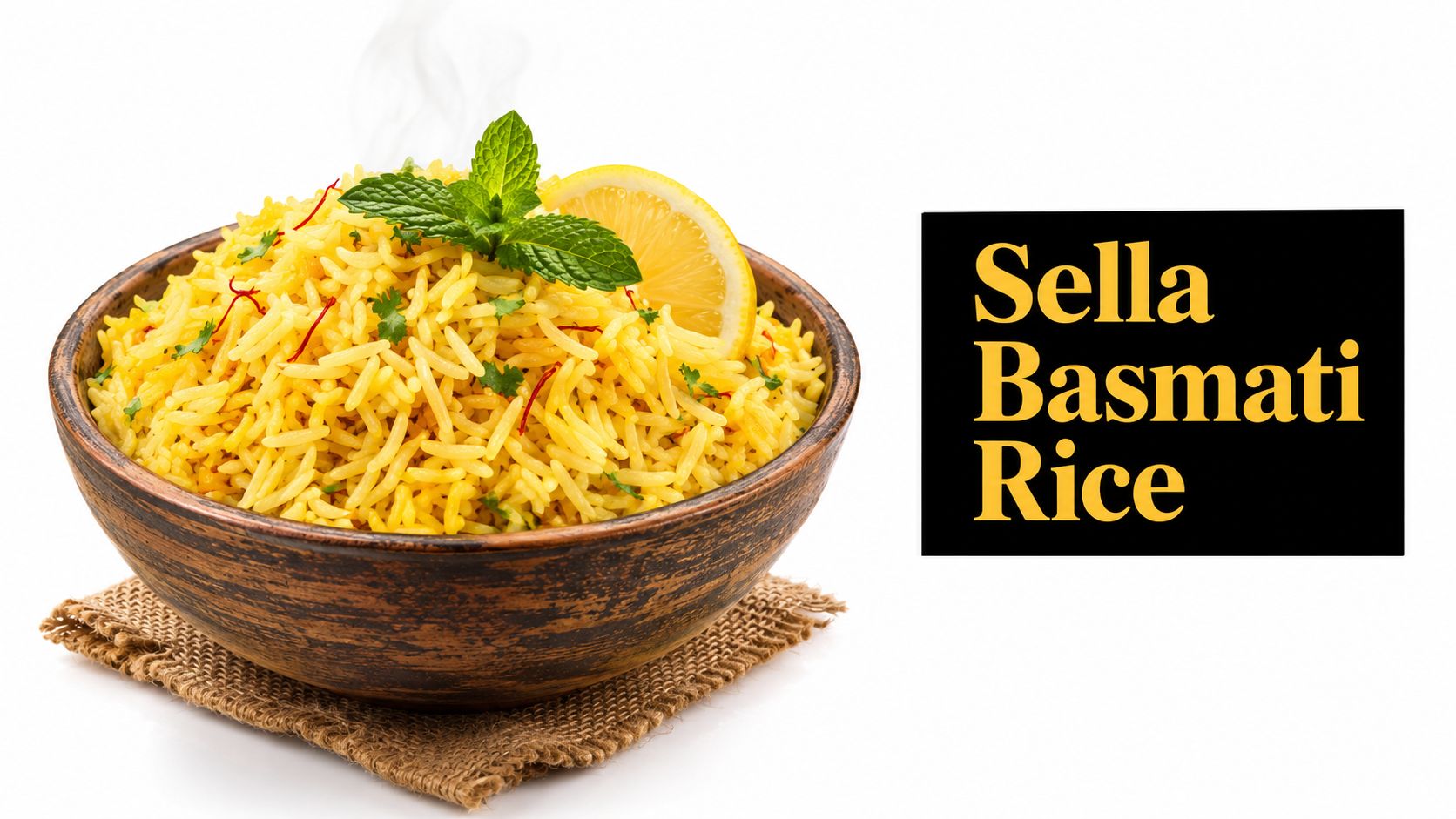
You're standing over a pot of rice, the masala is ready, guests are nearly at the door, and one worry keeps coming back. Will the grains stay long and separate, or will the whole thing turn heavy and clumped? In many UAE kitchens, that single detail decides whether a biryani feels celebratory or disappointing. That's why Sella Basmati rice deserves its own clear guide. It isn't just “another basmati”. It cooks differently, absorbs differently, and serves a different purpose from regular white basmati. For some meals, it's exactly what you want. For others, it isn't. If you cook at home in Dubai, host family lunches, pack rice for weekday meals, or buy in larger quantities for gatherings, understanding sella saves guesswork. It helps you choose the right pack, use the right method, and get the result you want instead of hoping for the best. Introduction to Sella Basmati Rice and Why It Matters A common kitchen moment in the UAE goes like this. One person wants biryani rice that looks beautiful on the platter. Another wants rice that won't stick during layering. A third wants leftovers that still reheat well the next day. Those needs often point to Sella Basmati rice. In the UAE, rice isn't a minor pantry item. It sits at the centre of home meals, hospitality, catering, and re-export trade. The country is also strongly dependent on imported rice, with USDA/FAS projecting 975,000 metric tons of rice imports in MY 2025/26, then 1.10 million metric tons in MY 2026/27. The same report notes that around 98% of UAE rice imports are milled or semi-milled, which is exactly the broader category where sella fits, and it lists Indian basmati 5-kilogram retail packs from $4.60 to $21.20 in the UAE market, showing how wide the quality and price ladder can be for shoppers choosing among basmati styles (USDA/FAS UAE Grain and Feed Annual 2025). Why this rice matters in real kitchens Sella works especially well when you want grains that stay distinct after cooking. That makes it popular for biryani, large platters, and meals that need holding time before serving. It also fills an important middle ground. It can feel more substantial than regular white basmati, but it still gives you the elegance people expect from long-grain rice. Practical rule: If your priority is separate grains and cooking tolerance, sella often makes life easier than regular white basmati. Who benefits most from it This rice makes sense for several kinds of cooks: Home cooks: You want fewer surprises and better-looking rice for everyday meals. Hosts: You need a rice that handles pressure when cooking for many people. Bulk buyers: You care about consistency, especially for biryani, pulao, and tray service. There's also a business side to this. The UAE food products market is estimated at USD 16.3 billion in 2026, up from USD 15.68 billion in 2025, and projected to reach USD 19.81 billion by 2031, implying a 3.96% CAGR over 2026 to 2031 (UAE food market outlook). That growing food environment helps explain why rice choices now matter to both home kitchens and premium retail shelves. What Sella Basmati Rice Is and How Parboiling Works The simplest way to understand Sella Basmati rice is this. It is parboiled basmati. That one word, parboiled, explains most of its personality in the pot. The rice is treated while still in its outer covering, then dried and milled later. That process changes the grain from the inside, not just the surface. What happens during parboiling In plain kitchen language, the process works like this: The paddy is soaked. Water enters the grain while the husk is still on. The rice is steamed. Heat firms up the grain and changes how it will behave later. It is dried. The rice settles into a tougher, more resilient form. Then it is milled. The outer layers are removed, leaving the characteristic sella grain. That's why sella often looks slightly golden or translucent compared with regular white basmati. It's also why it usually feels firmer before cooking. Why the grain behaves differently Parboiling changes how the grain handles water and heat. Instead of softening too quickly, it tends to hold its shape better. That's useful when rice needs to survive soaking, boiling, layering, steaming, resting, and serving without turning sticky. Sella usually gives you a firmer, more separate result because the grain has already been structurally strengthened before you ever start cooking. Readers often get confused here and think firmer means dry or hard. It doesn't. Properly cooked sella can still be tender. The difference is that the grains stay more defined. What that means on your plate Here's what many cooks notice first: Longer-looking cooked grains: They present beautifully in biryani and pilaf. Less stickiness: You can fluff and separate more easily. More tolerance: If your timing isn't perfect, sella often forgives you better than delicate white basmati. That's one reason it fits the UAE so well. Trade coverage of the market notes strong demand for milled rice and specifically highlights 1121 basmati and 1509 sella basmati as popular choices for biryani, premium restaurants, and bulk catering in the UAE, where buyers balance household cooking with foodservice and re-export needs (UAE rice buyer insights). There's also a labelling reason to pay attention. The UAE food labelling standard explicitly recognises rice types including parboiled (Mazza or Sella), requires kernel-length disclosure and origin labelling, and indicates that products making a Basmati claim should contain at least 93% Basmati rice (UAE food labelling code%20of%202019%20General%20Food%20Labelling%20Requirements.pdf)). For shoppers, that means “sella” isn't just a marketing word. It's a recognised product type with clear commercial importance. How Sella Basmati Compares with Other Basmati Varieties No basmati type is best at everything. The better question is simpler. What do you want the rice to do? If you want a softer, more delicate finish, regular white basmati may suit you better. If you want a nuttier whole-grain style, brown basmati has its place. If you want length, separation, and better handling in larger pots, Sella Basmati rice often earns the spot. Sella Basmati versus other Basmati types at a glance Feature Sella Basmati Regular White Basmati Brown Basmati Texture after cooking Firm, separate, non-sticky Light, softer, more delicate Chewier, heartier Aroma Pleasant basmati aroma, often a little less immediate in the pot than white basmati More pronounced classic basmati fragrance Earthier and less delicate Visual look Often slightly golden or translucent before cooking Bright white Brown outer layer retained Cooking tolerance More forgiving Easier to overcook Slower to cook, but steady Best use Biryani, pulao, platters, batch cooking Everyday steamed rice, quick side dishes Grain bowls, wholesome meals Reheating Holds shape well Can soften more on reheating Reheats well but stays chewy When sella is the better choice Sella shines when rice has to perform. That includes layered biryani, buffet service, and trays prepared ahead of time. In those situations, the firmer grain helps maintain a polished final look. It also suits cooks who are still building confidence. White basmati can be lovely, but it gives you less room for error. When regular white basmati may be nicer Some dishes want softness more than structure. A simple weeknight curry with plain rice can be ideal with regular white basmati because it cooks faster and feels lighter. If you love the immediate floral character that rises from a fresh pot, white basmati often gives that more directly. Choose rice by job, not by status. A beautiful biryani and a comforting everyday rice bowl may need different grains. Where brown basmati fits Brown basmati is a different experience altogether. It's less about dramatic elongation and more about chew, nuttiness, and a fuller grain taste. It can be excellent, but it won't give the same festive, separate look that many people want from biryani or pulao. A common misconception is that sella is somehow less authentic because it is processed differently. That's too simplistic. In many kitchens, sella is chosen precisely because it delivers the grain separation people expect from large-format basmati dishes. How to Cook Sella Basmati for Fluffy Separate Grains Good sella starts before the flame goes on. Most problems come from skipping the rinse, using guesswork with water, or stirring too much after the grains begin to cook. Start with rinsing and soaking Rinse the rice until the water looks much clearer. You don't need to chase perfection. The goal is to remove excess surface starch and any dust from packing and transport. Then soak it. A short soak helps the grains cook more evenly and stretch more gracefully. Rinse gently: Use cool water and move the grains with your hand, not aggressive scrubbing. Soak with purpose: About 30 minutes is a useful routine for many home cooks. Drain fully: Let the rice sit in a sieve for a moment so you don't accidentally add hidden extra water. Absorption method for everyday cooking For a reliable home method, use 1 cup rice to 1.5 cups water. Bring it to a boil, cover, reduce to a low simmer, and cook for about 15 minutes. Then switch off the heat and let it rest for 5 to 10 minutes before fluffing. That resting step matters more than many people realise. It finishes the steam gently and keeps the grains from breaking when you separate them. A quick visual guide helps if you like to cook by routine: Boil and drain for biryani and layered rice Many biryani cooks prefer the boiling method because it gives more control. You cook the rice in plenty of water until it is partly or nearly done, then drain it before layering or finishing on steam. This method is useful when your final dish includes masala, stock, dum cooking, or a sealed pot finish. Because the rice won't complete its journey in plain water alone, you avoid overcooking at the start. Pressure cooker approach A pressure cooker can work well with sella, but keep it disciplined. Too much water and too much pressure time can undo the very texture you chose sella for. If you use this method, stay conservative with water and let the rice rest after cooking before opening and fluffing. Kitchen habit: Once the rice starts cooking, stop stirring. Frequent stirring roughs up the surface and encourages broken grains. Common mistakes and easy fixes A few problems come up again and again: Rice turns mushy: You likely used too much water, skipped draining after soaking, or cooked too long. Rice feels underdone in the centre: Extend soaking next time, or add a brief covered rest with a spoonful of hot water. Grains break while fluffing: The rice needs more rest, or the spoon is too heavy. Use a fork or a slim rice paddle. The rice tastes flat: Season the cooking water properly, especially if the rice will be served plain. If you're cooking older stock from the pantry, it may need a little more soaking or a touch more water. The key is to adjust gently, not dramatically. Everyday Recipes and Serving Ideas with Sella Basmati Sella proves its value when the food reaches the table. It doesn't just cook well. It carries a meal well. A Friday family lunch is the easiest example. You want chicken biryani that lifts in loose, fragrant layers rather than dropping in heavy scoops. Sella gives you that platter-friendly look many people want for gatherings. Dishes where sella really shines Here are some of the strongest matches: Chicken or mutton biryani: The rice stays distinct during layering and steaming, which keeps the final dish elegant. Vegetable pulao: Whole spices, peas, carrots, and fried onions sit neatly among the grains instead of disappearing into a soft mass. Festive pilaf: Nuts, raisins, saffron, or caramelised onion look especially appealing when the rice remains separate. Grilled meat platters: Sella makes an excellent bed for kebabs or roast chicken because it doesn't collapse under sauces and juices. Smart everyday uses Sella isn't only for feast cooking. It can be very practical for ordinary dinners. Serve it with dal when you want a more defined grain. Pair it with butter chicken, fish curry, chickpea stew, or roasted vegetables when you want the rice to support the sauce without turning sticky. It also works well for make-ahead lunch boxes because the grains usually reheat with better shape. If you like to vary your meal planning, it can help to browse Asian cuisine recipes and note which dishes benefit from firmer, more separate rice rather than softer steamed rice. One useful contrast for home cooks Not every rice dish wants the same grain. If you cook both basmati and European rice dishes at home, it helps to think in categories. Biryani wants length and separation. Risotto wants creaminess and starch release. Even a simple visual cue like this rice and pasta category image can remind you that the grain choice shapes the dish from the start. A common UAE hosting pattern also explains sella's popularity. One pot needs to satisfy elders, children, and late-arriving guests, then still hold up for second servings. Sella is strong in exactly that kind of real-life cooking. Smart Buying Guide for Sella Basmati in the UAE Buying good rice in the UAE isn't only about price. It's about reading the pack well enough to know what you're bringing home. The market is large and active. A USDA/FAS review states that the UAE imported about 1.10 million metric tonnes of rice in MY 2025/26, up 2.5% from 1.00 million metric tonnes in MY 2024/25, which reinforces how important supply planning and port-entry compliance are in this market (USDA/FAS UAE Grain and Feed Annual 2026). What to check on the label Start with the words Sella or parboiled. If the front of pack is vague, turn it over. You want the product type stated clearly. Then check these details: Origin: This helps you compare styles and supplier preferences. Kernel information: Longer kernels usually matter to buyers seeking biryani-style presentation. Basmati claim: In the UAE, Basmati claims come with purity expectations, so clearer labelling is a good sign. Pack condition: Avoid torn seals, dusty inner surfaces, or heavy grain breakage visible through transparent windows. Understanding varieties and use cases Many shoppers see names like 1121 or 1509 and aren't sure whether they matter. They do. In practical terms, these numbers often signal the style of grain a buyer is targeting. In the UAE, those varieties are especially associated with biryani, premium restaurant use, and catering demand, so they're worth noting if your priority is long, separate grains. Price, pack size, and value A cheap bag isn't always good value if the grains are broken, dull, or inconsistent. A premium pack isn't always worth it either if you're using the rice mainly for simple weekday meals. For home use, smaller packs can make sense if you cook rice less often and want freshness. For larger families or frequent hosts, bigger bags may be more practical if you have proper storage ready. If you're comparing speciality shops, supermarkets, and gourmet retailers, organise your shortlist by rice category first, then by price. This visual category reference is a useful reminder that rice shopping works better when you begin with the intended dish, not the shelf label alone. One local option to be aware of is IFM Gourmet Dubai. IFM Gourmet Dubai is the luxury online gourmet arm of IFM Investments LLC, a culinary-focused company based in the UAE. Their gourmet store offers an impressive lineup of artisanal delicacies, including sweets, savories, fine chocolates, premium teas, cakes, and beautifully curated gift hampers. They are part of the broader Italian Food Masters group and are known for quality, authenticity, and culinary elegance in Dubai's gourmet scene. Storing Sella Basmati and Keeping Every Batch Fresh Good rice can lose its charm long before it is technically unusable. In the UAE climate, heat and humidity are the usual troublemakers. Store Sella Basmati rice in an airtight container, kept in a cool, dry cupboard away from the hob, dishwasher steam, and direct sunlight. If you buy a larger sack, divide it into smaller containers so you only expose part of the rice each time you cook. A simple freshness routine A few habits make a noticeable difference: Use clean, dry scoops: Moisture is the enemy. Label the container: This helps you rotate older stock first. Check before cooking: Look for odd smells, tiny pests, or clumping that suggests moisture got in. The wider UAE retail environment has also been moving toward value, efficiency, and supply-chain resilience, with recent review coverage noting that growth stayed stable while sourcing strategies shifted in response to regional pressures (UAE retail food sector review). At the policy level, the UAE has continued to deepen food-security planning through the National Food Security Strategy 2051, including a target for a top-ten Global Food Security Index ranking and an aim to improve local sustainable food production by 30% by 2021 relative to a 2014 baseline (UAE Exporter Guide 2026). For everyday cooks, that bigger picture translates into one practical idea. Buy thoughtfully, store carefully, and treat rice as an ingredient worth protecting. Freshness is part of the final recipe. Even perfectly cooked rice won't taste right if it has been stored carelessly. If you keep sella dry, sealed, and away from heat, it will reward you with the thing you bought it for in the first place. Long, tidy, confident grains. If you enjoy cooking with distinctive rice and other specialty ingredients, IFM Gourmet Food Store offers a curated range of gourmet foods, artisanal pantry items, fine teas, chocolates, cakes, and gift hampers that suit both everyday cooking and special hosting. Their broader selection is useful for home cooks who like to pair thoughtful ingredients with well-made rice dishes. You can explore the collection at IFM Gourmet Food Store.
- Chocolate Powder Price in the UAE: A Smart Buyer's Guide
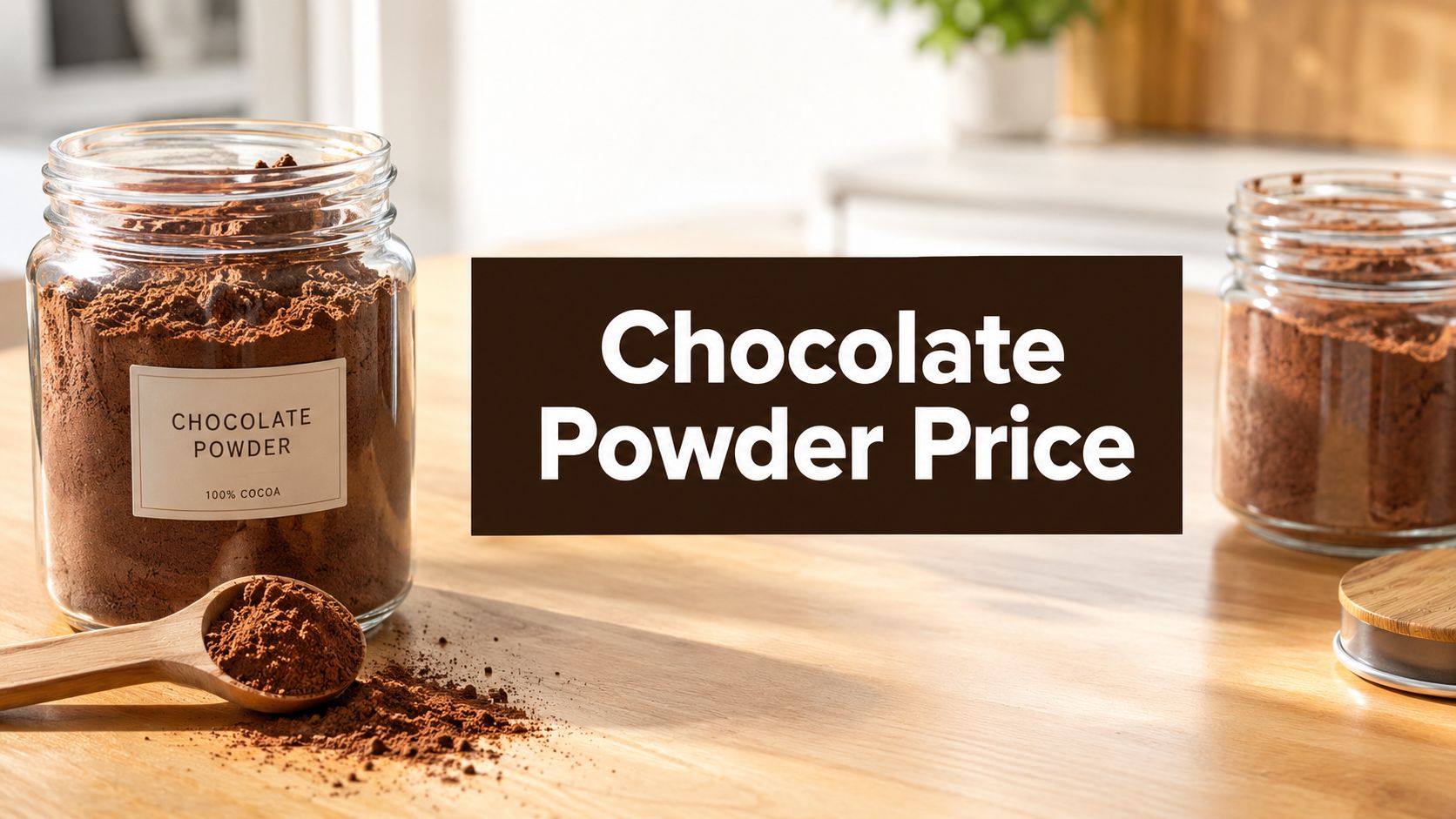
In the UAE, chocolate powder price typically runs from about AED 8 for a 200g value pack to over AED 45 for a small premium jar, and pack size and grade explain much of that spread. A larger format can deliver a much lower cost per 100g, while a refined, imported cocoa can carry a far higher shelf price. You may notice this while shopping in Dubai, Abu Dhabi, or another UAE emirate. Two containers can look almost identical, yet one costs noticeably more. The difference usually isn't the colour of the label. It comes from what sits behind it, including the cocoa grade, processing method, pack economics, import route, brand positioning, and intended use. A useful comparison begins with the product itself. A sweetened drinking mix isn't priced in the same way as unsweetened cocoa for professional baking. A premium alkalised cocoa isn't equivalent to a value-oriented milk powder mix, even if both are described casually as chocolate powder. The UAE market also depends heavily on imported cocoa products. That means the price you see reflects more than the beans. Freight, processing, packaging, retailer margins, stock purchased earlier, and seasonal demand can all affect the final tag. Why Chocolate Powder Price in the UAE Confuses Most Buyers A Dubai grocery aisle can create a misleading impression. You might see two brown jars beside one another, both suitable for a hot drink, but with a price gap of roughly AED 30. A first-time buyer may assume that one brand is charging more for its name. Sometimes branding does matter. However, the larger explanation often sits in the formulation and pack size. One container may hold sweetened drinking powder, while the other contains concentrated, unsweetened cocoa designed for baking. Their prices can't be compared fairly until you know what you're buying. The price tag is the final stage Chocolate powder moves through several stages before it reaches a UAE shelf: Cocoa beans are grown, traded, and processed. Manufacturers turn the cocoa into powder or a prepared chocolate mix. Importers bring the product into the UAE and manage freight, storage, and compliance. Retailers add their own operating costs, margins, and promotions. The shopper pays the final price for the pack, not for the cocoa ingredient alone. Upstream prices can therefore influence the shelf, but they don't control it immediately. UAE cocoa bean tracking recorded a local price of US$2.37 per kg, equivalent to AED 8.72 per kg, in May 2026, up 19.6% year on year, according to UAE cocoa bean price tracking. That figure describes beans, not a finished retail jar, so the two prices shouldn't be treated as interchangeable. Practical rule: Compare like with like first. Check whether each product is a sweetened drink mix, natural cocoa, alkalised cocoa, or a professional foodservice powder. This guide follows the pricing journey from bean to jar, then turns it into a practical buying method. You'll see why pack size changes the unit cost, how natural and Dutch-process cocoa differ, which price levels suit daily drinks or gourmet gifting, and why global cocoa headlines may not appear on UAE shelves straight away. Chocolate Powder and Cocoa Powder Explained Simply At the supermarket, two packages may both promise a chocolate drink, yet their contents can serve very different purposes. Knowing the difference helps explain why shelf prices vary and prevents you from comparing a ready-to-drink mix with a baking ingredient. Chocolate powder usually means a sweetened, sometimes flavoured mix designed for instant drinks and quick desserts. It can include cocoa, sugar, milk ingredients, flavourings, or stabilisers. Stir it into warm milk with little preparation, and it is ready for household use or casual entertaining. Cocoa powder is the pressed, defatted, unsweetened base used by bakers, pastry chefs, and chocolatiers. Manufacturers press much of the cocoa butter from cocoa mass, then grind the remaining solids. With little or no added sugar, it lets the cook control sweetness and use the powder as a recipe ingredient rather than a finished drink. Natural and Dutch-process cocoa Natural cocoa generally keeps a brighter, sharper cocoa character. Dutch-process, also called alkalised, cocoa is treated to reduce acidity, which creates a smoother flavour and often a deeper colour. The difference works like the contrast between lively dark chocolate and softer milk chocolate. Neither option is automatically better. Your choice depends on the drink or recipe, the leavening used in baking, and the flavour you want. Processing influences chocolate powder price because alkalisation adds a manufacturing step. Premium grades may also move through specialised import channels, where product specifications and handling affect the final shelf price. The premium can vary by product and specification, so compare the cocoa type rather than assuming every darker powder costs more. A simple price ladder The market works like a ladder with several rungs: Entry rung: Sweetened drinking mixes, selected for convenience and volume. Middle rung: Natural or alkalised baking cocoa for brownies, cakes, sauces, and drinks. Upper rung: Single-origin, high-cocoa, carefully processed, or professional-grade powders. Presentation rung: Gift tins, decorative packaging, and curated chocolate assortments. The ladder does not rank quality by itself. It shows how formulation, processing, provenance, packaging, and the product's intended use shape the price a UAE buyer sees. What Actually Drives the Price You Pay The shelf price is built from several levers. Each one works like a setting on a recipe. Change one ingredient, and the final result changes. Cocoa concentration A product with more cocoa solids may deliver a stronger flavour and darker colour than a heavily sweetened mix, much like the concentration in wine. A bottle with a more pronounced character may require more of the costly base ingredient, while a lighter product may rely more on sugar, milk ingredients, or flavouring. Read the ingredient list before judging the front label. “Chocolate flavour” doesn't tell you how much cocoa the product contains. Bean origin Origin works like single-origin coffee. Beans from a named region, estate, or carefully managed supply can carry a provenance premium. A blended product may combine cocoa from different origins to achieve consistency or control cost. A named origin doesn't automatically guarantee that you'll prefer the taste. It tells you that the product is making origin part of its value proposition, so compare that claim with the actual cocoa percentage, processing details, and flavour. Processing method Natural and Dutch-process cocoa don't have the same production route. Alkalisation adds processing and changes colour, acidity, and flavour. Premium processing can therefore raise the cost before the powder reaches its container. The UAE market analysis cited earlier identifies alkalised cocoa as carrying a 20–40% premium over natural cocoa, with the exact difference depending on grade and specification. That is why two unsweetened cocoas can still sit in different price brackets. Cocoa butter content Cocoa powder isn't defined only by its colour. The amount of cocoa butter left in the powder can affect mouthfeel, aroma, and performance in recipes. A fuller powder may taste rounder, while a more defatted product may be selected for a particular baking or beverage application. This is similar to the difference between whole milk powder and skimmed milk powder. The products can share a name, but their fat content changes how they behave and what manufacturers charge. Sweeteners and additives A sweetened mix may look cheaper or more expensive depending on the formulation. Sugar, milk powder, vanilla, lecithin, flavourings, and stabilisers all affect the ingredient cost and the preparation experience. Think of pure fruit juice compared with cordial. The cheaper option isn't necessarily worse, but you need to know whether you're paying for the main ingredient or for a ready-to-use blend. Pack size and material Pack economics can change the price dramatically. A small glass jar, metal tin, decorated box, or rigid gift package costs more per gram than a large foodservice bag because the packaging and handling are spread across less product. It's like buying coffee beans by the kilo instead of in small retail pouches. The larger format often lowers the unit cost, provided you can use it before quality declines. Brand positioning A supermarket own-label product and a craft roaster may sell similar categories while serving different expectations. One focuses on everyday value and broad distribution. The other may invest in design, sourcing, technical information, and a more specialised retail experience. That positioning can influence chocolate powder price even when the ingredient list looks familiar. For a daily family drink, convenience and cost may matter most. For a plated dessert or gift, provenance and presentation may have real value. Real UAE Price Ranges You Will See on the Shelf A shopper comparing chocolate powder in a UAE supermarket may see a small branded tin priced above a much larger bag. The checkout total alone does not explain the difference. Pack size, product type, retail channel, and the imported ingredient cost all shape what reaches the shelf. One Waitrose UAE listing shows Cadbury cocoa powder 125g at AED 32.75, equal to AED 25.20 per 100g. Carrefour listed Cadbury Original Chocolate Flavour Cocoa Powder 125g at AED 47.33, while Hershey's Natural Unsweetened Cocoa Powder 230g cost AED 34.29, according to the Waitrose UAE Cadbury cocoa powder listing. Larger formats change the calculation. Carrefour listed Nestle Nesquik Chocolate Milk Powder 1kg at AED 36.99, compared with AED 8.69 for a 200g pack. The smaller pack needs less cash at checkout, while the 1kg format gives the lower cost per 100g. It works like buying rice in a small pouch instead of a larger sack. The larger purchase usually spreads packaging and handling costs across more product. A practical shelf comparison Tier Typical pack size Price range (AED) Approx. price per 100g (AED) Best channel Value-oriented formats 200g to 1kg About AED 8 to AED 36.99 Calculate from the exact pack Supermarkets and hypermarkets Branded small packs 125g to 230g AED 32.75 to AED 47.33 About AED 14.91 to AED 37.86 Supermarkets and delivery platforms Foodservice cocoa 10kg to 25kg bags AED 40 to AED 80 per kg AED 40 to AED 80 Specialist and foodservice suppliers Premium imported grades Varies by grade and origin Higher, specification-led pricing Compare delivered unit cost Specialty retailers and importers The foodservice range of AED 40–80 per kg reflects differences in quality grade, alkalisation, and origin, as discussed in UAE cocoa powder solids pricing analysis. Retailers, specialty stores, and delivery platforms may apply different margins or promotions, so one product can carry several UAE prices. Import transaction data shows why shelf prices can spread further. A UAE cocoa powder dataset recorded a 2024 low of US$1.13 per kg and a high of US$7.35 per kg. Specific 2024 shipments ranged from about US$4.89 to US$17.39 per kg. Regional import data placed the Middle East benchmark at US$4,713 per tonne in 2024, with the UAE at US$6,790 per tonne, as reported in UAE cocoa powder import transaction data. Use one calculation for any pack: Price per 100g = shelf price ÷ pack weight in grams × 100 The result shows whether a low checkout price is good value or reflects a smaller container. Matching Price Tiers to Gourmet and Gifting Uses Price should follow the job the powder needs to do. A weekday mug doesn't need the same specification as a flourless chocolate cake served at a dinner party. Budget powders make sense for daily hot chocolate, school baking, and bulk dessert trays. In these uses, sugar, butter, milk, flour, toppings, or other ingredients share the stage. A dependable, value-oriented product can be the sensible choice when you need volume and repeatability. Mid-range powders suit weekend baking, brownies, mousses, family entertaining, and recipes where cocoa should taste rounded without dominating the budget. This is often the most balanced tier for home cooks. You get more room to notice aroma and colour, but you aren't paying primarily for a rare origin or presentation packaging. When premium earns its place Premium single-origin or high-cocoa powders can be appropriate for flourless cakes, chocolate sorbets, artisan truffles, and restaurant-style plates. These recipes give cocoa fewer places to hide. The powder's aroma, bitterness, colour, and finish become part of the dish rather than a background note. A useful food pairing reference is this guide to find ideal coffee chocolate pairings, especially when you're planning a tasting table or dessert service. Coffee and chocolate can either support one another or create an overly bitter combination, so intensity matters more than the label alone. For a visual reference when selecting chocolate styles for desserts or gifts, you can also review this dark and milk chocolate comparison image. Gifting changes the calculation Gift-grade tins, decorated boxes, and curated pairings sit in a different category from pantry ingredients. Their value includes presentation, convenience, provenance, and the experience of opening the package. They can suit Eid, Diwali, corporate hampers, and dinner-party host gifts, where appearance matters alongside flavour. IFM Gourmet Dubai is positioned as a luxury online gourmet arm of IFM Investments LLC, part of the broader Italian Food Masters group. Its public assortment includes artisanal sweets and savouries, fine chocolates, premium teas, cakes, panettone, pandoro, nougats, coffees, oils, vinegars, pasta, spices, honeys, jams, and gift hampers, according to IFM Gourmet's company information and its gourmet assortment. Buying rule: Spend more on powders you will taste directly. Spend less on powders buried under sugar, butter, flour, or heavy toppings. A Simple Method to Compare Any Two Options Two packages become much easier to judge when you ignore the photography and follow the same routine each time. Start with the label Step one, read the ingredients. Look for cocoa percentage, added sugar, lecithin, vanilla, milk ingredients, and oils. A product with a short ingredient list may suit a baker who wants control, while a prepared mix may suit someone who values speed. Step two, identify the origin language. Terms such as single-origin, estate, or blended describe the sourcing approach. They don't tell you whether you'll like the flavour, but they help explain why one product may sit above another. Step three, weigh the contents. Write down the net weight in grams. Then divide the price by the weight and multiply by 100. This reveals the dirham cost per 100g and prevents a small jar from appearing cheaper because its checkout total is lower. Test the product, not just the promise Step four, compare the unit figure with the relevant tier. A foodservice bag, a baking cocoa, and a sweetened drinking mix shouldn't share one benchmark. Compare each with products serving the same purpose. Step five, make a small kitchen test. Smell a little dry powder first, then stir a small amount into hot milk or water. Look for aroma, colour, clumping, and dissolution. A powder that performs smoothly may save time, while a powder with a more forceful flavour may require less in the final recipe. Step six, choose for the dish. A premium dirham-per-100g figure is worthwhile when cocoa is the star of the recipe or the centre of a gift. Otherwise, a reliable mid-tier product often offers the better balance. Kitchen test: Warm liquid usually reveals practical differences that packaging can't show. Check whether the powder blends evenly and whether its flavour remains pleasant without relying on extra sugar. Why Prices Have Not Dropped as Quickly as Headlines Suggest Global cocoa headlines describe a different market from the UAE retail shelf. One market note placed global cocoa at around US$3,200 per tonne in February 2026, down 69% year on year, while UAE import proxy data for chocolate and cocoa food preparations recorded an average of US$8,488.55 per tonne in 2025, up 19.36% from 2024, according to the market note on global cocoa prices. That apparent contradiction makes sense once you separate futures from finished products. A futures price reflects a traded commodity contract. A retail jar includes a specific bean quality, processing method, packaging format, shipping cost, importer margin, retailer margin, and brand position. Why the shelf responds slowly Retailers may still be selling finished powder purchased under earlier conditions. Importers and manufacturers also work with contracts and stock cycles rather than repricing every time a global chart moves. A long shelf life can slow the flow of cheaper input costs through the supply chain. UAE buyers also encounter freight, currency movement, and seasonal demand. Gifting periods can increase interest in premium tins and curated assortments, while supermarkets and delivery platforms run different promotions. The result is a lag between a cocoa futures correction and a visible retail change. A bulk private-label option may respond sooner than a branded or gift-ready product, but comparison shopping remains the more reliable way to find value today. Your Short Checklist and Where to Shop Next Use this checklist before adding cocoa powder to your basket: Confirm the use: Choose between a daily drink, baking, professional work, or gifting. Choose the process: Match natural or alkalised cocoa to the flavour and recipe. Note cocoa content: A stated percentage gives clearer information than a general chocolate description. Calculate the unit price: Convert the pack price to dirhams per 100g. Scan the ingredients: Check for sugar, oils, milk ingredients, and fillers if you want pure cocoa. Assess the package: Pay for presentation when gifting, not for routine pantry use. Keep the checklist beside this category guide for comparing cocoa and chocolate options. For gourmet shopping, IFM Gourmet's Dubai store location is listed in Dubai Investment Park. IFM Gourmet Food Store offers Italian ingredients, chocolates, pantry staples, artisanal delicacies, and curated gift hampers. Visit IFM Gourmet Food Store for options suited to baking, entertaining, and gifting.
- Glass Bottled Water in Dubai: A Premium Buying Guide
You're hosting dinner in a Jumeirah villa, preparing a boardroom welcome tray, or building a corporate hamper in Dubai. The food is carefully chosen, the glassware is polished, and the final question is often treated as an afterthought: should the water arrive in plastic or glass? For a guest, that choice registers immediately. Glass bottled water can make a table feel considered, but it isn't automatically the more sustainable or practical option. In the UAE, the right decision depends on presentation, service volume, reuse, transport, compliance, and what happens to the bottle after use. Why the Bottle Matters More Than You Think At a Dubai hotel, a butler sets a glass bottle beside a still-warm cup of Arabic coffee. The room is quiet, the label faces forward, and the bottle catches the bedside light. It occupies little space, yet it completes turndown service in a way a standard plastic bottle rarely can. The same principle applies to a corporate hamper with velvet ribbon, a welcome tray in a DIFC serviced apartment, or a long dinner table in a Jumeirah villa. Guests see the bottle beside the ceramics and cutlery, then read it as part of the host's decision. Packaging is rarely neutral in Dubai's hospitality and gifting culture. Presentation is part of the meal A well-made glass bottle shows that the complete experience has been considered, not just the contents of the fridge. It works with the table setting, pours naturally into stemware, and presents hydration as part of the meal rather than a utility item. Choose the bottle for the setting, not for an elaborate label or imported origin story. The practical signals are straightforward: Visual coherence: The bottle should sit comfortably beside tableware, floral arrangements, olive oils, and other details. Guest confidence: A sealed, well-presented bottle makes the water feel intentional and ready to serve. Brand alignment: Hotels, restaurants, and companies can use the format to express restraint, quality, or sustainability. For corporate gifting, glass water sits between indulgence and practicality. It complements chocolates, Italian coffee, dates, olive oil, or fine balsamic vinegar without competing for attention. IFM Gourmet Food Store can use that balance when assembling a hamper where presentation matters as much as usefulness. Practical rule: If the guest will see the bottle before drinking, the package is part of your hospitality. The UAE market remains plastic-first, while glass is concentrated in premium and on-trade settings, according to UAE bottled water market analysis. That distinction matters for buyers. Glass is not the default format for high-volume service, so its value comes from the message it sends and the setting where it is served. For a dinner party, hotel room, or corporate gift, select glass when the bottle will be visible and the presentation supports the occasion. For back-of-house volume, compare handling, storage, transport, and wash-refill requirements before committing. The bottle earns its place when it improves the guest experience, not because it looks premium. What Glass Bottled Water Actually Is For a Dubai dinner party, hotel room, or corporate gift, glass bottled water means still or sparkling water sealed inside a glass container. The water may come from a mineral spring, an artesian source, or a treated supply, depending on the product. Common formats include 330ml, 500ml, 750ml, and 1L, so choose the size according to the service: one guest, a table, or a room. The bottle changes more than appearance. Barrier protection limits contact with external odours during storage and service. Inertness matters because glass does not absorb flavours in the way some packaging materials can. It suits water with a distinct mineral profile or light carbonation, particularly when the bottle will sit on a dining table or in a hotel setting. Weight remains the practical trade-off. Glass is substantially heavier than PET plastic or a can, so delivery, storage, refrigeration, and hand service need more care. The UAE market is still plastic-first Rigid plastic dominates bottled water in the UAE, while glass serves a smaller premium segment. Still water also makes up the larger share of the category, so glass is most relevant when buyers want a more considered format for visible service. For a UAE buyer, packaging regulations and Dubai's 2026 single-use plastic rules make the operating model as important as the bottle material. Dubai buyers generally encounter two glass formats: Returnable glass: The supplier collects, washes, refills, and returns the bottle to service. Choose it only when collection and washing are organised, especially in hospitality. One-way glass: The bottle is sold for one service and then sent towards recycling. It provides a polished presentation, but transport and recovery determine whether the format works responsibly. A product such as Lurisia Natural Mineral Water shows the premium imported style familiar to gourmet buyers. Review the supplier's collection route, wash-refill capacity, storage needs, and intended presentation before ordering. Glass earns its place when it improves the guest experience and fits the service system, not because it looks premium. Glass vs Plastic: Decision Criteria for Dubai Buyers A Dubai buyer should match the bottle to the service, not to a general sustainability slogan. Glass usually wins on appearance and perceived quality. PET is the practical choice when low weight, low handling risk, and fast distribution matter most. Rigid plastic remains the dominant packaging format in the UAE, while glass serves a smaller premium segment. That makes glass a deliberate choice for visible service, not a default replacement for every PET bottle. For hotels and event teams, the operating model matters as much as the material. Glass vs Plastic Bottled Water: Decision Criteria Criterion Glass Bottled Water Plastic (PET) Bottled Water Taste and mineral integrity Chemically stable and well suited to still or sparkling water where the intended taste matters. Lightweight and practical, though storage conditions and surrounding odours can affect the drinking experience. Temperature behaviour Feels substantial and premium when chilled, but needs careful refrigeration and handling. Cools quickly and moves easily through high-volume service. Sustainability Performs best when bottles are collected, washed, and refilled. One-way bottles require a reliable glass recovery route. Convenient, but single-use disposal creates a larger packaging-waste concern in guest-facing service. Presentation at table Complements fine glassware, polished service, luxury hampers, and premium food presentation. Familiar and functional, but reads as a utility format in formal settings. Unit cost Carries higher purchase, storage, transport, and breakage costs. Weighs less, simplifies logistics, and handles bulk movement more easily. The honest trade-off Glass needs stronger logistics. It is heavier and more vulnerable to breakage when deliveries move through hot, busy, or poorly packed routes. A supplier that handles it like ordinary freight risks cracked stock, leaking cartons, and replacement costs. PET remains the sensible format for poolside service, gyms, large staff areas, and rapid consumption. For a tasting menu, board meeting, private dinner, or VIP suite, presentation has commercial value and glass earns its place. Buyer's view: Choose glass when the bottle is part of the experience. Choose PET when the bottle is only a delivery mechanism. Before approving a large order, confirm carton protection, delivery conditions, storage requirements, and the bottle's intended end route. For returnable glass, verify that the supplier collects and washes it. For one-way glass, confirm how the venue will send it to recovery. A premium label cannot compensate for weak operations. Sustainability in the UAE Beyond the Buzzwords For a Dubai hotel, dinner venue, or corporate gift order, sustainability depends on the bottle's full route, not its premium appearance. Ask “What happens to this specific bottle after service?” before choosing glass. Dubai's final phase of its single-use plastic ban took effect on 1 January 2026 and covers plastic beverage cups and lids. Bottled water is not included in that phase, according to the Dubai Municipality announcement on the single-use plastic ban. The practical conclusion is clear: replacing every PET bottle with one-way glass does not automatically reduce environmental impact. Reuse changes the calculation A returnable bottle supports a wash-refill loop. The supplier collects, cleans, inspects, refills, and returns it to circulation. One UAE-based system is designed for up to 300 uses, while another regional circular bottling model claims more than 2,000 cycles, as described in coverage of UAE reusable bottling systems. These figures make the operating specification more important than the label. Check bottle-wall thickness, neck design, closure integrity, washing compatibility, and breakage resistance. Reuse works only when the venue and supplier can collect, wash, inspect, and recirculate bottles consistently. One-way glass follows a different route. Beverages represented 62.76% of container-glass demand in 2025 in one market analysis, according to UAE container-glass market data. That indicates an established recovery context, but it does not cancel the transport burden of imported glass. For a UAE buyer, ask three direct questions: Where is the bottle made? Long-distance shipping increases weight-related logistics pressure. Is it refill-grade? Require a documented washing and inspection process. What is the end-of-life route? Confirm collection, sorting, or licensed recovery arrangements. Choose glass for repeated service and a short distribution loop. Choose another format when the bottle will travel far, serve once, and enter mixed waste. Glass Bottled Water in Dubai Hospitality Hospitality buyers should select the bottle according to the service point. A bottle that works beautifully in a guest room may be awkward at a banquet, while a banquet format can look undersized or visually weak on a fine-dining table. Match the format to the touchpoint Touchpoint Recommended Format Key Buying Criteria In-room turndown A compact still bottle with a clear label and secure seal. Easy bedside handling, readable branding in low light, tamper evidence, and a finish that complements room amenities. Banquets and buffets A smaller bottle that chills quickly and fits controlled ice displays. Safe stacking, stable base, limited condensation on linens, and resistance to high-throughput handling. Fine dining A refined still or sparkling bottle with a clean pour. Clear presentation, restrained labelling, elegant closure, and a shape that works with stemware. Procurement should start with the wash line For a busy hotel, the bottle's relationship with the washing system matters more than its shelf appearance. Repeated washing can expose weak labels, poor closure components, and fragile necks. UAE food-contact requirements apply to the full packaging system, not only the glass. National and GSO standards include UAE S. GSO 1025 for bottled drinking water and UAE S. GSO 987 for natural mineral water, while packaging materials must be suitable for the product, as outlined in UAE bottled-water safety guidance. Ask the supplier for food-contact documentation, wash-cycle compatibility, seal testing, and breakage procedures. Closures, inks, labels, and internal coatings can become compliance points even when the glass itself is chemically stable. A hospitality-grade wash-refill operation can make returnable glass commercially credible. Costs sit in collection, sanitation throughput, labour, storage, and breakage. Don't approve a refill programme until the supplier explains who handles each stage and what minimum order quantities, collection schedules, and delivery terms apply to your Dubai property. Glass Bottled Water in Gift Hampers and Corporate Gifting A corporate hamper arriving at a Dubai client's office should feel useful, polished, and appropriate for the occasion. Dates, chocolates, and coffee remain familiar choices, while a premium glass water bottle adds a practical beverage without alcohol or an overly personal product. For UAE gifting, choose the bottle as carefully as the food: format, label design, closure, and serving size all affect the recipient's impression. IFM Gourmet Dubai is the luxury online gourmet arm of IFM Investments LLC, a UAE-based culinary company. Its store offers artisanal sweets, savouries, fine chocolates, premium teas, cakes, and curated gift hampers. The business belongs to the wider Italian Food Masters group and is associated with quality, authenticity, and culinary elegance in Dubai's gourmet scene. Three hamper combinations that work For a corporate Diwali or year-end gift sent to a client in Dubai or Abu Dhabi, pair neutral still water with cured salmon, artisanal cheeses, fine crackers, or savoury Italian specialities. The bottle balances the hamper and sits naturally beside olive oil, balsamic vinegar, and confectionery. A Ramadan iftar hamper needs a premium non-alcoholic drink that feels festive without competing with the meal. Still water suits Arabic coffee and dates, while sparkling water works with canapés and lighter appetisers. Keep the bottle design calm, particularly when the hamper already contains colourful food packaging. For a housewarming or wellness-themed basket, select a clean still-water format with tea, honey, fresh or dried fruit, and considered pantry products. Glass also fits naturally beside perfume, truffle condiments, or a luxury candle because it presents as a durable object rather than disposable packaging. Dubai Free Zone guidance recognises gift sets and hampers as a defined gifts-trading activity that can operate on a wholesale and trading basis across the emirates, as described in this Dubai gifts and hampers business guide. That aligns with corporate orders, event welcome kits, and seasonal gifting. IFM Gourmet Food Store Dubai logo IFM Gourmet Food Store offers Lurisia still and sparkling spring water in glass formats, including 330ml and 750ml options, alongside its wider gourmet range. Choose smaller bottles for individual presentation and larger bottles when recipients will serve the water at home. Check carton protection before ordering, since damaged glass can undermine an otherwise well-designed gift. Storing, Serving, and Recycling Glass Bottled Water Dubai heat makes storage discipline essential. Keep glass bottled water in a cool, shaded, organised area, away from direct sunlight, strong odours, cleaning chemicals, and unstable stacks. Don't leave cartons in a delivery vehicle or exposed loading bay longer than necessary. Chill still water until it's refreshing but not so cold that it suppresses the mineral character. Serve sparkling water properly chilled, open it only when needed, and pour smoothly down the side of the glass to preserve carbonation. Use a clean tumbler for still water and a narrower glass for sparkling service when the occasion calls for it. Protect the bottle before it reaches the table Transport is where many premium purchases lose their polish. Use dividers, strong outer cartons, and stable pallet or vehicle placement. For events, keep reserve stock separate from service stock so staff aren't repeatedly moving open cartons around the venue. For practical ideas on cushioning, dividers, and choosing protective cartons, see these Packaging Panda packaging tips for boxes for bottles. The guidance is useful for both corporate hampers and event deliveries where presentation matters as much as breakage prevention. Recycling requires clean sorting Dubai recycling guidance accepts standard bottles and jars, but coated glass may require confirmation before collection. Contamination rules matter, so rinse out residue and separate glass from ceramics, mirrors, bulbs, and other non-container materials. RECAPP's collection stream is intended for clean transparent or coloured glass bottles and jars, not every glass-like object. Glass recovery is becoming more visible through sustainability oases, supermarket drop-off points, and licensed collection services in Dubai. That doesn't mean every premium bottle belongs in every collection bin. Check the supplier's instructions and the receiving programme before sending event waste into a mixed stream. Washing and refilling at scale remains most practical in organised hospitality systems, where the venue controls collection and sanitation. A household or one-off event buyer should usually plan for clean, separated recycling rather than assume the bottle will be returned. Serving rule: Store glass away from heat and sunlight, chill it before service, and decide its recovery route before the event begins. When Glass Bottled Water Is the Right Call Glass bottled water earns its premium in three situations. First, use it where guests form a judgement from the setting, including fine dining, VIP suites, boardrooms, private villas, and welcome trays. Second, use it where packaging carries the message, such as corporate hampers, Ramadan gifting, festive baskets, and housewarming presents. Third, choose returnable glass when a hotel, restaurant, or venue can operate the collection and wash-refill loop. It's the wrong call for large-volume back-of-house hydration, gym and pool service, or bottles that will sit in a chiller for weeks. In those settings, the weight, storage burden, and breakage risk usually add cost without improving the guest experience. The rule is simple: if the bottle is seen, tasted carefully, or handed to someone, glass wins. If it's consumed quickly in a high-volume utility setting, plastic or filtered tap water is the more honest choice. For Dubai buyers, the best bottle isn't the one with the loudest sustainability claim. It's the one whose source, format, service role, compliance documents, and end-of-life route all make sense. For glass bottled water, Italian pantry products, fine chocolates, teas, cakes, and curated hampers, visit IFM Gourmet Food Store. Choose a still or sparkling format for your dinner table, hotel welcome service, or corporate gift, and contact the store for gourmet delivery across Dubai and the wider UAE.
- Edible Gold Ribbon: Styling Desserts and Gifts
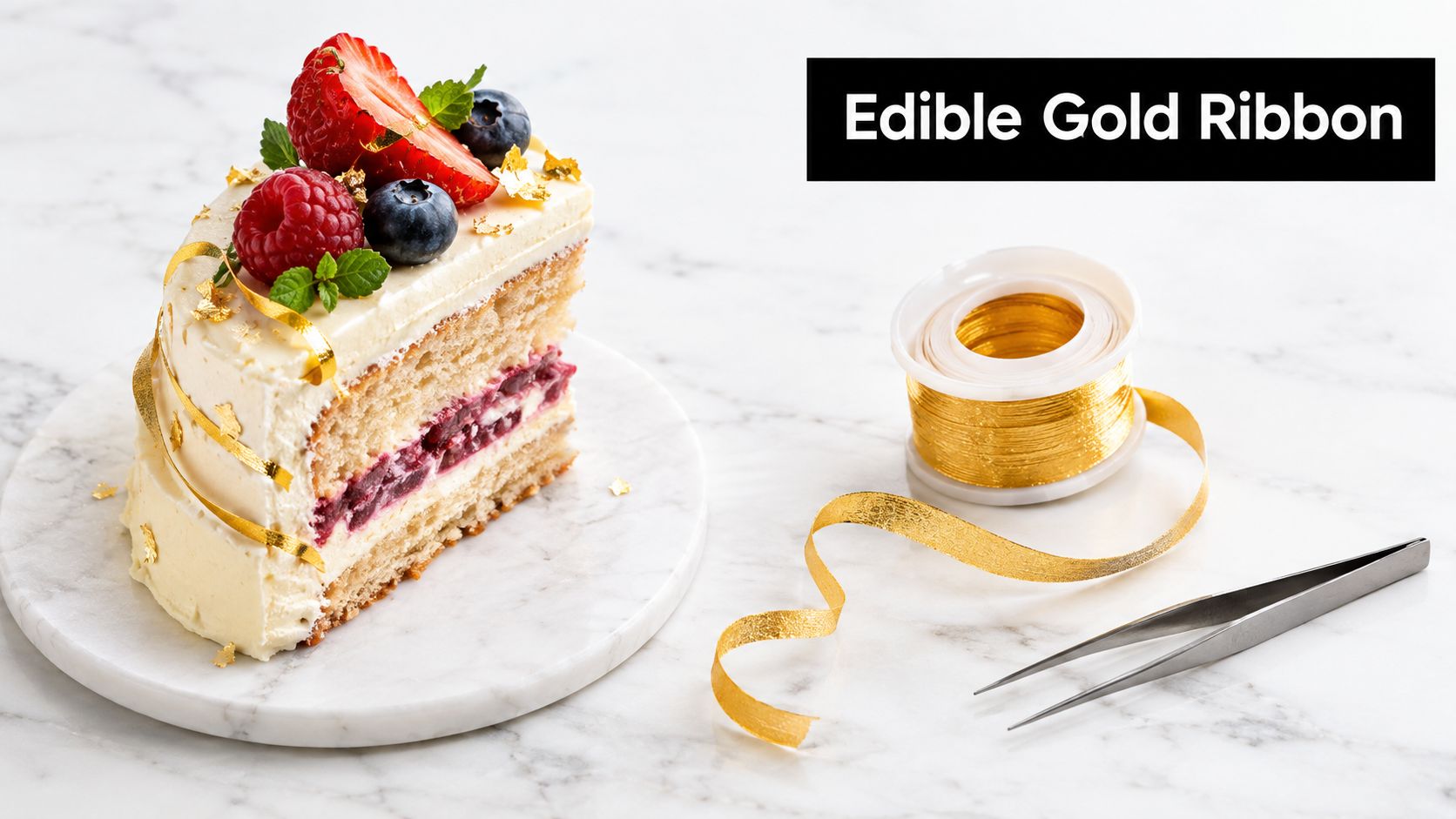
A beautifully boxed panettone is ready for delivery, the dark chocolate glaze is smooth, and the final decoration needs to look luxurious without becoming messy. That's where edible gold ribbon earns its place. Unlike loose dust or scattered flakes, ribbon creates a deliberate line, border, or band that can make a cake, Italian sweet, or gift hamper feel designed rather than decorated. The effect is visual, not culinary. Edible gold is flavourless and inert, so success depends on three things: authenticity, controlled handling, and presentation efficiency. In the UAE, where gold already has a strong luxury-food identity, those details matter for both pastry kitchens and premium gifting. Dubai and Abu Dhabi restaurants were serving gold-coated dishes by 2019, and some venues charged up to Dh58 extra per dish for edible gold additions, as reported by The National's coverage of edible gold in UAE restaurants. Verifying Safety and Authenticity Before Use A ribbon can look perfect in its sleeve and still be unsuitable for food. Before it reaches a celebration cake or a corporate hamper, treat it as a food product requiring verification, not as a craft decoration. UAE food controls provide the regulatory backdrop. The Ministry of Climate Change and Environment explains that Federal Law No. 10 of 2015 on Food Safety, together with its executive regulations, applies controls across the food chain. Imported and locally manufactured food must also fit the federal registration and labelling system, including Arabic labelling and country-of-origin disclosure, as outlined in the UAE food-safety guidance. Stage one at receiving Start with the outer packaging before opening anything. The product should be explicitly labelled edible, with a readable ingredient panel, responsible importer, batch information, expiry or best-before details, and packaging that hasn't been opened, crushed, or exposed to contamination. “Food grade” on its own isn't enough. The composition must be visible, because metallic decorations can contain carriers or pigments that aren't permitted for food use. A Dubai-focused review of edible gold products also highlights the need to assess the full formulation and notes the UAE's tighter additive controls, including the 2023 titanium dioxide ban, in this practical review of edible gold luster dust. For professional kitchens, record the batch against the delivery note and retain the product documentation. For a home baker, photograph the label and keep the original sleeve until the decoration has been used. Stage two before application Inspect the ribbon itself under good light. Look for a consistent metallic sheen, clean edges, no unexplained flaking, and no unusual odour. Confirm the karat claim where it's provided. Independent UAE reporting identifies 23 to 24 karats as the expected range for edible gold and advises buyers to use reputable sources, while also noting that people with metal sensitivities should take care and that long-term effects aren't well studied. Those considerations are discussed in this UAE guide to eating gold in Dubai. Reject decorative-only gold, craft foil, and any product without traceable documentation. If the label is vague, the batch cannot be reconciled, or the sleeve is damaged, the visual saving isn't worth the food-safety risk. For premium client gifts, careful presentation should extend to responsible sourcing, much like the wider principles behind executive gift ideas that build relationships. Choosing Ribbon Over Flakes Sheets and Dust The right format depends on the shape you want to create. Ribbon gives structure, while flakes give irregular sparkle, sheets cover broad areas, and dust delivers an atmospheric sheen. Trying to force one format to behave like another usually creates waste and an uneven finish. For a cake, ribbon works especially well as a clean collar around the base, a narrow line across a dark glaze, or a pair of controlled bands around a tier. It also suits a wrapped panettone or pandoro where a continuous visual gesture can connect the cake, packaging, and label. Format Best Application Handling Difficulty Edible gold ribbon Defined bands, borders, cake collars, wrapped Italian cakes, hamper accents Moderate, because it must be cut and laid flat Flakes Irregular highlights on chocolate, cream, plated desserts, and small finishing points Low to moderate, though placement is less predictable Sheets Broad surface coverage and large, uninterrupted gold areas High, because the material tears and transfers easily Luster dust Brushed or sprayed colour across moulded chocolate, fondant, and decorative details Moderate, with a risk of airborne mess and uneven coverage Where ribbon creates better value Ribbon's presentation return is strongest when the design needs precision. A narrow gold line can frame a dark chocolate tart without covering its surface. A band around a hamper can repeat the colour of a gold-foil label or a velvet tie, giving the recipient a coherent unboxing experience. Flakes are more forgiving when the finish should feel organic. Use them for scattered highlights, not for straight borders. Dust can colour a large area, but it won't reliably create a crisp edge unless the baker controls the application carefully. Sheets can look striking across a flat surface, yet they're often the wrong choice for a curved or textured cake. Design rule: Choose ribbon for line, flakes for texture, dust for tone, and sheets for coverage. The cost decision should follow the visual brief. If the client wants a defined band on each gift, ribbon may save finishing time compared with placing individual flakes. If the design is deliberately loose and celebratory, flakes may provide more character with less preparation. Cutting and Applying Ribbon Without Tearing The most common handling mistake is treating edible gold ribbon like paper. It's much more delicate. Cut and lift it with minimal contact, and decide how the surface will receive it before opening the pack. Keep the ribbon in its backing while measuring. Use clean, dry hands, fine food-safe tweezers, and scissors with a smooth cutting action. Non-stick scissors can help prevent the material from catching, but the essential point is to avoid dragging the ribbon across the blade. A controlled application sequence Prepare the surface first. Fondant should be smooth and dry enough to hold an edge. Chocolate should be set but not cold and sweating. A pandoro crust is more porous, so it may need a very light edible adhesive rather than relying on surface moisture. Measure against the cake. Use the backing to mark the required length. Add only enough overlap to create a neat join. Excess length creates folds, and folds catch light unevenly. Cut on the backing. Don't lift the ribbon before cutting. A supported cut keeps the strip stable and reduces stretching. Expose one end. Peel the backing away gradually, holding the gold by the backing rather than pinching the decorative surface. Anchor and smooth. Set one end first, then guide the ribbon around the curve. Use the flat side of a clean tool or the backing paper to press it gently into place. Don't rub with a fingertip, because warmth and pressure can wrinkle the strip. Secure difficult surfaces. A small amount of edible adhesive can help on fondant and chocolate. On a porous pandoro, use the minimum needed to create contact. Too much moisture can make the ribbon wrinkle, dissolve at the edge, or lose its clean metallic appearance. Match the technique to the surface Fondant offers the easiest finish because its surface is even. Apply the ribbon after the fondant has been smoothed and before the cake is boxed. On tempered chocolate, work when the surface has enough grip for the strip to settle but isn't soft enough to mark. Pandoro needs a different approach. Its tall, ridged shape interrupts a continuous band, so a shorter strip placed along a prominent ridge can look more intentional than forcing one piece around the entire cake. For wrapped hampers, keep edible gold on the food-contact presentation area only. Use ordinary decorative ribbon for the outside seal unless the product is specifically intended for consumption. A short visual demonstration can help teams understand the lifting motion and the importance of supporting the backing: Work in an air-conditioned prep area where possible, away from strong airflow. Once applied, move the dessert by its board or box, never by pressing the decorated surface. Styling Panettone Pandoro and Luxury Hampers A panettone already carries visual height, texture, and cultural recognition. The ribbon should support those qualities rather than compete with them. For a premium presentation, use one restrained gold detail against the warm brown crust, then repeat that colour in the packaging. A practical panettone design starts with a shallow gold band around the lower wrapper or a short strip placed across the top near the printed label. Pair it with dark chocolate accents and a matte black or cream box. The result feels considered because the metallic finish has a clear visual role. Pandoro offers a brighter, powdered surface and a more sculptural silhouette. Instead of trying to cover every ridge, place short ribbon sections along selected points or create a small gold detail beside the serving card. The contrast between white sugar, gold, and deep-coloured packaging gives the cake a festive finish for Christmas, Ramadan, Diwali, or a formal family gathering without making the decoration look crowded. For a product-led Italian hamper, the ribbon can connect separate items. A box containing panettone, fine chocolate, coffee, or preserves can use one gold accent on the food and a matching gold detail on the card. IFM Gourmet's range includes Italian pantry products and gift hampers, and its public assortment also includes cakes and sweets, as shown in this IFM Gourmet Dubai product image. Building a corporate unboxing moment For a corporate hamper, the strongest effect usually comes from repetition and restraint. Choose one metallic focal point, such as a gold ribbon detail on the cake, then echo it with a velvet outer ribbon, a cream insert, or a dark chocolate sleeve. Don't place gold on every item. The recipient should notice a visual hierarchy as the box opens. Edible ribbon works best where the recipient can see it immediately and understand that it belongs to the food. A separate decorative band can close the hamper, but it should never be confused with an edible component. Keep the food decoration and non-food packaging materials clearly distinct, particularly when the gift is being assembled by several people. Understanding the Economics of Premium Garnishes Edible gold is a pricing decision disguised as a finishing decision. It adds little to flavour, so the buyer is paying for visual distinction, perceived exclusivity, and the moment of presentation. UAE hospitality has already established this model. The National reported that some venues charged up to Dh58 per dish for adding edible gold, while Gulf News reported that Emirates Palace Abu Dhabi used about 5 kg of edible gold each year for dessert decoration in its coverage of the hotel's gold use. These examples show that the commercial value comes from controlled presentation at a premium point, not from changing the taste of the dessert. The Gulf News report on Emirates Palace's edible gold use provides that regional benchmark. Calculate the decision properly For a bakery, calculate the cost of the ribbon used per finished cake, including damaged pieces, labour, packaging, and the time required for final inspection. For a hamper, include the decoration cost in the full presentation budget rather than treating it as a free embellishment. The finish makes sense when it creates a visible upgrade that the customer understands immediately. A thin, straight band on a dark glaze may justify a premium more convincingly than a large amount of gold scattered across a pale surface. Since the material is flavourless and inert, thick application doesn't improve the eating experience. Shelf-life management also affects the economics. Open only what the order requires, keep unused material protected, and avoid preparing ribbon decoration too far ahead when humidity or handling could reduce its visual quality. A small amount applied cleanly usually delivers better value than a larger amount applied unevenly. Sourcing and Storing Your Edible Gold Supplies Buy edible gold from a culinary supplier that can answer practical questions before payment. Request the ingredient composition, karat information, importer details, batch documentation, and manufacturer's stated best-before window. For ribbon-format gold, also check that the backing and packaging protect the material during transport and handling. IFM Gourmet Dubai is the luxury online gourmet arm of IFM Investments LLC, operating under Italian Food Masters in Dubai. Its IFM Gourmet Dubai company page describes a curated range from Italy and beyond, with delivery across Dubai, Abu Dhabi, Sharjah, Ajman, Al Ain, Ras Al Khaimah, and Fujairah. Italian Food Masters also describes distribution to hotels, restaurants, catering companies, specialty stores, gourmet retailers, bakeries, airline companies, and cafes across the UAE. Independent directory information lists operations in Dubai Investment Park, including Warehouse 5 on 45 Street in DIP 2 and Shop 2 on 2 Street in DIP 1, as shown in this Dubai Investment Park business listing. Keep the ribbon in its original sealed sleeve, away from moisture, heat, and direct light. An opened pack should not sit beside a steamy oven or in a humid decorating area. Store it flat, protect the backing, and follow the manufacturer's stated use window. Open only the quantity required for the order, particularly when preparing luxury hampers or plated desserts in Dubai's humid conditions. Use this checklist before each project: Source carefully: Choose an established culinary supplier with verifiable food documentation. Reconcile the batch: Match the product, label, importer details, and batch information at receiving. Protect the material: Keep the sleeve sealed, dry, cool, and shielded from direct light. Inspect before plating: Reject damaged packaging, unexplained odour, or unclear composition. Apply with purpose: Place a thin, deliberate accent where guests will see it clearly. IFM Gourmet's wider assortment includes edible gold decoration, artisanal Italian pasta, oils, balsamic vinegar, coffee, chocolates, cakes, teas, sweets, and savoury products. The company states that it sources from more than 60 producers internationally, detailed on its IFM Gourmet product range page. Visit IFM Gourmet Food Store to explore edible gold decoration, Italian panettone and pandoro, fine chocolates, and curated gourmet hampers for Dubai and UAE occasions. Verify the food documentation, then order only the quantity and format your presentation can handle cleanly.
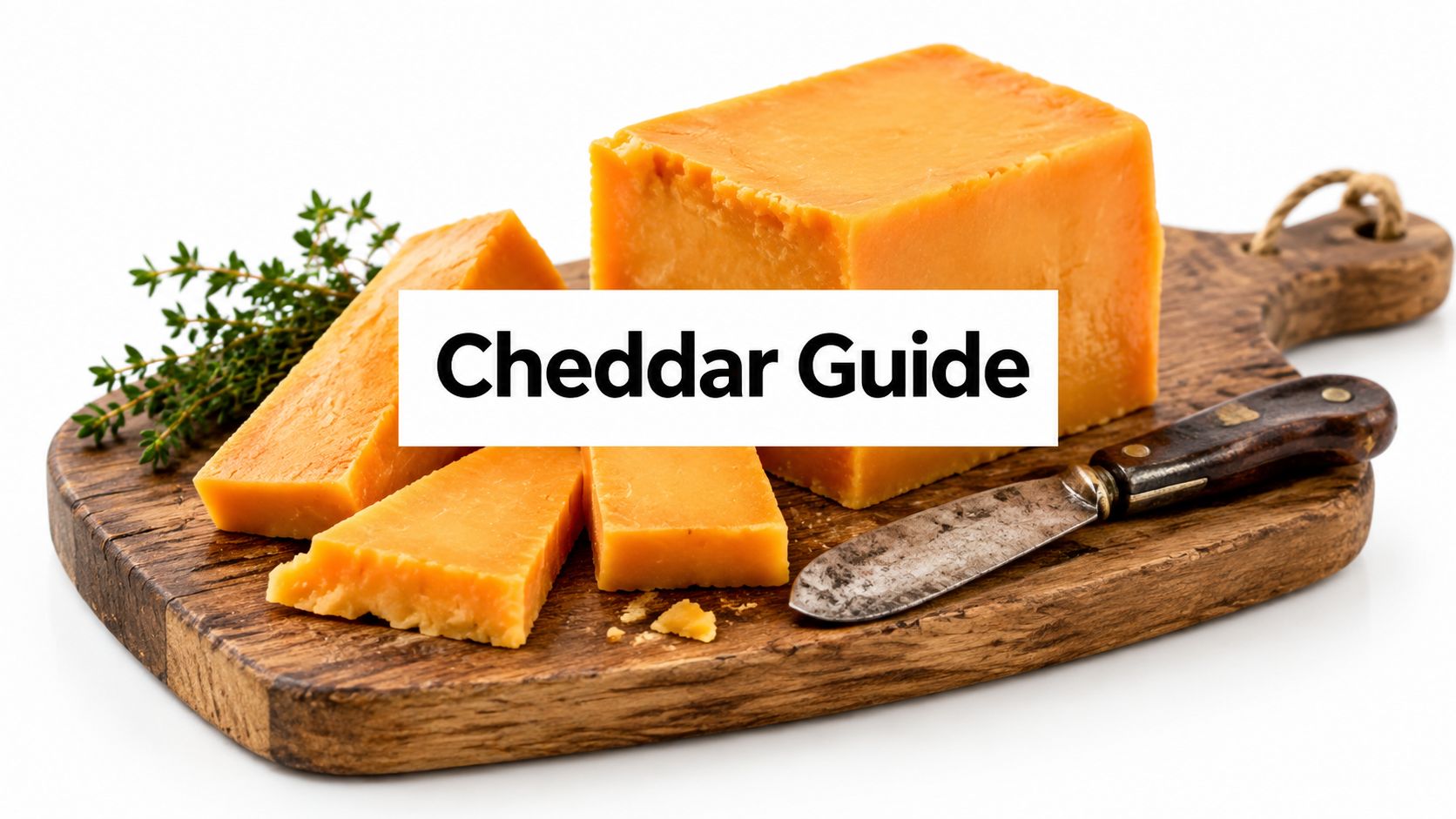
- How to Choose, Cut, and Serve a Cheddar Cheese Block
You're standing at a Dubai deli counter with two cheddar blocks in front of you. One is pale, mild and Irish, the other deep gold, cloth-bound and aged for 18 months. Both look excellent, but they'll behave very differently on a burger, in a pasta bake or on a cheese board. The right purchase starts with the job, not the label. A cheddar cheese block gives you control over flavour, texture and portioning. You can slice it thickly, grate it freshly, shave it for a platter or cut only what you need. Pre-grated cheese is convenient, but a block is the better choice whenever melt quality, presentation or taste matters. Picking the Right Cheddar Cheese Block for the Job Start with four questions: How will you eat it? How many people are you feeding? How soon will you use it? What price per kilogram feels sensible? Those answers narrow the choice faster than browsing brands. For burgers, toasties and family pasta bakes, choose a younger cheddar. It has more moisture, a softer texture and a cleaner, milder flavour. It melts readily and won't dominate beef, tomato sauce or delicate accompaniments. An aged block is more rewarding on a board or with wine, but its sharper flavour can overpower a child-friendly sandwich. Use first, origin second Origin, milk type and age affect everything from saltiness to sliceability. Irish and English cheddars often offer a familiar grassy, buttery profile, while New Zealand, Australian and American blocks can range from gentle and creamy to distinctly sharp. The country alone doesn't guarantee quality, so ask the counter team about age, pasteurisation, milk source and intended use. Buy a block rather than pre-grated cheese when you're making a burger, macaroni bake, grilled sandwich or platter. Grating it yourself avoids the dry surface and muted aroma that can develop in prepared shreds, and freshly grated cheese generally distributes more evenly in a sauce. Counter rule: Choose the youngest block that delivers the flavour you want, unless the cheese itself is the main attraction. A practical UAE counter comparison Block type Typical age Approx. price/kg (AED) Best for Mild Irish block Young 45–55 Burgers, sandwiches, children's platters Medium English or Irish block Medium-aged 50–65 Macaroni, pasta bakes, everyday cooking Mature English block Aged 60–75 Toasties, baked pasta, wine pairings Cloth-bound vintage block 18 months or more 70–95 Cheese boards, shaving, gifting The price guide above is a shopping framework, not verified market data. Check the actual label, cut weight and sale conditions before buying. Imported cheese can carry a higher price because the UAE relies heavily on overseas supply, and premium wrapping, cloth ageing and speciality distribution add further cost. If you're serving several people, a larger block usually gives you better control than separate small packs. For a home cook, buy enough for the immediate dish plus a modest piece for tasting. For hospitality, standardise the age and format so every burger, sandwich or board leaves the kitchen with the same flavour profile. What Cheddar Means in the UAE Market Today Cheddar is not a niche ingredient in the UAE. A MENA industry brief identifies cheddar-type cheese as 27% of UAE cheese imports, with its 2023 estimate listing 18,693 metric tons of cheddar, alongside 1,250 metric tons of Gouda, 41 metric tons of Colby and 24 metric tons of Jack. The same MENA cheese demand landscape.pdf) identifies the EU 28 at 40%, New Zealand at 23%, Egypt at 15%, the United States at 12% and other sources at 10% of main cheddar-type regional supply. That concentration explains why most Dubai blocks are imported and why origin influences both price and availability. A block may have travelled through a distributor before reaching a gourmet shop, supermarket or hospitality kitchen. Refrigerated handling and remaining shelf life therefore matter as much as the country printed on the front. Why the import chain matters The wider UAE cheese category has grown substantially over time. Total UAE cheese imports rose from 44,000 tonnes in 2009 to 73,000 tonnes in 2018, an increase of about 66%, according to trade data summarised by the UK agricultural sector. More recently, the UAE imported $494 million of cheese and curd in 2023, compared with $450 million in 2022, a 9.65% increase, while cheese represented 22% of imports in that product group, as reported in UAE cheese and curd trade data. Italy is also an important European supplier, with $33 million of cheese exports to the UAE in 2023, according to the same trade source. That doesn't mean every Italian food shop specialises in cheddar, but it shows how European dairy supply chains are connected to UAE retail and foodservice. For shoppers, three price levers matter most: age, brand and origin. A young supermarket block may be the sensible everyday choice. A cloth-bound English cheddar earns its premium when you're serving it raw, where its aroma, crystals and finish are visible. Farm-direct wheels are less common in Dubai, so buy them when a specialist counter can explain the provenance and storage rather than choosing them only for appearance. The UAE also regulates cheddar under GCC and UAE technical standards. UAE legislation incorporates UAE.S GSO 336:2021 and GSO 336:2022, while the GSO cheddar standard addresses cheddar intended for direct consumption or further processing. For imported or locally packed blocks, the product specification, declared designation, firmness and moisture profile should match the label. That's especially important for professional buyers ordering by case. Matching Age and Texture to Your Recipe Age changes cheddar more than many shoppers expect. As a block matures, moisture generally falls, flavour becomes more concentrated and the texture moves from supple and elastic towards firm, crumbly and sometimes crystalline. The same progression affects melting, so the oldest block isn't automatically the best cooking cheese. Age band Texture on the tongue Melt quality Best uses Mild Smooth, soft and creamy Flows easily and stays gentle Burgers, mac and cheese, children's platters Medium Firm but still pliable Creamy with good stretch Sandwiches, pasta bakes, everyday cooking Mature Dense, sharper and more savoury Can become oily if overheated Grilled sandwiches, baked pasta, wine pairings Vintage or extra-mature Crumbly, intense, sometimes crystalline Less elastic, more likely to separate Salads, slow-cooked ragus, serious cheese boards Mild and medium for reliable melting Use mild cheddar when the dish needs a supporting role. On a beef burger, it softens quickly and adds buttery dairy flavour without competing with pickles, mustard or a rich sauce. In macaroni, it creates a familiar, smooth base, particularly when you grate it finely and melt it over moderate heat. Medium cheddar gives you more character while retaining useful moisture. It's my default for a home kitchen because it works in a toastie, a baked pasta dish and a warm sandwich without requiring much adjustment. Cube it for a platter if you want guests to notice the cheese but still enjoy fruit, cured meats and chutney alongside it. Mature and vintage for flavour-led dishes Mature cheddar suits grilled sandwiches and pasta bakes where a sharper, savoury note can stand up to browned bread, roasted vegetables or slow-cooked tomato. Don't blast it over high heat. Mature cheese can release oil and form clumps instead of creating a smooth sauce, especially if there isn't enough liquid. Vintage cheddar is for situations where texture matters as much as melt. Look for a dry crumble and tiny crunchy crystals, often associated with concentrated ageing. Shave it over a salad, crumble it into a slow-cooked ragu or place it at the centre of a board. If you're making a smooth sauce, blend a younger cheese with a smaller amount of vintage cheddar for flavour without sacrificing flow. Reading the Block Before You Buy You can assess a cheddar block without tasting it. Ask the counter assistant to show you the cut face, then check the coating, paste, eyes and aroma in that order. Four checks at the deli Rind or wax: A dry, intact coating is reassuring. A slightly cracked, dry natural rind can indicate moisture loss and longer ageing, which may suit a board. Avoid wet patches, sticky surfaces or broken packaging that has allowed the cheese to dry unevenly. Paste colour: Mild cheddar often appears pale ivory or straw-coloured. A deeper gold tone can come from maturity, but colour may also reflect annatto, so don't use orange paste as proof of age. Look for an even colour rather than grey edges or irregular dark areas. Eyes and texture: Small scattered openings can be normal. Large holes, splits or pockets may indicate an unusual pressing style or trapped gas, so ask whether that appearance is expected for the specific cheese. A smooth, close paste is easier to slice for sandwiches. Aroma: A clean milky or lightly sweet scent points towards a mild block. Mature cheddar should smell savoury, nutty and sharper. A strong ammonia smell, sour chemical note or unpleasant barnyard odour is a reason to reject it. The visual cue should match the planned use. A firm, dry, coloured block belongs on a board or in thin shavings. A supple, pale block is the safer choice for a burger or sauce. Reject blocks with dark slime, uncontrolled mould, leaking liquid, swollen packaging or a harsh ammonia smell. A little surface dryness can sometimes be trimmed, but spoilage isn't a kitchen challenge to solve. For imported cheese, also check the use-by date, storage temperature and whether the shop can explain when the block was opened. Storing and Cutting Your Cheddar the Right Way Cheddar needs protection from both drying and trapped moisture. At home, wrap the cut face in wax paper or cheese paper, then add a loose outer layer of cling film. The paper lets the cheese breathe while the outer layer limits moisture loss. Parchment can work for short-term storage, but plastic alone isn't my first choice. It can press tightly against the surface, trap condensation and flatten the aroma. Vacuum sealing is useful for portions you won't open soon, provided the cheese is dry and the seal is clean. Once opened, rewrap it rather than repeatedly exposing the entire block. A fridge routine that works Keep cheddar in the main refrigerated body, ideally around 4 to 7 degrees Celsius, rather than in the door where temperature changes more often. The cheese drawer generally offers steadier humidity and reduces exposure to warm air every time someone opens the fridge. For a block you'll use across a week, cut it into smaller pieces before wrapping. Each portion gets a fresh cut face and the unused pieces remain protected. This is better than opening a large block repeatedly, especially in Dubai kitchens where warm room temperatures can soften the outer layer quickly. Take out only the quantity you need. A short rest before serving improves aroma and makes slicing easier, but don't leave cheese sitting out for extended periods in a hot kitchen. For a platter, cut the cheese while cool, then allow the pieces to lose their fridge chill before guests arrive. Cutting without crushing the paste Warm a sturdy knife under hot water, dry it thoroughly and make a confident downward cut. For a wedge, slice from the centre towards the outer edge so the block keeps a stable shape. Use a wire or cheese plane for thin shavings, and a sharp chef's knife for cubes. A dry corner isn't necessarily waste. Grate it into a sauce, cube it into soup or melt it into a toasted sandwich. Discard the cheese if the surface has dark slime, spreading mould, or a persistent ammonia smell that remains after trimming. Never try to disguise clear spoilage with heat. Serving, Melting and Platter Building For a Friday board serving four to six guests, start with the cheddar as one of the anchor cheeses. Set a young block beside a mature one, cut each into a different shape, and place them with grapes, nuts, crackers and a sharp chutney. Keep enough space between cheeses for separate knives, because a mustardy soft cheese can quickly cover the delicate aroma of a mild cheddar. Let the cut pieces rest until they're no longer fridge-cold, then add small label cards showing milk type, age and origin. Guests make better choices when they can see why one block is pale and creamy while another is crumbly and intense. For further ideas on arranging fruit, crackers and accompaniments, these party platter ideas at Jackpot Candles offer a useful planning reference. Now run a weeknight comparison. Grate a mild or medium cheddar over a beef burger and place it under gentle heat until glossy and soft. The younger block flows into the surface, while a mature block gives a stronger flavour but may release oily clumps if the pan is too hot. For a macaroni bake, use wet heat and add the cheese to a sauce rather than relying on dry oven heat alone. Grate the block finely so it melts quickly, then combine it with enough milk or sauce to keep the emulsion moving. Mature cheddar can work beautifully, but it needs controlled heat. If you want a very smooth finish, combine it with a younger cheddar or use a suitable emulsifying ingredient such as sodium citrate. Kitchen distinction: Dry heat rewards slices and shreds on burgers. Wet heat gives older cheddar a better chance of staying integrated. Cube cheddar for a platter, slice it for sandwiches and grate it for sauces or bakes. A 200 gram block covers two generous servings when the cheese is the main feature, though a larger meal or a broad board needs more planning. Watch this short visual guide before your next board or melt test: For an Italian-style food pairing on the side, this IFM Gourmet pizza visual shows how a strong cheese can sit within a broader savoury spread. Dubai importers must also handle compliance before food reaches the counter. Dubai Municipality requires importing establishments to register with its e-government system, and products must be registered in the Food Import and Re-export System before clearance, as outlined by Dubai food import guidance. For hospitality buyers, that makes supplier documentation part of the purchasing decision, not an administrative afterthought. Pairing, Gifting and Getting More from Your Block Mature cheddar needs contrast. Pair it with dry apple cider to cut through its richness, fig and walnut chutney to soften its sharp edge, or dark chocolate to draw out the savoury finish. For spirits, use these proven whiskey pairing strategies to match intensity instead of stacking two overpowering flavours. For a Dubai corporate gift or housewarming hamper, choose 200 to 300 gram wedges, wrap them in wax paper, and add crackers, dried fruit and a small knife. Arrange the cheese with complementary gourmet items rather than sending a bare block. This IFM Gourmet Pan de Queso hamper-style spread shows how the arrangement can come together. Use temperature-controlled delivery during warmer periods. Italian Food Masters, the Dubai-based HACCP-certified importer behind IFM Gourmet, distributes across all emirates, from HoReCa kitchens to specialty retailers, according to Italian Food Masters directory information. For hospitality buyers, that supply reach supports consistent sourcing for boards, service and gifting. Trim clean rinds for stocks, cube clean trimmings into soups, and shave firm leftovers over salads. IFM Gourmet Dubai is the luxury online gourmet arm of IFM Investments LLC, a UAE-based culinary company offering artisanal sweets, savouries, fine chocolates, premium teas, cakes and curated gift hampers within the wider Italian Food Masters group. Its range suits a cheese-led hamper with other gourmet ingredients. Order a 1 kg block, taste a 100 gram slice raw, then compare a younger or older block for cooking. That side-by-side test reveals your household or kitchen preference better than a premium label alone. Visit IFM Gourmet Food Store for gourmet ingredients and curated selections suited to home cooking, hospitality service or gifting. Choose the cheddar by age and use, then build the board, hamper or kitchen order around its final purpose.
- Whole Grain Mustard Guide Flavour Uses and Pairings
You're preparing a Dubai-style grazing board, the bread is sliced, the cheeses are arranged, and one small jar catches your eye. The label says whole grain mustard, but the visible seeds make it look more specialised than ordinary yellow mustard. Should you spread it beside cured meats, stir it into a dressing, or save it for a roast? Whole grain mustard earns its place by adding more than heat. Its intact seeds bring a gentle pop, a rustic mouthfeel and a polished finish to food that might otherwise taste flat. It can sit comfortably beside Italian salami, roasted vegetables, seafood, sourdough, South Asian snacks and festive gift selections. The trick is learning to use it as a texture-first ingredient, not as a sharper version of yellow mustard. Introduction to Whole Grain Mustard and Why Texture Matters A guest reaches for a slice of rustic bread, adds a fold of cured meat and asks for something to cut through the richness. A smooth yellow mustard would provide acidity and warmth, but whole grain mustard changes the experience. You see the seeds before you taste them, then feel tiny pops between the creamy cheese, crisp bread and savoury meat. That visual texture is part of its appeal. Whole grain mustard usually contains visibly intact or coarsely crushed mustard seeds suspended in a seasoned liquid. The result sits somewhere between a spread and a relish, with enough body to cling to food rather than disappear across the plate. Why the seeds matter A smooth condiment delivers one continuous sensation. Whole grain mustard gives you layers: tang from the liquid, warmth from the seeds and a gentle bite from the coarse texture. That contrast makes simple ingredients feel more considered. The same effect works in a home kitchen. A spoonful stirred into olive oil and vinegar can turn a basic salad into a more interesting side dish. Spread onto a sandwich, it adds a small burst of flavour each time you bite. Folded into a pan sauce, it gives the sauce a rustic appearance and helps balance buttery or creamy ingredients. Practical rule: Use whole grain mustard when you want the condiment to be noticed, not when you want it to vanish into the background. This matters in the UAE, where one table may combine Italian antipasti, Mediterranean vegetables, European cheeses and South Asian-inspired dishes. Mustard seed imports into the UAE are substantial, with $1.023 million worth of mustard seed imports weighing 1,324,780 kg in 2023, and India supplying $960,540 worth and 1,268,910 kg of that trade, according to World Bank and Comtrade-linked UAE mustard seed data. The ingredient has a practical supply story, but its gourmet value comes from knowing where its texture works best. What Whole Grain Mustard Is and How It Gets Its Character Whole grain mustard begins with mustard seeds, but the final character depends on what happens between the seed and the jar. Producers may use yellow, brown or darker seeds, then combine them with an acidic or fermented liquid such as vinegar, wine or beer. Seasonings can add sweetness, salt, herbs or spice. The easiest way to understand the process is to compare it with coffee. A whole coffee bean gives you aroma and texture only after grinding, but the grind size changes the cup. A coarse grind creates a different experience from a fine powder. Mustard follows a similar principle. The less completely the seeds are crushed, the more visible and noticeable the final texture becomes. From seed to condiment Whole mustard seeds provide the small beads you see in the jar. They carry natural pungency and a mild nuttiness. Coarse grinding lightly breaks some seeds while leaving others intact. This creates a thick, grainy spread rather than a perfectly smooth paste. The liquid base brings acidity and character. Vinegar tastes bright and direct, wine can feel rounded and aromatic, while beer may introduce a malty depth. Soaking and maceration allow the seeds to absorb liquid and soften. This stage changes the mouthfeel from hard and dry to plump and yielding. Seasoning and resting bring the components together. The finished mustard may taste sharp when first made, then become more integrated as it rests. How it differs from other mustard Dijon mustard is generally smoother and more finely processed, although some products combine Dijon-style seasoning with visible grains. It tends to spread evenly and gives sauces a polished texture. Yellow mustard is usually smoother, milder and more familiar as a sandwich or fast-food condiment. Its colour and acidity often dominate, while whole grain mustard makes the seed texture part of the flavour. Mustard oil is different again. It's a pungent oil pressed or extracted from mustard seeds, used in some South Asian cooking traditions. Whole grain mustard contains seeds and a seasoned liquid, so it behaves more like a spread, dressing ingredient or sauce component than a cooking oil. The jar tells you the texture story: visible seeds usually mean a condiment designed to contribute bite, not just heat. Popular Varieties of Whole Grain Mustard You Will Find Choosing a jar becomes easier when you match the mustard's personality to the food. A sharp style can wake up roast meat, while a sweeter blend may suit a glaze. The seeds may look similar across jars, but the liquid base and added ingredients change the overall balance. Classic French whole grain This style is often tangy, wine-led and moderately sharp. It works well with pâté, ham, roast chicken, boiled potatoes and a traditional cheese board. Choose it when you want a mustard that feels elegant but still has enough acidity to refresh rich food. Beer-infused mustard Beer brings malty depth and, depending on the brew, a bitter-sweet finish. This style is especially useful with sausages, pretzels, roasted root vegetables and hearty sandwiches. It can also support a pan sauce where a plain vinegar base might taste too direct. Honey-seeded mustard Honey softens the mustard's natural pungency and creates a rounder, sweeter finish. Use it with roasted carrots, squash, chicken wings or grilled vegetables. It's also a practical choice for guests who enjoy mustard flavour but don't want a strongly nasal heat. Italian-style mustard An Italian-style blend may include herbs, wine or citrus-like aromatic notes. It suits antipasti, grilled vegetables, seafood and breads with olive oil. The herbal character can echo basil, rosemary, oregano or fennel without turning the mustard into a complete pasta sauce. Spicy brown whole grain This version usually has a more assertive seed flavour and a stronger earthy heat. It stands up to pastrami, smoked meats, grilled sausages and bold sandwiches. Use it carefully beside delicate fish or mild cheeses, where its strength may take over. Shopping shortcut: Pick the variety by the dish's richest or strongest element. A mild cheese needs a gentler mustard, while smoked meat can handle a darker, spicier style. Read the ingredient list as well as the front label. Look for the type of liquid, sweeteners, herbs and seed varieties. A product with a short, recognisable list may taste more direct, while a complex blend can bring a broader flavour profile to a cheese board or gift hamper. Flavour Profile and What Makes It Taste Different Whole grain mustard has four main sensory elements: heat, acidity, bitterness and texture. The balance among them explains why one jar tastes mellow and nutty while another seems sharp enough to clear your palate. Heat often arrives gradually. You may first notice vinegar or wine, then feel warmth build at the back of the nose. Coarsely crushed seeds can release their flavour differently from a fully puréed mustard, so the condiment may seem lively rather than uniformly hot. Tasting it with intention Start with a small amount on a neutral food such as bread or a plain boiled potato. Notice whether the first impression is sour, sweet, earthy, wine-like or spicy. Then pay attention to the finish. Does the flavour disappear quickly, or do the seeds leave a lingering savoury bite? Acidity gives mustard its lift. It cuts through fatty foods such as cheese, mayonnaise, cream sauces and cured meats. Bitterness may come from the seeds or from a beer-based recipe, and a small amount can make sweet ingredients feel less heavy. Texture changes your perception of intensity. A smooth mustard spreads its flavour evenly, while whole seeds create little points of contrast. That makes a modest amount feel more present in a dish. Balancing the heat Fat softens sharpness. Olive oil in a vinaigrette, butter in a pan sauce or cheese on a board can make a forceful mustard feel rounder. Sweetness performs a different job. Honey, maple syrup or roasted vegetables can balance acidity and heat without removing the mustard's identity. Water-rich ingredients also help. Cucumber, leafy greens, tomatoes and lightly dressed salads give the palate relief between mouthfuls. Lemon can amplify freshness, but use it carefully if the mustard already has a strong vinegar base. Taste before you season: Mustard can bring salt, acid and heat at the same time, so add it first and adjust the remaining seasoning afterwards. The product nutrition data for Clovis Wholegrain Mustard listed by a UAE retailer shows 150 kcal, 11 g fat, 3.5 g carbohydrate and 7 g protein per 100 g, with 0.6 g saturated fat per 100 g, as reported on the UAE retailer's mustard listings. Those figures describe one listed product, not every mustard, but they reinforce a useful cooking point. Whole grain mustard can bring concentrated flavour and emulsifying body without relying on a high sugar load. Everyday Culinary Uses and Pairings That Work Whole grain mustard becomes most useful when you stop treating it as a final spread and start using it as a connector. It joins oil to vinegar, gives roasted food a glossy coating, sharpens a creamy sauce and adds a textural accent to a board. For a vinaigrette, whisk mustard with olive oil and an acidic ingredient such as wine vinegar or lemon juice. The mustard helps the mixture hold together, while the seeds give the dressing a rustic finish. Toss it with rocket, roasted peppers, grilled courgettes or warm potatoes. A simple glaze can combine whole grain mustard with honey or maple syrup. Brush it over chicken, salmon, carrots or cauliflower before the final stage of roasting so the surface develops colour without losing the mustard's character. Pairings for Italian and Mediterranean menus Italian ingredients give whole grain mustard plenty of room to work: Cured meats: Salami, mortadella and prosciutto benefit from mustard's acidity, which keeps fatty flavours lively. Roasted vegetables: Courgettes, aubergines, cauliflower, squash and potatoes welcome a sweet, tangy coating. Seafood: Use a mild, wine-based mustard with salmon, prawns or white fish, especially alongside lemon and herbs. Artisanal breads: Sourdough, focaccia and crusty rolls provide a neutral, chewy base for a mustard-led sandwich. Cheese: Pair a gentler mustard with soft cheeses and a stronger brown-seed style with aged varieties. For a Dubai-friendly table, try honey-seeded mustard with grilled halloumi, classic French mustard with roast chicken, or a spicy brown style alongside a toasted sandwich filled with spiced meat. The condiment can also sit beside samosas or savoury pastries, where its acidity cuts through fried pastry and rich fillings. A children's or family-friendly spread can use a small amount in a sandwich sauce, mixed with yoghurt or mayonnaise to reduce the sharpness. You can also serve it beside Pan de Queso from IFM Gourmet Dubai, where the chewy cheese bread provides a gentle counterpoint to the mustard's tang. A practical pairing matrix Dish or Ingredient Best Mustard Style Why It Works Roast chicken Classic French whole grain Wine-like tang refreshes savoury, juicy meat Grilled salmon Mild Italian-style Herbs and acidity support the fish without hiding it Roasted squash Honey-seeded Sweetness balances the vegetable's mellow richness Salami and aged cheese Spicy brown whole grain Robust seeds match intense, salty flavours Potato salad Beer-infused Malted depth adds interest to creamy dressing Focaccia sandwich Classic French whole grain Tang keeps bread, oil and fillings from feeling heavy A pan sauce needs a lighter touch. Remove the cooked meat, loosen the pan with stock or wine, then whisk in mustard near the end. Adding it late preserves its aroma and prevents the sauce from becoming harsh. The same principle applies to a creamy sauce. Stir mustard through cream, yoghurt or a plant-based alternative after reducing the liquid. The seeds remain visible, and their acidity prevents the sauce from tasting one-dimensional. A short visual demonstration can help you see how mustard changes a dish's texture and finish: Use a jar on a board as both an ingredient and a serving element. Put a small spoon beside cured meats, grapes, olives and cheeses, then let guests choose their own intensity. That approach works particularly well for hosting because the mustard remains flexible rather than locking every dish into the same flavour. How to Buy Store and Choose Quality Whole Grain Mustard A good jar makes its texture easy to read before it reaches your kitchen. Start with visible mustard seeds, a liquid base suited to your recipe and a description such as coarse, rustic or whole grain. Wine or vinegar-led versions bring a brighter edge to seafood and salads, while beer, honey or brown-seed styles suit sausages, roasted vegetables and richer UAE menus. Jar or squeeze bottle Glass helps you inspect seed size, colour and any liquid separation. It also moves easily from pantry to cheese board, where the jar can serve as part of the table setting. A squeeze bottle is handy for sandwiches and quick lunches, though its packaging gives you less visual information. The UAE market offers a practical premium-import reference. Dubai retail listings show Clovis Wholegrain Mustard 200 g at roughly AED 5.25 to AED 5.88 per 100 g. Treat that figure as a guide for one imported product, not a standard for every jar. Storage habits that protect flavour Follow the label for an unopened jar, keeping it away from direct heat and sunlight. After opening, refrigeration helps preserve freshness, particularly in a warm climate. Use a clean spoon, wipe the rim and close the lid firmly each time. Liquid separation alone does not mean the mustard has spoiled. Stir it well, then check its aroma, colour and appearance. An unpleasant smell, unexpected mould or an obviously abnormal texture means it should be discarded rather than tasted again. Buying for home, hospitality or gifting For home use, one versatile French-style jar can cover dressings, sandwiches and cheese service. Add a sweeter version when you want contrast with roasted vegetables or a richer spread. Restaurants and catering teams may keep separate styles for dressings, grilled meats and cheese boards, helping each menu retain a clear flavour identity. Major importers such as Italian Food Masters distribute specialist mustards through UAE hospitality channels, making imported varieties available to hotels, restaurants, caterers, specialty stores, gourmet retailers, bakeries, airlines, cafés and supermarket chains, according to its company profile. That distribution helps explain why imported mustard can sit naturally beside Italian staples such as olive oil, balsamic vinegar, pasta, bread and cured meats. For a gift, choose a jar with an obvious use. Pair it with cured meats, cheese, crackers, olive oil or artisan bread, so the recipient can build a board or sandwich immediately. Dubai's gourmet market includes gourmet gift baskets and hampers, as shown by UAE-targeted gourmet hamper listings, with seasonal gifting often centred on Christmas, Ramadan and Diwali. Bringing Whole Grain Mustard Into Your Gourmet Kitchen Whole grain mustard deserves pantry space because it solves several small cooking problems at once. It adds acidity to rich food, texture to smooth sauces, warmth to vegetables and visual interest to a serving board. A single jar can move from weekday sandwich to weekend roast without feeling out of place. Begin with two reliable uses. Stir a spoonful into an olive oil vinaigrette for roasted vegetables, then spread a small amount into a cured-meat sandwich. Once you understand how the mustard behaves with fat, sweetness and acid, try it with seafood, potatoes, grilled cheese or a creamy pasta sauce. The UAE is also more than a destination for imported mustard ingredients. In 2023, the UAE exported 545.5 tonnes of mustard seeds valued at $635,490, ranking 21st among 75 global exporters and representing 0.1% of world exports, according to UAE mustard seed trade data. The same source records an export unit value of $1.16 per kg and year-on-year volume growth of 2.4% from 2022, with exports rising from $290,300 in 2020 to $424,400 in 2021 and $620,600 in 2022. For shoppers, that points to an active regional trade environment behind a small but versatile jar. Dubai's Italian gourmet scene gives the condiment a natural home beside premium oils, balsamic vinegar, pasta, bread, cheese and cured meats. The wider Italian food market also has a firm UAE presence. A Zawya trade report states that the UAE imported 190 million worth of Italian food and beverage products in 2020, while exports to the UAE reached 130 million in the first seven months of 2021, an increase of 27.7% over the same period in 2020 and 4.3% above pre-pandemic 2019 levels. Use whole grain mustard as a small finishing decision with a noticeable result. Add it to a board for guests, fold it into a dressing for a family meal, or pair it with Italian pantry inspiration from IFM Gourmet when you want a more complete gourmet spread. IFM Gourmet Food Store offers authentic Italian ingredients, artisanal delicacies, premium condiments, chocolates, cakes, coffees, teas and curated gift hampers for occasions including Christmas, Ramadan and Diwali. Visit IFM Gourmet Food Store to explore pantry pairings for whole grain mustard, build an elegant hosting board or choose a thoughtful gourmet hamper in Dubai and across the UAE.
- Extra Virgin Olive Oil Calories and What They Mean for You
You're standing in the kitchen with a bottle of extra virgin olive oil in one hand and a spoon in the other. The roasted vegetables look dry, the salad needs dressing, and the easiest move is to pour until everything shines. That small stream tastes wonderful, but extra virgin olive oil calories add up quickly because oil is concentrated energy. The useful answer isn't to avoid EVOO. It's to understand what the label means, measure portions naturally, and choose an oil whose flavour earns its place in the dish. For UAE shoppers, one extra detail matters: nutrition panels may show calories per 100 g or per 100 ml, and those two measures aren't interchangeable. Why Extra Virgin Olive Oil Calories Matter at the Dinner Table You are finishing dinner in a UAE kitchen. A little EVOO goes over the roasted vegetables, more becomes salad dressing, and the remaining oil invites a piece of bread. Each pour looks modest, yet several spoonfuls can add a noticeable amount of energy to the plate. A UAE retail listing places a tablespoon of EVOO at about 124 calories, while comparable UAE product pages show a 15 ml serving in the broader range of roughly 119–126 calories (Noon's UAE extra virgin olive oil listing). A teaspoon is about one-third of that serving, contributing approximately 40 calories. The useful kitchen measure is the amount poured, not the bottle's size or premium appearance. Serving Amount Calories (approx.) Teaspoon About 5 ml About 40 Tablespoon About 15 ml About 119–124 Two tablespoons About 30 ml About 238–248 EVOO contains very little carbohydrate or protein, so almost all its energy comes from fat. Fat supplies roughly nine calories per gram, which makes oil more calorie-dense by spoonful than ingredients containing water, fibre, or protein. A UAE retail benchmark of about 900 kcal per 100 g reflects the same principle (Noon's UAE cold-pressed olive oil product page). Practical rule: Measure the oil before it reaches the pan or bowl. Once it coats the food, your eyes cannot reliably distinguish one tablespoon from several. The habit helps with pasta, grilled meats, roasted vegetables, and generous dressings. Two tablespoons can add about 248 calories before bread, pasta, cheese, or vegetables enter the calculation. Use that awareness to make a flavour choice, not to remove EVOO from dinner. A measured spoon still brings aroma, gloss, and texture, while premium EVOO makes those qualities part of the flavour investment behind IFM Gourmet's curated Italian selection. For pasta meals, use this visual guide to cooked pasta portion sizes alongside the oil measurement. What Makes Up Those Calories in Every Tablespoon A tablespoon of EVOO is almost entirely fat, which is why such a small volume carries so much energy. A typical serving of about 14–15 ml provides approximately 14 g of fat, 0 g of carbohydrate, 0 g of protein, and around 119–126 calories, figures commonly shown on UAE retail nutrition panels. The calories come from triglycerides, the form in which dietary fat is stored and transported. Since fat supplies roughly 9 calories per gram, those 14 g account for nearly all the serving's energy. Most of EVOO's fat is monounsaturated fat, especially oleic acid. That profile helps explain why many home cooks choose it for regular use instead of cooking fats with more saturated fat. A tablespoon also contains a smaller amount of saturated fat, commonly listed at around 2 g in standard nutrition comparisons. Its minor compounds include vitamin E, vitamin K, and polyphenols. They add nutritional interest, but they do not erase the calories. Why the fat type still matters Calories describe the energy in a spoonful. They do not describe the oil's full nutritional character. EVOO's monounsaturated profile and naturally occurring minor compounds give it a different role from butter or coconut oil, even when the measured portions look alike. That difference matters in an everyday UAE kitchen. Use EVOO to carry garlic, herbs, and chilli through a sauté, then add a small drizzle at the end for aroma. The choice is about fat composition and flavour, not a calorie-free shortcut. All cooking oils provide concentrated energy, so changing oils generally affects the fat profile and taste more than the total energy. A measured tablespoon has two useful meanings. Nutritionally, it is a concentrated source of fat. Culinarily, it is a compact carrier for flavour, colour, crispness, and a smooth mouthfeel. Premium EVOO can therefore be a flavour investment, especially when choosing from IFM Gourmet's curated Italian selection. Measure the portion, then let its aroma and taste do more of the work. Reading UAE Nutrition Labels the Smart Way A shopper in the UAE can pick up two olive-oil bottles and see 900 calories per 100 g on one label, but 823 calories per 100 ml on another. The figures seem inconsistent until you check what each number measures. The first example comes from a Spinneys listing, while the second appears on a separate UAE retail listing (Spinneys UAE olive oil nutrition panel). Oil is less dense than water, so 100 ml weighs less than 100 g. That smaller mass contains less oil by weight, which can produce a lower calorie figure per 100 ml. The oil itself has not become a lighter food. The label is using volume instead of weight. A quick shelf check keeps the comparison fair: Find the measurement basis. Look for “per 100 g” or “per 100 ml” before comparing bottles. Match the same basis first. Use grams for precise tracking. If your recipe or food log uses grams, weigh the oil. A millilitre and a gram are different measures for olive oil. Use the tablespoon for cooking. A 15 ml tablespoon is an easy kitchen reference. UAE retail data places that amount at roughly 119–126 calories (Noon's UAE extra virgin olive oil listing). Basis Weight/Volume Calories (approx.) Per 100 g 100 g About 900 kcal Per 100 ml 100 ml About 823 kcal on one UAE listing One tablespoon About 15 ml About 119–126 kcal A lower number per 100 ml does not mean fewer calories in the same weight. It means the label is measuring a smaller mass of oil. For meal preparation, write the measured amount beside the recipe before starting. If a salad for two calls for one tablespoon, record that amount next to the ingredients. This keeps the label's serving reference connected to the recipe, whether you choose a familiar bottle or a premium EVOO from IFM Gourmet's curated Italian selection. The extra cost can be a flavour investment, while the calorie count still depends on the amount used. How EVOO Compares to Other Cooking Fats You are choosing between bottles for a roast dinner, while a nearby shelf offers butter, ghee, coconut oil, and sunflower oil. The calorie difference should not make the decision by itself. Cooking fats are concentrated ingredients, so a measured spoonful of each can contribute a similar amount of energy. The useful comparison is how each fat behaves, tastes, and fits the recipe. Extra virgin olive oil suits dishes where its peppery, grassy, or fruity character adds to the food. Use it in vinaigrettes, vegetable sautés, roasted produce, fish, tomato-based dishes, and pasta finishes. Its nutrition label provides a practical benchmark, with about 900 kcal per 100 g for the oil. Butter brings dairy aroma, richness, and browning, making it useful for baking, sauces, and dishes where that flavour is part of the result. Ghee offers a rich taste and works well in South Asian cooking and sauces. Coconut oil has its own distinct flavour and becomes solid at cooler room temperatures, which can suit baking or recipes built around that character. Sunflower oil is a reasonable choice when you want a more neutral taste for frying or roasting. It allows delicate ingredients to remain in the foreground. Check the product panel for the specific calorie and saturated-fat values of any bottle, because labels and serving bases can differ between products. Choose by the job in the pan For a UAE shopper, the label's measurement basis still matters when comparing fats. A per-100-g figure is a weight comparison, while a per-100-ml figure measures volume. Read the basis before deciding that one bottle is lighter. The amount poured into the pan remains the practical driver of calories. A tablespoon of EVOO can already provide a substantial amount of energy, so changing oils does not guarantee a lower-calorie meal. The stronger reason to choose a premium EVOO from IFM Gourmet's curated Italian selection may be the flavour it contributes. Used in a dish where that flavour is noticeable, the bottle becomes a flavour investment, not a calorie sacrifice. Choose butter or ghee when their aroma and texture are central to the recipe. Choose coconut oil when its flavour and firmer texture belong in the dish. Choose sunflower oil when a neutral cooking fat is more suitable. Choose EVOO when its character improves the finished food. Whichever fat you select, match it to the cooking job and keep the amount deliberate. The best choice balances taste, texture, and technique, while the label helps you understand the energy contribution. Simple Portion Control Habits That Work Portion control feels easier when it becomes part of cooking rather than an accounting exercise. You do not need to weigh every drop. A few repeatable habits can interrupt free-pouring and keep the amount visible. Make the amount visible Use your palm for a small pour. Tilt the bottle over your palm and stop at about a teaspoon before adding oil to a small pan. This suits softening garlic or greasing a compact omelette pan. Keep a tablespoon by the hob. For roasted vegetables, spoon the planned amount into a bowl first. Tossing the vegetables there spreads the oil more evenly than pouring straight onto a tray. Brush or mist large surfaces. A pastry brush can distribute a thin coating over vegetables or bread. You can also browse the Wiltshire sprayer at Simply Hospitality, a tool designed for applying oil and vinegar. Set a bread-dip limit. For a shared starter, pour one teaspoon per slice into a small dish instead of leaving the bottle on the table. The flavour stays noticeable, and the serving remains easy to see. A measured tablespoon can coat a tray of vegetables when you toss thoroughly. Extra oil will not automatically make them crisper, and it can leave the finished dish heavy. Pasta follows the same principle. Reserve some cooking water, combine it with the measured oil and sauce, and let the liquid help the coating spread. Here is a short visual demonstration of these measuring habits: For a salad serving two, whisk the oil with acid and seasoning in a bowl before adding the greens. Tossing gives each leaf a light coating. For soup or grilled fish, use a teaspoon and distribute the oil in a thin line rather than one concentrated pool. The aroma reaches the surface more clearly, so a smaller amount can still feel generous. A planned pour also keeps the table balanced. Use a small dish for measured dipping oil, then pair it with a visual guide to water placement for a complete table setting, rather than placing the full bottle within reach. Why Premium EVOO Delivers More Than Just Calories Two bottles can occupy the same calorie range while delivering very different kitchen experiences. Calories measure energy, not freshness, aroma, bitterness, pepperiness, or how strongly a small drizzle finishes a tomato, fish fillet, or slice of bread. A well-made extra virgin olive oil can bring green, grassy, fruity, or peppery notes that are immediately noticeable. Its minor compounds include polyphenols and vitamin E, and those elements are part of what distinguishes a minimally processed EVOO from a refined oil. The oil's flavour intensity can make a measured amount feel more complete, especially when it's used as a finishing ingredient rather than hidden beneath heavier sauces. Use premium oil where your palate notices it A premium bottle deserves a role that preserves its character. Try it over warm beans, tomatoes, grilled prawns, steamed vegetables, burrata, or crusty bread. Heat can be appropriate for many everyday tasks, but a finishing pour lets you identify the oil's aroma and texture without burying it under other ingredients. Refined oils generally have a more neutral taste because processing removes many of the compounds associated with the character of extra virgin oil. That doesn't make neutral oil useless. It means the two products serve different purposes. A neutral oil can disappear into a recipe, while a distinctive EVOO can become part of the recipe's identity. Dubai's food culture gives this choice a broader setting. The Dubai Department of Economy and Tourism's 2024 gastronomy industry report describes Dubai as a global culinary hub and a major F&B growth market, so premium ingredients sit within a mature dining and hospitality ecosystem rather than a narrow specialist corner. For UAE shoppers, a curated Italian selection can simplify the decision. Instead of treating every bottle as a calorie calculation, assess the oil's purpose. Buy a characterful EVOO for dressings and finishing, keep the serving measured, and let its aroma provide the lift that a larger quantity of bland oil might not. Common Myths About Olive Oil Worth Forgetting Nutrition labels can make every bottle look identical. That's where several persistent myths begin. Myth one, calories are the same, so the cheapest bottle is always best A calorie panel can't tell you how an oil tastes or how much aroma it contributes. EVOO's value may appear in freshness, peppery character, grassy notes, and the presence of naturally occurring minor compounds such as polyphenols and vitamin E. Shelf takeaway: Choose a premium oil when you'll taste it directly, and use a neutral oil when you want the fat to remain in the background. Myth two, extra virgin olive oil can't handle heat EVOO isn't limited to cold dressings. It can suit many everyday stovetop and oven tasks, including sautéing and roasting, provided you follow the product's guidance and don't let the oil smoke continuously. Kitchen takeaway: Use moderate heat for garlic, vegetables, fish, and sauces. For any oil, discard it if it has been badly overheated or repeatedly abused. Myth three, greener oil is automatically better Colour reflects factors such as olive variety, harvest timing, and processing. A bright green appearance can be attractive, but it isn't a complete quality test. Shopping takeaway: Consider the oil's taste, packaging, storage, origin information, and intended use instead of judging the bottle by colour alone. Myth four, more oil always means more flavour More oil can make food heavier without making it more aromatic. A strongly flavoured EVOO often performs better as a measured finishing ingredient, where the palate encounters it directly. Serving takeaway: Add a small amount at the end, taste, and decide whether the dish needs more. The tablespoon benchmark remains useful because UAE retail panels consistently place EVOO at roughly 119–126 calories per serving (Noon's UAE extra virgin olive oil listing). One final point matters for UAE buyers: premium food retail also involves compliance behind the scenes. Federal law requires first-time imported food products to go through the required national registration system and arrive with the necessary documents and certificates (UAE Food Law). Dubai's import framework adds product registration, labelling, health documentation, and emirate-level clearance requirements, with food products registered on the national ZAD platform before market handling (UAE food business compliance guidance). That's why a reputable gourmet retailer's curation can help shoppers focus on flavour, provenance, and portion rather than decoding every import detail themselves. IFM Gourmet Food Store offers authentic Italian ingredients, premium olive oils, balsamic vinegars, artisanal pastas, chocolates, cakes, and curated gift hampers across Dubai and the wider UAE. Visit IFM Gourmet Food Store to explore Italian EVOO for measured everyday cooking, elegant finishing drizzles, and thoughtful gourmet gifting.
- Foie Gras Terrine Serving Guide & Tips
You've bought a chilled foie gras terrine for a Dubai dinner, but now the practical questions begin. Should it be served straight from the refrigerator? Which bread will balance its richness? Is the restaurant portion worth more than a retail block, and how should you handle it in the UAE heat? A good foie gras terrine doesn't need complicated decoration. It needs careful temperature control, a clean slice, a fresh contrast, and enough planning to protect its delicate texture. The guide below takes you from the basics of the dish to buying, serving, storing, gifting, and choosing alternatives with confidence. What Foie Gras Terrine Actually Is At a Dubai dinner party, the first moment is quiet. A chilled terrine rests on a marble board under warm light. A thin knife passes through the loaf, revealing pale ivory layers with a soft amber edge of rendered fat. The slice holds its shape, but it yields easily when spread over toast. Foie gras terrine is a cooked preparation made from the liver of a fattened duck or goose. The liver is seasoned, packed into a loaf-shaped mould, cooked gently, usually in a water bath, and then cooled and pressed until it becomes firm enough to slice. The result is rich but structured, with a smooth texture that sits between a spread and a set pâté. How it differs from other preparations A terrine usually shows the character of the whole liver more clearly than a mousse. Mousse is blended and emulsified into a very smooth preparation, while a terrine can retain visible layers and a more substantial bite. A torchon is shaped into a cylinder, often wrapped and poached, giving it a different presentation and texture. Pâté is a broader category that may contain liver, meat, spices, herbs, and other ingredients. Traditional foie gras terrine aims for restraint. The ingredient list can be as simple as liver, salt, and pepper, with some versions adding a small amount of port, Cognac, or Sauternes. Because there's no need to hide the main ingredient beneath a long list of additions, the quality of the liver, the seasoning, and the cooking control matter greatly. Why it appears on UAE luxury tables In the Emirates, foie gras terrine has moved beyond a narrowly French fine-dining setting. It appears in Dubai tasting menus, premium retail listings, festive selections, and special-order formats. A Carrefour UAE foie gras terrine listing is one example of the product reaching an upscale retail audience, while restaurant menus place it within carefully sequenced tasting experiences. That range matters. A guest may encounter foie gras terrine as a plated course, a chilled retail product, or a gift selected for a celebration. The dish still carries French culinary heritage, but its role in the UAE is increasingly practical and occasion-led. It belongs on a festive board, a hotel menu, or a carefully assembled hamper as much as it belongs in a classic French dining room. How a Terrine Is Made and What Gives It Character Making a terrine is like building a delicate layered loaf. The liver forms the layers, seasoning provides the background, gentle heat sets the structure, and pressing gives the finished loaf enough firmness to slice. Each stage affects the final result. Building the loaf Start with whole duck or goose foie gras lobes. If the product isn't already prepared, inspect it and remove the larger veins carefully. Use a small, clean knife and handle the liver while it remains cold, because warmth makes the fat soft and difficult to manage. Season the lobes with salt and pepper. Some recipes add Sauternes, port, or Cognac, then leave the liver to marinate under refrigeration. Marination lets the seasoning move beyond the surface, but the liver shouldn't sit exposed or warm on a kitchen counter. Pack the seasoned pieces firmly into an earthenware terrine mould or stainless-steel loaf pan. Pressing matters because trapped air creates gaps and weak points in the finished slice. Think of it as packing layers into a sandwich. The more evenly the layers meet, the cleaner the loaf will look when cut. Gentle cooking and pressing Cover the mould with its lid or foil, then place it in a bain-marie, or water bath. The surrounding water cushions the terrine from direct oven heat and supports more even cooking. A traditional method uses a low oven temperature around 75°C for roughly 90 minutes, as described in the available whole foie gras terrine preparation guide. After cooking, cool the terrine promptly and press it under a light weight in the refrigerator. This step consolidates the layers and encourages the rendered fat to form a protective top seal. The loaf then needs time to firm before slicing. Practical rule: The terrine should be treated as a structured loaf, not as a loose pâté. Gentle heat sets it, while cooling and pressure give it shape. The finished product should have an even colour, a silky mouthfeel, few visible veins, balanced seasoning, and a clean finish. Excessive oiliness, harsh alcohol, or a broken slice often points to uneven packing, poor temperature control, or overhandling. The following video offers a visual reference for the assembly and service sequence: Formats, Sizes, and Prices in the UAE Market UAE shoppers won't find one standard foie gras terrine format. A small retail portion serves a different purpose from a large pre-order block, and a restaurant tasting course reflects labour, plating, service, and venue positioning as well as the ingredient itself. Available UAE listings show a broad price ladder. A frozen 500g duck foie gras product is listed at about AED 75, while a 1kg artisan terrine pre-order is listed at AED 1,109, and a 250g festive listing is shown as available in Dubai. These examples come from the UAE foie gras terrine retail listing, and they illustrate why pack format and presentation matter. Format Typical Weight Retail Price (AED) Restaurant Price (AED) Individual or small retail portion Around 200g to 250g Varies by product and season Not usually sold as a direct equivalent Frozen duck foie gras product 500g About AED 75 in an available listing Not directly comparable Artisan pre-order terrine 1kg AED 1,109 in an available listing Usually supplied through banquet or catering arrangements Tasting-menu serving Individual plated portion Not applicable AED 175 for a duck foie gras terrine course at Pierre's TT Dubai's 2026 season menu The restaurant figure should be read as a dining experience, not a simple retail conversion. A plated course includes preparation, bread or garnish, kitchen labour, table service, venue costs, and menu design. Seasonal availability also affects buying decisions. Festive products may appear as pre-orders or disappear from stock once a delivery window closes. The wider premium-food setting supports this variety. UAE premium gourmet food retail was estimated at USD 1,800 million in 2025, with a projected 8.6% CAGR from 2025 to 2032, according to Ken Research's UAE premium gourmet food retail outlook. Those figures describe the wider category, not foie gras alone, but they help explain why specialty formats, gifting packs, and imported delicacies have room in the market. Serving Foie Gras Terrine the Right Way Service should feel calm, not theatrical. Take the terrine from the refrigerator 20 to 30 minutes before serving so the fat softens slightly and the texture becomes spreadable without turning loose. Use a thin, sharp knife. Dip the blade in hot water, dry it, and make a clean cut. Warm and dry the knife between slices. Aim for even tranches around 5 to 8mm thick, thick enough to show the terrine's structure but not so thick that the richness overwhelms the rest of the plate. Build contrast on the plate Choose a chilled slate or porcelain plate, then add toasted brioche, a country baguette, or fig and walnut sourdough. The bread provides crispness and a mild base, while fruit brings acidity and sweetness to balance the liver's richness. Keep condiments in small ramekins rather than covering the terrine. Fig chutney, onion confit, sea salt, cracked pepper, and a modest amount of mango chutney all work differently. Guests can create smaller bites and adjust the balance to suit their taste. A successful bite has one rich element, one fresh or acidic element, and a simple textured base. For wine, match sweetness and weight. Sauternes, late-harvest Riesling, and Gewürztraminer bring sweetness that can meet the richness of the terrine. Vintage Champagne or aged Pinot Gris offers brightness, while Burgundy Pinot Noir suits a more earthy presentation. A modest portion of 60 to 80g per guest keeps the dish special and leaves room for the rest of the meal. If some guests don't drink alcohol, serve sparkling pear juice, a verjus spritzer, or lightly sweetened iced tea. The same principle applies to a wider festive table. A refreshing drink prevents the course from feeling heavy. For a bright finish after a rich starter, a chilled fruit dessert such as wild berry sorbet can follow without competing with the terrine. Storage, Shelf Life, and UAE Safety Rules Foie gras terrine needs more care than an ordinary preserved spread because it's a dense, chilled, ready-to-serve food. In Dubai, the post-cook chill chain matters from the moment the terrine leaves the oven or arrives through an importer. Dubai Municipality's Food Code requires thawed high-risk food to keep its warmest portion at or below 5°C and to be used within 48 hours from the start of thawing. For ready-to-serve high-risk food held under refrigeration, the code also requires cooling from room temperature to 5°C or less within 4 hours, as outlined in the available UAE terrine food-safety guidance. A practical storage reference Stage Temperature Shelf Life Warning Signs Thawed high-risk product At or below 5°C Use within 48 hours from thawing Warm packaging, unclear thaw date Ready-to-serve chilled terrine At or below 5°C after cooling Follow the package date and supplier guidance Sour aroma, surface discolouration Sealed retail product Follow the label, continuously chilled Check the stated use-by date Damaged seal, swelling, leakage Opened terrine Refrigerated and sealed Use the supplier's opened-product instruction Ammonia-like smell, watery separation Transport the terrine in an insulated bag with suitable cooling support, especially during hot weather. Don't leave it in a parked car or carry it loose with warm groceries. At home, keep it covered, away from strong odours, and return it to the refrigerator promptly after serving. Spoilage can appear as a sour or ammonia-like aroma, unusual surface colour, or watery pink liquid separating from the loaf. Don't taste a product that shows these signs. Throw it away and clean any utensils or surfaces that came into contact with it. Importers and retailers also need more than a cold cabinet. UAE guidance requires approval before food is imported for the first time, while municipal authorities check labelling and expiry compliance. Businesses should keep traceable importer documentation and clear shelf-life records, following the UAE food import and labelling framework. Ethical Considerations and Smart Alternatives Foie gras raises a genuine welfare question. Traditional production uses gavage, a force-feeding process intended to enlarge the liver before processing. Supporters connect the dish to long culinary traditions and regulated production, while critics object to the treatment of the birds and the physical effects of the practice. Labels can be confusing. Foie Gras de Canard Entier generally identifies whole duck foie gras, but the wording alone doesn't resolve how the birds were raised. Some producers use terms such as ethical foie gras, voluntary feeding, or low-pressure methods, yet shoppers should read the producer's explanation and certification rather than assume that a reassuring phrase has one universal meaning. The legal position also varies by jurisdiction. Production and sale remain part of established food systems in France and the UAE, while several other jurisdictions restrict or prohibit the practice. A thoughtful buyer can recognise the dish's culinary importance without ignoring welfare concerns. Alternatives that keep the ceremony Hosts who want the same luxurious format have several options: Plant-based foie gras-style mousse: Cashew, lentil, fruit, and mushroom bases can create a smooth spread with seasoning and fat, though the texture is usually lighter and less silky. Naturally fattened duck liver pâté: This offers a recognisable poultry-liver flavour without presenting itself as traditional foie gras. It may be coarser and more savoury. Smoked goose breast: Thin slices bring a luxury feel through aroma and presentation, with a firmer texture and less buttery richness. Mushroom and black truffle terrine: This works well for a vegetarian board, especially with toasted bread, pickles, and a sharp fruit accompaniment. The substitution doesn't need to be apologetic. Put the alternative on the same style of board, use the same careful knife work, and provide the same fresh contrasts. Informed choice, rather than guilt or blind tradition, is the mark of a modern gourmet shopper. Gifting and Catering with Foie Gras Terrine in Dubai Foie gras terrine makes a strong luxury gift because it communicates rarity, culinary knowledge, and occasion. A box of chocolates is familiar. A whole terrine, sliced log, or set of small glass jars feels more personal because the recipient needs to serve it, pair it, and share it. That makes the format useful across the UAE calendar. A smaller jar or portion suits a personal Ramadan iftar table. A whole terrine can anchor an Eid corporate hamper. A paired selection can work for New Year gifting, Yacht Club entertaining, or a Diwali client gift. The product doesn't need to dominate the box. It can sit alongside crackers, preserves, fine tea, sparkling drinks, or other carefully chosen delicacies. Match the format to the occasion A corporate recipient may prefer a compact, ready-to-serve product with a clear date and simple instructions. A host planning a dinner may want a larger block for slicing at the table. A caterer may choose pre-portioned slices or canapé pieces to reduce service pressure. For events, plan around the bite rather than the package. A starter portion can be around 30 to 40g per guest, while a canapé can use around 20g, depending on the rest of the menu. Pre-sliced pieces can hold their shape on a chilled buffet for 90 minutes, but the serving team still needs to monitor temperature and replenish in smaller batches. Transport is part of the gift. Use cool bags, protect the package from direct heat, and confirm the delivery window before promising a same-day presentation. Corporate buyers should also ask about outer packaging, recipient notes, dietary information, and whether the supplier can combine the terrine with suitable bread or accompaniments. A curated sparkling water pairing can help keep the hamper inclusive for recipients who don't drink alcohol. The UAE's premium import network supports this kind of specialist gifting. World Bank trade data records UAE imports in the broader category of fresh, chilled, or frozen meat and edible offal at USD 217.88K and 127,077kg in 2023, including France at USD 43.80K and 5,556kg, according to World Bank WITS trade data. The category is broader than foie gras, but it demonstrates the regulated import pathway behind European chilled specialities. The easiest gifting experience comes from a supplier that confirms sourcing, prepares the format, protects the cold chain, and pairs the product before delivery. That turns an intimidating luxury ingredient into a ready-made gesture. Your Foie Gras Terrine Checklist Before You Buy Save this checklist before visiting a supermarket, specialty deli, or online gourmet shop. It separates the decision into the moments that matter most. Choosing Read the origin: Check the producer, country, and product description. Identify the style: Confirm whether it's whole terrine, bloc, pâté, or mousse. Look for structure: Choose visible layers or a defined loaf if you want clean slices. Check the ingredients: Look for liver, seasoning, and any added alcohol or flavourings. Match the quantity: Buy a small portion for a tasting or a larger format for sharing. Ask about preparation: Confirm whether the product is chilled, frozen, cooked, or ready to serve. Buying Inspect the date: Check the use-by or best-before information before paying. Check the seal: Reject damaged vacuum packaging, leaks, or swelling. Confirm the import details: Look for clear labelling and an identifiable importer. Protect the chill chain: Collect the product last and carry it in an insulated bag. Plan the occasion: Allow time for pre-orders, seasonal stock, and delivery windows. Storing Keep it cold: Store the product at the temperature stated on its label, within the safe chilled range. Separate strong aromas: Place it away from onions, cheeses, and pungent leftovers. Seal opened portions: Cover cut surfaces and use a clean container. Record the opening date: Don't rely on memory once the package is open. Discard warning signs: Sour aroma, ammonia-like smell, discolouration, or liquid separation means the product shouldn't be served. Serving Rest it briefly: Let the terrine soften slightly before slicing. Warm the knife: Dip, dry, and repeat between cuts. Toast the bread: Add crunch without overpowering the terrine. Offer acidity: Set out fig, onion, fruit, or a sharp preserve. Pour thoughtfully: Choose wine or a non-alcoholic drink with enough freshness. Keep portions modest: Let the richness remain inviting rather than exhausting. Gifting Check the outer box: Make sure the presentation suits the occasion. Add cooling support: Include an ice pack or insulated packaging where appropriate. Write the serving note: Tell the recipient when to chill, temper, slice, and serve. Confirm the recipient: Verify the delivery address and availability. Pair the gift: Add bread, preserves, tea, sparkling water, or another compatible item. The same checklist works on the night itself. Use it to turn a premium purchase into a composed, safe, and generous serving moment. IFM Gourmet Food Store offers an elegant UAE selection of Italian gourmet ingredients, artisanal delicacies, fine chocolates, premium teas, and curated gift hampers suited to festive tables and corporate occasions. Visit IFM Gourmet Food Store to explore gourmet pairings and gifting options that can complement a carefully served foie gras terrine.
- Maple Syrup Substitute Guide for Smart Swaps
You're halfway through pancake batter when the maple syrup bottle gives you one final sticky drop. The waffles are already warming, the yoghurt is portioned, and the glaze for roasted vegetables still needs its finishing sweetness. Reaching for a maple syrup substitute can save the meal, but the right choice depends on more than sweetness. For UAE kitchens, the most useful options may already be nearby: date syrup, honey and agave. Each brings a different flavour, thickness and reaction to heat. This guide will help you choose calmly, whether you're finishing breakfast, adjusting a cake batter, preparing a brunch menu or assembling an elegant gift assortment. When a Substitute Saves the Recipe The empty bottle usually appears at the worst moment. You've mixed flour, eggs and milk for pancakes, then realise the maple syrup was the ingredient that would provide the final flavour, gloss and moisture. Honey can rescue the plate, but it won't taste the same. Date syrup can preserve the deep sweetness, while agave can give you a clean, easy pour. That difference matters because maple syrup performs several jobs. On pancakes and waffles, it adds sweetness and a smooth coating. In a glaze, it helps the surface shine and brown. In a salad dressing, it rounds sharp vinegar. Stirred through oatmeal, it brings moisture and aroma, while roasted vegetables benefit from its cooked, caramel-like finish. Practical rule: Choose a substitute by asking what the dish needs most, flavour, moisture, viscosity or browning. There are three common reasons to make the swap: The bottle is empty: A pantry sweetener keeps breakfast or baking on schedule. A guest avoids maple: A clearly labelled alternative gives you control over ingredients. You prefer a local pantry choice: Date syrup can feel more natural in UAE cooking than importing a single specialty ingredient for every recipe. The UAE already has an established import channel for this category. Maple sugar and maple syrup imports reached US$3.119 million and 601,807 kilograms in 2023, with Canada supplying US$1.722 million and the United States supplying US$1.288 million, according to World Bank WITS trade data for the UAE. The market was also importing US$2.996 million and 648,781 kilograms in 2022, so availability and price can still influence a household or foodservice buyer's decision. A smart swap isn't a failure. It's a pantry skill. Once you identify the role maple syrup plays, you can preserve the recipe's texture while giving it a flavour that suits your kitchen. What Maple Syrup Actually Does in a Recipe Maple syrup behaves like a liquid sweetener, not like a spoonful of dry sugar. Pure maple syrup is made primarily of sucrose, which accounts for about 96% of its composition, with the remainder including organic acids, amino acids, phenolic compounds, minerals and other trace components, as described in this peer-reviewed review of maple syrup chemistry. That composition explains why a substitute needs to do more than taste sweet. Maple syrup contributes liquid, sugar and aroma at the same time. Think of it as flavoured sugar water with a cooked, woody character. A dry ingredient such as brown sugar can replace the sweetness, but it must be dissolved or balanced with another liquid if the recipe depends on maple syrup's moisture. The four jobs happening at once Sweetness is the obvious job. Maple syrup sweetens porridge, pancakes and sauces without the grainy texture that granulated sugar can leave behind. Moisture matters in cakes, muffins and baked oats. Liquid sweeteners help keep crumb tender, although adding too much can make a bake heavy or unset. Colour and browning develop during oven heat or in a hot pan. Honey and dark syrups may brown faster than maple syrup, so a golden surface can become bitter before the centre is ready. Aroma gives maple syrup its identity. Minor compounds, including phenolic and other flavour-active substances, create notes that neutral syrup cannot reproduce. Honey adds floral character, date syrup leans fruity and caramel-like, and molasses brings a darker bitterness. Use this simple test before substituting: Is the recipe cold or hot? Does it need a pourable finish or a stable batter? Should the flavour stay neutral, or should it become deeper and more caramel-forward? A liquid replacement usually works more smoothly than a dry one because it keeps the wet-to-dry balance closer. If you use brown sugar, dissolve it in warm water until it becomes syrupy, then add it gradually. The goal isn't to copy maple perfectly. It's to replace the particular jobs that matter in the dish. Best Maple Syrup Substitutes You Probably Already Have A useful pantry comparison starts with flavour and texture, then considers how each syrup behaves under heat. The ratios below are practical starting points, not rigid laws. Taste and adjust, especially when the sweetener is stronger than maple. Honey Honey is a dependable 1:1 maple syrup substitute for pancakes, yoghurt, tea, marinades and moist bakes. It's thicker and more floral, so the finished dish will taste brighter rather than woodsy. Honey also browns quickly, which makes it attractive for baked oats or banana bread but risky on a dark, high-heat glaze. Try it drizzled over yoghurt, where its floral note has room to show. In baking, watch the surface and avoid adding extra sweetener until the batter has been tasted. Date syrup Date syrup is one of the most useful UAE-friendly choices. It has a rich, fruity caramel flavour and a viscosity close enough to maple syrup for a 1:1 swap in many everyday applications. It suits pancakes, sticky glazes, oatmeal, roasted vegetables, cakes and dressings. Comparative nutrition tables list date syrup at roughly 60 calories and 16 grams of total sugars per tablespoon, compared with about 52 calories and 13 grams for maple syrup. The same comparison lists a glycemic index of approximately 50 for date syrup versus about 54 for maple syrup, alongside higher potassium and iron values for date syrup. These figures come from the date syrup comparison tables, and they show why “natural” doesn't mean nutritionally identical. Agave nectar Agave has a mild flavour and a thinner body, making it practical for iced coffee, smoothies, fruit salads and cold sauces. Start with three-quarters of the maple syrup amount, then add more if needed. A thinner syrup can loosen a batter, so it needs more care in cakes and muffins. Brown rice syrup Brown rice syrup is thick, mellow and less assertive. It works well in granola bars, chewy cookies and recipes where binding matters more than maple aroma. Use it at 1:1, then loosen it with a small amount of warm liquid if the mixture becomes too dense. Molasses and brown sugar syrup Molasses brings a strong, bittersweet flavour, so it's better for gingerbread, barbecue sauces and dark glazes than delicate pancakes. For a gentler result, use a lighter molasses or blend it with a mild syrup. If you're working with an empty pantry, dissolve brown sugar in warm water for a quick caramel-style syrup. For a more intense, organic molasses option, organic molasses from Vitamin Planet can be useful in dark bakes and savoury sauces, although it won't imitate maple's lighter aroma. Substitute Flavour Profile Viscosity Swap Ratio Best For Honey Floral, bright Thick 1:1 Yoghurt, pancakes, baked oats Date syrup Fruity, deep caramel Thick 1:1 Glazes, oatmeal, roasted vegetables Agave nectar Mild, neutral Thin to medium 3:4 to 1:1 Cold drinks, fruit, smoothies Brown rice syrup Mellow, restrained Very thick 1:1 Granola bars, chewy bakes Molasses Dark, bittersweet Thick Use cautiously Gingerbread, barbecue glaze Brown sugar syrup Caramel-like Medium Adjust to texture Emergency pancake topping Baking Versus Topping Behaviour A syrup that works beautifully over pancakes may behave badly inside a cake. Topping is mainly about pourability, gloss and immediate flavour. Baking also requires moisture control, crumb structure and predictable browning. In the oven Honey often performs well in baked oats, banana bread and muffins because it retains moisture and adds a warm floral note. Its weakness is rapid browning. If the top darkens before the centre sets, reduce the heat slightly and protect the surface rather than adding more liquid. Date syrup can make a bake rich and soft, but its dense body may weigh down a delicate crumb. It's better in energy balls, dense cakes, sticky glazes and roasted vegetable sauces than in an airy sponge. Agave is mild, but its thinness can loosen a batter. A cupcake may emerge dry if the recipe's liquid balance is altered and the bake is extended to compensate. The correction is to use less agave at first and check the batter before adding more. On the plate Topping priorities are different. Agave's thin pour works over pancakes, fruit and cold drinks, where a glossy, quick-flowing finish is useful. Date syrup can feel gummy if poured cold, but it becomes easier to spread after gentle warming. Honey gives yoghurt and labneh a strong, recognisable flavour. Three common failures make the distinction clear: Dry cupcake: Too much thin agave can disturb the batter balance. Use honey or a measured amount of date syrup instead. Weeping pancake stack: Warm honey can run quickly between layers. Use less, or choose a thicker date syrup. Flat yoghurt drizzle: Brown rice syrup adds body but little aromatic lift. Choose honey or date syrup when the topping needs character. Kitchen test: For baking, inspect the batter. For topping, inspect the pour. Substitute Baking Behaviour Topping Behaviour Best Use Honey Moist, quick browning Glossy and floral Baked oats, banana bread Date syrup Dense, rich and caramel-like Thick, warming and full-bodied Glazes, labneh, roasted vegetables Agave Can thin batter Smooth and easy to pour Pancakes, fruit, drinks Brown rice syrup Dense and binding Heavy and mild Granola and chewy bars For a breakfast visual pairing, see the waffle serving image. The practical lesson is simple: reserve thin syrups for dishes that welcome fluidity, and use dense syrups where body is an advantage. A UAE Pantry Strategy With IFM Gourmet Picks A UAE-first pantry strategy starts with what already makes sense locally. Date syrup, honey and agave cover three different needs, deep regional flavour, everyday versatility and a neutral pour. Date syrup is the closest all-round match when you want maple-like body and a cooked sweetness. Use it 1:1 in roasted vegetables, energy balls, coffee and rich breakfast bowls. It also suits Italian-style breakfast assortments where a dark syrup can sit beside yoghurt, muesli, pastries and fruit without tasting out of place. A date syrup product from IFM Gourmet can serve this role. Honey is the household workhorse. It's familiar, easy to pair with nuts and dairy, and useful in baklava glazes, marinades, tea and baking. Keep it for recipes where a floral note is welcome, such as baked oats or banana bread. IFM Gourmet's honey range can fit this part of the pantry, including uses alongside breakfast items and cakes. A visual example appears in this honey and cornflakes cake image. What is IFM Gourmet Dubai? IFM Gourmet Dubai is the luxury online gourmet arm of IFM Investments LLC, a culinary-focused company based in the UAE. Their gourmet store offers an impressive lineup of artisanal delicacies, including sweets, savories, fine chocolates, premium teas, cakes, and beautifully curated gift hampers. They're part of the broader Italian Food Masters group and are known for quality, authenticity, and culinary elegance in Dubai's gourmet scene. Agave belongs in the pantry for cold applications. It blends easily into smoothies, fruit salads, iced coffee and drink recipes, where its mild flavour won't dominate. IFM Gourmet agave nectar is a practical fit for this use. Keep all three if you cook often, but don't buy equal quantities automatically. Choose the largest bottle for the syrup you use in daily recipes, and smaller bottles for the less frequent options. Store each according to its label in a cool, dry place, and keep lids clean so sticky residue doesn't attract moisture or kitchen dust. Matching Substitute to Use Case Use the dish, not the ingredient name, as your shortcut. A pancake topping needs a pleasant pour, while a baked glaze needs controlled browning. A coffee sweetener needs to dissolve cleanly, while labneh benefits from a syrup with enough body to sit on the surface. Pancakes and waffles: Choose honey at 1:1 for floral richness, or agave when you prefer a lighter pour. Yoghurt and smoothie bowls: Use date syrup at 1:1 for caramel depth, or agave for a more neutral finish. Roasted vegetables: Date syrup or honey works well because heat develops their deeper notes. Salad dressings: Agave suits a light vinaigrette, while honey gives mustard-based dressings more character. Baked goods: Start with honey or date syrup, then inspect the batter. Reduce other liquid if the mixture becomes loose. Coffee and tea: Agave dissolves easily. Date syrup adds a richer, more dessert-like cup. Glazes and marinades: Date syrup gives body, while honey encourages a glossy browned surface. Run three filters in order: Temperature: Cold dishes favour agave. Hot dishes usually benefit from honey or date syrup. Flavour intensity: Choose agave for neutrality, honey for floral sweetness and date syrup for caramel depth. Liquid load: In a baked batter, start with less liquid sweetener and adjust the other liquids only after checking consistency. Nutrition also needs honest framing. Date syrup has more calories and sugars per tablespoon than maple syrup in the comparative tables cited earlier, while its listed glycemic index is lower and its potassium and iron values are higher. Agave is often chosen for its lower glycemic index, but concentrated sweetness means portion size still matters. For storage, follow the product label, keep bottles sealed and protect them from heat and direct light. The shelf rule is straightforward: buy the syrup you use most often in the larger format, and keep experimental flavours in smaller bottles. Quick Tips and Common Mistakes to Avoid Treat syrup substitution like a small kitchen adjustment, not a blind exchange. Measure carefully, taste before adding more and watch the oven. Measure consistently: Use a measuring jug or spoon, and weigh ingredients when the recipe gives weights. Sticky syrups are easy to overpour. Protect honey from excess heat: Honey browns quickly, so lower the oven temperature slightly if the surface colours too fast. Taste date syrup first: Its flavour becomes more concentrated during cooking. Add gradually to sauces and warm drinks. Loosen thick syrups gently: Warm water can improve flow, but don't boil the syrup aggressively. Store agave properly: Keep it sealed in a cool, dark place and follow the label's storage directions. Avoid treating every substitute as interchangeable. A thin topping syrup can make a batter too loose, while a dense syrup can create a heavy crumb. Don't add extra sugar until you've tasted the mixture, and don't assume a “natural” label means the sweetener has the same calories, sugars or glycemic effect as maple syrup. A final check helps: identify whether the recipe needs flavour, liquid, body or shine, then choose the closest IFM Gourmet match and taste as you go. The best result may come from a small adjustment rather than a strict rule. IFM Gourmet Food Store offers maple syrup alongside gourmet breakfast ingredients, honey, artisanal sweets, chocolates, teas, cakes and curated gift hampers for homes, hospitality buyers and celebrations across the UAE. Visit IFM Gourmet Food Store to choose a maple syrup substitute that fits your recipe, or to stock the original alongside date syrup, honey and other pantry essentials.
- Organic Cocoa Powder Guide for Baking and Drinks
You've baked two brownie batches that look almost identical, yet one is deep, dark and smooth while the other tastes sharper and feels slightly drier. The difference may not be your oven or your recipe. It may be the cocoa powder in the bowl. In a Dubai kitchen, organic cocoa powder deserves attention for more than the word “organic” on the packet. Farming standards matter, but so do processing, acidity, fat content, colour, origin, storage and the way the powder behaves in a particular recipe. A natural cocoa can give a cake a livelier chocolate flavour, while a Dutch-processed cocoa can bring a darker colour and rounder taste to a drink or dessert. This guide approaches cocoa as a pastry instructor would. You'll learn what the powder is, how it reaches the pantry, how organic differs from conventional, and why natural versus Dutch-processed is often the more important baking decision. You'll also learn to compare the price per 100 g, store cocoa properly in the UAE climate and choose with confidence when exploring gourmet ingredients at IFM Gourmet Dubai. Introduction to Organic Cocoa Powder and Why It Matters A baker often reaches for cocoa because a recipe says “unsweetened cocoa powder”. That instruction sounds simple until the supermarket shelf offers natural cocoa, alkalized cocoa, cacao powder, organic cocoa, low-fat cocoa and imported gourmet options. The packets may look similar, but they don't always produce the same colour, aroma or reaction in the bowl. Think of cocoa like coffee beans. Two coffees can both be labelled pure, yet one may taste bright and fruity while another tastes deep and toasted. Cocoa works in a similar way. The bean's farming, fermentation, roasting and pressing influence the finished powder, while alkalization changes its acidity, colour and flavour. The organic label tells you something important about how the crop was produced and certified. It doesn't automatically tell you whether the powder is natural or Dutch-processed, whether it has a richer cocoa-butter profile or whether it's the right match for a cake made with baking soda. Those are separate questions, and answering them is what makes buying easier. Why the choice changes a recipe A natural cocoa powder usually carries more acidity, so it can suit recipes where cocoa works alongside an acidic ingredient and baking soda. Dutch-processed cocoa has been alkalized, which reduces acidity and often creates a darker colour with a smoother chocolate profile. If you use the wrong style, the result may still be edible, but the colour, lift or flavour balance can shift. Cocoa also behaves differently in drinks. A darker processed powder may dissolve into a mellow hot chocolate style, while natural cocoa can give a more pronounced, slightly sharper chocolate edge. Neither is universally better. The useful question is, what are you making, and what do you want it to taste like? Pastry instructor's rule: Buy cocoa for the job first, then use the organic label, origin and price to refine your choice. The UAE market already treats powder as a serious ingredient rather than a niche pantry product. Organic cocoa products in the UAE were estimated at USD 110.68 million in 2024 and are projected to reach USD 208.7 million by 2033, with organic cocoa powder identified as the largest segment, according to Deep Market Insights' UAE organic cocoa products market data. That makes practical cocoa knowledge useful for home bakers, cafés, pastry kitchens and shoppers assembling an elegant food gift. What Organic Cocoa Powder Is and How It Is Made Organic cocoa powder begins with cacao beans, the seeds found inside cacao pods. The word organic refers primarily to the farming and certification system behind those beans. It doesn't mean the powder is sweet, low in calories or automatically raw, and it doesn't describe the final colour on its own. A simple comparison is tea. Tea leaves are grown, picked, dried and processed into a form that suits a particular drink. Cocoa beans follow their own sequence, and every stage affects the flavour that later appears in a brownie or mug. From cacao pod to dried bean Farmers harvest ripe cacao pods and remove the beans. The beans are then fermented, usually in carefully managed piles or boxes. Fermentation develops flavour precursors, turning the raw bean from something harsh and undeveloped into the foundation for the familiar aroma of chocolate. After fermentation, the beans are dried. Drying reduces moisture and helps stabilise them for storage and transport. Good drying matters because the bean needs to remain stable while preserving the flavour created during fermentation. The organic part sits alongside this journey. An organic cocoa product must meet the relevant organic standards for its production and handling. The certification is about the way the crop is grown and processed within that standard. It doesn't remove the need to inspect the ingredient list or understand whether the powder has later been alkalized. Roasting, pressing and grinding Manufacturers roast dried beans to bring out deeper chocolate aroma. The exact roasting approach affects the balance between bitterness, toastiness and delicate notes. After roasting, the beans are cracked and ground into a thick cocoa mass. That mass contains cocoa solids and cocoa butter. Pressing removes much of the cocoa butter, leaving a firm cocoa press cake. The remaining solids are ground into the fine powder used in baking, drinks and confectionery. Many organic cocoa powders sold in the UAE are unsweetened and non-alkalized. One UAE listing describes a 250 g organic cocoa powder with naturally occurring polyphenols and high fibre, reporting 346 kcal, 11.0 g fat, 14.1 g carbohydrates, 46.0 g fibre and 24.9 g protein per 100 g in the product nutrition information on Earth Goods' organic cocoa powder listing. Those figures describe that listed product, not every organic cocoa powder. Why powder is useful Pressing gives bakers a concentrated dry ingredient. It adds chocolate colour and flavour without adding the sweetness or liquid found in a prepared chocolate sauce. Its dry texture also means it can be whisked with flour, sugar or warm liquid, depending on the recipe. The powder's high cocoa-solids character makes it especially useful when you want chocolate intensity without relying only on melted chocolate. In the UAE, organic cocoa powder is also commercially important. A GCC trade study using ITC Trademap data recorded 46,707 tons of total cocoa imports across the GCC in 2016, while the UAE accounted for 25% of GCC cocoa powder imports not containing sugar, the largest share in that product line. The study notes that this powder is largely used by domestic chocolate manufacturers, as reported in the Qatar Development Bank cocoa and chocolate trade study. How Organic Cocoa Differs from Conventional Cocoa Organic and conventional cocoa can both be useful baking ingredients. The main difference begins with the farming and certification requirements, not with a promise that one powder will always taste better in every recipe. Organic cocoa is produced under an organic standard, so shoppers who care about certified farming practices may prefer it. Conventional cocoa follows a different production system. Yet once the beans reach the factory, both types can be fermented, dried, roasted, pressed and ground. Organic certification doesn't automatically determine whether the final powder is natural, alkalized, high-fat or low-fat. That distinction matters because many shoppers compare “organic” with “regular” when the practical baking question is often natural versus Dutch-processed. A conventional Dutch-processed powder and an organic Dutch-processed powder may behave more similarly in a recipe than an organic natural powder and an organic Dutch-processed powder. Organic versus conventional in the pantry Organic may be worth choosing when certified sourcing fits your household priorities, when the product's origin and ingredient information are clear, or when you're selecting a premium ingredient for a carefully made dessert. Conventional cocoa may be perfectly sensible for a recipe where the powder is one part of a larger mixture and the label's farming method isn't your priority. The label still needs reading. Check whether the ingredient is cocoa powder, whether the packet identifies alkalization, and whether the product gives useful information about origin and cocoa-butter content. “Organic” doesn't mean sweetened, and “cacao” doesn't always tell you how the powder will behave in a cake. Natural versus Dutch-processed organic cocoa at a glance Feature Natural Organic Cocoa Dutch-Processed Organic Cocoa Processing Non-alkalized Alkalized, often with an alkaline ingredient Acidity More acidic Lower acidity Colour Usually lighter brown Often darker brown Flavour Brighter, sharper chocolate character Smoother, rounder and more robust chocolate notes Baking match Useful in recipes designed around acidic ingredients and baking soda Useful where darker colour and mellow chocolate flavour are desired Drink profile Can taste lively and intense Often gives a softer, deeper cocoa impression A UAE listing at Spinneys explicitly describes Dutch-processed organic cocoa as alkalized with potassium carbonate, while a natural, non-alkalized organic cocoa is positioned at Waitrose UAE around AED 23.17 per 100 g, according to the UAE organic cocoa powder retail listing. The processing choice changes acidity, colour and flavour behaviour, so it deserves as much attention as the organic claim. Best Uses for Organic Cocoa Powder in Baking and Drinks Start with the recipe's raising agent. If the formula uses baking soda and an acidic ingredient such as yoghurt, buttermilk or another acidic component, natural cocoa may fit more naturally because its acidity can take part in the recipe's balance. If the formula calls for baking powder or gives a specific cocoa style, follow that instruction rather than swapping casually. Cakes and brownies For a chocolate cake, natural organic cocoa can give a more noticeable, lively cocoa flavour, especially when the batter includes an acidic dairy ingredient. Dutch-processed cocoa is a good choice when you want a darker crumb and a softer chocolate profile. The recipe's leavening system still comes first. Don't change the cocoa style without considering whether the recipe was balanced for acidity. Brownies are more forgiving because many recipes rely on eggs and melted fat rather than a large chemical lift. Here, choose based on flavour and colour. Natural cocoa can make the chocolate taste more pointed, while Dutch-processed cocoa can make the brownie look darker and taste rounder. Sift cocoa with the flour or whisk it into the dry ingredients before adding liquid. This prevents small pockets of powder and distributes the cocoa evenly through the crumb. Hot chocolate and mochas For a smooth hot chocolate, Dutch-processed cocoa often suits a mellow, dark drink. Mix the powder first with a small amount of warm liquid to make a paste, then gradually add the rest. This simple step prevents floating dry clumps. Natural cocoa works well when you want a more pronounced cocoa note. Balance it with the sweetness and milk or plant-based drink already in your recipe. For more practical guidance on preparing a flavoured chocolate drink, these Keurig hot chocolate tips offer useful ideas for building a smooth cup. You can also use cocoa in breakfast batters. A visual example of a cocoa-based pancake format is available in this chocolate pancake reference image. Add cocoa by replacing part of the flour rather than tipping it into the bowl, because cocoa adds dry solids and can make a batter thicker. Truffles, dusting and finishing Dutch-processed cocoa is attractive for truffle coating and dusting because its deeper colour gives a polished finish. Natural cocoa can provide a sharper contrast against sweet fillings. Sift it before dusting cakes, tiramisu-style desserts or chocolate sweets. Cocoa powder is also useful in a mocha, chocolate sauce or ganache-style preparation. Remember that cocoa powder brings solids and flavour, not the same texture as melted chocolate. If a recipe needs cocoa butter for shine and firmness, powder alone won't replace it. Understanding Price and Quality Signals in the UAE Market Dubai shoppers can see a wide spread in cocoa prices, and the packet rarely explains the whole reason. A smaller imported jar may cost more because of certification, origin, freight, packaging and brand positioning. A larger bag may offer a lower price per 100 g, but that saving only helps if you can store and use the powder before its aroma fades. Current UAE listings range from about AED 35 for 1 kg of natural cocoa powder to AED 157.45 for 340 g of imported organic cocoa powder, while one UAE retail listing positions natural organic cocoa around AED 23.17 per 100 g. These examples come from the UAE cocoa powder price analysis, and they show why comparing jar prices alone can mislead. Read the price per 100 g Convert every pack to the same unit before deciding. The calculation is simple: Price per 100 g = pack price ÷ pack weight in grams × 100 Then ask what the premium includes. Is the cocoa certified organic? Is it imported from a named origin? Is it natural or alkalized? Does the label give useful information about cocoa-butter content? A higher price can reflect a meaningful product difference, but it can also reflect imported-brand markup. Recent UAE unit-value data in the same market analysis puts cocoa powder around US$2.89 per kg, while a broader chocolate and cocoa preparations import proxy reached US$8,488.55 per ton in 2025, up 19.36% year on year, as reported in that source. These are not direct equivalents to a retail jar, but they help explain why shelf prices can sit far above a basic commodity-style benchmark. Import handling, freight, packaging, certification and retail margins all sit between an international unit value and a Dubai kitchen shelf. Judge value by use A home baker should compare the cost of the amount used in a batch, not only the cost of the packet. A café or hospitality buyer should also consider consistency, storage, format and how quickly the product moves through the kitchen. A gift buyer may value a refined imported presentation more than bulk efficiency. The wider category has strong commercial relevance. USDA reporting cited in the UAE chocolate and cocoa products market information places chocolate and cocoa products imports into Dubai and the UAE at roughly $821 million in the latest annual report, compared with $676 million in the prior year. That supports a practical conclusion: UAE buyers don't need one universal cocoa. They need a product that fits the recipe, budget and buying occasion. How to Choose Store and Use Organic Cocoa Powder with Confidence Choose cocoa in the same way you'd choose flour for a specific bake. Start with the job, then check the label, then decide how much to buy. A practical buying checklist Check the processing style: Look for natural, non-alkalized or Dutch-processed wording. If the packet doesn't say, don't assume. Read the ingredient panel: Pure unsweetened cocoa powder should be clearly distinguished from a sweetened hot chocolate mix. Compare cocoa-butter information: A richer powder can bring a fuller mouthfeel, while a lower-fat powder may suit a lighter, more restrained result. Note the origin: A named origin gives you more information than a vague product description. Compare unit cost: Write down the price per 100 g, especially when comparing a small premium jar with a larger food-service pack. Match the pack to your routine: Buy a size you can use while the aroma remains fresh, rather than choosing a large bag only because the upfront price looks lower. Storage in a UAE kitchen Heat and humidity are the practical enemies of cocoa storage. Keep the powder in its original sealed packaging if it closes securely, or transfer it to a clean, airtight container. Store it in a cool, dark cupboard away from the oven, hob, direct sunlight and strong spices. The refrigerator usually isn't the first choice for dry cocoa because temperature changes can encourage condensation when the container comes out. A dry cupboard is generally easier to manage. Always use a dry spoon, close the lid promptly and check for clumping, stale aroma or signs of moisture before baking. Storage habit: Treat cocoa like a delicate coffee ingredient. Keep air, heat, light and nearby aromas under control. Before adding cocoa to a batter, sift it if it has compacted. For drinks, make a smooth paste with warm liquid first. For cakes, brownies and pancakes, distribute it through the dry ingredients so the final mixture doesn't contain dark pockets. If a bake rises poorly, check the cocoa style and the leavening before blaming the oven. If a drink tastes flat, check whether the powder has lost aroma or whether the recipe needs more sweetness, salt or a different processing style. Finding Your Perfect Organic Cocoa Powder at IFM Gourmet Good cocoa buying becomes much simpler once you separate three questions. How was it produced? That's where organic certification and sourcing enter. How was it processed? That's where natural and Dutch-processed styles affect acidity, colour and flavour. What are you making? That decides whether you need a powder for a baking reaction, a dark finish, a smooth drink or a refined confection. IFM Gourmet Dubai is the luxury online gourmet arm of IFM Investments LLC, a culinary-focused company based in the UAE. Its store offers artisanal delicacies including sweets, savouries, fine chocolates, premium teas, cakes and curated gift hampers. The business forms part of the broader Italian Food Masters group and presents food around quality, authenticity and culinary elegance in Dubai's gourmet scene. That setting suits cocoa because cocoa is rarely bought only as a technical baking powder. It can become hot chocolate for guests, a dusting for a dinner-party dessert, an ingredient in a celebration cake or part of a gourmet hamper. Dubai's gifting market already connects premium food with occasions and corporate giving, as shown by Desert Hampers' UAE gifting presentation. IFM Gourmet also lists products such as a Mini Gift Hamper Dubai at AED 150 and a “Gift Hamper Baskets Roma” entry on its UAE site, as shown on its Dubai luxury hamper collection. Before you buy, decide whether your priority is natural acidity, Dutch-processed depth, pack size, certified sourcing or presentation. You can also keep a simple note of which cocoa produced the best brownie, cake or drink in your kitchen. That small record will serve you better than choosing by label alone. Explore the chocolate and cocoa pairing visual as you compare flavour direction and presentation for your next dessert or gift. IFM Gourmet Food Store offers authentic Italian gourmet ingredients, artisanal delicacies, fine chocolates, teas, pantry staples and curated gift hampers for home cooks, hosts and corporate occasions across Dubai and the UAE. Visit IFM Gourmet Food Store to explore cocoa-related ingredients and gourmet pairings, then choose your next powder by the flavour and function your recipe needs.
- How to Master an Italian Chocolate Truffle Cake at Home
You've chilled a dark, glossy cake, lifted it from the refrigerator, and now you're holding a knife over a dessert that looks far more complicated than the recipe you started with. The good news is that an Italian chocolate truffle cake depends less on advanced decoration than on careful control of chocolate, aeration, temperature, and time. This guide pairs a from-scratch method with a UAE-focused sourcing lens. You'll learn how to build a tender sponge, turn couverture chocolate and cream into a smooth truffle ganache, adjust the batter for Dubai's humidity, and organise a practical ingredient list through IFM Gourmet. What Makes an Italian Chocolate Truffle Cake Different The first clue appears when the cake emerges from the refrigerator. Its glossy ganache top catches the light, the sides look neat rather than heavily frosted, and the whole dessert feels closer to a chocolate confection than to an everyday celebration cake. A standard chocolate torte often relies on a thicker baked structure and a conventional frosting. A flourless cake usually gets its body from chocolate, butter, eggs, and sometimes ground nuts, with no flour-based sponge at all. The Italian truffle style sits between those ideas. It uses a thin, tender sponge as a vehicle for concentrated chocolate layers, then relies on chilling to create a sliceable, almost truffle-like finish. The three defining traits First, the chocolate base needs real ganache rather than buttercream. Ganache combines chocolate and cream into an emulsion, so the flavour stays direct and deep. Cold butter added at the end can improve sheen and give the finished layer a clean break when sliced. Second, the sponge stays relatively thin. You aren't trying to create a tall, airy layer that competes with the chocolate. The sponge should hold syrup and ganache without collapsing, while its mild structure gives each forkful enough contrast. Third, the cake is served chilled. That temperature firms the ganache and lets you cut precise layers. Remove it from the refrigerator only long enough to soften slightly for serving, because excessive warmth can blur the edges and dull the surface. Italian pastry traditions often favour cocoa, dark couverture, and restrained leavening. Piedmont's gianduja heritage helps explain the region's affinity for chocolate and hazelnut richness, while Tuscan cocoa traditions reinforce a style built around bold, uncomplicated chocolate flavour. Those influences don't create a single rigid formula, but they point towards the dessert's character. You'll need a bain-marie, accurate scales, a whisk, a rubber spatula, a serrated knife, a cake leveler, a palette knife, and a refrigerator. Plan to cool the sponge fully before assembly, then allow the finished cake enough time to set. The method is repeatable in a home kitchen, and an eight-inch cake gives you a manageable format for a polished result. Choosing the Right Premium Ingredients Chocolate determines the cake's identity, but every ingredient affects how that chocolate behaves. Dutch-processed cocoa gives a darker colour and a rounder, less sharp taste because it has been treated to reduce acidity. Single-origin Criollo cocoa can bring delicate aroma and low bitterness, while Trinitario cocoa often gives a more assertive chocolate profile. Choose the powder you enjoy drinking or tasting on its own, because baking won't hide poor flavour. For the ganache, use 70 percent couverture chocolate when you want an intense layer with enough cocoa character to balance cream. A 64 percent couverture works well in the sponge, where slightly greater sweetness and meltability help the crumb stay approachable. Valrhona and Callebaut are useful examples of couverture brands to compare, though the final choice should follow your preferred flavour profile. High-fat European-style butter gives both the sponge and ganache a fuller texture. Vanilla bean paste adds visible vanilla flecks and a rounded aroma, while fine sea salt sharpens the chocolate without making the cake taste salty. Free-range eggs provide the structure and aeration that the sponge needs. Fresh cream with 35 percent fat is a practical choice for ganache. That fat content supports a stable emulsion and a firm set after chilling. If you're comparing cocoa products for broader kitchen use, recovery nutrition cocoa powder offers useful context on how cocoa powders can differ beyond ordinary supermarket baking cocoa. A practical Dubai shopping list For an eight-inch cake, organise the ingredients before you begin: Ingredient Recommended Choice Role in Recipe Cocoa powder Dutch-processed or single-origin cocoa Deep colour and chocolate aroma Chocolate for ganache 70 percent couverture Rich, firm truffle layer Chocolate for sponge 64 percent couverture Balanced flavour and easy melting Butter High-fat European-style butter Moisture, richness, and ganache sheen Cream 35 percent dairy cream Smooth ganache emulsion Eggs Free-range eggs Sponge structure and lift Vanilla Vanilla bean paste Aroma and flavour depth Salt Fine sea salt Balances bitterness Flour Plain flour, weighed Sponge framework Syrup Coffee or vanilla syrup Moisture between layers Decoration Gold leaf or tempered chocolate shards Controlled visual finish Measure the flour and sugar by weight, prepare the chocolate in small pieces, and keep the cream, butter, and eggs ready before heating anything. IFM Gourmet Dubai is the luxury online gourmet arm of IFM Investments LLC, a culinary-focused UAE company whose store offers sweets, savouries, fine chocolates, premium teas, cakes, and curated gift hampers. Its wider Italian Food Masters group connection makes it a Dubai-based option for assembling couverture, cocoa, premium butter, and decorative elements without coordinating several suppliers. For a visual reference while comparing chocolate styles, you can also review this dark and milk chocolate comparison image. Building the Sponge and Truffle Ganache Layers Start with the sponge, because it must cool completely before the cake can be assembled. Place the eggs and sugar in a heatproof bowl over a bain-marie, making sure the bowl doesn't touch the simmering water. Whisk continuously until the mixture reaches the ribbon stage, meaning it falls from the whisk in a thick trail that briefly sits on the surface before disappearing. Remove the bowl from the heat and continue whisking until the mixture is lighter and more voluminous. Sift the cocoa and flour together, then fold them in gently with a rubber spatula. Cut down through the centre, sweep along the bottom, and lift the batter over itself. Stop as soon as no dry pockets remain. Overmixing knocks out the air you worked to create. Bake and cool the sponge Pour the batter into a lined eight-inch tin and bake at 170 degrees Celsius for 22 to 25 minutes. Begin checking at the shorter time. A skewer inserted into the centre should come out clean or with a few moist crumbs, not wet batter. Cool the sponge in its tin briefly, then transfer it to a rack. Let it cool completely before wrapping it in cling film. Overnight chilling is ideal because the sponge settles, holds moisture, and becomes easier to slice without tearing. The confidence check: A fully cooled sponge should feel stable when pressed lightly. If it still feels warm in the centre, wait. Warm sponge and ganache create sliding layers. Prepare the ganache while the sponge rests or on assembly day. Chop the couverture finely and place it in a heatproof bowl. Heat the cream just to a simmer, pour it over the chocolate, and leave it untouched for two minutes. This short pause allows the chocolate to soften evenly. Stir from the centre outwards until the mixture becomes smooth and shiny. Add cold butter in small pieces and emulsify it fully. The finished ganache should look glossy, not oily or grainy. Assemble in controlled layers Use a serrated knife and cake leveler to divide the sponge into two or three even layers. If the top has domed, level it before cutting. Brush each layer lightly with coffee or vanilla syrup. The syrup should moisten the sponge, not soak it. Spread a thick, even layer of ganache between each tier. Keep the pressure gentle so you don't compress the sponge. Place the final layer on top, chill until the filling firms, then pour the remaining ganache over the cake. Guide it towards the edges with a palette knife, using long, light strokes. Chill the cake until the ganache is set. For a decorative Italian truffle finish, drag a fork lightly around the sides, or use a bench scraper to create a controlled swirl. Keep the pattern simple. The shine and clean layers should remain the focus. Baking in Humid Climates Without a Dense Crumb Dubai's moisture can change a chocolate sponge before it reaches the oven. In 60 to 85 percent relative humidity, flour can absorb 3 to 5 percent more moisture, according to the UAE baking workflow described in this humidity-focused chocolate cake guide. That extra hydration can leave the crumb heavy or gummy, especially when cocoa and syrup are already part of the formula. The first correction is simple. Weigh the flour instead of scooping it into a cup. A scoop can compress flour and add more than the recipe expects, while a scale gives you the same starting point each time. The same guidance recommends reducing liquid by about 12 percent and increasing baking powder by 0.8 grams per 250 grams of flour in those humid conditions. Treat those changes as a controlled adjustment, not a reason to alter every ingredient. Keep the chocolate and fat amounts steady, then modify the moisture and lift carefully. Variable Standard Climate Humid Climate (60%+) Why It Matters Flour measurement Weigh accurately Weigh, never scoop Limits excess flour and moisture variation Added liquid Use the recipe amount Reduce by about 12% Prevents a wet, dense crumb Baking powder Use the recipe amount Add 0.8 g per 250 g flour Supports lift weakened by extra moisture Mixing Assemble promptly Keep ingredients organised Limits unnecessary exposure to humid air Sponge texture Light and tender Check for clean bake Avoids trapping excess moisture Your oven also matters. In a fan-assisted oven, heat circulates more aggressively, so watch the sponge closely as it approaches the stated baking window. In a conventional oven, position the tin centrally and avoid opening the door too early, since a sudden temperature drop can reduce lift. Leave the mixed batter to rest for 10 minutes before baking so the flour can hydrate evenly. When the room feels oppressive, chill the mixing bowl for 15 minutes before whipping the eggs. A cool bowl helps the mixture hold volume while you work. For a quick household check, place a small mirror near the mixing area. If it fogs quickly, treat the room as highly humid and apply the measured-flour, reduced-liquid, and increased-leavener adjustments. The mirror won't replace a hygrometer, but it can prompt you to stop baking by guesswork. Gluten-Free, Vegan, and Celebration Variations A strong base formula can take several directions, provided you change the ingredients that create structure as well as the ingredients that create flavour. The glossy ganache finish can remain the common thread. Gluten-free adaptation Replace the sponge flour with a one-to-one blend of almond flour and rice flour. Add half a teaspoon of psyllium husk to help the mixture hold together, then extend the baking time by four minutes. Almond flour brings richness, while rice flour keeps the crumb from becoming too soft. Let the sponge cool completely before slicing, because gluten-free layers are more fragile while warm. Vegan adaptation For a vegan sponge, whip aquafaba to stiff peaks and fold it into the dry ingredients with the same care you would use for aerated eggs. Use oat milk and cultured vegan butter for the batter. The ganache can shift to coconut cream and dark chocolate, but choose a chocolate without dairy ingredients if the cake must remain fully vegan. Coconut cream can set differently from dairy cream, so test a small quantity before committing to a celebration cake. The finished mixture should be thick enough to spread and glossy enough to pour. Chill the assembled cake until the layers feel firm. Celebration format For an event, use a 20cm tiered format and brush each sponge layer with espresso syrup. The coffee strengthens the chocolate without turning the cake into a coffee dessert. Finish with gold-dusted chocolate shards, edible florals, or tempered chocolate filigree. For a clean reveal: Assemble the tiers cold, keep the ganache slightly firm, and add fragile decorations only after the cake has been moved to its display surface. A layered cake needs support at room temperature, particularly during photographs or a short presentation. Use a stable board beneath each tier, avoid excessive syrup, and keep the ganache layer even. If the room is warm, hold the cake in the refrigerator until close to serving, then move it directly to the display table. Serving, Storage, and Make-Ahead Strategy Give the assembled cake at least two hours of chilling so the ganache can set. An overnight rest is even better for a settled texture and more integrated flavour. The cake should feel firm when touched lightly, but the ganache shouldn't be so cold that it resists the knife completely. For clean slices, warm a sharp knife under hot water, wipe it completely dry, and cut with one smooth downward motion. Repeat the warming and wiping between slices. Because this dessert is rich, 1.5cm slices make sensible portions for tasting without overwhelming the palate. Storage that protects the finish Keep the cake refrigerated in an airtight container for up to five days. The container prevents the ganache from absorbing refrigerator odours and limits condensation on the surface. For longer storage, wrap the cake first in cling film and then in foil, and freeze it for up to two months. Thaw it for 24 hours in the refrigerator, never on the counter. Slow thawing protects the ganache's sheen and reduces the risk of moisture collecting on the glaze. A useful make-ahead sequence is to bake and chill the sponge on one day, prepare the ganache and assemble the cake the next, then serve after the overnight set. Keep decoration until the cake is on its final platter. If you're planning an event display, an event display with MODERN LYFE can help you choose a suitable presentation surface. For a bright accompaniment, consider a small spoonful of berry sorbet alongside the chocolate. This wild berries sorbet reference shows the kind of sharp fruit contrast that can refresh each bite. Your Quick Checklist and Final Bake Keep this list beside the mixing bowl: Weigh the flour: Don't rely on a packed cup, especially in humid weather. Sift the cocoa and flour: Break up lumps before folding. Whisk to the ribbon stage: Stop only when the trail briefly holds its shape. Fold gently: Don't stir aggressively after adding dry ingredients. Bake at 170 degrees Celsius: Check the sponge between 22 and 25 minutes. Cool completely: Wrap the sponge before chilling it for assembly. Heat cream to a simmer: Don't boil it hard, or the ganache may lose its smooth texture. Rest the chocolate for two minutes: Let the hot cream soften the couverture evenly. Emulsify with cold butter: Stir from the centre until the ganache turns glossy. Slice with a serrated knife: Use a leveler when you need even tiers. Soak lightly: Coffee or vanilla syrup should moisten, not saturate, the sponge. Chill before glazing: Set the filling so the layers won't slide. Pour ganache at about 24 degrees Celsius: It should flow smoothly without melting the filling. Dust with cocoa at the last moment: Early dusting can dull the finished surface. Store airtight: Refrigerate the finished cake and thaw frozen portions in the refrigerator. Tonight, preheat the oven, set out the butter, and bake one 20cm layer to practise the crumb before committing to a full three-tier assembly next weekend. That small test will show you how your oven, flour, cocoa, and room temperature behave, and you'll approach the celebration cake with far more confidence. IFM Gourmet Food Store offers authentic Italian chocolates, confectionery, premium flours, cocoa-related ingredients, edible gold, curated hampers, and other gourmet provisions for home baking and entertaining across the UAE. Visit IFM Gourmet Food Store to assemble the chocolate, butter, decorations, and serving details for your Italian chocolate truffle cake in one place.