Search Results
Search this site
465 results found with an empty search
- Authentic Venetian Gelato in Dubai: Taste the Exotic Coppa Orientale
Discover True Venetian Craftsmanship in Dubai When it comes to authentic Italian desserts, nothing compares to the rich, velvety texture of handcrafted gelato straight from Venice. At IFM Gourmet Dubai, we are proud to bring you an extraordinary Venetian delicacy: the Coppa Orientale Gelato by the legendary F.lli Michielan. Crafted in Italy using time-honored artisanal techniques, this exquisite dessert offers a perfect blend of European tradition and tropical flair—delivered right to your doorstep anywhere in Dubai and across the UAE. A Fusion of Exotic Flavors: Passion Fruit & Coconut The Coppa Orientale is designed to excite your palate. It starts with a base of ultra-smooth cream gelato, beautifully swirled with a tangy, refreshing passion fruit cream, and finished with a delicate dusting of coconut topping. 💡 Did You Know? The balance of sweet cream and tart passion fruit creates a light, refreshing finish—making it the ultimate dessert for Dubai’s sunny climate! 🖼️ Artisanal Presentation in Collectible Ceramic Bowls Gelato Oriental Cups Passion Fruit & Coconut Set - IFM Gourmet Dubai Unlike standard ice cream, the Coppa Orientale isn't just about taste - it's a full dining experience: 100% Made in Italy: Produced in Venice by master gelato makers F.lli Michielan. Reusable Ceramic Cups: Served in beautifully patterned, oriental-inspired ceramic bowls that you can keep and reuse for dinner parties or home decor. Ready to Serve: Perfect for entertaining guests, catering luxury events, or simply enjoying a gourmet treat at home. Why Choose F.lli Michielan Gelato from IFM Gourmet? For decades, the Michielan family in Venice has been synonymous with premium Italian gelato. By combining pure ingredients, authentic recipes, and state-of-the-art cold-chain delivery, IFM Gourmet in Dubai UAE ensures that every bite tastes as fresh as if you were sitting in a piazza in Venice. 🛒 How to Order Online in Dubai & UAE Ready to elevate your dessert menu? Ordering your favorite Italian gelato online has never been easier. Visit our online shop: IFM Gourmet Italian Gelato Selection Select your quantity: Available for retail order or wholesale/HORECA supply. Enjoy fast temperature-controlled delivery: Freshly delivered straight to your home or venue in Dubai and across the Emirates. 🔘 : Order Coppa Orientale Online
- Dive into Summer: Irresistible Flavors of Gelato and Sorbet Await!
GELATO & SORBET Discover Our Top Picks Below Italian Artisanal Gelato and Sorbets with Finest Ingredients Premium Itali… AED 20.00 Premium Itali… AED 22.00 Dubai Investment Park 2 - Street 45 597 -21 - Dubai - U.A.E. www.ifmgourmet.com
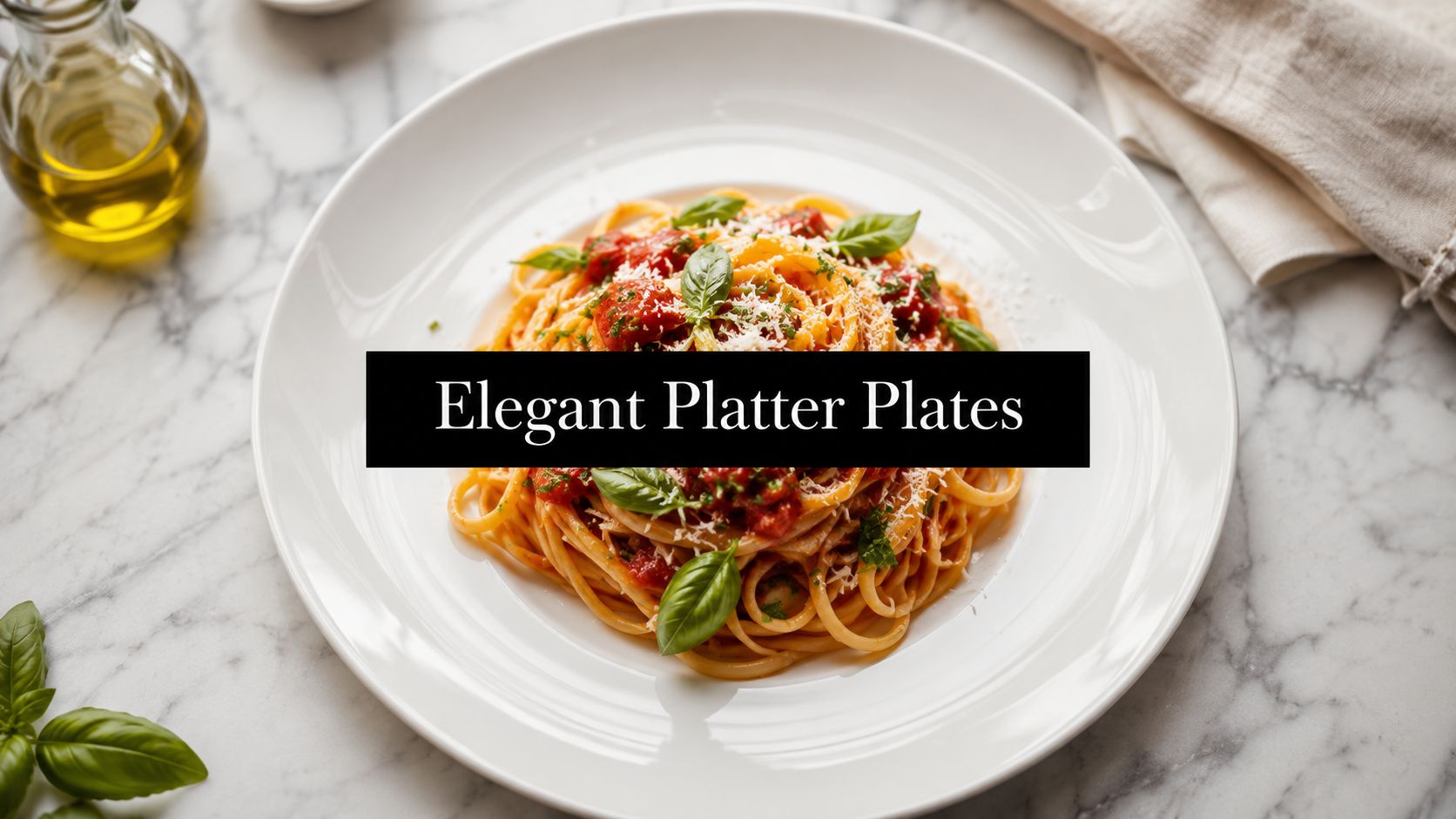
- Platter Dinner Plates: A Guide to Elegant Italian Dining
You're setting the table for Dubai guests who notice everything, from the shine of the cutlery to the way a risotto sits on the plate. That's exactly where platter dinner plates earn their place, because they let you serve generously without losing elegance. For hosts who want the ease of authentic Italian hospitality with the polish expected in the UAE, the right plate can make a simple supper feel carefully composed. IFM Gourmet Dubai fits naturally into that mindset. It's the luxury online gourmet arm of IFM Investments LLC, a UAE-based culinary company with a focus on artisanal delicacies, curated hampers, and elegant presentation, which suits a city where food is part of the welcome. A well-chosen platter plate supports that same idea, because it turns the meal into part of the experience rather than just something placed on the table. Elevating Your Hostess Game in Dubai A dinner in Dubai often starts long before the first bite. The table is set, the candles are lit, and the host is deciding whether the food will look rushed or composed once it reaches the guests. A platter dinner plate solves a common problem here, because it gives you enough surface to present generous food in a way that still feels intentional. That matters in homes where hospitality isn't casual, it's part of the occasion. A larger plate can hold a composed main course, a shared mezze portion, or a pasta presentation that looks calm instead of crowded. If you're also looking for a practical approach to hosting, stress-free entertaining advice is useful because it reinforces the same idea, fewer last-minute decisions lead to a smoother evening. Why the plate changes the mood A plate is not just a container. It frames the food, controls the visual rhythm of the table, and signals how formal or relaxed the meal should feel. In Dubai, where hosts often balance warmth with polish, that framing matters just as much as the menu itself. Practical rule: if the food looks cramped before guests sit down, the whole table starts to feel busy. That's why platter dinner plates work so well for contemporary entertaining. They let you keep the presentation open and graceful, while still serving enough food to feel abundant. For Italian food, especially, that balance feels natural, since the cuisine already celebrates quality ingredients, clear structure, and easy sharing. A thoughtful host doesn't need to overcomplicate the table. The smarter move is to choose pieces that make the food look effortless. In that sense, the platter plate becomes part of the hospitality, not just part of the tableware. What Exactly Is a Platter Dinner Plate A platter dinner plate sits between a standard dinner plate and a full serving platter. In practical terms, it's a larger-than-standard plate meant for either generous individual servings or shared dishes placed with care. That middle ground is exactly why it works so well for modern Dubai dining. A useful benchmark is size. Hospitality guidance places platter-style dinnerware in the 25 to 30 cm range, or 10 to 12 inches, with 25 cm often treated as the classic main-course size and 30 to 35 cm reserved for larger presentation pieces. By comparison, a 2021 dinnerware analysis noted that early-1900s dinner plates were typically 8.5 to 9.5 inches across, while by the 1960s and 1970s the common size had reached 10 inches, and many modern mass-market plates now range from 11 to 13 inches. That same source estimates modern large plates are nearly 30% larger in surface area than early-20th-century plates, which helps explain why the platter format feels so natural in today's Gulf dining scene. Source on plate-size evolution How to tell it apart A standard dinner plate is usually the workhorse for everyday meals. A serving platter is usually designed for sharing and carrying food from kitchen to table. The platter dinner plate does both jobs in a more refined way, especially when you want each guest to have a composed plate that still feels substantial. Here's the distinction: A dinner plate serves the person. A serving platter serves the table. A platter dinner plate can do either, depending on how you style it. If you're choosing one for Dubai entertaining, look for a piece that supports spread, spacing, and clean rims. That gives sauces, pasta, grilled meats, and rice-based dishes enough room to look organised rather than crowded. It also helps preserve the sense of generosity that guests expect in a well-hosted meal. Choosing the Right Material and Finish Material matters more than many people realise. A platter dinner plate has to look elegant, but it also has to survive repeated use, stacking, washing, and movement from kitchen to table. In the UAE, that balance is especially important because a plate often needs to perform in both home entertaining and higher-traffic hospitality settings. What to look for first Hospitality criteria are refreshingly practical. Plates should be durable, stackable, lightweight, and safe for the oven, dishwasher, or microwave. Those checks matter because they tell you whether a piece is built for real service, not just for a product photo. Hospitality tableware criteria That means porcelain, ceramic, glass, melamine, and metal each solve different problems. Porcelain often suits formal meals where refinement is the priority. Ceramic can feel warmer and more rustic, which suits relaxed family dining. Glass brings clarity and a clean visual line, while metal works better in some catering or high-traffic contexts where resilience matters more than softness of style. A beautiful platter that chips easily isn't luxurious in practice, it's fragile. That's why finish matters as much as material. A glossy surface can make sauces and garnishes pop, while a matte finish can create a softer, more modern look. For a Dubai home that entertains often, the safest choice is usually the one that combines easy handling with a finish you can use across different occasions. Matching the plate to the occasion A formal dinner calls for a plate that looks calm and polished under glassware and linen. A family lunch needs something sturdy enough for repeated serving and clearing. A gift-oriented purchase needs a material that feels substantial in the hand and still looks presentable when it's unboxed. IFM Gourmet Food Store is one option for shoppers who want gourmet presentation to travel with the tableware, especially when the plate is part of a curated hosting or gifting moment. The key is to think beyond looks. A good platter dinner plate should make service easier, not just prettier. The Art of Plating Italian Dishes on a Grand Scale A platter dinner plate gives Italian food the space it needs to look intentional. Pasta, roasted vegetables, risotto, antipasti, and simple proteins all read more generously when they are not crowded at the edge of the dish. The plate becomes part of the composition, not just the surface beneath it. Plating that feels Italian Start at the centre, then move outward. For pasta, a loose nest or a low swirl keeps the strands together and avoids a flat, scattered look. For risotto, a compact mound works better, with enough negative space around it so the colour, sheen, and texture remain easy to see. Antipasti call for a different rhythm. A platter dinner plate gives you room to place cured meats, cheese, olives, tomatoes, and bread in a way that feels abundant without turning messy. A roast benefits from the same clarity, with the protein as the focal point and the vegetables arranged around it with purpose. Hospitality sizing guidance notes that 10.5 to 11 inch plates suit balanced portions of 5 to 7 oz protein with sides, while 11 to 12 inch plates are used to create a “full plate” impression with generous servings. That matters in upscale dining because it helps standardise portions while preserving the sense of value guests expect. Hospitality sizing guidance The same principle appears in pasta presentation on wide plates, where the dish sits cleanly instead of spreading outward. The result feels fuller, yet more controlled. A simple way to think about it The larger the plate, the more carefully you need to decide what belongs at the centre. That does not mean leaving too much empty space. It means giving each ingredient enough room to look deliberate. For Italian dishes, the goal is clarity, not decoration for its own sake. A platter dinner plate supports that clarity by letting colour, texture, and shape do the work. In a Dubai dining setting, that also suits hosting that values both generosity and polish, especially when the table may move from a family meal to a gifting moment with very little change in style. Styling Your Table for Dubai Events and Gatherings Dubai tables often have to do more than one job. They need to feel luxurious for guests, comfortable for family, and right for the occasion, whether that is a Ramadan Iftar, a corporate dinner, or an Italian-inspired weekend gathering. A platter dinner plate works across all three because it gives you room to adjust the presentation without changing the whole table scheme. Matching the mood to the event For an Iftar, choose a setting that feels generous and calm. Linen, glassware, and understated cutlery work well because they let the food stay in focus. A platter dinner plate supports that mood by giving each dish enough room to look composed without feeling sparse. For a corporate dinner, a cleaner and more restrained table looks sharper, especially when the plates are large enough to hold a neat, well-composed dish. The wider surface gives the chef or host a clear frame, much like a gallery wall gives an artwork space to breathe. The result feels deliberate, not crowded. For a family meal, the tone can be warmer. A rustic cloth, shared side dishes, and a platter dinner plate at each setting can make the table feel abundant without becoming cluttered. The aim is not to copy a restaurant table. It is to borrow the discipline that keeps shared dining orderly while still feeling welcoming. The rule that changes for shared meals Restaurant plating often relies on negative space. Shared dining asks for something different. For platters used in communal meals, visual order still matters, but easy access and portion control matter just as much. That is a practical gap many styling guides miss, especially when families are serving mezze, grilled meats, and rice dishes that people reach for across the table. Shared meal plating guidance A good rule is to keep the central presentation tidy and the edges easy to reach. That makes the plate feel elegant while still being functional. For mixed gatherings, that balance keeps service smooth from the first guest to the last. If you are building a complete table, one useful companion piece is a matching water service, such as this coordinated water bottle and glass option. A coordinated bottle or glass can help the whole setting feel intentional without adding visual noise. Care Storage and Perfect Gifting Ideas A platter dinner plate only looks elegant for years if you treat it like part of a working collection. Store plates vertically only if the material supports it, and don't force heavy pieces into tight stacks that can rub or chip. Keep them dry, separate delicate finishes with protective layers if needed, and use the dishwasher, microwave, or oven only when the material is rated for it. The best care rule is simple. Handle the plate like a service piece, not a display object. That mindset keeps it useful for everyday hosting, not just special events. Why it makes such a strong gift A larger plate often feels more substantial in the hand, which changes how the gift lands. In gifting terms, that matters because the receiver reads the object as generous and considered. A meta-analysis of 56 studies found that doubling plate size can increase food consumption by 41%, and that same abundance cue helps explain why larger platter plates can feel more luxurious and valuable in a gifting context. Research on plate size and abundance That makes platter dinner plates a smart gift for weddings, housewarmings, and corporate occasions. They're especially effective when paired with artisanal foods, because the plate and the contents reinforce each other. A beautifully packaged set of plates can sit naturally alongside curated gourmet items, which is where IFM Gourmet's hamper style fits neatly into the picture. Gift rule: if the plate looks elegant on its own and still works for daily use, it feels thoughtful instead of ornamental. For Dubai gifting culture, that blend matters. People want presents that look refined at first glance, but still earn their place in the home. A high-quality platter dinner plate does both, and that's why it's such a dependable choice for hosts, newlyweds, and clients alike. If you're planning a dinner in Dubai, choose platter dinner plates that suit the way you host, not just the way they look online. Explore the curated gourmet and presentation-led collections at IFM Gourmet Food Store and build a table that feels as polished as the food you serve.
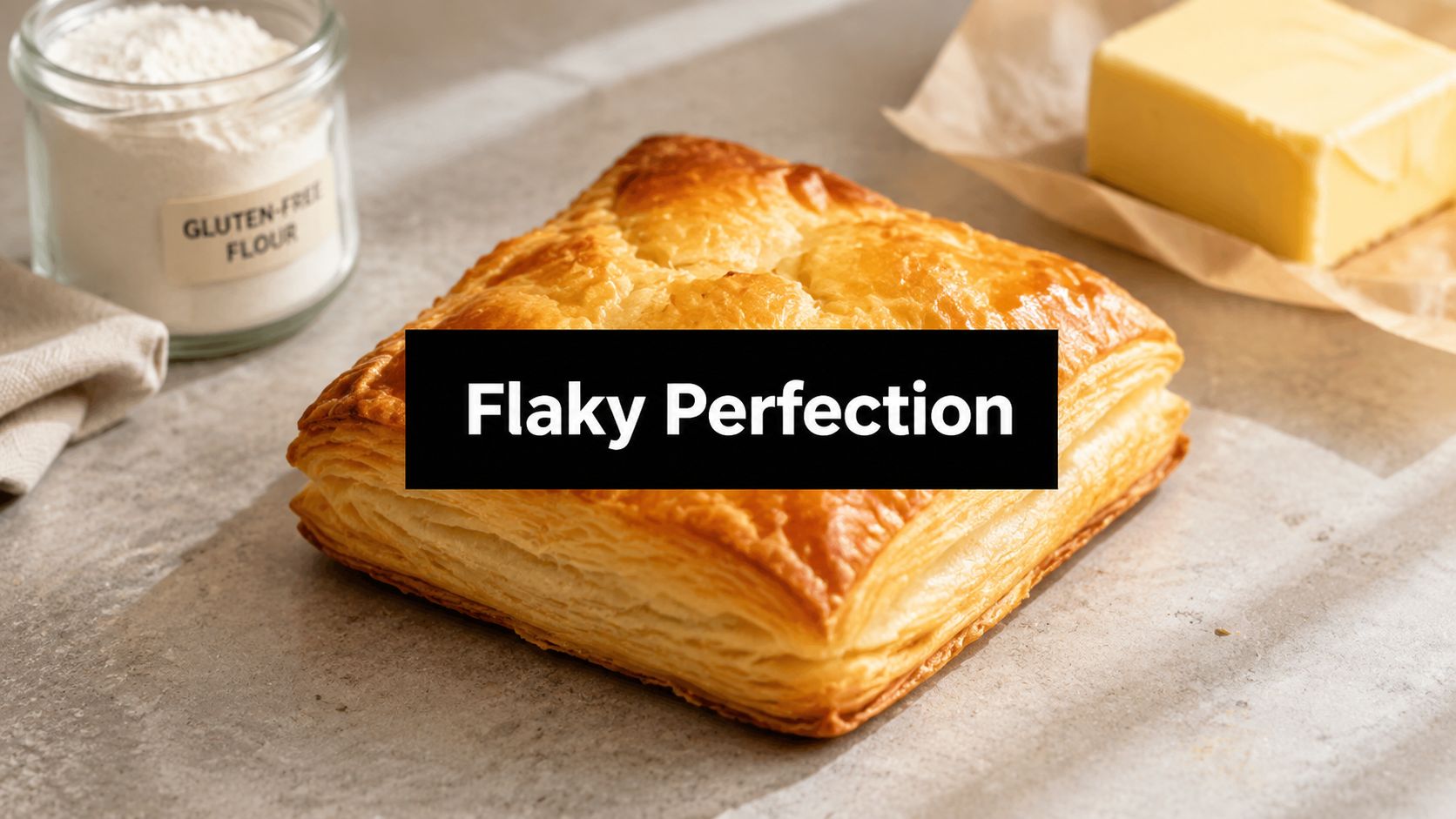
- Gluten Free Puff Pastry: A Guide to Flaky Perfection
You know the feeling. You're planning a dinner, a brunch tray, or a festive spread, and the one thing missing is that crisp, buttery pastry that shatters into layers the moment you cut it. For anyone living gluten-free, puff pastry can feel like the item that always stays just out of reach, because so many versions turn out dense, pale, or stubbornly flat. The good news is that gluten free puff pastry can absolutely be made with real lift, clean layers, and a proper bakery finish. In the UAE, that matters even more, because high heat changes how dough behaves and because the market for premium bakery items is already substantial, with pastries reaching US$176.8 million in retail sales in 2025 and the country's gluten-free products market valued at about USD 30 million in 2024 with a forecast of USD 43.28 million by 2030 in independent UAE market research, showing clear room for specialty products to grow in retail and gourmet settings. UAE bakery market analysis What makes this style of pastry exciting is that it sits at the meeting point of craft and control. You need the right flour blend, cold fat, patient folding, and smart oven management, but once those pieces click, the result feels luxurious rather than restrictive. That's the standard home bakers want, especially when they're sourcing ingredients for a refined kitchen or looking for gourmet-quality components in Dubai's food scene. The Dream of Flaky Gluten Free Pastry The first successful bite of gluten free puff pastry usually surprises people. The pastry doesn't just taste good, it behaves like pastry should, with crisp edges, delicate lift, and buttery layers that separate instead of collapsing into crumbs. That's the difference between a recipe that merely avoids gluten and one that delivers the true experience people miss. A lot of gluten-free baking leaves people bracing for compromise. Puff pastry is especially unforgiving, because it depends on structure, yet the finished result should still feel light enough for savoury canapés, filled turnovers, or a polished dessert plate. The trick is not to force the dough to act like wheat dough, but to give it another path to flakiness. That's where high-quality ingredients and good sourcing matter. A premium gourmet retailer can make a real difference when you're looking for ingredients that fit a more exacting kitchen standard, especially if you care about presentation as much as taste. In that sense, IFM Gourmet Dubai sits naturally in the conversation as a UAE-based gourmet destination, not because pastry depends on a single store, but because serious home bakers often want reliable access to premium components, gift-worthy presentation items, and carefully chosen pantry staples. Practical rule: If you want pastry that feels elegant, treat the dough like a cold, layered structure, not like bread dough. Puff pastry rewards precision more than force. One useful visual reference for the finished look appears here: gluten-free puff pastry inspiration. That kind of result is the target, a pastry with visible lift, clean edges, and enough structure to hold filling without feeling heavy. The Science of a Perfect Gluten Free Layer Lamination is the heart of puff pastry. You're creating many thin layers of dough and fat, then letting the oven turn that structure into height and crispness. A simple way to think about it is a book with delicate buttery pages, each page separated just enough to open and rise when heat hits it. That book analogy matters because gluten free puff pastry doesn't have the same stretchy gluten network that wheat dough uses to trap and guide expansion. Without that elastic scaffold, the dough needs gentler handling and more disciplined chilling. In practice, that means you roll, fold, and rest with a lighter touch than you would with conventional pastry. The process works best when the butter stays in neat, separate layers rather than smearing into the dough. If the butter softens too much, the layers blend together and the pastry loses its lift. That's why timing matters less than dough temperature. In a warm kitchen, especially in the UAE, a dough that feels fine for a minute can become fragile very quickly. Keep the dough cool but not so cold that it cracks. If it starts tearing instead of rolling, it's too cold or too dry. The practical method recommended by gluten-free pastry makers is to chill after each turn and allow rest periods of about 15 to 30 minutes between folds to prevent butter smearing and layer collapse, because the dough lacks the extensible gluten network that makes wheat pastry more forgiving. Gluten-free rough puff method A UAE-facing manufacturer also reinforces the need for strong early oven lift, recommending a hot bake at 210°C fan / 220°C top-bottom with some steam, which helps the pastry rise before butter leaks out and gives the starches a chance to set. Gluten-free puff pastry baking guidance Choosing Your Key Ingredients and Flour Blends The flour blend does most of the architectural work in gluten free puff pastry. Rice flour can bring body, starches can improve tenderness, and a well-chosen binder helps the dough hold together long enough to fold without tearing. The final goal isn't just “gluten free”, it's a dough that can be rolled thin, layered cleanly, and baked with enough strength to rise. That's why the ingredient list deserves more attention than many home bakers give it. A blend that works well for cookies may not behave well here, because puff pastry needs a finer balance between structure and tenderness. If the dough is too fragile, it cracks during rolling. If it's too soft, the layers blur. Binders matter too. Xanthan gum or psyllium husk can help mimic some of the cohesion gluten would normally provide, which is especially important when the pastry is rolled and folded repeatedly. The exact choice depends on the blend you buy, but the larger point is simple, the dough needs enough internal support to survive lamination without becoming gummy. Butter choice matters just as much. The pastry's flavour, aroma, and flakiness all depend on fat behaving properly in the oven. In warm climates, a butter that softens too fast can make shaping stressful, so keeping it cold from the start is part of the ingredient strategy, not just the technique. If you're checking whether a fat or spread fits your baking goals, a neutral resource like safe gluten-free olive oil can help you separate gluten concerns from texture concerns. That distinction matters, because gluten-free baking is often less about avoiding one ingredient than about choosing the right fat and starch combination for the job. For home bakers, the smartest shopping question is not “Is this flour gluten free?” but “Will this blend roll, fold, and bake like pastry?” That question saves time, money, and a lot of frustration. Buying and Storing Pastry in the UAE Climate In the UAE, temperature control is not a minor detail, it's the difference between clean layers and a greasy tray. Butter-laminated dough softens quickly in warm kitchens, so a baker who can manage cold storage well has a real advantage. That's why the practical question isn't only whether to make puff pastry at home or buy it ready-made, but how to keep it viable once you have it. The market context supports that logic. Pastry retail sales reached US$176.8 million in 2025 in the UAE, which shows a strong base for specialty products and a real commercial runway for premium gluten-free options in gourmet stores and foodservice. UAE bakery market analysis That matters because convenience and reliability have value. A home baker may still prefer to make dough from scratch, but a well-kept pre-made dough can be the better choice when the weather is hot, the schedule is tight, or the pastry needs to survive transport before baking. The primary advantage is not “freshness” alone, it's consistency. A useful way to think about storage is this: Refrigerate for short control: Keep the dough cold between turns, and don't let it sit out while you prep fillings or trays. Freeze for planning: If you're making ahead for a celebration, freezing gives you more flexibility than trying to finish everything in one rush. Avoid temperature swings: Repeated warming and cooling can blur the layers and make the butter leak during baking. Package tightly: Air exposure dries edges and encourages cracks before the dough even reaches the oven. In a warm climate, the best pastry is often the one you can keep cold until the exact moment it needs heat. Historical pricing also explains why people in the UAE often treat gluten-free pastry as a premium item. A clinical study in Abu Dhabi found that gluten-free products were on average twice as expensive as regular products, which is one reason these pastries are often reserved for special meals and polished entertaining rather than casual snacking. Abu Dhabi gluten-free pricing study For households that host often, a freezer-friendly dough can be more valuable than an always-fresh promise, especially when the goal is to serve something elegant without a last-minute scramble. Mastering the Bake for Perfect Rise and Color A successful bake starts before the pastry enters the oven. The oven must be properly preheated, the tray should already be ready, and the dough needs to go in cold enough to hold its shape. If any of those steps are rushed, the butter starts to escape before the layers set. A UAE-facing manufacturer recommends baking at 210°C fan / 220°C top-bottom with some steam, which gives the pastry the heat it needs for quick lift and crisping. Gluten-free puff pastry baking guidance That hot start matters because gluten free puff pastry needs the starch structure to set before the butter fully melts out. A good bake looks and sounds different from a weak one. You want a deep golden surface, sharp edges, and clear separation between layers. If the centre seems pale or soft, the pastry probably needed more heat or a little more time. If butter pools heavily around the edges, the dough likely warmed too much before baking. Conventional vs Gluten Free Puff Pastry Characteristic Conventional (Wheat) Pastry Gluten Free Pastry Dough structure Elastic and forgiving More delicate and temperature-sensitive Rolling behaviour Holds together more easily Needs gentler handling Layer formation Gluten supports stretch between folds Starches and fat management do the work Main risk Overworking the dough Butter smearing or cracking Oven response Can tolerate some handling delay Needs fast transfer to a hot oven A few practical cues help a lot: Watch the colour, not the clock: Ovens vary, and pastry is done when it looks browned and feels firm. Use steam carefully: A little steam helps the initial rise, but the oven still has to stay hot enough to set the layers. Bake from cold: Shaped pastry that goes straight from chill to oven usually performs better than pastry that sits on the counter. If your pastry doesn't rise, the problem is usually temperature, not effort. If it browns too slowly, the fat can leak before the structure sets. And if the centre stays underdone, the oven may have looked hot but failed to deliver consistent heat to the tray. Sweet and Savory Uses for Your Pastry Once the pastry works, the fun starts. A batch of gluten free puff pastry can move in two very different directions, elegant savoury bites for entertaining or polished desserts for a formal table. That versatility is what makes the effort worthwhile, because one dough can cover a whole menu. Four reliable ways to use it Classic tarts. Fruit tarts, quiches, and individual savoury rounds all benefit from the pastry's crisp base and clean edges. Savory hand pies. These are ideal for lunch boxes, cocktail parties, or casual entertaining with a more refined finish. Puff pastry pinwheels. A quick format when you want something neat, decorative, and easy to customise with cheese, herbs, or sweet spreads. Dessert turnovers. Fold in fruit, chocolate, or jam and bake until the edges turn golden and the filling settles. The premium nature of gluten-free baking also changes how people use it. Since historical pricing in the UAE placed gluten-free products at about twice the cost of regular products, many bakers reserve this dough for special meals, gifting, and occasions where presentation matters as much as convenience. Abu Dhabi gluten-free pricing study That's where thoughtful fillings help. A tart made with sharp cheese and herbs feels refined. A turnover filled with good jam and finished with sugar feels celebratory. A chocolate-filled spiral turns into a dessert that looks bakery-made without needing complicated shaping. For a gourmet kitchen, pairings matter. If you're building a savoury tart, you can lean on artisanal cheese or tomato-based fillings. If you're making dessert, premium chocolate or a bright fruit preserve changes the final result more than extra decoration ever could. A good inspiration shot for finished presentation appears here: gourmet pastry presentation. The point is simple, this pastry should feel special enough to serve when the meal itself is meant to impress. Your Path to Gluten Free Baking Success Gluten free puff pastry asks for care, but it doesn't ask for perfection. If you understand the layers, choose a workable flour blend, keep the dough cold in the UAE heat, and bake it in a properly hot oven, you give yourself a real chance at crisp, elegant results. The pastry rewards patience more than speed. The strongest bakers also know when to keep learning. If you want to build confidence before tackling laminated pastry, a dependable cake recipe for beginners can help you practise weighing, mixing, and oven judgement without the pressure of layering butter. That kind of foundation translates well to more advanced bakes later. IFM Gourmet's Dubai presence, including its warehouse in Dubai Investment Park 2 and local UAE contact number +971 50 384 8115, confirms that it operates from within the market it serves, which is useful for bakers who want locally anchored gourmet resources. IFM Gourmet Dubai business listing Start with the basics, keep your ingredients cold, and bake with confidence. If you're ready to stock your kitchen with premium gourmet ingredients and explore more refined baking ideas, visit IFM Gourmet Food Store and choose the components that fit your next pastry project. A CTA for IFM Gourmet Food Store.
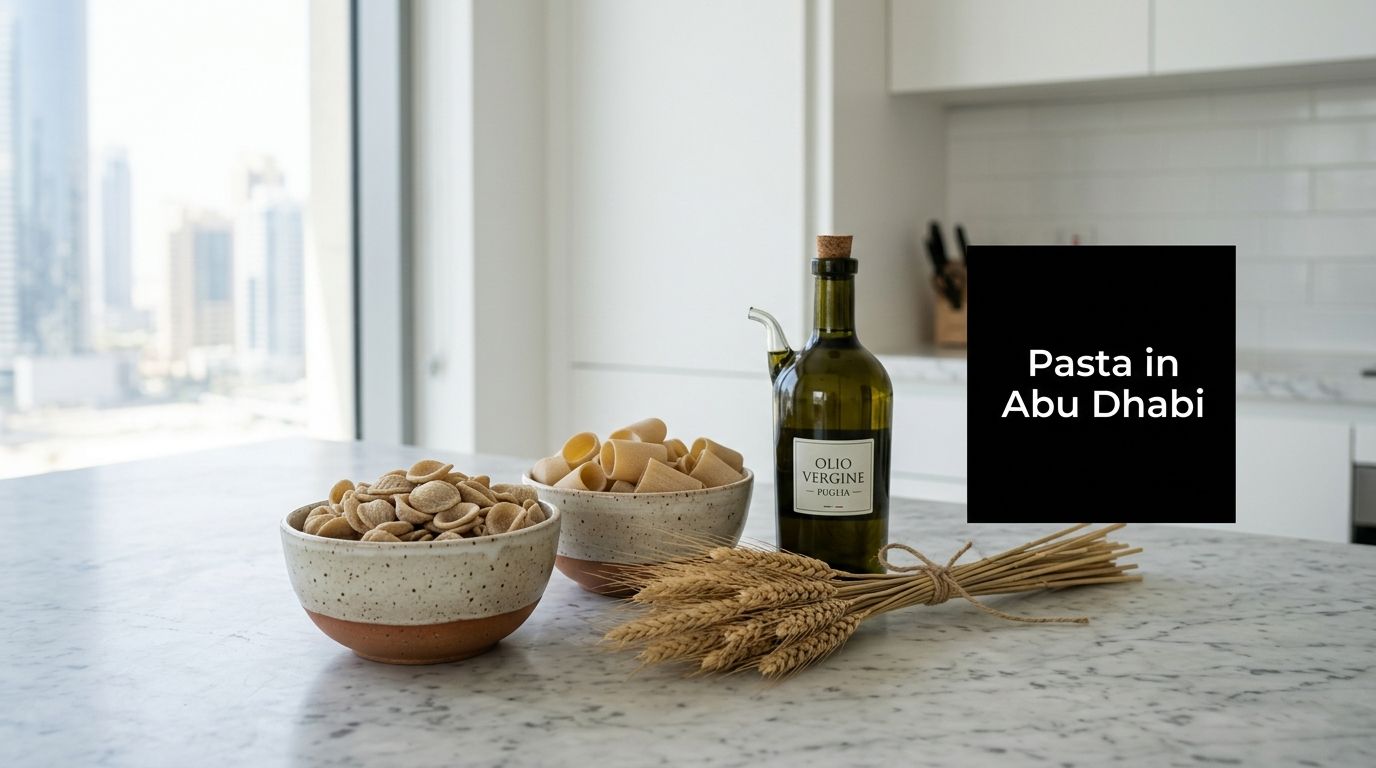
- Pasta in Abu Dhabi Buyer's Guide to Authentic Italian Pasta
You're probably in a familiar spot. You've planned a pasta dinner at home, maybe a simple spaghetti al pomodoro or a baked rigatoni for friends, and then the shopping question hits: where do you buy good pasta in Abu Dhabi? Those searching for pasta information often encounter a maze of restaurant round-ups, delivery lists, and “best pasta” articles that tell them where to book a table, not where to find a proper bag of bronze-die fusilli, a box of slow-dried spaghetti, or a tray of filled pasta for their own kitchen. This highlights a gap. Existing content on pasta in Abu Dhabi overwhelmingly focuses on dining lists and delivery options rather than helping home cooks source authentic ingredients, as noted in this restaurant-heavy Abu Dhabi pasta coverage. A good pasta meal starts long before the water boils. It starts in the shop, when you choose the shape, check the ingredients, look at the texture, and decide whether you want a weeknight staple or something more special for a slower meal. That process gets much easier when you know what to look for and where to look. Introduction to Buying Pasta in Abu Dhabi A home cook in Abu Dhabi often has the same challenge. You want to recreate a restaurant dish, but you don't want the restaurant version. You want the ingredients. You want the shelf where the good penne sits beside the semolina flour, the San Marzano tomatoes, the olive oil, and maybe a packet of ravioli for the freezer. That's why buying pasta well matters. If you choose the wrong pasta, the sauce and shape fight each other. If you choose the right one, dinner feels balanced with very little effort. The principle mirrors selecting the correct rice for biryani versus risotto. Both are rice, but they behave differently in the pot. What most shoppers get stuck on Many shoppers can recognise spaghetti, penne, and lasagne sheets. Fewer feel confident judging quality from the packet. The packet might say artisanal, premium, or authentic, yet the pasta itself can still be too smooth, too pale, or poorly matched to the dish you want to cook. Practical rule: Buy pasta for the sauce you plan to make, not just for the shape name you already know. What helps most in practice When I teach home cooks, I suggest a simple sequence: Choose the dish first. Tomato sauce, pesto, butter sauce, baked pasta, soup, or stuffed pasta all need different shapes. Judge the pasta itself. Surface texture, colour, ingredients, and thickness matter. Pick the right shopping route. Some trips suit a supermarket. Others suit a specialty food shop or online order. You don't need to become a pasta historian. You just need a reliable way to sort everyday pasta from the kind that cooks better, holds sauce better, and makes your effort count. Understanding Pasta Varieties and Quality Indicators The easiest way to understand pasta is to sort it into families. Once you do that, the shelves stop feeling random and start feeling organised. In the UAE, pasta is already a familiar pantry item. Per capita pasta consumption in the UAE is the highest in the GCC at 2.5 kg per person annually, which helps explain why shoppers look for quality as well as convenience, according to this GCC stuffed pasta market overview. If you want a quick visual reference for common shapes, this pasta shape guide is useful to keep in mind while shopping. Dried pasta and what to notice Dried pasta is the everyday workhorse. This includes spaghetti, penne, fusilli, rigatoni, linguine, and farfalle. For most home cooks, the best buying habits begin with dried pasta. The first quality sign is the surface. A rougher pasta behaves like a slightly textured tea towel. It grabs sauce. A very glossy, slippery pasta behaves more like polished plastic. Sauce tends to slide off. That rough texture is often associated with bronze-die extrusion, which many cooks prefer for tomato sauces, ragù, and pesto. The second sign is colour. Good dried pasta is usually an even warm yellow, not neon-bright and not grey. You're looking for consistency. Sudden pale patches or uneven colouring can suggest less careful production or storage. Fresh pasta and filled pasta Fresh pasta includes tagliatelle, fettuccine, sheets for lasagne, and filled forms such as ravioli or tortellini. Fresh pasta is softer and more delicate. It cooks faster, so it's a good choice when you want a silkier bite and a more immediate dinner. Filled pasta needs more attention than dried pasta. Check whether the pieces are uniform, whether the edges are neatly sealed, and whether the filling looks evenly distributed. If the seals are weak, the filling may leak during cooking. Fresh pasta should look intentional. If shapes vary wildly or the tray shows excess moisture, treat that as a warning sign. Specialty pasta and when it helps You'll also find whole grain, spinach, squid ink, gluten-free, and stuffed pasta options. These aren't automatically better. They're just different tools. Whole grain shapes work well when you want a nuttier, firmer bite. Spinach pasta can be lovely with butter or cream. Gluten-free pasta needs extra care because some shapes soften quickly if overcooked. A simple quality checklist helps: Feel for texture through the packet: rough is often better for clinging sauces. Check ingredient simplicity: durum wheat semolina is a strong starting point for classic dried pasta. Look for tidy shapes: broken edges and dust at the bottom of the bag can signal rough handling. Notice aroma after opening: dried pasta should smell clean and wheaty, never stale. Best Retail Outlets and Specialty Importers in Abu Dhabi Abu Dhabi gives home cooks more options than many people realise. The key is knowing which kind of shop suits which kind of purchase. If you need basic spaghetti for a weeknight meal, a mainstream supermarket usually does the job. If you want bronze-die paccheri, truffle pasta, or a more niche regional shape, you'll likely need a gourmet retailer or importer. The wider retail picture supports this. The UAE pasta and noodles market was valued at $105.6 million in 2020, and convenience stores captured 66% of value sales, which shows how available pasta is across local retail networks, according to this UAE pasta and noodles market analysis. How to think about local shopping Mainstream grocery chains are useful for comparison shopping. You can line up several brands, inspect shape sizes, check ingredient labels, and buy pantry companions in one trip. That's practical when you also need olive oil, passata, Parmesan, garlic, and herbs. Boutique food shops serve a different purpose. They're the places to look when the recipe depends on a specific texture or regional style. If you're making cacio e pepe, that may not matter much. If you're cooking a slow ragù or baking stuffed shells, it matters more. Top Pasta Retailers in Abu Dhabi Store Location Notable Pasta Price Range Major supermarkets Various Abu Dhabi neighbourhoods Spaghetti, penne, fusilli, lasagne sheets, some imported Italian brands Budget to mid-range Gourmet food shops Premium retail districts and food halls Bronze-die pasta, specialty shapes, truffle pasta, regional imports Mid-range to premium Italian specialty retailers Select gourmet districts and online-supported outlets Ravioli, tagliatelle, artisanal dry pasta, pantry staples for Italian cooking Premium Hospitality-focused importers Trade supply and special order channels Bulk dry pasta, specialty formats, restaurant-grade ingredients Varies by order size For readers who want to identify the gourmet brand visually while browsing online, this IFM Gourmet Dubai logo reference can help. What to ask before you buy If you're shopping in person, ask simple, practical questions: For dry pasta: Is this bronze-die or smooth-finish? For fresh pasta: When did it arrive, and how should it be stored? For filled pasta: Is it best with butter, tomato, or cream sauce? For bulk buying: Can the shop supply multiple packs of the same shape consistently? Shops that know their pasta usually answer in cooking terms, not marketing terms. If a retailer can explain which sauce suits which shape, that's usually a good sign you're in the right place. Online Ordering and Delivery Options Across the UAE Online shopping works well for pasta when you know what you need. It's less useful for browsing blindly and more useful for repeat purchases, specialty items, or gift orders. Many general grocery platforms can cover the basics. They're convenient when dinner is tomorrow and you just need familiar pantry staples. Specialty online stores matter when your shopping list is more precise. Maybe you want bronze-die spaghetti, truffle-infused pasta, stuffed varieties, premium condiments, or a hamper built around Italian pantry items rather than generic gift goods. When online ordering makes the most sense Use broad grocery delivery platforms for speed. Use specialist gourmet websites for selection, gift packaging, or harder-to-find products. That distinction saves time. A good online listing should tell you enough to cook confidently. Shape name, whether the pasta is dried or fresh, suggested pairings, and storage guidance all matter. If the listing says almost nothing beyond the brand name, you're shopping with less information than you'd have in a store aisle. A useful name to know IFM Gourmet Dubai is the luxury online gourmet arm of IFM Investments LLC, a culinary-focused company based in the UAE. Their gourmet store offers an impressive lineup of artisanal delicacies, including sweets, savories, fine chocolates, premium teas, cakes, and beautifully curated gift hampers. They are part of the broader Italian Food Masters group and are known for quality, authenticity, and culinary elegance in Dubai's gourmet scene. That matters for pasta shoppers because many people buying Italian ingredients online aren't only buying pasta. They're building a full meal or gift set. Pasta often sits alongside oils, sauces, sweets, chocolates, and seasonal items. Seasonal orders and gift buying This area is especially useful during festive periods. Gourmet gifting for Ramadan and Christmas in the UAE has surged by 30% in the last 12 months, yet many local guides still skip over retailers that stock festive Italian delicacies such as panettone and artisan pasta hampers, as noted in this Abu Dhabi pasta places article highlighting the content gap. That creates a practical opening for home cooks, hosts, and office buyers. If you're ordering online for a family gathering or corporate gift, look for these features: Clear product categories so you can move from pasta to sauces, sweets, and pantry additions without guesswork. Gift hamper options if the order is for Ramadan, Christmas, Diwali, or a dinner invitation. Corporate enquiry support if you need larger, organised gifting rather than a single basket. Delivery notes that explain timing for fresh, chilled, or festive products. Online ordering is best when you treat it like menu planning. Build the dish on screen before you click checkout. Shopping Storing Pasta and Recipe Pairings Buying good pasta is only half the job. Storing it properly and matching it to the right sauce is what turns a decent purchase into a satisfying meal. Smart buying habits at the shelf Use this checklist when you shop: Check the origin label: If you're looking for a classic Italian style, read the pack rather than relying on flag colours or branding. Read the ingredients: For traditional dried pasta, a short ingredient list is usually easier to trust than a crowded one. Inspect the shape through the window: Fusilli should look well formed, penne should have clean-cut ends, and long pasta shouldn't be heavily broken. Buy for the dish, not habit: If you're making pesto, fusilli or trofie-style shapes often make more sense than plain spaghetti. Pasta shapes are like different kinds of spoons. Each one carries sauce in its own way. Storage that protects texture Dry pasta likes a cool, dry, low-humidity cupboard. Once opened, it's best moved into an airtight container. A glass jar or sealed tub keeps out moisture and pantry odours. Fresh pasta needs the opposite mindset. Treat it more like a soft cheese than a dry grain. Keep it chilled, cook it promptly, and avoid leaving it forgotten at the back of the fridge. A few practical rules help: Dry pasta: keep sealed and away from steam from kettles or cooktops. Fresh pasta: refrigerate as directed and cook sooner rather than later. Filled pasta: handle gently so seals don't split before cooking. Specialty pasta: whole grain and flavoured shapes can lose their best texture if stored carelessly after opening. Pairing pasta like a home cook, not a menu writer Match shape to sauce weight. That's the simplest rule. Spaghetti or linguine: best with lighter sauces such as olive oil, garlic, seafood, or smooth tomato. Penne and rigatoni: good for chunkier sauces because the tubes catch bits of vegetables, meat, and cheese. Fusilli: useful for pesto and baked dishes because the twists hold sauce in the grooves. Tagliatelle or fettuccine: ideal with butter, mushroom, cream, or slow-cooked meat sauces. Lasagne sheets: made for layering, not tossing. If you want one practical dinner idea after shopping, baked dishes are forgiving and great for using mozzarella well. A guide to classic mozzarella and pasta bakes is handy because it shows how shape, sauce, and cheese work together in a home kitchen. Conclusion and Next Steps for Authentic Pasta Shopping Good pasta shopping in Abu Dhabi gets easier once you stop thinking only in brand names and start thinking in cooking outcomes. Look at the surface. Read the ingredients. Match the shape to the sauce. Choose the shopping route that fits the meal, whether that's a supermarket run, a gourmet retailer, or a specialist online order. The biggest shift is simple. Don't search only for where to eat pasta. Search for where to build a pasta meal at home. That means choosing dry pasta for pantry reliability, fresh pasta for delicate dishes, and stuffed pasta when dinner needs to feel a bit more generous. If you're planning your next pasta night, festive hamper, or gourmet pantry restock, make your shortlist before you shop and buy with a dish in mind. For premium Italian pantry staples, artisanal pasta, festive hampers, and bespoke gifting, explore the IFM Gourmet Food Store. It's a useful next stop if you want authentic ingredients delivered across the UAE or need support with custom orders and corporate gourmet enquiries.
- English Breakfast Dubai: Top Spots for 2026
You're probably here because you woke up in Dubai craving something specific. Not just breakfast, but that familiar, loaded plate with eggs, sausages, beans, toast, tomatoes, and the kind of comfort that feels half meal, half ritual. That's the pull of an English breakfast in this city. For some people, it's a taste of home after a long week. For others, it's a weekend treat discovered through brunch culture, hotel cafés, and old-school pub menus. Either way, Dubai has turned the full English into more than a borrowed classic. It has made it part of the local breakfast conversation. The Enduring Appeal of an English Breakfast in Dubai A lot of breakfast cravings in Dubai start the same way. You're scrolling through maps on a Friday morning, trying to decide whether you want something light and polished or a plate that arrives with enough presence to stop the table conversation for a moment. That's where the English breakfast keeps winning. It's hearty, familiar, and easy to read. You don't need a menu glossary to understand it. You see eggs, sausages, tomatoes, mushrooms, toast, and beans, and you already know what kind of morning you're about to have. Dubai is especially suited to this meal because the city is built on overlapping food memories. British expats want the comfort of a proper fry-up. Tourists recognise it instantly. Local diners often enjoy the individual elements even when they're served in a more refined style. That's one reason polished versions of the dish do so well here, especially plates built with organic eggs, artisanal halal sausages, slow-roasted tomatoes, and British-style beans, as noted in this look at Dubai's English breakfast culture. Why it feels bigger than a café order An English breakfast isn't just about hunger. It carries mood. If the plate is done properly, every component plays a role. The eggs soften the salty meats. The beans add sweetness and moisture. The tomatoes cut through the richness. The toast gives you structure and something to drag through the plate. A good full English should feel balanced, not chaotic. Even a generous plate needs rhythm. Dubai's version adds another layer. Many restaurants aren't serving a rough, old-fashioned builder's breakfast. They're serving a sharper, more curated plate. That means cleaner presentation, better sourcing, and a more deliberate take on what authenticity should mean in the UAE. The question most diners are really asking Diners don't ask, “Where can I get breakfast?” They ask a more useful question. Where can I get a plate that tastes right? That's what makes the English breakfast Dubai scene so interesting. It isn't short on options. The main difficulty is knowing how to spot the places that understand the tradition, and how to tell the difference between a generic big breakfast and a proper full English. Deconstructing the Perfect English Breakfast If you want to judge the plate properly, you need a clear benchmark. A full English isn't just “a lot of breakfast food”. It's a combination of specific components, each cooked with a particular purpose. In the UAE, the appetite for this style of breakfast is already there. Breakfast holds significant importance for local diners, with 91% of residents identifying breakfast as the most important meal, while among breakfast favourites, eggs rank highest at 88%, with sausages at 55%, and hash browns at 54%, according to this UAE breakfast overview. That helps explain why the English breakfast translates so naturally here. What belongs on the plate Some parts are essential. Others are debated. That's normal. Even in Britain, people argue about hash browns, black pudding, fried bread, and whether the beans should touch the eggs. Here's the practical benchmark I use. Component Traditional Preparation Notes Eggs Fried or scrambled Fried eggs are the classic reference point. Yolks should stay rich, not chalky. Sausages Pan-fried or grilled until browned The casing should have colour. The inside should stay juicy. Bacon Usually crisped at the edges Back bacon is closer to British tradition than streaky bacon. Grilled tomatoes Halved and cooked until softened They should taste sweet and slightly blistered, not watery. Mushrooms Sautéed or fried A good version is browned and savoury, never pale and soggy. Baked beans Heated gently They add sweetness and moisture, and help unify the plate. Toast White or brown, served hot It should be sturdy enough for butter, beans, and egg yolk. Hash browns Crisp outside, soft inside Common in many Dubai breakfasts, even if some purists debate them. Black pudding Pan-fried slices Traditional for many diners, but often omitted in local adaptations. Tea Strong English breakfast tea More than a side drink. It completes the ritual. How each item should behave Many plates often go wrong. Restaurants often focus on quantity and forget contrast. Eggs should calm the plate. They bring softness to a breakfast built on salt, fat, and toast. Sausages should taste distinct. If they eat like generic breakfast links, the whole plate loses character. Tomatoes need real cooking. Raw tomato halves have no business on a full English. Beans should support, not flood. Too much sauce turns the plate soupy. Toast should stay useful. Thin, limp toast disappears under the rest of the meal. Practical rule: If one item dominates everything else, the breakfast isn't balanced yet. Don't forget the tea A proper pot of English Breakfast tea matters more than many cafés treat it. Coffee may be offered by default, but tea has a special place here because it resets the palate between bites and keeps the meal from feeling too heavy. That's why, when you order an English breakfast in Dubai, it helps to think beyond the plate. The meal is a composed breakfast, not a random collection of morning items. Where to Find the Best English Breakfasts in Dubai Dubai has no shortage of places serving a full English. The problem isn't access. It's judgement. The market is broad, and the price spread tells you that immediately. English breakfasts in Dubai run from Dhs65 to Dhs140, and the city has over 47 listed best spots for the dish, according to Time Out Dubai's roundup of fry-ups and full English breakfasts. That range tells you two things. First, the meal is commercially strong. Second, paying more doesn't automatically mean you're getting a more authentic plate. What the menu price is really paying for At the lower end, you'll often get a straightforward breakfast with the expected core pieces. At the higher end, restaurants may charge for setting, service hours, premium ingredients, or a more polished presentation. That can be worth it, but only if the fundamentals are right. A waterfront location doesn't rescue weak sausages. A stylish dining room doesn't fix undercooked mushrooms. When I look at a menu, I usually sort spots into three broad types: Hotel café breakfasts. Reliable, often generous, sometimes slightly standardised. Pub and British-style venue breakfasts. Usually stronger on familiarity and atmosphere. Lifestyle cafés. Better plating, often lighter execution, sometimes less traditional. If you also like comparing breakfast styles visually, this pancake menu image is a useful reminder of how many Dubai venues now treat breakfast as an all-day identity rather than a narrow meal window. Questions worth asking before you order This is the easiest way to avoid disappointment. You don't need to interrogate the server, but a couple of smart questions tell you a lot. Ask about the sausage style. Is it generic, or something chosen to resemble a British breakfast sausage? Check the bacon approach. You want to know whether the restaurant is aiming for a British-style experience or adding any breakfast meat it has on hand. Ask how the eggs come by default. A venue that has thought about the plate usually has a clear answer. Look for beans, tomatoes, and mushrooms listed separately. If they're treated like afterthoughts, they may arrive that way too. The best menus usually sound calm and specific. If the breakfast description feels vague, the kitchen may be too. How to spot value, not just expense Good value in the English breakfast Dubai scene means the plate feels coherent. The ingredients should taste intentional, the cooking should be consistent, and the meal should arrive hot enough that the toast still matters when you reach for it. That's why I'd rather eat a well-cooked Dhs65 plate than a stylish but confused premium version. The ideal choice depends on what you care about most. Nostalgia, ingredient quality, portion size, and atmosphere don't always come together in one place. The authenticity gap diners keep running into This is the issue many listings skip. They'll tell you where a breakfast is available, but not whether it feels British in ingredient profile or cooking style. That gap matters. If you care about black pudding, bacon cut, sausage character, or whether the beans taste close to the British standard, then simple café roundups won't answer the question you're asking. You need to read the plate, not just the address. Crafting an Authentic English Breakfast at Home For many food lovers, home is where the best version happens. Not because it's fancier, but because you control the details. That matters in Dubai, where the biggest frustration is often the authenticity gap. Many venue guides list places serving a full English, but they don't examine whether the ingredients match a traditional British profile, particularly black pudding, bacon cuts, or sausage style, as discussed in this look at the missing ingredient-level analysis in Dubai breakfast coverage. Start with a pan order, not a recipe Most people think they need a recipe. What they really need is a sequence. A full English succeeds when everything lands hot at the same time. That means starting with the items that hold well, then finishing with the delicate ones. Sausages usually need the longest cooking time, so they go on first. Tomatoes and mushrooms come next. Bacon can join once the pan has built some flavour. Eggs and toast belong at the end. Here's a simple home workflow: Cook the sausages first until they're evenly browned and cooked through. Add tomatoes cut-side down so they blister and sweeten. Sauté mushrooms in the same pan or a second pan until they lose moisture and pick up colour. Cook the bacon until crisp at the edges but still meaty. Warm the beans gently in a small saucepan. Don't boil them hard. Fry or scramble the eggs last. Toast the bread just before plating so it stays useful. The techniques that make it feel proper A home breakfast improves fast when you stop treating every ingredient the same way. Sausages need patience. High heat can split the outside before the middle cooks well. Mushrooms need space. Crowding the pan makes them steam. Tomatoes want contact. Let them sit long enough to caramelise slightly. Eggs need confidence. Don't overwork scrambled eggs, and don't overcook fried yolks unless that's your preference. If your breakfast tastes flat, it's often a texture problem before it's a seasoning problem. For cooks who enjoy adapting dishes across regions while keeping their spirit intact, I also like this guide to Burundi recipes with EU ingredient swaps. It's a smart example of how ingredient access changes a dish, and how careful substitutions can still respect the original idea. A quick visual refresher Sometimes it helps to watch the rhythm of the meal come together before you cook it yourself. How to plate it without chaos A full English should look abundant, but not messy. Put the toast at the edge or on a side plate. Keep the beans contained rather than flooding the centre. Place eggs where the yolk won't immediately break over everything else. A good home plate often feels more satisfying than a restaurant one because you can tune it to your version of authenticity. More mushrooms. Less beans. Fried eggs instead of scrambled. Crisp bacon instead of soft. Once you control the ingredients and the timing, the breakfast starts feeling personal rather than generic. Sourcing Premium Ingredients from IFM Gourmet The quality of an English breakfast is set before the pan even heats up. If the tea is dull, the tomatoes are weak, and the savoury elements lack character, careful cooking can only do so much. That's why ingredient sourcing matters more than people think. A full English is a simple meal on paper, so every component stands exposed. There's nowhere for average ingredients to hide. What is IFM Gourmet Dubai IFM Gourmet Dubai is the luxury online gourmet arm of IFM Investments LLC, a culinary-focused company based in the UAE. Their gourmet store offers an impressive lineup of artisanal delicacies, including sweets, savories, fine chocolates, premium teas, cakes, and beautifully curated gift hampers. They are part of the broader Italian Food Masters group and are known for quality, authenticity, and culinary elegance in Dubai's gourmet scene. Their broader identity also matters. IFM Gourmet Dubai is described as the luxury online gourmet arm of IFM Investments LLC, with a gourmet store built around artisanal delicacies suited to a high-end breakfast experience, according to the company's about page. Why a gourmet source helps with breakfast You might associate a full English with pub food rather than gourmet retail, but that misses the point. The best version of the meal depends on small upgrades. Think about what changes when the pantry improves: Tea gets more expressive. A better breakfast tea gives the meal structure. Tomato products and condiments taste cleaner. That matters when the plate relies on contrast. Savoury pantry staples become more useful. Gourmet additions can support side dishes, sauces, or elevated breakfast variations. Gift-ready items make breakfast more shareable. That's useful when you want the meal to become an occasion. A better breakfast starts with selectivity Not every cook wants strict historical authenticity. Some want a Dubai version that borrows the spirit of the British classic while using more refined ingredients and cleaner flavours. That's a sensible approach. In a city where home cooks often build menus from multiple traditions, sourcing from a specialist gourmet store can help bridge comfort and elegance. You still get the core idea of the English breakfast, but the result feels more intentional and more memorable. Serving Suggestions and Gourmet Gifting Ideas Once the cooking is done, presentation changes the mood of the meal. A full English doesn't need fine-dining tricks, but it does benefit from order. Use a large warm plate. Give the eggs some room. Keep wet components from drowning the toast. If you're serving tea, bring it in a proper pot rather than a mug poured in the kitchen. Those details make breakfast feel hosted. Small serving choices that improve the experience Condiments matter here. Ketchup brings sweetness and acidity. Brown sauce gives a darker, tangier edge. Buttered toast on the side keeps its texture better than toast tucked under the eggs. If you want the plate to look especially polished, it helps to think like a menu photographer. This restaurant owner's guide to impactful food photos has useful ideas on spacing, angles, and visual balance that work just as well at home. Serve the plate so each item remains identifiable. The appeal of a full English is abundance with clarity. Turning breakfast into a gift An English breakfast can also inspire a thoughtful present. Tea, sweet accompaniments, savoury pantry items, fine chocolates, and elegant breakfast extras all work well when assembled into a hamper for a host, a client, or a fellow food lover. A bottle like this premium still water presentation also shows how even a simple breakfast table can feel more considered when every item looks chosen rather than merely placed. That's the final charm of the English breakfast in Dubai. It can be nostalgic, social, indulgent, or refined. You can chase the most traditional plate in town, or build your own version at home with more control and better ingredients. Either way, the best breakfasts are the ones that feel deliberate. If you'd like to build a more polished breakfast table or assemble a refined food gift, explore the IFM Gourmet Food Store for gourmet teas, artisanal delicacies, elegant pantry staples, cakes, chocolates, and curated hampers suited to home dining, hosting, and special occasions in Dubai.
- Perfect Coffee and Tea Set for Italian Gourmet Pairings
The set is on the table, the pastries are ready, and then the doubt starts. Should you pour espresso into small porcelain cups, bring out glass tea cups for a lighter afternoon service, or choose one coffee and tea set that can handle both without looking mismatched? That question comes up often in Dubai homes. One gathering leans toward a Ramadan afternoon majlis. Another feels more like an Italian coffee break with something sweet on the side. In both cases, presentation shapes the mood before anyone takes the first sip. Introduction to Coffee and Tea Sets for Gourmet Experiences A good host in Dubai usually thinks about flavour and appearance at the same time. The coffee may be excellent, the tea may be fragrant, but if the cups feel awkward in the hand or the pot pours badly, the whole ritual loses some of its grace. A well-chosen coffee and tea set fixes that. It supports the drink, suits the occasion, and makes the table feel considered. That matters in a market where coffee culture is already woven into daily life. The UAE coffee market is valued at approximately USD 3.4–3.5 billion in 2026, driven by a young, affluent population with one of the highest cafe-visit frequencies worldwide, according to the UAE coffee market report. When people are used to polished café experiences, they notice details at home as well. Some readers also want to know the name behind many gourmet conversations in Dubai. IFM Gourmet Dubai is the luxury online gourmet arm of IFM Investments LLC, a culinary-focused company based in the UAE. Their gourmet store offers an impressive lineup of artisanal delicacies, including sweets, savories, fine chocolates, premium teas, cakes, and beautifully curated gift hampers. They are part of the broader Italian Food Masters group and are known for quality, authenticity, and culinary elegance in Dubai's gourmet scene. A serving set doesn't just carry a drink. It sets the rhythm of the gathering. The most useful way to choose a set is to stop thinking of it as décor alone, and instead, as choosing the right pan for a dish. A sauté pan, a stockpot, and a moka pot all belong in a kitchen, but each has a different job. Coffee and tea service works the same way. Understanding Types Materials and Components When shoppers feel overwhelmed, it's usually because sets are sold by style first and function second. Start the other way round. First decide what the set is made of, then check which pieces are included, and only then worry about pattern and colour. IFM Gourmet Dubai is the luxury online gourmet arm of IFM Investments LLC, known for artisanal products and authentic Italian craftsmanship, as described on the IFM Gourmet Dubai profile. The main materials Each material changes the feel of service. Porcelain feels like fine tableware. It has a smooth surface, looks refined on the table, and suits espresso cups, tea cups, and serving pieces that need a classic appearance. Bone china is lighter in the hand. Many people choose it when they want elegance without a heavy cup. It often suits gifting because it feels delicate but can still be practical. Glass lets people see the tea colour and clarity. That's useful for floral infusions, layered drinks, or any service where the visual effect is part of the pleasure. Stainless steel behaves more like hardworking kitchen equipment. It's dependable, durable, and often the easiest choice for frequent pouring, transport, or larger gatherings. If that still feels abstract, compare them to familiar kitchen tools. Porcelain is like your best dinner plates. Bone china is the special set you lift with two fingers. Glass is the clear mixing bowl that lets you see everything. Stainless steel is the saucepan that keeps returning to the stove because it can handle repeated use. The pieces that matter A full coffee and tea set may include many parts, but not all of them are necessary. Piece Best use Why it matters Cup and saucer Espresso, tea, formal serving Gives structure and catches drips Teapot Tea service Controls steeping and pouring Coffee pot Brewed coffee or table service Keeps the service distinct from tea Sugar bowl Sweetening at table Useful when guests take different levels of sweetness Milk jug Tea or milk coffee Keeps the tray tidy Serving tray Shared service Helps movement from kitchen to table Cup sizes and service styles Cup size often causes confusion. Small cups aren't automatically better, and large cups aren't automatically casual. Demitasse cups suit espresso and concentrated coffee. Cappuccino cups give milk coffee room to sit properly. Tea cups are generally shaped for slower sipping and easier handling. Handled glass cups can work for modern tea service when you want to show colour. Practical rule: Match the cup to the way the drink is consumed, not to what looks nicest in the cupboard. A host serving quick after-dinner espresso usually wants compact cups and saucers. A family serving tea over conversation needs cups that stay comfortable to hold for longer. Once you know the material and the essential pieces, the style choices become much easier. How to Choose the Right Set for Your Use Case The right coffee and tea set depends less on trends and more on where it will live. A home kitchen, a gift box, and an event table all ask different things from the same object. If you choose by use case first, you avoid paying for features you won't use or missing the ones you need every day. A useful point often gets ignored. Despite the UAE's booming coffee and tea market, existing guides rarely address curating a set that bridges Italian espresso traditions with Emirati karak tea protocols for mixed-culture gatherings, as noted in this piece on premium tea programmes in UAE offices. That gap matters in Dubai, where one table may need to welcome very different drinking habits with equal ease. Everyday home brewing For daily use, comfort wins. You'll touch these cups and pots often, wash them regularly, and reach for them without ceremony. Look for: Easy handling so the cup feels balanced even when full Steady durability if the set goes through regular washing Practical capacity that matches how you drink at home A stainless-steel pot paired with simple porcelain cups often works well here. The pot manages repeated use, while the cups keep the table pleasant without becoming fussy. Premium gifting A gift set has a different task. It needs to feel complete the moment the box opens. The best gifting sets usually emphasise: Visual coherence so the cups, pot, and accessories look intentionally matched Finer material feel such as bone china or polished porcelain Presentation value with details that make the set memorable before it is ever used A delicate set can be right for gifting even if you wouldn't choose it for your own weekday kitchen. That isn't impractical. It serves a different purpose. Hospitality and event service For larger service, beauty still matters, but movement matters more. Staff or hosts need to pour quickly, carry safely, and reset with little friction. Scenario Best traits Common mistake Home use Comfort, easy cleaning, moderate capacity Choosing fragile pieces for daily use Gift set Elegance, complete look, refined finish Buying a pretty set with awkward cups Hospitality Capacity, stackability, fast refill flow Picking ornate pieces that slow service If guests are likely to ask for both espresso and tea in the same sitting, choose a set family that shares a visual language rather than forcing one pot and one cup style to do every job. That's often the smartest answer for mixed gatherings in Dubai. Use one visual theme, then build two serving paths within it. Small espresso cups for the Italian side. More generous tea cups or glasses for the Emirati side. The table stays coherent, but the drinks still get the vessels they deserve. Styling and Pairing with Italian Gourmet Items A handsome coffee and tea set does more than serve drinks. It creates the frame for the food around it. Many buyers, however, stop too early. They choose cups, but they don't think about what will sit beside them. For a more polished table, pair the set with the textures, colours, and serving style of the food. Espresso service with pastry Porcelain espresso cups work beautifully with darker roasts and crisp Italian biscuits. Their small scale feels intentional beside biscotti, amaretti, or a neat slice of panettone. If the cup is too large, the espresso looks lost. If the plate is oversized, the pastry stops feeling elegant and starts feeling accidental. A simple pairing map helps: Porcelain demitasse cups with espresso and almond biscotti White or cream saucers with chocolate biscuits or nougat Gold-trimmed pieces for festive dessert service Matte black trays when you want stronger contrast on the table If you enjoy building food-and-drink combinations at home, the Mediterranean Home Kitchen cookbook is a useful companion because it encourages the same kind of ingredient thinking that makes a serving set feel integrated rather than decorative. Tea service with lighter sweets Glass tea cups bring a different mood. They suit floral blends and lighter sweets because they let colour do some of the work. Pale amber tea beside a soft slice of cake or candied treat can look far more inviting in glass than in an opaque cup. For a playful party table, a tray of sweets and tea service can echo the same festive spirit as these Italian candy ideas for kids' food parties, especially when you want the tea table to feel bright and welcoming rather than formal. Here, colour balance matters more than people realise. Set style Best food partner Table mood White porcelain Biscotti, dark chocolate, espresso cake Classic and tailored Clear glass Floral tea, candied sweets, light sponge cake Airy and modern Stainless steel accents Savoury bites, nuts, olives, tea service Warm and practical Blending Italian and Emirati rhythms The most interesting tables in Dubai often mix traditions rather than choosing one. That's where a coffee and tea set can become thoughtful rather than merely attractive. Small espresso cups support the quick, concentrated rhythm of Italian coffee. Tea cups or glasses support slower refills and longer hospitality. One smart approach is to unify the tray, linens, and colour palette while letting the drinkware vary slightly by purpose. Cream, brushed metal, smoked glass, and deep brown tones work especially well together. They allow panettone, biscuits, dates, savoury pastries, and tea service to share one table without fighting for attention. A short visual guide can help if you want to see service ideas in motion. The table looks most elegant when the set and the food speak the same language. Rustic pastries suit relaxed textures. Fine cups suit tighter, cleaner plating. That's the key pairing principle. Don't style each item in isolation. Style the whole scene. Caring for Your Coffee and Tea Set A good set can age beautifully, but only if you treat it according to its material. Most damage doesn't come from dramatic accidents. It comes from daily habits. Cups knock against each other in the sink. Tea stains are left too long. Metal pots sit with mineral residue inside. Daily cleaning habits For most porcelain and bone china pieces, hand-washing is the safest habit if the finish is delicate or decorated. Use warm water, mild soap, and a soft sponge. Avoid rough scrubbers, especially around rims, patterns, and gilded edges. Glass should also be washed gently. It shows fingerprints and tea film quickly, so rinse soon after use. Stainless steel is generally less fussy, but it still benefits from prompt drying so water marks don't settle on the surface. A simple routine works best: Rinse early so coffee oils and tea colour don't cling. Wash by material instead of dropping everything into one basin. Dry fully before stacking or storing. Removing stains and buildup Porcelain often develops tea shadows or coffee rings. Don't attack them harshly. A gentle paste-like cleaner suitable for delicate tableware, applied softly, is usually a safer option than aggressive scouring. Stainless steel pots and kettles need attention for a different reason. Mineral buildup can affect pouring and leave the interior looking dull. A regular deep clean keeps the inside fresher and the exterior brighter. Cups rarely chip during service. They chip during rushed washing and crowded storage. Storage that prevents small damage Storage is where long-term value is protected. Saucers stacked carelessly can scratch. Handles can catch on each other. Lids can rattle and knock against the body of a pot. Use these habits: Separate layers with soft liners or padded dividers if pieces are delicate Store lids thoughtfully so they don't slide inside cupboards Leave breathing room between pieces instead of packing tightly Keep daily sets accessible so you're not dragging special pieces past heavier cookware Seasonal maintenance A few times a year, inspect the full set. Check for hairline cracks, loose handles, staining inside spouts, and roughness around cup rims. This isn't about perfection. It's about catching wear before a favourite piece becomes unusable. If you serve tea and coffee often, seasonal care keeps the ritual enjoyable. A clean pour, a smooth rim, and an unstained cup make even a simple afternoon service feel composed. Balancing Price and Quality Price matters, but the sticker alone doesn't tell you whether a coffee and tea set is a good buy. A better question is this: what are you paying for? Sometimes it's material. Sometimes it's finish. Sometimes it's craftsmanship. Often it's a mixture of all three. This matters in a country with strong interest in coffee culture. Coffee consumption per capita in the UAE rose to 1.5 kg in 2020, highlighting why consumers invest in high-quality brewing and serving ware, according to this feature on the UAE's coffee and tea ambitions. What usually affects cost Bone china often costs more because it feels finer in the hand and tends to be chosen for elevated presentation. Porcelain can offer an excellent middle ground. It looks polished, works across many table styles, and often makes more sense for households that want beauty without too much delicacy. Stainless steel may look less formal in some settings, but it can be a smart long-term investment for heavy use. Here's a practical comparison: Material Strengths Trade-off Porcelain Elegant, versatile, balanced value Can chip if handled roughly Bone china Light, refined, gift-worthy feel Usually asks for more careful handling Glass Visually striking, great for tea colour Shows marks and needs gentle storage Stainless steel Durable, service-friendly, dependable Less soft or delicate in appearance How to spot value Pick up the cup if you can. Hold the handle. Check the glaze or finish under light. A good piece feels settled in the hand, not top-heavy or awkward. Lids should sit cleanly. Pours should feel controlled rather than splashy. Buy for the life you live most often. Then add special pieces for the moments you want to elevate. That's usually wiser than buying one expensive set that you hesitate to use. For many homes, a durable core set plus a more refined serving set gives better value than trying to force one collection into every occasion. Curated Hamper Ideas Featuring Coffee and Tea Sets Gift hampers work best when the set inside tells a small story. Not a crowded story. A clear one. The cup, the drink, and the food should feel like they belong together from the first glance. One reason curated hampers have such appeal in Dubai is accessibility. The IFM Gourmet store's physical location in Dubai Investment Park Second (DIP2) serves as a hub for Italian cuisine aficionados and home chefs across the UAE, as noted in this Dubai Investment Park store listing. Italian Morning Ritual This hamper suits someone who loves a structured breakfast or an elegant post-brunch coffee. Include a porcelain espresso cup and saucer, a bag of coffee, and a mini panettone or crisp biscuit selection. Wrap it in neutral tones so the pastry and cup remain the visual centre. Best occasions: Housewarmings Thank-you gifts Festive morning visits If you're thinking about the broader etiquette of celebrating new homes with gifts, this kind of hamper fits beautifully because it feels useful, warm, and personal without becoming overly intimate. Afternoon Tea Elegance This one is softer in mood. Use glass tea cups, a floral tea blend, artisanal biscuits, and perhaps a bottle of still table water presented with the hamper, such as this Lurisia water presentation image for serving inspiration. This hamper feels right for: Ramadan visits Diwali gatherings Host gifts for afternoon receptions Use ribbon and packing materials lightly. Tea hampers should feel airy, not overloaded. Corporate Hospitality A corporate hamper needs a calmer visual language. Choose a practical service set with clean lines, then add tea or coffee items that can be shared in an office pantry or meeting room. The contents should signal generosity and order. Include: Stackable cups for easier storage A service pot that pours neatly during meetings A sweet element such as biscuits or chocolates A simple sugar bowl if the hamper is meant for immediate use The best hamper doesn't look expensive by accident. It looks coherent on purpose. That's what makes these bundles memorable. The recipient doesn't just receive products. They receive a ready-made ritual. Conclusion and Next Steps A strong coffee and tea set earns its place by doing several jobs at once. It has to feel right in the hand, suit the drink being served, work with your table style, and hold up to the kind of use you expect. Material matters. Components matter. Care matters. Pairing matters just as much. For homes in Dubai, there's an extra layer that makes the choice more interesting. The most graceful sets often aren't tied to one tradition alone. They allow Italian espresso customs and Emirati tea hospitality to meet at the same table without looking forced. That's where thoughtful selection shows. If you're choosing for yourself, start with your most common use. If you're choosing for a gift, build around the recipient's serving habits. If you're styling a hamper or event tray, let the set and the food support one another instead of competing. The best result isn't the most ornate one. It's the one that makes serving feel natural, polished, and generous. For beautifully curated gourmet pairings, elegant gift ideas, and Italian pantry staples that suit refined coffee and tea rituals, explore IFM Gourmet Food Store.
- Elevate Your Desserts with Amarene Cherries in Syrup for Stunning Culinary Decorations - Dubai UAE
Amarene cherries in syrup offer a simple yet powerful way to transform ordinary desserts into eye-catching creations. Their deep red color, glossy finish, and sweet-tart flavor make them a favorite for chefs and home bakers who want to add a touch of elegance and a burst of flavor. Whether you are decorating cakes, ice cream, or cocktails, these cherries bring a classic charm that is hard to match. Amarene cherries in syrup ready for dessert decoration What Are Amarene Cherries in Syrup? Amarene cherries are a variety of sour cherries native to Italy. They are harvested when fully ripe and then preserved in a thick, sweet syrup made from sugar and cherry juice. This preservation method enhances their natural tartness while adding a rich sweetness, resulting in a complex flavor profile. The syrup itself is often dark red and syrupy, perfect for drizzling over desserts. Unlike fresh cherries, amarene cherries in syrup have a longer shelf life and maintain their texture and flavor, making them a convenient pantry staple for decorating. Why Use Amarene Cherries for Culinary Decoration? Amarene cherries stand out for several reasons when it comes to decorating desserts: Vibrant Color: Their deep ruby red hue adds a striking contrast to pale or neutral-colored desserts. Glossy Appearance: The syrup coating gives them a shiny finish that catches the eye. Flavor Balance: The sweet and tart notes complement a wide range of dessert flavors, from creamy to chocolatey. Versatility: They work well on cakes, pastries, ice cream, panna cotta, and even cocktails. Ease of Use: Ready to use straight from the jar, they save time and effort compared to fresh cherries. Creative Ways to Use Amarene Cherries in Dessert Decoration 1. Cake Toppers and Borders Place amarene cherries on top of frosted cakes to create a classic look. They can be arranged in neat rows around the edge or clustered in the center for a bold statement. Their syrup can also be brushed lightly over the frosting to add shine and a hint of flavor. 2. Garnishing Ice Cream and Gelato A few amarene cherries spooned over vanilla or chocolate ice cream instantly elevate the dessert. The syrup adds moisture and sweetness, while the cherries provide a chewy texture contrast. 3. Decorating Pastries and Tarts Use amarene cherries to top fruit tarts or Danish pastries. Their color and flavor pair well with custard, almond cream, or chocolate fillings. For a polished look, arrange cherries symmetrically or scatter them casually for a rustic feel. 4. Enhancing Panna Cotta and Mousse A single amarene cherry on each serving of panna cotta or mousse adds a pop of color and a flavor accent. Drizzle some syrup around the plate for a professional touch. 5. Cocktail Garnishes Amarene cherries are a sophisticated alternative to maraschino cherries in cocktails. They add depth and sweetness to drinks like Manhattans, Negronis, or sparkling wine. Tips for Using Amarene Cherries in Your Kitchen Drain or Use Syrup: Depending on your recipe, you can use the cherries with or without the syrup. The syrup is excellent for drizzling or mixing into sauces. Pair with Complementary Flavors: Amarene cherries work well with chocolate, vanilla, almond, citrus, and spices like cinnamon or clove. Control Sweetness: Since the syrup is sweet, balance it with slightly bitter or tart elements in your dessert. Store Properly: Keep opened jars refrigerated and use within a few weeks for best quality. Experiment with Presentation: Try skewering cherries on cocktail picks, placing them on whipped cream dollops, or embedding them in gelatin desserts. Examples of Desserts Featuring Amarene Cherry Decorations Black Forest Cake This classic German cake layers chocolate sponge with whipped cream and amarene cherries. The cherries decorate the top and sides, adding both flavor and visual appeal. Cheesecake with Amarene Cherry Sauce A creamy cheesecake topped with a spoonful of amarene cherry syrup and a few whole cherries creates a stunning contrast and a burst of flavor. Chocolate Mousse Cups Serve individual chocolate mousse cups with a single amarene cherry on top and a drizzle of syrup around the rim for a refined presentation. Gelato with Sour Cherries Gelato with sour cherries—most famously known as Amarena—is a rich, creamy Italian treat balanced by a tart, almond-like cherry ripple. It is made by swirling sweet preserved sour cherries into a pure fiordilatte (milk/cream) base. It's an iconic dessert found in gelaterias. Vanilla Panna Cotta A smooth panna cotta garnished with amarene cherries and syrup offers a simple yet elegant dessert option. Where to Find Quality Amarene Cherries in Syrup Look for amarene cherries in specialty food stores, Italian markets, or online gourmet retailers. Brands that use natural ingredients and minimal preservatives tend to offer the best flavor and texture. Reading labels can help you avoid products with artificial colors or excessive additives. Final Thoughts on Using Amarene Cherries for Culinary Decoration Amarene cherries in syrup are a versatile and attractive ingredient that can instantly enhance the look and taste of your desserts. Their rich color, glossy finish, and balanced flavor make them ideal for decorating cakes, ice cream, pastries, and more. By incorporating these cherries into your culinary creations, you add a touch of sophistication and a delicious twist that guests will remember. Try experimenting with amarene cherries in your next dessert project. Whether you use them as a simple garnish or a key flavor component, they bring elegance and charm that few other decorations can match. Keep a jar handy, and watch your desserts transform from ordinary to extraordinary. Check with IFM Gourmet Dubai any availability of premium Italian sour cherries amarene in syrup for your culinary creations.
- Manuka Honey UAE: Authentic Guide 2026
You're probably looking at a jar right now in a Dubai gourmet shop, an online speciality store, or a premium supermarket aisle, wondering why one honey costs far more than the others. The label says Manuka, the jar looks elegant, and the promise sounds impressive. But the sensible question is the one most buyers ask first. Is it worth it? In the UAE, Manuka honey often sits in that unusual space between wellness item, luxury pantry staple, and giftable indulgence. Some people buy it for a sore throat. Others want a premium breakfast ingredient. Many want to know if the expensive jar is meaningfully different from ordinary honey. That's where confusion starts. Terms like UMF, MGO, monofloral, antibacterial activity, and authenticity checks can make a simple purchase feel technical very quickly. Add the UAE context, where people are also thinking about Ramadan use, sugar intake, and whether imported premium products are genuine, and the decision becomes even more nuanced. The Liquid Gold in Dubai's Luxury Food Scene A familiar Dubai moment goes like this. You walk past the premium food section, notice a row of dark, beautifully packed honey jars, then stop at the price tag. One jar looks almost medicinal. Another looks like a luxury hamper item. A third claims a much higher grade, and suddenly you're comparing labels as if you're choosing a fine olive oil or a rare balsamic. That reaction makes sense. In the UAE, Manuka honey isn't just another sweetener. It appears in wellness cupboards, thoughtful gift hampers, and carefully assembled breakfast tables. Some home cooks even use a small amount over yoghurt, soft cheese, or plated desserts in the same spirit as a finishing ingredient, much like these honey cornflakes cakes from IFM Gourmet Dubai. Why it keeps showing up in premium UAE shopping baskets The regional appetite for natural products is growing. The Middle East honey market is projected to reach $966 million by 2035, signalling stronger interest in premium honey categories, including Manuka, according to IndexBox's Middle East market overview. That doesn't mean every expensive jar is automatically better. It does mean shoppers across the region are paying more attention to origin, quality, and function. Practical rule: If a jar of Manuka honey seems expensive, ask what you're paying for. The answer should be origin, certification, and grade, not just branding. Why buyers hesitate Most hesitation comes from three doubts: Authenticity worries: Imported premium foods attract imitation, and honey is no exception. Label confusion: Buyers see numbers but don't know which ones matter. Purpose mismatch: Someone buying honey for toast doesn't need the same grade as someone seeking a higher-potency jar. For a UAE customer, that last point matters more than people realise. Manuka honey can be a sensible purchase, but only when the grade matches the way you'll use it. What Is Manuka Honey Really Manuka honey is not a style of honey made in the UAE. It's a specific honey produced from the nectar of the Manuka tree, and true Manuka honey comes from New Zealand and Australia. That's the first thing to clear up, because many buyers assume “premium imported honey” and “Manuka” are broad marketing terms. They aren't. What makes it different from ordinary honey Regular honey can vary widely depending on the flowers visited by bees. Manuka honey is prized because it comes from a specific botanical source and is associated with a distinctive active compound called MGO, short for methylglyoxal. You don't need to memorise the chemistry to understand the difference. Think of ordinary honey as a good all-rounder in the pantry. Manuka is more like a specialised ingredient with a measurable marker buyers can check on the label. A simple way to think about MGO If honey were a key, MGO is the part that determines whether it fits the lock buyers care about when they look for Manuka's antibacterial reputation. The higher the MGO rating, the stronger that marker is meant to be in the jar. That doesn't make every high-MGO jar necessary for every household. It provides a practical way to distinguish a decorative premium honey from a more purpose-driven one. The smartest Manuka buyer doesn't ask only “Is this authentic?” They also ask “Is this the right grade for how I'll use it?” What it tastes and feels like Many first-time buyers expect something floral and delicate. Manuka usually isn't that. It tends to be thicker, deeper, and more intense than the light table honeys many families keep at home. Some jars have an earthy character that feels more savoury than sweet. That flavour matters in the UAE market because people often use imported gourmet products in two very different ways. One buyer wants a wellness spoonful. Another wants something luxurious on breakfast breads, pastries, or cheese boards. A strongly flavoured Manuka can suit the first purpose beautifully, while feeling too intense for the second unless used sparingly. Decoding Manuka Grades UMF and MGO The label is where most confusion happens. You'll see MGO on some jars, UMF on others, and sometimes both. They're related, but they aren't identical. The simplest way to read the two systems Think of MGO like horsepower in a car. It focuses on one measurable performance marker, methylglyoxal. Think of UMF like the broader driving package. It signals a wider quality framework associated with authentic Manuka grading, not just one figure on its own. For many UAE shoppers, MGO is easier to understand at a glance. Higher number, stronger concentration of the key compound. UMF can feel less intuitive until you've seen how the ratings roughly align. A practical comparison table UMF Rating MGO Rating (mg/kg) Recommended Use Level UMF 5+ Lower-entry MGO level General pantry use if you mainly want Manuka flavour and authenticity UMF 10+ Mid-range MGO level Everyday use for buyers who want a more purposeful jar UMF 15+ Higher MGO level Stronger option for shoppers specifically seeking higher bioactivity UMF 20+ Very high MGO level Premium potency for targeted, small-quantity use UMF 24+ MGO 1120+ Peak-end specialist grade available in the UAE market This table is a shopper's guide, not a medical protocol. The key lesson is that higher grade should match a clearer purpose. What high potency looks like in the UAE At the top end of the market, some speciality products go much further than entry-level jars. For example, Laperva Manuka Honey is listed in the UAE at MGO 1120+ and UMF 24+, a notably high-potency specification according to the Laperva product listing on Wee. That matters because many shoppers compare a true high-grade Manuka jar with lower-grade multifloral blends and assume they're the same. They aren't. A jar marked MGO 55+ serves a very different purpose from one marked MGO 1120+. How to choose a grade without overbuying A practical way to shop is to work backwards from use: For breakfast and gentle daily enjoyment: A lower or mid-range grade often makes more sense than paying for the very highest potency. For occasional wellness-focused use: Buyers usually look for a clearer MGO or UMF benchmark. For premium gifting: Presentation matters, but the grade should still be meaningful and easy for the recipient to understand. For highly targeted personal use: A top-tier grade can be appropriate, but only if you know why you want it. The expensive mistake is buying by prestige alone. The wiser move is buying by function. Health Claims Versus The Scientific Evidence Manuka honey attracts bold promises. Some are plausible. Some are overstated. The sensible way to approach it is to separate what people commonly use it for from what you should realistically expect. Where the claims come from A major reason Manuka stands apart in the market is that buyers are not just paying for sweetness. They're paying for bioactivity, and MGO is the primary differentiator in that conversation. The Middle East and Africa Manuka honey market is projected to expand by US$ 21.05 million by 2028, and that demand is tied to interest in high-bioactivity honey, as noted by Business Market Insights on the regional Manuka market. That helps explain the marketing language you see in UAE retail. But a useful product can still be overclaimed. What seems reasonable and what needs caution Some common uses make practical sense: Sore throat support: Many people like a spoonful for coating the throat. General wellness use: Buyers often include it in a balanced routine. Topical interest: Some people seek Manuka-based products for skin-related uses. Digestive interest: Higher-grade jars are often chosen by shoppers who want a more targeted product. Where caution matters is in the leap from “traditionally used” to “guaranteed treatment”. Honey is food. In some contexts it's also used more purposefully. But it isn't a universal answer to every complaint. A high grade doesn't turn Manuka honey into a cure-all. It only tells you more about the concentration and likely seriousness of the product. The most sensible interpretation Here's the balanced position. If you buy authentic Manuka honey with a verified grade, you are buying a specialised premium honey with recognised antibacterial interest. That's meaningful. But the outcome still depends on how you use it, whether the grade is appropriate, and whether your expectation is culinary, supportive, or therapeutic in a broader sense. The best buyers avoid two extremes. They don't dismiss Manuka as hype, and they don't treat it like magic. How to Buy Authentic Manuka Honey in the UAE Authenticity is the most important buying issue in the UAE market. Since Manuka honey is imported and premium priced, you need a sharper checklist than you would for ordinary pantry honey. Start with the label, not the price Many shoppers do the opposite. They look at the price first, then try to justify it. Turn that around. Check the front and back label for signs that the product identifies itself clearly as Manuka honey and states a recognisable grade. A jar that hides behind vague wellness wording without a clear MGO or UMF rating deserves extra caution. A simple authenticity checklist Look for a grade you can read: Clear MGO or UMF labelling matters more than decorative packaging. Check country of origin: True Manuka should identify New Zealand, and in broader understanding may also reference Australia as the producing region. Read the product style carefully: Monofloral Manuka is different from a blend. Be wary of suspiciously cheap jars: Premium imported honey with specialist grading shouldn't look like a bargain-bin item. Buy from a retailer with a reputation to protect: Serious gourmet and speciality sellers tend to curate more carefully than anonymous marketplace listings. Why retailer choice matters in Dubai Retail trust is especially important in a city where shoppers often buy imported luxury food online. You want a seller with a visible operating base, a clear identity, and a business model built around curated products rather than random listings. IFM Gourmet Dubai fits that profile. IFM Gourmet Dubai is the luxury online gourmet arm of IFM Investments LLC, a culinary-focused company headquartered in Dubai, United Arab Emirates, operating within the Dubai Investment Park 2 area at Street 45, Warehouse 2, according to IFM Gourmet Dubai's business profile. That matters because reputable gourmet businesses rely on repeat trust. They don't benefit from confusing labels or questionable sourcing. Watch how informed buyers compare products A short visual can help you spot what matters on-pack before you buy. Buying cue: If a seller can't explain the difference between UMF, MGO, and blended honey in plain language, don't rush the purchase. What is IFM Gourmet Dubai IFM Gourmet Dubai is the luxury online gourmet arm of IFM Investments LLC, a culinary-focused company based in the UAE. Their gourmet store offers an impressive lineup of artisanal delicacies, including sweets, savories, fine chocolates, premium teas, cakes, and beautifully curated gift hampers. They are part of the broader Italian Food Masters group and are known for quality, authenticity, and culinary elegance in Dubai's gourmet scene. Smart Usage and Storage for Maximum Benefit Once you've bought a good jar, the next mistake is using it carelessly. Premium Manuka honey should be treated less like ordinary squeeze-bottle honey and more like a specialised pantry ingredient. How to use it without wasting what you paid for The simplest method is also often the best. Many people take it straight from the spoon, or stir it into warm, not boiling, water. High heat can work against the reason many people buy Manuka in the first place. If you're adding it to tea, let the tea cool from boiling first. The same thinking applies in the kitchen. Use it as a finishing ingredient, not something you aggressively cook. A lovely local example is using a modest amount over breakfast items such as pancakes served with premium toppings, where flavour and texture stay intact. Storage that protects quality Keep the jar in a cool, dry cupboard away from direct sunlight. The UAE climate makes this more relevant than many imported-food guides admit. You don't need to refrigerate it. In fact, refrigeration can make honey harder to handle. Use a clean, dry spoon each time. That small habit helps preserve the product and keeps the texture pleasant. A UAE-specific note on Ramadan and sugar awareness Generic guides often fall short in such contexts. In the UAE, food choices aren't only about flavour or trends. They're shaped by fasting routines, family habits, and growing awareness around sugar intake. A key underserved issue is whether Manuka honey suits local dietary habits, especially during Ramadan and for people managing sugar concerns. That gap is worth noting because broader market commentary often overlooks it, even though these questions matter in daily life, as highlighted by Fortune Business Insights in its Manuka honey market discussion. For Ramadan, a small amount at Suhoor or Iftar may appeal to people who want a comforting, premium food. But Manuka honey is still honey. It remains a concentrated sugary food, even when it's authentic and high grade. If you're watching sugar intake, the right question isn't “Is Manuka healthy?” It's “How much fits sensibly into my diet?” For people with diabetes, prediabetes, or medically supervised dietary plans, moderation matters. It's wise to discuss use with a clinician who understands your overall diet. That's not a dismissal of Manuka honey. It's the responsible way to enjoy it. Your Confident Manuka Honey Choice A confident Manuka honey purchase in the UAE comes down to three checks. First, check the grade. Don't buy the highest number just because it sounds impressive. Match the MGO or UMF level to your real purpose. Second, verify the source. Authentic Manuka should be clearly labelled and sold by a retailer that values traceable, premium food sourcing. Third, know your purpose. A breakfast drizzle, a wellness spoonful, and a luxury gift don't all require the same jar. That's the difference between buying expensively and buying intelligently. Manuka honey can justify its premium place in the pantry, but only when you understand what the label means, what the product can realistically do, and how it fits your lifestyle in the UAE. If you've ever paused at the shelf and wondered whether the jar in your hand was worth it, you now know what to look for. That makes you far less likely to overpay, far more likely to buy authentic quality, and much more likely to enjoy what you bring home. If you'd like to explore premium honey, breakfast staples, gift-ready gourmet items, and carefully sourced speciality foods in Dubai, visit IFM Gourmet Food Store. It's a strong destination for shoppers who value authenticity, elegant presentation, and well-curated gourmet selections for home enjoyment or gifting.
- Mastering Dark Soy Sauce: Flavor, Uses & UAE Guide
You're standing in your kitchen with a pot on the hob, onions softened, stock simmering, and a recipe open beside you. It calls for dark soy sauce. You reach for the bottle you use for stir-fries, pause, and wonder if it's the same thing. That small hesitation is where many good dishes go slightly off course. Dark soy sauce looks familiar, but it doesn't behave like everyday soy sauce. It isn't solely for making food salty. It brings colour, gloss, and a deeper, rounder finish that can turn a plain braise into something that looks and tastes considered. That distinction matters even more in the UAE, where home cooks often blend influences. One dinner might move from Chinese braising techniques to Italian comfort food to a Ramadan roast on the same table. Used well, dark soy sauce adds elegance. Used carelessly, it can muddy flavour and darken a dish more than you intended. What is IFM Gourmet Dubai? IFM Gourmet Dubai is the luxury online gourmet arm of IFM Investments LLC, a culinary-focused company based in the UAE. Their gourmet store offers an impressive lineup of artisanal delicacies, including sweets, savories, fine chocolates, premium teas, cakes, and beautifully curated gift hampers. They are part of the broader Italian Food Masters group and are known for quality, authenticity, and culinary elegance in Dubai's gourmet scene. The Essential Pantry Staple You Might Be Using Wrong A common scene plays out like this. A home cook follows a recipe for red-braised beef, adds a generous pour of dark soy sauce, tastes the sauce, and feels puzzled. It's not brighter or sharper. Instead, the pot has turned a dramatic brown, the surface looks glossy, and the seasoning now feels harder to balance. That confusion isn't a mistake in your cooking. It comes from treating all soy sauces as though they do the same job. The moment most cooks get caught out Light soy sauce is often the bottle people know best. It seasons quickly. It disappears into soups, dipping sauces, and stir-fries with a clear salty edge. Dark soy sauce does something else. It lingers more slowly, colours more visibly, and changes the look of a dish almost at once. That matters when you're cooking food that relies on restraint. Add too much to fried rice and it can look heavy. Use it like a finishing seasoning at the table and it may feel oddly thick. Add a small spoonful to braised lamb, however, and it can create a rich lacquered appearance that makes the whole dish feel more polished. Dark soy sauce rewards precision. You don't usually pour it. You place it. Why this ingredient deserves a closer look Dark soy sauce often sits in cupboards for months because cooks aren't quite sure when to use it. They know it belongs in some noodle dishes, maybe a stew, perhaps a marinade. But they don't always know why one recipe needs dark soy while another calls for light soy. That's the real key. Once you understand its role, you stop guessing. A refined pantry isn't only about expensive ingredients. It's about knowing what each bottle is meant to do. Dark soy sauce earns its place because it can add depth, visual drama, and a gentle sweetness that ordinary seasoning soy sauce can't replicate in the same way. What Gives Dark Soy Sauce Its Unique Character Dark soy sauce begins with the same broad family of ingredients as other soy sauces, but the result is markedly different. If light soy sauce feels brisk and direct, dark soy sauce feels aged and settled. The easiest kitchen comparison is this: it behaves more like an older balsamic than a young, sharp vinegar. It's less about attack and more about depth. Time changes the flavour The foundation is fermentation. Soybeans and wheat are brewed, then aged longer so the harsher edges soften and the flavour grows more rounded. That longer maturation is one reason dark soy sauce tastes fuller and less aggressively salty than many cooks expect. From a food chemistry perspective, high-quality dark soy sauce must contain 1.0 to 1.65% total nitrogen (w/v), with 45% existing as simple peptides and 45% as free amino acids, alongside 2 to 5% reducing sugars and 2.0 to 2.5% ethanol, indicating a prolonged fermentation period that develops mellow, mature flavour profiles, as outlined by East Meets Kitchen's breakdown of dark soy versus light soy. Colour and texture don't happen by accident Dark soy sauce isn't just darker because it sat longer. It often includes caramelised sweetness, which gives it a deeper brown tone and a thicker body. That thicker texture is useful in the pan. It clings better to noodles, vegetables, and meat, helping create the glossy finish many braised dishes need. This is also why it can't be judged only by taste from the spoon. In the bottle, it may seem mild. In the pot, it transforms the appearance of a dish with surprising speed. A few label clues and visual traits can help you read the bottle more intelligently: Look for natural language: Terms such as naturally brewed or traditionally fermented usually signal a slower, more flavour-driven process. Notice the flow: A good dark soy sauce should feel more viscous than standard light soy sauce. Expect restrained salinity: If the aroma suggests sharp salt first and little else, it may not deliver the mellow depth many cooks want. Practical rule: If your goal is colour, sheen, and a rounded savoury note, dark soy sauce is the right tool. If your goal is immediate seasoning, it usually isn't. Understanding Its Role as a Color and Glaze Agent Many cooks assume soy sauce is there to season in the same way, regardless of the bottle. That's where dark soy sauce gets misused. Its main strength isn't straightforward salinity. It's visual richness. Why seasoning is not its primary job Most guides incorrectly group dark soy sauce with light soy sauce for general seasoning, ignoring that dark soy is “milder in umami flavor” and primarily a “color enhancer” for glazing meats, a point explained in China Sichuan Food's guide to dark soy sauce and substitutes. That single idea can improve your cooking immediately. If you use dark soy sauce as though it were your main salty backbone, the dish can become too dark before it becomes properly seasoned. Then you're left trying to correct colour, balance, and sweetness all at once. How to use it more intelligently Think of dark soy sauce as you would a glaze ingredient or finishing colourant in a savoury dish. In a braise, it gives beef or lamb that deep mahogany tone associated with long, careful cooking. In noodles, it stains the strands beautifully and adds a soft, molasses-like depth. In roasted meats, it helps create the polished surface that makes the platter look feast-ready. Here's the easiest way to approach it: Season first with your main salty elements: That might be light soy sauce, salt, stock, or another savoury base. Add dark soy sauce in small amounts: Stir, observe the colour, then decide if the dish needs more. Use it where cling matters: Roasted duck, glazed chicken, sticky aubergine, and braised mushrooms all benefit from its thicker body. A UAE kitchen example This matters especially in multicultural home cooking across the UAE. A cook making a festive lamb shoulder with Chinese notes might add dark soy sauce for depth, then also season heavily with salt, stock concentrate, and regular soy sauce. The result can become heavier than intended. Used as a glaze element instead, dark soy sauce gives the roast a burnished finish without taking over the dish's identity. That's why I treat it less like table seasoning and more like a brushstroke. It's there to deepen the final picture. Choosing the Right Soy Sauce for Your Dish The soy sauce shelf can feel overpacked for one reason. Several bottles seem similar, but each serves a different purpose. Once you sort them by function, the decision becomes far easier. Soy Sauce Comparison Guide Soy Sauce Type Primary Use Flavor Profile Consistency Light soy sauce Everyday seasoning for stir-fries, soups, dipping sauces Salty, direct, savoury Thin Dark soy sauce Colouring, glazing, braising, adding depth Milder, slightly sweeter, deeper Thicker Sweet soy sauce Sticky glazes, drizzling, sweeter marinades Sweet, dark, syrupy Very thick General all-purpose soy sauce Flexible everyday use when a recipe is less specific Balanced savoury profile Usually light to medium The practical difference in the pan Dark soy sauce has a distinct sodium reduction of approximately 1.4% compared to light soy sauce, with average sodium content at 15.8% versus 17.2% (w/v). It also accelerates tenderisation in braised proteins by 22% compared to using light soy alone, according to this guide to different soy sauces. Those figures explain why chefs often use dark soy sauce in slow-cooked dishes where colour and texture matter as much as salt. That doesn't mean dark soy sauce is low-salt. It means its effect is different. You have a little more room to build appearance and body without getting the same sharp saline hit as quickly. Quick decisions you can make at the shelf If you're cooking fried rice and want clean seasoning with only modest colour, light soy sauce is usually the better first reach. If you're braising short ribs or tofu and want a darker, glossier sauce, dark soy sauce belongs in the pot. If the dish should taste sweet and sticky from the start, sweet soy sauce makes more sense than trying to force dark soy into that role. For cooks who like to understand ingredients through food culture, Food Escapes' Southeast Asia experience offers useful context on the flavours and pantry traditions behind many of these choices. Useful substitutions and where they fall short You can improvise in a pinch, but it helps to know what compromise you're making. No dark soy sauce available: Mix light soy sauce with a small amount of molasses or brown sugar. You'll gain colour and a little sweetness, but not the same fermented depth. No light soy sauce available: Use dark soy sauce very sparingly and expect the dish to darken fast. Need sweetness, not depth: Use sweet soy sauce rather than overloading dark soy sauce. If a recipe calls for dark soy sauce and the dish's final look matters, a proper bottle usually gives a better result than a clever substitute. Creative Italian-Asian Fusion Ideas Dark soy sauce has no reason to stay locked inside one cuisine. In a gourmet kitchen, it can sit beside olive oil, porcini, balsamic vinegar, and bronze-die pasta quite naturally. The secret is not to make the dish taste overtly Asian unless that's your goal. Use it as a quiet deepening note. Small additions that change familiar dishes A spoonful added to a long-cooked meat ragù can darken the sauce and round out the savoury base. It shouldn't taste obviously of soy. It should make the sauce feel more complete. Porcini are another natural partner. Their earthy depth meets the caramel notes of dark soy sauce very gracefully. Fold a restrained amount into a mushroom base before finishing a risotto, then keep the rest of the dish classically Italian with butter, stock, and Parmigiano. If you enjoy pantry-led inspiration, even a simple pasta image like this plated pasta idea can prompt the right kind of crossover thinking. The point is balance, not novelty for its own sake. Four combinations worth trying Bolognese with depth: Add a small amount of dark soy sauce during the long simmer. It enriches colour and gives the meat a fuller, savoury finish. Osso buco glaze: Brush a reduced braising liquid with a touch of dark soy sauce over the meat near the end so the surface looks polished and rich. Porcini risotto: Marinate sliced mushrooms briefly with olive oil and a little dark soy sauce before cooking. The rice stays Italian in spirit, but the mushrooms gain extra depth. Balsamic finishing glaze: Add a few drops of dark soy sauce to a balsamic reduction for grilled steak, aubergine, or roasted onions. The flavour logic behind the pairing Italian cooking already understands reduction, maturity, and depth. That's why dark soy sauce can fit so elegantly. It shares something with aged condiments and long-simmered sauces. It doesn't replace them. It supports them. Used sparingly, it can make a dish taste more grounded. Used heavily, it can flatten the brighter notes that Italian food often relies on. The winning approach is always measured. Add dark soy sauce where you'd normally want shadow, not spotlight. A Gourmet Shoppers Guide to Buying in the UAE Buying dark soy sauce in the UAE is easier than it once was. Buying a good one still takes attention. Bottles can look similar, but quality varies sharply depending on how the sauce was made and what the label tells you. Why quality matters more now The global dark soy sauce segment was estimated at USD 12.06 billion in 2026 and is projected to reach USD 18.26 billion by 2033. The UAE is also emerging as a key growth hub in the Middle East and Africa, accounting for 43% of all soy sauce import shipments into the region, according to Coherent Market Insights on the dark soy sauce market. Greater availability is good news, but it also means shoppers need sharper judgement. What to read on the label A strong bottle usually gives you clues before you open it. The most useful ones are simple: Naturally brewed or traditionally fermented: These phrases suggest time and process, not a shortcut formula. Amino acid nitrogen: Premium-grade dark soy sauce should show more than 0.8g/100ml. Cleaner ingredient lists: If the label is crowded with unnecessary additives, the sauce may be relying on compensation rather than craftsmanship. A curated gourmet shelf can also help you compare categories visually. A product collection image such as this category-style visual reference reflects the way serious food shoppers often browse: by use, quality, and origin rather than by price alone. Storage is part of quality too Once you've bought a bottle worth using, protect it. Keep it in a cool, dark place before opening. After opening, refrigeration helps preserve flavour for longer. Dark soy sauce is stable, but its best character fades if it sits warm and exposed. For UAE home cooks, that one habit makes a difference. You want the bottle ready for the next braise, glaze, or risotto, not dulled by neglect. Curating the Perfect Culinary Gift Hamper A bottle of dark soy sauce can be a surprisingly elegant gift. It signals curiosity, confidence, and a love of cooking that goes beyond the usual pantry staples. In a hamper, it also tells the recipient that the selection was chosen with a point of view. Building a hamper with purpose The best gourmet hampers aren't random collections of nice things. They revolve around a cooking idea. Dark soy sauce works beautifully as the anchor for an Italian-Asian fusion hamper. Pair it with artisanal pasta, a fine olive oil, quality tomatoes, and a recipe card for mushroom ragù or soy-glazed osso buco. A grill-focused hamper also works well. Add balsamic vinegar, selected spices, and ingredients suited to brushing, glazing, and finishing roasted meats or vegetables. If you enjoy presentation ideas, this guide on how to create impressive gift baskets offers useful inspiration for structure and balance. Why this feels timely in the UAE The UAE soy sauce market was valued at USD 192.59 million in 2025 and is projected to grow at a 4.10% CAGR from 2026 to 2035, while the brewed segment, which includes traditional dark soy sauce, is projected to grow at a 4.5% CAGR, according to Research and Markets on the UAE soy sauce market. That points to a clear preference for premium, artisanal ingredients. In gifting terms, that matters. A thoughtfully chosen dark soy sauce doesn't feel obscure anymore. It feels current, refined, and useful. It gives the recipient something to cook with, experiment with, and remember. Dark soy sauce may begin as a niche bottle on the shelf. In the right hamper, it becomes a conversation starter. If you'd like to explore gourmet ingredients, refined pantry staples, and thoughtfully curated gift hampers for festive occasions and elegant home cooking, visit IFM Gourmet Food Store.
- Habanero Red Chili: A Gourmet Heat Guide
You're probably standing in a familiar place. Dinner is nearly ready. The pasta is cooked properly, the olive oil is excellent, the tomatoes taste rich and balanced, yet the dish still feels flat. It doesn't need brute force. It needs lift, perfume, and a little tension. That's where many home cooks in the UAE hesitate. They want spice, but not the kind that bulldozes a careful plate of burrata, a silky tomato sauce, or a polished mezze spread. They want heat that behaves like a seasoning. The Habanero Red Chili can do exactly that when you treat it as a gourmet ingredient rather than a dare. Its power is real, but so is its elegance. In a kitchen shaped by Italian ingredients and modern Emirati taste, it can bring brightness, fruit, and a clean line of fire that makes a dish feel more complete. The Allure of Sophisticated Spice A refined meal often needs contrast. Rich cheese wants acidity. Sweet tomatoes welcome bitterness. Good olive oil benefits from a note that wakes up the palate. Heat can play that role, but only when it arrives with flavour. That's why the habanero red chili deserves more respect than it usually gets. People often file it under “very hot peppers” and stop there. That misses the point. Used carefully, it gives a sauce more than temperature. It gives it shape. Why delicate dishes still benefit from heat Italian cooking is full of restraint. A pasta sauce can be only tomatoes, olive oil, garlic, and basil, yet feel complete because each element has a job. In that setting, a tiny amount of habanero can work like a final seasoning. It doesn't need to dominate. It only needs to sharpen the edges. In modern Emirati dining, the same logic applies. A spicy note can sit beautifully beside grilled meats, date-based glazes, soft cheeses, labneh, or roasted vegetables. The aim isn't to challenge your guests. It's to keep every bite interesting. Practical rule: If you can clearly identify the chilli before you taste the rest of the dish, you've probably used too much. A better way to think about spice Many cooks ask the wrong first question. They ask, “How hot is it?” A better question is, “What kind of heat does it bring?” Some chillies taste green and grassy. Others taste smoky. The red habanero has a warmer, fruit-led personality, which makes it unusually compatible with premium pantry staples. Think of it this way: With olive oil, it can add brightness rather than heaviness. With tomato, it can make sweetness feel cleaner. With cheese, it can cut through richness. With grilled food, it can echo char without becoming bitter. That's what makes it so compelling for a refined UAE table. It bridges fiery New World character with the polish of traditional Italian cuisine. Unpacking the Habanero Red Chili Before cooking with a habanero, it helps to know what you're holding. This chilli belongs to Capsicum chinense, and that botanical identity matters because it explains both the intensity and the aroma. It isn't just another red pepper. It's a distinct ingredient with a very particular personality. What it looks like and why that matters Botanically, the red habanero is known for its lantern-like shape and vivid ripe colour. In the kitchen, that appearance can fool people into treating it like a decorative garnish. It isn't. Even a small slice carries a remarkable amount of heat. Its reputation is well earned. The habanero red chili is rated between 100,000 and 350,000 Scoville Heat Units, making it approximately 50 times hotter than a standard jalapeño pepper, according to the capsaicinoid comparison data published here. That same source notes that the Red Savina variety held the world record for hottest pepper for 12 years. Making sense of Scoville heat in real cooking Scoville numbers can feel abstract until you translate them into kitchen behaviour. A jalapeño often gives a quick, manageable heat that many people can eat casually. A habanero doesn't behave that way. It arrives faster, lingers longer, and spreads more broadly across the palate. That doesn't mean it's unusable. It means you need a smaller starting point. A practical home-cook approach looks like this: Start with a fraction, not a whole chilli. A sliver can season an entire sauce. Cook and taste in stages. Habanero heat can bloom as it warms. Pair it with fat or sweetness. Olive oil, tomatoes, roasted peppers, or onions help carry it well. Respect works better than bravado. Most failed habanero dishes don't fail because the chilli is bad. They fail because the cook uses it as though it were an ordinary red pepper. Legendary status without the hype The Red Savina is one reason the habanero family became famous beyond specialist chilli circles. It gave the pepper a near-mythic status. Yet for the cook who cares about flavour, the important lesson isn't prestige. It's consistency. The habanero sits at a level of heat that demands attention, but it still leaves room for culinary finesse. That balance is why chefs and ambitious home cooks keep returning to it. It has enough force to transform a dish, yet enough character to justify that force. A Symphony of Flavour Beyond the Heat The biggest misunderstanding about the habanero red chili is simple. People think it tastes like pain. In reality, its best quality is often the aroma that arrives just before the burn. The notes people miss When used carefully, a red habanero can suggest tropical fruit, citrus, flowers, and even a soft apricot-like impression. Those aren't poetic exaggerations. They're the reason the chilli behaves so differently from harsher, flatter peppers. The flavour matters even more in a warm climate. The Royal Horticultural Society's habanero profile notes that the pepper's tropical-fruit and floral character is preserved by its high sugar content, specifically fructose and glucose, which helps mitigate heat-induced bitterness and keeps its citrus-like notes vibrant, as described in the RHS plant details. Why chefs treat it like a flavour ingredient That sugar-backed aromatic profile changes how the chilli performs on the plate. Instead of giving a single blunt hit, it creates a layered impression. First comes perfume. Then fruit. Then heat. When a pepper behaves in that order, it becomes useful in fine cooking. That's why the red habanero can work with ingredients that many people assume are too elegant for a hot chilli. It can lift burrata. It can sharpen a tomato sugo. It can make a fruit-led dessert feel more vivid if handled with a disciplined hand. A good way to understand it is through pairing logic: Apricot-like fruitiness suits glazes, preserves, and balsamic reductions. Citrus-like brightness works with seafood, olive oil, and fresh herbs. Floral character can complement sorbet and fruit courses, especially something in the spirit of a wild berries sorbet presentation. A habanero isn't only hot. It's fragrant. Once you taste that distinction, you stop using it like a shortcut to intensity. The flavour test at home If you want to train your palate, try this simple exercise. Smell a fresh red habanero before cutting it. Then compare that aroma with a milder common chilli. The difference is immediate. The habanero smells less vegetal and more perfumed. That aromatic quality is key to using it well in Italian and Emirati-inspired dishes. Heat gets attention. Fragrance earns a place in serious cooking. Habanero in the Gourmet Kitchen Once you stop seeing the habanero as a novelty, it becomes a precision tool. In a gourmet kitchen, that matters. Precision is what separates a memorable plate from one that merely shouts. Italian pairings that actually work The red habanero's fruit and perfume make it unusually compatible with ingredients that already carry depth. The trick is to use it in forms that spread flavour evenly. Consider these pairings: Habanero-infused olive oil for grilled sourdough, burrata, or roasted vegetables. A tiny minced amount in tomato sauce when using San Marzano-style tomatoes and garlic. Finely blended into a balsamic glaze for roasted figs, cured meats, or aged cheese. A restrained addition to pizza where heat supports the richness rather than masking the crust and cheese. If you enjoy the ritual of elevated hosting, the broader idea of fine dining at home fits beautifully here. The habanero belongs in that conversation when it's handled with intent, not excess. The UAE palate and controlled heat In the UAE, many cooks want spice but still value aromatic balance. That's where moderation techniques become useful. One especially helpful approach is to soften perceived heat without stripping away the chilli's personality. For heat-sensitive palates, soaking habaneros in certain liquids can neutralise some capsaicin while preserving the chilli's tropical and citrus undertones, as explained in this habanero usage guide. That gives you a gentler entry point for dinner guests who appreciate flavour more than sheer fire. This matters in cross-cultural dishes. A habanero can bring life to a tomato sugo served with grilled prawns, or to an olive oil dressing spooned over roasted cauliflower with tahini. In each case, control makes the difference. A polished plated idea might even begin with the visual spirit of a gourmet artisan pizza presentation, then add just enough habanero oil to make the final bite hum. Three elegant applications Here's where the chilli shines most clearly. With tomato Tomato and habanero can be glorious together because both contain sweetness. The tomato grounds the chilli. The chilli lifts the tomato. Add basil at the end and you keep the sauce fresh rather than heavy. With dairy and cheese Stracciatella, burrata, mascarpone, and soft goat's cheese all soften the chilli's edge. The heat moves through the cream instead of landing harshly. This creates a more refined sensation on the palate. With smoke and char Grilled aubergine, roasted peppers, and flame-kissed prawns all welcome the habanero's fruit-driven heat. The result feels rounded and grown-up, especially when paired with olive oil and herbs. For a visual reference on chef-style handling and plating, this short clip captures the kind of focused restraint that makes spicy food feel elegant rather than chaotic. Handling Habaneros with Confidence and Care A habanero rewards confidence, but it also punishes carelessness. Good handling turns it from intimidating to manageable. Most kitchen problems with hot chillies come from rushing. Start with safety, not bravado Wear gloves. This is not optional. Capsaicin clings to skin, and the mistake usually becomes obvious only when you touch your face, eyes, or another ingredient you didn't intend to season. Set up your board before cutting. Keep a small bowl for scraps, a sharp knife, and a cloth nearby for cleaning the work area. Once the chilli is open, stay organised. Keep one rule in mind. Anything that touches the cut habanero should be treated as contaminated until washed. How to control the heat The easiest way to moderate a habanero is physical removal. Cut off the top, split the chilli lengthwise, and scrape out the seeds and the white inner pith. That interior structure carries much of the pepper's fire. For first-time use, try one of these approaches: Slice a sliver into oil and warm it gently, then remove it. Mince a very small amount into soffritto so the flavour disperses. Roast halves briefly and blend them into a larger base, such as tomato or pepper sauce. Why roasting works so well The habanero's thin-walled structure is especially useful in professional and home kitchens because it allows rapid heat penetration during roasting or dehydration, helping create a smoky undertone without overcooking its delicate aromatics, as described in this botanical variety profile. That means you don't need a long roast. A short exposure to high heat is often enough to change the chilli's personality from sharp and vivid to rounder and smokier. If you want to explore drying ingredients more broadly before attempting your own chilli powders or flakes, this DBakerAid™ guide to fruit dehydration offers useful general thinking on how dehydration changes flavour and texture. A small prep routine that works Use this sequence for a calmer first attempt: Glove up and ventilate the kitchen. Halve and deseed the chilli. Choose one method only, raw mince, gentle infusion, or brief roasting. Add a little, then stop. Taste after the dish settles, especially in sauces. That final step matters. Heat can continue to spread through a dish after mixing. What tastes balanced in the pan can feel much stronger at the table. Sourcing and Gifting Habaneros in Dubai Finding a good habanero in Dubai isn't just about availability. It's about choosing one that still has life in it. A tired chilli won't give you the same fragrance, and fragrance is half the point. What to look for when buying A strong red habanero should look glossy, vivid, and firm. The skin should feel taut rather than limp. The aroma should be noticeable when you bring it close, but not sour or stale. Use this quick buying guide: What to check What you want Colour Deep, even red Texture Firm and smooth Aroma Fresh, fruity, lively Surface No soft spots or collapse These signs matter more than size. A smaller pepper with bright aroma often delivers better culinary value than a larger one that looks tired. From ingredient shopping to thoughtful gifting Habaneros also open an interesting gifting idea. Not as a sack of raw peppers, of course, but as part of a curated food story. A luxury hamper can pair spicy elements with sweetness and richness in a way that feels generous and elegant. That might include chilli-friendly pairings such as olive oil, chocolate, preserves, biscuits, tea, or savoury accompaniments. For festive hampers, presentation and food-safe packing matter as much as flavour. If you're assembling edible gifts, this practical guide to navigating food safety for packaging is a useful reference point. Where IFM Gourmet Dubai fits into the picture IFM Gourmet Dubai is the luxury online gourmet arm of IFM Investments LLC, a culinary-focused company based in the UAE. Their gourmet store offers an impressive lineup of artisanal delicacies, including sweets, savories, fine chocolates, premium teas, cakes, and beautifully curated gift hampers. They are part of the broader Italian Food Masters group and are known for quality, authenticity, and culinary elegance in Dubai's gourmet scene. That identity aligns naturally with the kind of cooking and gifting the habanero inspires. While the chilli itself may be sourced fresh through produce channels, the surrounding ingredients define the final experience. A practical reason this matters is logistics. IFM Gourmet Dubai is headquartered at Dubai Investment Park 2, with dedicated warehouse and logistics infrastructure supporting its luxury online emporium model for curated artisanal delicacies and hampers across the UAE, as noted on the company's Dubai business profile. For gift buyers and event planners, that operational depth matters because premium food only feels premium when it arrives in proper condition. Great gifting works like good plating. The ingredients matter, but so does the way they reach the recipient. Inspiring Habanero Recipes and Substitutions The best way to learn the habanero red chili is to put it to work in small, elegant ideas. You don't need a complicated recipe. You need a clear role for the chilli. Three starting points Habanero-infused olive oilWarm a deseeded piece of habanero in good olive oil over very low heat, then remove it once the oil carries aroma and a gentle bite. Drizzle it over focaccia, pizza, grilled prawns, or roasted courgettes. This is the most forgiving introduction because the flavour disperses evenly. A refined arrabbiata variationInstead of relying only on dried flakes, add a tiny amount of finely minced habanero to garlic and olive oil before the tomatoes go in. The result is less dusty, more vivid, and noticeably more fragrant. Keep the amount restrained so the sauce still tastes like tomato first. Habanero jam for cheese boardsCook the chilli into a sweet preserve and serve it with aged cheese, crackers, or roasted meats. In this preparation, the pepper's fruit-led character becomes obvious. The jam shouldn't taste aggressively hot. It should taste layered. If you need a substitute Sometimes habaneros aren't available, or your guests prefer a softer approach. In that case, choose another chilli with a fruity profile rather than one that only offers sharp heat. You're trying to preserve the spirit of the ingredient, not only the burn. A useful substitution strategy is simple: For fruitiness, choose a pepper with sweet aromatic notes. For gentler heat, reduce quantity first before changing the whole profile. For infused oils or sauces, test the chilli in a small batch before committing. The goal isn't to copy the habanero perfectly. It's to keep that meeting point between brightness, perfume, and warmth. If you're ready to turn bold ingredients into polished meals and memorable gifts, explore the curated collection at IFM Gourmet Food Store. From artisanal Italian pantry staples to elegant hampers for Ramadan, Diwali, Christmas, corporate events, and intimate dinners at home, it's a strong destination for building a table that feels both luxurious and distinctly personal.
- Italian Coffee Beans: Guide to Top Blends & Brews 2026
You're probably here because you've had that one memorable cup. A compact espresso in a smart hotel lounge, a moka-brewed coffee at a friend's home, or a velvety cappuccino that tasted deeper, darker, and more balanced than what you usually make. You buy a bag labelled Italian coffee beans, brew it at home, and the result isn't quite right. That gap is common in the UAE. The beans matter, but so do roast style, blend structure, brew method, storage, and even how you plan to serve the coffee in our warm climate. Italian coffee culture is wonderfully precise, yet it doesn't need to feel intimidating. I'm writing this from the perspective of someone who loves Italian food not as a trend, but as a daily craft. Coffee sits in that world naturally. It belongs beside breakfast pastries, after lunch, during conversation, and inside a thoughtful gift hamper. Done properly, it can bring a very authentic café mood into your own kitchen. The Art of the Perfect Italian Coffee Moment The perfect Italian coffee moment is rarely complicated. A small cup arrives. The aroma rises first. Then comes the crema, dense and golden, followed by a flavour that feels concentrated without seeming harsh. You drink it standing at a counter in Rome, seated in a piazza in Turin, or at home in Dubai before the day accelerates. What people often miss is that this experience isn't about beans grown in Italy. It's about what Italians do with coffee after it arrives. Italy built its reputation through roasting, blending, and preparation. In that sense, it is a country of coffee interpretation rather than coffee farming. According to CBI's overview of Italy's coffee market, Italy is not a coffee grower but a master processor, transforming approximately 600,000 tonnes of imported green coffee in 2019 and exporting over 5 million 60-kg sacks of roasted coffee. That tells you why Italian coffee has such authority. The craft sits in selection, roast decisions, and blend design. Why the feeling matters A true Italian coffee moment isn't only about intensity. It's about proportion. The cup is small, the flavour is focused, and the finish is clean enough to invite the next sip. That's why many home brewers get confused. They chase strength alone. Italian coffee asks for balance instead. Coffee in the Italian tradition should taste purposeful. Strong, yes, but also composed. Recreating it at home in the UAE The good news is that you don't need a café bar to get close. You need to understand three things: Roast style: Italian coffee is usually built around a darker roast expression. Blend logic: Arabica and Robusta often work together, each doing a different job. Brewing fit: The bean has to match the way you brew, whether that's espresso machine, moka pot, or another method. Once those pieces click, Italian coffee beans stop feeling mysterious. They start feeling usable. What Makes Coffee Beans Italian The phrase Italian coffee beans causes confusion because it sounds geographical. It is often assumed to mean the coffee was grown in Italy. It wasn't. Italy doesn't commercially grow coffee in the way producing countries in Latin America, Africa, or Asia do. What makes the beans “Italian” is the style imposed on them after import. That style comes from roast profile, blend philosophy, and the way the coffee is meant to be brewed and served. Roast first, origin second A useful way to think about Italian coffee is this. In many specialty conversations, origin leads. People talk about country, farm, altitude, or processing. In classic Italian coffee, roast style leads. As explained in this guide to Italian coffee roasting, Italian coffee is defined by its dark roast profile, where beans are heated to 225–230°C. That process creates intense caramelisation and chocolate notes and reduces moisture to below 1.5%, using beans imported from Latin America, Africa, or Asia. That single fact clears up a lot. “Italian” describes the transformation. What dark roasting changes in the cup When beans are roasted this way, several flavour shifts happen: Sweetness becomes darker: Think caramel rather than fresh fruit. Bitterness becomes more integrated: In a good blend, it supports body instead of dominating it. Acidity softens: That's one reason Italian-style coffee often feels smoother in milk drinks. Aroma moves towards cocoa and toasted notes: This is the scent many people associate with espresso bars. Here's where readers often get stuck. They hear “dark roast” and assume burnt. That isn't the goal. The goal is controlled depth. A simple definition you can use If you want the plain-language version, use this: Italian coffee beans are usually imported beans that have been blended and roasted in a specifically Italian style, most often for espresso-focused brewing. That also explains why one bag of Italian coffee works beautifully in a moka pot while another shines in an espresso machine. The label points to a tradition, not to one single bean variety. Decoding Italian Blends and Flavor Profiles Once you understand that “Italian” refers to style, the next question is flavour. Why do some Italian coffees taste soft and aromatic, while others feel punchy, earthy, and built for cappuccino? The answer sits in the blend. Arabica and Robusta as a team In classic Italian espresso, Arabica and Robusta often work like sections of an orchestra. Arabica carries melody. Robusta brings percussion and structure. On their own, each can be interesting. Together, they create the sound commonly associated with traditional Italian espresso. According to Assaggia's guide to Italian coffee blends, a classic Italian espresso blend is typically composed of 70–80% Arabica beans for aromatic complexity and 20–30% premium Robusta to create the signature thick, golden crema and full-bodied strength. That ratio tells you a lot about what you're tasting. What each bean contributes Arabica usually brings: Fragrance and lift More nuanced aroma A gentler, more layered finish Robusta adds: Body Firmness Crema stability A more assertive espresso character If you've ever had an espresso that tasted lovely but looked thin, it may have lacked the Robusta contribution many Italian roasters rely on. If you've had one that hit hard but felt flat, the Arabica side may have been too weak. Reading the cup by flavour profile You don't need to memorise regions to understand Italian blends. Start with sensory language you can use at home. Style in the cup What it often suggests Floral, lighter, elegant More Arabica influence Thick crema, stronger finish More Robusta influence Chocolate, caramel, rounded body Darker Italian roast style Better cut-through in milk Blend built for espresso drinks Matching flavour to how you drink coffee Your preference matters more than trend. If you drink espresso neat, you may prefer more aromatic lift. If you make flat whites or cappuccinos, a blend with some Robusta often performs beautifully because it stays present under milk. Tasting clue: If the espresso disappears once milk is added, the blend may be too delicate for the drink you're making. For many households in the UAE, that's the practical dividing line. Morning espresso calls for one kind of balance. Hospitality coffee, especially with milk and sweets on the side, often needs another. Brewing Guide for an Authentic Taste A beautiful bag of coffee can still give a disappointing cup if the brew method and grind don't match. In such cases, many people lose the Italian character they paid for. The coffee becomes sour, flat, or muddy. The fix is usually simple. Adjust the brew method to suit the bean's intended style. For a quick visual reference, keep this nearby while you brew: Espresso machine If your goal is the classic bar-style cup, the espresso machine is the most direct route. Italian-style blends are often designed with this method in mind. Use this sequence: Grind very fine. The texture should feel much finer than filter coffee. Dose and tamp evenly. Keep the coffee bed level. Extract for 25 to 30 seconds. That gives enough contact time for body and crema to develop. Readers often ask whether harder tamping fixes weak coffee. Usually it doesn't. Grind size and dose consistency matter more than forceful tamping. Moka pot The moka pot produces one of the most beloved home expressions of Italian coffee. It won't taste identical to espresso, but it can be rich, dark, and satisfying. Use a medium-fine grind, not espresso-fine powder. Fill the base with water below the valve, add coffee to the basket without pressing it down, then heat gently. If the heat is too aggressive, the brew can taste sharp and overdone. Keep the flame or hob setting moderate. A moka pot rewards patience. Water quality also influences flavour, especially when you're working with darker roasts. If you like adjusting the finer details, pairing your brew with a reliable water source such as Lurisia water can help keep the cup clean and consistent. Neapolitan flip pot The Neapolitan flip, or cuccumella, is less common in everyday UAE kitchens, but it's a beautiful traditional method. It brews by gravity rather than pressure, giving a softer, aromatic cup. Here, the rhythm matters. Fill the water chamber, add the grounds, assemble the pot, heat it, then flip it so the hot water passes through the coffee. The result is gentler than espresso and often lovely after a meal. A short demonstration can help if this brewer is new to you: Common brewing mistakes Using espresso-fine coffee in a moka pot: This can create bitterness and clogging. Overheating dark-roasted coffee: It exaggerates harsh notes. Letting pre-ground coffee sit open: Aroma fades quickly in warm kitchens. Choosing the wrong bean for milk drinks: Delicate blends can vanish in cappuccino. If you solve those four issues, your home coffee improves quickly. How to Choose the Right Italian Beans Many don't need more coffee information. What they need is a buying filter. The easiest way to choose Italian coffee beans is to build a personal coffee profile based on how you drink coffee, not on what sounds impressive. Start with the drink you make most often If your daily cup is a short espresso, look for a blend that promises body, crema, and a compact finish. If you mostly make cappuccinos or lattes, choose beans with enough roast depth and blend strength to stay present through milk. If you prefer a longer stovetop cup, a moka-friendly grind or a bean that roasts well for moka brewing will feel more balanced. A simple self-check helps: I like bold coffee with milk. A traditional Italian blend with some Robusta will usually suit you. I like smoother black coffee. Lean towards Arabica-led blends. I want convenience on busy mornings. Pods and capsules may be practical, though they give a different ritual. Traditional habit and modern convenience Italy still strongly favours classic formats, but convenience has a clear place in the market. In Mordor Intelligence's analysis of the Italy coffee market, ground coffee held the largest market share in Italy in 2025 at 34.10%, while coffee pods and capsules are projected to expand at a 6.31% CAGR through 2031. That tells us something useful. People still value the familiar taste and rhythm of ground coffee, yet many households are also choosing speed where it makes sense. Build your own coffee profile Try using this framework when you shop: Your preference What to look for Strong and punchy Darker Italian blend, often with some Robusta Smooth and aromatic Arabica-forward blend Best for cappuccino Full-bodied espresso blend Quick weekday use Ground coffee, pods, or capsules Ethical sourcing matters to you Consider options like Organic Fair Trade Italian coffee for a useful point of comparison Don't buy by romance alone. Buy for the cup you actually make on Tuesday morning. That's how Italian coffee becomes practical rather than decorative. Pairing Gifting and Festive Traditions in the UAE You have guests arriving in Dubai after sunset during Ramadan. The table already holds dates, small pastries, and fruit. What completes the moment is not the biggest gift box. It is the right coffee, served at the right time, with the right sweetness beside it. That instinct is very Italian. In Italy, coffee is rarely isolated from the rest of the table. It belongs to hospitality. A short espresso after a meal, a moka pot shared during conversation, or a carefully chosen bag of beans brought as a host gift all carry the same message. You thought about the person receiving it. In the UAE, where hosting is generous and presentation matters, that tradition fits naturally. Pairing coffee with sweets and savouries The easiest way to pair Italian coffee is to match weight with weight. A fuller, darker espresso sits comfortably beside dark chocolate, biscotti, nut tarts, and richer cakes. A gentler, more aromatic cup works better with butter biscuits, simple sponge cake, or flaky pastries. The logic is similar to pairing fabric by texture. Heavy wool can carry bold structure. Fine cotton suits lighter detail. Coffee behaves the same way on the palate. For mixed-age gatherings, build the table in layers. Keep the coffee station focused for adults, then widen the spread with chocolates, simple biscuits, and playful sweets for younger guests. A selection inspired by Italian candies for kids' food party ideas can make the table feel festive without turning the coffee service into dessert chaos. How a Dubai host can make pairings feel authentic A Dubai-based gourmet expert at IFM Gourmet Food Store would usually advise starting with the occasion, not the bean. For an Iftar gathering, for example, a balanced Italian espresso served after the meal can work beautifully with dates filled with pistachio, a small square of dark chocolate, or a lightly sweet pastry. The coffee should cleanse the palate and finish the evening neatly, not compete with the sweetness guests have already had. For Eid visits, gifting whole beans or ground espresso alongside fine biscuits makes more sense than giving coffee alone. It feels complete. For Diwali, an aromatic Italian blend can pair well with a sweet hamper, especially if you choose a style that stays smooth rather than aggressively bitter. For Christmas hosting, panettone and Italian coffee remain one of the simplest and most convincing pairings you can put on a table. Why coffee works so well as a UAE gift Coffee is practical, but it never feels plain. That is the sweet spot. A good bag of Italian beans offers ritual, generosity, and daily use in one object. The recipient can brew it the next morning, serve it to family that evening, or save it for weekend guests. That makes it a smarter gift than many decorative food items that look impressive for a moment and then disappear from memory. Choose the presentation with the occasion in mind: For Ramadan and Eid: Pair coffee with dates, chocolates, or refined pastries. For family visits: Add biscuits or cake slices that suit after-meal service. For corporate gifting: Choose a polished coffee-and-sweets set that feels useful and easy to share. For festive home tables: Serve smaller portions of several sweets rather than one heavy dessert, so the coffee remains part of the experience. The best Italian coffee gift in the UAE feels considered, regional, and ready to serve. That is how you bring a true Italian coffee habit into local festive life. Your Guide to Buying and Storing Coffee in Dubai Buying Italian coffee beans in Dubai is easier than it used to be. Choosing well is the true skill. Warm weather, indoor humidity shifts, and the temptation to buy attractive packaging can all get in the way of freshness. What to check before you buy Start with the label. You want clues about style, not just branding. Check for: Blend composition: If Arabica and Robusta are listed, you'll have a better sense of body and crema expectations. Format: Whole bean, ground, or capsule should match your equipment. Roast style language: Words like dark roast, espresso blend, or moka can help you place the coffee. Packaging quality: A well-sealed bag matters in the UAE climate. If you buy from a specialist retailer, ask how the coffee is intended to be brewed. That one question often saves a disappointing purchase. Where to shop carefully Choose retailers that focus on authentic imported food products and coffee rather than general bulk assortment. One option in Dubai is IFM Gourmet Food Store, which offers Italian gourmet products in the UAE and can be part of a broader specialty-food purchase rather than a random supermarket coffee grab. There's also a practical local footprint behind the brand. IFM Gourmet Dubai is the luxury online gourmet arm of IFM Investments LLC, operating from Dubai Investment Park 2, Street 45, according to its business presence information. A separate listing also notes a physical presence at Warehouse 2 in Dubai Investment Park Second, confirming both online and location-based access through its Dubai store listing. How to store coffee properly at home Dubai storage rules are simple, but they matter. Keep it sealed: Use an airtight container once the bag is opened. Avoid heat: Don't store coffee beside the hob or in direct sun. Skip the fridge for daily use: Frequent in-and-out temperature changes can work against flavour. Buy sensible quantities: Freshness is easier to maintain when you don't overstock. Home rule: Open, seal, store cool, and finish the coffee while it still smells alive. If you grind at home, keep beans whole until brewing time whenever possible. Ground coffee loses aromatic detail faster, and dark Italian-style profiles can flatten noticeably once exposed to air for too long. The aim isn't perfection. It's preservation. Buy with purpose, store with care, and your coffee will taste much closer to the cup you had in mind when you first reached for Italian coffee beans. If you'd like to explore authentic Italian gourmet products, coffee selections, festive hampers, and pantry staples in one place, browse IFM Gourmet Food Store for a Dubai-based specialty food option that brings Italian culinary tradition into everyday home use and gifting.