Search Results
Search this site
465 results found with an empty search
- Discover bottle olive oil: How to choose quality and flavor
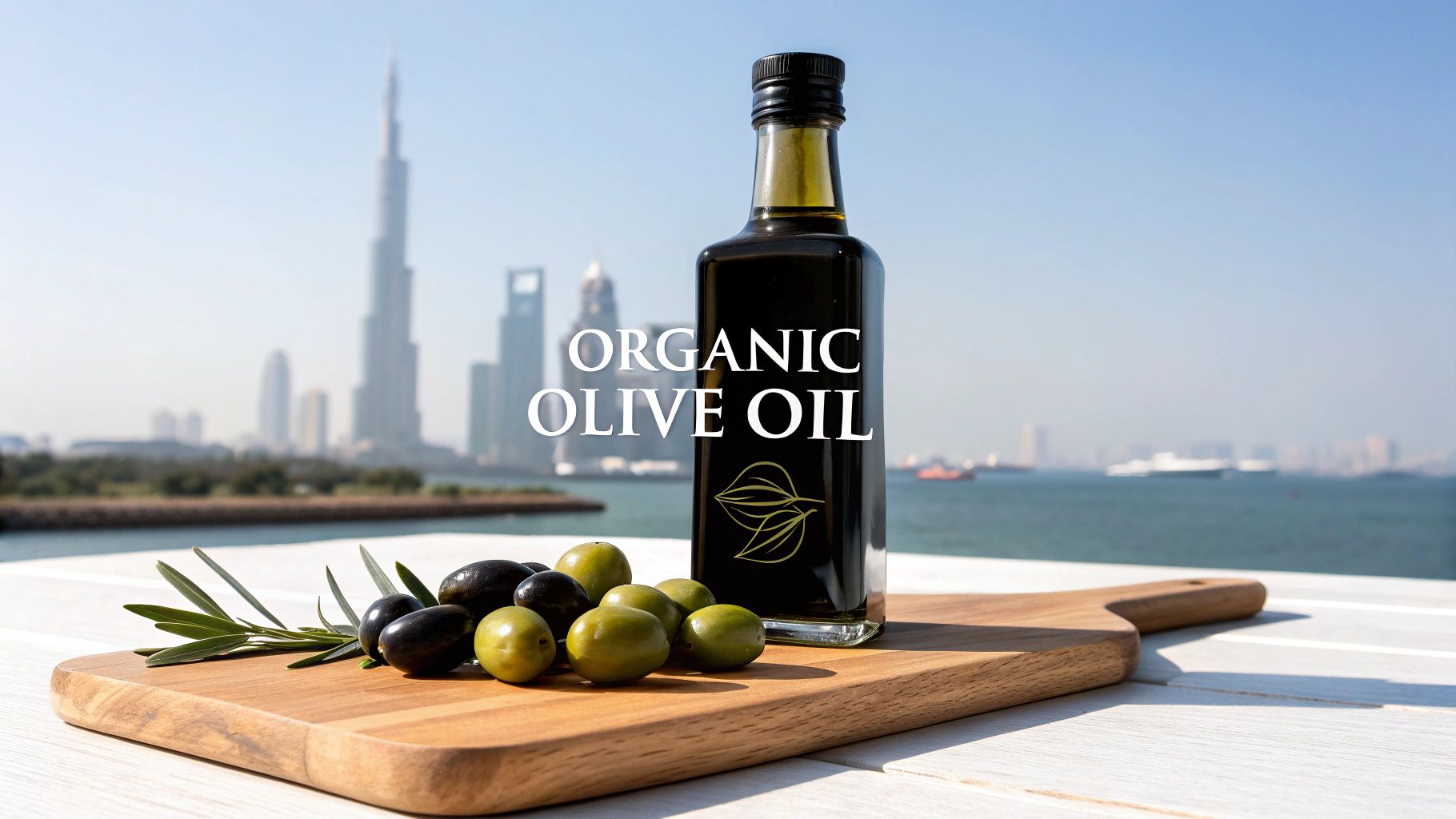
Standing in the olive oil aisle, it's easy to feel a bit lost. The sheer number of bottles can be intimidating, making it tough to figure out where to even start. But here’s the secret: a top-notch bottle of olive oil is so much more than a simple cooking fat. It's a flavor booster, a finishing touch, and the quiet hero of a well-stocked pantry. This guide is here to change the way you look at this kitchen staple, turning what was once a quick grab-and-go purchase into a confident, informed choice. From Pantry Staple to Culinary Star Let's be real—most of us don't give much thought to the olive oil we buy. It's just something we use to get things started in a pan or to toss a quick salad. But what if that same bottle could be your kitchen's secret weapon? Imagine adding a peppery zing to a finished soup or a bright, fruity note to grilled fish. The journey from a basic pantry item to a culinary superstar all starts with understanding what’s really inside the bottle. This guide will demystify the labels and help you appreciate the liquid gold they hold. We’ll dive into why not all oils are the same and teach you how to read a label like a pro. Knowing the difference is the key to unlocking the incredible potential of this ancient ingredient. Why Quality Matters in Every Drop A truly great bottle of olive oil is an investment in both taste and health. It’s packed with antioxidants and complex flavors that cheaper, mass-produced oils just can't replicate. It's about appreciating the craft and care that goes into every bottle, from the olive grove right to your kitchen counter. Understanding these subtleties can elevate your cooking in a big way, turning a simple meal into something truly memorable—just imagine the difference it makes on a gourmet Italian pizza . Here in the UAE, the appreciation for premium ingredients is growing fast. The Middle East and Africa olive oil market was valued at USD 834.17 million and is expected to climb to USD 1,213.79 million by 2032. This surge shows a clear demand for healthier, more flavorful options. You can read more about the growth of the olive oil market in the region . At IFM Gourmet Dubai, we believe everyone deserves access to the finest artisanal foods. As the luxury online gourmet arm of IFM Investments LLC, we’ve handpicked a selection of authentic olive oils that represent the very best in quality and culinary elegance, helping you make every single dish extraordinary. Understanding the Different Olive Oil Grades Stepping into the world of olive oil can feel like learning a new language, with terms like "extra virgin" and "refined" on every bottle. But it's simpler than you think. Think of it as the difference between a master artisan's finest work and a solid, everyday tool—each has a purpose in your kitchen. Extra Virgin vs. Virgin Olive Oil At the very top of the hierarchy is Extra Virgin Olive Oil (EVOO) . This is the masterpiece, the purest expression of the olive. It's made by cold-pressing olives right after harvest—a purely mechanical process with no heat or chemicals. This gentle method keeps the oil's rich flavor, vibrant color, and high concentration of healthy antioxidants and polyphenols intact. Just a step below is Virgin Olive Oil . It’s also produced without chemicals or heat, but you can think of it as a skilled apprentice's work compared to the master's. It might have slight imperfections in flavor or aroma, and its acidity can be a bit higher—up to 2% compared to EVOO's strict 0.8% maximum. While still a quality product, it doesn't quite hit the flawless standard of its extra virgin cousin. This simple hierarchy shows how to think about olive oil. Some bottles are meant to be the star of the dish, while others play a supporting role. The infographic above nails it: Extra Virgin Olive Oil is a 'Culinary Star,' perfect for finishing dishes, while other grades are reliable 'Pantry Staples' for general cooking. The Workhorse Oils: Refined and Pure When a recipe calls for high-heat cooking like frying or searing, you need an oil that can take the heat. This is where refined and pure olive oils come in. These oils start out as virgin olive oil but then undergo processing—like filtration and heating—to remove impurities and neutralize the flavor. This refining process gives the oil a much higher smoke point, making it perfect for high-temperature cooking. The trade-off? It also strips away most of the nuanced aromas, flavors, and beneficial polyphenols you find in EVOO. So what about a bottle of olive oil that's just labeled "Olive Oil" or "Pure Olive Oil"? This isn't a separate grade but a blend. It's mostly refined olive oil with a small amount of extra virgin or virgin oil mixed back in for a touch of color and flavor. It’s a versatile option for everyday cooking when you want a higher smoke point but not a strong olive taste. Olive Oil Grades at a Glance To make it even easier, here's a quick comparison of the most common grades of bottled olive oil to help you choose the right one for your culinary needs. Grade Extraction Method Flavor Profile Best Used For Extra Virgin Cold-pressed, no chemicals Robust, fruity, peppery Finishing, dressings, dipping, low-heat cooking Virgin Cold-pressed, no chemicals Milder, with some flavor defects Everyday cooking, sautéing, marinades Pure / Olive Oil Blend of refined and virgin Neutral, with a hint of olive General cooking, baking, roasting Refined Processed with heat/filters Very neutral, light flavor High-heat cooking, frying, searing Choosing the right grade really comes down to what you're making. You wouldn't use your best finishing oil for deep-frying, just as you wouldn't use a neutral oil for a flavorful salad dressing. Choosing the Right Grade for Your Kitchen So, how do you decide which bottle to grab? It all comes down to how you plan to use it. Here’s a quick guide to help you pick the perfect grade: For Finishing and Flavor : Always choose a high-quality Extra Virgin Olive Oil . Its complex, fruity, and peppery notes are meant to be enjoyed raw. Drizzle it over salads, soups, grilled fish, or fresh bread. For Everyday Cooking : A good-quality EVOO is also great for sautéing or roasting at low to medium temperatures, infusing your food with beautiful flavor. A reliable Virgin Olive Oil also offers a great balance of quality and value for daily use. For High-Heat Applications : When you need to fry, sear, or bake at high temperatures, a Refined or Pure Olive Oil is your best friend. Their neutral flavor won't overpower your other ingredients, and their high smoke point prevents the oil from burning. At IFM Gourmet Dubai , we understand that every dish deserves the right ingredient. Our curated collection focuses on premium, authentic oils to ensure that when you're looking for that 'culinary star' quality, you find it. From robust EVOOs perfect for finishing a classic Italian pasta to more delicate options for vinaigrettes, we have the tools to elevate your cooking. By selecting the correct grade, you honor both the ingredient and the final dish, unlocking a new level of culinary elegance in your home kitchen. Why Origin and Harvest Dates Matter Think of a bottle of olive oil like a fine wine—it tells the story of where it came from. The specific combination of soil, climate, and olive variety, known as terroir , gives each oil its unique personality. This is why a peppery, green oil from Tuscany tastes so different from a golden, buttery one from Andalusia. It's this sense of place that creates the magic in the bottle. Understanding the link between origin and flavor is your first step toward choosing olive oil with confidence, moving past generic supermarket shelves and into a world of true artisanal quality. Decoding Labels of Origin Ever see letters like PDO or PGI on a label and just skim past? Don't. These aren't just acronyms; they are legally binding guarantees of authenticity, ensuring the oil in your hands is the real deal from a specific region, made according to time-honored methods. Here’s a quick guide to what they mean: PDO (Protected Designation of Origin): This is the top-tier certification. It guarantees every single part of the process—from growing and harvesting the olives to pressing and bottling—took place in that specific region. PGI (Protected Geographical Indication): This label is a bit more flexible but still a mark of quality. It means at least one stage of production happened in the designated area, connecting the oil’s character to its geographical home. These seals are your protection against fraud and a promise that the oil you're buying is a true taste of its heritage. The Global Landscape of Olive Oil While Italy and Spain often steal the spotlight, fantastic olive oil is crafted all around the Mediterranean and beyond. Each region offers its own unique flavor profile. For instance, Tunisia is a major player, with its bottled olive oil export revenues soaring by nearly 90 percent in the first part of the 2023/24 crop year. Between November and May, the country exported oil valued at an incredible €1.159 billion , though it still has room to grow its packaged oil sector. You can read more about the trends in Tunisian olive oil exports . "The only way to learn what olive oil you like is to try it. So rather than buying five bottles of the same olive oil, buy five different varieties. It’s like wine. There is no definitive ‘best.’ It’s all about what you like." This advice is spot on. The best way to find your favorite is to explore. Try a robust Coratina from Puglia, Italy, or a delicate Arbequina from Catalonia, Spain, and see what you prefer. Why the Harvest Date Is Your Best Friend If you only look for one thing on an olive oil label, make it the harvest date . Unlike wine, olive oil does not get better with age. It's a fresh fruit juice, and its flavor and health benefits start to fade the moment it’s pressed. Freshness is everything. The "best by" date can be a trap. It's often set for two years after the bottling date, not the harvest. An oil could have been sitting in a tank for a year before it was even bottled, meaning it's far from fresh when you get it. Always, always look for the harvest date. A good producer will proudly display it because it’s a clear sign of a high-quality product. To get the best flavor, use your oil within 12 to 18 months of its harvest. Here at IFM Gourmet Dubai , we make this easy by sourcing oils with clear origins and the most recent harvest dates, so you know you're always getting the freshest, most vibrant flavor. How to Actually Taste Olive Oil So, you're ready to taste olive oil like a pro? First, forget everything you know about dipping a piece of bread into a shallow dish at a restaurant. A true tasting is a full sensory experience, a lot like sampling a fine wine, designed to unlock the oil's real character and quality. It’s all about tuning into your senses to discover what’s truly inside that bottle of olive oil . To get started, you’ll need to isolate the oil’s aroma and flavor. Professionals use a small, blue-tinted glass so they aren't swayed by the color—which, by the way, tells you nothing about the quality. For at-home tasting, a small wine glass or even a shot glass works just fine. Pour about a tablespoon into your glass. The next step is crucial: warming it up. Cup the glass in one hand and place your other hand over the top to trap the aromas. Swirl it gently for about a minute. This simple motion coaxes the aromatic compounds to life, setting the stage for the most important part of the tasting: the smell. The Three Pillars of Flavor Now, lift the glass to your nose, remove your hand, and take a deep sniff. What do you notice? A high-quality extra virgin olive oil should have a fresh, clean scent. This aroma is called fruitiness , and it’s the first of the three positive traits you’re looking for. Don't expect it to smell like a basket of apples, though. Instead, you're searching for specific notes: Green Fruitiness: Picture fresh-cut grass, a green tomato leaf, artichoke, or even green almonds. Ripe Fruitiness: These are softer, more mellow notes like ripe tomato, red apple, or hints of butter and nuts. Next up is the taste. Take a small, quick sip and let the oil coat your entire tongue. This is where you’ll meet the next two key characteristics: bitterness and pungency. Don’t shy away from bitterness! A noticeable bitter kick, especially on the sides of your tongue, isn't a defect. It’s a sign of fresh, healthy olives packed with antioxidants. Finally, you should feel a peppery or spicy tickle at the back of your throat. It might even make you cough, and that’s a good thing! This is pungency , the third and final marker of a premium oil. That kick comes from oleocanthal, a powerful anti-inflammatory compound. The stronger the peppery finish, the more of these beneficial polyphenols you’re getting. Identifying Flavor Profiles Once you can pick out fruitiness, bitterness, and pungency, you can start identifying the distinct flavor profiles in a bottle of olive oil . Just like with wine, different oils have different intensities and dominant notes. Here are a few common profiles to look for: Delicate and Buttery: These oils are incredibly smooth and mellow. Think notes of ripe apple and almond with a very gentle peppery finish. They're perfect for drizzling over fish or using in baking. Medium and Fruity: A wonderfully balanced profile. You'll get a clear grassy or herbaceous aroma, a pleasant bitterness, and a solid peppery kick. This is your all-around star for salads, vegetables, and pasta. Robust and Peppery: These are the bold ones. They pack an intense punch with strong notes of green tomato vine and artichoke, followed by a powerful, lingering peppery sensation. They stand up beautifully to strong flavors like grilled steak, hearty soups, and bitter greens. By practicing this tasting method, you’ll go from just buying oil to truly appreciating it. You'll learn its nuances, confidently choose bottles that match your palate, and take your cooking to the next level. At IFM Gourmet Dubai , our curated selection offers a whole world of profiles, just waiting for you to explore and find the perfect match for your kitchen. Matching the Right Oil to Your Dish Okay, so you've got the basics down on grades, origins, and flavors. Now for the fun part: actually using this knowledge in the kitchen. This is where we move beyond the label and learn how to pair the perfect bottle of olive oil with the right dish, taking your cooking from simply good to truly great. Think of your olive oils like different knives in a chef's roll. You wouldn't use a delicate paring knife to chop through bone, right? It's the same idea here. A beautiful, expensive finishing oil has its moment to shine, and that moment is definitely not in a screaming hot frying pan. For Drizzling and Finishing This is where your best Extra Virgin Olive Oil belongs—the robust, flavorful bottles with complex aromas and that peppery kick. This is your finishing oil, the final flourish that adds an unmistakable layer of flavor and elegance. It's meant to be enjoyed raw, where all its character can be appreciated. Get generous with it in these moments: Fresh Salads: A bold EVOO is all you need for a perfect vinaigrette. Just add a splash of vinegar and a pinch of salt. Done. Grilled Fish or Steak: Drizzle it on just before serving. The fruity, peppery notes cut through the smoky char beautifully. Rustic Bread: Nothing beats the classic Italian starter of dipping fresh, crusty bread into a pool of high-quality oil. Soups and Stews: A final swirl of pungent, green oil can brighten up a hearty lentil soup or a rich minetrone, adding a whole new dimension of flavor. The key with a finishing oil is to complement, not conquer. A delicate oil is stunning with subtle flavors like white fish. A more robust, peppery oil can stand up to a rich steak or a classic pasta dish. As our guide on pairing pasta with the perfect sauce illustrates, the right combination is everything. For Everyday Cooking and Sautéing For your daily cooking—sautéing vegetables, building sauces, or making marinades—a reliable, good-quality EVOO is your workhorse. You don't need to break out the priciest bottle, but using a solid extra virgin oil will infuse your food with a wonderful base of flavor that you just can't get from a neutral oil. Its smoke point is more than high enough for most medium-heat cooking. For High-Heat Frying When you're really turning up the heat, you need an oil that can handle it. This is the job for Refined Olive Oil or a "Pure Olive Oil" blend. The refining process gives these oils a much higher smoke point, making them perfect for frying, searing, or high-heat roasting. Their neutral flavor also means they won't get in the way of what you're cooking. How to Spot a Fake Bottle Olive Oil Sadly, not all that glitters is gold in the olive oil world. To make sure you're getting the real deal, you have to shop smart. Here are a few red flags and green lights to watch for. What to Look For: A Harvest Date: This is the most crucial piece of information. Freshness is everything, so always look for the most recent harvest date you can find. Dark Glass or Tins: Light is olive oil's worst enemy and makes it go bad quickly. Any serious producer will package their oil in protective dark bottles or tins. Specific Origin Details: Vague labels are a bad sign. Look for PDO or PGI seals, or at least the specific estate or region where the olives were grown and pressed. What to Avoid: Suspiciously Low Prices: If it seems too good to be true, it is. Producing real extra virgin olive oil is an expensive process. A huge bottle for a bargain price is a major red flag. Vague Labels: Phrases like "Product of the Mediterranean" without a specific country are a way to hide a blend of low-quality oils. Clear or Plastic Bottles: These offer zero protection from light and are a sure sign of a low-grade product. Olive oil consumption and demand can change quite a bit depending on the region's harvest and pricing. For instance, in the 2022/23 crop year, Morocco's per capita consumption reached 4.0 kilograms —one of the highest around—while other countries saw their numbers level off. You can learn more about olive oil consumption trends in the MENA region . At IFM Gourmet Dubai , we do the hard work for you, sourcing only authentic, traceable oils from producers we trust. We take the guesswork out of finding a great bottle. Finding and Gifting Premium Olive Oil in Dubai In a city like Dubai that truly appreciates luxury and thoughtful gestures, finding the perfect gift can be a fun challenge. While flowers and chocolates are always nice, a beautifully presented bottle of olive oil is a uniquely sophisticated and elegant alternative—perfect for any host, client, or food-loving friend. This is exactly where IFM Gourmet Dubai comes in. As the luxury online gourmet arm of IFM Investments LLC, a culinary-focused company based in the UAE, we've become the go-to destination for Dubai’s connoisseurs. Our entire mission is to bring culinary elegance and authenticity right to your doorstep, curating a selection of the world's finest artisanal delicacies. Your Destination for Culinary Elegance At the heart of our collection is a lineup of premium olive oils we've chosen with incredible care, sourced from respected producers who share our passion for quality. These aren't just pantry staples; they're an expression of terroir, craftsmanship, and culinary heritage. They represent the very best of what a bottle of olive oil can be—a true taste of a specific place and time. But it doesn't stop at olive oil. IFM Gourmet opens up a whole world of gourmet treasures. Our store is a celebration of flavor, featuring: Artisanal sweets and savories Exquisite fine chocolates and premium teas Beautifully baked cakes and confections Expertly curated gift hampers for any occasion This amazing variety means you can pair a world-class olive oil with other delicacies, creating a truly memorable gift that says a lot about your taste and appreciation for the finer things. Crafting the Perfect Gourmet Gift When you choose a gift from IFM Gourmet, you're choosing authenticity and elegance. Just imagine presenting a dinner party host with a robust, peppery Tuscan EVOO, perfect for drizzling over their favorite dishes. Or, for a corporate client, a beautifully arranged hamper featuring a delicate finishing oil, fine chocolates, and premium tea makes an impression that lasts. For anyone looking to create a truly bespoke gift or make their product stand out, custom bottle labels can take the presentation of a premium olive oil to the next level, adding a personal touch that enhances the entire experience. When you gift an exceptional olive oil, you're not just giving a product. You are sharing an experience—an invitation to explore new flavors, elevate everyday meals, and appreciate the simple, profound joy of great food. It is a gesture of refined taste and genuine care. As part of the respected Italian Food Masters group, IFM Gourmet is a name you can trust for the highest standards in Dubai's gourmet scene. We take all the guesswork out of finding the perfect bottle of olive oil , ensuring that every selection from our store is a guarantee of quality, flavor, and distinction. Let us help you find the perfect expression of culinary elegance for your next gift. Common Questions About Bottled Olive Oil Even after getting to know the basics, a few questions always seem to pop up. Let's clear the air and give you some quick, straightforward answers to the things people wonder about most. We want to make sure every bottle of olive oil in your pantry is used to its full potential. One of the biggest questions is always about storage. Just remember olive oil’s three main enemies: heat, light, and air. Exposing your oil to any of these will cause its delicate flavors to break down and turn rancid much faster than you’d think. Always store it in a cool, dark place like a pantry or cupboard—and please, never right next to the stove. The bottle itself is your first line of defense. Stick to oils sold in dark glass bottles or opaque tins, as they give the oil essential protection from damaging light. To really understand the importance of how your bottle of olive oil is packaged, it helps to look at the bigger picture in The Ultimate Guide to Containers Food Packaging , which covers how packaging impacts everything from safety to shelf life. Shelf Life and Freshness So, how long does that bottle actually last? It really depends on whether it's been opened. An unopened bottle, tucked away properly, will stay fresh for about 18 to 24 months from its harvest date. And that's the key—always look for the harvest date, not just the "best by" date, for a true sign of freshness. Once you crack that seal, the clock starts ticking much faster. Oxygen gets in and starts to degrade the oil. It’s best to use an opened bottle within 30 to 60 days to enjoy its peak flavor and all those great health benefits. Don't be tempted to "save" your best oil for a special occasion; make tonight's dinner special instead. The biggest mistake you can make is treating olive oil like wine; it absolutely does not get better with age. Think of it as fresh fruit juice. The faster you use it after opening, the better the experience. Can You Cook with Extra Virgin Olive Oil? This is probably the biggest myth we need to bust. For years, people have been told not to cook with Extra Virgin Olive Oil, but that’s just not true. While you wouldn't want to use your priciest, most complex finishing oil for deep-frying, a good quality EVOO is fantastic for most types of cooking. Here’s what you need to know: Smoke Point: A quality EVOO has a smoke point between 190°C and 215°C. That's well above the temperature you need for most everyday cooking, including sautéing and roasting. Flavor Infusion: Cooking with EVOO infuses your food with a wonderful depth of flavor you just can't get from neutral oils like canola or vegetable. Health Benefits: The healthy monounsaturated fats in EVOO are quite stable and hold up well to heat, meaning they retain many of their beneficial properties even when cooked. So go ahead and sauté your vegetables or pan-sear a piece of chicken with a good quality Extra Virgin Olive Oil. Save the super-premium, peppery oils for drizzling over a finished dish, but don't be afraid to make your everyday EVOO your go-to cooking oil. Ready to explore the world of authentic, premium olive oils? Discover the curated collection at IFM Gourmet Dubai and find the perfect bottle to elevate your next meal. Visit our store to shop now at https://www.ifmgourmet.com .
- The Ultimate Guide to Salt Ice Cream Flavor and Texture
When you hear "salt ice cream," what comes to mind? If you're picturing a scoop that tastes like the ocean, think again. Adding a touch of salt to an ice cream base is actually a brilliant culinary move designed to enhance flavor, balance sweetness, and create a divinely smooth texture. This isn't just some passing trend; it's a classic technique that turns familiar desserts like caramel and chocolate into truly gourmet experiences. That simple pinch of salt deepens and enriches their flavor profiles, making everything more complex and satisfying. The Surprising Science of Salty Sweet Desserts It might feel a little strange to add salt to something sweet, but it’s a time-honored secret rooted in pure flavor science. A delicate pinch can take a good treat and make it truly extraordinary, elevating it from simply sweet to a complex, layered delight. This guide is here to show you why salt ice cream is so much more than a fad. It’s a technique that artfully plays with both taste and texture to create something you won't forget. We’ll get into how salt works its magic on a chemical level, giving you a creamier, smoother mouthfeel while making all the other flavors pop. Unlocking a Deeper Flavor Experience At its heart, salt is a master flavor enhancer. Its main job isn't to make the ice cream taste salty, but to dial down bitterness and turn up the natural sweetness of everything else in the mix. It works just like sprinkling a little salt on a ripe tomato to make it taste even sweeter. This same magic allows the more complex notes in your ice cream to really shine. Balances Sweetness: Salt masterfully cuts through intense sugariness, leaving you with a more sophisticated, less cloying flavor. Intensifies Flavors: It makes rich ingredients like dark chocolate, nutty pistachio, and deep caramel taste even more profound and satisfying. Creates Contrast: That subtle savory touch provides a wonderful contrast that keeps your palate engaged with every single spoonful. In the world of gourmet desserts, salt isn't just a seasoning; it's a tool for precision. It allows a chef to fine-tune the final flavour profile, ensuring every ingredient is tasted to its fullest potential. As we dive into the world of salt ice cream, you'll discover the science, history, and craft behind this exceptional dessert. You’ll learn the secrets to perfecting your own creations at home using premium ingredients from artisanal suppliers like IFM Gourmet Dubai . As the luxury online arm of IFM Investments LLC, a culinary-focused company in the UAE, their gourmet store offers an impressive lineup of delicacies, known for quality, authenticity, and culinary elegance. How Ancient Techniques Shaped Modern Ice Cream While salted ice cream might feel like a recent gourmet trend, its story actually begins centuries ago. The thing is, salt wasn't just a flavor trick—it was the original technology that made frozen desserts possible long before we had freezers. This fascinating history starts not in a modern kitchen, but in the arid landscapes of ancient Persia. The journey begins with an ingenious invention called the ‘yakhchāl’, a type of ancient evaporative cooler. These clever structures allowed Persians to make and store ice, even in the middle of the desert. But having ice was only half the battle. The real breakthrough was figuring out how to use that ice to freeze other liquids. This is where salt came in. Early innovators discovered that mixing rock salt with ice created a super-chilling slurry. This simple act triggers an endothermic reaction , a process that pulls heat from its surroundings and causes the temperature to plummet far below the normal freezing point of water. This powerful principle was the key to creating the world's first sorbets and frozen treats. From Necessity to Culinary Art This brilliant technique of using salt to achieve a deep freeze gradually spread. In the rich culinary history of the Arab Emirates (AE), salt ice cream emerged as a unique treat, blending ancient Persian methods with modern Gulf innovation. We can trace this back to the 550 BC Persian yakhchals—underground ice storage chambers that Arabs adapted after conquering Persia around 632 AD . Early Arabs were pioneers in using rock salt mixed with ice to create the endothermic effect needed to freeze liquids, laying the groundwork for creamy desserts. What started as a practical solution has since evolved into a celebrated culinary art. Today, the artisan ice cream scene in Dubai and across the UAE honors this legacy. Chefs are no longer using salt just to freeze their creations; they're using it to perfect them. Salt's role has shifted from a functional tool for freezing to a sophisticated ingredient for enhancing flavor. It’s a beautiful example of how historical problem-solving can inspire modern gastronomic excellence. The Modern Evolution of Freezing The core science discovered centuries ago is still surprisingly relevant. That same endothermic reaction is the fundamental principle behind how traditional ice cream makers work, with a central canister surrounded by an ice and salt mixture. Of course, technology has come a long way since the yakhchāl. As methods evolved, the development of the specialized commercial ice cream machine became essential for creating the textures and volumes we expect today. These machines offer precise temperature control and consistent churning, which is crucial for forming the perfect ice crystals that define high-quality gelato. This journey shows a direct line from ancient ingenuity to the smooth, luxurious scoops we savor now, connecting a simple historical necessity to a globally cherished dessert. The Science Behind a Perfectly Smooth Texture The magic behind salted ice cream's incredible creaminess isn't magic at all—it's simple chemistry. When you add salt to an ice cream base, you're doing much more than just adding flavor. You're fundamentally changing how the mixture freezes, and this is the real secret to achieving that professional, luxuriously smooth texture that melts beautifully on the tongue. Think of salt as a traffic controller for ice crystals. Its most important job is a phenomenon known as freezing point depression . In simple terms, this means the salted mixture has to get much colder than a non-salted one before it can turn solid. This extra-chilly environment is exactly what prevents large, crunchy ice crystals from forming, which are the main culprits behind an icy or grainy texture. By forcing the base to freeze at a lower temperature, salt encourages the formation of countless tiny ice crystals instead of fewer, larger ones. The result? A denser, richer, and noticeably silkier mouthfeel that defines premium gelato. To really see what's happening under the hood, this table breaks down how salt works its magic during the freezing process. How Salt Transforms Ice Cream Texture Scientific Principle Effect on Ice Cream Resulting Sensory Experience Freezing Point Depression The base must reach a lower temperature to freeze solid. Prevents large, crunchy ice crystals, leading to a much smoother texture. Crystal Size Control Promotes the formation of numerous, tiny ice crystals. A denser, silkier mouthfeel that melts cleanly on the palate. Emulsion Stabilization Helps fat and protein molecules bind together more effectively. Enhances the perception of richness and creaminess. Longer Churning Time The base stays liquid for longer in the ice cream maker. Allows for more air to be incorporated, creating a lighter (yet still rich) final product. As you can see, salt isn't just a seasoning here; it's a structural architect, building the perfect foundation for a truly gourmet ice cream. How Salt Enhances Richness and Mouthfeel Beyond just managing ice crystals, salt also plays a vital role in how we perceive the richness of the ice cream. It subtly interacts with the fat globules and protein molecules in the dairy, creating a more cohesive and stable emulsion. This improved structure does two key things: Boosts Creaminess: It helps the fat distribute more evenly, which directly contributes to a smoother, more satisfying texture. Amplifies Flavors: A more stable base is better at carrying flavors like vanilla, chocolate, or caramel to your taste buds, making them pop. Essentially, salt helps all the ingredients work together more harmoniously. It transforms a simple dessert into a complex and decadent gourmet experience. Salt's role in ice cream is a perfect example of kitchen science. It's not about making the dessert taste salty, but about using a natural mineral to physically perfect its structure and enhance its flavor. The Impact on Freezing Time One practical effect of freezing point depression is that a salted ice cream base will take longer to freeze solid. While this might sound like a drawback, it's actually a huge advantage during the churning process. The extended churning time allows for more air to be incorporated into the base. Depending on your recipe, this can contribute to a lighter, yet still incredibly creamy, final texture. These same principles of freezing and texture control are just as important in non-dairy alternatives. You can see similar techniques applied in treats like this stunning wild berries sorbet , where sugar and fruit solids are carefully balanced to control ice crystal size. Understanding this science gives you the power to troubleshoot any recipe and achieve consistently excellent results, whether you're using dairy or not. Choosing the Perfect Salt for Your Recipe Picking the right salt for your ice cream is a bit like choosing the perfect spice for a signature dish. The details matter—a lot. Not all salts are the same, and their unique textures and flavors can elevate your dessert from simply good to truly unforgettable. Your first decision is how you want the salt to perform. Will it be mixed into the base to enhance flavors from within, or will it be sprinkled on top for that final, dramatic flourish? The answer changes everything. Options like a high-quality New Mediterranean Sea Salt can offer subtle mineral notes that beautifully complement a creamy base. For chefs and artisans in the UAE looking for these kinds of premium ingredients, specialists like IFM Gourmet Dubai (part of the broader Italian Food Masters group) are renowned for their impressive lineup of artisanal delicacies, ensuring every creation is built on a foundation of quality. Finishing Salts vs. Mixing Salts Think of it this way: is the salt a background singer or the lead vocalist? For Mixing Into the Base: Fine-grain sea salt is your go-to. It dissolves completely and disappears into the mix, guaranteeing a consistent flavor and perfectly smooth texture. Its clean, bright taste is exactly what you need to make the sweetness of a caramel pop or deepen the richness of a dark chocolate. For a Finishing Touch: This is where you can get creative with texture. Flaky sea salts, like Maldon, or the delicate, moist crystals of fleur de sel add a fantastic crunch and an intense burst of salinity right before the first bite. They look beautiful and provide a stunning counterpoint to the ice cream's creamy smoothness. This diagram helps visualize how salt works its magic, starting with the chemistry of freezing and ending with that perfect, scoopable texture. It all comes down to science. Salt’s main job is lowering the freezing point, and that single chemical reaction is directly responsible for the smoother, creamier, and more luxurious final product. How Much Salt Should You Use? When it comes to salting ice cream, a delicate touch is crucial. The goal is to enhance flavor, not to make it taste like the ocean. As a rule of thumb, start with between 1/8 and 1/4 of a teaspoon of fine salt for a one-liter ice cream base. This small amount is usually just enough to mute any bitterness and amplify the other flavors without being overtly salty. Always taste your base before churning and adjust if you feel it needs a little more. The idea of using salt to create frozen desserts has deep roots in the Gulf region. By the 1700s, knowledge of salt-ice mixtures for freezing had already reached local ports through Persian and Ottoman trade. Fast forward to the modern UAE, and you can see how far we've come. In 2015, Sharjah's Al Qasba Festival introduced a salt ice cream that became an instant hit, with 72% of attendees coming back for more. By 2022, regional production had soared to 45,000 liters , much of it made with local rock salt from mines in Fujairah. Mastering Flavor Pairings and Serving Ideas This is where the real fun begins. Pairing flavors with salt ice cream is an open invitation for culinary creativity, turning a simple scoop into something truly sophisticated. It’s all about finding that perfect balance between contrast and harmony, letting the salt work its magic to elevate every other taste on the plate. One of the most timeless and elegant pairings has to be the affogato . There's just something special about drowning a scoop of salted caramel gelato in a shot of hot, fresh espresso. You get a stunning clash of temperatures and flavors—the bitter coffee cuts right through the richness, while the salt dials up the deep caramel notes. It’s a memorable experience, every single time. Classic and Creative Pairings If you’re a fan of rich, decadent desserts, try a scoop of sea salt chocolate ice cream alongside a warm, gooey chocolate lava cake or a fudgy brownie. That touch of salt in the ice cream is the secret weapon that keeps the whole thing from being too sweet, creating a perfectly balanced treat. Looking for more inspiration? Here are a few combinations to get you started: Pistachio Salt Ice Cream: Absolutely beautiful next to a slice of delicate almond cake. Or, serve it with fresh figs and a light drizzle of honey. Vanilla Bean with Flaky Salt: Drizzle it with a high-quality, extra-virgin olive oil and a few drops of aged balsamic. It sounds surprising, but it’s a chef-inspired combination that just works. Salted Honey Lavender: Pairs wonderfully with the buttery crumble of shortbread cookies or a simple lemon tart that complements its floral sweetness. The beauty of salt ice cream lies in its versatility. It can stand alone as a sophisticated treat or serve as the perfect foundation for building a complex and exciting dessert presentation. A Growing Local Passion Here in the UAE, the appreciation for these more nuanced flavors is undeniable. Ice cream consumption has exploded, with the Federal Authority reporting a staggering 67 million scoops sold in 2023 alone. Salted varieties claimed a 19% share of that market—a massive jump from just 5% back in 2015 . With vanilla-salt leading the charge, it's clear that salt ice cream has gone from a niche curiosity to a mainstream favorite. To bring these incredible pairings to life in your own kitchen, always start with exceptional ingredients. Sourcing fine chocolates, premium teas, cakes, and even beautifully curated gift hampers from a luxury supplier like IFM Gourmet Dubai can elevate your dessert from good to unforgettable. For another fantastic pairing idea, see how to serve ice cream with warm, delicious waffles . Common Questions About Salt Ice Cream Even with the best ingredients, venturing into salt ice cream for the first time can bring up a few questions. We've gathered some of the most common queries to help you master the process and troubleshoot like a pro. Can I Just Use Regular Table Salt? You technically can , but for a truly gourmet result, we don't recommend it. Standard table salt often has iodine and anti-caking agents mixed in, which can impart a harsh, almost chemical aftertaste. For a clean, bright flavor that elevates your ice cream base, you'll want to reach for a pure, high-quality salt. Sea salt or fleur de sel are perfect choices—they dissolve beautifully and enhance the other ingredients instead of competing with them. Help! Why Did My Homemade Ice Cream Turn Out Icy? Ah, the dreaded icy texture. This is the tell-tale sign that large ice crystals have formed during the freezing process. It usually happens for one of a few reasons: your base wasn't cold enough before churning, the churning itself was too slow, or your freezer isn't cold enough to freeze the mixture quickly. While salt is your ally in creating smaller crystals, an unbalanced recipe can work against you. Too much water or not enough fat in your base, for example, is a classic recipe for iciness. Here's a pro tip for the creamiest possible texture: always chill your ice cream base thoroughly to about 4°C (40°F) before it goes into the churner. This gives it the best possible head start for a silky-smooth freeze. What Flavors Go Best with Salt? The classics are a great place to start! There's a reason salted caramel and sea salt dark chocolate are so popular—they are unbelievably delicious. The salt cuts right through the sweetness and richness, making the core flavors deeper and more complex. But don't stop there. Salt also works magic with nuts like pistachio and pecan. It can even bring a new dimension to fruit-based flavors or more adventurous creations, like a sophisticated olive oil ice cream topped with flaky salt or a fragrant salted honey lavender. Will Eating Salt Ice Cream Make Me Thirsty? Not at all. The amount of salt used to season ice cream is very small, usually less than a gram per serving. That's far less than you’d find in a bag of potato chips and nowhere near enough to cause dehydration. The salt’s job here is to improve the texture and boost the other flavors, not to make the dessert taste overwhelmingly salty. Ready to create your own gourmet salt ice cream? Find all the premium salts, fine chocolates, and artisanal ingredients you need at IFM Gourmet Food Store . Explore our collection and bring culinary elegance to your kitchen. Discover more at https://www.ifmgourmet.com .
- A Guide to Apple Vinegar with Mother
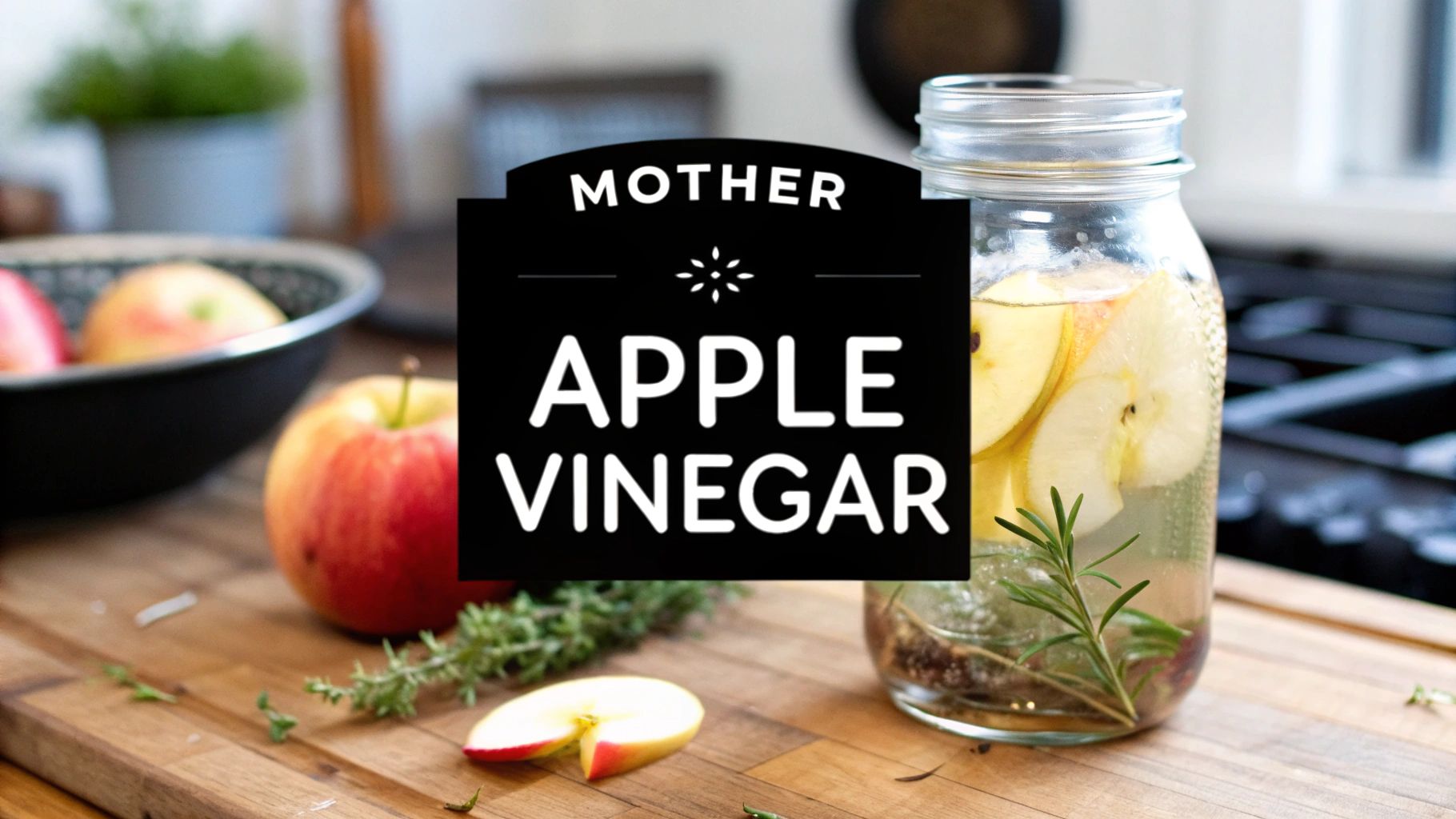
When you see a bottle of apple vinegar that isn't perfectly clear, don't mistake it for a flaw. That cloudy, web-like substance floating inside is actually a sign of superior quality—it's the 'mother'. This is the hallmark of authentic, unfiltered , and unpasteurised apple vinegar, a raw and potent version of the kitchen staple you might be used to. Demystifying the ‘Mother’ in Your Vinegar So, what exactly is this mysterious 'mother'? Think of it as the sourdough starter of the vinegar world. It’s a living, breathing colony of beneficial microorganisms that forms naturally as apple juice ferments into vinegar. This symbiotic culture of bacteria and yeast is precisely what gives the vinegar its complexity and many of its acclaimed wellness properties. Its presence is a visual guarantee that the product is raw, unrefined, and packed with enzymes and gut-friendly probiotics. This is the key difference setting it apart from its processed, crystal-clear counterparts. What Does the Mother Look Like? If you peer into a bottle of unfiltered apple vinegar, you'll spot the mother as a murky, cobweb-like sediment. It often settles at the bottom, but a gentle shake is all it takes to mix it back in. This strand-like substance is completely natural and shows that the vinegar is alive with beneficial compounds. Filtered vs. Unfiltered: A Clear Distinction To truly appreciate the value of apple vinegar with mother, it helps to compare it directly with the standard, filtered vinegar you typically find on supermarket shelves. A quick look at the key differences between standard apple vinegar and the variety containing the 'mother' makes the choice clear. Comparing Filtered and Unfiltered Apple Vinegar Feature Apple Vinegar with Mother Filtered Apple Vinegar Appearance Cloudy, with visible sediment ('mother') Crystal clear, no sediment Processing Unfiltered and unpasteurised (raw) Filtered and pasteurised (heat-treated) Probiotics Contains live beneficial bacteria and yeast Probiotics are removed or destroyed Enzymes Rich in natural, active enzymes Enzymes are removed during processing Flavour Profile More complex, robust, and tangy Milder, more uniform flavour Best For Wellness tonics, dressings, marinades Pickling, cleaning, basic recipes The clear, refined version has been pasteurised (heat-treated) and filtered to remove the mother, mostly for cosmetic reasons—to create a product with a uniform look and longer shelf life. While filtered vinegar is perfectly fine for certain culinary tasks, the process strips away the very beneficial bacteria and enzymes that make the unfiltered version so prized. Choosing a product with the mother ensures you're getting the full spectrum of what this traditional ingredient has to offer. For discerning food lovers in Dubai and across the UAE, understanding this difference is crucial for selecting a premium product. Just as you’d choose an artisanal cheese or a cold-pressed olive oil for superior flavour and quality, the same goes for raw apple vinegar with mother. It’s a choice that reflects a true appreciation for authentic, minimally processed ingredients—a value championed by gourmet purveyors like IFM Gourmet Dubai . As the luxury online gourmet arm of IFM Investments LLC and part of the broader Italian Food Masters group, their store is a testament to quality, authenticity, and culinary elegance in Dubai’s gourmet scene. How This Liquid Gold Is Made Making real apple vinegar with mother isn't an industrial process; it's a beautiful example of nature's artistry that simply can’t be rushed. Think of it as an artisanal craft, one that transforms simple, high-quality apples into a complex, living tonic. The journey starts in an orchard, not a factory, with the careful selection of premium, often organic, apples. These hand-picked apples are then crushed to extract their sweet, vibrant juice. This pure juice is the foundation for everything to come. Unlike mass-produced vinegars that often use concentrates, this commitment to whole fruit creates a far richer, more nuanced final product. The quality of the apples is everything—it directly shapes the final flavor and potency of the vinegar. From here, the apple juice begins a fascinating two-step fermentation, a kind of natural alchemy guided by microscopic helpers. It’s a delicate dance between sugars, yeasts, and bacteria that results in the liquid gold we all know and love. The First Transformation: Sugars to Alcohol The first step is an alcoholic fermentation. Wild yeasts, which are naturally present on the apples' skins, get to work consuming the natural sugars in the juice. As they feast, they produce alcohol, turning the sweet apple juice into something akin to a hard cider. This stage is what separates authentic apple vinegar from simple apple-flavored vinegars. It’s a slow, deliberate transformation that can take several weeks, allowing those wonderfully complex flavors to develop. This patience is a hallmark of artisanal production, a value we celebrate here at IFM Gourmet Dubai . The Second Transformation: Alcohol to Acetic Acid Once the first fermentation is complete, the real magic begins. A specific group of bacteria called Acetobacter is introduced. These remarkable microorganisms convert the alcohol into acetic acid —the very compound that gives vinegar its signature tangy taste and sharp aroma. It’s during this second fermentation that the 'mother' is born. As the Acetobacter multiply, they weave together strands of proteins, enzymes, and good bacteria, forming a cellulose structure. This is the cloudy, web-like substance you see floating in the bottle, and it's the ultimate sign of a raw, living product. This visual guide shows the natural progression from fresh apple juice to the formation of the vital 'mother'. This meticulous, unhurried process can take anywhere from a few weeks to several months. The longer the vinegar ferments, the more complex and mellow its flavor profile becomes, avoiding the harsh bite you often find in quickly made vinegars. It’s this dedication to time that yields a product of exceptional quality. The presence of the 'mother' is more than just a sign of authenticity. It’s a testament to a production process that prioritizes keeping all the good stuff in. It means the vinegar is unpasteurized and unfiltered, leaving its valuable enzymes and probiotic cultures completely intact. Ultimately, creating genuine apple vinegar with mother is a slow, careful craft. From choosing the finest apples to letting nature guide the double fermentation, every step is designed to preserve the integrity and vitality of the final product. This artisanal approach is what elevates it from a simple condiment to a celebrated gourmet ingredient. Exploring the Health and Wellness Benefits Beyond its complex flavour, raw apple vinegar with mother has carved out a special place in wellness routines worldwide. Its recent surge in popularity, especially in health-conscious hubs like Dubai, is all thanks to a renewed appreciation for natural, functional foods. Let’s dive into the science-backed benefits that make this ancient tonic a modern-day staple. At the very heart of its power are two key components: probiotics and acetic acid . These elements work together to support a whole range of bodily functions, from digestion to metabolic health. Adding it to your daily life can be a simple but powerful step towards a more balanced routine. Supporting Healthy Digestion One of the most celebrated perks of apple vinegar with the mother is its fantastic support for digestive health. The "mother" itself is teeming with probiotics—those beneficial bacteria that help maintain a happy, healthy gut microbiome. A balanced gut is the cornerstone of good digestion, nutrient absorption, and overall well-being. Think of these probiotics as friendly helpers for your digestive system. They work to restore harmony and promote a thriving internal ecosystem. For anyone who deals with occasional bloating or digestive sluggishness, a small, diluted dose before meals might offer some gentle, welcome relief. Beyond just digestion, many people turn to it as a general wellness enhancer. To learn more about how natural ingredients can fortify your body's defenses, it's worth exploring other natural immunity boosters . Aiding Blood Sugar Management Another fascinating area is the impact of apple vinegar on blood sugar levels. Research suggests that its main active compound, acetic acid, can help improve insulin sensitivity. This is especially true after you’ve had a high-carbohydrate meal. Of course, it’s no substitute for medical advice or treatment. It is, however, a wonderful supportive partner to a balanced diet. By potentially slowing down how quickly the stomach empties, it helps smooth out the sharp spikes and crashes in blood sugar. This effect makes it a popular choice for anyone looking to maintain more steady energy levels all day long. This benefit is particularly relevant here in the UAE, where modern diets can often be rich in carbohydrates. Weaving a small amount of apple vinegar with the mother into your meal routine could be a very practical strategy for supporting your metabolic health. Assisting with Weight Management Goals You’ll often hear apple vinegar with the mother mentioned in conversations about weight management, and there’s some real substance to this. Several studies have pointed out that it can promote a feeling of fullness, or satiety. When you feel fuller, you naturally tend to consume fewer calories. This effect, paired with its ability to help stabilize blood sugar, creates a very supportive environment for anyone working towards weight management goals. It’s important to be realistic, though—it isn't a "miracle" weight loss elixir. It shines brightest when used as a complementary tool within a healthy, active lifestyle. Paired with a nutritious diet and regular exercise, it can provide that little extra bit of support. This holistic approach really resonates with the wellness-focused lifestyles becoming more and more popular across Dubai and the wider UAE. For other wholesome options, take a look at our guide on this delicious and healthy . The global demand for products like this is skyrocketing. In Europe, a region that often sets trends for the AE's premium health food market, the apple cider vinegar sector has seen incredible growth. Market analysis shows the European market hit USD 582.27 million in 2025 and is forecasted to reach USD 803.29 million by 2035. This growth is fueled by a culture that truly values organic and functional foods. Important Note on Consumption: Remember, apple vinegar is highly acidic. It should always be diluted in water before you drink it to protect your tooth enamel and digestive tract. As with any wellness product, it's always a good idea to chat with a healthcare professional for personalized advice, especially if you have any pre-existing health conditions. Bringing Gourmet Flavor into Your Kitchen Beyond the wellness cabinet, raw apple vinegar with mother is a true secret weapon in the kitchen. Its complex, tangy flavor profile is far more interesting than its filtered cousin, adding a bright, acidic punch that lifts everyday dishes from simple to sublime. This is where its artisanal quality, celebrated by gourmet purveyors like IFM Gourmet Dubai , becomes an indispensable tool for the home chef. Offering an impressive lineup of artisanal delicacies—from sweets and savories to premium teas and curated gift hampers—they are a go-to source for culinary elegance in Dubai. Think of it as a flavor brightener. A small splash can cut through richness, balance out sweetness, and add a surprising layer of sophistication to sauces, marinades, and even drinks. Its sheer versatility makes it a must-have pantry staple for anyone serious about creating memorable meals. Crafting Zesty Dressings and Tangy Marinades The most classic use for apple vinegar with mother is in a vinaigrette, and for good reason. Its robust character stands up beautifully to high-quality olive oil, creating dressings that are anything but boring. It also emulsifies wonderfully, clinging to salad greens to deliver a burst of zesty flavor in every single bite. But its magic doesn't stop there. As a marinade, the acetic acid in the vinegar gets to work tenderizing proteins like chicken, fish, and pork. This process not only softens the meat but also infuses it with a subtle, fruity tang that perfectly complements grilling or roasting. For Dressings: Whisk one part apple vinegar with three parts extra virgin olive oil, a pinch of salt, and a touch of honey or maple syrup for a perfectly balanced vinaigrette. For Marinades: Combine it with garlic, herbs like rosemary or thyme, and a little soy sauce for a savory marinade that works wonders on tougher cuts of meat. A Nod to Italian Culinary Traditions While balsamic vinegar often steals the spotlight in Italian cuisine, apple vinegar holds its own cherished place, especially in Northern Italian cooking. Its crisp acidity is just the thing for cutting through the richness of hearty regional dishes. It’s an ingredient that pairs beautifully with the authentic flavors found in so many Italian recipes. To explore more authentic Italian staples, check out our guide to artisanal pasta . One of the best techniques is deglazing . After you've seared meat or sautéed vegetables, a quick splash of apple vinegar into the hot pan lifts all those delicious caramelized bits from the bottom. Just like that, you have an instant, flavor-packed pan sauce. It also adds a wonderful complexity to roasted vegetables; a light drizzle over Brussels sprouts or carrots before they go into the oven brings out their natural sweetness. By embracing these simple techniques, you can add a layer of gourmet finesse to your cooking. The bright, acidic notes of apple vinegar with mother can transform a simple meal into something truly special, reflecting a deeper appreciation for high-quality ingredients. For those looking to get creative, here are a few ideas to get you started. Creative Culinary Pairings Food Category Pairing Suggestion Reasoning Pork & Poultry Use in a glaze for roasted pork loin or chicken. The acidity cuts through the fat, balancing the richness of the meat. Seafood A splash in a ceviche or as a finish for grilled fish. Its bright tang complements the delicate flavor of seafood without overpowering it. Root Vegetables Drizzle over roasted carrots, beets, or parsnips. The vinegar's sweetness enhances the earthy notes and caramelization of the vegetables. Legumes & Grains Whisk into a dressing for lentil or quinoa salads. It adds a zesty lift to hearty grains and beans, making them feel lighter and brighter. Fruits Macerate fresh berries for a dessert topping. The vinegar draws out the fruit's natural juices and adds a sophisticated, tangy counterpoint. These pairings are just a starting point—the real fun begins when you start experimenting in your own kitchen. Simple Recipes to Get You Started Ready to give it a try? These simple yet elegant recipes are designed to showcase the incredible versatility of apple vinegar with mother and are easy enough for any home cook to master. 1. Classic Gourmet Vinaigrette This is a foundational recipe you can customize to your heart's content. It’s the perfect dressing for a simple green salad or drizzled over grilled vegetables. Ingredients: * 60ml apple vinegar with mother * 180ml extra virgin olive oil * 1 teaspoon Dijon mustard * 1 teaspoon honey or maple syrup * 1 small garlic clove, minced * Salt and freshly ground black pepper to taste Instructions: 1. Combine all ingredients in a jar with a tight-fitting lid. 2. Shake vigorously until the mixture is well-emulsified and creamy. 3. Taste and adjust seasoning if necessary. Store in the refrigerator for up to two weeks . 2. Sparkling Apple Vinegar Shrub A shrub is a refreshing, non-alcoholic drink made from a fruit and vinegar syrup. It’s a sophisticated beverage perfect for a warm Dubai afternoon. Ingredients: * 1 cup chopped fruit (berries, peaches, or citrus work well) * 1 cup sugar * 1 cup apple vinegar with mother * Sparkling water to serve Instructions: 1. In a bowl, combine the chopped fruit and sugar. Let it sit for an hour to let the sugar draw out the fruit juices. 2. Pour the apple vinegar over the fruit mixture, stir well, and cover. 3. Refrigerate for 2-3 days , stirring once a day. 4. Strain the syrup through a fine-mesh sieve, pressing on the fruit to extract all the liquid. 5. To serve, mix one part shrub syrup with three parts sparkling water over ice. Garnish with fresh mint. For those who appreciate the versatility of apple-derived flavors, you might also enjoy exploring different apple cider recipes that showcase similar tasting notes in creative beverages. These recipes empower you to bring an artisanal touch into your kitchen, transforming everyday meals and drinks into gourmet experiences. How to Choose and Store Your Vinegar Walking down the condiment aisle to find a truly authentic bottle of apple vinegar with mother can feel a bit overwhelming. But don't worry—a few simple checks will ensure you bring home the best. Think of it like selecting a fine olive oil or an artisanal cheese from a purveyor like IFM Gourmet Dubai ; a little knowledge goes a long way. This culinary-focused company, based in the UAE, is known for quality and authenticity, making them a trusted source for premium ingredients. First things first: ignore the crystal-clear bottles. A genuine, high-quality apple vinegar with mother will always look a little cloudy and murky. That isn't a flaw—it's the best visual sign that it's raw, living, and packed with goodness. Decoding the Label: A Shopper's Checklist The label is your best friend here. You're looking for specific keywords that act as a guarantee of quality, telling you the vinegar is unrefined and still has all its beneficial properties intact. Here’s a quick checklist of what to look for on the bottle: "With the Mother" : This is non-negotiable. It confirms the colony of good bacteria and enzymes—the very heart of the product—is present. "Raw" or "Unpasteurised" : These words mean the vinegar hasn’t been heated. Pasteurisation would kill off the delicate, living probiotics and enzymes in the mother. "Unfiltered" : This tells you the mother hasn't been strained out just to make it look clear. You want all that valuable sediment. "Organic" : Choosing organic means the apples were grown without synthetic pesticides or fertilisers, giving you a cleaner, more natural final product. This demand for authentic, unprocessed foods isn't just a local trend. In Europe, the apple cider vinegar market hit USD 145.41 million in 2024 and is expected to grow to USD 250 million by 2033. This boom is led by shoppers in Germany and the UK who are specifically looking for unfiltered, organic versions with the mother, showing a clear global preference for natural, high-quality ingredients. You can find more insights on this premium market trend over at Deep Market Insights. A quick pro tip: turn the bottle upside down for a moment. You should see a noticeable web-like sediment float around—that's the mother. If a bottle is perfectly clear, it’s likely been filtered and won't offer the full spectrum of benefits. Best Practices for Storing Your Vinegar Once you’ve brought your bottle of liquid gold home, storing it properly is key to keeping its potent flavor and health benefits around for as long as possible. The good news is that vinegar is a natural preservative, so it’s pretty low-maintenance. Just follow these simple tips to maintain its integrity. Keep It in a Cool, Dark Place : Your pantry or a kitchen cabinet away from direct sunlight is perfect. Light and heat can break down the beneficial compounds over time. Seal the Cap Tightly : Always screw the cap on tightly after you use it. This simple step prevents oxidation and stops the vinegar from losing its sharp, vibrant flavor. No Refrigeration Needed : Unlike a lot of other fermented foods, apple vinegar with mother is perfectly happy at room temperature. Its high acidity is a natural guard against spoilage. By following this simple guidance, you can confidently pick a superior product and make sure it stays a powerful and flavorful staple in your kitchen for months to come. Common Myths and Misconceptions Let's be honest—the world of wellness is full of big promises, and apple vinegar with mother is no stranger to hype. It’s time we cut through the noise, separate fact from fiction, and clear up the myths that can trip you up when you're trying to buy the good stuff. One of the biggest tall tales is that apple vinegar is a "miracle cure" for weight loss. The idea that you can just drink it and watch the pounds melt away is, unfortunately, just a fantasy. While it can absolutely support weight management by helping you feel full, it’s a partner in your health journey, not a magic potion. Real results come when it's part of a balanced diet and active lifestyle. Separating Quality from Clarity Here's another myth that catches a lot of people out: the clearer the vinegar, the better the quality. With apple vinegar, the exact opposite is true. That cloudy, murky appearance—and even the stringy stuff floating at the bottom—is the ‘mother’. This is your sign that you're looking at a raw, unpasteurized, and unfiltered product that still has all its beneficial compounds. A crystal-clear vinegar has been filtered and heat-treated, a process that strips away the very enzymes and probiotics that make it so valuable. Always look for that cloudiness; it’s the best indicator of authenticity and potency. This is a key detail for anyone who values genuine quality, a guiding principle for us here at IFM Gourmet Dubai . Understanding What's on the Shelf Finally, don't fall for the idea that all apple vinegars are the same. They really aren't. As more people learn about the benefits, the 'mother' has become the defining feature of premium, organic products. It’s not easy to get it right, either. Market data shows that producing a consistent, high-quality vinegar with the mother intact is so challenging that it leads to batch rejection rates of 8-10% . This just goes to show how much care goes into making the real deal, and it’s precisely why buying from trusted suppliers matters so much. You can dive deeper into market trends in this report on premium apple cider vinegar from Mordor Intelligence . Frequently Asked Questions As you get started with real, artisanal apple vinegar, you’re bound to have a few questions. That's completely normal. This final section tackles the most common queries with clear, practical answers to help you make this incredible ingredient part of your daily life with confidence. Think of this as your quick guide to getting started, clearing up any final doubts so you can dive right in. How Much Apple Vinegar Should I Take Daily? A good, sensible starting point for most people is one to two tablespoons a day. The golden rule? Always, always dilute it in a big glass of water. This is non-negotiable, as its natural acidity can be harsh on your tooth enamel and stomach lining if taken straight. If you're new to it, why not start small? A single teaspoon is perfect for seeing how your body feels. From there, you can gradually work your way up if you're comfortable. For advice specific to your own health, a chat with a healthcare professional is always the smartest move. Can I Use It for Skincare or Haircare? Absolutely. Many people love using diluted apple vinegar with mother in their beauty routines. Thanks to its potential to help balance pH levels, it has become a go-to for a clarifying hair rinse or a simple, natural facial toner. A word of caution, though: it’s potent. You must dilute it heavily with water before it ever touches your skin or hair. A safe ratio to start with is at least one part vinegar to four parts water. Before you go all in, do a quick patch test on a small, hidden area of skin to make sure there’s no irritation. While you can certainly use it topically, its real magic comes from the living 'mother' culture. That’s best experienced from the inside out. Think of the external benefits as a fantastic bonus to its powerful internal wellness properties. Is It Safe for Everyone to Consume? For most people, yes—as long as it’s consumed correctly (meaning diluted!). However, it isn't the right fit for everyone. Because it’s highly acidic, it can cause problems for anyone with digestive issues like acid reflux or ulcers. It’s also known to interact with certain medications, like diuretics and insulin. If you are pregnant, breastfeeding, managing any health conditions, or taking prescription medication, it's essential to talk to your doctor first. Your safety is paramount, and there's no substitute for professional medical advice. Ready to experience the authentic taste and quality of a true gourmet ingredient? Explore the curated selection of artisanal delicacies at IFM Gourmet Dubai and elevate your culinary creations today. Visit our online store to discover more .
- A Guide to Dry Fruits and Nuts in the UAE
Welcome to the incredible world of dry fruits and nuts , a true cornerstone of both flavour and healthy living here in the UAE. These aren't just simple snacks; they're woven into the very fabric of our culture. Think of the importance of dates during Ramadan or the way almonds and pistachios have become go-to choices for a premium, healthy lifestyle. The Journey to Gourmet Excellence Dry fruits and nuts have come a long way. They've journeyed from being simple, wholesome staples to powerful symbols of hospitality and celebration. In the UAE, offering a guest a selection of these treats is a gesture of genuine warmth and respect. Their versatility makes them essential, popping up in our daily diets and shining at festive occasions, loved for both their intense flavour and amazing nutritional benefits. This guide is your map to their complete journey. We'll explore their powerful health perks, share some creative ways to use them in the kitchen, and even dive into the art of gifting. A big part of this story is how luxury specialists are turning these natural treasures into stunning artisanal experiences. From Simple Snack to Artisanal Delicacy The love for high-quality dry fruits and nuts has really taken off, moving them far beyond the basic grocery aisle and into the world of gourmet food. What’s driving this? A growing desire for authenticity, incredible taste, and elegant presentation. People are now looking for products that offer a real experience, whether it's for a personal treat or a sophisticated gift. This is where a specialist like IFM Gourmet Dubai changes the game. As the luxury online gourmet arm of IFM Investments LLC and part of the broader Italian Food Masters group, they are known for quality, authenticity, and culinary elegance in Dubai’s gourmet scene. At its heart, the gourmet movement is about elevating the everyday. It’s about taking a simple, natural product like an almond or a fig and presenting it in a way that highlights its inherent quality and flavour, turning a snack into a moment of indulgence. What Makes Them Gourmet? The line between standard and gourmet is all in the details. It’s about sourcing the absolute best varieties from famous origins and making sure they're handled with extreme care to keep their natural character intact. For a brand like IFM Gourmet Dubai, this commitment to quality and authenticity is everything. Their impressive lineup of artisanal delicacies often features: Artisanal sweets and savouries: Using nuts and fruits in both traditional and exciting new recipes. Fine chocolates and premium teas: Perfect pairings that bring out the rich flavours of the nuts. Beautifully curated gift hampers: Combining these delicacies into elegant arrangements for any occasion. By focusing on this level of quality, IFM Gourmet Dubai transforms these humble ingredients into a luxurious experience, perfectly matching the sophisticated tastes of today's UAE consumer. What Are the Most Popular Dry Fruits and Nuts in the UAE? Walk into any souk or gourmet food shop in Dubai, and you're greeted by a spectacular sight: mountains of colourful, fragrant dry fruits and nuts . These aren't just snacks here; they are woven into the very fabric of Emirati hospitality and culinary tradition. Getting to know the most popular varieties is your first step, whether you're grabbing a healthy bite or sourcing ingredients for a special dinner. Think of this as your guide to the stars of the regional dry fruit and nut scene. We'll get into what makes each one special, from its taste to its cultural importance, so you can choose with confidence. Dates: The Unquestioned Star of the Region You can't talk about dry fruits in the UAE without starting with dates. The date palm is a powerful symbol of prosperity and life in the desert, and its fruit is central to the region's culture and faith. They’re the traditional way to break the fast during Ramadan, providing a perfect, natural burst of energy. Their importance is massive, even on an economic scale. The Middle East & Africa dried fruit market is dominated by dates, which held a staggering 47.0% revenue share in 2021. That year, the market was worth around USD 2,210.4 million . This shows just how vital they are to the UAE's trade, both locally and for export. You can read more about these market dynamics to see the full picture. While there are hundreds of types, a few stand out: Medjool: Known as the "king of dates," these are prized for their huge size, soft, melt-in-your-mouth texture, and deep, caramel-like sweetness. Deglet Noor: A firmer, semi-dry date with a lovely amber colour and a more delicate, honey-like flavour. Ajwa: A small, dark, and soft date from Medina, loved for its fruity taste and revered for its health benefits. The Big Three: A Trio of Favourite Nuts Alongside dates, three nuts are staples in every Emirati pantry and on every table. Each one brings its own unique flavour, texture, and nutritional punch, making them perfect for snacking or cooking. Almonds Almonds are loved for their subtle, buttery flavour and that deeply satisfying crunch. They're incredibly versatile—you'll find them in everything from savoury rice pilafs to delicate pastries. Packed with protein and vitamin E, a 100g serving gives you about 21g of protein , making them a great choice for keeping your energy levels up. Pistachios With their brilliant green colour and unmistakable sweet-and-savoury taste, pistachios feel like a true luxury. They're often enjoyed roasted and salted on their own but also make a beautiful garnish for sweets and rice dishes. A 100g serving packs around 20g of protein , putting them right up there with the best. Walnuts Instantly recognisable by their unique brain-like shape, walnuts have a rich, earthy taste with a slight bitterness that adds a wonderful depth to both sweet and savoury foods. They are an absolute powerhouse of omega-3 fatty acids, which are fantastic for heart and brain health. Walnuts also offer about 15g of protein per 100g , making them another smart addition to your diet. What’s brilliant about these nuts is how adaptable they are. Grind them into flour for baking, chop them over a salad for a bit of crunch, or just enjoy them by the handful for a healthy, filling snack. Other Favourites You'll Find The market for dry fruits and nuts in the UAE goes far beyond the big names. Exploring these other options can introduce you to a whole new world of tastes and textures. Cashews: Their creamy texture and mild, buttery flavour make them a go-to for snacking. They're also brilliant for making rich, dairy-free sauces. You'll get about 18g of protein per 100g . Apricots: These chewy, sun-dried gems have a perfect balance of sweet and tangy notes. Plus, they’re a great source of iron and fibre. Figs: Sweet, chewy, and full of tiny, crunchy seeds, dried figs are a real treat. They are an amazing partner for cheese and a fantastic ingredient in baking. Getting to know these popular varieties is the perfect starting point for diving into the rich, flavourful world of gourmet dry fruits and nuts . Whether you're drawn to the cultural history of dates or the satisfying crunch of an almond, each one has a unique story to tell. Unpacking the Nutritional Power of Every Bite Beyond their incredible taste, dry fruits and nuts are true nutritional powerhouses. Each handful is a compact source of energy and essential nutrients, making them one of the smartest and most satisfying snacks you can reach for. It's not just about general wellness; it's about understanding what's inside and how it actively supports your body from the inside out. Let's break down the practical benefits. These foods are packed with the good stuff your body needs to thrive. We’re talking about everything from dietary fibre that keeps your digestive system happy to plant-based proteins that fuel your muscles and keep you feeling full and energised. In the UAE, dates play a huge role in this healthy habit, making up nearly half of all dried fruit consumption. This just goes to show how foundational dates are to the regional diet, alongside a whole world of other healthy and delicious options. The Core Nutrients and Their Roles When you understand what's in your dry fruits and nuts, you can really appreciate why they're so good for you. Each component plays a vital role in keeping you healthy. Heart-Healthy Fats: Nuts like almonds and walnuts are brimming with monounsaturated and polyunsaturated fats. These are the "good fats" that help lower bad cholesterol and cut the risk of heart disease. Dietary Fibre: Dried fruits like apricots, figs, and especially prunes are fantastic sources of fibre. Fibre is essential for a healthy digestive system, preventing constipation, and helping you feel fuller for longer. Plant-Based Protein: Looking for non-meat protein sources? Nuts are a superb choice. Almonds offer around 21g of protein per 100g , while pistachios come in close with about 20g . This protein is key for repairing muscle and keeping your energy levels stable. Vitamins and Minerals: This is where these snacks truly shine. Almonds are loaded with Vitamin E, a potent antioxidant, while cashews provide a great dose of iron and magnesium. To give you a clearer picture, here’s a quick look at the nutritional highlights of some popular choices you’ll find in Dubai. Nutritional Snapshot of Popular Dry Fruits and Nuts Item Primary Nutrient(s) Key Health Benefit Almonds Vitamin E, Protein, Healthy Fats Supports brain health and skin vitality Walnuts Omega-3 Fatty Acids Promotes heart health and reduces inflammation Pistachios Protein, Fibre, Antioxidants Aids in weight management and gut health Cashews Iron, Magnesium, Zinc Boosts immune function and energy levels Dates Fibre, Potassium, Natural Sugars Provides quick energy and supports digestion Apricots Vitamin A, Potassium Supports eye health and healthy blood pressure Figs Fibre, Calcium, Iron Strengthens bones and improves digestion Prunes Fibre, Vitamin K, Potassium Famous for promoting regular digestion As you can see, incorporating a mix of these into your diet gives you a wide range of benefits. Supporting a Healthy Lifestyle The nutrients in dry fruits and nuts translate directly into real-world health advantages, especially when it comes to your heart, energy levels, and even weight management. Boosting Heart Health The winning combination of healthy fats, fibre, and antioxidants makes nuts a true champion for cardiovascular wellness. The omega-3 fatty acids found in walnuts, for instance, are known to reduce inflammation and support overall heart function. Sustaining Your Energy Levels Forget those sugary snacks that lead to a quick crash. The protein, fibre, and healthy fats in a serving of nuts provide a slow, steady release of energy. This makes them the perfect snack to beat the afternoon slump or fuel a workout. Aiding in Weight Management It might sound surprising given their calorie count, but nuts can be a great tool for managing your weight. The protein and fibre help you feel full, which curbs cravings for less healthy options. Plus, some studies suggest our bodies don't absorb all the calories from certain nuts, making them more weight-friendly than we used to think. How to Select and Store for Peak Freshness Getting the most from your gourmet dry fruits and nuts starts with two simple steps: choosing the very best quality and storing them correctly. Think of this as your practical guide to locking in maximum flavour and freshness in every single bite. It's all about protecting your investment and making sure those delicious treats last. Imagine you're at the market picking out the best produce—selecting high-quality dry fruits and nuts is no different. Your senses are your most reliable tools. So, instead of just grabbing the first bag you see, take a moment to really look, smell, and even feel the product if you can. What to Look For When Buying When it comes to dry fruits, you're looking for vibrancy and a plump, consistent texture. They should have a uniform colour, not look overly dry or shrivelled up. Steer clear of any with visible crystallised sugar on the surface, as this can be a sign of age or that they weren't stored properly. For nuts, freshness is everything. A good nut will have a crisp, fresh aroma and feel heavy for its size. If you get a whiff of anything musty, stale, or oily, that’s a clear sign its healthy fats have started to go rancid. It's why quality purveyors like IFM Gourmet Dubai put so much care into how their products are sourced and handled—to maintain that peak freshness. Here are a few tell-tale signs of quality: Vibrant Colour: Dried apricots should be a rich, inviting orange, not a dull brown. Pistachios should have that lively green hue. Pleasant Aroma: Nuts should smell sweet and, well, nutty. Any off-putting or bitter smell is a definite red flag. Uniform Size: Consistent sizing isn't just for looks; it often means a higher grade of product that has been carefully sorted for quality. Intact Pieces: Go for whole nuts and fruits over broken bits. The smaller pieces have more surface area exposed to air and go stale much faster. Mastering Storage in a Warm Climate Once you've brought your premium dry fruits and nuts home, how you store them becomes critical, especially in the warm and humid climate of the UAE. Heat, light, and air are the three main enemies of freshness. They speed up the process of fats becoming rancid and can lead to spoilage. The goal is simple: create a cool, dark, and dry environment. This is how you protect the delicate oils in nuts from oxidising and preserve the perfect texture and flavour of your dried fruits. Think of an airtight container as a personal bodyguard for your gourmet nuts. It shields them from their biggest threats—oxygen and moisture—ensuring they stay crisp and flavourful for as long as possible. Here’s how to do it right: Choose Airtight Containers: This is the most important step . Glass jars with tight-fitting lids or high-quality BPA-free plastic containers are perfect for preventing moisture and air from getting in. Find a Cool, Dark Place: A pantry or cupboard that’s away from the stove or any direct sunlight is ideal. A consistent, cool temperature is key to maintaining quality. Consider Refrigeration: For longer-term storage, the refrigerator is your best friend, especially for nuts with high oil content like walnuts and pecans. Storing them in the fridge can double their shelf life . Freezing for Longevity: If you buy in bulk, you can freeze both nuts and dried fruits in freezer-safe bags. They can last for a year or even longer this way without losing any significant quality. Bringing Dry Fruits and Nuts into Your Kitchen Ready to move beyond the snack bowl? The real magic of dry fruits and nuts happens when you bring them into the kitchen. They have an incredible knack for turning everyday meals into something special, adding that sweet-savoury crunch, creamy texture, or surprising depth of flavour that makes a dish truly memorable. From breakfast all the way to dinner and dessert, these little powerhouses are ready to play a starring role. They can enrich baked goods, bring a perfect balance to salads and grain bowls, and create unforgettable pairings that will have everyone asking for your secret. Elevating Everyday Meals Getting dry fruits and nuts into your daily cooking is much simpler than you might think. It’s all about playing with their unique characteristics to complement the other ingredients on the plate. Why not start with your morning routine? A simple sprinkle of chopped almonds or walnuts over your oatmeal or yoghurt adds a satisfying crunch and a boost of protein to keep you going. For an even richer, deeper flavour, try tossing in a few chopped dried figs or apricots. When it comes to lunch and dinner, think texture and contrast. A handful of toasted pecans or pistachios can take a simple salad from boring to brilliant. In grain bowls, the chewiness of dried cranberries or the creaminess of cashews creates a perfect counterpoint to quinoa or rice. It's that easy. Classic and Innovative Pairings Some flavour combinations are timeless for a reason. The dance between sweet and salty is a classic culinary trick, and dry fruits and nuts are absolute masters of it. The secret to great cooking often lies in creating a balance of flavours and textures. Dry fruits offer concentrated sweetness, while nuts provide an earthy richness and satisfying crunch, making them perfect partners for a wide range of ingredients. Here are a few pairings to get your creativity flowing: Sweet & Salty: The classic combination of sweet dried figs wrapped in savoury prosciutto is a must-have on any Italian antipasto platter. Rich & Sharp: The earthy bitterness of walnuts cuts beautifully through the richness of a sharp blue cheese or an aged Parmesan. Creamy & Tangy: Soft, creamy cashews paired with the tartness of a lemon-based dressing can create a wonderfully balanced sauce or salad. And for those feeling a bit more adventurous, you can bring in unique ingredients like freeze-dried dragon fruit pieces for an unexpected burst of flavour and vibrant colour in your dishes or snacks. An Italian Culinary Influence Looking to Italian culinary traditions opens up a whole new world of possibilities. In Italy, nuts and dried fruits are used everywhere, in both sweet and savoury dishes—a true testament to their versatility. Just think of Sicilian cassata with its candied fruit, or a rich pesto made from pine nuts. The entire philosophy is about using high-quality ingredients to create simple yet profound flavours. This is exactly where a gourmet supplier like IFM Gourmet Dubai comes in. With deep roots in the Italian Food Masters group, they provide the authentic, premium ingredients you need to craft these memorable dishes right at home. Sourcing the finest dry fruits and nuts is always the first step towards creating an exceptional meal. From artisanal pastas to fine chocolates, having the right components makes all the difference. Check out our guide on pairing pasta with the perfect ingredients . This passion for quality reflects a bigger trend. Nuts are a major and growing market in the UAE. Research firms estimated the Middle East & Africa nuts market was worth USD 3.49 billion in 2024 , and it's projected to grow to about USD 5.11 billion by 2032 . This boom is driven by premium gifting, hotel and restaurant procurement during Ramadan, and the rise of healthy snacking trends that favour almonds, pistachios, and cashews. By bringing these gourmet ingredients into your kitchen, you’re not just cooking—you’re creating an experience. Mastering The Art of Gifting In Dubai In Dubai, and really right across the UAE, giving a gift is more than just a nice gesture. It’s a language all on its own—one that speaks of hospitality, respect, and wishing someone well. And when it comes to a truly meaningful gift, a hamper filled with the finest dry fruits and nuts is always a classic choice. This is especially true during important times like Ramadan and Eid, when these natural treasures are a beautiful symbol of health and good wishes for the future. Putting together a stunning gift hamper is a real art form, one that leaves a lasting impression. It's not just about filling a box; it's about creating an experience—a thoughtful, elegant arrangement that looks as good as it tastes. A beautifully curated hamper tells a story of care and quality. Crafting The Perfect Gift Hamper A memorable gift starts with a variety of flavours and textures. Think of a great hamper as a journey for the palate, perfectly balancing sweet with savoury and soft with crunchy. Here are a few tips to get you started: Balance Sweet and Savoury: Try pairing the deep, natural sweetness of Medjool dates and dried figs with the satisfying crunch of roasted, lightly salted almonds and pistachios. Introduce Complementary Flavours: Take your hamper to the next level by adding other gourmet treats. A few artisanal chocolates or a box of premium tea from a specialist like IFM Gourmet Dubai can perfectly complement the rich notes of the nuts. Focus on Presentation: The visual appeal is just as important as what's inside. Choose an elegant box or a beautiful basket and arrange everything with care. "A gourmet gift hamper is a curated experience. It reflects not only the quality of the products inside but also the thoughtfulness of the giver, making it a powerful gesture of appreciation and respect in Dubai’s sophisticated social scene." The Expertise of a Gourmet Curator For those of us who want perfection without all the fuss, turning to an expert curator is the perfect solution. IFM Gourmet Dubai , the luxury online gourmet arm of IFM Investments LLC and part of the broader Italian Food Masters group, specializes in creating gorgeous, ready-made arrangements. Their culinary-focused expertise means every hamper is a masterpiece. Their impressive lineup of artisanal delicacies, including sweets, savories, fine chocolates, and premium teas, are designed with the region's refined tastes in mind. Choosing a professionally arranged hamper guarantees a gift that is both thoughtful and impeccably elegant. This culture of premium gifting is a big part of why the market is growing so quickly. The Middle East & Africa dried fruits market was valued at around USD 733.5 million in 2023 and is projected to hit approximately USD 1,097.5 million by 2032 . To add a truly special touch, think about including unique artisanal sweets that bring a sense of joy to any hamper. You might be interested in exploring ideas for Italian candies perfect for gifting . When you blend tradition with gourmet excellence, you can master the art of gifting dry fruits and nuts in Dubai. Your Questions About Dry Fruits and Nuts, Answered As we wrap up our deep dive into the world of dry fruits and nuts , you probably have a few questions buzzing around. This last section is all about giving you clear, straightforward answers to the queries we hear most often. We want to clear up any lingering doubts so you can feel totally confident in your choices. Think of this as your personal cheat sheet for all the practical stuff. We’ll cover everything from calories to daily portions, making sure you get the absolute most from these incredible ingredients. Are Dry Fruits and Nuts Fattening? This is the big one, isn't it? The simple answer is that it all comes down to moderation. While it’s true that nuts are high in calories and healthy fats, these are the "good" kinds of fats that your heart will thank you for. Research even suggests our bodies don't absorb every single calorie from nuts like almonds. The secret is all in the portion size. A small handful (about 28-30 grams ) a day is the sweet spot. Thanks to their high protein and fibre, they keep you feeling full and satisfied, which can actually help you manage your weight by kicking cravings for less-healthy snacks to the curb. When eaten mindfully, they are a fantastic ally for a healthy lifestyle. What’s the Best Way to Eat Them for Maximum Benefit? If you want to get the most nutritional bang for your buck, the key is to keep it simple and mix things up. Go Raw and Unsalted: Enjoying nuts in their natural, raw, and unsalted state means you skip the extra sodium and keep all their wonderful nutrients intact. Create Your Own Mix: Don't just stick to one type! Combining different dry fruits and nuts gives you a much broader spectrum of vitamins, minerals, and antioxidants. Pair Them Up: Toss them into your morning cereal, swirl them into yoghurt, or sprinkle them over a salad. This doesn't just add a nutritional punch to your meal—it also helps your body regulate the absorption of sugars from the fruits. How Can I Tell if My Nuts Have Gone Bad? Your own senses are your best friend here. The healthy fats in nuts can turn rancid over time, especially when they're exposed to heat, light, and air. If you get a sharp, bitter, or almost paint-like smell from your nuts, that’s a sure sign they’re past their prime. A stale or musty flavour is another dead giveaway. Always trust your nose before you trust your taste buds. A quick sniff is the safest, most reliable way to check for freshness and avoid that unpleasant rancid taste. The best defense is good storage. Keep them in an airtight container tucked away in a cool, dark spot. Even better? Pop them in the refrigerator. This will dramatically extend their shelf life and keep them tasting delicious, which is a must-do in the warm climate of Dubai. Ready to explore a world of gourmet quality? At IFM Gourmet Dubai , we pride ourselves on offering an exceptional selection of artisanal delicacies, from premium nuts to fine chocolates and beautifully curated gift hampers. Discover the perfect ingredients to elevate your cooking or find an elegant gift for any occasion. Visit IFM Gourmet Food Store today .
- The Ultimate Guide to Using Vanilla Bean Paste
Ever wished you could get the deep, complex flavor of a real vanilla bean but with the convenience of an extract? That’s exactly what vanilla bean paste delivers. It's a rich, syrupy blend of concentrated vanilla extract and the actual seeds from the pod, giving you those beautiful black specks without having to scrape a single bean yourself. The Baker's Secret Ingredient Explained Think of vanilla bean paste as the ultimate hybrid in the world of vanilla. It perfectly marries the best qualities of whole beans and liquid extract, giving you a pre-scraped vanilla pod suspended in a simple, ready-to-use form. You get the deep, nuanced flavor of a whole bean and the signature look of real vanilla seeds, all with the easy-to-measure convenience of an extract. So, what’s in the jar? It starts with a base of high-quality vanilla extract for that foundational flavor. Then, thousands of tiny black seeds, scraped directly from vanilla pods, are stirred in. To keep everything perfectly blended and give it that thick, luxurious consistency, a sweetener like sugar syrup or agave is added, along with a natural thickener like gum tragacanth. The result is a true flavor powerhouse that instantly elevates any recipe. Unlike a standard extract, which can sometimes carry a slight alcohol aftertaste, the paste offers a pure, well-rounded, and more intense vanilla essence. It’s this winning combination of incredible taste, visual elegance, and sheer practicality that makes it a go-to for professional chefs and a game-changer for home bakers. For anyone in Dubai serious about their baking, a top-tier vanilla bean paste from a trusted supplier like IFM Gourmet Dubai is a pantry must-have. What Makes It Special The real magic of vanilla bean paste is its double-duty performance. It doesn’t just give you a richer taste; it adds that professional, artisanal touch to everything you make. Those little black specks are an instant signal of quality, telling everyone you used the real thing. This makes it absolutely perfect for recipes where vanilla is meant to be the star. Here's why it's a step above: Intense Flavor: It delivers a more complex and robust vanilla taste than extract because it contains compounds from the entire bean, not just the extracted flavor. Visual Appeal: The visible seeds look stunning in light-colored desserts like panna cotta, gelato, and crème brûlée, giving them an authentic, gourmet appearance. Unmatched Convenience: You get all the benefits of a whole vanilla bean without the fuss of splitting and scraping the pod. In short, vanilla bean paste is the perfect bridge between extract and whole beans. It offers the depth and visual appeal of fresh beans with the no-fuss usability of an extract, putting gourmet results within everyone's reach. How High-Quality Vanilla Bean Paste Is Made The journey from a delicate vanilla orchid to a rich, fragrant paste is a story of meticulous craft. Creating a superior vanilla bean paste isn't like making a simple extract; it's an art form that balances flavor, texture, and visual appeal—embodying the culinary excellence we champion at IFM Gourmet. It all starts at the source: the vanilla bean itself. The world’s most prized vanilla, often called Bourbon vanilla , primarily comes from Madagascar. These beans are legendary for their creamy, sweet, and rich flavor profile, making them the gold standard for creating a truly high-quality paste. The entire process is incredibly hands-on, from hand-pollinating each flower to a lengthy curing process that takes months. This careful cultivation is everything. The quality of the final paste is a direct reflection of the beans that go into it. We look for plump, oily, and flexible pods—clear signs of a high concentration of vanillin and hundreds of other aromatic notes that create vanilla's complex bouquet. From Premium Beans to a Perfect Paste Once the finest beans are selected, the real transformation begins. This is where artisanal skill meets precise science. The goal is to capture the entire essence of the bean—both the deep flavor from the pod and the beautiful visual specks from the seeds. The core components of an authentic vanilla bean paste are refreshingly simple: Vanilla Extract: A potent, concentrated vanilla extract forms the deep flavor base. Vanilla Bean Seeds: The tiny black specks, affectionately known as vanilla caviar , are carefully scraped from the pods and suspended throughout the mixture. A Thickener and Sweetener: A natural binder, like gum tragacanth, and a simple sugar syrup create the paste’s signature thick, syrupy consistency and ensure those beautiful seeds don't all sink to the bottom. This blend is then gently mixed to create a smooth, consistent paste where every single spoonful delivers a perfect balance of flavor and a generous amount of visible seeds. How to Spot a Superior Product When you're choosing a vanilla bean paste, you can spot a superior product by looking for a few key indicators. First, check the ingredients list. It should be short and easy to understand, with vanilla at the forefront, not buried under a long list of sugars or artificial additives. A high-quality paste will also have a thick, yet pourable, viscosity—not watery or overly gelatinous. The density of the vanilla seeds is another dead giveaway. A great paste is absolutely packed with them, guaranteeing your desserts will have that signature, elegant speckled look. A truly exceptional vanilla bean paste is more than just an ingredient; it's a testament to its origin. The quality is a direct result of sourcing from the world's best vanilla-growing regions and using a production process that honors the integrity of the bean. The global demand for authentic vanilla just underscores the importance of these premier growing regions. In fact, South Africa is a dominant force in the Middle East and Africa vanilla market. This leadership is built on strong local production and growing consumer demand, with the sector projected to hit USD 41,168.83 thousand by 2028. This growth is fueled by Africa's vanilla heartlands, including Madagascar, where the beans’ potency makes them perfect for creating rich, seed-flecked paste. Finally, certifications can offer another layer of assurance. If you're curious about this, exploring why organic certifications matter provides great insight into what these labels really mean for product quality and sustainability. Choosing the Right Vanilla for Your Recipe Diving into the world of vanilla can feel a bit like choosing the right brush for a painting. Each form—extract, whole bean, and paste—brings its own unique character to your culinary creations. Picking the right one is the secret to getting the exact flavor, aroma, and look you're going for. Think of vanilla extract as your everyday, reliable tool. It provides a consistent, diffused flavor that blends right in. It’s perfect for bakes like chocolate chip cookies or brownies, where vanilla is there to support the other flavors, not steal the show. A whole vanilla bean , on the other hand, is for when you want to make a statement. It's potent, pure, and delivers an intense, complex flavor straight from the source. It takes a little more work—you have to split the pod and scrape out those precious seeds—but it's the top choice for gourmet desserts where vanilla is the hero. And that brings us to vanilla bean paste . Imagine it as the best of both worlds. It has the rich, deep, and nuanced flavor of a whole bean, complete with those beautiful black specks. But it also offers the simple, scoop-and-go convenience of an extract. It’s a game-changer. Comparing Your Vanilla Options So, how do you decide which one is right for your next recipe? Let’s break it down. Each has its strengths, and knowing when to use which will take your baking from good to truly exceptional. It’s all about getting the most value and flavor out of your ingredients. The main things to think about are flavor intensity, visual appeal, and how easy it is to use. A light-colored panna cotta, for instance, practically begs for the beautiful specks from vanilla bean paste, while a dark chocolate cake might just need the subtle background notes from an extract. To make it even easier, here’s a quick comparison. Vanilla Bean Paste vs Extract vs Whole Beans This table is a quick reference guide to help you choose the best vanilla for whatever you're making, comparing the key features of paste, extract, and whole beans. Attribute Vanilla Bean Paste Vanilla Extract Whole Vanilla Beans Flavor Profile Rich, complex, and robust, with deep flavor notes and a strong aroma. Milder, more straightforward vanilla flavor, often with alcohol undertones. The most intense, pure, and nuanced flavor with complex floral and woody notes. Visual Appeal Excellent. Provides beautiful, dark vanilla specks throughout the final dish. None. It is a clear or brown liquid that does not add any visual texture. Excellent. The seeds provide dense, authentic specks for a gourmet look. Cost Mid-range. More expensive than extract but often more economical than whole beans. Most affordable. Ideal for high-volume baking and everyday use. Most expensive. Best reserved for special occasion dishes. Convenience Very convenient. It is easy to measure and requires no preparation. The most convenient option. Simply measure and pour directly from the bottle. Least convenient. Requires splitting the pod and scraping out the seeds. Understanding these differences helps you pick the perfect vanilla every single time, ensuring your desserts turn out exactly as you imagined. Making the Final Decision So, which one should you grab from the pantry? It really comes down to what your recipe needs. If you’re just whipping up a simple batch of muffins, a good-quality extract will do the job perfectly. Its role is to round out the other flavors without being the main event. But when you're making something where vanilla is meant to be seen and tasted, vanilla bean paste is almost always the superior choice . It gives you that artisanal look and a deep flavor that extract just can't match. It’s the secret to making your homemade gelato look and taste like it came from a top Italian gelateria. You could even add a little to a homemade wild berry sorbet for a creamy, aromatic depth that’s absolutely divine. Here’s the bottom line: For convenience and a subtle background flavor, grab the extract. For the ultimate pure, intense vanilla hit in a show-stopping dessert, use a whole bean. But for that perfect balance of deep flavor, visual elegance, and everyday ease, vanilla bean paste is your go-to. How to Use Vanilla Bean Paste in Your Kitchen So, you've got your hands on some vanilla bean paste. Now for the fun part. Bringing its rich, speckled magic into your cooking is much easier than you might think. From your morning pancakes to a show-stopping dessert, this is one ingredient that will quickly become a favorite. The biggest question people ask is how it stacks up against other vanilla products. The good news? The conversion is incredibly simple, making it a breeze to swap into all your go-to recipes. Mastering Vanilla Conversions Think of vanilla bean paste as the perfect middle-ground, a direct stand-in for both extract and whole beans. This makes it so easy to adapt recipes without any complicated math. Just a simple one-to-one swap. Here’s the golden rule to remember: 1 teaspoon of vanilla bean paste = 1 teaspoon of vanilla extract 1 teaspoon of vanilla bean paste = The seeds from 1 whole vanilla bean The real beauty here is the consistency. Whether a recipe calls for the ease of extract or the intensity of a whole bean, one teaspoon of good paste gives you the full package—flavor, aroma, and those gorgeous visual specks—every single time. This straightforward conversion lets you instantly upgrade your baking. Why not try it in a quick and easy brownies recipe ? Just switching out the extract for paste will add a deeper flavor and that classic speckled look. Choosing Your Vanilla Path Not sure when to use paste versus extract or a whole bean? It really just comes down to what you're making. This little guide should help you pick the right vanilla for the job. As you can see, while extract is perfect for drinks and whole beans are the ultimate for certain gourmet touches, vanilla bean paste is the star in baking, where both flavor and appearance are key. Inspiring Ideas for Italian Desserts Vanilla bean paste feels right at home in classic Italian sweets. Its intense flavor and beautiful specks are just what you need for desserts where vanilla is the main event. This focus on quality and authenticity is exactly what we champion at IFM Gourmet Dubai . As the luxury online gourmet arm of IFM Investments LLC, a culinary-focused company based in the UAE, we are known for quality, authenticity, and culinary elegance in Dubai’s gourmet scene. Our gourmet store offers an impressive lineup of artisanal delicacies, including sweets, savories, fine chocolates, premium teas, cakes, and beautifully curated gift hampers. Here are a few Italian-inspired ideas to get your creativity flowing: Luscious Panna Cotta: This is where vanilla bean paste really gets to show off. The smooth, creamy pudding becomes a perfect canvas for thousands of tiny black seeds. It looks just as incredible as it tastes. Creamy Tiramisu: While coffee is the star, a high-quality vanilla paste adds a crucial layer of aromatic sweetness to the mascarpone cream, beautifully balancing the bitterness of the espresso. Artisanal Gelato: Real Italian gelato is all about pure, intense flavors. Using vanilla bean paste will give your homemade gelato that authentic, speckled look and a deep vanilla taste that you just can't fake. Classic Custards and Creams: Whether you’re whipping up a zabaglione or a rich pastry cream for cannoli, the paste dissolves perfectly, infusing every bite with flavor without thinning out your mixture. It’s even fantastic in simpler things, like these delicious pancakes , for a breakfast with a little gourmet flair. Beyond the Sweet Kitchen Don't box vanilla bean paste into just desserts. Its complex, aromatic profile can bring an unexpected warmth and depth to savory dishes, too. A tiny amount is fantastic for balancing acidity and enhancing other flavors. Think about trying it in these areas: Glazes and Marinades: A touch of vanilla bean paste in a glaze for roasted pork or chicken creates a beautiful caramelization and a fragrant note that complements the savory meat. Sauces for Seafood: Delicate seafood like scallops or lobster pairs surprisingly well with vanilla. A simple butter sauce infused with vanilla, complete with those lovely specks, can make a simple dish feel truly sophisticated. Vinaigrettes: Add just a little to a balsamic vinaigrette. It will soften the sharp acidic edge and add an aromatic sweetness that’s perfect for salads with fruit or nuts. Once you start exploring, you'll see just how versatile this ingredient is, unlocking new flavors in your everyday cooking. A Practical Guide to Buying and Storing Vanilla Bean Paste When you invest in a quality vanilla bean paste, you're not just buying an ingredient—you're guaranteeing a superior flavor and look for everything you create. But with so many choices out there, picking the right jar can feel a little daunting. A bit of know-how goes a long way, making sure the paste you choose actually delivers on its promise of a rich, authentic taste. The label is your best friend when you're ready to buy. It tells you the story of what’s inside, and a few key details will help you spot a premium product in a sea of mediocre ones. A high-quality paste will always put natural ingredients first, leaving artificial fillers behind. What to Look for on the Label The first step to a smart purchase is scanning the ingredients list. The best vanilla bean pastes have a short, clean, and recognizable list. Here’s what you should be looking for: High Vanilla Bean Concentration: The list should lead with vanilla extract and vanilla bean seeds. The more visible those little black specks are in the paste, the better. Clear Origin Information: Look for the origin of the beans, like Madagascar or Bourbon . This shows the brand cares about sourcing and is aiming for a specific, high-quality flavor profile. Natural Sweeteners and Binders: Seeing sugar or agave syrup is totally normal, as is a natural thickener like gum tragacanth. Be wary of pastes that list corn syrup or artificial flavors high up on the list. A truly great vanilla bean paste is all about simplicity. The fewer unpronounceable ingredients you see, the more that pure, complex vanilla flavor can shine through, giving you a truly authentic taste experience. This shift toward premium, natural ingredients is making waves in the culinary world. Here in the Middle East and Africa (MEA), the vanilla market is booming. Projections show the market—which includes concentrated products like vanilla bean paste—is set to grow from US$173.44 million in 2024 to US$216.87 million by 2034. The GCC countries, including the UAE, are a huge part of this, holding a 23.9% market share in 2024. It’s a clear sign of the region's growing appetite for authentic flavor. You can find more insights on this trend in the MEA vanilla extract market report . Proper Storage for Lasting Flavour Once you’ve brought your gorgeous vanilla bean paste home, storing it correctly is the secret to preserving its powerful flavor and perfect texture. Taking proper care of it means your investment will last, delivering amazing results every single time. The golden rule is simple: keep it cool, dark, and airtight . A pantry or kitchen cupboard is the perfect spot, as long as it’s away from direct sunlight and heat sources like your oven. Wild temperature swings can break down the delicate aromatic compounds in the vanilla, dulling its flavor over time. A common mistake is popping vanilla bean paste in the fridge. It might seem logical, but the cold can make the sugars in the paste crystallize, ruining its smooth, syrupy consistency. Unless the manufacturer specifically says to refrigerate it, it’s best to avoid it. Stick to these simple storage tips, and every spoonful will be as fragrant and flavorful as the first. Common Questions About Vanilla Bean Paste As you get into the wonderful world of vanilla bean paste, you're bound to have a few questions. It’s totally normal. Getting clear answers helps you use this amazing ingredient with confidence, making sure every dish comes out just right. We’ve rounded up a few of the most common queries to get you started. One of the first things bakers ask is whether vanilla bean paste is really better than extract. It all comes down to the flavor and look you’re going for. A good quality extract is a workhorse for everyday baking, no doubt. But the paste? It delivers a richer, more layered taste and gives you those gorgeous black vanilla specks that just scream "gourmet dessert." It’s a visual and flavor upgrade, all in one. Another big question is about shelf life. How long does an open jar of vanilla bean paste actually last? If you store it properly in a cool, dark spot like your pantry (and not the fridge!), an opened jar will stay potent and keep its perfect consistency for about one year . Just make sure you seal the lid tightly after every use to lock in that freshness. Can I Make My Own Vanilla Bean Paste? It's a question many keen home cooks ask: "Can I just whip this up myself?" And technically, the answer is yes. You could try making a version at home by blending whole vanilla beans, some extract, and a sugar syrup. For anyone who loves a good kitchen project, it can be a fun experiment. But, and it’s a big but, getting that perfect, silky consistency and balanced flavor that stays stable for months is a real art. It’s a tricky balancing act of getting the ratios of seeds, extract, and thickener just right so it doesn't separate. It’s a process that professional producers have spent years perfecting. For consistent, flawless results every single time, buying a high-quality, professionally made vanilla bean paste is simply the most reliable way to go. It saves you a ton of time and guesswork, and you get a product that’s been crafted for the best possible flavor and texture. When you choose a trusted source like IFM Gourmet Dubai , you’re getting an artisanal product packed with a perfect concentration of vanilla seeds and a deep, authentic flavor. It’s a simple convenience that lets you focus on your baking creativity, knowing your most important ingredient is already perfect. Ready to take your baking to the next level with the rich, authentic flavor of vanilla bean paste? Explore the premium selection at IFM Gourmet Food Store and discover the secret ingredient that professional chefs and passionate home bakers swear by. Find your new pantry essential at https://www.ifmgourmet.com .
- What Is Burrata Cheese Complete Guide
Burrata cheese is a fresh Italian cheese with a thin mozzarella shell bursting into a pool of creamy stracciatella. It feels like biting into a soft pillow , where the gentle exterior gives way to a decadent, melting center. In this section, you’ll uncover everything you need to know about burrata. Discover What Is Burrata Cheese What Is IFM Gourmet Dubai? IFM Gourmet Dubai is the luxury online gourmet arm of IFM Investments LLC, a culinary-focused company based in the UAE. Their gourmet store offers an impressive lineup of artisanal delicacies, including sweets, savories, fine chocolates, premium teas, cakes, and beautifully curated gift hampers. They are part of the broader Italian Food Masters group and are known for quality, authenticity, and culinary elegance in Dubai’s gourmet scene. This indulgent cheese hails from Apulia in southern Italy and carries centuries of farmhouse ingenuity. Its name traces back to burro , Italian for butter, a nod to its luxuriously rich heart. Expert cheesemakers mastered that contrast between a springy shell and a lavish interior. Italian Origins and artisan production steps Flavor Profiles and sensory textures Serving & Pairing Ideas with IFM Gourmet Dubai’s handpicked delicacies Storage & Shelf-Life best practices and 48-hour refrigerated guidance Buying Tips and authenticity checks in the UAE Burrata strikes the perfect balance between a delicate outer shell and a flowing creamy heart. Keep reading to explore origins, textures, recipes and expert tips that bring burrata’s creamy magic to your table. Burrata Cheese at a Glance Below is a handy reference table to help you spot the key attributes of burrata at a glance. Attribute Details Origin Apulia region of Italy Texture Thin mozzarella shell, creamy interior Flavor Mild, milky sweetness Ideal Dishes Salads, bruschetta, pizzas Shelf Life 48 hours refrigerated This guide will help you master each aspect, from selecting authentic PDO-labelled burrata to perfect presentation. Next up, uncover the Apulian roots that made burrata a beloved classic. Enjoy this delicious journey. Origins And History Of Burrata Cheese On the sun-drenched pastures of Apulia in southern Italy, resourceful farmhands looked for ways to honour every curd. What they stumbled upon was pure magic: fresh mozzarella trimmings folded into rich cream to create a soft, billowy centre, reminiscent of cutting into a silk pillow. Over the late 1800s, local artisans polished this technique. They refined their touch, swapping tips between neighbouring villages until burrata became more than a clever use of scraps—it was a symbol of Apulian pride and hospitality. Key Characteristics: Crafted from mozzarella remnants and fresh cream Wrapped in a delicate pasta filata shell Served immediately for peak softness For centuries, Italian families laid burrata on rustic wooden boards, drizzling it with vine-ripened tomatoes, olive oil, and a sprinkle of sea salt. Word of its silky heart spread north, landing it on tables in Rome and Milan as chefs fell under its melting spell. By the early 2010s, global fascination with burrata grew at 5.6% annually, flowing into the Middle East and Africa. As of 2024, the MEA cheese market topped USD 4.95 billion , with burrata projected to hit USD 6.45 billion by 2033 at a 2.98% CAGR. Discover the full insights in this 360iResearch Burrata Cheese Intelligence . Regional Adaptation In Middle East And Africa In the UAE, forward-thinking chefs have found endless pairings for burrata. Local dates and premium olive oils balance its creaminess, while crisp flatbreads and vibrant salads put its soft centre in the spotlight. Beyond the Emirates, creative kitchens from Saudi Arabia to South Africa and Israel to Egypt have added local flair: Spiced olive oils at Jeddah’s seaside bistros Herb-infused burrata in Tel Aviv markets Gourmet meat platters on Cape Town rooftops Honey-drizzled variations in Cairo’s chic cafes “Burrata’s journey shows how a humble farmhouse cheese can blossom into a global delicacy, weaving tradition and modern tastes.” From village tables in Apulia to gourmet hotspots worldwide, burrata’s soft shell and creamy core continue to inspire chefs and diners alike. Each new pairing writes another chapter in its ongoing story, celebrating both its rustic roots and modern allure. How Burrata Cheese Is Made Fresh whole milk kickstarts the magic. We always choose farm-fresh milk from trusted dairies—it’s non-negotiable. Once in the cheese kitchen, the milk is warmed to 37°C . Then a touch of rennet coaxes it into delicate curds. This gentle transformation preserves that lush, creamy profile. Forming The Curds After the curds have set, our cheesemakers: Cut them carefully to release whey Stir just enough to build structure Drain off the liquid, leaving behind pliable curds Next comes the pasta filata move. Picture curds dancing in hot water until they feel as stretchable as warm taffy. We pull and fold repeatedly, weaving a silky network for the shell. Preparing The Filling Here’s where burrata truly shines: the stracciatella filling. We shred excess mozzarella into fine strands, then fold in fresh cream until the mix is opulent. Imagine a handful of cheese ribbons swooning in a pool of double cream—that’s the heart of burrata. Sealing it up is a skilled act: Spoon the velvety filling into a pouch of stretched curd Pinch the edges with gentle fingers Aim for a smooth seam as a sign of top-notch craftsmanship A clean joint means each bite will burst with creamy goodness. Then, a quick rest in cool water firms the shell and locks in moisture, leaving you with a plump, joyful cheese. This graphic lays out burrata’s path from Apulia’s farms to gourmet plates around the globe. Spot the key stages—origin, cream blending, and worldwide rise—and you’ll see how this unassuming farmhouse cheese won hearts everywhere. Quality Pointers For Home Cheesemakers Ready to make burrata in your own kitchen? Keep these in mind: Start with the freshest milk and pure cream—no ultra-pasteurised shortcuts Heat water to 70°C–80°C for stretching: too hot scalds, too cool won’t give you elasticity Store your finished burrata in lightly salted water at 4°C to keep the shell supple Enjoy within 24–48 Hours for peak freshness "High-quality milk and precise temperature control are essential to burrata's silky texture," says artisanal cheesemaker Marta Rossi. For top-tier ingredients in Dubai, head to IFM Gourmet Food Store. Their dairy selection makes every step of your cheesemaking journey smoother. Taste Texture And Varieties Of Burrata Picture a wafer-thin casing that trembles under your fingertips like a soap bubble. With a gentle slice, it gives way to a flood of creamy richness—silky, cool, and utterly indulgent. That moment of release is what makes burrata so unforgettable. Cow milk burrata brings a mild, milk-sweet note to the table. Buffalo milk burrata, thanks to its higher fat content, unfolds with deeper tang and a luxuriously rich body. Choosing one over the other can turn the same salad from softly nuanced to boldly decadent. Cow And Buffalo Milk Differences Cow Milk Burrata: lighter shell, gentle sweetness Buffalo Milk Burrata: sturdier casing, pronounced tang Shell Thickness and Creaminess shift depending on milk origin The milk you start with sets the tone for every topping and pairing. Shell And Filling Interaction Burrata’s magic lies in the dance between its outer layer and its silky interior. A slight give in the shell lets you coax out that velvety core in a controlled cascade. Some chefs even make shallow cuts to direct the flow, turning presentation into a performance. When smoke enters the equation, the interplay changes. Cold-smoking wraps the cheese in subtle warmth—wood-fire aromas that play beautifully against the mild, dairy sweetness. On a rustic flatbread or a charcuterie board, this smoked burrata becomes the star. Infused And Regional Twists Experimentation is part of burrata’s charm. Chefs are infusing new flavours all the time: Truffle-Edged Burrata for gourmet pizzas Herb-Infused Burrata tossed in olive oil Smoked Burrata served on charcuterie boards Here’s a handy comparison of the main burrata styles you’ll find: Comparison Of Burrata Varieties Variety Shell Type Filling Texture Best Use Classic Cow Milk Thin Light cream Silky Salads and bruschetta Buffalo Milk Moderate Rich cream Dense Pasta and risotto Truffle Infused Thin Earthy cream Smooth Pizza and crostini Rosemary Infused Moderate Herbed cream Slightly grainy Grilled veg and sourdough Dessert Style Very thin Sweetened cream Ultra creamy Honey and fresh fruit Whether you’re building a simple bruschetta or an elaborate risotto, there’s a burrata style for every occasion. In the UAE, you’ll see dessert-style burrata drizzled with honey and dotted with pomegranate arils—sweet meets savory in every bite. Seasonal spins might feature saffron strands or a sprinkle of za’atar, grounding this Italian classic in local taste. You might also enjoy our guide on pasta pairings with burrata . Burrata’s endless variations invite playful experimentation in any kitchen. Serving Pairing And Recipe Ideas With IFM Gourmet Dubai Products Burrata feels like a soft pillow of cream begging to be paired with bold, contrasting flavours. At IFM Gourmet Dubai , we’ve selected artisanal ingredients that bring out its velvety core. These recipes guide you step by step, so every home cook in the UAE can plate dishes that look—and taste—effortlessly elegant. Burrata And Emirati Date Salad This salad is a balance of sweet and creamy, a dance between luscious burrata and sun-kissed Emirati dates. 2 burrata balls , torn for a rustic texture Handful of halved Emirati dates, each one bursting with sweetness Drizzle of IFM Gourmet Dubai extra virgin olive oil for fruity depth Pinch of flaked sea salt and cracked black pepper to sharpen every bite A scattering of microgreens or mint leaves to lift the aroma Gently toss on a warmed platter to keep the cheese luxuriously soft. Pair with a crisp Sauvignon Blanc or a soothing chamomile herbal tea for a refreshing contrast. Gourmet Bruschetta Board With Fine Teas Think of this bruschetta board as a blank canvas that transforms into a feast of colours and tastes. Slice IFM Gourmet Dubai artisanal breads—sourdough or focaccia work beautifully Spread generous dollops of sun-dried tomato jam to cut through the creaminess Crown each slice with a chunk of burrata, letting it ooze naturally Garnish with freshly chopped basil and a light drizzle of balsamic vinegar Serve alongside IFM’s fine teas, such as Earl Grey or Jasmine, whose tannins tame the cheese’s richness A shared platter like this turns any gathering into a memorable moment. Indulgent Dessert With Honey And Signature Chocolates For a sweet finish that feels indulgent without fuss, let burrata wow you again. Place a scoop of cream-filled burrata at the centre of a small plate Drizzle with sticky UAE golden honey for a glistening effect Scatter shavings or broken chunks of IFM Gourmet Dubai dark chocolate over the top Sprinkle toasted pistachios or almond flakes to introduce a satisfying crunch Finish with a few edible rose petals for a flourish Serve with a glass of sweet Port or a delicate mint tea to round off the flavours. Enjoying dishes like these reflects how burrata has been carving out its place across the Middle East and Africa. In 2024 , the MEA cheese market was valued at USD 4.95 billion , and it’s set to climb to USD 6.45 billion by 2033— Learn more about MEA cheese market growth . “Pairing burrata with local flavours brings its creamy core to life,” says a Dubai-based chef at IFM Gourmet Dubai. You might be interested in our pizza pairing inspiration gallery: Deluxe Burrata Pizza Ideas Whether it’s a laid-back brunch or a sophisticated dinner, these ideas invite burrata’s pillow-like shell and creamy heart into every menu. Discover IFM Gourmet Dubai ’s curated hampers, perfect for celebrations and corporate gifting. Each hamper showcases artisanal treats, premium teas, and handcrafted chocolates to leave a lasting impression. Storage Shelf Life And Buying Tips Storing burrata is simple. Aim for 2–4°C and keep it in its original, sealed container—the coldest corner of your fridge is best. Humidity is the secret to avoiding a dry case. Nestle your burrata in a covered drawer or loose box with a damp cloth to mimic its ideal environment. Freezing might seem tempting, but it disrupts that tender, creamy heart. Instead, fold slightly older burrata into warm dishes before it passes its prime. Baked pasta with torn burrata for an oozy centre Flatbread finished with burrata and seasonal vegetables Humidity Control And Freezing Guidance Think of your vegetable drawer as a mini cheese cave. Maintain 85–90% humidity with a lightly damp cloth to prevent the outer shell from stiffening. Freezing grants extra time, yet ice crystals will form in the stracciatella. Once thawed, reserve this burrata for melting into sauces or bubbling gratins rather than fresh platters. Proper fridge placement and moisture retention are crucial to keep burrata fresh. When it softens, transform aged burrata into rich casseroles or savoury tarts for an added depth of flavour. Buying Burrata In The UAE Authenticity often wears a PDO seal or carries an organic badge—look for these markers in your local market. IFM Gourmet Dubai stocks true Italian burrata alongside gourmet hampers designed for every celebration. Keep an eye on per-ball pricing, especially during Ramadan and Eid promotions. And always verify the cold-chain : firm seals and a fully chilled delivery make all the difference. Delving into numbers, the Middle East and Africa burrata market is on track for robust growth through 2032. Starting from 2024 baselines , revenues by type—fresh versus flavoured—are expected to climb into the millions , while volume reaches thousands of kilos across retail, foodservice and hospitality. Discover more insights about the burrata cheese market forecast here Check PDO seal for origin Verify cold-chain integrity Choose organic or grass-fed milk Buy from trusted purveyors like IFM Gourmet Dubai This snapshot highlights IFM’s commitment to quality—from artisanal cheeses to premium teas and curated gift hampers. Consume burrata within 48 hours of opening to savour every silky, creamy burst. FAQ What Makes Burrata Different From Mozzarella? Picture slicing into a soft pillow only to find a pool of creamy stracciatella inside. That’s burrata. Mozzarella, on the other hand, stays uniform—no surprise center, just consistent, mild cheese. How Long Can You Store Burrata Before It Loses Its Signature Texture? Unopened burrata will stay fresh for up to 48 hours when kept in its brine at 2–4 °C. After you open it, plan to enjoy it within 24 hours for that peak creaminess. Check the seal and brine level at IFM Gourmet Dubai—keeping it submerged is key. Freezing And Texture Tips Can You Freeze Burrata Without Spoiling Its Creaminess? Burrata and deep-freeze don’t mix well. Ice crystals form and shred the silky strands inside. Thawed burrata shines in sauces or warm dishes rather than served raw. Freezing should be a last resort to maintain that signature creamy burst. Store in an airtight bag to prevent freezer burn Thaw slowly in the fridge at 2–4 °C Use thawed burrata in baked dishes or pasta Seal each portion in vacuum packs for best preservation Beverage Pairing Table Drink Type Recommended Example White Wine Sauvignon Blanc Sparkling Prosecco Herbal Tea Jasmine Green, Earl Grey Adjust serving temperatures: slightly chill wines and steep teas for 3–5 minutes to bring out those subtle cheese notes. Ready to explore premium Italian ingredients and discover your perfect burrata pairing? Shop now and elevate your cheese experience at IFM Gourmet Food Store .
- A Guide to White Balsamic Vinegar in Dubai
If you've only ever known the deep, dark intensity of traditional balsamic, you're in for a treat. Meet white balsamic vinegar : its lighter, crisper, and altogether brighter cousin. Made from white grapes, it delivers a gentle sweetness and a clean, fruity flavor that can elevate a dish without changing its color. It’s a sophisticated pantry staple that's quickly becoming a favorite in Dubai's vibrant food scene. The Allure of Golden Balsamic Vinegar Let’s step into the world of white balsamic vinegar , a culinary gem that offers a refreshing twist on a classic. While it shares the same Italian heritage as its darker counterpart, its personality is entirely its own. Picture the familiar richness of balsamic, but dialed back—made zippier, more delicate, and incredibly versatile. The magic starts with high-quality white grapes, usually the Trebbiano variety. The process diverges from dark balsamic right from the start. The grape "must"—the freshly pressed juice—is cooked gently at a low temperature. This is the crucial step. By avoiding high heat, the sugars don't caramelize and darken, which is how the vinegar keeps its beautiful, pale golden hue. The result? A condiment with a nuanced sweetness, free of the heavy, molasses notes you find in aged balsamic. Why It Belongs in Your Pantry The real appeal of white balsamic is its unique ability to enhance flavors without stealing the show. Its clean, crisp profile adds a bright acidity that lifts a dish, making it perfect for all sorts of meals. Think of it as the secret ingredient that adds a little sparkle. Here are a few reasons why it’s becoming a must-have for home cooks and chefs alike, especially in the gourmet kitchens of Dubai: Aesthetic Preservation: It won't stain your lighter-colored ingredients. Your potato salads, creamy sauces, and fresh fruit platters stay looking fresh and vibrant. Delicate Flavor Profile: With a fruit-forward sweetness that’s less intense, it complements instead of dominates. This makes it perfect for delicate fish, chicken, and fresh vegetables. Versatile Acidity: Its gentle tang is exactly what you need for bright, refreshing vinaigrettes, marinades, and glazes that are perfectly balanced. The magic of white balsamic vinegar is its subtlety. It adds a layer of complexity and a bright, acidic lift that enhances the natural flavours of your food, allowing the primary ingredients to truly shine. As the luxury online gourmet arm of IFM Investments LLC, IFM Gourmet Dubai recognizes the culinary elegance this ingredient brings. This guide will walk you through everything you need to know about this golden elixir—from how it's made to finding the perfect bottle for your kitchen or including it in a stunning gift hamper from our luxury online store. Here’s a look at how this beautiful condiment is made. Think of it less like a rigid recipe and more like an art form—a delicate dance of tradition, patience, and culinary precision. The whole process starts with the grapes. Specifically, white grapes like Trebbiano , which are chosen for their crisp, clean character. This is the first clue that we're aiming for something light and bright. Now, here's where white balsamic really charts its own course. The grape must—that's the freshly pressed juice with all the skins and seeds—is cooked very, very gently. The temperature is kept low, never getting hotter than 80°C . Why? This is the secret to keeping that beautiful, pale golden color. It stops the sugars from caramelizing and turning dark, which is exactly what happens with traditional balsamic. This gentle heating is what keeps the final vinegar tasting fresh and fruity, instead of developing those deep, molasses notes you find in its darker cousin. A Quick, Light Touch in the Barrel Once the must is cooked, it gets a splash of high-quality white wine vinegar. This is what gives it that signature tangy kick and balances out the natural sweetness from the grapes. From there, it’s off to the aging barrels. But this isn't a long, slow slumber. The aging process for white balsamic is much shorter and more restrained. Duration: It’s typically aged for just up to a year. Any longer, and it would start picking up too much color and woody flavor. Barrels: The barrels are often made from woods like ash or oak, chosen because they won't stain the vinegar or overpower its delicate taste. They just add a whisper of complexity. Environment: Everything happens in a controlled setting, letting the flavors mellow out and come together in perfect harmony. The real magic in making white balsamic is in what doesn't happen. By skipping the intense heat and long aging, the makers preserve the bright, zesty soul of the white grapes. The result is a vinegar that’s refreshingly light and incredibly versatile. This careful, gentle process creates a condiment with a personality all its own. It strikes a perfect balance between sweet and tangy with a clean finish. It’s the ideal ingredient when you want to add a sophisticated touch to a dish without weighing it down—a philosophy we live by at IFM Gourmet Dubai . It’s proof that sometimes, the most elegant results come from the lightest touch. Comparing White and Dark Balsamic Vinegar So, you're standing in the aisle, looking at two bottles: white balsamic and dark balsamic. What’s the real difference? While they come from the same Italian family, think of them as cousins with very different personalities. Knowing which one to invite to your culinary party is the secret to making a good dish great. The first, most important difference is how they're made, starting with the grapes and the heat. Traditional dark balsamic uses a mix of red and white grapes, like Lambrusco or Trebbiano. The grape must (the freshly pressed juice) is simmered for hours, slowly caramelizing the sugars. This is what gives it that iconic deep, dark color and complex flavor. On the other hand, white balsamic vinegar is made only from white grapes, like Trebbiano. The must is cooked very gently at a low temperature, a careful process designed specifically to keep it from browning. The goal is to preserve its light, golden hue. This one decision in the kitchen—high heat versus low heat—sets off a chain reaction, influencing everything from how long the vinegar ages to how it tastes on your tongue. The Role of Aging and Time Time in the barrel is where these two vinegars really go their separate ways. Dark balsamic is patient. It undergoes a long aging process, spending a minimum of 12 years (and often much longer) in a series of wooden barrels. This extended slumber allows it to develop that incredible, syrupy consistency and a rich flavor full of notes like fig, cherry, and molasses. White balsamic is a bit more youthful and energetic. It's aged for a much shorter time, usually no more than a year. This isn't a shortcut; it's intentional. This brief aging mellows the vinegar just enough while keeping the bright, fruity essence of the grapes front and center. The result? A thinner, crisper condiment with a clean finish, without the heavy, woody notes of its darker relative. This diagram breaks down the simple but crucial steps in crafting the delicate profile of white balsamic. As you can see, the gentle cooking and quick aging are key to preserving that pale color and crisp flavor we love. Flavor and Culinary Applications For any cook, the most important question is: how does it taste and what do I do with it? Here, the two vinegars are worlds apart, making them perfect for very different jobs in the kitchen. Dark Balsamic Vinegar: Taste: Deep, sweet, tangy, and complex with a thick, almost velvety texture. It carries rich notes of dried fruit, molasses, and wood from the barrels. Best For: It's a star player in hearty dishes. Use it for glazing roasted meats like beef or duck, drizzling over a wedge of aged Parmesan, or adding a new dimension to rich sauces and stews. White Balsamic Vinegar: Taste: Light, clean, and crisp with a gentle sweetness and a zesty finish. The flavor is all about the fruit—it’s much less intense than its dark counterpart. Best For: It shines in lighter fare where you want a hint of sweet acidity without overpowering other ingredients or staining your beautiful food. Perfect for salad dressings, light marinades for fish or chicken, and sauces for fresh vegetables. Think of dark balsamic as the finishing touch, a bold statement drizzled on at the end. White balsamic is more of a team player, brightening and lifting the natural flavors already in the dish. White Balsamic vs Dark Balsamic At a Glance Sometimes, seeing things side-by-side makes it all click. This table breaks down the essential differences between these two fantastic vinegars. Attribute White Balsamic Vinegar Dark Balsamic Vinegar Grapes Primarily white grapes (e.g., Trebbiano) A blend of red and white grapes Cooking Process Cooked gently at low temperatures to avoid browning Simmered for hours, leading to deep caramelization Aging Period Short, typically up to one year Long, often 12 years or more Colour Pale, clear gold Deep, dark brown Flavour Profile Crisp, light, fruity, and mildly sweet Rich, complex, sweet, and syrupy Best Uses Vinaigrettes, light sauces, marinades, fruit salads Glazes, rich sauces, cheese pairings, finishing drizzles So, which one should you choose? It all depends on what you’re making. If you're preparing a delicate sea bass or a vibrant fruit salad and want to keep its colors bright, white balsamic is your clear winner. For that bold finish on a steak or a rich flavor boost in a reduction sauce, dark balsamic is the one you want. At IFM Gourmet Dubai , we celebrate both for their unique contributions to the culinary world, offering artisanal options for every palate and dish. How to Use White Balsamic in Your Kitchen Now that you know what makes white balsamic vinegar so special, it’s time for the fun part—bringing its bright, crisp flavor into your own cooking. Its versatility is really its greatest strength, moving easily from simple dressings to elegant sauces and even some surprising desserts. Unlike its dark and syrupy cousin, white balsamic enhances dishes with a gentle, fruity sweetness that won't overpower delicate ingredients or stain them a dark color. This makes it an essential tool for any home chef looking to add a touch of culinary flair to everyday meals. Its clean finish and balanced acidity can lift flavors in ways you might not expect. From a quick weekday salad to a sophisticated weekend dinner, this golden condiment is ready to become a staple in your pantry. Let’s explore some practical and creative ways to put it to work. Mastering the Classic Vinaigrette The most popular and straightforward way to use white balsamic vinegar is in a vinaigrette. Its light body and mild sweetness create a dressing that is refreshing and beautifully balanced, perfect for everything from simple greens to complex fruit salads. Making your own is incredibly simple. The classic ratio is three parts high-quality extra virgin olive oil to one part white balsamic vinegar . From there, you can customize it to your heart's content. Here are a few ideas to get you started: Simple Herb Vinaigrette: Whisk together olive oil, white balsamic, a teaspoon of Dijon mustard, finely chopped fresh herbs like parsley or chives, and a pinch of salt and pepper. Citrus Splash: Add a squeeze of fresh lemon or orange juice to your basic vinaigrette for an extra layer of brightness. Creamy Delight: For a richer texture, blend in a small amount of Greek yogurt or tahini. For a touch of elegance in your kitchen, a beautiful Stoneware Olive Oil Dispenser can make measuring and mixing effortless. A well-made vinaigrette is a simple luxury that can transform any salad. Beyond Salads: Sauces and Marinades White balsamic’s gentle acidity makes it an exceptional ingredient for sauces and marinades, especially for lighter proteins like chicken, fish, and seafood. It tenderizes the meat without being too aggressive. One of my favorite techniques is using it to deglaze a pan. After searing chicken or fish, remove the protein and add a splash of white balsamic to the hot pan. As it sizzles, scrape up all those flavorful browned bits from the bottom. Whisk in a knob of butter and some fresh herbs to create a quick, restaurant-quality pan sauce that’s both bright and savory. It also works beautifully as a marinade base. Combine it with olive oil, garlic, and your favorite herbs to marinate vegetables before grilling or roasting. This simple step adds a subtle sweet-and-sour note that caramelizes wonderfully under heat—it's especially delicious with asparagus, bell peppers, and zucchini. For those who love Italian staples, a touch of white balsamic can brighten up a simple pasta aglio e olio. The true beauty of white balsamic vinegar lies in its ability to add a complex layer of flavor without any heaviness. It provides the perfect acidic counterpoint to rich ingredients, creating a balanced and memorable dish every time. Surprising Sweet Applications One of the most delightful and unexpected ways to use white balsamic vinegar is in sweet dishes. Its fruity, less-assertive profile allows it to pair wonderfully with fruits and desserts, adding a sophisticated tang that cuts through sweetness. Try drizzling a small amount over a bowl of fresh berries, sliced peaches, or melon. The vinegar's acidity heightens the natural sweetness of the fruit, making the flavors pop in a way that is both surprising and delicious. It's a perfect light and healthy dessert. For a more indulgent treat, reduce the vinegar over low heat until it thickens into a light syrup. This glaze is phenomenal drizzled over vanilla ice cream, panna cotta, or a simple cheesecake. The contrast between the creamy dessert and the tangy syrup is truly exceptional. You can even use it to finish grilled fruits like peaches or pineapples, adding a gourmet touch to a simple barbecue. Finding Premium White Balsamic in Dubai Once you get a taste for the bright, crisp character of white balsamic vinegar, the next step is finding a truly exceptional bottle. In a culinary hub like Dubai, quality is everything. Knowing what to look for ensures you bring home an authentic taste of Italy, not a bland imitation. Your search for premium ingredients will lead you to specialists who value heritage and craftsmanship. In the UAE, IFM Gourmet Dubai is the luxury online gourmet arm of IFM Investments LLC, a culinary-focused company based in the UAE. As part of the broader Italian Food Masters group, they are known for quality, authenticity, and culinary elegance in Dubai’s gourmet scene. Decoding the Label for Authenticity When you’re picking out a bottle of white balsamic, the label is your best friend. It tells you the story of what’s inside—its origin, ingredients, and quality. A few key terms will help you spot a superior product. Look for these signs of a high-quality white balsamic vinegar: ‘Condimento Bianco’ : This Italian term translates to "white condiment" and is often used for authentic white balsamic made in the traditional style. Origin : Seeing Modena, Italy , on the label is a very good sign. This region is the heartland of balsamic production, and its producers follow centuries-old standards. Simple Ingredients : The ingredient list should be short and sweet. Great white balsamic is just white grape must and white wine vinegar—that's it. Steer clear of bottles with added sugars, artificial colors, or thickeners. Why IFM Gourmet Dubai is Your Destination for Italian Delicacies As a premier destination for fine foods, IFM Gourmet Dubai curates a selection that reflects a true commitment to quality. Their impressive lineup of artisanal delicacies, including sweets, savories, fine chocolates, premium teas, cakes, and beautifully curated gift hampers, champions true Italian culinary elegance. It’s a trusted source for home chefs and food lovers who want the real deal. The growing appetite for gourmet products in the UAE has made specialty items much more accessible. In fact, the national balsamic vinegar market was valued at approximately USD 13.01 million in 2024 and is expected to keep growing. This trend is driven by a demand for premium, health-conscious ingredients, which helps make niche products like fine white balsamic vinegar more available. For the discerning palate, choosing a purveyor like IFM Gourmet Dubai means investing in authenticity. It’s more than just an ingredient; it’s about experiencing a piece of Italian culinary heritage, delivered with care right to your kitchen. The Perfect Gift: Bespoke Hampers for Every Occasion The elegance of a high-quality white balsamic vinegar makes it a thoughtful and sophisticated gift. Its versatility and gourmet appeal are a standout addition to a bespoke gift hamper, perfect for any celebration in the UAE—from corporate events to birthdays and anniversaries. Imagine a beautifully curated hamper from IFM Gourmet Dubai. Alongside a bottle of exquisite white balsamic, you could include artisanal pasta, premium olive oil, and fine chocolates. A gift like that speaks volumes about your taste and appreciation for quality. And if you're exploring regional luxuries, you might enjoy a guide to Arabian luxury scents in the UAE , which offers a glimpse into another facet of the premium market here. Whether you're stocking your own pantry or searching for the perfect present, choosing a premium white balsamic from a trusted source like IFM Gourmet Dubai ensures you’re getting a product that is both delicious and authentic. Got Questions About White Balsamic Vinegar? As you start playing around with white balsamic vinegar in your kitchen, you'll probably have a few questions. Getting straight answers will help you use and store this amazing ingredient like a pro, making sure every drop is as delicious as the last. Here are some of the most common things people ask. How Should I Store White Balsamic Vinegar? Keeping that delicate, fruity flavor fresh is all about proper storage. The good news? It’s incredibly easy. No, it doesn't need to be refrigerated . The vinegar's natural acidity is a fantastic preservative, keeping it perfectly happy at room temperature. For the best results, just find a cool, dark spot for it—a pantry or cupboard is ideal. Keep it away from heat sources like the stove and direct sunlight. And always twist the cap on tight to keep the air out. What Is the Shelf Life After Opening? One of the best things about vinegar is how long it lasts. As long as you store it right, an opened bottle of white balsamic vinegar will stay at its best for about three to four years . It’s safe to use pretty much forever thanks to its acidity, but that vibrant aroma and crisp taste will slowly start to fade over time. You might also see a little bit of sediment at the bottom of the bottle eventually. Don't worry—that’s just a natural part of the aging process and is completely harmless. To get the most out of your vinegar, try to use it within a few years of opening. That way, you’re always enjoying it at its peak, just like the artisans in Modena intended. Can It Be a Substitute for White Wine Vinegar? Yes, you can definitely swap white balsamic for white wine vinegar, but just keep the taste difference in mind. White balsamic is much sweeter and has a softer, less aggressive tang. If a recipe calls for white wine vinegar and you're using white balsamic as a one-to-one replacement, you might want to cut back on other sweet ingredients like sugar or honey to keep things balanced. It's a fantastic substitute in salad dressings, light pan sauces, and marinades where its fruitier, more mellow profile can really add something special. Is White balsamic Vinegar a Healthy Choice? Absolutely! It’s a wonderful way to pack your meals with flavor without adding extra fat, sodium, or calories. It’s also loaded with beneficial antioxidants from the grapes and can even help with digestion. To really maximize the health perks, always go for a high-quality, authentic product without any added sugars or artificial extras. Enjoyed in moderation, white balsamic vinegar is a delicious and healthy addition to any diet, aligning perfectly with the focus on culinary wellness we champion here at IFM Gourmet Dubai. Ready to explore the bright and elegant world of authentic Italian white balsamic? Visit IFM Gourmet Dubai to discover our curated selection of artisanal delicacies and elevate your home cooking. Explore our gourmet collection at IFM Gourmet
- Your Guide to The Best organic organic olive oil in Dubai
When you see the words organic olive oil on a bottle, it means so much more than a marketing term. It’s a promise—a guarantee that the olives inside were grown without any synthetic pesticides or fertilizers. The entire journey, from the soil to the bottle, is guided by strict, nature-first principles to give you a purer, more authentic oil. What Makes Organic Olive Oil Different? In the world of gourmet food, 'organic' isn't just a label. It’s a commitment to purity, environmental harmony, and, ultimately, superior quality. For an ingredient as essential as olive oil, this distinction truly matters. Think of an organic olive grove as a complete, self-sustaining ecosystem where nature is trusted to do what it does best: produce incredible fruit. This is a world away from conventional farming, where synthetic chemicals might be used to increase yields or fight off pests. Organic farming turns to nature's own toolkit instead. This means using rich compost to feed the soil and even encouraging helpful insects to act as a natural pest control. The entire focus is on building healthier soil, which in turn grows healthier trees and produces olives bursting with flavor. The Core Principles of Organic Production So, what really sets organic olive oil apart? It all comes down to a few core principles that guide its path from the grove to your table. These aren't just casual guidelines; they're strict rules verified by official certifying bodies, so you know you're getting the real deal. No Synthetic Chemicals: This is the heart and soul of organic farming. No synthetic pesticides, herbicides, or fertilizers ever touch the groves. This not only protects the soil and local wildlife but also ensures no unwanted chemical residues end up in your oil. A Focus on Soil Health: Organic farmers are dedicated to building and maintaining healthy soil through natural methods like cover cropping and composting. Soil that's teeming with microorganisms creates stronger trees that are naturally better at fending off diseases. GMO-Free: Genetically modified organisms are strictly forbidden in anything labeled organic. This ensures the olives are exactly as nature intended, preserving their traditional character and authentic taste. The 'organic' label is your foundational guarantee. While it doesn't automatically mean the oil is the best-tasting one on the shelf, a truly great olive oil should never contain chemical residues. Think of the organic certification as the essential starting point for exceptional quality. Your Trusted Source for Authenticity For food lovers in Dubai, finding authentic, high-quality products can feel like a quest. This is where a trusted curator like IFM Gourmet Dubai makes all the difference. As the luxury online gourmet arm of IFM Investments LLC, their name is synonymous with culinary elegance and authenticity in Dubai's gourmet scene. They do the hard work for you by carefully selecting artisanal delicacies, including premium organic olive oils, and ensuring every bottle on their shelf meets the highest standards. Their expertise brings the pure taste of an organic grove right to your kitchen. The Journey from Organic Grove to Gourmet Bottle Every bottle of authentic organic olive oil tells a story that starts long before it ever touches a gourmet shelf. This is a journey defined by a deep respect for nature and an absolute commitment to purity. It's a careful, patient process that stands in stark contrast to conventional methods, where speed and volume often win out over quality. It all begins in certified organic olive groves, where the soil itself is treated like a living, breathing partner. Instead of synthetic fertilizers, farmers feed the earth with natural compost and cover crops, creating a vibrant ecosystem. This rich soil grows stronger, more resilient trees that can naturally fight off pests, helped along by beneficial insects instead of chemical sprays. From Careful Harvest to Gentle Pressing The harvest is a make-or-break moment, and timing is everything. Organic olives are usually hand-picked to prevent any bruising, which can kick off oxidation and ruin the oil’s final flavor. You won't see the aggressive mechanical shakers used in mass-market operations here; this gentle handling protects the fruit’s integrity, making sure only the very best olives move on to the press. This is where the term 'first cold press' really comes into play. First Press: This simply means the olives are crushed only one time. While re-pressing the olive paste could get more oil out, the quality would drop dramatically. Cold Press: The temperature during the entire extraction process is kept below 27°C . Using this gentle, purely mechanical method protects the oil's delicate flavors and preserves the high concentration of healthy polyphenols and nutrients that heat would otherwise destroy. Conventional producers might use high heat or even chemical solvents to squeeze out every last drop of oil, but that completely compromises the taste and health benefits. Organic standards flat-out forbid these practices. The result is a final product that is just as pure and potent as the fruit it came from. As you can see, superior organic oil is a direct result of starting with healthy, naturally cultivated soil and pure, unblemished olives. Ensuring Purity from Press to Pantry After pressing, the journey isn’t over. The freshly-made organic olive oil is handled with extreme care to maintain its pristine quality. It’s stored in stainless steel tanks to protect it from its three main enemies: light, oxygen, and heat. This step is absolutely crucial for preventing rancidity and locking in that fresh, vibrant character. The entire organic philosophy is built on prevention. By focusing on healthy soil and gentle handling from the start, producers eliminate the need for the chemical quick-fixes common in conventional farming. The result is a cleaner, more flavorful oil. Finally, the oil is bottled, almost always in dark glass to continue protecting it from light degradation as it makes its way to your kitchen. The commitment to organic principles often goes beyond the oil itself, with producers seeking out sustainable packaging solutions that match their eco-conscious philosophy. From the grove to the bottle, every single decision is made with one goal in mind: to deliver an uncompromised, authentic, and truly exceptional organic olive oil. How to Read Olive Oil Labels Like an Expert Stepping into the world of gourmet oils can feel a little overwhelming, especially with shelves full of beautiful bottles all vying for your attention. But the label on a bottle of organic olive oil is your roadmap to quality. It tells a detailed story about what's inside, and once you know the language, you can shop with total confidence. Learning to decode this information is the key to making sure you always bring home the very best. You'll see a lot of terms thrown around, but a few are absolutely critical. Understanding them is the first step to telling a truly premium product apart from a standard one. These are the non-negotiable markers of quality. Decoding Key Quality Terms When you pick up a bottle, certain phrases should jump out at you. They aren't just marketing fluff; they represent specific production standards that have a direct impact on the oil's flavor, aroma, and nutritional punch. Extra Virgin Olive Oil (EVOO): This is the top of the pyramid, the highest grade you can get. It’s an unrefined oil made using only mechanical methods—no chemicals, no high heat. To earn the "extra virgin" title, an oil must pass rigorous chemical tests and a sensory tasting panel to prove it has zero defects and a genuine fruity character. Cold-Pressed or Cold-Extracted: This term guarantees the temperature during the extraction process never went above a cool 27°C . This gentle handling is crucial. It preserves the delicate flavors and the powerful, healthy antioxidants (polyphenols) that are so easily destroyed by heat. Unfiltered: Sometimes you'll see this called 'olio nuovo' (new oil). It simply means the oil hasn't been passed through a filter after pressing. The result is a slightly cloudy appearance because tiny bits of olive fruit are still suspended in the oil, often giving it a more intense, peppery flavor. When you see these terms together, you're looking at an oil that is pure, carefully crafted, and bursting with authentic olive taste. The Importance of Organic Certification For anyone looking for the purest organic olive oil , the certification logo is your most reliable guarantee. These symbols are proof that the oil has met incredibly strict standards from the grove all the way to the bottle, assuring you it’s completely free from synthetic pesticides and chemicals. In the UAE, one of the most common and trusted certifications on European oils is the EU's 'Euro-leaf' logo. That little green leaf made of stars is a powerful symbol of authenticity, confirming the oil follows strict organic farming and production rules. When you spot that logo, you know the product's origin is verified and its organic claims are legitimate. It’s a vital visual shortcut for any discerning shopper. Comparing Olive Oil Quality Tiers The difference between grades of olive oil isn't just a small detail—it's enormous. A side-by-side comparison makes it crystal clear why organic extra virgin olive oil is in a class of its own, offering a world of flavor and health benefits that other types just can't touch. Here's a quick breakdown to help you see the difference. Comparing Olive Oil Quality Tiers Attribute Organic Extra Virgin Olive Oil Extra Virgin Olive Oil Virgin Olive Oil Refined 'Pure' or 'Light' Olive Oil Farming Method Certified organic; no synthetic chemicals Conventional; may use pesticides Conventional; may use pesticides Sourced from conventional groves Extraction Process Mechanical, cold-pressed (<27°C) Mechanical, cold-pressed (<27°C) Mechanical pressing, no chemicals Refined with heat and chemicals Acidity Level Extremely low (typically <0.8%) Low (must be <0.8%) Slightly higher (up to 2%) Chemically neutralised Flavour Profile Complex, fruity, peppery, no defects Fruity, no flavour defects Mild flavour, may have slight defects Bland, neutral, very little flavour Health Benefits Highest levels of polyphenols High levels of polyphenols Lower polyphenol content Very few beneficial compounds remain As you can see, the path from a conventionally-farmed, refined oil to a certified organic EVOO involves a huge leap in both process and final quality. Actionable Tips for Verifying Quality Beyond those main terms, a couple of extra details on the label can give you crucial clues about how fresh and high-quality the oil really is. Check the Harvest Date: This is your best friend for freshness. Olive oil is a fresh fruit juice; it doesn't get better with age. Always look for a date from the most recent harvest season to get the best flavor and benefits. Look for Country of Origin: A specific region, estate, or country (like "Product of Italy") is a much better sign of quality than vague phrases like "Packed in the EU." It shows traceability and a producer's pride in where their olives came from. With this simple checklist, you can navigate the olive oil aisle like a pro and choose a truly exceptional organic olive oil that will take your cooking to the next level. Exploring the Health Benefits and Flavor Profiles The real magic of a high-quality organic olive oil goes way beyond a certification sticker. It’s about the incredible flavor packed into every drop and the profound impact it has on our health. Unlike many conventional oils that can taste a bit flat, organic olive oil delivers a sensory experience that’s complex, vibrant, and a true reflection of the land it came from. It all starts in the soil. Healthy, organically farmed earth gives the olive trees everything they need to produce exceptional fruit. This, in turn, leads to a more concentrated, expressive oil that you can really taste. A Symphony of Flavors in Every Drop A great organic olive oil is never just ‘oily’. It’s a full-on flavor experience that can completely elevate a dish. The final taste is a direct result of the olive variety, when it was harvested, and the care that went into pressing it. Think of it like the difference between a simple table grape and a fine wine grape. One is good, but the other has been cultivated for an extraordinary depth of flavor. The same principle applies to olives destined for premium organic oil. Here are some of the key tasting notes you’ll come across: Fruity: This can be anything from the soft, ripe notes of apple and banana to the sharper, green taste of artichoke or freshly mown grass. Peppery: That distinctive kick you feel at the back of your throat? That’s the good stuff. This peppery sensation is caused by oleocanthal , a powerful natural anti-inflammatory compound and a sure sign of a fresh, high-quality oil. Bitter: Don't be afraid of bitterness! In the world of olive oil, it's a sign of excellence. This desirable trait points to a high concentration of healthy polyphenols, telling you the oil is fresh and loaded with antioxidants. Buttery: Some of the more delicate oils, often from olives picked later in the season, have a wonderfully smooth, mild, and almost creamy feel. Because no synthetic chemicals are used in organic farming, these authentic, nuanced flavors are able to shine through, pure and unadulterated. The Powerful Health Advantages of Organic Olive Oil Interestingly, the flavor of an organic olive oil is directly linked to its health benefits. Those peppery and bitter notes are your taste buds’ way of telling you the oil is packed with polyphenols . These are potent antioxidants and a cornerstone of the Mediterranean diet's famous health-giving properties. Studies have shown that organic farming methods can lead to a significant increase in the polyphenol content of olive oil. This means you're not just getting better flavour; you're getting a more powerful boost of natural, health-promoting compounds with every drizzle. These powerful antioxidants, along with the oil's high monounsaturated fat content (mostly oleic acid), are a dream team for your body. They help fight oxidative stress, reduce inflammation, and are strongly linked to better heart health. By choosing organic, you're ensuring you get the highest possible concentration of these amazing compounds. Practical Culinary Pairings for Every Palate Once you start understanding these flavor profiles, you can use organic olive oil as more than just a cooking fat—it becomes a key finishing ingredient. Just like you'd pick the right spice for a dish, you can choose the perfect olive oil to make the flavors pop. Here are a few practical tips to get you started: For Bold Dishes: A robust, peppery oil with grassy notes is the perfect match for grilled steaks, hearty bean soups, or drizzled over bitter greens like arugula. Its strong character holds its own and complements powerful flavors. For Delicate Foods: A milder, buttery, or fruity oil works beautifully with more subtle dishes. Think baking, dressing a simple salad, or finishing grilled fish where you want richness without overwhelming the star of the show. For Everyday Use: A well-balanced oil with a nice fruitiness and just a hint of pepper is a fantastic all-rounder. It's perfect for making vinaigrettes, sautéing vegetables, or creating a beautiful base for a flavorful pasta sauce. For some authentic Italian ideas, you can explore classic pasta recipes from IFM Gourmet's collection. When you match the oil's profile to your food, you stop just cooking with oil and start seasoning with it. It’s a simple switch that can take your home cooking to a whole new level. Finding Authentic Organic Olive Oil in the UAE Here in the UAE, the demand for premium, health-conscious foods has absolutely soared. More than ever, discerning shoppers are on the hunt for authentic, high-quality ingredients, and organic olive oil is right at the top of that list. But with this popularity comes a crowded market, where the genuine treasures can be hard to spot among low-quality imitations. This isn't just a feeling; the numbers back it up. Between 2020 and 2023, retail sales of imported extra virgin and organic olive oils into the GCC jumped by an estimated 12–18% each year. Walk through any major supermarket in Dubai or Abu Dhabi, and you'll see organic oils now take up 10–15% of the premium olive oil shelf space, often with a price tag to match. With so many bottles vying for your attention, knowing how to spot a fake or just a poorly made oil is an essential skill. A few simple red flags can save you from disappointment and make sure you’re getting the real deal. Red Flags to Watch For When you're browsing the aisle, keep a sharp eye out for signs that an oil isn't what it claims to be. The most obvious giveaway? A suspiciously cheap price. Producing genuine organic olive oil is a meticulous, labor-intensive process. If the price seems too good to be true, it almost certainly is. Beyond the price, the packaging and label tell a crucial story. Clear Glass Bottles: Light is one of olive oil's biggest enemies, causing it to break down and go rancid. Any serious producer will use dark glass bottles or opaque tins to protect their oil. A clear bottle is a huge warning sign. Vague Labelling: You want specifics. A quality oil will proudly display its country of origin, the harvest date, and the type of olives used. Vague phrases like "Packed in the EU" or "Product of Mediterranean Olives" are often used to hide less-than-prestigious origins. Missing Certifications: If an oil says it's organic, it needs the paperwork to prove it. The lack of an official certification seal (like the EU 'Euro-leaf') is a dealbreaker. This is your only real guarantee that the oil has met strict organic farming and production standards. These simple checks are your first line of defense, helping you quickly weed out the products that won't deliver the quality or flavor you're looking for. The Role of a Specialty Curator In a market where authenticity is everything, your best bet is often a specialty curator you can trust, like IFM Gourmet Dubai . As the luxury online gourmet arm of IFM Investments LLC, their reputation is built on quality, authenticity, and culinary elegance. They don’t just stock everything; they carefully hand-pick their entire collection of artisanal foods, from sweets and savories to premium oils, based on incredibly strict criteria. A trusted gourmet store acts as your personal quality filter. Their reputation is built on sourcing authentic, exceptional products, saving you the guesswork and ensuring every item meets a high standard of excellence. This curated approach means every bottle of organic olive oil they offer has already been vetted for its superior quality, transparent sourcing, and incredible flavor. By relying on experts who have done the hard work for you, you can shop with complete confidence, knowing you're investing in a genuine, top-tier product that will truly elevate your cooking. For a deeper look into the world of fine ingredients, explore IFM Gourmet's curated categories . Why Organic Olive Oil Makes a Perfect Gourmet Gift In a place like Dubai, where gifting is a refined art form, a present is so much more than just an item. It's a message—a sign of respect, appreciation, and shared good taste. While extravagant gifts are part of the culture, something that is both elegant and truly thoughtful stands out. This is exactly where a premium bottle of organic olive oil comes in. It’s a sophisticated, healthy, and delicious choice that says you care. Giving a bottle of high-quality organic olive oil shows a modern, genuine thoughtfulness. It moves beyond the usual, offering something both useful and special. For the foodies in your life, it’s an exciting invitation to explore new flavors. For your health-conscious friends, it's a perfect nod to their lifestyle. Curating a Memorable Gourmet Experience The real magic of a gift is in how it’s presented. A single bottle of incredible olive oil is a wonderful gesture, but pairing it with other artisanal products transforms it into a full-blown experience. It turns a simple ingredient into a sophisticated, unforgettable present, perfect for everything from corporate events to personal celebrations. At IFM Gourmet Dubai, we live and breathe culinary elegance. As the luxury online gourmet arm of IFM Investments LLC, a culinary-focused company based in the UAE, we offer an impressive lineup of artisanal delicacies, including sweets, savories, fine chocolates, premium teas, cakes, and beautifully curated gift hampers. As part of the broader Italian Food Masters group, our name is known for quality, authenticity, and style in Dubai’s gourmet scene. With our expertise, creating the perfect gift hamper is effortless. Imagine pairing a bold, peppery organic olive oil with other exquisite items to create a stunning themed collection. A thoughtfully assembled gift tells a story. Pairing an oil with complementary flavors and textures shows a deep level of consideration that is always appreciated and remembered long after the occasion has passed. Here are a few ideas to get you started: The Italian Classic: Match a great olive oil with an aged balsamic vinegar from Modena, a wedge of authentic Parmigiano-Reggiano, and a bag of artisanal bronze-die pasta. The Health-Conscious Hamper: Complement the oil with a selection of organic nuts, premium loose-leaf green tea, and a jar of pure, raw honey. The Bread Dipper's Delight: Pair it with a fresh, crusty sourdough loaf, a mix of gourmet olives, and a blend of dried herbs like oregano and rosemary for dipping. Understanding the rich history of gifting can deepen your appreciation for making such a thoughtful choice. When you select organic olive oil , you're not just giving a product—you're sharing an experience built on purity, exceptional flavor, and well-being. Your Top Questions About Organic Olive Oil Diving into the world of organic olive oil often sparks a few questions. To help you get the most from every drop, we’ve put together answers to the most common queries we hear from our fellow food lovers here in the UAE. Think of this as your quick-start guide to storing, using, and enjoying your oil like a seasoned pro. This is your go-to reference for all the practical details, making sure you have all the information you need right at your fingertips. How Should I Store My Organic Olive Oil to Keep It Fresh? Proper storage is the number one thing you can do to protect your oil’s incredible flavor and health benefits. Olive oil has three main enemies: heat, light, and air. To keep it in perfect condition, always store your organic olive oil in a cool, dark place like a pantry or cupboard, well away from the stove. Make sure the cap is screwed on tightly after every use. This keeps oxygen from getting in and degrading the oil. While it might seem like a good idea, we don’t recommend refrigerating it. Condensation can form inside the bottle, which harms the quality, and the oil will solidify, making it a hassle to pour when you need it. Is Paying More for Organic Olive Oil Really Worth It? Absolutely. That higher price tag on organic olive oil is a direct reflection of a more thoughtful, hands-on, and sustainable way of farming. It represents a serious commitment to avoiding synthetic pesticides and chemical fertilizers—which is better for you and for the planet. This dedication to quality almost always translates into a superior, more complex flavor and a higher concentration of those amazing antioxidants called polyphenols. It's best to see it not just as another item in your shopping cart, but as an investment in exceptional taste and your own well-being. Can I Use Organic Extra Virgin Olive Oil for Cooking? Yes, and you absolutely should! This is one of the biggest myths out there. A high-quality organic extra virgin olive oil has a smoke point of around 190-207°C , making it a perfectly safe and wonderfully flavorful choice for most everyday cooking, including sautéing, roasting, and even baking. While it's famous for that finishing drizzle, its rich character brings incredible depth to cooked dishes, too. For extremely high-heat methods like deep-frying, a more neutral oil might be a better fit, but for nearly everything else, it’s an excellent—and healthy—option. What Does the Harvest Date on a Bottle Mean? The harvest date is the single most important clue to an olive oil's freshness and quality. Unlike a fine wine, olive oil is basically a fresh fruit juice. It does not get better with age and is at its peak right after it's made. This date tells you exactly when the olives were picked and pressed. When you're shopping, always look for the most recent harvest date you can find, ideally from within the last year. A "best by" date is helpful, but the harvest date gives you a much clearer, more honest picture of the oil's true freshness. At IFM Gourmet Food Store , we believe that exceptional ingredients are the heart of every great meal. Explore our curated collection of authentic, premium organic olive oils and taste the difference that quality makes. Discover Our Gourmet Selection at IFM Gourmet
- How to Make Pistachios Ice Cream From Scratch
Real, authentic pistachio ice cream is a world away from the bright green, artificially flavoured tubs you often find in shops. It’s a luxurious dessert defined by its incredibly rich, nutty flavour and wonderfully creamy texture. When you craft it at home, you get to control everything, especially the quality of the ingredients. It’s all about honouring the true, unadulterated taste of premium pistachios. The Art of Authentic Pistachio Ice Cream Forget everything you think you know about pistachio ice cream. The neon green versions are usually packed with almond extract and food colouring to fake a flavour that isn't really there. True pistachio ice cream is a completely different experience. It has a subtle, earthy green hue and a deep, nutty complexity that only comes from using genuine pistachios. This guide is your invitation to create that authentic experience right in your own kitchen. It’s more than just a set of instructions; it’s about exploring techniques and celebrating quality ingredients. This passion for culinary elegance is the spirit behind IFM Gourmet Dubai . As the luxury online gourmet arm of IFM Investments LLC, a culinary-focused company in the UAE, their store offers an impressive lineup of artisanal delicacies, including sweets, fine chocolates, and premium ingredients. Part of the broader Italian Food Masters group, IFM Gourmet is known for quality and authenticity in Dubai's gourmet scene, a commitment we'll bring to making this dessert. Why Is This Flavour So Popular? The love for pistachio isn't just a fleeting trend; it’s a deep-rooted cultural appreciation, especially here in the UAE. Pistachio has become a premium favourite in the Middle East and Africa's ice cream market, driven by a regional love for nuts and high consumption rates. The market recently hit a staggering USD 80.61 billion , with a projected growth of 5.41% CAGR . This demand is clear in the UAE, where take-home ice cream, perfect for family gatherings, holds a 52.84% market share . You can read more about these growing Middle East ice cream market trends on Tridge. Gelato vs. Ice Cream: A Key Distinction Before we dive in, it’s good to know the two main paths you can take. Each one offers a unique texture and flavour. Italian Gelato : Known for its dense, silky-smooth texture and intense flavour. It’s made with more milk than cream and churned slowly, which means less air gets in. The result is a richer taste that's served slightly warmer than ice cream. Classic Ice Cream : This style is much creamier and lighter. It has a higher fat content from heavy cream and often uses a custard base with egg yolks. It’s churned faster, whipping more air into the mix for a fluffier, more decadent mouthfeel. This guide will give you the know-how to master both methods. By focusing on premium ingredients and proper technique, you'll create a homemade pistachio ice cream that rivals any gourmet shop, delivering unparalleled flavour every single time. Choosing Ingredients for the Best Flavour Let's be honest, the secret to an unforgettable pistachio ice cream isn't some complex, hidden technique. It all comes down to the quality of the ingredients you start with. This is the philosophy we live by at IFM Gourmet ; authenticity is everything. If you want a dessert that screams real pistachio , you have to begin with the best. This means looking past what you find in a typical supermarket aisle and hunting down ingredients that pack a pure, concentrated punch. Every single component, from the pistachios themselves to the milk and cream, has a huge role to play in the final taste and texture of your homemade masterpiece. Selecting the Perfect Pistachios The star of the show is, of course, the pistachio, and the variety you pick will define the entire flavour profile. Not all pistachios are the same, and when you're aiming for a gourmet result, it really pays to be a bit picky. Two of the most celebrated varieties you'll find are: Bronte Pistachios from Sicily: Often called "green gold," these nuts are famous for their brilliant colour and an intense, aromatic flavour with a slightly resinous note. They are a premium choice for a reason and deliver a truly spectacular taste. Turkish Antep Pistachios: These are a bit smaller but boast a rich, buttery, and deeply nutty flavour. They aren’t as sweet as their Sicilian cousins, which gives them a more robust and earthy character. No matter which origin you choose, the golden rule is to always use raw, unsalted pistachios . Roasted and salted nuts will bring competing flavours to the party, completely overpowering the delicate, sweet notes you're trying to highlight in your ice cream. Starting raw gives you total control. Pistachio Paste Versus Whole Nuts Once you've sourced your perfect pistachios, you have a decision to make: grind them yourself or go with a high-quality, ready-made pistachio paste. Both paths lead to deliciousness, but they get you there in different ways. Using a premium pistachio paste—which is just a super-smooth butter made from finely ground nuts—is a brilliant shortcut. It practically guarantees an ultra-smooth, silky texture in your ice cream, with absolutely zero graininess. A great paste should be 100% pistachios , maybe with a little oil, but never any added sugar or artificial flavourings. This is the secret many Italian gelaterias use to get that flawless consistency. On the other hand, grinding your own nuts gives you a fresher, more rustic flavour. You can give them a light toast right before grinding to wake up their essential oils, which adds a whole other layer of complexity. This route might leave you with a slightly more textured ice cream, but many people love that authentic, homemade feel. Key Takeaway: For the smoothest, professional-grade texture that mimics a true Italian gelato, a high-quality pistachio paste is your best friend. For a robust, fresh, and slightly more textured result, grinding your own raw pistachios is the way to go. Pistachio Forms Ingredient Comparison Choosing between whole nuts and a pre-made paste really depends on the final result you're aiming for. One gives you ultimate freshness and a rustic charm, while the other offers unparalleled smoothness and convenience. Here’s a quick breakdown to help you decide. Ingredient Form Flavour Profile Texture Impact Preparation Time Best For Whole Pistachios (Ground at home) Fresh, vibrant, and deeply nutty. Can be enhanced by light toasting. Can be slightly grainy if not processed finely, creating a rustic feel. Higher; requires blanching, peeling, and grinding. Artisanal recipes where a slightly rustic texture is desired. High-Quality Pistachio Paste Concentrated, pure, and consistent pistachio flavour. Produces an exceptionally smooth, silky, and professional-grade texture. Minimal; simply measure and incorporate into the base. Achieving a perfectly smooth gelato or ice cream with minimal effort. Ultimately, both are fantastic options. It just comes down to whether you prioritise a perfectly smooth texture or a fresher, more rustic character. Building the Perfect Creamy Base Beyond the pistachios, the rest of your ingredients create the canvas for that incredible flavour. This is no place to cut corners; high-quality dairy is absolutely essential for a rich, creamy result. Always reach for full-fat whole milk and heavy cream (or double cream) with a high butterfat content. That fat is what gives ice cream its luxurious mouthfeel and, more importantly, prevents large, crunchy ice crystals from forming. Skimping here will only lead to a thin, icy texture. If you’re making a classic custard-style (crème anglaise) base, fresh, high-quality eggs are a must. The yolks add richness, act as a natural emulsifier for a super creamy texture, and bring a subtle depth of flavour that ties everything together. Finally, think about your sweetener. Caster sugar works perfectly well, but you can get a little more technical. Adding a small amount of glucose syrup or inverted sugar can dramatically improve the texture and stop crystallisation, keeping your ice cream beautifully smooth for longer. It's another little trick the pros use to get that perfect, scoopable consistency right out of the freezer. The Authentic Italian Pistachio Gelato Method If you're after that pure, intense flavour of a true Italian dessert, making authentic pistachio gelato is the ultimate kitchen adventure. Gelato is a different beast entirely from its creamy American cousin. It's denser, served a touch warmer to really let the flavours sing, and has a silky, almost elastic texture that is simply divine. This method is all about honouring that tradition. We're aiming for a pistachio experience that transports you straight to a Roman gelateria. The foundation of real gelato is its base, which traditionally relies on whole milk rather than heavy cream. This lower fat content is exactly why the flavour is so much more direct and powerful. Without a high percentage of butterfat coating your tongue, the pure, nutty essence of the pistachio shines through with stunning clarity. Crafting the Perfect Gelato Base Creating the base is a careful process, but don't worry, it's not overly complicated. The goal is a stable, smooth liquid that will churn into a dense, velvety final product. It starts by gently warming whole milk with sugar and a stabiliser—a small amount of cornflour works well, or a specific gelato stabiliser if you can get your hands on one. This simple step is key to preventing ice crystals from forming later on. The real magic happens when you bring in the pistachio. Unlike a custard-based ice cream, you'll often blend your pistachio paste directly into the warm milk base. This allows the nutty flavour to completely meld with the dairy, creating a seamless and deeply flavourful mixture. The trick is to ensure the paste is fully incorporated, leaving no lumps behind. A quick blitz with an immersion blender can work wonders here. This guide helps show the difference between using whole nuts or a paste for your pistachio ice cream journey, guiding you toward intense flavour or a perfectly smooth texture. As you can see, while grinding your own nuts offers a fresh, robust flavour, using a high-quality paste is the most direct route to achieving that flawlessly smooth texture so characteristic of authentic gelato. The Critical Role of Temperature Control In the world of gelato, temperature is everything. Every single stage, from chilling the base to churning and storing, has to be managed with precision to get that perfect texture. After you've prepared your base, it must be chilled rapidly and then aged in the refrigerator for at least four hours—though overnight is even better. This aging process, known as maturazione in Italian, is non-negotiable. It gives the proteins in the milk time to relax and the stabilisers a chance to fully hydrate. This crucial resting period results in a smoother, more stable gelato that churns beautifully and resists iciness. Rushing this step is a classic mistake that leads straight to a grainy final product. The love for pistachio ice cream, especially in the Middle East and Africa, is a testament to its incredible flavour, backed by a strong supply chain. The MEA ice cream market was valued at USD 4.19 billion and is projected to hit USD 6.09 billion by 2031. Pistachio exports to the region have tripled, surpassing 100 million pounds last fiscal year. This boom is fuelled by rising incomes and a growing youth population, with total ice cream consumption reaching 1.2 billion litres recently—a 7.3% increase. You can discover more insights into the booming MEA ice cream market on Verified Market Research . Mastering the Churn for Silky Smoothness Churning gelato is a delicate dance. Unlike ice cream, which is churned quickly to whip in air, gelato is churned very, very slowly. This technique minimises the amount of air incorporated into the mixture, a concept known as "overrun." A typical ice cream can have an overrun of 50% or more, meaning it's literally half air. Authentic gelato, by contrast, has a much lower overrun, usually around 20-30% . This is the secret behind its incredible density and rich mouthfeel. You're getting more flavour and less air in every single spoonful. When you churn your chilled pistachio base, the aim is to freeze it until it reaches the consistency of soft-serve. It should be thick, smooth, and just barely holding its shape. This slow, deliberate process ensures the ice crystals that form are minuscule, which is exactly what gives gelato its signature silky smoothness. Over-churning will make it too hard, while under-churning will leave it soupy. Once churned, the gelato needs a final "hardening" stage in the freezer. Just transfer it to a pre-chilled, airtight container and freeze for at least two to three hours. This firms it up to the perfect scooping consistency. And remember, gelato is traditionally served warmer than ice cream—around -12°C to -14°C . Letting it sit at room temperature for a few minutes before serving will bring it to the ideal temperature, unlocking its full, glorious pistachio flavour. How to Make Classic Creamy Pistachio Ice Cream If you absolutely love the rich, decadent texture of traditional ice cream, this classic custard-based method is for you. We’re going for something lusciously creamy and full-bodied, a world away from the dense, milk-forward profile of Italian gelato. The secret? A beautifully made crème anglaise . This classic French custard base uses egg yolks to create a velvety mouthfeel that’s simply second to none. It’s what gives proper pistachio ice cream its signature richness. Mastering this technique, from gently tempering the eggs to perfectly chilling the base, is your key to a truly indulgent dessert. Building the Custard Foundation The heart of this ice cream is its custard base. This isn't just about mixing milk and cream; it's a bit of kitchen science. The lecithin in the egg yolks acts as a natural emulsifier, binding the fat from the cream and the water from the milk. This step is what prevents ice crystals and gives you that incredibly smooth, creamy texture we're all after. First, you'll want to gently heat the heavy cream, whole milk, and about half your sugar in a saucepan. Bring it to a gentle simmer—just until you see small bubbles forming around the edges. Be careful not to boil it, as that can scald the milk and spoil the flavour. While that's warming up, whisk the egg yolks and the rest of the sugar in a separate bowl. Keep going until the mixture turns pale and thickens up a bit. This preps the yolks for the next crucial stage. The Art of Tempering Eggs Tempering is probably the single most important technique in making custard-based ice cream. It's how you slowly raise the temperature of the egg yolks without scrambling them. Rush this, and you’ll end up with sweet, cooked egg bits in your base—a mistake you just can't fix. The right way to do it is to slowly pour a small amount of the hot cream mixture into the egg yolks while whisking constantly. Start with just a ladleful. This gradually warms the yolks. Continue adding the hot cream, little by little, whisking the entire time, until about half of it is incorporated. Once the yolk mixture feels warm to the touch, you can confidently pour it all back into the saucepan with the rest of the cream. Now, put the pan back on a low heat. Stir constantly with a wooden spoon or spatula, making sure to scrape the bottom so nothing sticks. Pro Tip: Your custard is ready when it has thickened enough to coat the back of your spoon. Dip the spoon in, pull it out, and draw a line with your finger through the custard. If the line holds its shape and doesn't run, your crème anglaise is perfect. Infusing the Pistachio Flavour With your custard base perfectly cooked, it's time to bring in the star of the show. You’ll want to mix in your high-quality pistachio paste or freshly ground pistachios while the base is still warm. This helps the nutty oils and flavours infuse deeply into the cream and milk. Stir the pistachio paste directly into the warm custard until it’s completely smooth and has a beautiful, uniform colour. If you're using homemade ground pistachios, now is the time to add them. Some chefs add a tiny drop of almond extract to enhance the nuttiness, but for a pure pistachio experience, I say let the main ingredient shine on its own. The love for pistachio has sparked some amazing flavour innovations, especially here in the Middle East. Brands are launching pistachio variants that connect with local traditions, celebrating indigenous ingredients. The regional ice cream market, valued at USD 7.12 billion , is projected to hit USD 8.42 billion by 2030. While supermarkets and hypermarkets currently handle 55.21% of sales, online retail is growing fast, giving dessert lovers in Dubai easy access to gourmet treats like this. You can discover more about the rise of pistachio in the MEA ice cream market at Mordor Intelligence . Chilling and Churning to Perfection Patience is key when making great ice cream. After infusing the flavour, strain the custard base through a fine-mesh sieve into a clean bowl. This catches any tiny bits of cooked egg or nut solids, guaranteeing that perfectly smooth texture. Now, the base needs to get really cold. Cover the bowl with plastic wrap, pressing it right onto the surface of the custard to stop a skin from forming. Let it chill in the fridge for at least four hours, but overnight is even better. A properly cold base churns faster and creates a creamier final product with fewer ice crystals. Finally, pour your cold pistachio custard into your ice cream maker and churn it according to the manufacturer’s instructions. It’s ready when it looks like thick soft-serve. Transfer the ice cream to an airtight, freezer-safe container and freeze for at least two to four hours to let it firm up before you dig in. Troubleshooting Common Ice Cream Problems Even when you follow a recipe to the letter, things can go sideways. It’s frustrating when your homemade pistachio ice cream doesn’t turn out quite right, but don't hang up your apron just yet. Most common issues are surprisingly easy to fix. Figuring out what went wrong is the first step to perfecting your technique. Let's walk through the most frequent pitfalls so you can get that flawless, gourmet-quality scoop every single time. Why Is My Ice Cream Icy or Grainy? The number one enemy of creamy, luxurious ice cream is iciness. That dreaded crunchy texture is the result of large ice crystals forming while your base freezes. It’s a common problem, but thankfully, almost always preventable. The usual culprits are: A lukewarm base: Your ice cream or gelato base needs to be completely chilled before it goes anywhere near the churn. We’re talking at least 4 hours in the fridge, though overnight is even better. A warm base takes much longer to freeze, giving those large ice crystals plenty of time to form and ruin the party. Not enough fat: Fat is what delivers that rich, silky mouthfeel. If you opt for low-fat milk or cream, you're pretty much guaranteed an icy result. There simply isn’t enough fat to coat the water molecules and keep the ice crystals tiny. Always, always use full-fat dairy for the creamiest texture. A slow churn: This often happens if your ice cream maker's bowl isn't frozen solid or if you overfill the machine. The churning becomes slow and inefficient, which, you guessed it, leads to the formation of large, unwelcome ice crystals. Here's a pro tip: Keep your ice cream maker’s freezer bowl in the absolute coldest part of your freezer for at least 24 hours before you plan to use it. This ensures it’s powerful enough to freeze your base quickly, which is absolutely critical for a smooth finish. Boosting a Weak Pistachio Flavour There's nothing more disappointing than pistachio ice cream that tastes more like sweet cream than actual pistachios. You've invested in beautiful, high-quality nuts, and you want that flavour to shine. If your final product is a bit underwhelming, a few things could be at play. First, look at the pistachios themselves. Gently toasting raw pistachios before you grind them is a game-changer. It awakens their natural oils and deepens their nutty aroma. Just watch them like a hawk—a burnt flavour is impossible to get rid of. Also, think about when you add the flavour. For rich custard bases, stirring in your pistachio paste or ground nuts while the base is still warm helps the flavour infuse more deeply. If you're making a gelato, make sure the paste is blended completely into the milk. And don't forget a final pinch of sea salt in your base. Salt is a natural flavour enhancer and it really makes those pistachio notes pop. Common Ice Cream Issues and Solutions Sometimes you just need a quick-reference guide. Here’s a little table to help you diagnose and fix any issues that might crop up while you're making your delicious pistachio ice cream. Problem Likely Cause How to Fix It Icy Texture The base wasn't cold enough before churning, or the fat content was too low. Chill the base for at least 4 hours (overnight is best). Always use full-fat milk and cream. Grainy or Sandy Feel The sugar didn't fully dissolve, or the custard base was overheated, causing eggs to curdle. Ensure sugar is completely dissolved in the warm base. Cook custard gently over low heat and strain it before chilling. Weak Flavour Not enough pistachios were used, or their flavour wasn't fully extracted. Use a high-quality pistachio paste for concentrated flavour. Lightly toast nuts before grinding to enhance their taste. Doesn't Freeze Firm Too much sugar or alcohol (if using extracts) in the base, which lowers the freezing point. Double-check your recipe's measurements. Reduce sweeteners or alcohol-based flavourings if the issue persists. With these tips in your back pocket, you’re well on your way to mastering homemade pistachio ice cream and leaving those common problems behind. How to Serve and Store Your Creation You've put in the effort, and now it's time for the final, crucial steps. The way you store and serve your homemade pistachios ice cream is just as important as the recipe itself—it’s the key to preserving that perfect, creamy texture you worked so hard to create. To avoid the dreaded freezer burn and those crunchy ice crystals, always reach for a shallow, airtight container. Here's a pro tip: press a small piece of parchment paper directly onto the surface of the ice cream before sealing the lid. This simple trick adds an extra layer of protection against air, keeping every single scoop as smooth as the first. Tempering for the Perfect Scoop Ever tried scooping ice cream straight from the freezer, only to nearly bend your spoon in half? Homemade ice cream freezes much harder than commercial versions because it’s all-natural, without any artificial softeners. The secret to a perfect, effortless scoop is tempering . It’s easier than it sounds. Just let the ice cream sit at room temperature for about 5-10 minutes before you plan to serve it. This slight softening brings it to the ideal scooping temperature and, more importantly, unlocks its full, nuanced pistachio flavour. Elegant Pairing Suggestions Serving your pistachio ice cream is where you can really get creative and turn a simple dessert into a memorable finale. The nutty, subtle sweetness of pistachio is a dream to pair with a whole variety of flavours and textures. Think about these elegant combinations: A Touch of Sweetness and Spice: A delicate drizzle of premium honey or a light sprinkle of fragrant, edible rose petals can add a beautiful touch of Middle Eastern elegance. Contrasting Textures: Nothing beats the contrast of hot and cold. Serve a scoop alongside a warm, gooey chocolate lava cake or with crisp, freshly made waffles. You can find fantastic recipes for waffles that make a truly delightful pairing. Fruity Companions: The tartness of fresh raspberries or a sour cherry compote cuts through the richness of the ice cream beautifully, creating a bright and refreshing balance. By mastering the art of storage and getting creative with your pairings, you transform your homemade treat from a simple dessert into a sophisticated experience worthy of any gourmet table. Frequently Asked Questions When you're chasing that perfect scoop of homemade pistachio ice cream, a few questions always seem to come up. Getting these small details right is often what separates a pretty good dessert from a truly unforgettable one. Let's tackle some of the most common queries. Why Is My Ice Cream Not Bright Green? This is a great sign! Authentic pistachio ice cream, made from nothing but real nuts, will have a lovely, subtle earthy green colour—sometimes even a muted brownish-green. That vibrant, almost neon green you see in many commercial ice creams? That comes from artificial food colouring. A natural, softer hue is the hallmark of a genuine, high-quality dessert. Can I Use Salted and Roasted Pistachios? For the best, most authentic flavour, you'll want to stick with raw, unsalted pistachios . Roasted nuts can bring an overpowering flavour that throws off the delicate balance of the creamy base. Any added salt will also make your finished ice cream taste, well, salty. Starting with raw nuts gives you complete control over the final taste profile. How Can I Prevent Ice Crystals? Ah, the age-old enemy of creamy, dreamy ice cream. The key to avoiding a grainy texture from ice crystals is patience and temperature control. Make sure your custard base is deeply chilled before it goes anywhere near the churner. We're talking at least four hours in the fridge, but overnight is even better. Your ice cream maker's bowl also needs to be frozen solid. A Pro Tip: Storing your finished ice cream in an airtight container, tucked away in the coldest part of your freezer, is the best way to maintain that perfectly smooth, scoopable texture for longer. If you're exploring other refreshing frozen treats, you might also love the look of this beautiful Wild Berries Sorbet . Ready to start your culinary journey? Explore the finest authentic Italian ingredients at IFM Gourmet Dubai and elevate your home cooking today. Discover our collection at https://www.ifmgourmet.com .
- Discover Classic Italian Sweets: A Journey Through Authentic Flavours
Italian cuisine is renowned worldwide, and its desserts hold a special place in the hearts of food lovers. From rich, creamy treats to light, airy cakes, classic Italian sweets offer a delightful experience that reflects the country's rich history and regional diversity. This article explores some of the most beloved traditional Italian desserts, their origins, and how you can enjoy them today. Exploring Classic Italian Sweets: A Taste of Tradition Italian desserts are as varied as the regions they come from. Each area boasts its own specialties, often influenced by local ingredients and historical events. Some of the most iconic classic Italian sweets include tiramisu, cannoli, panna cotta, and gelato. These desserts are not only delicious but also tell stories of Italian culture and craftsmanship. Tiramisu : Originating from the Veneto region, tiramisu is a layered dessert made with coffee-soaked ladyfingers, mascarpone cheese, cocoa powder, and sometimes a hint of liqueur. Its name means "pick me up," reflecting the energising effect of coffee and cocoa. Cannoli : Hailing from Sicily, cannoli are tube-shaped shells of fried pastry dough filled with sweetened ricotta cheese, often mixed with chocolate chips or candied fruit. Panna Cotta : This creamy, gelatin-based dessert from Piedmont is simple yet elegant. It is typically served with berry coulis or caramel sauce. Gelato : Italy’s famous ice cream, gelato is denser and richer than regular ice cream, made with more milk and less cream, and churned at a slower speed. These desserts are perfect for any occasion, whether a casual family dinner or a festive celebration. Regional Variations of Classic Italian Sweets Italy’s diverse geography and history have given rise to a wide range of regional desserts. Each region offers unique flavours and ingredients that make their sweets stand out. Northern Italy : Known for rich, creamy desserts like zabaglione and panettone. Panettone, a sweet bread loaf with candied fruits and raisins, is especially popular during Christmas. Central Italy : Famous for ricotta-based desserts such as cassata and crostata. Cassata is a Sicilian cake layered with ricotta, sponge cake, and candied fruit. Southern Italy : Home to bold, sweet treats like sfogliatella and pastiera. Sfogliatella is a shell-shaped pastry filled with ricotta and citrus zest, while pastiera is a wheat and ricotta pie traditionally made at Easter. Understanding these regional differences can enhance your appreciation of Italian desserts and inspire you to try new recipes or visit specific areas to taste authentic versions. What is the oldest Italian dessert? Tracing the oldest Italian dessert leads us back to ancient times when simple ingredients like honey, nuts, and fruits were combined to create sweet treats. One of the oldest known desserts is Panforte , a dense, spicy fruitcake from Siena, Tuscany. Panforte dates back to the Middle Ages and was originally made as a nutritious and long-lasting food for travellers and pilgrims. Panforte is made with honey, sugar, nuts, dried fruits, and a blend of spices such as cinnamon, cloves, and nutmeg. Its rich flavour and chewy texture have made it a beloved dessert for centuries, especially during the Christmas season. Another contender is Torrone , a nougat made with honey, sugar, egg whites, and toasted almonds or other nuts. Torrone has ancient origins, with recipes dating back to Roman times, and remains a festive favourite across Italy. These desserts highlight the long-standing tradition of Italian sweet-making and the use of natural, wholesome ingredients. How to Enjoy Traditional Italian Desserts at Home Bringing the taste of Italy into your kitchen is easier than you might think. Many classic Italian sweets require simple ingredients and straightforward techniques. Here are some tips to help you enjoy authentic flavours at home: Use quality ingredients : Fresh eggs, real mascarpone, good-quality chocolate, and fresh fruits make a big difference. Follow traditional recipes : Authentic recipes preserve the original taste and texture. For example, tiramisu should be made with espresso, not instant coffee. Experiment with regional variations : Try making panettone during the holidays or panna cotta with seasonal berries. Pair desserts with Italian beverages : Enjoy your sweets with espresso, Vin Santo, or a glass of Moscato d’Asti for a complete experience. Presentation matters : Serve desserts in elegant dishes or glasses to enhance the dining experience. For those interested in exploring more about Italian cakes, including panettone and pandoro, check out this detailed guide on traditional italian desserts . Celebrating Italian Desserts Beyond Borders Italian desserts have gained international popularity, inspiring chefs and home cooks worldwide. Many Italian restaurants outside Italy offer these classic sweets, often with their own twist. However, the best way to truly appreciate these desserts is to experience them in their place of origin. Visiting Italy during festive seasons like Christmas or Easter provides a unique opportunity to taste seasonal specialties such as panettone, pandoro, and pastiera. Local markets and bakeries showcase a variety of sweets that reflect centuries of culinary tradition. Moreover, Italian desserts are perfect for sharing with friends and family, making any gathering more special. Whether you are hosting a dinner party or simply indulging in a sweet treat, these desserts bring warmth and joy. Exploring classic Italian sweets opens a window into Italy’s rich culinary heritage. From the ancient Panforte to the creamy tiramisu, each dessert tells a story of tradition, culture, and passion for food. Whether you enjoy them at home or on a trip to Italy, these authentic flavours are sure to delight your palate and inspire your love for Italian cuisine.
- A Guide to Chilli Garlic Sauce for Dubai Kitchens
Chilli garlic sauce is one of those magic ingredients. It's the perfect blend of fiery heat and that punchy, aromatic garlic we all love, and it has the power to turn a simple meal into something special. This is one pantry staple that can add a sophisticated kick to just about anything, from marinades to gourmet dishes. Its journey from a regional favourite to a global must-have really shows how much everyone loves it. Unlocking a World of Flavour with Chilli Garlic Sauce There's a good reason why chilli garlic sauce has become a must-have in kitchens across Dubai and the rest of the world. It’s so much more than just heat in a bottle; it’s a complex flavour enhancer that gets the balance of spice, savouriness, and pungent garlic just right. That unique combination makes it a true hero in the kitchen. Think of it as your best shortcut to a delicious meal. Just one spoonful can wake up a bland stir-fry, add incredible depth to a soup, or become the star of a zesty dipping sauce. Its greatest strength is how adaptable it is, fitting in just as well with quick weekday dinners as it does with more elaborate, gourmet cooking. The Rise of a Pantry Essential The sauce's growing popularity isn't just something we're imagining. The demand for spicy condiments is really taking off, especially in the UAE's vibrant and diverse food scene. As our tastes evolve, more and more of us are bringing bold, international flavours into our homes, which has moved chilli garlic sauce from a niche restaurant item to an everyday pantry staple. This condiment bridges the gap between simple home cooking and restaurant-quality flavour. It empowers home chefs to experiment with confidence, knowing they have a reliable tool to elevate their dishes with minimal effort. You can see this trend in the market numbers, too. In the Middle East and Africa, the chilli sauce market—which includes popular chilli garlic sauce varieties—was valued at USD 58.30 million in 2024. It’s set to grow at a compound annual growth rate (CAGR) of 6.5% through 2031, which shows just how much it's becoming a part of our daily meals. In fact, household use is expected to lead the market, proving it's earned its spot in our kitchens. You can explore more data about the regional chili sauce market trends to see its impressive growth. A Journey from Regional to Global Chilli garlic sauce started out in Asian culinary traditions, but it has crossed borders to become a global favourite. Its appeal comes down to its core ingredients—chillies and garlic—which are loved in countless cuisines worldwide. As we go on, we’ll explore: The diverse flavour profiles of different sauces. Creative ways to use it in everyday and gourmet cooking. How to select the perfect bottle for your needs. This guide will show you how this one bottle can unlock a world of culinary possibilities, making every meal a little more exciting. Decoding the Flavours of Chilli Garlic Sauce Let's be clear: not all chilli garlic sauces are the same. Opening a bottle is like stepping into a whole world of flavour. At its core, the sauce is a beautiful partnership between chillies and garlic, but the specific types used can create everything from a gentle, background warmth to an intense, fiery explosion. Getting to know these differences is how you find the perfect sauce for your kitchen. It all starts with the chillies. A sauce using milder peppers like jalapeños will give you a bright, fresh heat that plays well with other ingredients instead of dominating them. On the other side of the spectrum, you have sauces made with Habanero or Bird's Eye chillies—they deliver that sharp, powerful kick that spice lovers are always searching for. Even how the chillies are prepared—fresh, dried, or roasted—adds another layer, bringing in smoky or fruity notes. Of course, we can't forget the garlic. That pungent, aromatic punch is what makes this a chilli garlic sauce and not just another hot sauce. How much garlic is used, and how it's prepared, really defines the sauce’s personality. Some sauces go for a sharp, aggressive bite with raw, minced garlic, while others use roasted garlic for a sweeter, more mellow and nutty character. The Symphony of Supporting Ingredients Beyond the two headliners, a whole cast of supporting ingredients works together to balance and elevate the final flavour. These are the details that truly set one sauce apart from another, turning a simple condiment into something special. Vinegar for Tang: Acidity is key for cutting through richness and heat. Different vinegars, like rice vinegar or apple cider vinegar, add a tangy brightness that makes every other flavour pop. Sugar for Balance: A little sweetness—from white sugar, palm sugar, or even honey—is essential. It doesn't make the sauce sugary; instead, it smooths out the sharp edges of the vinegar and the intensity of the chillies. Salt for Depth: Salt is the ultimate flavour booster. It makes the taste of the chillies and garlic more pronounced, pulling all the individual parts together into one cohesive, delicious sauce. Ginger for Zest: Some artisanal sauces add ginger for a warm, spicy, and slightly sweet note. It introduces an extra layer of aromatic complexity that pairs beautifully with both the chilli and the garlic. If you really want to appreciate the depth of flavour, it can be fun to explore where the ingredients come from, and maybe even learn how to grow your own fresh garlic. Understanding Different Sauce Styles The texture of a chilli garlic sauce makes a huge difference in how you use it. A smooth, vibrant Sriracha-style sauce, for example, offers a 'velvety heat' that coats food evenly. It's perfect for drizzling over noodles or mixing seamlessly into marinades and dressings. Then you have the chunky, Sambal-like versions, which are more of a 'rustic flavour explosion'. With visible bits of chilli, garlic, and seeds, this style gives you a heartier texture and a more concentrated burst of taste in every spoonful. It’s fantastic as a finishing touch, where you want those distinct pops of flavour. The choice between a smooth purée and a chunky blend is more than just preference—it's about function. A smooth sauce integrates, while a chunky sauce punctuates. To give you a better idea of what's out there, let's look at some of the most common varieties you'll find. Chilli Garlic Sauce Flavour Profile Comparison This table breaks down some popular styles to help you find the right one for your next dish. Sauce Type Dominant Flavour Profile Typical Heat Level (1-5) Common Texture Best Paired With Sriracha-Style Tangy, slightly sweet, balanced heat 3 Smooth, Puréed Soups, noodles, eggs, and marinades Sambal Oelek Style Pure chilli heat, savoury, minimal garlic 4 Coarse, Chunky Stir-fries, grilling, and as a side condiment Sweet Chilli Garlic Sweet, tangy, mild heat 2 Thick, Smooth Dipping for fried foods, glazes, spring rolls Fermented Style Funky, umami-rich, complex heat 3-4 Varies Dumplings, roasted vegetables, hearty stews Once you understand how these ingredients and textures work together, you can confidently pick the perfect chilli garlic sauce to take your next meal from simple to spectacular. Mastering Chilli Garlic Sauce in Your Cooking Ready to stop thinking of chilli garlic sauce as just something to dip things in? It's time to bring this bottle from the side of the plate to the centre of your cooking. Honestly, it's a secret weapon that can turn a simple weeknight meal into something special with almost no extra effort. Don't just see it as a finishing touch; treat it like a core ingredient. It’s a fantastic base for a marinade that gives chicken or tofu a real kick, the heart of a 10-minute stir-fry sauce, or that little something that adds surprising depth to a soup. The trick is to view it as a flavour-building block. At its core, the magic comes from two simple things: chillies and garlic. This just goes to show that while the flavour is complex, it all starts with this powerful duo. Once you grasp that, you get a feel for how it's going to play with other ingredients in your dishes. Simple Recipe Frameworks for Everyday Meals The best way to get comfortable with any new ingredient is to just start using it. These aren't rigid recipes but more like starting points to get you experimenting in the kitchen. Think of them as simple ideas to get chilli garlic sauce into your regular cooking routine. 1. The 10-Minute Stir-Fry Base No need for a dozen different bottles. For a super-fast and delicious stir-fry, just mix equal parts soy sauce and chilli garlic sauce, then add a little dash of sesame oil. That's it. You get a perfectly balanced sauce that's savoury, spicy, and aromatic, ready to toss with your veggies and protein. 2. The Powerful Marinade To make a marinade that both tenderises and packs a punch, mix your chilli garlic sauce with a bit of oil, a splash of vinegar (rice vinegar is great here), and some fresh minced ginger. This works beautifully on chicken, beef, or firm tofu. Just let it sit for at least 20 minutes to really let those flavours sink in before cooking. 3. The Zesty Vinaigrette Give your salads an unexpected twist. Whisk a teaspoon of chilli garlic sauce into your usual vinaigrette. It adds a lovely warmth that really cuts through the richness of things like avocado or cheese. A great starting point is three parts olive oil to one part vinegar, plus a spoonful of the sauce and a pinch of salt. Creative Applications Beyond the Basics Once you've got the hang of the basics, you can start having some real fun. This sauce brings both heat and a deep savoury note, making it a brilliant addition to dishes you might not expect. For example, try stirring a spoonful into a simmering pot of tomato soup or a hearty lentil stew. It adds a subtle background warmth that lifts the whole dish without screaming "chilli." It just makes everything taste a bit more complex and satisfying. Another great trick is to use it as a glaze. Mix the sauce with a bit of honey or maple syrup to create a sticky, spicy-sweet glaze that's perfect for grilled chicken, roasted carrots, or even salmon. The sugars caramelise in the heat, giving you a gorgeous, flavourful crust. You could even get ideas from beautiful gourmet pasta dishes and see how you can add a spicy twist. Think of chilli garlic sauce as a flavour concentrate. A small amount can replace the need for fresh chillies, garlic, and vinegar, streamlining your cooking process while delivering a big impact. Making that mental shift from "condiment" to "ingredient" is everything. Whether you're pulling together a quick weeknight dinner or planning something a bit more special, a good bottle of chilli garlic sauce is one of the most reliable tools you can have in your pantry. Elevating Gourmet Dishes with Chilli Garlic Sauce Sure, chilli garlic sauce is a hero in everyday cooking, but its real magic happens when you pair it with high-end, artisanal ingredients. This is where the condiment transforms from a simple flavour booster into an element of true culinary style. It's all about using its bold personality to create sophisticated contrasts that take a premium gourmet experience to the next level. Think beyond the usual dips and marinades and start exploring more refined ways to use it. A top-quality chilli garlic sauce isn't just about heat; it offers a complex profile of spice, aromatic garlic, and tangy notes that can cut through richness, amplify subtle flavours, and add an exciting twist to your favourite gourmet staples. This is especially true when you're working with the kind of artisanal products found in Dubai's finest food shops. A Story of Culinary Contrast The secret to using chilli garlic sauce in high-end dishes is all about balance and contrast. Its fiery kick can be the perfect counterpoint to the creamy, mellow character of a premium cheese or the delicate sweetness of fresh seafood. The key is to use it with a light touch, letting it enhance the other ingredients rather than steal the show. If you're looking to create these kinds of memorable food moments, a well-stocked pantry is the perfect place to start. This is where a supplier like IFM Gourmet Dubai really shines. As the luxury online gourmet arm of IFM Investments LLC, this culinary-focused company based in the UAE offers an impressive lineup of artisanal delicacies, including sweets, savories, fine chocolates, premium teas, cakes, and beautifully curated gift hampers. As part of the broader Italian Food Masters group, they are known for quality, authenticity, and culinary elegance in Dubai’s gourmet scene. A good understanding of general food pairing principles can also spark some truly unique culinary ideas. Sophisticated Pairing Ideas Let's dive into some practical ways to bring the bold personality of chilli garlic sauce into a more refined setting, using items you'd find in a luxury gourmet store. Spicy Dip for Artisanal Crackers: Forget the basic stuff. Whisk a small spoonful of smooth chilli garlic sauce into high-quality crème fraîche or labneh. Garnish with fresh chives and serve it alongside delicate, crispy crackers. The sauce’s heat cuts right through the creaminess for an elegant and utterly addictive appetiser. A Bold Glaze for Premium Meats: Mix chilli garlic sauce with a bit of honey, lime juice, and melted butter to create a stunning glaze for seared scallops or grilled prawns. The sweetness balances the spice, and the glaze caramelises beautifully, adding a glossy finish and a complex flavour that perfectly complements the seafood. An Unexpected Cheese Board Companion: Step away from the usual quince paste or fig jam. Next time you build a cheese board, add a small bowl of a chunky-style chilli garlic sauce. It’s a wonderful match for aged cheddar, creamy brie, or even a salty halloumi, offering a surprising and delightful contrast. You can even find inspiration in classic dishes, like those you see in beautifully prepared gourmet pizza selections , to see how spicy elements are expertly balanced with other rich ingredients. The goal isn't just to make the dish spicy, but to use spice to make the dish more interesting . A well-placed touch of chilli garlic sauce can awaken the palate and make the other premium ingredients on the plate taste even better. By seeing chilli garlic sauce as a tool for creating sophisticated flavour dynamics, you can unlock a whole new level of creativity in your kitchen. It becomes a key player in crafting memorable dishes for your next dinner party, a curated tasting, or even as a standout addition to a luxury gift hamper. Picking the Perfect Sauce and Keeping it Fresh Walking down the sauce aisle can be a bit dizzying with all the choices staring back at you. But picking the right chilli garlic sauce doesn't have to be a guessing game. The secret is knowing what to look for, and it all starts with one simple habit: read the label. The ingredients list tells you everything. You want to see chillies and garlic right at the top, which means they’re the main event. Better brands will even tell you what kind of chilli they use, giving you a hint about the heat and flavour. Just as important is what’s not in there—try to skip sauces loaded with artificial preservatives, weird flavourings, or too much sugar and salt. A good rule of thumb is to trust your eyes. A natural, vibrant colour often means fresh, quality ingredients were used. If a sauce looks almost fluorescent red, it might be full of artificial colouring. While it's normal for the sauce to darken a little after you open it, that initial colour is a pretty good indicator of quality. Your Supermarket Checklist To make your next shopping trip a breeze, just keep this quick checklist in your head. It’ll help you grab a great bottle every time. Ingredient Order: Are chillies and garlic leading the pack? Keep it Simple: Can you recognise most of the ingredients as real food? No Nasties: Check for artificial colours, preservatives, or MSG. Sugar Check: Glance at the sugar content. Some sauces are surprisingly sweet. Good Packaging: A glass bottle usually keeps the flavour better and longer than plastic. It seems like more and more people are looking for quality, and the market is responding. The hot sauce market in the Middle East & Africa is set to grow by a huge 7.80% each year between 2025 and 2032. Garlic-chilli sauces are a big part of that, making up 28% of sales in 2024 as people get more interested in their health benefits. With the UAE helping to drive this trend, finding a fantastic sauce is easier than ever. You can dive into the full research on these hot sauce market trends to see how things are changing. How to Store it Right for Lasting Flavour Once you’ve brought that perfect bottle home, storing it properly is key to keeping its flavour punchy and fresh. An unopened bottle is fine in a cool, dark cupboard for months, but as soon as you break that seal, the rules change. The question I hear most often is: "Does it really need to go in the fridge?" And the answer is always yes, absolutely. Chilling the sauce slows down all the processes that make it lose flavour and stops any unwanted bacteria from growing. After you've used it, make sure the cap is on tight and pop it straight into the fridge. Most good-quality sauces will last for several months this way. You might see the colour get a bit deeper over time, but that's perfectly normal and won't affect the taste. However, if you ever spot mould or get a whiff of something 'off,' it's time to say goodbye. Follow these simple tips, and every spoonful of your sauce will be just as amazing as the first. Chilli Garlic Sauce in Gifting and Entertaining Let's start thinking about chilli garlic sauce a little differently. It’s so much more than just another bottle in the pantry—it's a statement. It signals a modern, adventurous taste, making it a brilliant addition to social gatherings and gifts. Its bold flavour can turn an ordinary get-together into something memorable and a simple gift into a truly thoughtful gesture. Tucking an artisanal bottle of chilli garlic sauce into a gourmet gift hamper adds a surprisingly contemporary and flavourful twist. For any food lover, it's a gift that says you understand their passion for great taste and quality. It’s that unexpected item that shows you’ve thought beyond the usual chocolates, offering them something they can actually use to create incredible meals. Curating the Perfect Gourmet Gift When you're building a gift hamper, the real magic happens when you pair the sauce with items that tell a cohesive culinary story. This is where a curated selection from a specialist like IFM Gourmet is a lifesaver, offering a whole range of artisanal treats that go beautifully with the sauce. Think about creating a standout gift with combinations like these: For the Entertainer: A bottle of premium chilli garlic sauce next to some artisanal crackers, a quality block of aged cheddar, and a small jar of gourmet olives. For the Home Chef: The sauce paired with a bag of artisanal pasta, a tin of San Marzano tomatoes, and a good bottle of extra virgin olive oil—essentially, a spicy arrabbiata kit. For the Adventurous Palate: A trio of different style sauces—maybe one smooth, one chunky, and one with a hint of sweetness—so they can explore the full spectrum of flavour. The sauce's rising popularity across the UAE makes it a particularly smart and appreciated gift right now. In fact, the Middle East and Africa's chili sauce market, where this sauce is a definite star, made up 10% of worldwide revenue in 2025. This boom is fueled by changing dietary tastes and a huge influx of tourists, with the foodservice sector alone grabbing 40% of that revenue—a clear sign of its importance in Dubai's vibrant social scene. You can explore more about the regional sauces market landscape and its impressive growth. Entertaining with a Spicy Kick When you're playing host, chilli garlic sauce is your secret weapon. It’s the key to effortlessly elevating any event. Instead of just putting out a simple dipping bowl, you can weave it into your menu in more creative ways that will seriously impress your guests and get them talking. By featuring chilli garlic sauce in unexpected ways, you're not just serving food; you're creating a flavour experience. It positions you as a host who is both modern and thoughtful about culinary details. Why not set up a condiment bar at your next barbecue? Let guests customise their burgers and grilled meats with a dollop of spicy goodness. For something a bit more elegant, you could create a signature spicy canapé by mixing a little sauce with cream cheese and piping it onto cucumber slices. Whether it’s for a casual get-together or a sophisticated dinner party, it's such a simple way to add a layer of excitement to your menu. A Few Common Questions About Chilli Garlic Sauce Once you start playing around with chilli garlic sauce in the kitchen, you're bound to have a few questions. Let's clear up some of the most common ones so you can cook with confidence and get the best flavour every time. Is Chilli Garlic Sauce Healthy? In moderation, chilli garlic sauce can definitely be part of a healthy diet . Its two star ingredients are packed with goodness. Chillies contain capsaicin, a source of antioxidants, while garlic is famous for its potential to support the immune system. The most important thing is to check the label. Some store-bought versions can be loaded with sodium or sugar, so look for brands with a simple, clean ingredient list. Of course, making it yourself gives you total control. What’s the Difference Between Chilli Garlic Sauce and Sriracha? This is a classic question, but the answer is pretty straightforward. Think of "chilli garlic sauce" as a big family of sauces where the bold, aromatic punch of garlic is a key feature. The texture can be all over the place, from a silky-smooth purée to a chunky, rustic blend. Sriracha, however, is a specific type of sauce in that family. It’s known for its consistently smooth texture and a signature tangy, slightly sweet flavour. So, while every bottle of Sriracha is a type of chilli garlic sauce, not all chilli garlic sauces are Sriracha. Chilli garlic sauce is the general category, defined by its core ingredients. Sriracha is just one very famous member of that family, with its own unique personality. Can I Make My Own Chilli Garlic Sauce at Home? You absolutely can! Making your own is surprisingly simple and so rewarding. It means you can tweak everything to your personal taste—from the heat level of the chillies to the exact amount of garlic. Here’s the basic idea: Get Your Ingredients: You’ll need fresh or dried chillies, a good amount of garlic, vinegar, salt, and maybe a little sugar to balance it all out. Blend It Up: Toss everything into a blender or food processor and whiz it until it’s the consistency you like. Cook It (Optional): For a richer flavour and a thicker sauce, you can gently simmer the mixture on the stovetop. Store It: Pour your creation into a sterilised jar and pop it in the fridge. It should keep well for several weeks. What's a Good Substitute for Chilli Garlic Sauce? Don't panic if you run out mid-recipe. You can easily whip up something similar in a pinch. Your best bet is to mix another hot sauce, like Sriracha or sambal oelek, with some freshly minced garlic or even just a dash of garlic powder. If you don't have any hot sauce at all, just combine some red pepper flakes, minced garlic, a tiny pinch of cayenne for that extra kick, and a splash of vinegar for tang. It won't be an exact match, but it will bring the essential heat and garlic notes your dish needs. Ready to explore a world of authentic, high-quality ingredients to pair with your newfound chilli garlic sauce skills? Discover the artisanal selections at IFM Gourmet Food Store and elevate your culinary creations today. Visit https://www.ifmgourmet.com to browse their curated collection.
- A Guide to Cooking with a Vanilla Bean Pod
A real vanilla bean pod is the secret weapon you find tucked away in gourmet kitchens—the one ingredient that can single-handedly transform a simple dish into something truly luxurious. It's the cured, dark-brown fruit of a specific orchid, packed with thousands of tiny seeds that deliver a flavour far more complex and aromatic than any synthetic extract. The True Difference a Vanilla Bean Pod Makes Picture the intoxicating aroma that fills a kitchen when a chef splits open a fresh vanilla pod. It’s a scent that promises richness and an authentic depth of flavour that artificial essences just can't touch. That single ingredient has the power to elevate a simple custard from ordinary to extraordinary, or to create the creamy, unforgettable profile of artisanal gelato. The difference really comes down to complexity. Synthetic vanilla extract offers a single, flat note—think of it as one key played on a piano. A genuine vanilla bean pod , on the other hand, delivers a full symphony of over 250 different flavour and aroma compounds . This creates a nuanced, layered experience with hints of smoke, cream, and florals that unfold with every bite. From Simple to Sophisticated Using a real vanilla bean pod isn't just about the taste; it’s about the whole experience, including the texture and visual appeal. Those tiny black seeds, often called "vanilla caviar," speckled throughout a crème brûlée or panna cotta are a clear sign of quality and care. They let everyone know that only the best ingredients were used. This guide is your complete resource for mastering this incredible ingredient. We’ll walk you through everything, from its botanical roots to how to use it in your own kitchen. You'll learn how to: Select the finest, most fragrant pods. Prepare them the right way to get the most flavour. Use them in classic recipes and new creations. Store them properly to keep them fresh. In the vibrant culinary scene of the UAE, authentic, high-quality ingredients are everything. A premium vanilla bean pod is more than just an ingredient; it's a statement of culinary elegance and a real commitment to genuine flavour. For discerning home chefs and professionals in Dubai, finding a reliable source is key. IFM Gourmet Dubai is the luxury online gourmet arm of IFM Investments LLC, a culinary-focused company based in the UAE. Their gourmet store offers an impressive lineup of artisanal delicacies, including sweets, savories, fine chocolates, premium teas, cakes, and beautifully curated gift hampers. They are part of the broader Italian Food Masters group and are known for quality, authenticity, and culinary elegance in Dubai’s gourmet scene. As we explore the world of vanilla, we'll show you why this humble pod is a cornerstone of luxury and a must-have in any serious kitchen. Understanding the Journey from Orchid to Pod The intensely fragrant, dark vanilla bean pod we adore in our kitchens starts its life in a surprisingly delicate way—as the fruit of a beautiful tropical orchid. It all begins with the Vanilla planifolia , a climbing vine that demands an incredible amount of patience and care to grow. What makes vanilla so special? Well, for one thing, its flower only opens for less than 24 hours . In its native Mexico, a specific bee takes care of pollination. But pretty much everywhere else, every single flower has to be pollinated by hand. This delicate, time-sensitive work is what makes vanilla one of the most labor-intensive and prized spices on the planet. Once the flower is pollinated, it produces a long, green pod that, at this stage, has no flavor at all. This is where the real transformation begins—the long journey from a simple green fruit to the aromatic powerhouse we know and love. The Art of Curing Vanilla Turning a green bean into a rich, brown, fragrant pod isn’t about just letting it dry. It's a meticulous curing process that takes several months. Think of it like aging a fine wine or a good cheese; it's all about controlling time, temperature, and humidity to develop those deep, complex flavors locked inside. This multi-stage curing process is what draws out the main flavor compound, vanillin , along with hundreds of other subtle aromatic notes. The key stages include: Wilting: The fresh green pods get a quick blast of heat or hot water to halt any further growth. Sweating: Next, the pods are bundled in blankets and placed in airtight boxes. They sweat in the sun by day and stay warm overnight, kicking off the crucial enzyme reactions that build flavor. Drying: For several weeks, the pods are slowly dried, which shrinks them down and concentrates their precious aromatic oils. Conditioning: Finally, the cured pods are stored in closed boxes for a few more months to let their signature aroma and flavor profile fully mature. This intense, hands-on process is exactly why a premium vanilla bean pod is such a treasured ingredient. It’s a true testament to the time and artisanal skill poured into every single pod. Anatomy of a Perfect Pod When you hold a finished vanilla bean, you’re holding a tiny, concentrated capsule of pure flavor. Knowing a bit about its anatomy helps you get the most out of it and tells you what to look for when you're buying. A single vanilla bean pod contains thousands of tiny, flavor-packed seeds. These seeds, often called 'vanilla caviar,' are suspended in an oily resin that carries the bulk of the pod's potent aroma and taste. The pod itself is made of two key parts: The Outer Skin: This is the tough, leathery exterior that protects all the good stuff inside. It’s full of flavor, so even after you scrape out the seeds, you can toss the pod into sugar or milk for a beautiful infusion. The Seeds (Vanilla Caviar): Slice the pod open, and you'll find a sticky, dark pulp packed with countless tiny seeds. This is the heart of the vanilla flavor, ready to be scraped into custards, creams, and batters. Understanding this journey—from a hand-pollinated orchid to a perfectly cured, flavor-rich pod—really helps you appreciate the true value of this incredible ingredient. It’s so much more than a simple flavoring; it's the delicious result of a long, dedicated partnership between nature and human craft. How to Choose the Perfect Vanilla Bean When you start working with serious gourmet ingredients, you quickly learn that not all vanilla is the same. Picking the right vanilla bean pod is a skill chefs spend years perfecting, and it’s the secret to getting that incredible depth and aroma in their dishes. Once you know what to look for, you can shop with confidence and choose pods that will make your recipes truly stand out. The first step is getting to know the main varieties. Just like different grapes create totally different wines, each vanilla orchid produces pods with their own unique flavor. Understanding these differences is the key to matching the right bean to your cooking. Exploring the Big Three Vanilla Varieties While vanilla is grown all over the world, there are really three main players you'll find in the gourmet market. Each one brings its own personality and is better suited for certain recipes. Madagascar (Bourbon) Vanilla: This is the classic vanilla most of us know and love. It has a creamy, buttery, and rich flavor that's incredibly versatile. It’s the go-to for traditional desserts like custards, ice cream, and crème brûlée where you want that warm, familiar vanilla taste. Tahitian Vanilla: A bit rarer but highly sought-after, Tahitian vanilla is much more floral and fruity. You'll often get notes of cherry, licorice, and almond. It's a fantastic choice for pastries, fruit-based desserts, and light creams where you want a more complex, fragrant aroma. Indonesian Vanilla: This variety is known for its smoky, earthy, and sometimes woody character. Because it stands up well to high heat, it’s a great option for baked goods, chocolates, and any recipe with bold flavors that might overpower a more delicate vanilla. The global demand for these distinct flavors is only getting bigger. In North America, for instance, the natural vanilla market is projected to grow at a 6.4% CAGR through 2030. This is all thanks to chefs and home bakers who want authentic flavor, pushing for better cultivation and leading to imports of over 1,050 metric tons in the U.S. in a single year. You can dive deeper into these trends by exploring the full industry report on the vanilla bean market. A Chef's Checklist for Quality Beyond where it comes from, a high-quality vanilla bean pod has a few physical clues you can look for. The best way to find a great product is to use your senses—sight, touch, and smell—whether you’re in a specialty shop or browsing a luxury online store like IFM Gourmet Dubai. A good pod should be plump and moist. You should be able to bend it around your finger without it snapping. If a pod is dry and brittle, it has lost its essential oils, and most of its flavor is gone with them. Look for a dark, even-colored skin with a slightly oily sheen. The smell should hit you right away. A great vanilla bean has a rich, complex aroma you can smell before you even get it close to your nose. If it smells weak, smoky, or musty, it’s probably old or was poorly cured. Pro Tip: Gently squeeze the pod between your fingers. A top-quality vanilla bean should feel fleshy and supple, not stiff or hollow. This tells you it has a high moisture content and is full of that precious vanilla "caviar." Comparing Popular Vanilla Bean Varieties To make your choice even easier, here’s a quick-reference guide to the top three varieties and what they do best. Variety Flavour Profile Best For Madagascar (Bourbon) Creamy, sweet, rich, buttery All-purpose, custards, ice cream, crème brûlée Tahitian Floral, fruity, cherry-like, almond Panna cotta, fruit tarts, pastries, delicate creams Indonesian Smoky, earthy, woody, slightly sweet Chocolate desserts, baked goods, coffee infusions Knowing these key differences and what signs of quality to look for puts you in control. Making a thoughtful choice is the first—and most important—step to unlocking the truly exquisite potential of this incredible ingredient. A Step-by-Step Guide to Using Your Vanilla Bean So, you’ve got a gorgeous, fragrant vanilla bean pod in your hands. Now for the fun part: releasing all of that incredible flavor. It might look a little technical, but it’s actually a simple and satisfying process. Using the whole pod gives you the full spectrum of its aroma—something a bottled extract just can't replicate. The main goal is to get to the thousands of tiny seeds inside, what we like to call "vanilla caviar." This is perfect for recipes where you want those beautiful black specks to shine through, like custards, creams, and batters. The Classic Split and Scrape Technique This is the most important skill to master when working with a vanilla bean pod . It’s the best way to get every last bit of flavor out of it. Get Ready: Lay the vanilla bean flat on a cutting board and hold one end firmly. Split the Pod: With the tip of a small, sharp paring knife, slice the pod lengthwise from top to bottom. You only need to cut through one side, not all the way through. Open It Up: Gently pull the two halves apart to expose the sticky, seed-filled interior. You’ll see a thick paste of tiny black seeds inside. Scrape the Seeds: Flip your knife over and use the dull side. Press down and scrape along the length of each half to scoop out all the seeds. Using the back of the knife pulls the seeds out cleanly without tearing the pod. Gather the Caviar: You’ll have a small clump of intensely fragrant vanilla seeds on your knife. This "caviar" is ready to be mixed straight into your recipe for amazing flavor and a beautiful look. Unlocking Flavour Through Infusion Scraping is fantastic, but infusion is another great way to use a vanilla bean pod . This technique is ideal for flavoring liquids like milk, cream, or simple syrups, as it draws flavor from both the seeds and the pod itself. For a silky panna cotta or a rich gelato, you would add the split and scraped pod directly to your milk or cream while it heats up. The gentle warmth helps the pod release all its essential oils into the liquid. The secret to a perfect infusion is low heat and a little patience. Let the liquid simmer with the vanilla pod for about 15-20 minutes . For an even richer flavor, you can let the pod steep in the liquid as it cools down. Once you’re done, don't throw the pod away! Just rinse it, let it dry, and save it for another use. Even a spent pod has plenty of aroma left. For some inspiration, take a look at our gallery of desserts, like these perfectly golden waffles , that get a huge boost from real vanilla. The infographic below shows you exactly what to look for when choosing your beans before you even start. Trust your senses—smell, sight, and touch are the best tools for finding a fresh, high-quality pod. Making Your Own Gourmet Vanilla Creations Why stop with just one dish? A good vanilla bean pod keeps on giving. It’s easy to make your own gourmet vanilla products at home and make sure nothing is wasted. Homemade Vanilla Sugar How to do it: Take a used vanilla pod (one you’ve already scraped or infused), let it dry completely, then bury it in an airtight jar of sugar. The result: After a week or two, the sugar will be wonderfully fragrant. It's perfect for sprinkling over pastries, adding to coffee, or giving your baked goods a special touch. Homemade Vanilla Extract How to do it: Split a few fresh vanilla pods and put them in a clean glass jar. Pour a neutral spirit like vodka or rum over them until they are completely covered. The result: Seal the jar and let it sit in a cool, dark spot for at least 8-12 weeks . Give it a gentle shake once a week. The alcohol will slowly pull out all the vanilla flavors, creating a pure, potent extract that’s worlds better than anything you can buy. By learning these simple techniques, you can get the most out of every single vanilla bean pod . From the instant flavor burst of the seeds to the lasting aroma in homemade sugar and extract, you’ll never let any of that precious vanilla go to waste. Where Vanilla Beans Truly Shine: Desserts and Gourmet Gifts This is where the real magic of a vanilla bean pod comes to life—in the heart of an unforgettable dessert. When we talk about Italian classics, vanilla isn't just another flavor; it’s the defining soul of the entire experience. Those tiny black specks and that deep, complex aroma are the authenticating marks of a dish made with care and quality. Think of a classic Panna Cotta. Without those signature vanilla seeds speckled throughout its creamy wobble, something essential is missing. The same goes for artisanal gelato, where the pure, rich taste of real vanilla is what separates a true Italian masterpiece from just another frozen treat. Even in a Tiramisu, celebrated for its bold coffee and cocoa, vanilla provides a subtle warmth that balances and elevates every other note. The Soul of Italian Desserts Using a genuine vanilla bean pod is a statement. It tells anyone enjoying your creation that you’ve chosen authentic flavor over easy shortcuts. That nuanced sweetness and those creamy undertones are simply impossible to replicate with anything synthetic. This dedication to authenticity is a cornerstone of Italian cuisine, where the quality of every single ingredient is paramount. A real vanilla bean pod doesn’t just add its own flavor—it brings out the best in the rich dairy, eggs, and sugar it's paired with, creating something truly memorable. For those looking to take their skills to the next level, you can even enhance your baking skills through a dedicated baking masterclass to master these details. A truly great dessert is an experience for all the senses. The visible specks of vanilla seed, the intoxicating aroma as the dish is served, and the deep, lingering flavour are all part of what makes a dessert made with a real pod so special. This commitment to quality is echoing across Europe, where the demand for premium vanilla is booming. The EU vanilla bean market is set to grow from USD 2.5 billion in 2025 to an incredible USD 4.0 billion by 2035. Italy, with its deep-rooted culinary traditions and love for gelato and pastries, shows a strong 4.9% CAGR , proving just how much Italians prefer natural vanilla in their most celebrated desserts. The Art of Gourmet Gifting in the UAE Beyond the kitchen, the vanilla bean pod has earned its place in the elegant gift-giving culture of the UAE. In a region where hospitality and generosity are held in high regard, a gourmet gift hamper is more than a present; it's a profound gesture of respect and appreciation. Premium suppliers like IFM Gourmet Dubai understand this perfectly. They curate stunning gift hampers where a bundle of plump, fragrant vanilla pods or a vanilla-infused delicacy often acts as the sophisticated centerpiece. Including this prized ingredient immediately signals luxury and exceptional taste. For a little inspiration, see how vanilla can elevate even the simplest treat in our guide to the perfect vanilla-infused pancakes . Including a vanilla bean pod in a gift is a beautiful touch. It offers the recipient not just a product, but an invitation to create their own luxurious culinary moments. It's a timeless and versatile gift that connects a prized global spice to local tastes and the cherished tradition of sharing exceptional food. Whether it’s transforming a classic dessert or starring in a luxury hamper, the vanilla bean pod stands as a powerful symbol of quality, authenticity, and refined taste. Keep Your Vanilla Fresh: Storage Tips and Smart Swaps A top-quality vanilla bean pod is a real treasure for any kitchen, so you’ll want to protect that investment. Storing your beans properly is the secret to keeping them fragrant, plump, and ready to use for months on end. First things first: keep them out of the fridge! The cold air will dry them out in no time, leaving you with brittle, flavorless pods. The goal is to keep them in a stable spot that preserves their natural moisture and precious oils. The best way to do this is to wrap your beans snugly in plastic wrap or waxed paper. Pop that little bundle into an airtight glass jar and store it in a cool, dark place like your pantry. Tucked away from heat and sunlight, a good vanilla bean pod can stay perfect for up to a year. Making Smart Ingredient Swaps While there's no true replacement for the incredible depth of a real vanilla pod, sometimes you just need a substitute. Knowing how to swap ingredients correctly means you can adapt any recipe with confidence and still get that delicious vanilla hit. Here’s a quick rundown of your best options: Vanilla Extract: The most common go-to. Its flavor is a bit simpler than a fresh pod, but it works beautifully in most bakes. Vanilla Bean Paste: This is a fantastic middle-ground, giving you great flavor and those lovely black specks without the work of scraping a pod. Ground Vanilla Powder: Made from dried pods, this delivers a concentrated, slightly earthy vanilla taste. As a general rule, one whole vanilla bean pod has the same flavor intensity as one tablespoon of pure vanilla extract or one tablespoon of vanilla bean paste. Your Go-To Vanilla Conversion Chart To make it even easier, here's a handy table to keep in your kitchen. Just remember, the final taste really depends on the quality of your ingredients, so always reach for the good stuff from a trusted supplier like IFM Gourmet Dubai . One Vanilla Bean Pod is Equivalent To Measurement Best For Pure Vanilla Extract 1 tablespoon (or 3 teaspoons) General baking, sauces, and drinks where you don't need the visual specks. Vanilla Bean Paste 1 tablespoon (or 3 teaspoons) Custards, ice creams, and frostings where you want both the flavor and look of real seeds. Ground Vanilla Powder 1 teaspoon Dry mixes like cookies or cakes where you want to avoid adding extra liquid. Your Top Vanilla Bean Questions, Answered As you get more adventurous in the kitchen, it's natural to have a few questions about gourmet ingredients like the vanilla bean pod . Let's clear up some of the most common curiosities so you can feel totally confident using this amazing spice. Why Are Vanilla Beans So Expensive? It all comes down to the incredibly hands-on journey from orchid to your kitchen. The vanilla flower is a fleeting beauty, blooming for less than 24 hours . In most of the world, it has to be pollinated by hand in that tiny window—a delicate, high-stakes process. After that, the pods go through a curing process that lasts for months. It involves sweating, drying, and conditioning them just right to develop that deep, complex flavor we all love. It's a true artisanal craft from start to finish, which is why vanilla is one of the most treasured spices you can buy. Can I Reuse a Pod After Scraping It? Absolutely! And you definitely should. A quality vanilla bean pod is the gift that keeps on giving. Once you've scraped out the precious seeds (often called "vanilla caviar") for your recipe, the pod itself is still loaded with aroma and flavor. Tossing it would be a real waste. Don't even think about throwing that scraped pod away! Just give it a quick rinse, let it dry, and then pop it into a jar of sugar. In a week or two, you'll have incredible vanilla-infused sugar. Or, drop it into a bottle of vodka to start your own homemade vanilla extract. It’s an easy way to get every last bit of value out of this special ingredient. What’s the Real Taste Difference? The gap between a real pod and a standard extract is night and day. Most synthetic vanilla extracts give you a single, straightforward flavor note—vanillin. It's nice, but it's a bit one-dimensional. A genuine vanilla bean pod , on the other hand, is a symphony of flavor. It contains over 250 different flavor and aroma compounds, creating a rich, layered experience with notes of cream, smoke, and even flowers that a simple extract just can't touch. Plus, those beautiful black specks in your desserts are a visual sign of true gourmet quality. Ready to taste the difference for yourself? Explore the amazing selection at IFM Gourmet Food Store and find the perfect vanilla bean pod to take your next creation to another level.